






مدونة

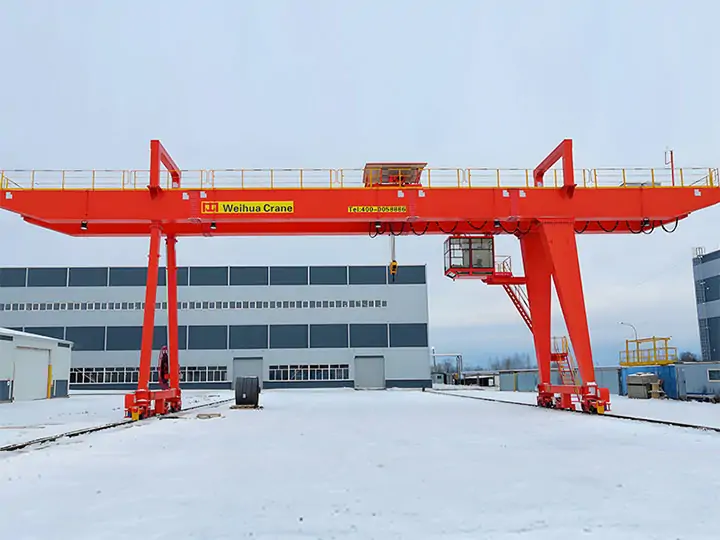
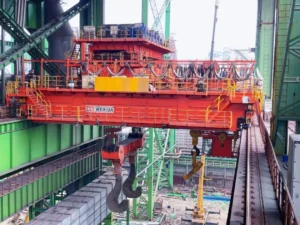
رافعة جسرية مثبتة على سكة حديدية

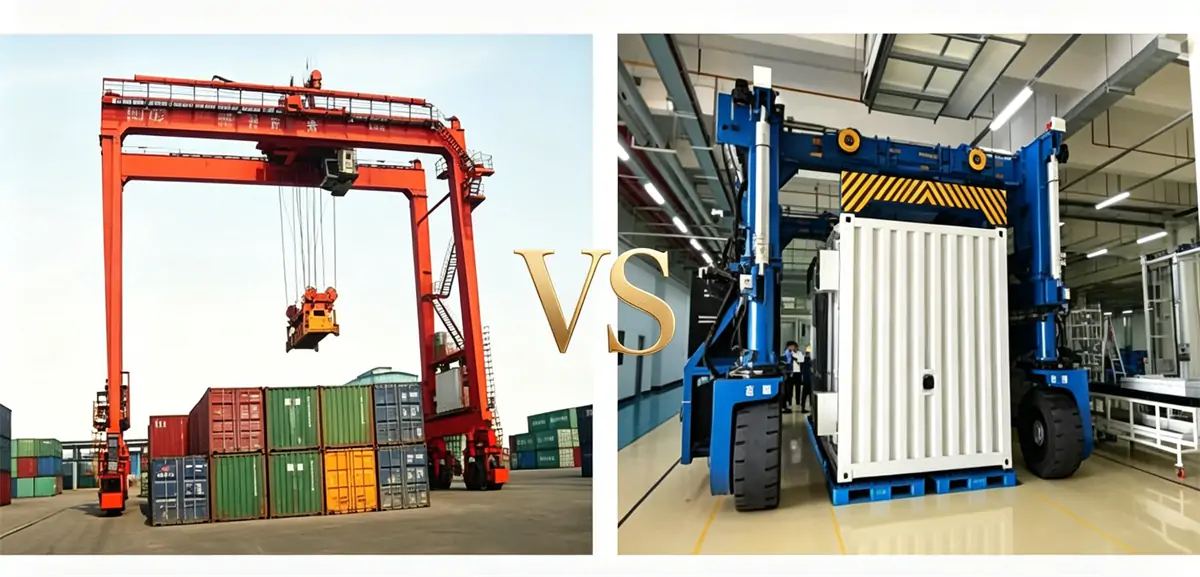
رافعة RTG مقابل رافعة RMG: الاختلافات الرئيسية، التكلفة وأيهما أفضل لساحات الحاويات؟

12 Feb 2026

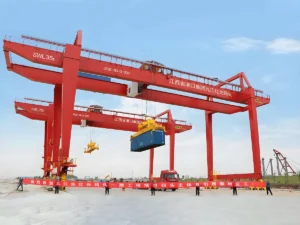
In container terminals and logistics yards, RTG vs RMG crane is a common comparison when selecting yard lifting equipment. Rubber Tyred Gantry (RTG) and Rail Mounted Gantry (RMG) cranes are mainly used for container stacking and transshipment, but they differ in mobility, power supply, automation level, and infrastructure requirements. This article will compare and analyze the structural composition, technical parameters, performance, application scenarios, and costs of RTG and RMG. What Is an RTG Crane? Rubber Tyred Gantry RTG Cranes​ is a mobile and flexible yard crane primarily used for container stacking and transshipment. It uses tires for mobility, allowing it to move freely within the yard. Powered typically by diesel or hybrid power, it offers flexible deployment options for scenarios requiring frequent repositioning within the yard. What Is an RMG Crane? Rail Mounted Container Gantry Crane operates along fixed tracks and is primarily used for container stacking and loading/unloading. It is electrically powered, offers stable operation, and is suitable for standardized yard layouts. RTG vs RMG: Key Differences Comparison RTG and RMG differ in terms of mobility, energy structure, level…

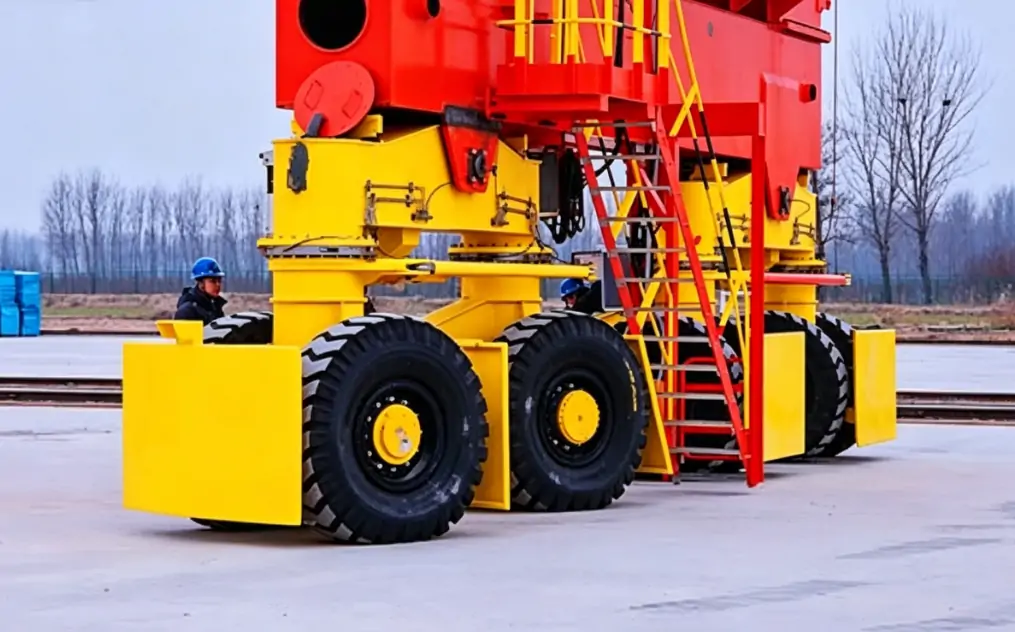
أجزاء رافعة RTG

What Is RTG Crane? A Complete Guide to Rubber-Tyred Gantry Cranes

29 يناير 2026

Introduction RTG Crane (Rubber-Tyred Gantry Crane) is a mobile lifting crane suitable for ports, logistics hubs, and bulk cargo facilities. Unlike rail-mounted RMG cranes, RTGs utilize rubber tires to move freely within yards, enabling efficient handling of containers, steel, and heavy cargo. They can integrate with intelligent yard management systems to achieve efficient stacking and precise operational control. In this article, you will gain a detailed understanding of RTG crane definitions, main components, pricing factors, and considerations for selection. It provides a comprehensive reference guide for ports, logistics, and industrial facilities, while also covering common questions regarding operation and maintenance. What is RTG Crane? An RTG crane (Rubber-Tyred Gantry Crane) is a mobile heavy-duty gantry crane primarily used for container handling, bulk cargo operations, and intermodal logistics yards. Unlike rail-mounted RMG cranes, RTG cranes operate on large rubber tyres, allowing them to move freely across expansive yard areas without the need for fixed rails. This mobility provides flexibility for yard layout adjustments, ideal for ports and terminals where space optimization and high throughput. RTG cranes are designed to lift and…

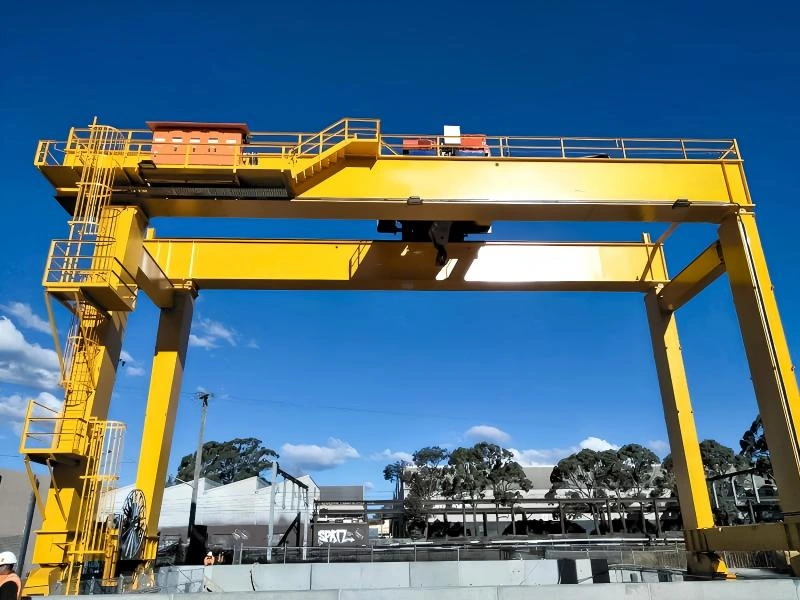
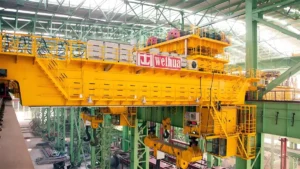
رافعة جسرية مركبة على سكة حديد

ما هي رافعة RMG؟ دليل كامل لرافعات البوابات المثبتة على السكك الحديدية

30 Jan 2026

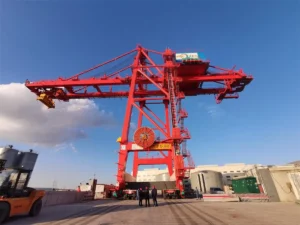
What is rmg crane?short for Rail Mounted Gantry Crane, operate on fixed rails and are primarily used for container handling operations in ports, railway container yards, and intermodal logistics terminals. Compared to rubber-tired gantry cranes, RMG cranes are more suitable for high-intensity, high-precision continuous operations, offering high stability, excellent positioning accuracy, and ease of automation. This article will systematically introduce what an RMG crane is, including its typical application scenarios, working principles, main technical parameters, and the core differences between RMG and RTG cranes. It will also analyze the advantages of RMG cranes in modern container handling and help you understand RMG cranes in the context of yard size, operational efficiency, and automation requirements. What Is an RMG Crane? RMG cranes are high-efficiency container handling and stacking equipment designed for ports, railway freight yards, and large logistics parks.They operate on rails, with the wheels moving on fixed tracks on the ground. Equipped with a retractable container spreader, they can lift, stack, and transfer 20-foot, 40-foot, and 45-foot international standard containers. Where Are RMG Cranes Commonly Used? RMG cranes are used…

Overhead-Crane-vs-Gantry-Crane

Overhead Crane vs Gantry Crane: Key Differences, Applications & How to Choose

20 Jan 2026

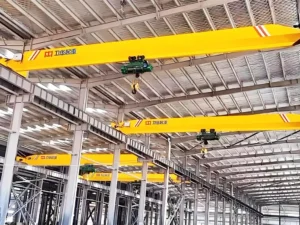
Overhead cranes and gantry cranes are both common lifting equipment used in manufacturing workshops, warehouses, steel plants, and outdoor yards. Both are used for material handling, but they differ in structural form, installation requirements, and operating environments. Improper selection during the initial project planning phase can lead to increased factory modification costs, extended construction periods, and even efficiency and safety problems during later operation. This article will systematically compare overhead cranes and gantry cranes across key dimensions such as structural characteristics, installation requirements, applicable scenarios, costs, and maintenance, helping you quickly determine which crane solution is best suited to your production needs based on your project conditions.  Below is our table of contents. Please jump to the corresponding section as needed: What Is an Overhead Crane? Overhead Travelling Cranes are installed in factory buildings or on independent track beams, and consist of two running tracks and a bridge structure connecting them. The hoisting mechanism and trolley move laterally along the bridge structure, and in conjunction with the longitudinal movement of the bridge structure, allow for longitudinal, lateral, and vertical movement…

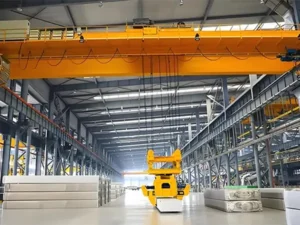
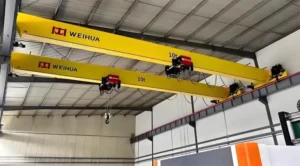
رافعة علوية مزدوجة العارضة

مبدأ عمل الرافعات العلوية: المكونات، الحركة، والتشغيل

13 Jan 2026

Overhead cranes are used in factory workshops, warehouses, steel mills, power plants, and assembly lines for the horizontal lifting and movement of heavy loads within fixed areas. Based on their operating principle, they coordinate hoisting, trolley travel, and bridge travel motions to enable precise material handling. Lifting capacity, span, lifting height, control methods, and duty cycle ratings are all customizable to meet diverse operational requirements. To understand the working principle of a bridge crane in detail, it is necessary to understand its overall structure and operating process. This article will introduce the definition, working principle, main components and functions, common terminology, basic operating procedures, and the differences in working principles among different types of bridge cranes.  Below is our table of contents. Please jump to the corresponding section as needed: What Is an Overhead Crane? An overhead crane is a lifting device suspended above workshops, warehouses, and material yards for transporting goods. Typically mounted on tracks along both sides of a factory building, it traverses the rails via a bridge structure and works in conjunction with a hoisting mechanism to…

تستخدم رافعة البوابة في تحميل وتفريغ البضائع في الموانئ أو المستودعات.

ما هي رافعة البوابة؟

06 Jan 2026

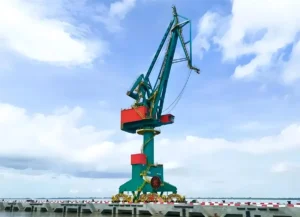
A portal crane features a rigid gantry structure that travels along rails, supporting a top-mounted lifting mechanism capable of 360-degree rotation. Portal cranes enable more precise and flexible handling of heavy cargo. They are widely used in ports, shipyards, and industrial docks to handle heavy cargo more efficiently. This article will analyze the working principles and main application scenarios of portal cranes, different types of portal cranes, and a comparison between portal cranes and gantry cranes, helping you gain a deeper understanding of portal cranes and providing a reference for your selection process. portal crane working principle The portal type crane supports its entire weight through a portal structure mounted on rails or a fixed foundation. The upper slewing mechanism enables 360° continuous rotation. During lifting operations, the hoisting mechanism drives the wire rope winch via an electric motor or hydraulic system, allowing the hook or grab to lift and lower cargo. Simultaneously, the luffing mechanism adjusts the boom angle to alter the working radius, adapting to loading and unloading requirements at different positions.During operation, the portal crane can traverse…

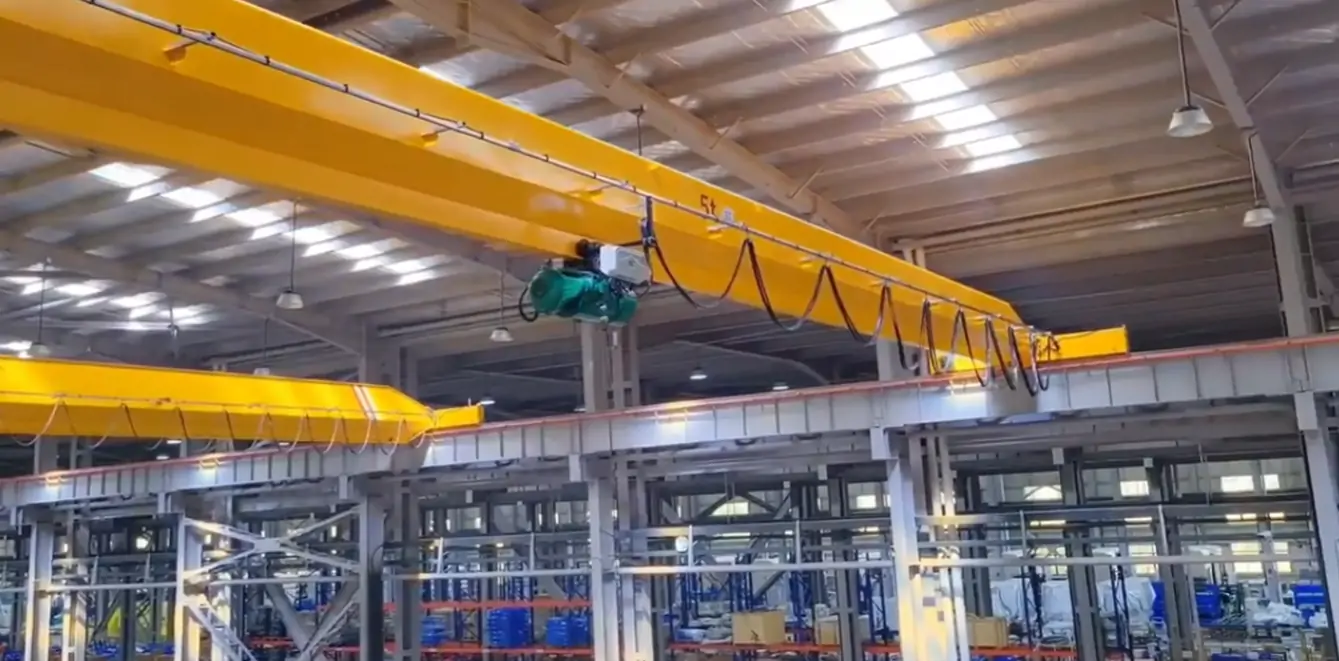
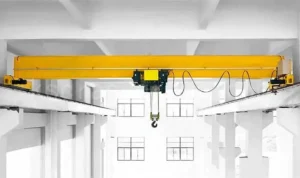
رافعة جسرية علوية

ما هو رافعة EOT؟

18 Dec 2025

الرافعة العلوية الكهربائية (EOT) هي نظام رفع علوي فعال وموثوق يُستخدم لمناولة المواد الثقيلة في المصانع والمستودعات وورش العمل والمنشآت الصناعية. تعمل الرافعات العلوية الكهربائية على سكك علوية، وتتيح حركة ثلاثية الأبعاد آمنة ودقيقة للأحمال من خلال تنسيق حركات الرفع والتحرك العرضي والتحرك الطولي. ستوجهك هذه المقالة عبر تعريفات الرافعات العلوية المتحركة وأنواعها وهيكلها ومبادئ عملها وتطبيقاتها وعوامل التكلفة لمساعدتك في اختيار الحل الأنسب لاحتياجات الرفع الخاصة بك. كيف تعمل الرافعات العلوية المتحركة؟ يتضمن مبدأ عمل الرافعات العلوية المتحركة مزيجًا من الرفع الرأسي وحركة العربة الأفقية والحركة الطولية للجسر، مما يتيح مناولة الأحمال الثقيلة بكفاءة عبر المنشآت الصناعية. تعمل الرافعة على قضبان مسار مرتفعة مثبتة على طول هيكل المبنى، مع امتداد عارضة الجسر عبر مساحة العمل. تعمل آلية الرفع على رفع أو خفض الحمولة باستخدام حبال أو سلاسل سلكية فولاذية، بينما تقوم العربة بنقل الحمولة أفقيًا على طول الجسر. تتحرك الرافعة بأكملها طوليًا على طول قضبان المسار، مما يتيح وضع المواد في وضع ثلاثي الأبعاد. تعمل الرافعات الجسرية الكهربائية الحديثة بمحركات كهربائية ذات سرعة دقيقة...

رافعة جسرية

رافعة جسرية

09 Dec 2025

في العمليات الصناعية الحديثة، تعتبر مناولة المواد الفعالة ضرورية لزيادة الإنتاجية وتحسين سير العمل. تعتبر الرافعات الجسرية، المعروفة أيضًا بالرافعات العلوية أو رافعات EOT، من أنظمة مناولة المواد الثابتة المستخدمة على نطاق واسع في التصنيع، ومعالجة المعادن، والتخزين، وعمليات التحميل/التفريغ. في هذه المقالة، سنستكشف مبدأ العمل، والمكونات الرئيسية، والتطبيقات، وفوائد التشغيل للرافعات الجسرية، مما يوفر دليلاً شاملاً للمخططين الصناعيين ومهنيي اللوجستيات. مبدأ عمل الرافعات الجسرية تعمل الرافعات الجسرية على هيكل يشبه الجسر يمتد عبر مساحة العمل، مع نظام عربة ورافعة يتحرك أفقيًا على طول الجسر ويرفع أو يخفض الأحمال عموديًا. تتيح حركة الرافعة عبر مسارها، جنبًا إلى جنب مع التحكم الدقيق بالرافعة، مناولة المواد الثقيلة بكفاءة وأمان في المصانع والمستودعات والمنشآت الصناعية. للحصول على معلومات حول كيفية عمل الرافعات العلوية، يرجى الاطلاع على هذه المقالة: مبدأ عمل الرافعات العلوية: المكونات، الحركة، وعملية التشغيل مصطلحات الرافعات الجسرية فيما يلي مقدمة للمصطلحات المتعلقة بأجزاء الرافعات الجسرية. سعة الرافعة: تشير سعة الرافعة إلى أقصى وزن يمكن للرافعة الجسرية رفعه بأمان. ويقاس عادة بالطن...

رافعات الموانئ

أنواع مختلفة من الرافعات المينائية والرافعات الجسرية المستخدمة في الموانئ والمحطات

04 Jan 2026

Overview of Port Cranes and Gantry Cranes in Harbor Operations Port cranes and gantry cranes are widely used in modern ports and terminals to handle containerized cargo, bulk materials, and oversized project cargo. However, different terminals face distinct operational challenges depending on cargo types, throughput requirements, yard layouts, automation levels, and budgets. Consequently, ports require various types of port cranes and gantry crane systems to meet diverse operational demands. This article provides a comprehensive overview of the various port crane types and gantry cranes used in ports and terminals, explaining their operating principles, application scenarios, and how to select the appropriate crane for your port project. Whether you are planning a new terminal construction, upgrading existing equipment, or comparing different crane solutions, this guide offers practical reference. What Is the Difference Between Gantry Cranes and Port Cranes? The difference between gantry cranes and port cranes primarily lies in their structure, operational location, and port functional positioning. Gantry cranes support yard operations, while port cranes connect ships to docks. Modern ports typically rely on both types of equipment to achieve smooth…

رافعة جسرية

ما هي رافعة جسرية؟

03 Dec 2025

الرافعة الجسرية هي معدات رفع تُستخدم على نطاق واسع في مختلف الصناعات ومواقع البناء والموانئ والمستودعات وغيرها من المجالات. ويجعلها هيكلها الفريد وقدرتها القوية على تحمل الأحمال خيارًا مثاليًا لمناولة المواد الثقيلة في العصر الحديث. ويتيح تصميم الهيكل “الجسري” للرافعة التحرك بحرية داخل المساحة، مما يغطي منطقة عمل واسعة. إذن، ما الذي يجعل الرافعات الجسرية مميزة؟ وما هي أنواعها ومعاييرها وطرق التحكم فيها وتطبيقاتها ومبادئ عملها؟ كيف تختلف عن الرافعات الجسرية؟ دعونا نستكشف ذلك معًا. أنواع الرافعات الجسرية بناءً على التصميم والتطبيق وبيئة التشغيل، تُصنف الرافعات الجسرية عادةً إلى الأنواع التالية: الرافعة الجسرية أحادية العارضة تُستخدم الرافعات الجسرية أحادية العارضة على نطاق واسع في القطاعات الصناعية والمستودعات والموانئ وورش العمل. تتميز بآلية رفع مدعومة بعارضة واحدة، وتتحرك عبر أعمدة جانبية وقضبان سفلية. بفضل هيكلها البسيط وتشغيلها السهل وقدرتها المعتدلة على الرفع، فهي مثالية لمناولة الأحمال الخفيفة إلى المتوسطة. وبفضل قدرتها على عبور مسافات كبيرة بحرية، فإن الرافعات الجسرية ذات العارضة الواحدة مناسبة لعمليات مناولة ورفع المواد الثقيلة. الرافعات الجسرية ذات العارضتين مقارنة بالرافعات الجسرية ذات العارضة الواحدة، توفر الرافعات الجسرية ذات العارضتين قدرة أكبر...

رافعة جسرية أحادية العارضة

أنواع الرافعات الجسرية، وكيفية الاختيار؟

29 Dec 2025

تُستخدم الرافعات الجسرية على نطاق واسع في ساحات التخزين المفتوحة، وأحواض بناء السفن، والمصانع، ومواقع البناء، مما يجعلها واحدة من أكثر حلول مناولة المواد تنوعًا وتطبيقًا على نطاق واسع. تأتي الرافعات الجسرية في أنواع مختلفة، وكل منها قابل للتخصيص ليناسب قدرات تحميل وسعات مختلفة، وظروف الموقع، ومتطلبات التشغيل. ومع ذلك، فإن اختيار التكوين الخاطئ يمكن أن يؤدي إلى نفقات غير ضرورية، أو قدرة رفع محدودة، أو قيود على التوسع المستقبلي. إذن، ما هي الأنواع الرئيسية للرافعات الجسرية؟ كيف تختار النوع المناسب لتطبيقك؟ في هذا الدليل، سنقدم نظرة عامة مفصلة على أنواع الرافعات الجسرية المختلفة بناءً على الهيكل، والتنقل، وسيناريوهات التطبيق، مما يساعدك على اتخاذ القرار الصحيح قبل الاستثمار في حل رفع. المقال طويل جدًا. فيما يلي جدول المحتويات الخاص بنا. يرجى التوجه إلى القسم المقابل حسب الحاجة: ما هي الرافعات الجسرية؟ الرافعات الجسرية هي معدات رفع مصممة لمناولة البضائع الثقيلة بكفاءة في المواقع المفتوحة الكبيرة. يتميز هيكلها المميز بشعاع أو أكثر من الأشعة الرئيسية مدعوم بأرجل صلبة (أو مرنة) على كلا الجانبين، لتشكيل إطار ضخم على شكل “بوابة”. تتنقل هذه الرافعات...

رافعة البوابة مقابل رافعة الجسر

روافع البوابيات مقابل روافع الجسر: الهيكل، التطبيق، ودليل الاختيار

5 ديسمبر 2025

في الموانئ، والحدائق اللوجستية، ومناولة المواد الصناعية، تعتبر الرافعات البوابية والرافعات الجسرية نوعين شائعين وأساسيين من معدات التحميل/التفريغ. تختلف هذه الرافعات في التصميم الهيكلي، وخصائص الأداء، وطرق التشغيل، وسيناريوهات التطبيق، وتكاليف الاستثمار. تقدم هذه المقالة تحليلاً شاملاً للرافعات البوابية مقابل الرافعات الجسرية وتوجهك لاتخاذ الاختيار الصحيح. مقارنة التصميم الهيكلي تتجلى الاختلافات الهيكلية بين الرافعات البوابية والرافعات الجسرية بشكل أساسي في طرق تحمل الأحمال، ومسارات الحركة، ونطاقات التغطية. يركز الأول على برج ثابت وذراع دوار، مع التركيز على “تغطية النقاط” والدوران الأفقي المرن. يتميز الأخير ببنية إطار بوابة ورحلة سكة حديد طولية، مع إعطاء الأولوية لـ “الحركة الأفقية الواسعة” والتعامل الفعال مع الخدمات اللوجستية في الموقع. نتيجة لذلك، فإن تصميماتهما الهيكلية المميزة تملي مباشرة سيناريوهات التطبيق المختلفة. الخصائص الهيكلية للرافعات البوابية تستخدم الرافعات الدوارة البوابية هياكل أذرع مفردة/مزدوجة منصة، مع تثبيت البرج على الأسس أو السكك الحديدية، مما يتيح دورانًا بزاوية 360 درجة أو جزئيًا. يمكّن هذا التكوين التشغيل المرن في المساحات الضيقة والممتدة مثل السواحل، وواجهات الأرصفة، وأرصفة السفن، مما يجعله مناسبًا بشكل خاص لمناولة المواد من السفينة إلى الشاطئ. تجمع وظيفتها الأساسية بين العمودي…

الأعلى