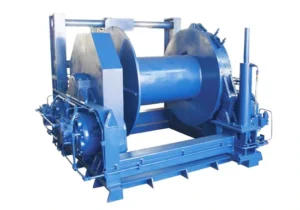
- منتجمعداتالدقة الكهربائية، التخصيص، حلول الرافعاتبريد إلكتروني:واتساب / وي شات:+8613781917315عنوانرقم 18 طريق شانهاي، مدينة تشانغ يوان، مقاطعة خنان، الصين


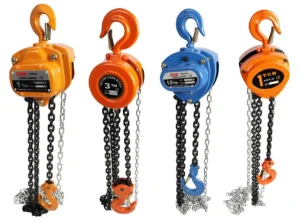
A رافعة سلسلة يدوية الرافعة اليدوية ذات السلسلة، والمعروفة أيضًا باسم رافعة السلسلة أو رافعة السلسلة ذات البكرة، هي جهاز رفع ميكانيكي يستخدم قوة الإنسان المطبقة عبر سلسلة يدوية لرفع أو خفض أو تعليق الأحمال الثقيلة عموديًا. يعمل نظام تخفيض السرعة الداخلي على مضاعفة قوة إدخال المشغل، مما يسمح لشخص واحد برفع أحمال تفوق قوته عدة مرات بأقل جهد.
تتميز الرافعات السلسلية اليدوية بصغر حجمها وخفة وزنها واستقلالها التام عن الطاقة الكهربائية. ونتيجة لذلك، فهي تُستخدم على نطاق واسع في المصانع ومواقع البناء والمناجم وأحواض بناء السفن والمستودعات وعمليات الإنقاذ الطارئة في جميع أنحاء العالم.
تتوفر الرافعات السلسلية اليدوية بتكوينات متعددة، كل منها مصمم لتلبية ظروف عمل ومتطلبات حمولة محددة. يساعدك فهم الاختلافات بين الأنواع على اختيار الرافعة السلسلية اليدوية الأنسب لتطبيقك.
| اكتب | وصف | الأفضل لـ |
|---|---|---|
| رافعة سلسلة يدوية قياسية | النوع الأكثر شيوعاً؛ يستخدم تروساً دودة أو تروساً كوكبية لتقليل السرعة | أعمال الرفع والتركيب العامة |
| رافعة سلسلة ذات ارتفاع منخفض | مسافة أقصر بين الخطافين للمساحات الضيقة | العمل في الأماكن المغلقة مع مساحة رأسية محدودة |
| رافعة سلسلة مقاومة للانفجار | مكونات من سبائك النحاس/الألومنيوم تمنع الشرر | البيئات البتروكيميائية والتعدينية والبيئات القابلة للاشتعال |
| رافعة سلسلة من الفولاذ المقاوم للصدأ | مصنوع من الفولاذ المقاوم للصدأ 304/316 | معالجة الأغذية، والصناعات الدوائية، والتطبيقات البحرية |
| رافعة سلسلة محمولة خفيفة الوزن | وزن خفيف لسهولة النقل | العمل الميداني، المواقع النائية، التجهيزات المؤقتة |
| رافعة سلسلة شديدة التحمل | سعة مصنفة تبلغ 20 طنًا فأكثر | أحواض بناء السفن، تركيب المعدات الثقيلة |
| نطاق السعة | النماذج النموذجية | التطبيقات الشائعة |
|---|---|---|
| خدمة خفيفة | 0.25 طن / 0.5 طن | إصلاح السيارات، الصناعات الخفيفة |
| متوسطة التحمل | 1 طن / 2 طن / 3 طن | التركيبات الميكانيكية، التخزين |
| شديد التحمل | 5 طن / 10 طن / 16 طن | أعمال البناء وصيانة المعدات |
| شديد التحمل | 20 طن / 30 طن / 50 طن | أحواض بناء السفن، الصناعات الثقيلة |
يُعدّ فهم مكونات الرافعة السلسلية اليدوية أمراً أساسياً للتشغيل الصحيح والفحص الدوري والصيانة الآمنة. لكل جزء دور محدد في آلية الرفع ككل.
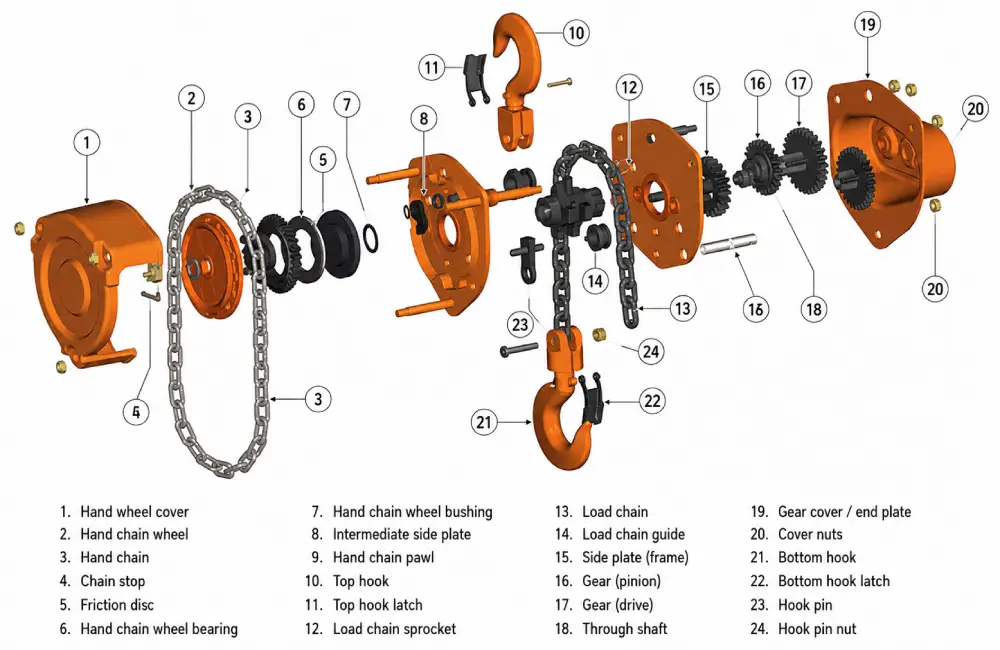
| لا. | اسم المكون | وصف |
|---|---|---|
| 1 | غطاء عجلة اليد | يحمي عجلة السلسلة اليدوية الداخلية ويمنع دخول الغبار أو الحطام. |
| 2 | عجلة سلسلة يدوية | يقوم بتشغيل آلية الرفع عند سحب السلسلة اليدوية. |
| 3 | سلسلة يدوية | يتم تشغيلها يدوياً لرفع أو خفض الحمولة. |
| 4 | مانع انزلاق السلسلة | يمنع تجاوز السلسلة لحدودها لضمان التشغيل الآمن. |
| 5 | قرص احتكاك | جزء أساسي من نظام الكبح لتثبيت الحمولة بشكل آمن. |
| 6 | محمل عجلة سلسلة اليد | يدعم الدوران السلس لعجلة سلسلة اليد. |
| 7 | جلبة عجلة سلسلة اليد | يقلل الاحتكاك والتآكل أثناء التشغيل. |
| 8 | لوحة جانبية متوسطة | يوفر الدعم الهيكلي بين المكونات الداخلية. |
| 9 | مخلب سلسلة اليد | يتفاعل مع نظام السقاطة لمنع الحركة العكسية. |
| 10 | الخطاف العلوي | يربط الرافعة بهيكل الدعم العلوي. |
| 11 | مزلاج الخطاف العلوي | مزلاج أمان لتأمين وصلة الخطاف العلوي. |
| 12 | تحميل سلسلة التروس | يقوم بتوجيه سلسلة الحمولة وقيادتها أثناء الرفع. |
| 13 | سلسلة التحميل | يتحمل ويرفع الحمل مباشرة. |
| 14 | دليل سلسلة التحميل | يضمن المحاذاة الصحيحة لسلسلة التحميل. |
| 15 | اللوحة الجانبية (الإطار) | الهيكل الإنشائي الرئيسي الذي يضم المكونات الداخلية. |
| 16 | الترس (الترس الصغير) | ينقل الحركة داخل نظام التروس. |
| 17 | التروس (المحرك) | يضاعف القوة لتمكين رفع الأحمال الثقيلة. |
| 18 | العمود الممتد | يقوم بتوصيل ومحاذاة المكونات الدوارة عبر الرافعة. |
| 19 | غطاء التروس / اللوحة الطرفية | يحيط بمجموعة التروس ويحميها. |
| 20 | صواميل الغطاء | قم بتثبيت مكونات الهيكل وتأمينها. |
| 21 | الخطاف السفلي | يتم تثبيته على الحمولة المراد رفعها. |
| 22 | مزلاج الخطاف السفلي | يمنع انزلاق الحمولة من الخطاف. |
| 23 | دبوس الخطاف | يربط مكونات الخطاف بإحكام. |
| 24 | صامولة دبوس الخطاف | يثبت دبوس الخطاف في مكانه لأغراض السلامة. |
يعتمد مبدأ عمل الرافعة السلسلية اليدوية على الميزة الميكانيكية من خلال تخفيض السرعة بواسطة التروس. تتيح هذه الآلية البسيطة والفعالة للغاية لمشغل واحد رفع الأحمال بأمان، والتي تتطلب في العادة فريقًا أو معدات تعمل بالطاقة.
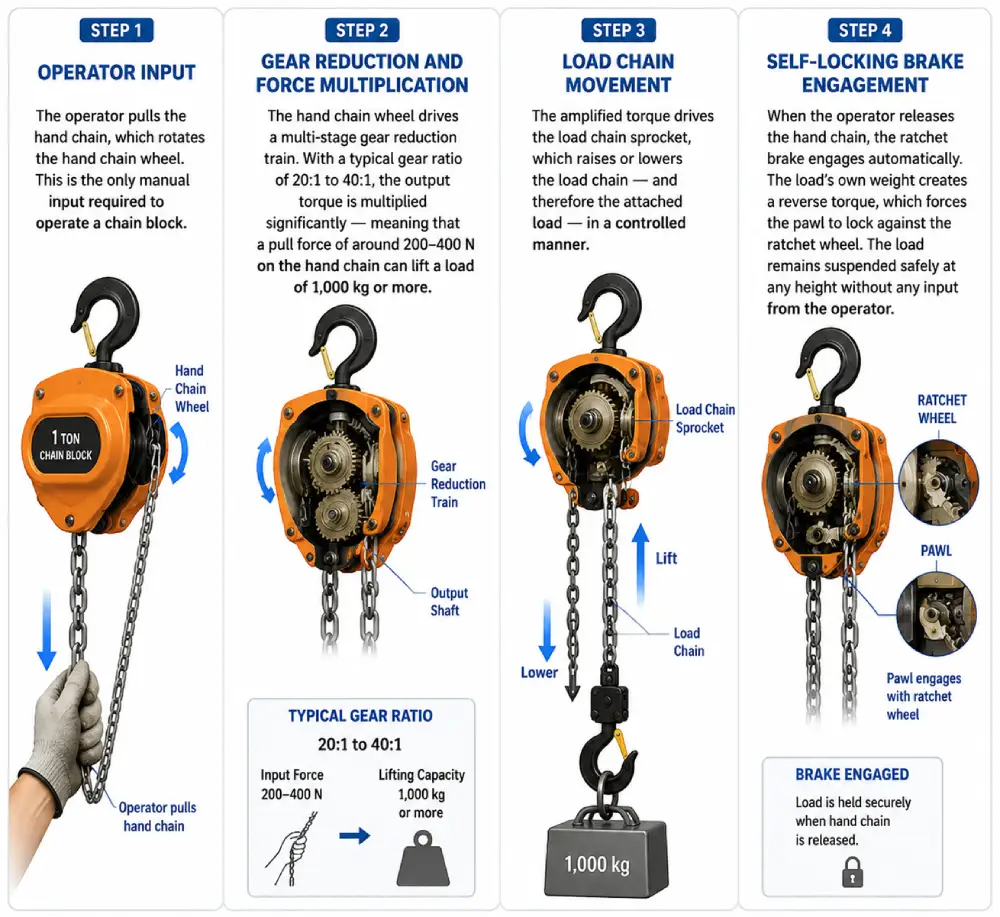
الخطوة 1 - إدخال المشغل: يقوم المشغل بسحب السلسلة اليدوية، مما يؤدي إلى تدوير عجلة السلسلة. هذا هو الإدخال اليدوي الوحيد المطلوب لتشغيل رافعة السلسلة.
الخطوة 2 - تخفيض التروس ومضاعفة القوة: تقوم عجلة السلسلة اليدوية بتشغيل نظام تروس تخفيض متعدد المراحل. وبنسبة تروس نموذجية تتراوح من 20:1 إلى 40:1، يتضاعف عزم الدوران الناتج بشكل كبير، مما يعني أن قوة سحب تتراوح بين 200 و400 نيوتن على السلسلة اليدوية يمكنها رفع حمولة تزن 1000 كيلوغرام أو أكثر.
الخطوة 3 - تحميل حركة السلسلة: يؤدي عزم الدوران المضخم إلى تحريك ترس سلسلة الحمل، مما يؤدي إلى رفع أو خفض سلسلة الحمل - وبالتالي الحمل المرفق - بطريقة متحكم بها.
الخطوة 4 - تفعيل نظام الفرامل ذاتية القفل: عندما يحرر المشغل السلسلة اليدوية، يتم تفعيل فرامل السقاطة تلقائيًا. يُولّد وزن الحمولة عزم دوران عكسي، مما يجبر ذراع القفل على الانغلاق على عجلة السقاطة. وتبقى الحمولة معلقة بأمان على أي ارتفاع دون أي تدخل من المشغل.
يُعدّ فرامل السقاطة ميزة الأمان الأساسية في كل رافعة سلسلة يدوية:
عامل الأمان: يجب ألا يقل الحد الأدنى لحمل كسر سلسلة الرافعة اليدوية عن أربعة أضعاف السعة المقدرة (عامل أمان 4:1)، بما يتوافق مع المعايير الدولية EN 13157 و ASME B30.21.
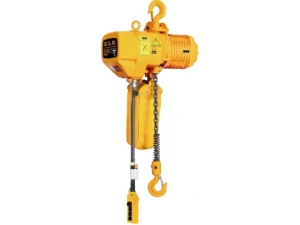
يعتمد اختيار الرافعة السلسلية اليدوية أو الكهربائية على ظروف العمل الخاصة بك، وعدد مرات الاستخدام، والميزانية المتاحة. وتغطي المقارنة التالية جميع عوامل القرار الرئيسية:
| عامل المقارنة | رافعة سلسلة يدوية | رافعة سلسلة كهربائية |
|---|---|---|
| مصدر الطاقة | القوة البشرية فقط | محرك كهربائي (ثلاثي الطور أو أحادي الطور) |
| سرعة التشغيل | بطيء (0.5 - 3 م/دقيقة) | سريع (3 - 12 م/دقيقة) |
| جهد المشغل | متوسط الشدة؛ قد يحدث إرهاق خلال الجلسات الطويلة | تصميم بسيط؛ تحكم بضغطة زر |
| الاعتماد على القوة | لا شيء — يعمل في أي مكان | يتطلب مصدر طاقة مستقر |
| أمان ذاتي القفل | سقاطة ميكانيكية؛ ذاتية القفل بطبيعتها | يعتمد على المكابح الكهرومغناطيسية؛ ويعتمد على الطاقة |
| وزن المنتج | خفيف (2.5 - 50 كجم) | ثقيل (20 – 200 كجم) |
| تكلفة الشراء | منخفض ($30 – $800) | مرتفع ($150 – $8,000+) |
| تثبيت | علّقها وانطلق - لا حاجة لأي إعداد | يتطلب ذلك سكة حديدية، وعربة ترام، وتمديدات كهربائية |
| تكاليف الصيانة | منخفض جدًا - مكونات قليلة | أعلى - صيانة المحركات وأنظمة التحكم |
| مستوى الضوضاء | شبه صامت | ضوضاء تشغيل المحرك |
| درجة حرارة التشغيل | من -20 درجة مئوية إلى +50 درجة مئوية | نطاق أضيق (محدود بالمحرك) |
| تكلفة مقاومة للانفجار | تعديل بناء منخفض - قياسي | عالي - يتطلب وحدة مصنفة بالكامل وفقًا لمعايير ATEX |
| عمر الخدمة | 10 – 20 سنة | 5 – 10 سنوات |
| الأنسب لـ | الرفع المؤقت أو منخفض التردد أو خارج الشبكة | محطات ثابتة، خطوط عالية التردد وآلية |
| نموذج | السعة المقدرة (طن) | الارتفاع القياسي للمصعد (م) | الحد الأدنى لمسافة الخطاف (مم) | قوة السحب اليدوي (نيوتن) | قطر سلسلة التحميل (مم) | شلالات تشين | الوزن الصافي (كجم) |
|---|---|---|---|---|---|---|---|
| HS-0.25 | 0.25 | 2.5 | 265 | ≤160 | φ5 | 1 | 2.5 |
| HS-0.5 | 0.5 | 2.5 | 290 | ≤190 | φ6 | 1 | 3.5 |
| HS-1 | 1 | 3.0 | 320 | ≤210 | φ7.1 | 1 | 7.2 |
| HS-1.5 | 1.5 | 3.0 | 340 | ≤230 | φ8 | 1 | 9.5 |
| HS-2 | 2 | 3.0 | 370 | ≤250 | φ9 | 1 | 13.0 |
| HS-3 | 3 | 3.0 | 400 | ≤320 | φ9 | 2 | 17.5 |
| HS-5 | 5 | 3.0 | 470 | ≤370 | φ10.6 | 2 | 28.0 |
| HS-10 | 10 | 3.0 | 590 | ≤400 | φ11.2 | 4 | 56.0 |
تتوفر ارتفاعات المصاعد حسب الطلب: 3 م / 5 م / 6 م / 9 م / 12 م / حسب الطلب.
| نموذج | السعة المقدرة (طن) | الحد الأدنى لمسافة الخطاف (مم) | ارتفاع المصعد (م) | الوزن الصافي (كجم) |
|---|---|---|---|---|
| LSC-0.5 | 0.5 | 190 | 2.5 | 4.0 |
| LSC-1 | 1 | 215 | 3.0 | 8.5 |
| LSC-2 | 2 | 255 | 3.0 | 15.0 |
| LSC-3 | 3 | 300 | 3.0 | 21.0 |
| LSC-5 | 5 | 385 | 3.0 | 35.0 |
| نموذج | السعة المقدرة (طن) | تصنيف ATEX | ارتفاع المصعد (م) | الوزن الصافي (كجم) |
|---|---|---|---|---|
| EXHS-0.5 | 0.5 | التمرين الثاني BT4 | 2.5 | 5.5 |
| EXHS-1 | 1 | التمرين الثاني BT4 | 3.0 | 11.0 |
| EXHS-2 | 2 | التمرين الثاني BT4 | 3.0 | 18.5 |
| EXHS-3 | 3 | التمرين الثاني BT4 | 3.0 | 25.0 |
| EXHS-5 | 5 | التمرين الثاني BT4 | 3.0 | 42.0 |
صُممت رافعات السلسلة اليدوية لدينا وصُنعت واختُبرت لتلبية معايير السلامة والجودة الدولية الأكثر شيوعًا. ويضمن الالتزام بهذه المعايير أداءً موثوقًا وحمايةً لكلٍ من المشغلين والممتلكات.
| المعيار / الشهادة | نِطَاق |
|---|---|
| GB/T 13329 | المعيار الوطني الصيني للرافعات السلسلية اليدوية |
| EN 13157 | معيار السلامة الأوروبي للرافعات السلسلية التي تعمل يدويًا |
| ASME B30.21 | المعيار الأمريكي للرافعات التي تعمل بالرافعة اليدوية |
| علامة CE | شهادة المطابقة الأوروبية |
| علامة GS | شهادة السلامة الألمانية (Geprüfte Sicherheit) |
| ISO 4347 | معيار دولي لسلاسل التحميل المستخدمة في الرافعات السلسلية |
| توجيه ATEX | المعيار الأوروبي للمعدات المقاومة للانفجار |
يتطلب اختيار الرافعة اليدوية السلسلية المناسبة لتطبيقك دراسة متأنية لعدة عوامل رئيسية. اتبع هذه الإرشادات لاتخاذ قرار شراء مدروس:
اختر دائمًا رافعة سلسلة يدوية ذات سعة مصنفة يجب أن يكون وزن الحمولة القصوى أعلى بمقدار 25% على الأقل. على سبيل المثال، إذا كانت أثقل حمولة لديك 2000 كجم، فاختر رافعة سلسلة سعتها 3 أطنان. لا تقم أبدًا بتشغيل رافعة سلسلة يدوية عند أو فوق حدها المقنن.
يبلغ ارتفاع الرفع القياسي لمعظم الرافعات السلسلية اليدوية 3 أمتار. ومع ذلك، إذا كان تطبيقك يتطلب الرفع لمسافات أطول - كما هو الحال في المستودعات ذات الأسقف العالية أو المنشآت الصناعية الشاهقة - فإن ارتفاعات الرفع المخصصة التي تبلغ 5 أمتار أو 6 أمتار أو 9 أمتار أو 12 مترًا متاحة عند الطلب.
يُعدّ الرافعة السلسلية اليدوية الخيار الأمثل من حيث التكلفة عندما يكون معدل الرفع منخفضًا إلى متوسط (حتى 20-30 عملية رفع يوميًا). أما في حالة معدلات الرفع الأعلى، فإن الرافعة السلسلية الكهربائية تُحسّن الإنتاجية وتقلل من إجهاد المشغل.
احرص دائمًا على شراء الرافعات السلسلية اليدوية من المصنّعين أو المورّدين الذين يمكنهم تقديم وثائق تثبت مطابقتها للمعايير الأوروبية EN 13157 أو ASME B30.21 أو المعايير الإقليمية المكافئة. ابحث عن شهادات CE أو GS أو غيرها من الشهادات المعترف بها على ملصق المنتج.
على الرغم من أن التكلفة الأولية للرافعة اليدوية ذات السلسلة أقل بكثير من تكلفة النموذج الكهربائي، إلا أنه من المهم بنفس القدر مراعاة تكاليف الصيانة على المدى الطويل، وأجور المشغل، والعمر التشغيلي المتوقع عند اتخاذ القرار النهائي.
شركة Weihua هي شركة صينية متخصصة في تصنيع وتوريد الرافعات السلسلية اليدوية، ولديها خبرة تزيد عن 37 عامًا في تصميم وتصنيع معدات الرفع. وبفضل خبرتها الواسعة في مشاريع متنوعة تشمل المصانع الصناعية ومواقع البناء وأحواض بناء السفن وعمليات التعدين، تقدم Weihua حلولًا موثوقة ومخصصة للرافعات السلسلية اليدوية تناسب جميع التطبيقات.
تُصنّع جميع منتجاتنا وفق نظام صارم لمراقبة الجودة، وتتوافق تماماً مع معايير CE وISO، مما يضمن أداءً متميزاً في مجال السلامة ومتانةً طويلة الأمد. نوفر شبكة عالمية لخدمات ما بعد البيع، بالإضافة إلى ضمان لمدة عام على جميع منتجات الرافعات السلسلية.
كما نقدم مجموعة واسعة من حلول معدات الرفع، بما في ذلك الرافعات السلسلية الكهربائية، والرافعات اليدوية، و أنظمة الرافعات العلوية. اتصل بفريقنا الهندسي اليوم للحصول على حلول مخصصة لرافعات السلاسل اليدوية مصممة خصيصًا لتلبية متطلباتك.
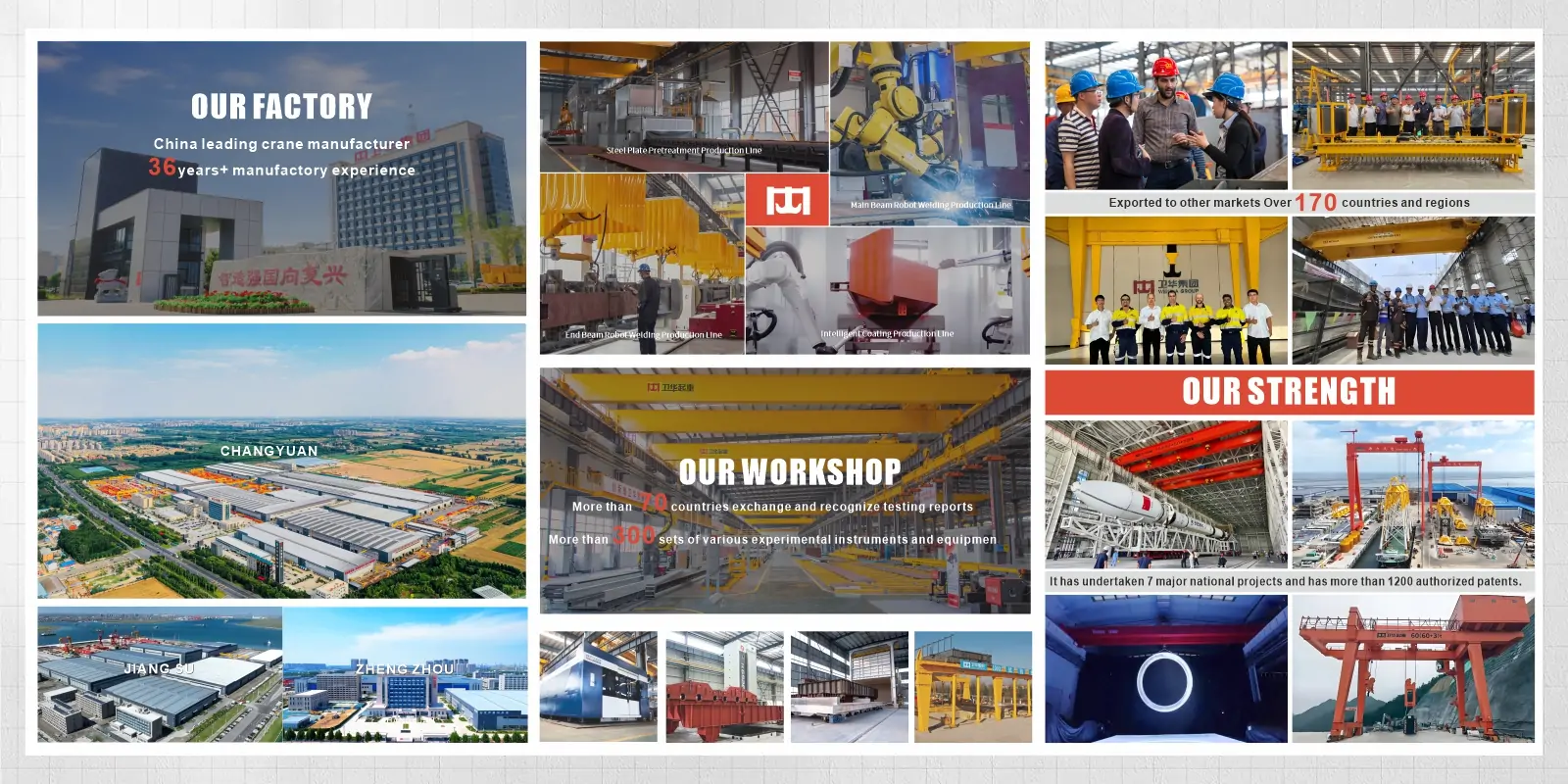
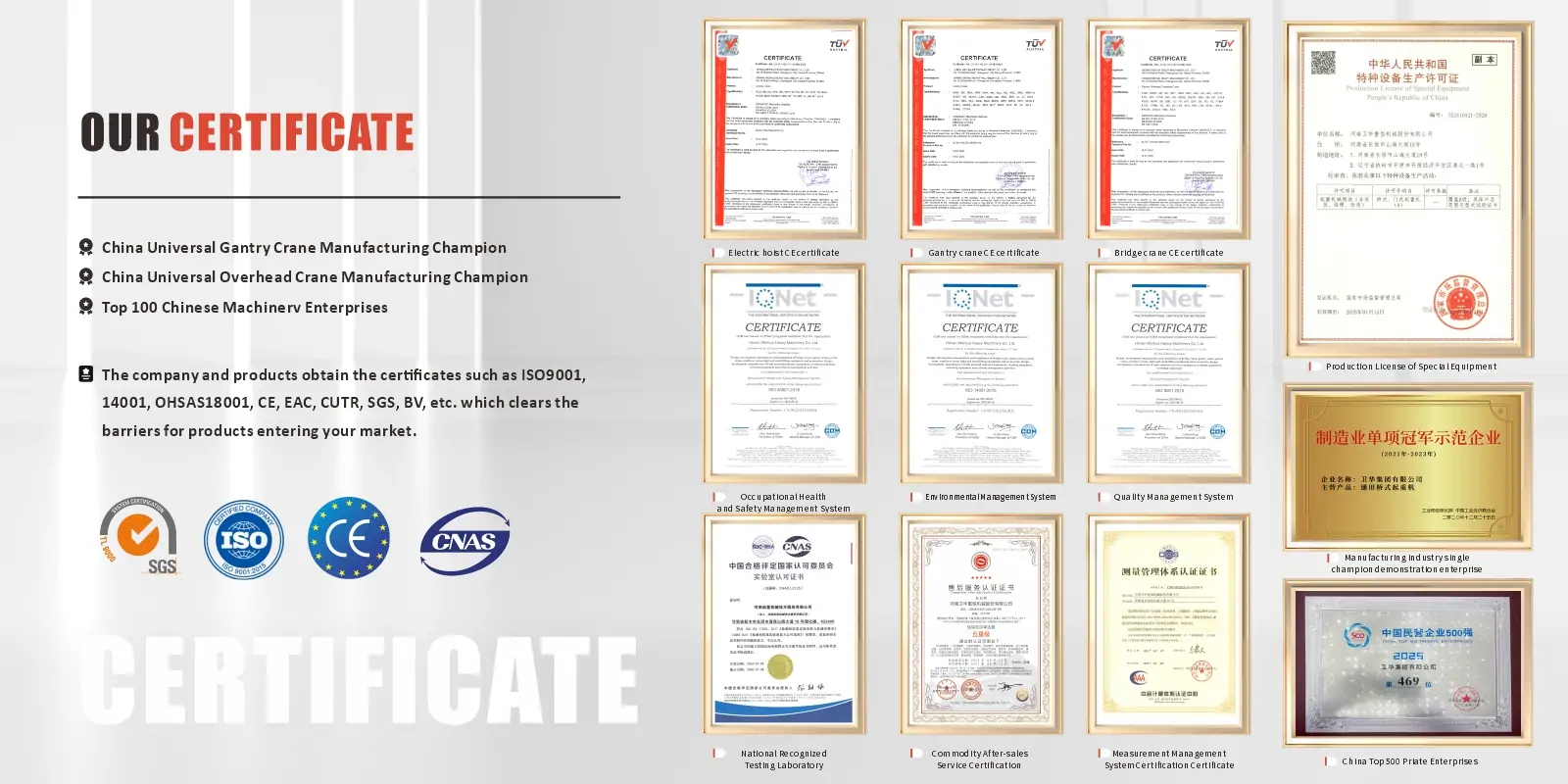
تطورت شركة "وي هوا"، التي تأسست عام 1988، لتصبح رائدة عالمية في مجال التصنيع الذكي في الصين. نحن متخصصون في البحث والتطوير وإنتاج الرافعات الذكية، مع توفير حلول المركبات الموجهة آليًا (AGV). تقدم فرقنا الهندسية والتسليم وما بعد البيع المحترفة دعمًا تقنيًا شاملًا، وحلولًا مخصصة، وإرشادات تركيب في الموقع، وخدمات عالمية سريعة الاستجابة لضمان تشغيل كل مشروع بأمان وكفاءة.
أ: يتم تشغيل الرافعة اليدوية بالسلسلة عن طريق سحب سلسلة يدوية معلقة في حلقة متصلة، وهي مثالية للرفع الرأسي. أما الرافعة ذات المقبض (الرافعة المسننة) فتستخدم مقبضًا قصيرًا مزودًا بآلية تسنن، مما يجعلها أكثر ملاءمة للسحب الأفقي والشد والأماكن الضيقة حيث يكون استخدام السلسلة المعلقة غير عملي.
ج: مع الفحص المنتظم والتشحيم المناسب، يمكن لرافعة السلسلة اليدوية عالية الجودة أن توفر من 10 إلى 20 سنة تتميز هذه السلسلة بخدمة موثوقة. وعادةً ما تكون أول مكون يحتاج إلى استبدال بسبب التآكل الطبيعي.
ج: نعم. يمكن استخدام الرافعات السلسلية اليدوية القياسية في الهواء الطلق في معظم الظروف الجوية. أما في حالة التعرض الطويل للعوامل الجوية، فيُنصح باستخدام نماذج مصنوعة من الفولاذ المقاوم للصدأ أو نماذج ذات طلاءات مقاومة للتآكل.
ج: تقدم معظم الشركات المصنعة رافعات سلسلة يدوية تصل إلى 50 طنًا. بالنسبة للأحمال التي تتجاوز هذه السعة، عادةً ما تكون هناك حاجة إلى تكوينات الرفع المتعددة أو معدات الرفع الثقيلة المتخصصة.
أ: تشمل مهام الصيانة الرئيسية ما يلي: فحص سلسلة التحميل للتأكد من عدم تآكلها أو استطالتها، وتزييت سلسلة التحميل والتروس بالشحم المناسب، وفحص الخطافات للتأكد من عدم تشوهها، واختبار فرامل السقاطة للتأكد من تعشيقها بشكل صحيح. يجب الاحتفاظ بسجل صيانة كامل لكل وحدة رافعة.
اتصل بنا الآن عبر البريد الإلكتروني: [email protected], ، أو املأ النموذج أدناه.


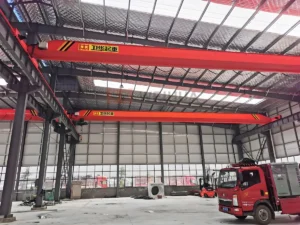
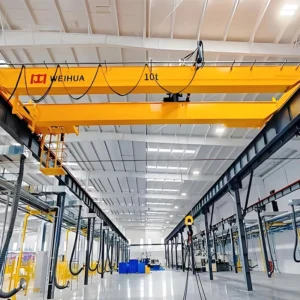
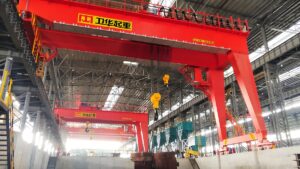
الرافعة الجسرية هي معدات رفع تُستخدم على نطاق واسع في مختلف الصناعات ومواقع البناء والموانئ والمستودعات وغيرها من المجالات. ويجعلها هيكلها الفريد وقدرتها القوية على تحمل الأحمال خيارًا مثاليًا لمناولة المواد الثقيلة في العصر الحديث. ويتيح تصميم الهيكل “الجسري” للرافعة التحرك بحرية داخل المساحة، مما يغطي منطقة عمل واسعة. إذن، ما الذي يجعل الرافعات الجسرية مميزة؟ وما هي أنواعها ومعاييرها وطرق التحكم فيها وتطبيقاتها ومبادئ عملها؟ كيف تختلف عن الرافعات الجسرية؟ دعونا نستكشف ذلك معًا. أنواع الرافعات الجسرية بناءً على التصميم والتطبيق وبيئة التشغيل، تُصنف الرافعات الجسرية عادةً إلى الأنواع التالية: الرافعة الجسرية أحادية العارضة تُستخدم الرافعات الجسرية أحادية العارضة على نطاق واسع في القطاعات الصناعية والمستودعات والموانئ وورش العمل. تتميز بآلية رفع مدعومة بعارضة واحدة، وتتحرك عبر أعمدة جانبية وقضبان سفلية. بفضل هيكلها البسيط وتشغيلها السهل وقدرتها المعتدلة على الرفع، فهي مثالية لمناولة الأحمال الخفيفة إلى المتوسطة. وبفضل قدرتها على عبور مسافات كبيرة بحرية، فإن الرافعات الجسرية ذات العارضة الواحدة مناسبة لعمليات مناولة ورفع المواد الثقيلة. الرافعات الجسرية ذات العارضتين مقارنة بالرافعات الجسرية ذات العارضة الواحدة، توفر الرافعات الجسرية ذات العارضتين قدرة أكبر...
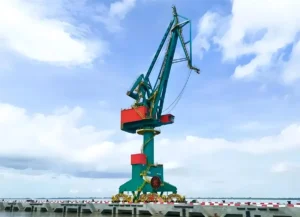
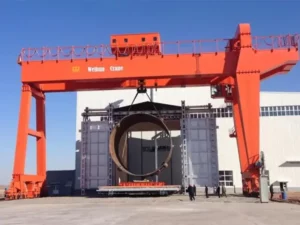
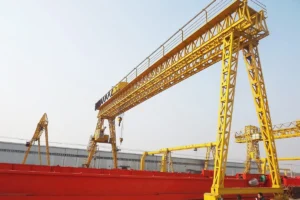
في الموانئ، والحدائق اللوجستية، ومناولة المواد الصناعية، تعتبر الرافعات البوابية والرافعات الجسرية نوعين شائعين وأساسيين من معدات التحميل/التفريغ. تختلف هذه الرافعات في التصميم الهيكلي، وخصائص الأداء، وطرق التشغيل، وسيناريوهات التطبيق، وتكاليف الاستثمار. تقدم هذه المقالة تحليلاً شاملاً للرافعات البوابية مقابل الرافعات الجسرية وتوجهك لاتخاذ الاختيار الصحيح. مقارنة التصميم الهيكلي تتجلى الاختلافات الهيكلية بين الرافعات البوابية والرافعات الجسرية بشكل أساسي في طرق تحمل الأحمال، ومسارات الحركة، ونطاقات التغطية. يركز الأول على برج ثابت وذراع دوار، مع التركيز على “تغطية النقاط” والدوران الأفقي المرن. يتميز الأخير ببنية إطار بوابة ورحلة سكة حديد طولية، مع إعطاء الأولوية لـ “الحركة الأفقية الواسعة” والتعامل الفعال مع الخدمات اللوجستية في الموقع. نتيجة لذلك، فإن تصميماتهما الهيكلية المميزة تملي مباشرة سيناريوهات التطبيق المختلفة. الخصائص الهيكلية للرافعات البوابية تستخدم الرافعات الدوارة البوابية هياكل أذرع مفردة/مزدوجة منصة، مع تثبيت البرج على الأسس أو السكك الحديدية، مما يتيح دورانًا بزاوية 360 درجة أو جزئيًا. يمكّن هذا التكوين التشغيل المرن في المساحات الضيقة والممتدة مثل السواحل، وواجهات الأرصفة، وأرصفة السفن، مما يجعله مناسبًا بشكل خاص لمناولة المواد من السفينة إلى الشاطئ. تجمع وظيفتها الأساسية بين العمودي…
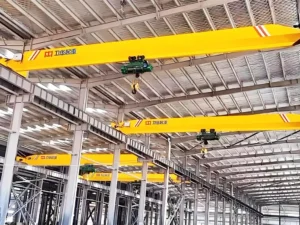
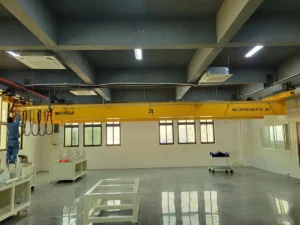
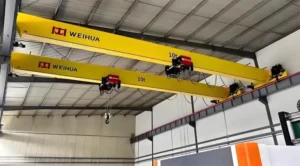
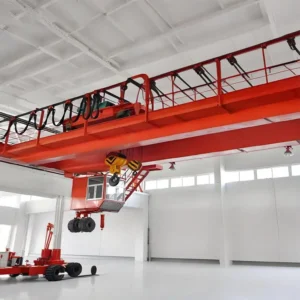
في العمليات الصناعية الحديثة، تعتبر مناولة المواد الفعالة ضرورية لزيادة الإنتاجية وتحسين سير العمل. تعتبر الرافعات الجسرية، المعروفة أيضًا بالرافعات العلوية أو رافعات EOT، من أنظمة مناولة المواد الثابتة المستخدمة على نطاق واسع في التصنيع، ومعالجة المعادن، والتخزين، وعمليات التحميل/التفريغ. في هذه المقالة، سنستكشف مبدأ العمل، والمكونات الرئيسية، والتطبيقات، وفوائد التشغيل للرافعات الجسرية، مما يوفر دليلاً شاملاً للمخططين الصناعيين ومهنيي اللوجستيات. مبدأ عمل الرافعات الجسرية تعمل الرافعات الجسرية على هيكل يشبه الجسر يمتد عبر مساحة العمل، مع نظام عربة ورافعة يتحرك أفقيًا على طول الجسر ويرفع أو يخفض الأحمال عموديًا. تتيح حركة الرافعة عبر مسارها، جنبًا إلى جنب مع التحكم الدقيق بالرافعة، مناولة المواد الثقيلة بكفاءة وأمان في المصانع والمستودعات والمنشآت الصناعية. للحصول على معلومات حول كيفية عمل الرافعات العلوية، يرجى الاطلاع على هذه المقالة: مبدأ عمل الرافعات العلوية: المكونات، الحركة، وعملية التشغيل مصطلحات الرافعات الجسرية فيما يلي مقدمة للمصطلحات المتعلقة بأجزاء الرافعات الجسرية. سعة الرافعة: تشير سعة الرافعة إلى أقصى وزن يمكن للرافعة الجسرية رفعه بأمان. ويقاس عادة بالطن...
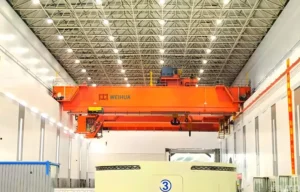
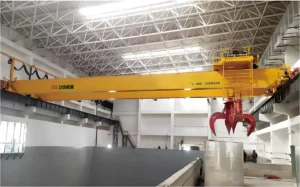
الرافعة العلوية الكهربائية (EOT) هي نظام رفع علوي فعال وموثوق يُستخدم لمناولة المواد الثقيلة في المصانع والمستودعات وورش العمل والمنشآت الصناعية. تعمل الرافعات العلوية الكهربائية على سكك علوية، وتتيح حركة ثلاثية الأبعاد آمنة ودقيقة للأحمال من خلال تنسيق حركات الرفع والتحرك العرضي والتحرك الطولي. ستوجهك هذه المقالة عبر تعريفات الرافعات العلوية المتحركة وأنواعها وهيكلها ومبادئ عملها وتطبيقاتها وعوامل التكلفة لمساعدتك في اختيار الحل الأنسب لاحتياجات الرفع الخاصة بك. كيف تعمل الرافعات العلوية المتحركة؟ يتضمن مبدأ عمل الرافعات العلوية المتحركة مزيجًا من الرفع الرأسي وحركة العربة الأفقية والحركة الطولية للجسر، مما يتيح مناولة الأحمال الثقيلة بكفاءة عبر المنشآت الصناعية. تعمل الرافعة على قضبان مسار مرتفعة مثبتة على طول هيكل المبنى، مع امتداد عارضة الجسر عبر مساحة العمل. تعمل آلية الرفع على رفع أو خفض الحمولة باستخدام حبال أو سلاسل سلكية فولاذية، بينما تقوم العربة بنقل الحمولة أفقيًا على طول الجسر. تتحرك الرافعة بأكملها طوليًا على طول قضبان المسار، مما يتيح وضع المواد في وضع ثلاثي الأبعاد. تعمل الرافعات الجسرية الكهربائية الحديثة بمحركات كهربائية ذات سرعة دقيقة...
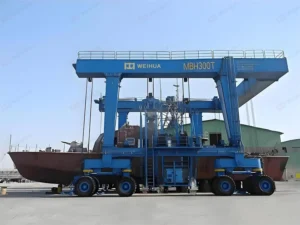
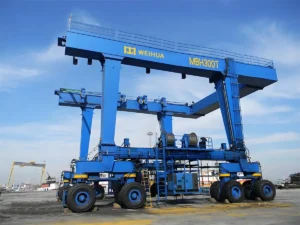
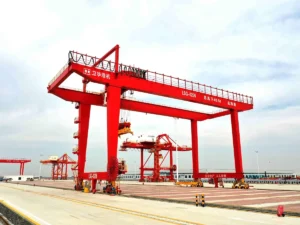
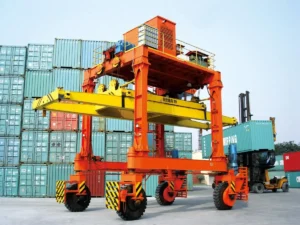
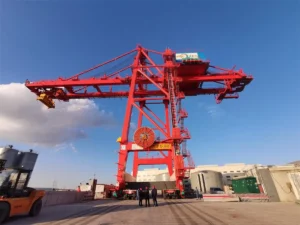
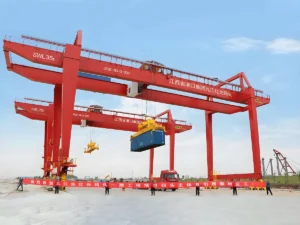
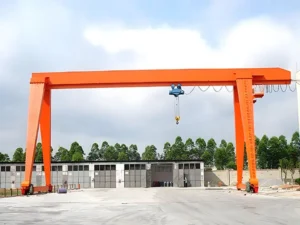
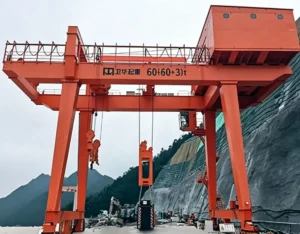
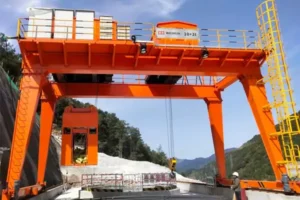
تُستخدم الرافعات الجسرية على نطاق واسع في ساحات التخزين المفتوحة، وأحواض بناء السفن، والمصانع، ومواقع البناء، مما يجعلها واحدة من أكثر حلول مناولة المواد تنوعًا وتطبيقًا على نطاق واسع. تأتي الرافعات الجسرية في أنواع مختلفة، وكل منها قابل للتخصيص ليناسب قدرات تحميل وسعات مختلفة، وظروف الموقع، ومتطلبات التشغيل. ومع ذلك، فإن اختيار التكوين الخاطئ يمكن أن يؤدي إلى نفقات غير ضرورية، أو قدرة رفع محدودة، أو قيود على التوسع المستقبلي. إذن، ما هي الأنواع الرئيسية للرافعات الجسرية؟ كيف تختار النوع المناسب لتطبيقك؟ في هذا الدليل، سنقدم نظرة عامة مفصلة على أنواع الرافعات الجسرية المختلفة بناءً على الهيكل، والتنقل، وسيناريوهات التطبيق، مما يساعدك على اتخاذ القرار الصحيح قبل الاستثمار في حل رفع. المقال طويل جدًا. فيما يلي جدول المحتويات الخاص بنا. يرجى التوجه إلى القسم المقابل حسب الحاجة: ما هي الرافعات الجسرية؟ الرافعات الجسرية هي معدات رفع مصممة لمناولة البضائع الثقيلة بكفاءة في المواقع المفتوحة الكبيرة. يتميز هيكلها المميز بشعاع أو أكثر من الأشعة الرئيسية مدعوم بأرجل صلبة (أو مرنة) على كلا الجانبين، لتشكيل إطار ضخم على شكل “بوابة”. تتنقل هذه الرافعات...
 English English
  Русский
 العربية
 Français
 Português
 Español