- ProductoEquipoPrecisión de Potencia, Personalización Solución de GrúasCorreo electrónicoWhatsApp / Wechat:+8613781917315Dirección:N.º 18, carretera Shanhai, ciudad de Changyuan, provincia de Henan, China


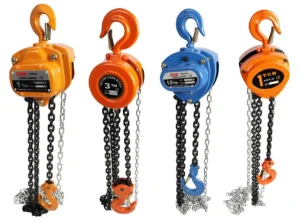
A manual chain hoist — also known as a hand chain hoist, chain block, or chain pulley block — is a mechanical lifting device that uses human force applied through a hand chain to raise, lower, or suspend heavy loads vertically. The internal gear reduction system multiplies the operator’s input force, allowing a single person to lift loads many times their own strength with minimal effort.
Manual chain hoists are compact, lightweight, and completely independent of electrical power. As a result, they are widely used in manufacturing plants, construction sites, mines, shipyards, warehouses, and emergency rescue operations worldwide.
Manual chain hoists are available in several configurations, each designed to meet specific working conditions and load requirements. Understanding the differences between types helps you select the most appropriate hand chain hoist for your application.
| Tipo | Descripción | Lo mejor para |
|---|---|---|
| Standard Manual Chain Hoist | Most common type; uses worm gear or planetary gear reduction | General lifting, installation work |
| Low Headroom Chain Hoist | Shortened hook-to-hook distance for tight spaces | Indoor work with limited vertical clearance |
| Explosion-Proof Chain Hoist | Brass/aluminum alloy components that prevent sparks | Petrochemical, mining, and flammable environments |
| Stainless Steel Chain Hoist | 304/316 stainless steel construction | Food processing, pharmaceutical, marine applications |
| Lightweight Portable Chain Hoist | Minimized weight for easy transport | Field work, remote sites, temporary rigging |
| Heavy-Duty Chain Hoist | Rated capacity of 20t and above | Shipyards, heavy equipment installation |
| Rango de capacidad | Modelos típicos | Aplicaciones comunes |
|---|---|---|
| Servicio ligero | 0.25t / 0.5t | Auto repair, light industry |
| Servicio medio | 1t / 2t / 3t | Mechanical installation, warehousing |
| De alta resistencia | 5t / 10t / 16t | Construction, equipment maintenance |
| De uso extra resistente | 20t / 30t / 50t | Shipyards, heavy industry |
Understanding the components of a manual chain hoist is essential for correct operation, routine inspection, and safe maintenance. Every part plays a specific role in the overall lifting mechanism.
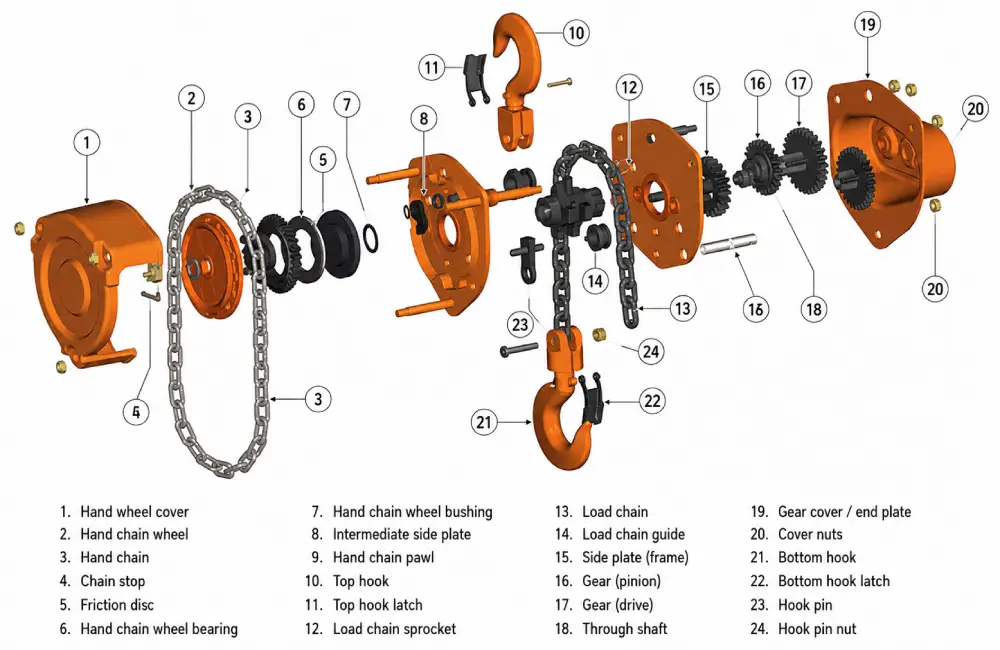
| No. | Component Name | Descripción |
|---|---|---|
| 1 | Hand Wheel Cover | Protects the internal hand chain wheel and prevents dust or debris entry. |
| 2 | Hand Chain Wheel | Drives the hoist mechanism when the hand chain is pulled. |
| 3 | Hand Chain | Operated manually to lift or lower the load. |
| 4 | Chain Stop | Prevents over-travel of the chain for safe operation. |
| 5 | Friction Disc | Core part of the braking system to hold the load securely. |
| 6 | Hand Chain Wheel Bearing | Supports smooth rotation of the hand chain wheel. |
| 7 | Hand Chain Wheel Bushing | Reduces friction and wear during operation. |
| 8 | Intermediate Side Plate | Provides structural support between internal components. |
| 9 | Hand Chain Pawl | Engages with the ratchet system to prevent reverse movement. |
| 10 | Top Hook | Connects the hoist to the overhead support structure. |
| 11 | Top Hook Latch | Safety latch to secure the top hook connection. |
| 12 | Load Chain Sprocket | Guides and drives the load chain during lifting. |
| 13 | Load Chain | Directly bears and lifts the load. |
| 14 | Load Chain Guide | Ensures proper alignment of the load chain. |
| 15 | Side Plate (Frame) | Main structural frame housing internal components. |
| 16 | Gear (Pinion) | Transfers motion within the gear system. |
| 17 | Gear (Drive) | Amplifies force to enable lifting of heavy loads. |
| 18 | Through Shaft | Connects and aligns rotating components across the hoist. |
| 19 | Gear Cover / End Plate | Encloses and protects the gear assembly. |
| 20 | Cover Nuts | Fasten and secure the housing components. |
| 21 | Bottom Hook | Attaches to the load being lifted. |
| 22 | Bottom Hook Latch | Prevents the load from slipping off the hook. |
| 23 | Hook Pin | Connects hook components securely. |
| 24 | Hook Pin Nut | Locks the hook pin in place for safety. |
The working principle of a manual chain hoist is based on mechanical advantage through gear reduction. This straightforward yet highly effective mechanism allows a single operator to safely lift loads that would otherwise require a team or powered equipment.
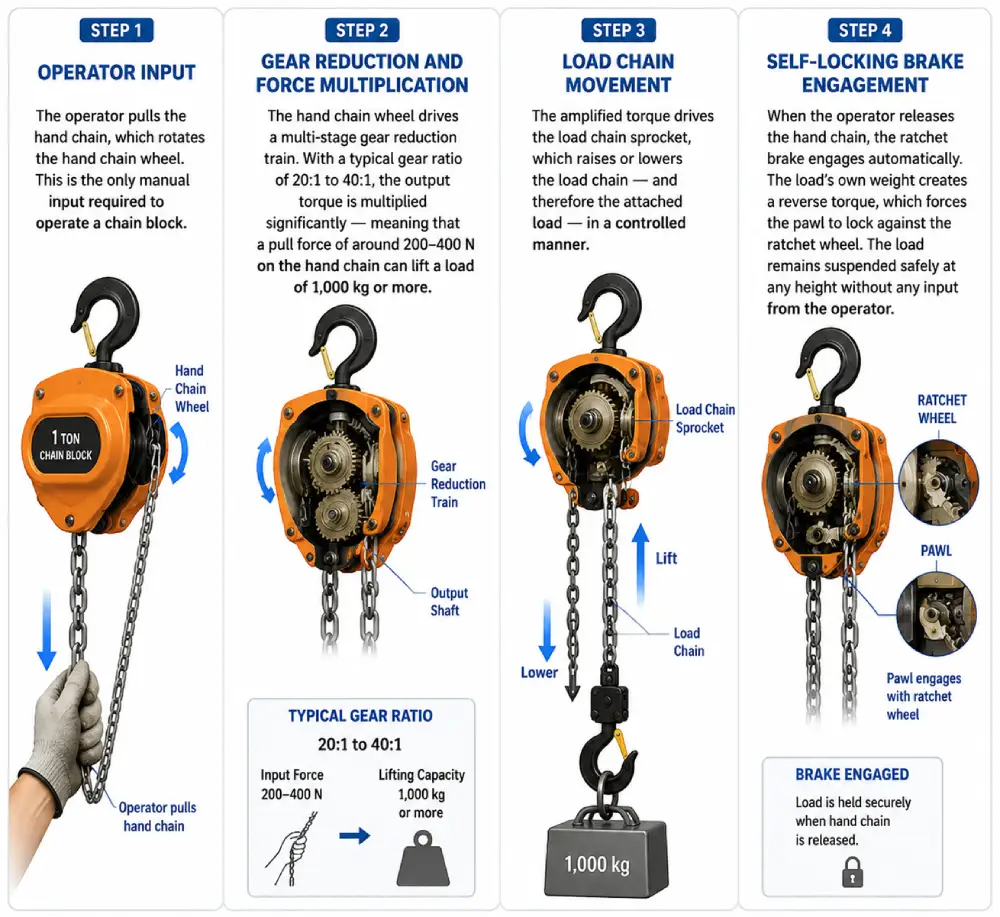
Step 1 — Operator Input: The operator pulls the hand chain, which rotates the hand chain wheel. This is the only manual input required to operate a chain block.
Step 2 — Gear Reduction and Force Multiplication: The hand chain wheel drives a multi-stage gear reduction train. With a typical gear ratio of 20:1 to 40:1, the output torque is multiplied significantly — meaning that a pull force of around 200–400 N on the hand chain can lift a load of 1,000 kg or more.
Step 3 — Load Chain Movement: The amplified torque drives the load chain sprocket, which raises or lowers the load chain — and therefore the attached load — in a controlled manner.
Step 4 — Self-Locking Brake Engagement: When the operator releases the hand chain, the ratchet brake engages automatically. The load’s own weight creates a reverse torque, which forces the pawl to lock against the ratchet wheel. The load remains suspended safely at any height without any input from the operator.
The ratchet brake is the core safety feature of every manual chain hoist:
Safety factor: The minimum breaking load of a manual chain hoist load chain must be at least 4 times the rated capacity (4:1 safety factor), in compliance with EN 13157 and ASME B30.21 international standards.
Choosing between a manual chain hoist and an electric chain hoist depends on your specific working conditions, frequency of use, and budget. The following comparison covers all the key decision factors:
| Factor de comparación | Polipasto de cadena manual | Polipasto eléctrico de cadena |
|---|---|---|
| Fuente de alimentación | Solo con fuerza humana | Motor eléctrico (trifásico o monofásico) |
| Operating Speed | Slow (0.5 – 3 m/min) | Fast (3 – 12 m/min) |
| Operator Effort | Moderate; fatigue possible over long sessions | Minimal; push-button control |
| Power Dependency | None — works anywhere | Requires stable power supply |
| Self-Locking Safety | Mechanical ratchet; inherently self-locking | Relies on electromagnetic brake; power-dependent |
| Product Weight | Light (2.5 – 50 kg) | Heavy (20 – 200 kg) |
| Purchase Cost | Low ($30 – $800) | High ($150 – $8,000+) |
| Instalación | Hang and go — no setup required | Requires rail, trolley, and electrical wiring |
| Costo de Mantenimiento | Very low — minimal components | Higher — motor and control system servicing |
| Nivel de ruido | Near-silent | Motor running noise |
| Temperatura de funcionamiento | −20°C to +50°C | Narrower range (limited by motor) |
| Explosion-Proof Cost | Low — standard construction modification | High — requires full ATEX-rated unit |
| Service Life | 10 – 20 years | 5 – 10 years |
| Best Suited For | Temporary, low-frequency, or off-grid lifting | Fixed stations, high-frequency, automated lines |
| Modelo | Rated Capacity (t) | Standard Lift Height (m) | Min. Hook Distance (mm) | Hand Pull Force (N) | Load Chain Dia. (mm) | Chain Falls | Net Weight (kg) |
|---|---|---|---|---|---|---|---|
| HS-0.25 | 0.25 | 2.5 | 265 | ≤160 | φ5 | 1 | 2.5 |
| HS-0.5 | 0.5 | 2.5 | 290 | ≤190 | φ6 | 1 | 3.5 |
| HS-1 | 1 | 3.0 | 320 | ≤210 | φ7.1 | 1 | 7.2 |
| HS-1.5 | 1.5 | 3.0 | 340 | ≤230 | φ8 | 1 | 9.5 |
| HS-2 | 2 | 3.0 | 370 | ≤250 | φ9 | 1 | 13.0 |
| HS-3 | 3 | 3.0 | 400 | ≤320 | φ9 | 2 | 17.5 |
| HS-5 | 5 | 3.0 | 470 | ≤370 | φ10.6 | 2 | 28.0 |
| HS-10 | 10 | 3.0 | 590 | ≤400 | φ11.2 | 4 | 56.0 |
Custom lift heights available: 3 m / 5 m / 6 m / 9 m / 12 m / custom on request.
| Modelo | Rated Capacity (t) | Min. Hook Distance (mm) | Lift Height (m) | Net Weight (kg) |
|---|---|---|---|---|
| LSC-0.5 | 0.5 | 190 | 2.5 | 4.0 |
| LSC-1 | 1 | 215 | 3.0 | 8.5 |
| LSC-2 | 2 | 255 | 3.0 | 15.0 |
| LSC-3 | 3 | 300 | 3.0 | 21.0 |
| LSC-5 | 5 | 385 | 3.0 | 35.0 |
| Modelo | Rated Capacity (t) | ATEX Rating | Lift Height (m) | Net Weight (kg) |
|---|---|---|---|---|
| EXHS-0.5 | 0.5 | Ex II BT4 | 2.5 | 5.5 |
| EXHS-1 | 1 | Ex II BT4 | 3.0 | 11.0 |
| EXHS-2 | 2 | Ex II BT4 | 3.0 | 18.5 |
| EXHS-3 | 3 | Ex II BT4 | 3.0 | 25.0 |
| EXHS-5 | 5 | Ex II BT4 | 3.0 | 42.0 |
Our manual chain hoists are designed, manufactured, and tested to meet the most widely recognized international safety and quality standards. Compliance with these standards ensures reliable performance and protects both operators and assets.
| Standard / Certification | Alcance |
|---|---|
| GB/T 13329 | China national standard for manual chain hoists |
| EN 13157 | European safety standard for manually operated chain hoists |
| ASME B30.21 | American standard for manually lever-operated hoists |
| Marcado CE | European conformity certification |
| GS Mark | German safety certification (Geprüfte Sicherheit) |
| ISO 4347 | International standard for load chains used in chain hoists |
| ATEX Directive | European standard for explosion-proof equipment |
Selecting the correct manual chain hoist for your application requires careful consideration of several key factors. Follow these guidelines to make an informed purchasing decision:
Always select a manual chain hoist with a rated capacity at least 25% higher than your maximum load weight. For example, if your heaviest load is 2,000 kg, choose a 3t chain hoist. Never operate a hand chain hoist at or beyond its rated limit.
Standard lift height for most manual chain hoists is 3 meters. However, if your application requires lifting over greater distances — such as in high-bay warehouses or tall industrial structures — custom lift heights of 5 m, 6 m, 9 m, or 12 m are available on request.
A manual chain hoist is most cost-effective when the lifting frequency is low to moderate (up to 20–30 lifts per day). For higher frequencies, an electric chain hoist will improve productivity and reduce operator fatigue.
Always purchase manual chain hoists from manufacturers or suppliers who can provide documentation of compliance with EN 13157, ASME B30.21, or equivalent regional standards. Look for CE, GS, or other recognized certifications on the product label.
While the initial cost of a manual chain hoist is significantly lower than that of an electric model, it is equally important to factor in long-term maintenance costs, operator labor, and expected service life when making a final decision.
Weihua is a professional manual chain hoist manufacturer and supplier based in China, with over 37 years of experience in lifting equipment design and manufacturing. Drawing on extensive project experience across industrial plants, construction sites, shipyards, and mining operations, Weihua delivers reliable and customized manual chain hoist solutions for every application.
All products are manufactured under a strict quality control system, fully compliant with CE and ISO standards, ensuring outstanding safety performance and long-term durability. We provide a global after-sales service network and a one-year warranty on all chain hoist products.
We also offer a wide range of lifting equipment solutions, including electric chain hoists, lever hoists, and overhead crane systems. Contact our engineering team today for a customized manual chain hoist solution tailored to your requirements.
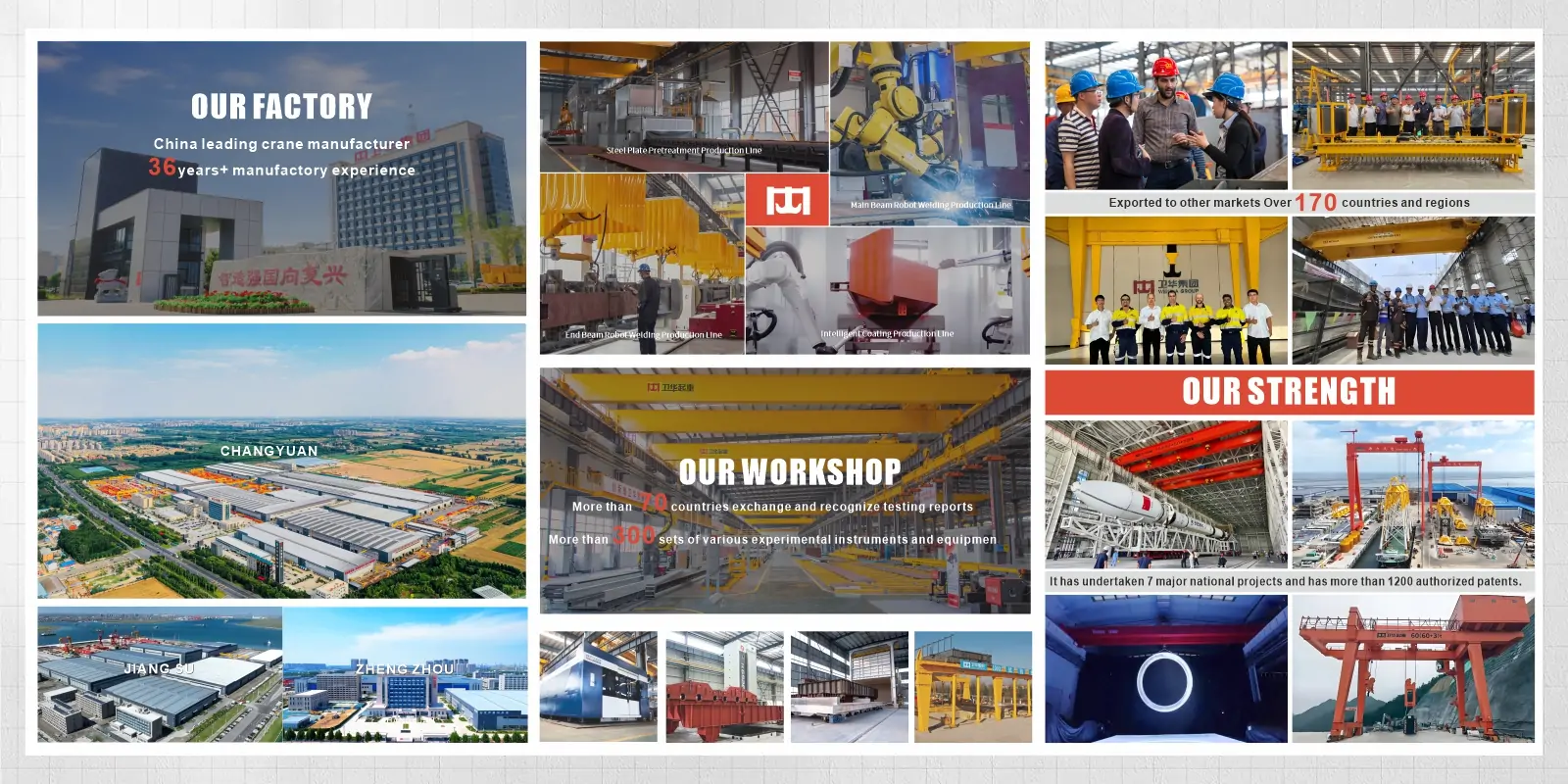
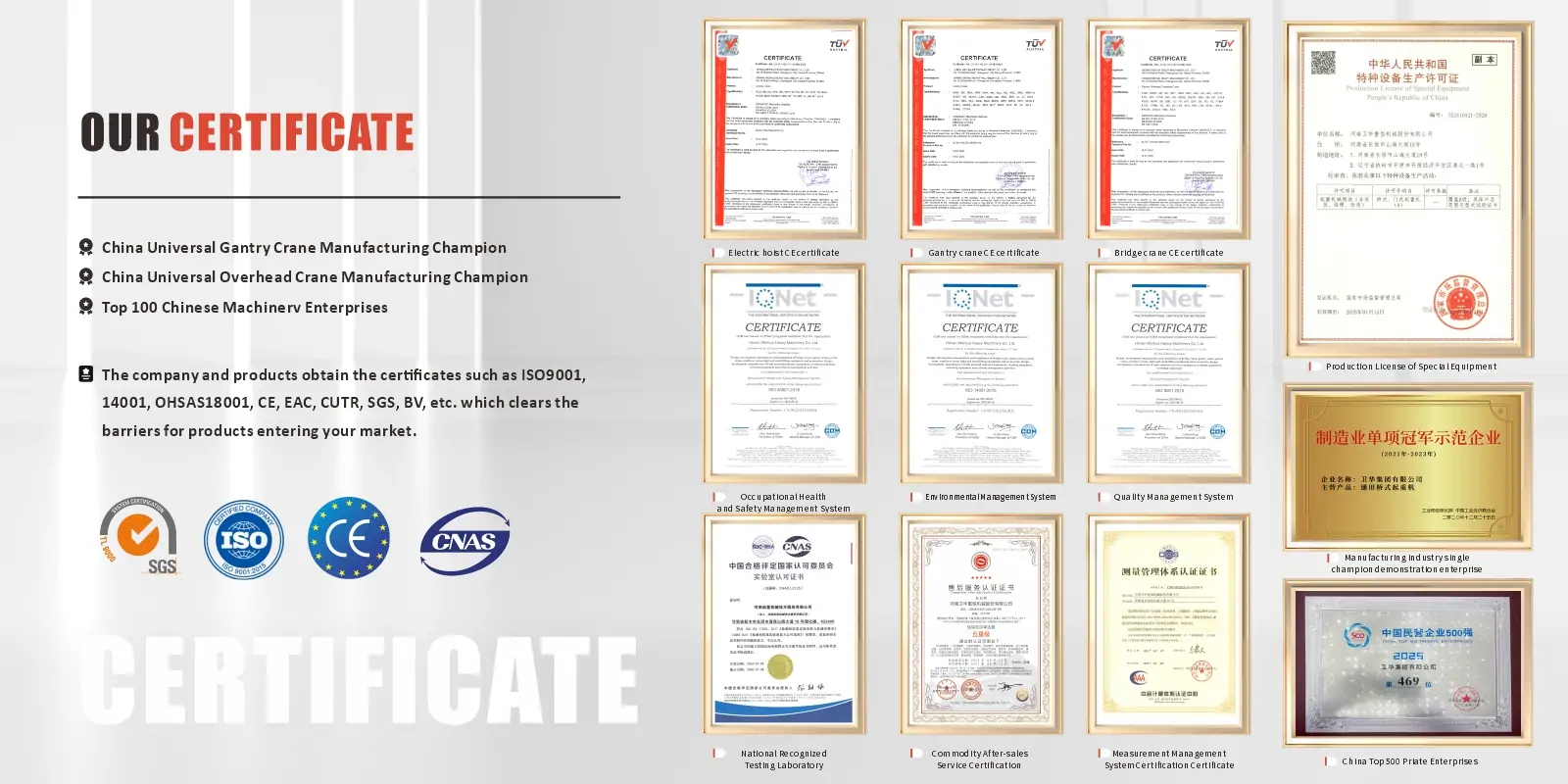
Weihua, fundada en 1988, se ha convertido en un líder mundial en el campo de la fabricación inteligente de China. Nos especializamos en la I+D y producción de grúas inteligentes, ofreciendo al mismo tiempo soluciones AGV. Nuestros equipos profesionales de ingeniería, entrega y posventa brindan soporte técnico integral, soluciones personalizadas, orientación de instalación in situ y servicios globales de respuesta rápida para garantizar que cada proyecto funcione de manera segura y eficiente.
A: A manual chain hoist is operated by pulling a hanging hand chain in a continuous loop, which is ideal for vertical lifting. A lever hoist (ratchet hoist) uses a short lever handle with a ratcheting mechanism, making it better suited for horizontal pulling, tensioning, and tight spaces where a hanging chain would be inconvenient.
A: With regular inspection and proper lubrication, a quality manual chain hoist can provide 10 to 20 years of reliable service. The load chain is typically the first component to require replacement due to normal wear.
A: Yes. Standard manual chain hoists can be used outdoors in most weather conditions. For extended outdoor exposure, stainless steel models or models with corrosion-resistant coatings are recommended.
A: Most manufacturers offer manual chain hoists up to 50 tonnes. For loads exceeding this capacity, multi-fall rigging configurations or specialized heavy-lift equipment is typically required.
A: Key maintenance tasks include: inspecting the load chain for wear and elongation, lubricating the load chain and gears with appropriate grease, checking hooks for deformation, and testing the ratchet brake for proper engagement. A full maintenance log should be kept for each hoist unit.
Contáctenos ahora por correo electrónico: [email protected], o rellene el formulario a continuación.


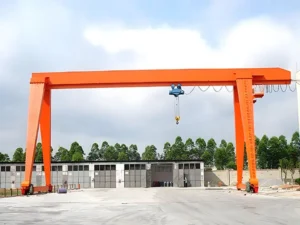
La grúa pórtico es un equipo de elevación ampliamente utilizado en diversas industrias, sitios de construcción, puertos, almacenes y otros campos. Su estructura única y su potente capacidad de carga la hacen ideal para el manejo de materiales modernos de alta resistencia. El diseño de la estructura de “pórtico” permite que la grúa se mueva libremente dentro de un espacio, cubriendo una gran área de trabajo. Entonces, ¿qué hace especiales a las grúas pórtico? ¿Cuáles son sus tipos, parámetros, métodos de control, aplicaciones y principios de funcionamiento? ¿En qué se diferencian de las grúas puente? Vamos a explorarlo juntos. Tipos de grúas pórtico Según el diseño, la aplicación y el entorno operativo, las grúas pórtico se clasifican típicamente en los siguientes tipos: Grúa pórtico de viga única Las grúas pórtico de viga única se utilizan ampliamente en sectores industriales, almacenes, puertos y talleres. Con un mecanismo de elevación de soporte de viga única, se desplazan a través de columnas laterales y rieles inferiores. Con su estructura simple, operación amigable y capacidad de elevación moderada, son ideales para el manejo de cargas ligeras a medianas. Capaces de abarcar grandes distancias libremente, las grúas pórtico de viga única son adecuadas para operaciones de elevación y manejo de materiales pesados. Grúa pórtico de doble viga En comparación con las grúas pórtico de viga única, las grúas pórtico de doble viga ofrecen mayor...
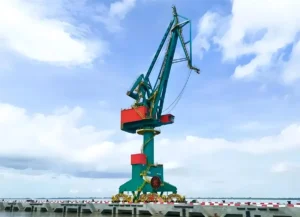
En puertos, parques logísticos y manipulación de materiales industriales, las grúas pórtico y las grúas de portal son dos tipos de equipos de carga/descarga comunes y fundamentales. Difieren en diseño estructural, características de rendimiento, métodos de operación, escenarios de aplicación y costos de inversión. Este artículo proporciona un análisis integral de las grúas pórtico frente a las grúas de portal y lo guía en la selección correcta. Comparación del diseño estructural Las diferencias estructurales entre las grúas pórtico y las grúas de portal se manifiestan principalmente en los métodos de soporte de carga, las trayectorias de movimiento y los rangos de cobertura. La primera se centra en una torre fija y una pluma giratoria, enfatizando la “cobertura puntual” y la rotación horizontal flexible. La segunda presenta una estructura de marco de portal y desplazamiento longitudinal sobre rieles, priorizando el “amplio movimiento horizontal” y la manipulación eficiente de la logística en el sitio. En consecuencia, sus distintos diseños estructurales dictan directamente sus diferentes escenarios de aplicación. Características estructurales de la grúa pórtico Las grúas de portal giratorias emplean estructuras de pluma en voladizo simple/doble con la torre fijada a cimientos o rieles, lo que permite una rotación de 360° o parcial. Esta configuración permite una operación flexible en espacios estrechos y alargados, como líneas de costa, frentes de muelle y atraques de barcos, lo que la hace particularmente adecuada para la manipulación de materiales de barco a tierra. Su funcionalidad principal combina verticalmente...
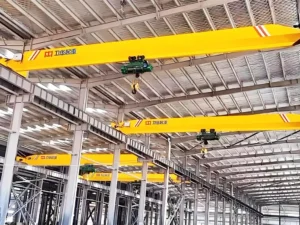
En las operaciones industriales modernas, el manejo eficiente de materiales es crucial para maximizar la productividad y optimizar el flujo de trabajo. Las grúas puente, también conocidas como grúas viajeras o grúas EOT, son sistemas fijos de manejo de materiales ampliamente utilizados en manufactura, procesamiento de metales, almacenamiento y operaciones de carga/descarga. En este artículo, exploraremos el principio de funcionamiento, los componentes principales, las aplicaciones y los beneficios operativos de las grúas puente, proporcionando una guía completa para planificadores industriales y profesionales de la logística. Principio de Funcionamiento de las Grúas Puente Una grúa puente opera sobre una estructura similar a un puente que abarca el área de trabajo, con un carro y un polipasto que se mueven horizontalmente a lo largo del puente y elevan o descienden cargas verticalmente. El movimiento de la grúa a lo largo de la vía, combinado con un control preciso del polipasto, permite el manejo eficiente y seguro de materiales pesados en fábricas, almacenes e instalaciones industriales. Para obtener información sobre cómo funcionan las grúas viajeras, consulte este artículo: Principio de Funcionamiento de las Grúas Viajeras: Componentes, Movimiento y Proceso de Operación Terminología de las Grúas Puente A continuación, se presenta una introducción a la terminología relacionada con las partes de las grúas puente. Capacidad de la Grúa: La capacidad de la grúa se refiere al peso máximo que una grúa puente puede levantar de forma segura. Típicamente medido en toneladas…
Una grúa EOT (Grúa Eléctrica de Puente) es un sistema de elevación aéreo eficiente y fiable que se utiliza para manipular materiales pesados en fábricas, almacenes, talleres y plantas industriales. Funcionando sobre rieles elevados, las grúas EOT permiten el movimiento tridimensional seguro y preciso de cargas mediante movimientos coordinados de elevación, traslación transversal y traslación longitudinal. Este artículo le guiará a través de las definiciones de las grúas EOT, sus tipos, estructura, principios de funcionamiento, aplicaciones y factores de costo para ayudarle a seleccionar la solución más adecuada para sus necesidades de elevación. ¿Cómo funciona una grúa EOT? El principio de funcionamiento de una grúa EOT implica una combinación de elevación vertical, movimiento horizontal del carro y desplazamiento longitudinal del puente, lo que permite la manipulación eficiente de cargas pesadas en las instalaciones industriales. La grúa opera sobre rieles de pista elevados instalados a lo largo de la estructura del edificio, con la viga del puente abarcando el área de trabajo. El mecanismo de elevación sube o baja la carga utilizando cables de acero o cadenas, mientras que el carro mueve la carga horizontalmente a lo largo del puente. Toda la grúa se desplaza longitudinalmente a lo largo de los rieles de la pista, permitiendo la posición tridimensional de los materiales. Las grúas EOT modernas están impulsadas por motores eléctricos con velocidad precisa...
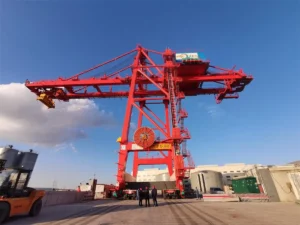
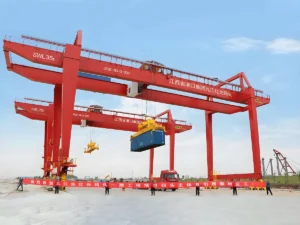
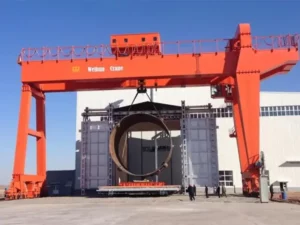
Las grúas pórtico se utilizan ampliamente en patios de almacenamiento al aire libre, astilleros, fábricas y sitios de construcción, lo que las convierte en una de las soluciones de manipulación de materiales más versátiles y aplicadas. Las grúas pórtico vienen en varios tipos, cada una personalizable para adaptarse a diferentes capacidades de carga, condiciones del sitio y requisitos operativos. Sin embargo, la elección de la configuración incorrecta puede generar gastos innecesarios, capacidad de elevación limitada o restricciones de expansión futuras. Entonces, ¿cuáles son los principales tipos de grúas pórtico? ¿Cómo elige el tipo correcto para su aplicación? En esta guía, proporcionaremos una descripción general detallada de los diferentes tipos de grúas pórtico según la estructura, la movilidad y los escenarios de aplicación, lo que le ayudará a tomar la decisión correcta antes de invertir en una solución de elevación. El artículo es bastante extenso. A continuación se presenta nuestra tabla de contenidos. Por favor, salte a la sección correspondiente según sea necesario: ¿Qué es una grúa pórtico? Las grúas pórtico son equipos de elevación diseñados para la manipulación eficiente de carga pesada en grandes sitios al aire libre. Su estructura distintiva presenta una o más vigas principales soportadas por patas rígidas (o flexibles) a cada lado, formando un marco monumental en forma de “puerta”. Estas grúas se desplazan...
 English English
  Русский
 العربية
 Français
 Português
 Español