- ProductoEquipoPrecisión de Potencia, Personalización Solución de GrúasCorreo electrónicoWhatsApp / Wechat:+8613781917315Dirección:N.º 18, carretera Shanhai, ciudad de Changyuan, provincia de Henan, China


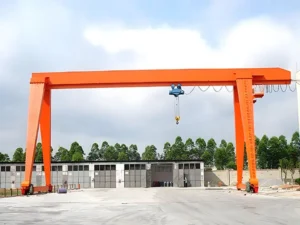
A Single Girder Gantry Crane is a cost-effective and versatile lifting solution designed for light to medium-duty material handling. It features a single main girder supported by gantry legs running on ground rails, enabling efficient lifting and horizontal movement without relying on building structures. This type of gantry crane is widely used in outdoor yards, workshops, warehouses, and prefabrication areas where flexible installation and stable performance are required.
Single-girder gantry cranes have a compact structure, a small footprint, and maximize the use of vertical lifting space. Their design typically incorporates a standard electric hoist running along the lower flange of the single beam, allowing for a greater hook approach range and higher lifting height. Furthermore, their simple installation and easy maintenance reduce long-term operating costs for various industrial applications.
Single-girder gantry cranes are lightweight lifting equipment widely used in both indoor and outdoor settings. They primarily consist of a main girder, outriggers, a lower crossbeam, a hoisting mechanism (electric hoist), and a traveling mechanism. Common types are primarily distinguished by outrigger configuration and operating environment, including semi-gantry cranes, L-shaped single-girder gantry cranes, box-type structures, and truss-type structures. These variations accommodate diverse site conditions, lifting heights, and load requirements.
Below are several common types of single-girder gantry cranes, which differ in structural design, application scenarios, and advantages. Weihua Crane can provide customized designs based on specific customer requirements.
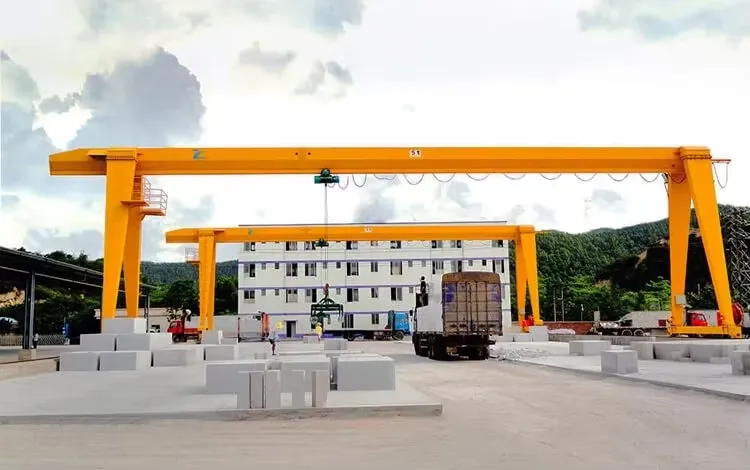
The main girder of Single Box Girder Gantry Crane features a box-type cross-section, offering excellent rigidity and high load-bearing capacity. It is commonly paired with CD/MD Electric Wire Rope Hoists or European-style hoists. The outriggers typically adopt a rigid box-type structure. High load capacity, stable structure, and aesthetically pleasing design make it suitable for indoor use or locations with high appearance requirements, such as large workshops, cargo yards, and ports. Easy maintenance and configurable with multiple functionalities.
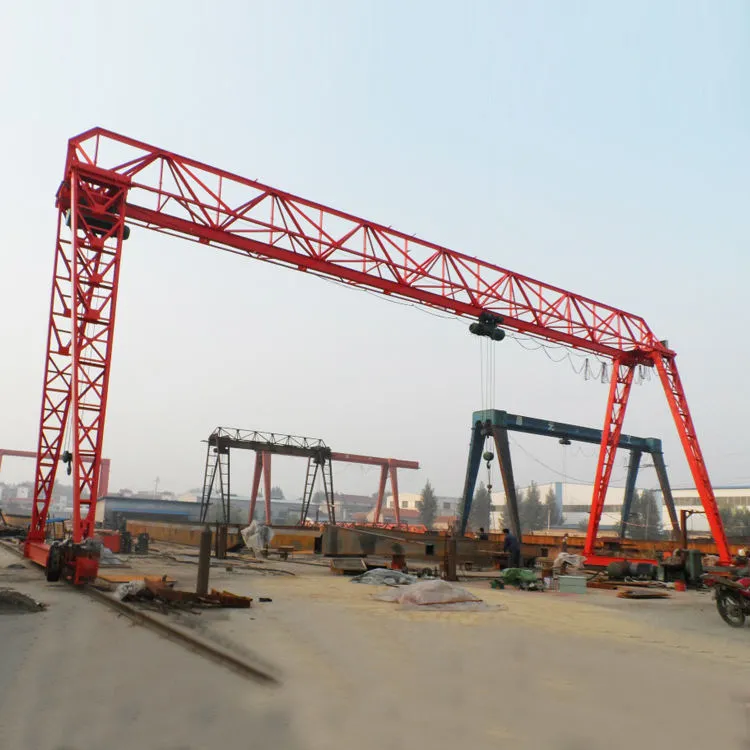
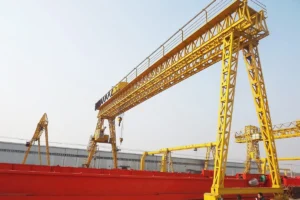
The main girder of the Single Girder Grúa Pórtico de Armadura adopts a truss structure, fabricated by welding structural steel (such as angle steel and channel steel) to form a triangular grid pattern. This design offers a lightweight structure with low self-weight, strong wind resistance, and lower manufacturing costs. It is particularly suitable for outdoor work sites and areas with high wind speeds, such as open-air cargo yards and railway freight stations, effectively reducing the load on foundations and tracks.
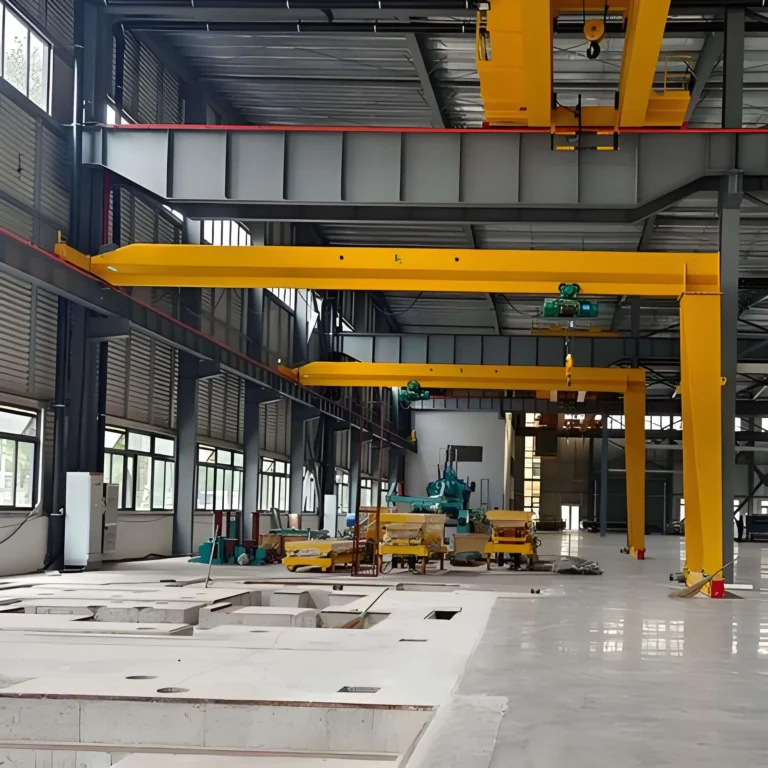
El Single Girder Grúa semiafalcada operates with one side of its legs running on ground rails, while the other side runs on workshop corbel beams or wall rails. It offers significant space savings, making it particularly suitable for work areas adjacent to walls or columns, allowing for optimal utilization of building space. It provides greater operational flexibility and features relatively lower investment costs.
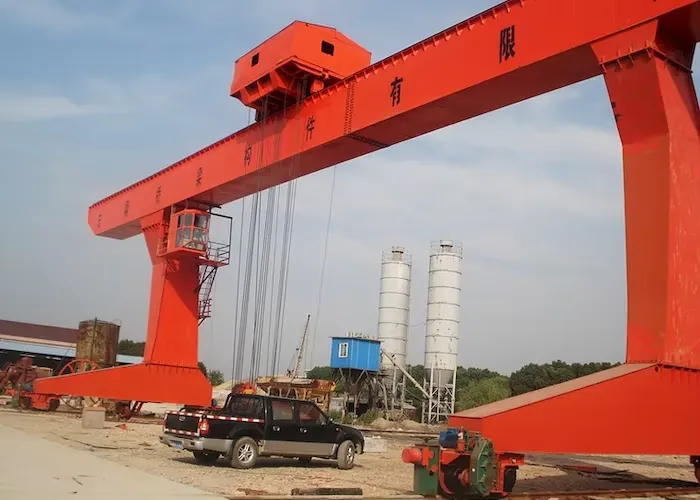
The L-type single girder gantry crane features L-shaped legs, with the lifting mechanism cantilevered on the inner side of the L-shaped legs. Its structural design allows for easier passage of goods directly from one side of the span, offering a unique advantage for lifting large or extra-long loads, thus improving working space and efficiency. It is commonly used in open-air warehouses and storage yards.
Single-girder travelling gantry cranes are a vital type of lifting and transport equipment, primarily composed of two major sections: the metal structure and the mechanical transmission system. Below is an introduction to several key components of single-girder gantry cranes and it’s characteristics:
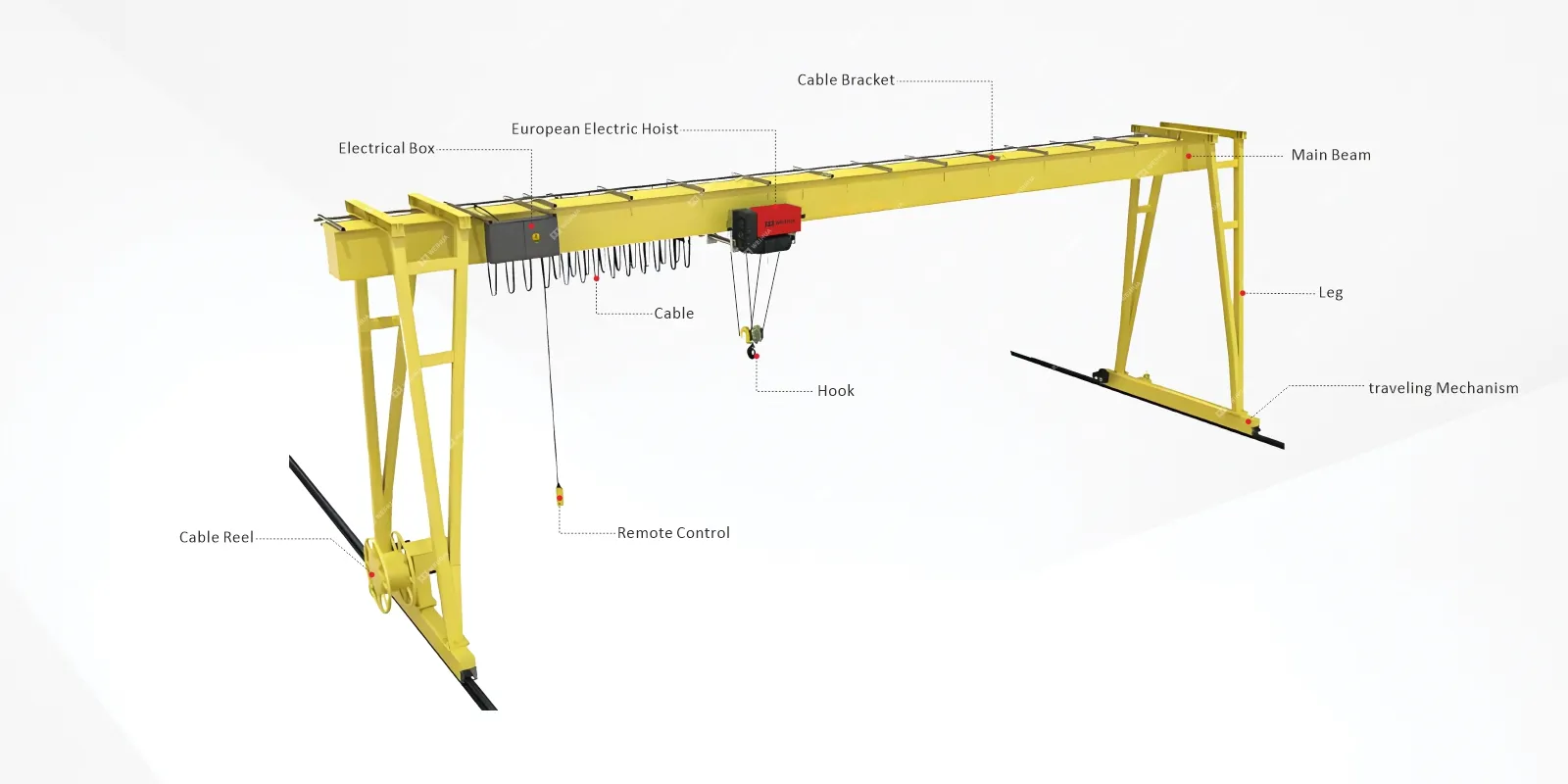
The working principle of a Single Girder Travelling Gantry Crane is based on coordinated lifting and traveling movements driven by electric systems. The electric hoist travels along the main girder to achieve cross movement, while the hoisting mechanism lifts and lowers the load vertically through a wire rope and hook system. Simultaneously, the gantry traveling mechanism drives the crane along ground rails to enable longitudinal movement. All motions are controlled via an electrical control system, ensuring smooth operation, precise positioning, and safe handling of materials within the rated load capacity.
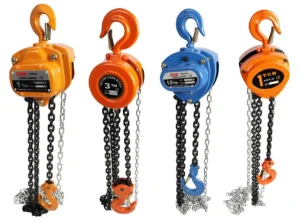
Hoist single girder gantry cranes are typically equipped with electric hoists as the primary lifting mechanism, which determines the crane’s performance and load capacity. The selection of lifting devices depends on the shape and characteristics of the cargo being transported.
Weihua Crane offers customized designs, flexibly combining the most suitable electric hoist and specialized lifting gear based on the customer’s rated load capacity, duty cycle, lifting speed, and material characteristics to maximize crane operational efficiency and safety. Below are common hoist types and their features:
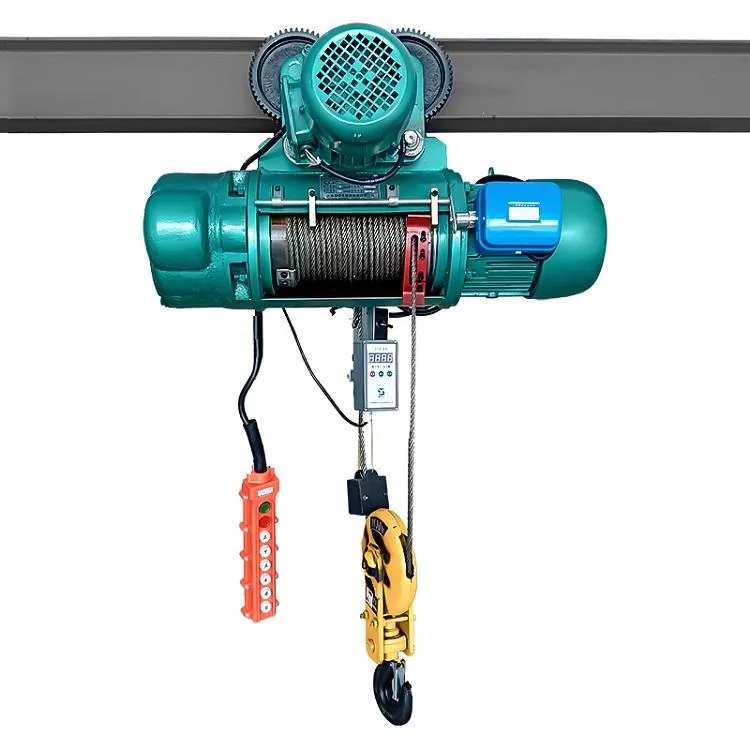
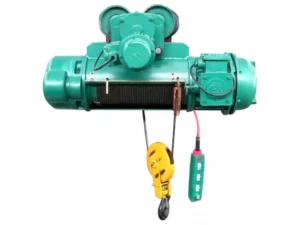
Features a classic, reliable structure with a wide range of lifting speeds and capacities, offering high cost-effectiveness as the most widely used standard configuration.
Obtenga una cotización personalizada ahora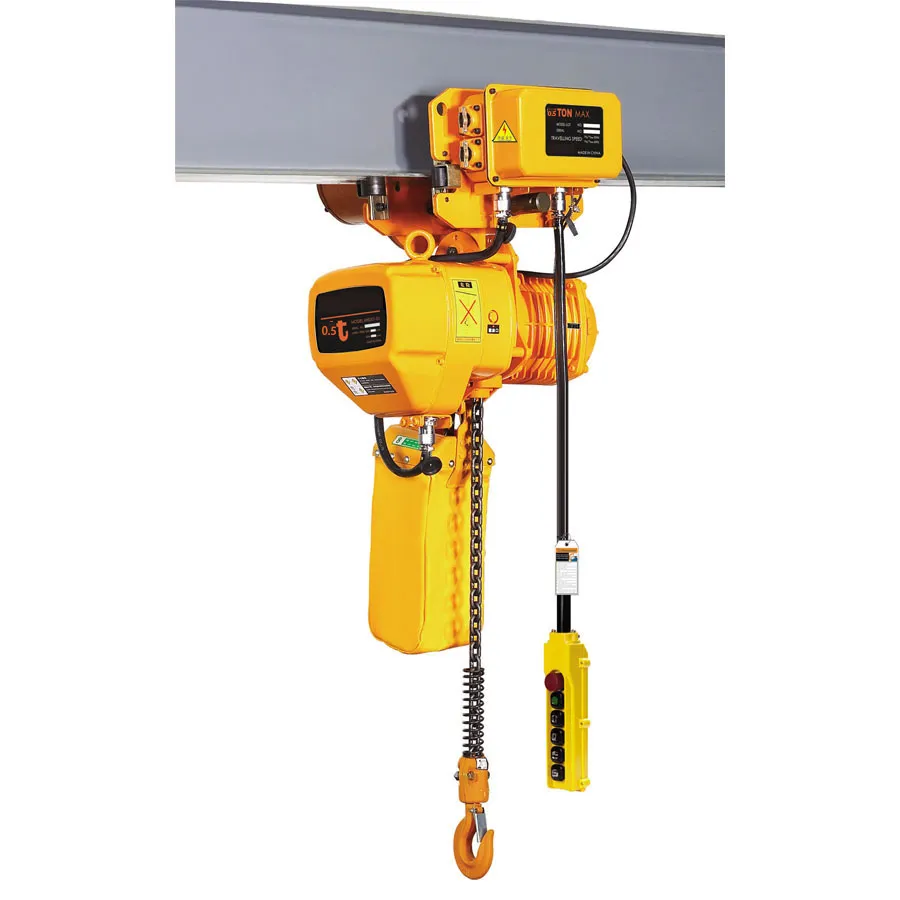
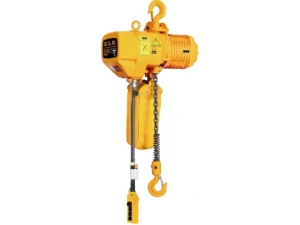
Compact and lightweight, suitable for smaller lifting capacities and lower duty cycles. Easy to install and maintain, particularly ideal for maintenance and auxiliary lifting tasks.
Obtenga una cotización personalizada ahora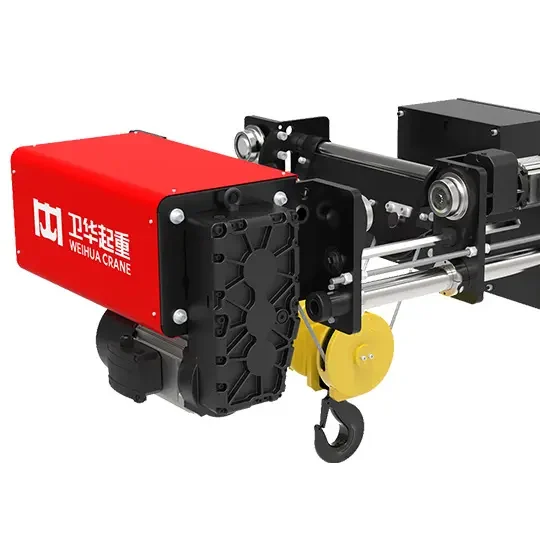
Features an optimized design with compact dimensions, light weight, smooth operation, and variable frequency speed control. Effectively enhances lifting height and operational efficiency.
Obtenga una cotización personalizada ahoraSingle-girder gantry cranes can be equipped with a variety of lifting attachments to suit different materials and operational requirements. Common lifting device options include: hooks, electromagnetic lifting magnets, grabs, C-hooks, clamps, etc. By selecting the appropriate lifting device, single-girder gantry cranes can be precisely configured according to specific application needs.
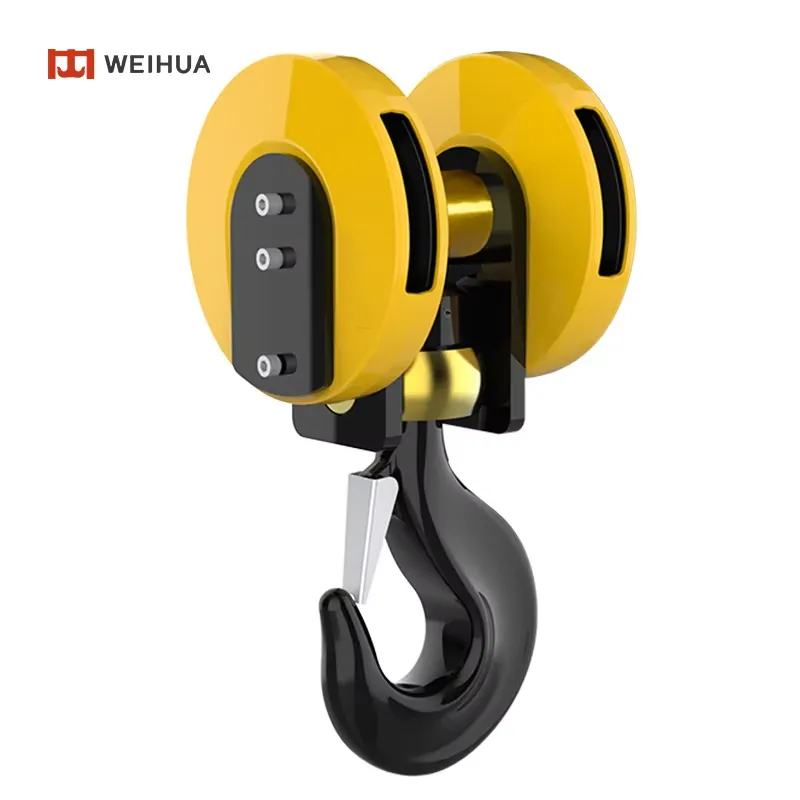
The most versatile and fundamental attachment, compatible with wire ropes, chains, or slings for handling conventionally shaped cargo.
Obtenga una cotización personalizada ahora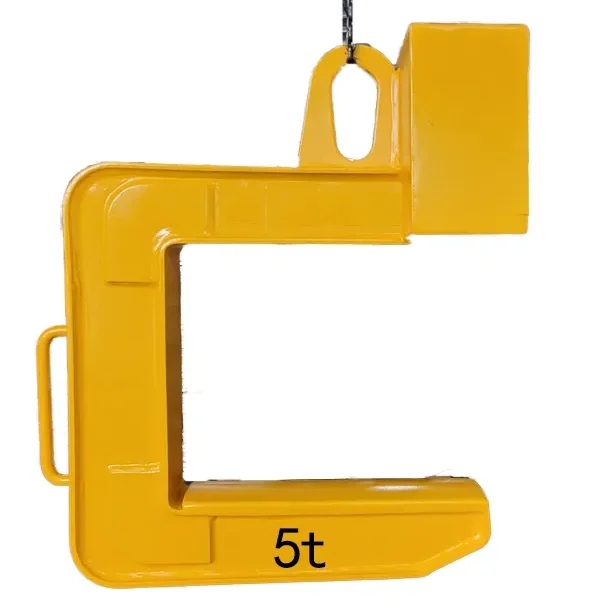
Specifically designed for lifting coiled materials like steel or aluminum coils, maintaining horizontal stability to prevent cargo damage.
Obtenga una cotización personalizada ahora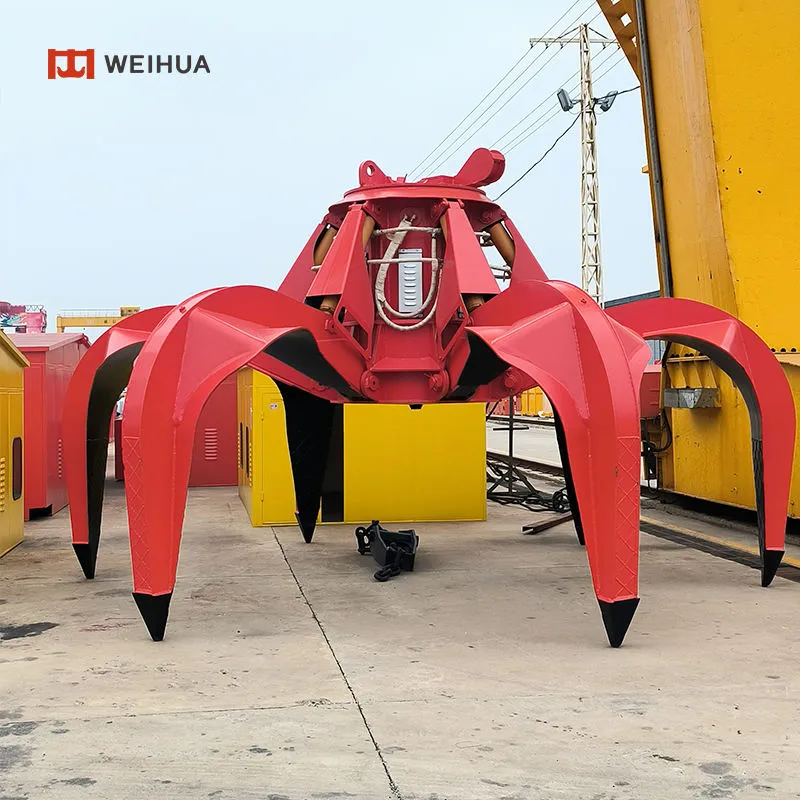
The crane grab bucket features an opening/closing mechanism for efficiently handling bulk materials such as ore, coal, sand, and grain.
Obtenga una cotización personalizada ahora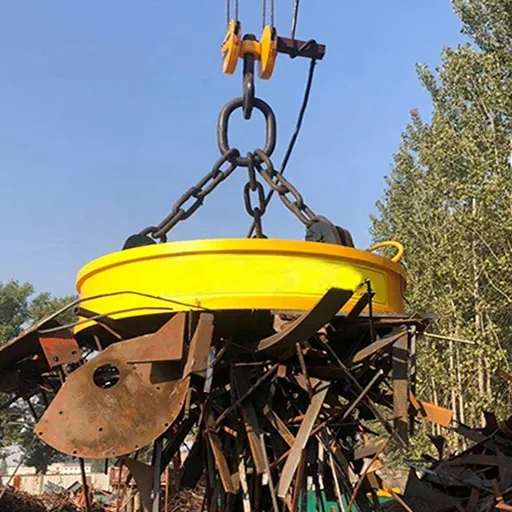
Utilizing electromagnetic force to achieve a secure hold, it is highly suitable for handling ferromagnetic ferrous metals such as steel plates, steel billets, and scrap steel.
Obtenga una cotización personalizada ahoraLas grúas pórtico deben inspeccionarse periódicamente durante su funcionamiento para garantizar un uso seguro. Para obtener una lista de verificación de inspección detallada, consulte el artículo: “Lista de verificación para la inspección de grúas pórtico: Guía de inspección diaria, mensual y anual.”
The specifications of a Single Girder Gantry Crane can be fully customized to match your specific lifting requirements, site conditions, and operational standards. Key parameters such as lifting capacity, span, lifting height, working duty, traveling speed, control mode, power supply, and lifting attachments can all be tailored to your project. Whether your application involves outdoor yards, workshops, or special environments, our engineering team provides professional selection support and optimized design solutions. Contáctanos today to share your technical requirements and receive a customized specification plan and detailed quotation from our experts.
| Capacity (T) | 3 | 5 | 10 | 16 | 20 | ||
| Manga (m) | 12/16/20/24 | 12/16/20/24/30 | 12/16/20/24/30 | 12/16/20/24/30 | 12/16/20/24/30 | ||
| Lifting Height (m) | 6/9 | 6/9 | 6/9 | 6/9 | 6/9 | ||
| Travelling Unit (m/min) | Velocidad | Remote Type | 20 | 20 | 20 | 20 | 20 |
| Cabin Type | 20/30/45 | 20/30 | 20/30 | 20/30 | 20/30 | ||
| Motor | Remote Type | 0.8kW*2/1.5kW*2 | 0.8kW*2/2.5kW*2 | 1.5kW*2 | 4/6.3kW*2 | 6.3/8.5kW*2 | |
| Cabin Type | 1.5kW*2/2.1kW*2 | 1.5kW*2/2.5kW*2 | 2.1kW*2/4kW*2 | ||||
| Wheel Dia. | ɸ270 | ɸ300/500 | ɸ400/600 | ɸ600 | ɸ600 | ||
| Lifting Unit (m/min) | Velocidad de elevación | 0.8/8 | 0.8/8 | 0.7/7 | 3.5 | 3.5 | |
| Travelling Speed | 20 | 20 | 20 | 20 | 20 | ||
| Motor (kW) | Lifting | 0.4/4.5 | 0.8/7.5 | 4/13 1.5/4.5 | 4/13 | 4/18.5 | |
| Travelling | 4/0.4 | 4/0.8 | 0.8*2 | 0.8*2 | 0.8*4 | ||
| Nivel de trabajo | A3 | A3 | A3 | A3 | A5 | ||
| Rec. Steel Rail | P24/P38 | P24/P38 | P38/P43 | P38/P43 | P43/P50 | ||
| Fuente de alimentación | 380V 50Hz 3 Phase/Customization | ||||||
| Crane Weight (kg) | Remote Type | 6646~13931 | 8324~19830 | 12238~32700 | 15217~32753 | 16850~39170 | |
| Cabin Type | 6996~14281 | 1584~25500 | 12750~33200 | 15667~33208 | 17850~40170 | ||
| Max. Wheel Pressure (kN) | 37~54 | 54~96 | 97~149 | 143~190 | 198~310 | ||
| Basic Dime. (mm) | L1 | 2000~5000 | 3000~7500 | 3000~7500 | 3000~6000 | 3000~7000 | |
| L2 | 2000~5000 | ||||||
| H1 | 960 | 1160 | 1350 | 2300 | 6000~9000 | ||
| H2 | 650~900 | 800~1300 | 1000~1600 | 1100~1600 | 2725 | ||
| H3 | 7635~10885 | 760~11460 | 8350~12250 | 9500~9900 | 1400~2200 | ||
| B | 4500~6500 | 4500~6500 | 4500~6500 | 5500~7500 | 5500~7500 | ||
| B1 | 5000~7000 | 5500~7500 | 5500~7500 | 6500~8500 | 6500~8500 | ||
| B2 | 5400~7500 | 6000~8100 | 6000~8100 | 7000~9200 | 7000~9200 | ||
| B3 | 1500 | 1500 | 1600 | 1600/1700 | 1600/1700 | ||
Single Girder Gantry Crane is a medium-light duty, rail-mounted lifting device characterized by its simple structure, light self-weight, and relatively low manufacturing cost. It moves laterally via an electric hoist along the lower flange of the main girder or rail, and travels longitudinally along tracks laid on the ground, offering flexible operational coverage and broad applicability. Its greatest advantage lies in its ability to operate independently without relying on existing building structures, effectively utilizing open-air yards and warehouse spaces. This makes it an economical and practical material handling solution.
Single girder gantry cranes are commonly applied in factories, logistics yards, steel and precast yards, maintenance areas, and construction sites, especially where frequent handling of medium-weight materials is required.
| Industry | Typical Materials / Loads | Application Highlights |
|---|---|---|
| Fabricación | Machinery parts, raw materials, steel molds, assembly components | Streamlines production lines, precise handling of heavy components |
| Mechanical & Metal Processing | Steel plates, metal sheets, machine parts | Supports machining, fabrication, and assembly with safe and stable lifting |
| Steel Structure Fabrication | Beams, columns, steel frameworks | Efficient movement of large structural elements in workshops |
| Logistics & Warehousing | Pallets, boxes, packaged goods | Quick, accurate material transfer and storage optimization |
| Automotive | Engines, car frames, spare parts | Supports assembly lines and component transport with high precision |
| Light Industry | Textile rolls, small machinery, electronic equipment | Flexible lifting in compact spaces, ensuring efficient workflow |
Para obtener más información sobre las aplicaciones de las grúas pórtico, lea el artículo: ¿Para qué se utiliza una grúa pórtico? Aplicaciones e industrias
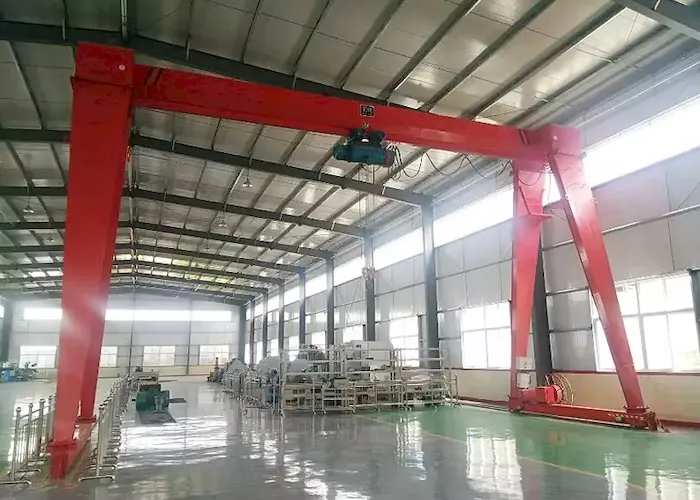
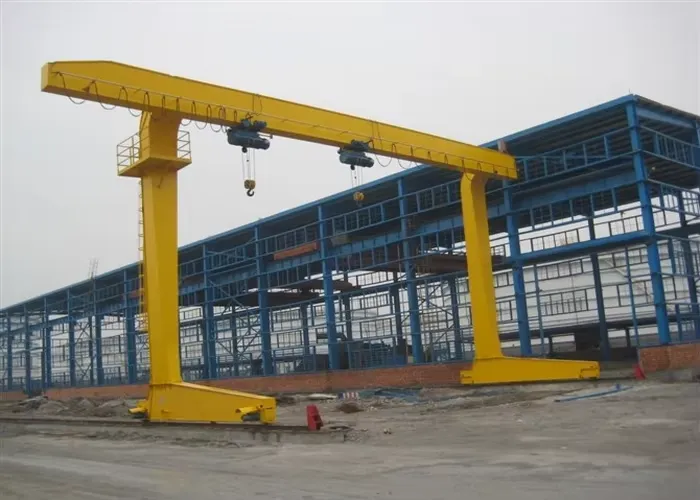
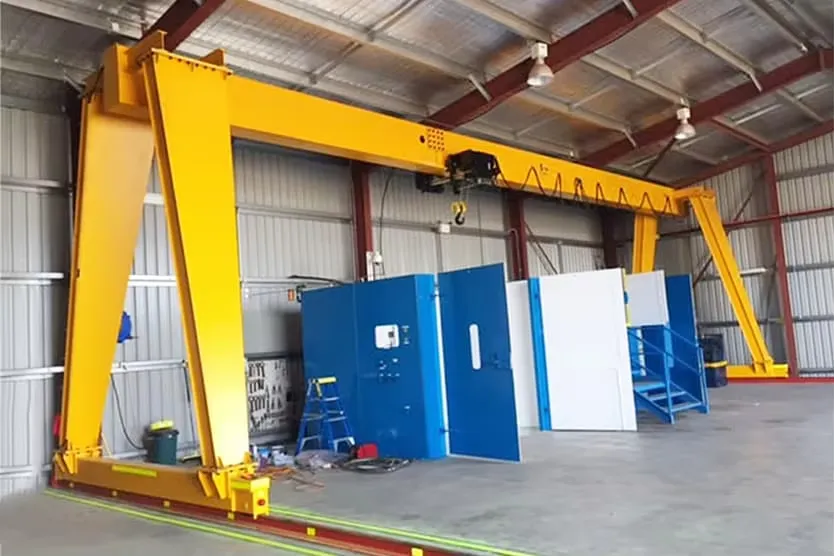
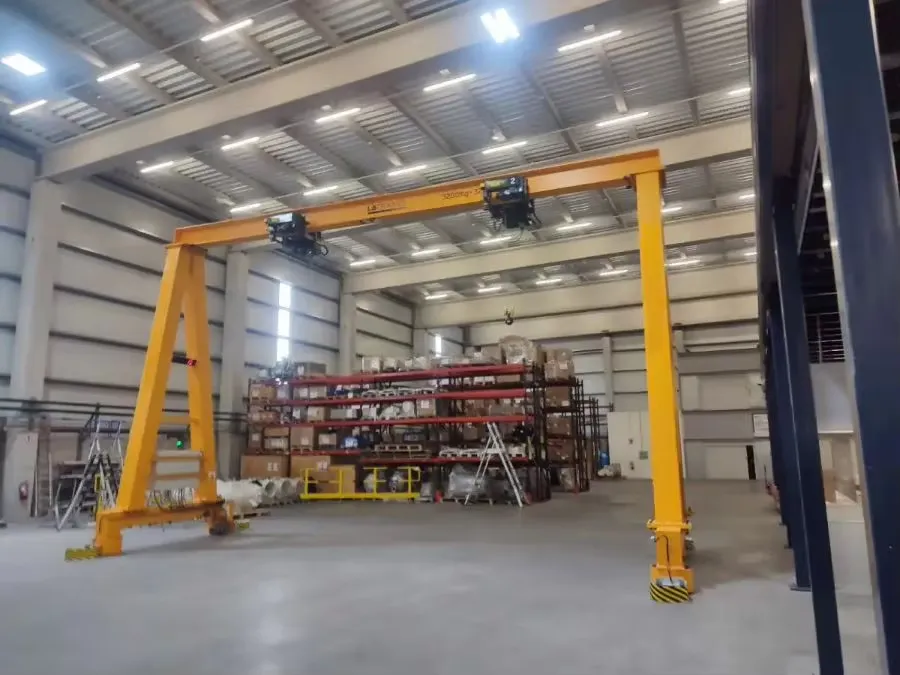
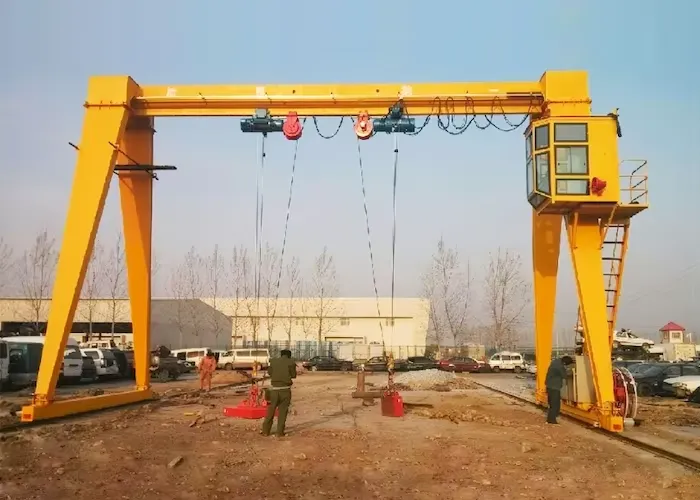
Weihua provides comprehensive customization services, including lifting capacity, span, lifting height, working class, control methods (pendant control, cabin control, or wireless remote control), crane type, anti-sway system, variable frequency drive, explosion-proof design, and special working environments. Our engineering team will provide tailored solutions based on your specific project needs to ensure safe, reliable, and cost-effective operation.
Obtenga una cotización personalizada ahora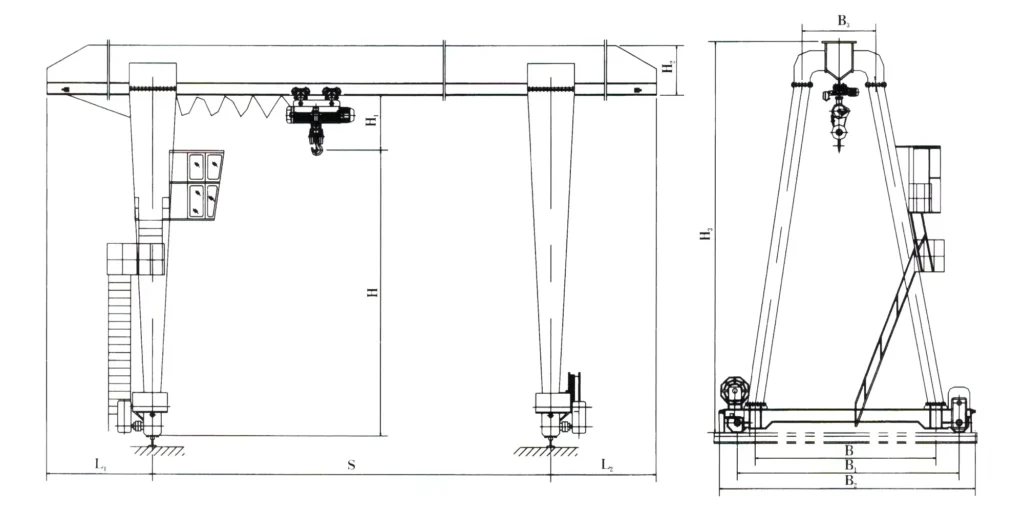
As a globally leading crane manufacturer and material handling solutions provider, Weihua Crane possesses robust factory capabilities, advanced manufacturing equipment, comprehensive international certifications, extensive industry experience, and full-service professional support. We are committed to delivering high-quality, high-performance single-girder gantry cranes to customers worldwide. Our single-girder gantry cranes feature compact design, lightweight construction, low wheel load, and reliable operation. With load capacities ranging from 5 tons to 32 tons or higher for customized requirements, they are the ideal choice for efficient material handling in diverse environments such as factories, warehouses, cargo yards, railways, and ports.
We deliver comprehensive crane solutions encompassing project design, crane retrofitting, installation and commissioning, maintenance, emergency repairs, and operator training. For inquiries about our single-girder gantry cranes or to request customized designs and quotations tailored to your specific operational requirements and parameters, contact our expert team immediately. We are committed to providing you with the most optimal solutions and technical support!
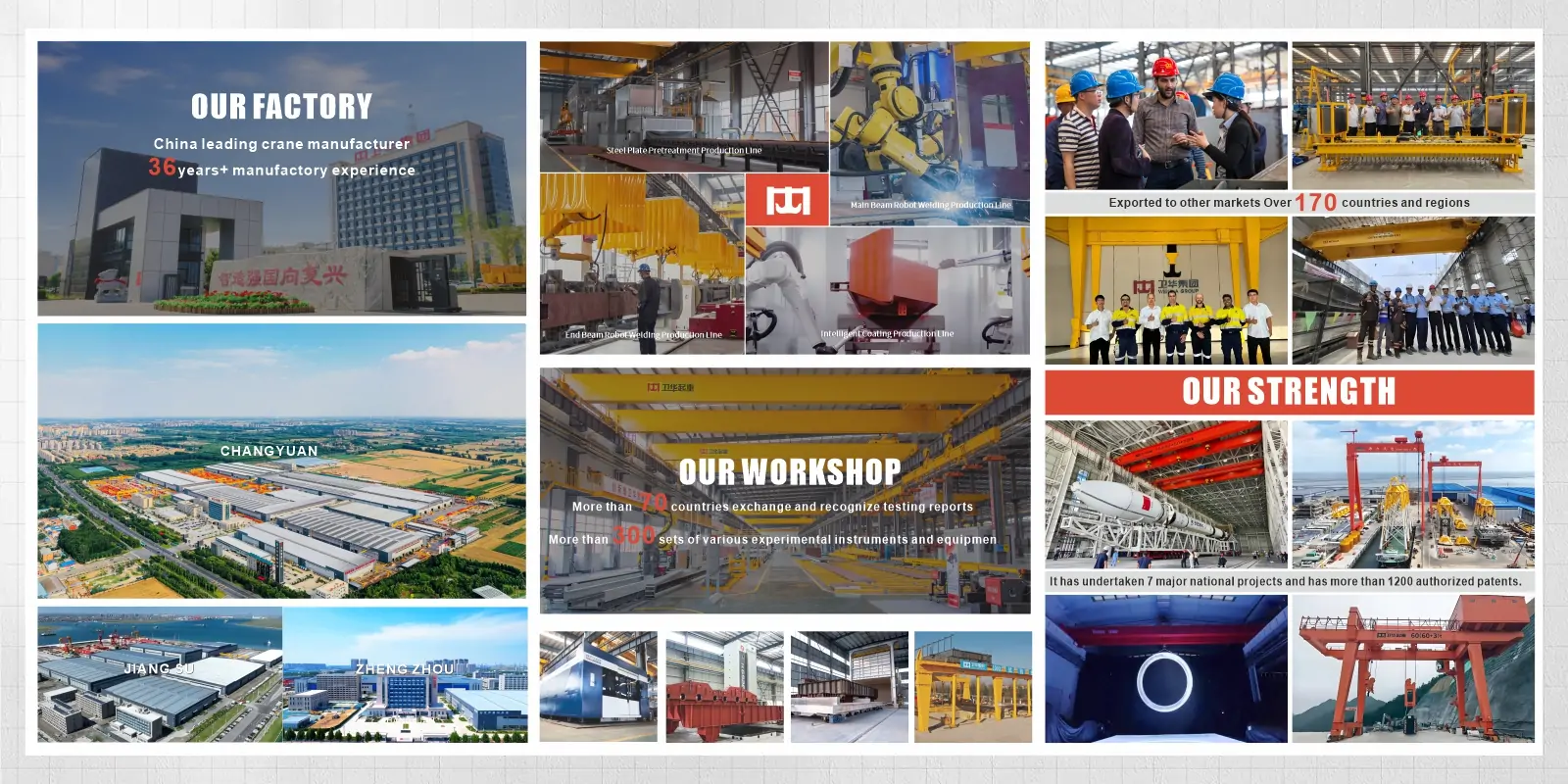
Our products and management systems are certified to international standards including ISO 9001 Quality Management System, ISO 14001 Environmental Management System, and OHSAS 18001 Occupational Health and Safety Management System. We have also obtained multiple international authoritative certifications such as CE, EAC, CUTR, SGS, and BV, ensuring compliance with stringent global quality and safety regulat

Weihua, fundada en 1988, se ha convertido en un líder mundial en el campo de la fabricación inteligente de China. Nos especializamos en la I+D y producción de grúas inteligentes, ofreciendo al mismo tiempo soluciones AGV. Nuestros equipos profesionales de ingeniería, entrega y posventa brindan soporte técnico integral, soluciones personalizadas, orientación de instalación in situ y servicios globales de respuesta rápida para garantizar que cada proyecto funcione de manera segura y eficiente.
A: The primary differences lie in load capacity and structural complexity. Single-girder gantry cranes feature simpler structures, lighter self-weight, and lower costs. They are suitable for applications with smaller lifting capacities (typically 3t to 20t), lower duty cycles (A3 to A5), and moderate spans. Double-girder gantry cranes offer greater load capacity and higher stability, making them ideal for heavy-duty applications requiring large lifting capacities, high duty cycles, and greater lifting heights. Your selection should be based on rated load capacity and operating frequency.
A: Weihua provides two primary types: box structure and truss structure. Box Type: Offers high rigidity and an aesthetically pleasing appearance, suitable for indoor environments or locations with stringent aesthetic requirements.
Truss Type: Features low self-weight, strong wind resistance, and lower manufacturing costs, making it ideal for outdoor yards, windy regions, and environments with strict foundation requirements.
A: Installation duration typically depends on crane dimensions and site readiness, generally completed within 3 to 7 working days. Site requirements include level ground track foundations meeting load-bearing specifications, sufficient installation space (crane hoisting area), and adequate safety clearance. Track foundation design must strictly adhere to load data provided by the crane manufacturer.
A: Key parameters affecting the quote include: rated lifting capacity (Q), span (S), lifting height (H), duty class (A), and hoist type (standard wire rope/European/chain). European hoists and higher duty class configurations significantly increase costs. Cost budgeting should first determine these four core parameters while accounting for transportation costs, installation fees, and customization options.
A: Routine maintenance should include inspecting wire rope wear and broken strands, brake reliability, lubrication status of running mechanisms, and wheel wear. Safety inspections must include regular no-load and rated-load tests. Critical wear components—including wire ropes, brake linings, wheel treads, and gearbox lubricants—require periodic replacement or maintenance per the manufacturer’s manual.
Contáctenos ahora por correo electrónico: [email protected], o rellene el formulario a continuación.


La grúa pórtico es un equipo de elevación ampliamente utilizado en diversas industrias, sitios de construcción, puertos, almacenes y otros campos. Su estructura única y su potente capacidad de carga la hacen ideal para el manejo de materiales modernos de alta resistencia. El diseño de la estructura de “pórtico” permite que la grúa se mueva libremente dentro de un espacio, cubriendo una gran área de trabajo. Entonces, ¿qué hace especiales a las grúas pórtico? ¿Cuáles son sus tipos, parámetros, métodos de control, aplicaciones y principios de funcionamiento? ¿En qué se diferencian de las grúas puente? Vamos a explorarlo juntos. Tipos de grúas pórtico Según el diseño, la aplicación y el entorno operativo, las grúas pórtico se clasifican típicamente en los siguientes tipos: Grúa pórtico de viga única Las grúas pórtico de viga única se utilizan ampliamente en sectores industriales, almacenes, puertos y talleres. Con un mecanismo de elevación de soporte de viga única, se desplazan a través de columnas laterales y rieles inferiores. Con su estructura simple, operación amigable y capacidad de elevación moderada, son ideales para el manejo de cargas ligeras a medianas. Capaces de abarcar grandes distancias libremente, las grúas pórtico de viga única son adecuadas para operaciones de elevación y manejo de materiales pesados. Grúa pórtico de doble viga En comparación con las grúas pórtico de viga única, las grúas pórtico de doble viga ofrecen mayor...
En puertos, parques logísticos y manipulación de materiales industriales, las grúas pórtico y las grúas de portal son dos tipos de equipos de carga/descarga comunes y fundamentales. Difieren en diseño estructural, características de rendimiento, métodos de operación, escenarios de aplicación y costos de inversión. Este artículo proporciona un análisis integral de las grúas pórtico frente a las grúas de portal y lo guía en la selección correcta. Comparación del diseño estructural Las diferencias estructurales entre las grúas pórtico y las grúas de portal se manifiestan principalmente en los métodos de soporte de carga, las trayectorias de movimiento y los rangos de cobertura. La primera se centra en una torre fija y una pluma giratoria, enfatizando la “cobertura puntual” y la rotación horizontal flexible. La segunda presenta una estructura de marco de portal y desplazamiento longitudinal sobre rieles, priorizando el “amplio movimiento horizontal” y la manipulación eficiente de la logística en el sitio. En consecuencia, sus distintos diseños estructurales dictan directamente sus diferentes escenarios de aplicación. Características estructurales de la grúa pórtico Las grúas de portal giratorias emplean estructuras de pluma en voladizo simple/doble con la torre fijada a cimientos o rieles, lo que permite una rotación de 360° o parcial. Esta configuración permite una operación flexible en espacios estrechos y alargados, como líneas de costa, frentes de muelle y atraques de barcos, lo que la hace particularmente adecuada para la manipulación de materiales de barco a tierra. Su funcionalidad principal combina verticalmente...
En las operaciones industriales modernas, el manejo eficiente de materiales es crucial para maximizar la productividad y optimizar el flujo de trabajo. Las grúas puente, también conocidas como grúas viajeras o grúas EOT, son sistemas fijos de manejo de materiales ampliamente utilizados en manufactura, procesamiento de metales, almacenamiento y operaciones de carga/descarga. En este artículo, exploraremos el principio de funcionamiento, los componentes principales, las aplicaciones y los beneficios operativos de las grúas puente, proporcionando una guía completa para planificadores industriales y profesionales de la logística. Principio de Funcionamiento de las Grúas Puente Una grúa puente opera sobre una estructura similar a un puente que abarca el área de trabajo, con un carro y un polipasto que se mueven horizontalmente a lo largo del puente y elevan o descienden cargas verticalmente. El movimiento de la grúa a lo largo de la vía, combinado con un control preciso del polipasto, permite el manejo eficiente y seguro de materiales pesados en fábricas, almacenes e instalaciones industriales. Para obtener información sobre cómo funcionan las grúas viajeras, consulte este artículo: Principio de Funcionamiento de las Grúas Viajeras: Componentes, Movimiento y Proceso de Operación Terminología de las Grúas Puente A continuación, se presenta una introducción a la terminología relacionada con las partes de las grúas puente. Capacidad de la Grúa: La capacidad de la grúa se refiere al peso máximo que una grúa puente puede levantar de forma segura. Típicamente medido en toneladas…
Una grúa EOT (Grúa Eléctrica de Puente) es un sistema de elevación aéreo eficiente y fiable que se utiliza para manipular materiales pesados en fábricas, almacenes, talleres y plantas industriales. Funcionando sobre rieles elevados, las grúas EOT permiten el movimiento tridimensional seguro y preciso de cargas mediante movimientos coordinados de elevación, traslación transversal y traslación longitudinal. Este artículo le guiará a través de las definiciones de las grúas EOT, sus tipos, estructura, principios de funcionamiento, aplicaciones y factores de costo para ayudarle a seleccionar la solución más adecuada para sus necesidades de elevación. ¿Cómo funciona una grúa EOT? El principio de funcionamiento de una grúa EOT implica una combinación de elevación vertical, movimiento horizontal del carro y desplazamiento longitudinal del puente, lo que permite la manipulación eficiente de cargas pesadas en las instalaciones industriales. La grúa opera sobre rieles de pista elevados instalados a lo largo de la estructura del edificio, con la viga del puente abarcando el área de trabajo. El mecanismo de elevación sube o baja la carga utilizando cables de acero o cadenas, mientras que el carro mueve la carga horizontalmente a lo largo del puente. Toda la grúa se desplaza longitudinalmente a lo largo de los rieles de la pista, permitiendo la posición tridimensional de los materiales. Las grúas EOT modernas están impulsadas por motores eléctricos con velocidad precisa...
Las grúas pórtico se utilizan ampliamente en patios de almacenamiento al aire libre, astilleros, fábricas y sitios de construcción, lo que las convierte en una de las soluciones de manipulación de materiales más versátiles y aplicadas. Las grúas pórtico vienen en varios tipos, cada una personalizable para adaptarse a diferentes capacidades de carga, condiciones del sitio y requisitos operativos. Sin embargo, la elección de la configuración incorrecta puede generar gastos innecesarios, capacidad de elevación limitada o restricciones de expansión futuras. Entonces, ¿cuáles son los principales tipos de grúas pórtico? ¿Cómo elige el tipo correcto para su aplicación? En esta guía, proporcionaremos una descripción general detallada de los diferentes tipos de grúas pórtico según la estructura, la movilidad y los escenarios de aplicación, lo que le ayudará a tomar la decisión correcta antes de invertir en una solución de elevación. El artículo es bastante extenso. A continuación se presenta nuestra tabla de contenidos. Por favor, salte a la sección correspondiente según sea necesario: ¿Qué es una grúa pórtico? Las grúas pórtico son equipos de elevación diseñados para la manipulación eficiente de carga pesada en grandes sitios al aire libre. Su estructura distintiva presenta una o más vigas principales soportadas por patas rígidas (o flexibles) a cada lado, formando un marco monumental en forma de “puerta”. Estas grúas se desplazan...
 English English
  Русский
 العربية
 Français
 Português
 Español