- منتجمعداتالدقة الكهربائية، التخصيص، حلول الرافعاتبريد إلكتروني:واتساب / وي شات:+8613781917315عنوانرقم 18 طريق شانهاي، مدينة تشانغ يوان، مقاطعة خنان، الصين


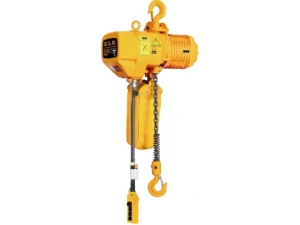
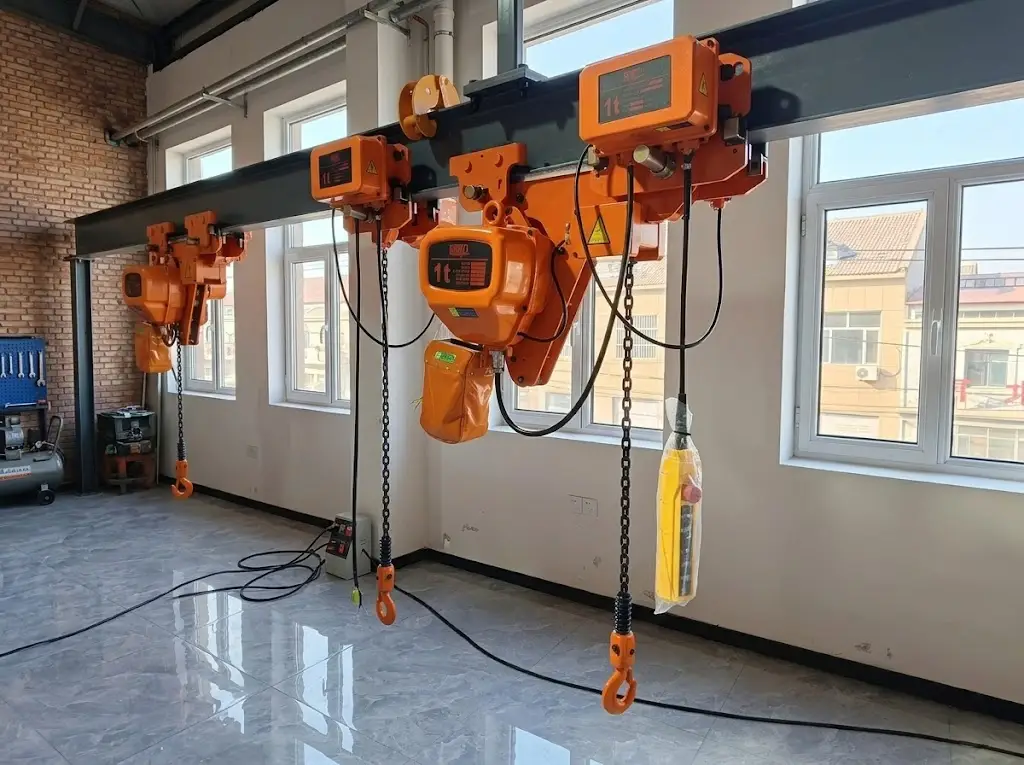
أن رافعة سلسلة كهربائية الرافعة الكهربائية، أو رافعة السلسلة الآلية، أو رافعة السلسلة الكهربائية، هي جهاز رفع ميكانيكي يعمل بمحرك كهربائي. تستخدم هذه الرافعة عجلة مسننة تعمل بمحرك لتحريك سلسلة تحميل عالية المتانة، مما يتيح التحكم في الحركة الرأسية للأحمال الثقيلة بضغطة زر.
على عكس الرافعات السلسلية اليدوية التي تعتمد كلياً على الجهد البشري، توفر الرافعات السلسلية الكهربائية سرعة رفع ثابتة، وإجهاداً أقل للمشغل، وإمكانية تنفيذ عدد كبير من عمليات الرفع بشكل متواصل طوال يوم العمل. تُركّب الرافعات السلسلية الكهربائية عادةً على عوارض ثابتة، أو أنظمة أحادية السكة، أو رافعات علوية متحركة لتشكيل حل متكامل لمناولة المواد.
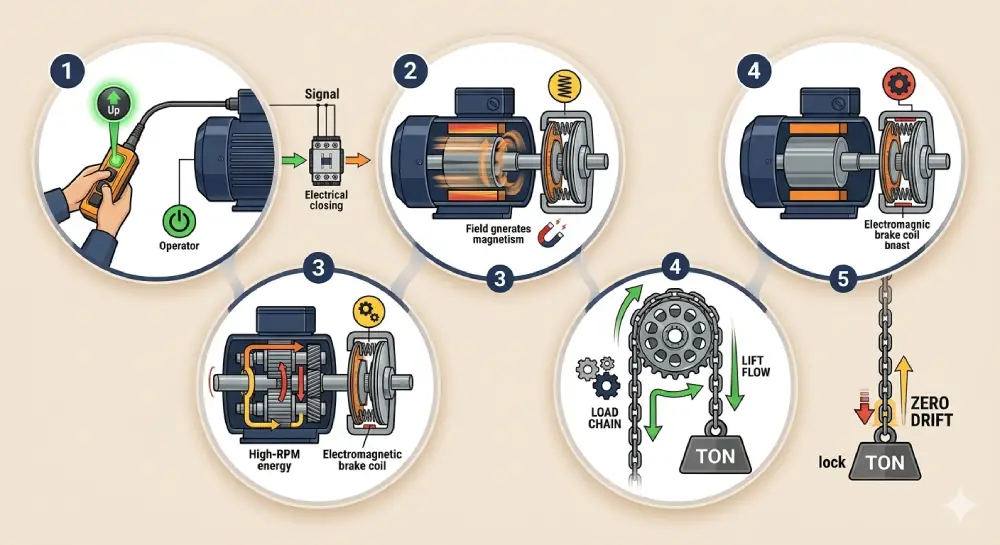
الخطوة 1 - أمر المشغل: يضغط المشغل على زر "أعلى" أو "أسفل" الموجود على وحدة التحكم المعلقة. وهذا يرسل إشارة إلى موصل المحرك، الذي يربط المحرك الكهربائي بمصدر الطاقة.
الخطوة 2 - تشغيل المحرك وتحرير الفرامل: يبدأ المحرك الكهربائي بالدوران. في الوقت نفسه، يتم تحرير الفرامل الكهرومغناطيسية - يتم تنشيط ملف الفرامل، مما يتغلب على قوة الزنبرك التي تبقي قرص الفرامل مغلقًا، مما يسمح لعمود الدوران بالدوران بحرية.
الخطوة 3 - تخفيض التروس وتضخيم عزم الدوران: يقوم المحرك بتدوير عمود إدخال علبة التروس بأقصى سرعة للمحرك (عادةً ما بين 1400 و2800 دورة في الدقيقة). تعمل آلية تخفيض السرعة الحلزونية متعددة المراحل على تقليل هذه السرعة إلى خرج منخفض السرعة وعالي العزم (عادةً ما بين 10 و60 دورة في الدقيقة عند العجلة المسننة)، مما ينتج قوة كافية لرفع الحمل المقنن.
الخطوة الرابعة - حركة السلسلة: يُحرّك خرج علبة التروس ترس سلسلة الحمل، الذي يُشغّل سلسلة الحمل. وبحسب اتجاه دوران المحرك، تُلفّ السلسلة (لرفع الحمل) أو تُرخى (لخفض الحمل) بحركة مُتحكّم بها وثابتة.
الخطوة 5 - تثبيت الحمولة وتفعيل الفرامل: عندما يحرر المشغل الزر، يتوقف المحرك ويتم تشغيل الفرامل الكهرومغناطيسية على الفور - تقوم قوة الزنبرك بتثبيت قرص الفرامل، مما يحافظ على الحمل عند ارتفاعه الحالي دون أي انحراف.
يُعدّ اختيار نوع الرافعة المناسب من أهم القرارات في أي مشروع مناولة مواد. تتناول المقارنة التالية جميع عوامل القرار الرئيسية بين الرافعات السلسلية الكهربائية واليدوية.
| عامل المقارنة | رافعة سلسلة كهربائية | رافعة سلسلة يدوية |
|---|---|---|
| مصدر طاقة | محرك كهربائي (ثلاثي الطور أو أحادي الطور) | القوة البشرية فقط |
| سرعة التشغيل | سريع: 3 – 12 م/دقيقة | سرعة بطيئة: 0.5 - 3 م/دقيقة |
| جهد المشغل | تحكم بسيط - بضغطة زر | متوسط - سحب سلسلة اليد بشكل متكرر |
| وتيرة الرفع | مستوى عالٍ - أكثر من 50 رفعة في اليوم بشكل مستمر | منخفض إلى متوسط - حتى 20 رفعة/يوم |
| الاعتماد على الطاقة | يتطلب مصدر طاقة كهربائية مستقر | لا حاجة للكهرباء - يعمل في أي مكان |
| أمان ذاتي القفل | مكابح كهرومغناطيسية؛ آمنة عند انقطاع التيار الكهربائي | سقاطة ميكانيكية؛ ذاتية القفل بطبيعتها |
| حماية من الحمل الزائد | مدمج (قياسي في معظم الطرازات) | متوفر في طرازات مختارة فقط |
| دقة تحديد المواقع | عالي - خيار السرعة المزدوجة / محرك التردد المتغير | منخفض - يعتمد على شعور المشغل |
| وزن المنتج | الوزن الثقيل: 20 – 200 كجم | الوزن الخفيف: 2.5 - 50 كجم |
| تكلفة الشراء | أعلى: $150 – $8,000+ | الجزء السفلي: $30 – $800 |
| تثبيت | يتطلب ذلك عارضة، وعربة، وتوصيلات كهربائية | علّقها وانطلق - لا حاجة لأي إعداد |
| صيانة | أعلى - المحرك، الفرامل، وأجهزة التحكم تحتاج إلى صيانة | منخفض جدًا - مكونات قليلة |
| مستوى الضوضاء | ضوضاء تشغيل المحرك | شبه صامت |
| درجة حرارة التشغيل | من -10 درجة مئوية إلى +40 درجة مئوية (محرك قياسي) | من -20 درجة مئوية إلى +50 درجة مئوية |
| تكلفة مقاومة للانفجار | عالي - يتطلب محركًا وغطاءً متوافقين تمامًا مع معايير ATEX | منخفض - مكونات من النحاس الأصفر/الألومنيوم فقط |
| العمر الافتراضي | 5 – 10 سنوات (المكونات الكهربائية) | 10 – 20 سنة (ميكانيكية فقط) |
| الأنسب لـ | محطات ثابتة، خطوط عالية التردد وآلية | مناطق خطرة مؤقتة، خارج الشبكة، ذات تردد منخفض |
توفر الجداول أدناه المواصفات الفنية الكاملة لخطوط إنتاج رافعات السلسلة الكهربائية القياسية من Weihua، والمنخفضة الارتفاع، والمقاومة للانفجار.
| نموذج | السعة المقدرة (طن) | ارتفاع المصعد (م) | سرعة الرفع (م/دقيقة) | قدرة المحرك (كيلوواط) | الجهد (فولت) | قطر سلسلة التحميل (مم) | شلالات تشين | الوزن الصافي (كجم) |
|---|---|---|---|---|---|---|---|---|
| ECH-0.5 | 0.5 | 3 / 6 | 8 / 0.8 | 0.4 | 380 | φ6.3 | 1 | 22 |
| ECH-1 | 1 | 3 / 6 | 8 / 0.8 | 0.8 | 380 | φ7.1 | 1 | 28 |
| ECH-2 | 2 | 3 / 6 | 8 / 0.8 | 1.5 | 380 | φ9 | 1 | 38 |
| ECH-3 | 3 | 3 / 6 | 6 / 0.6 | 2.2 | 380 | φ10 | 2 | 52 |
| ECH-5 | 5 | 3 / 6 | 4 / 0.4 | 3.0 | 380 | φ11.2 | 2 | 78 |
| ECH-10 | 10 | 3 / 6 | 3.5 / 0.35 | 5.5 | 380 | φ12.5 | 4 | 145 |
| ECH-16 | 16 | 3 / 6 | 3 / 0.3 | 7.5 | 380 | φ14 | 4 | 210 |
| ECH-20 | 20 | 3 / 6 | 2.5 / 0.25 | 11 | 380 | φ16 | 4×2 | 310 |
سرعة الرفع المزدوجة معروضة كسرعة كاملة / سرعة زحف. تتوفر أيضًا موديلات أحادية السرعة. ارتفاعات رفع مخصصة (6 م / 9 م / 12 م / 18 م / 24 م) عند الطلب.
| نموذج | السعة المقدرة (طن) | الحد الأدنى لمسافة الخطاف (مم) | ارتفاع المصعد (م) | قدرة المحرك (كيلوواط) | الوزن الصافي (كجم) |
|---|---|---|---|---|---|
| LHECH-0.5 | 0.5 | 320 | 3 | 0.4 | 26 |
| LHECH-1 | 1 | 360 | 3 | 0.8 | 34 |
| LHECH-2 | 2 | 410 | 3 | 1.5 | 46 |
| LHECH-3 | 3 | 460 | 3 | 2.2 | 63 |
| LHECH-5 | 5 | 530 | 3 | 3.0 | 92 |
| نموذج | السعة المقدرة (طن) | تصنيف ATEX | ارتفاع المصعد (م) | قدرة المحرك (كيلوواط) | الوزن الصافي (كجم) |
|---|---|---|---|---|---|
| EXECH-0.5 | 0.5 | Ex II 2G IIB T4 | 3 | 0.4 | 30 |
| EXECH-1 | 1 | Ex II 2G IIB T4 | 3 | 0.8 | 40 |
| EXECH-2 | 2 | Ex II 2G IIB T4 | 3 | 1.5 | 55 |
| EXECH-3 | 3 | Ex II 2G IIB T4 | 3 | 2.2 | 72 |
| EXECH-5 | 5 | Ex II 2G IIB T4 | 3 | 3.0 | 105 |
| عرض شفة العارضة (مم) | سرعة السفر (م/دقيقة) | قوة محرك السير (كيلوواط) |
|---|---|---|
| 74 – 150 | 20 | 0.2 |
| 100 – 200 | 20 | 0.4 |
| 150 – 300 | 20 | 0.4 |
| 200 – 400 | 20 | 0.75 |
تم تصميم وتصنيع واختبار جميع الرافعات السلسلية الكهربائية من شركة Weihua لتلبية معايير السلامة والأداء الدولية الرائدة.
| المعيار / الشهادة | نِطَاق |
|---|---|
| FEM 1.001 | الاتحاد الأوروبي للتصنيع – تصنيف معدات الرفع ودورة العمل |
| EN 14492-2 | المعيار الأوروبي للرافعات الآلية - متطلبات السلامة |
| ASME HST-4 | المعيار الأمريكي للرافعات السلسلية الكهربائية |
| GB/T 14406 | المعيار الوطني الصيني للرافعات السلسلية الكهربائية للأغراض العامة |
| علامة CE | شهادة المطابقة الأوروبية |
| ISO 4347 | معيار دولي لسلاسل التحميل |
| توجيه ATEX 2014/34/EU | معدات مقاومة للانفجار للأجواء الخطرة |
| حماية المحرك IP55 | غلاف محرك محكم الإغلاق ضد الغبار ومقاوم لرذاذ الماء (قياسي) |
يتطلب اختيار الرافعة السلسلية الكهربائية المناسبة اتباع نهج منظم. ضع في اعتبارك العوامل التالية قبل اتخاذ قرار الاختيار:
اختر رافعة سلسلة كهربائية بسعة مصنفة لا تقل عن 25% أعلى من الحد الأقصى لحمل التشغيل الخاص بك. على سبيل المثال، لحمل أقصى يبلغ 4000 كجم، اختر طرازًا بسعة 5 أطنان. لا تقم أبدًا بتشغيل الرافعة الكهربائية عند أو فوق حدها المقنن.
تُصنّف الرافعات السلسلية الكهربائية حسب فئة التشغيل (فئة FEM / ISO M) بناءً على عدد عمليات الرفع اليومية ومتوسط نسبة الحمولة. ويُعدّ اختيار فئة التشغيل الصحيحة أمرًا بالغ الأهمية لضمان عمر أطول للمعدات.
| فئة الواجب | عدد مرات الرفع يومياً | طيف الحمل | التطبيق النموذجي |
|---|---|---|---|
| M3 (أنثى 1 أمبير) | حتى 20 | ضوء | الصيانة، الاستخدام غير المتكرر |
| M4 (أنثى 2 متر) | 20 – 40 | واسطة | للاستخدام العام في الورشة |
| M5 (أنثى 3 أمتار) | 40 – 80 | متوسط إلى ثقيل | خطوط إنتاج نشطة |
| M6 (أنثى 4 متر) | 80 – 160 | ثقيل | تشغيل مكثف ومستمر |
يبلغ ارتفاع المصاعد القياسي 3 أمتار و6 أمتار. أما بالنسبة للمباني الشاهقة والمستودعات ذات الأسقف العالية أو الأنفاق العميقة، فتتوفر ارتفاعات مخصصة للمصاعد تبلغ 9 أمتار و12 مترًا و18 مترًا و24 مترًا. يُرجى دائمًا التأكد من المساحة الرأسية المتاحة قبل تحديد ارتفاع المصعد.
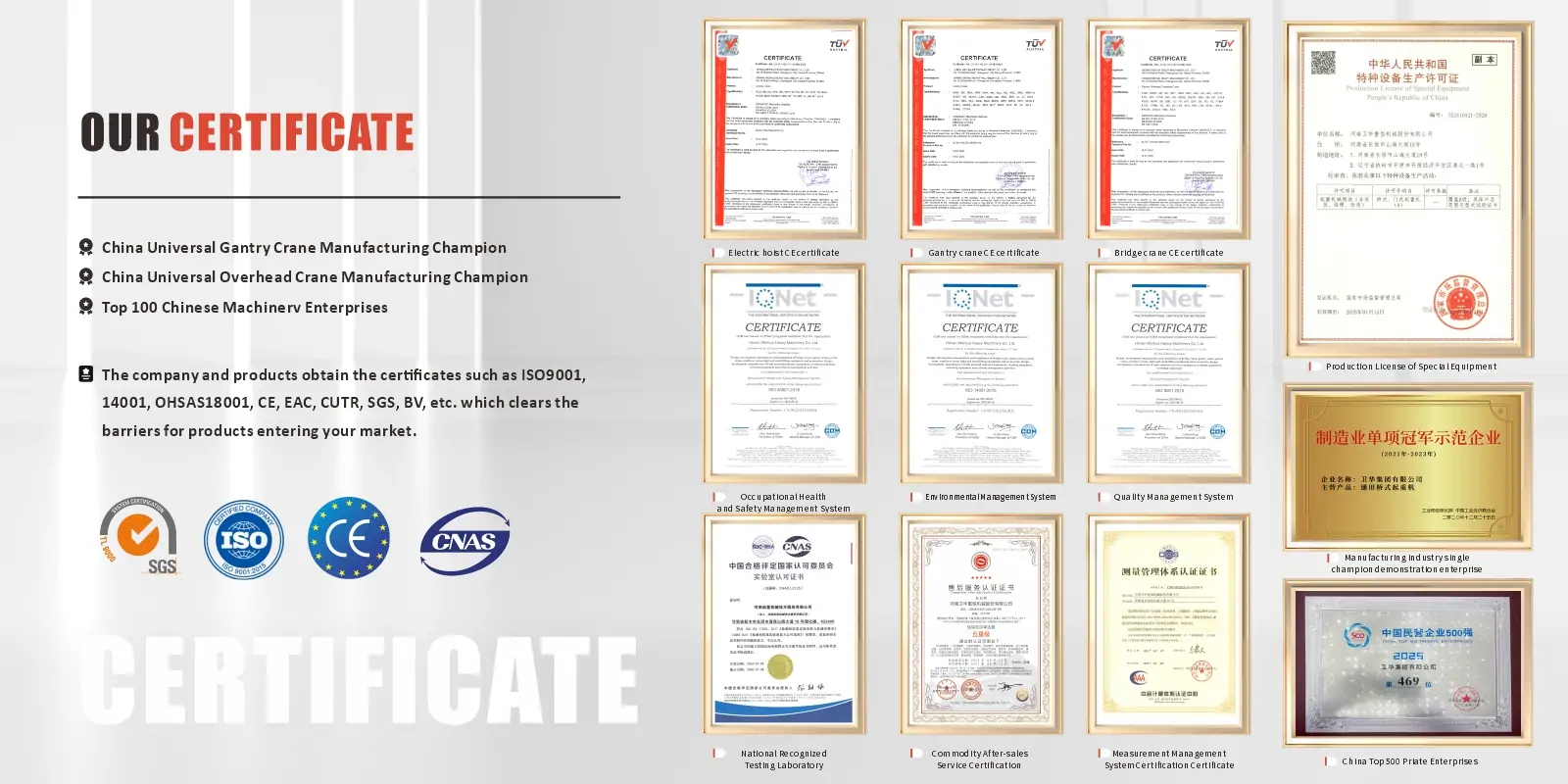
احرص دائمًا على شراء الرافعات السلسلية الكهربائية من مصنّع حاصل على شهادات CE وISO والشهادات الإقليمية ذات الصلة. تأكد من قدرة المورّد على توفير خدمة ما بعد البيع وقطع الغيار والدعم الفني في منطقتك.
شركة Weihua هي شركة صينية متخصصة في تصنيع وتوريد الرافعات السلسلية الكهربائية، ولديها خبرة تزيد عن 37 عامًا في تصميم وتصنيع معدات الرفع. تُنتج جميع رافعات Weihua السلسلية الكهربائية وفقًا لنظام إدارة جودة صارم حاصل على شهادة الجودة. ISO 9001, وجميع المنتجات تحمل علامة CE امتثالاً لتوجيهات الآلات الأوروبية.
توفر شركة ويهوا شبكة عالمية لخدمات ما بعد البيع، وضمانًا لمدة عام على المنتج، وتوافرًا طويل الأمد لقطع الغيار لجميع طرازات الرافعات. فريقنا الهندسي جاهز لدعم مواصفات الرافعات المخصصة، وتكامل أنظمة الرافعات، وتقديم إرشادات التركيب في الموقع.
كما نقدم مجموعة شاملة من حلول معدات الرفع، بما في ذلك رافعات السلسلة اليدوية, الرافعات العلوية المتحركة, الرافعات الجسرية والرافعات الجيبية. تواصل مع فريقنا الهندسي اليوم للحصول على حلول رافعات السلسلة الكهربائية المصممة خصيصًا لتلبية متطلباتك.
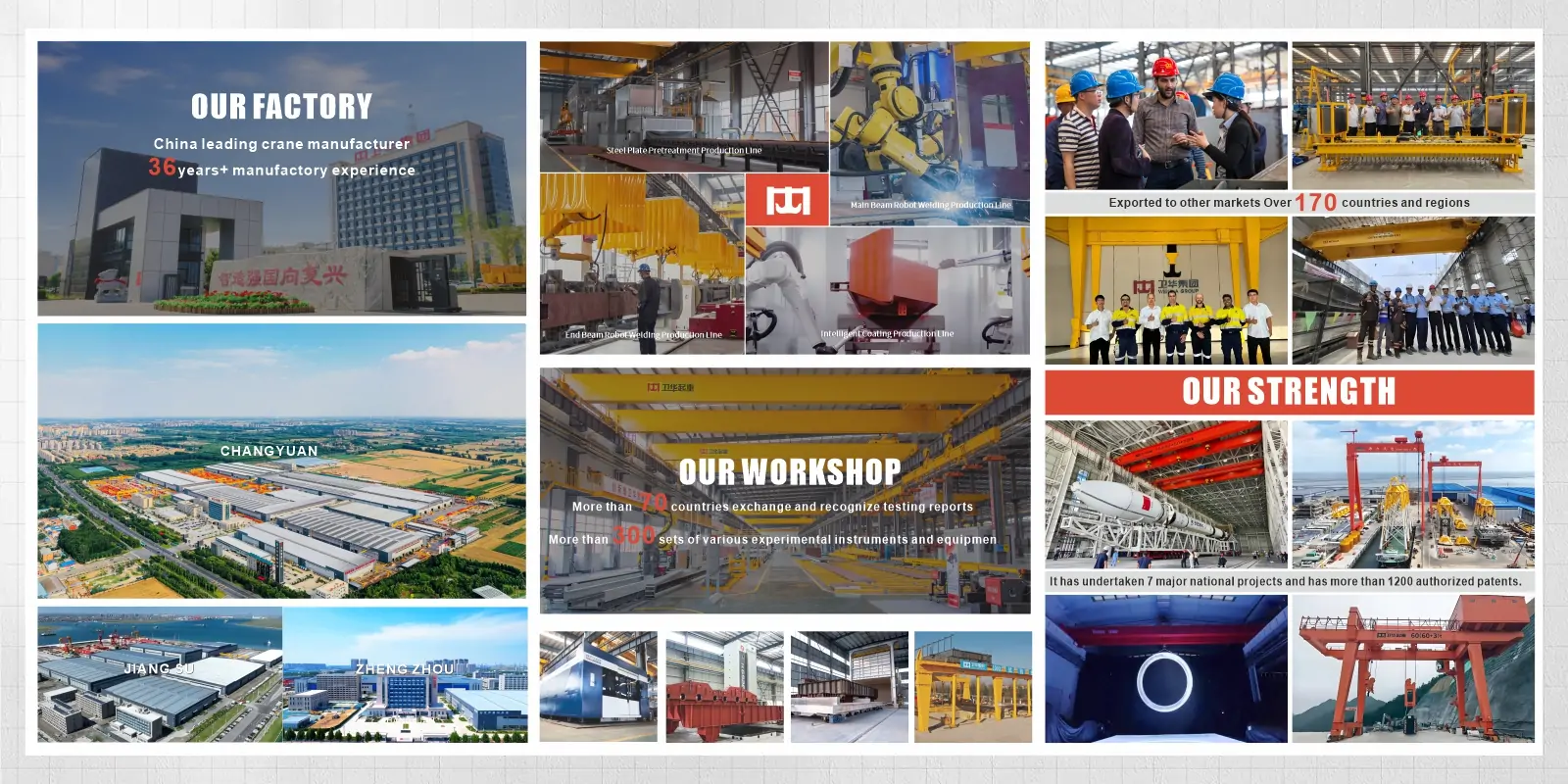
تطورت شركة "وي هوا"، التي تأسست عام 1988، لتصبح رائدة عالمية في مجال التصنيع الذكي في الصين. نحن متخصصون في البحث والتطوير وإنتاج الرافعات الذكية، مع توفير حلول المركبات الموجهة آليًا (AGV). تقدم فرقنا الهندسية والتسليم وما بعد البيع المحترفة دعمًا تقنيًا شاملًا، وحلولًا مخصصة، وإرشادات تركيب في الموقع، وخدمات عالمية سريعة الاستجابة لضمان تشغيل كل مشروع بأمان وكفاءة.
اتصل بنا الآن عبر البريد الإلكتروني: [email protected], ، أو املأ النموذج أدناه.


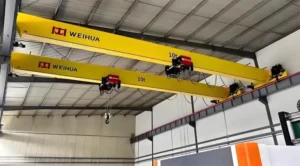
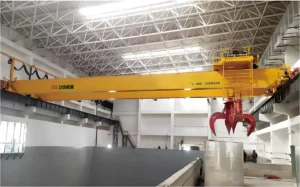
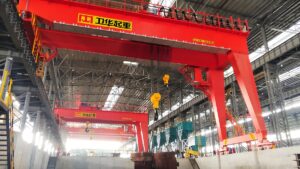
الرافعة الجسرية هي معدات رفع تُستخدم على نطاق واسع في مختلف الصناعات ومواقع البناء والموانئ والمستودعات وغيرها من المجالات. ويجعلها هيكلها الفريد وقدرتها القوية على تحمل الأحمال خيارًا مثاليًا لمناولة المواد الثقيلة في العصر الحديث. ويتيح تصميم الهيكل “الجسري” للرافعة التحرك بحرية داخل المساحة، مما يغطي منطقة عمل واسعة. إذن، ما الذي يجعل الرافعات الجسرية مميزة؟ وما هي أنواعها ومعاييرها وطرق التحكم فيها وتطبيقاتها ومبادئ عملها؟ كيف تختلف عن الرافعات الجسرية؟ دعونا نستكشف ذلك معًا. أنواع الرافعات الجسرية بناءً على التصميم والتطبيق وبيئة التشغيل، تُصنف الرافعات الجسرية عادةً إلى الأنواع التالية: الرافعة الجسرية أحادية العارضة تُستخدم الرافعات الجسرية أحادية العارضة على نطاق واسع في القطاعات الصناعية والمستودعات والموانئ وورش العمل. تتميز بآلية رفع مدعومة بعارضة واحدة، وتتحرك عبر أعمدة جانبية وقضبان سفلية. بفضل هيكلها البسيط وتشغيلها السهل وقدرتها المعتدلة على الرفع، فهي مثالية لمناولة الأحمال الخفيفة إلى المتوسطة. وبفضل قدرتها على عبور مسافات كبيرة بحرية، فإن الرافعات الجسرية ذات العارضة الواحدة مناسبة لعمليات مناولة ورفع المواد الثقيلة. الرافعات الجسرية ذات العارضتين مقارنة بالرافعات الجسرية ذات العارضة الواحدة، توفر الرافعات الجسرية ذات العارضتين قدرة أكبر...
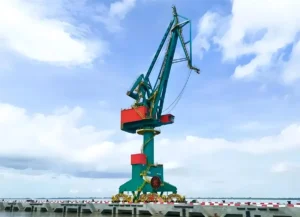
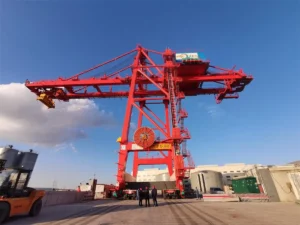
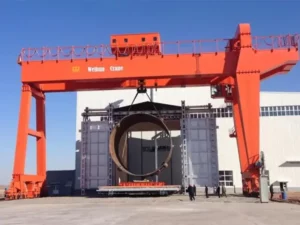
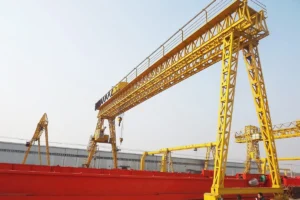
في الموانئ، والحدائق اللوجستية، ومناولة المواد الصناعية، تعتبر الرافعات البوابية والرافعات الجسرية نوعين شائعين وأساسيين من معدات التحميل/التفريغ. تختلف هذه الرافعات في التصميم الهيكلي، وخصائص الأداء، وطرق التشغيل، وسيناريوهات التطبيق، وتكاليف الاستثمار. تقدم هذه المقالة تحليلاً شاملاً للرافعات البوابية مقابل الرافعات الجسرية وتوجهك لاتخاذ الاختيار الصحيح. مقارنة التصميم الهيكلي تتجلى الاختلافات الهيكلية بين الرافعات البوابية والرافعات الجسرية بشكل أساسي في طرق تحمل الأحمال، ومسارات الحركة، ونطاقات التغطية. يركز الأول على برج ثابت وذراع دوار، مع التركيز على “تغطية النقاط” والدوران الأفقي المرن. يتميز الأخير ببنية إطار بوابة ورحلة سكة حديد طولية، مع إعطاء الأولوية لـ “الحركة الأفقية الواسعة” والتعامل الفعال مع الخدمات اللوجستية في الموقع. نتيجة لذلك، فإن تصميماتهما الهيكلية المميزة تملي مباشرة سيناريوهات التطبيق المختلفة. الخصائص الهيكلية للرافعات البوابية تستخدم الرافعات الدوارة البوابية هياكل أذرع مفردة/مزدوجة منصة، مع تثبيت البرج على الأسس أو السكك الحديدية، مما يتيح دورانًا بزاوية 360 درجة أو جزئيًا. يمكّن هذا التكوين التشغيل المرن في المساحات الضيقة والممتدة مثل السواحل، وواجهات الأرصفة، وأرصفة السفن، مما يجعله مناسبًا بشكل خاص لمناولة المواد من السفينة إلى الشاطئ. تجمع وظيفتها الأساسية بين العمودي…
في العمليات الصناعية الحديثة، تعتبر مناولة المواد الفعالة ضرورية لزيادة الإنتاجية وتحسين سير العمل. تعتبر الرافعات الجسرية، المعروفة أيضًا بالرافعات العلوية أو رافعات EOT، من أنظمة مناولة المواد الثابتة المستخدمة على نطاق واسع في التصنيع، ومعالجة المعادن، والتخزين، وعمليات التحميل/التفريغ. في هذه المقالة، سنستكشف مبدأ العمل، والمكونات الرئيسية، والتطبيقات، وفوائد التشغيل للرافعات الجسرية، مما يوفر دليلاً شاملاً للمخططين الصناعيين ومهنيي اللوجستيات. مبدأ عمل الرافعات الجسرية تعمل الرافعات الجسرية على هيكل يشبه الجسر يمتد عبر مساحة العمل، مع نظام عربة ورافعة يتحرك أفقيًا على طول الجسر ويرفع أو يخفض الأحمال عموديًا. تتيح حركة الرافعة عبر مسارها، جنبًا إلى جنب مع التحكم الدقيق بالرافعة، مناولة المواد الثقيلة بكفاءة وأمان في المصانع والمستودعات والمنشآت الصناعية. للحصول على معلومات حول كيفية عمل الرافعات العلوية، يرجى الاطلاع على هذه المقالة: مبدأ عمل الرافعات العلوية: المكونات، الحركة، وعملية التشغيل مصطلحات الرافعات الجسرية فيما يلي مقدمة للمصطلحات المتعلقة بأجزاء الرافعات الجسرية. سعة الرافعة: تشير سعة الرافعة إلى أقصى وزن يمكن للرافعة الجسرية رفعه بأمان. ويقاس عادة بالطن...
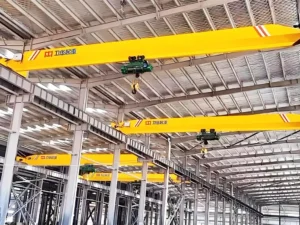
الرافعة العلوية الكهربائية (EOT) هي نظام رفع علوي فعال وموثوق يُستخدم لمناولة المواد الثقيلة في المصانع والمستودعات وورش العمل والمنشآت الصناعية. تعمل الرافعات العلوية الكهربائية على سكك علوية، وتتيح حركة ثلاثية الأبعاد آمنة ودقيقة للأحمال من خلال تنسيق حركات الرفع والتحرك العرضي والتحرك الطولي. ستوجهك هذه المقالة عبر تعريفات الرافعات العلوية المتحركة وأنواعها وهيكلها ومبادئ عملها وتطبيقاتها وعوامل التكلفة لمساعدتك في اختيار الحل الأنسب لاحتياجات الرفع الخاصة بك. كيف تعمل الرافعات العلوية المتحركة؟ يتضمن مبدأ عمل الرافعات العلوية المتحركة مزيجًا من الرفع الرأسي وحركة العربة الأفقية والحركة الطولية للجسر، مما يتيح مناولة الأحمال الثقيلة بكفاءة عبر المنشآت الصناعية. تعمل الرافعة على قضبان مسار مرتفعة مثبتة على طول هيكل المبنى، مع امتداد عارضة الجسر عبر مساحة العمل. تعمل آلية الرفع على رفع أو خفض الحمولة باستخدام حبال أو سلاسل سلكية فولاذية، بينما تقوم العربة بنقل الحمولة أفقيًا على طول الجسر. تتحرك الرافعة بأكملها طوليًا على طول قضبان المسار، مما يتيح وضع المواد في وضع ثلاثي الأبعاد. تعمل الرافعات الجسرية الكهربائية الحديثة بمحركات كهربائية ذات سرعة دقيقة...
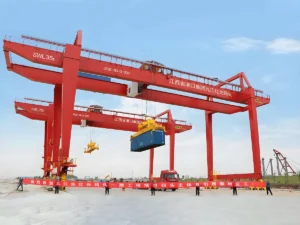
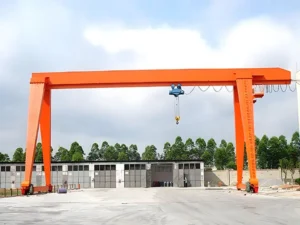
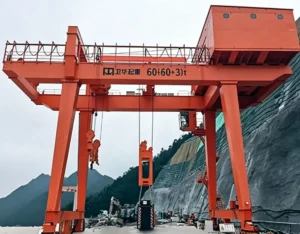
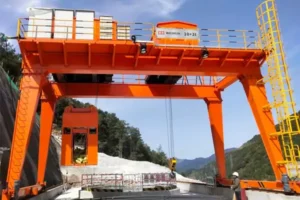
تُستخدم الرافعات الجسرية على نطاق واسع في ساحات التخزين المفتوحة، وأحواض بناء السفن، والمصانع، ومواقع البناء، مما يجعلها واحدة من أكثر حلول مناولة المواد تنوعًا وتطبيقًا على نطاق واسع. تأتي الرافعات الجسرية في أنواع مختلفة، وكل منها قابل للتخصيص ليناسب قدرات تحميل وسعات مختلفة، وظروف الموقع، ومتطلبات التشغيل. ومع ذلك، فإن اختيار التكوين الخاطئ يمكن أن يؤدي إلى نفقات غير ضرورية، أو قدرة رفع محدودة، أو قيود على التوسع المستقبلي. إذن، ما هي الأنواع الرئيسية للرافعات الجسرية؟ كيف تختار النوع المناسب لتطبيقك؟ في هذا الدليل، سنقدم نظرة عامة مفصلة على أنواع الرافعات الجسرية المختلفة بناءً على الهيكل، والتنقل، وسيناريوهات التطبيق، مما يساعدك على اتخاذ القرار الصحيح قبل الاستثمار في حل رفع. المقال طويل جدًا. فيما يلي جدول المحتويات الخاص بنا. يرجى التوجه إلى القسم المقابل حسب الحاجة: ما هي الرافعات الجسرية؟ الرافعات الجسرية هي معدات رفع مصممة لمناولة البضائع الثقيلة بكفاءة في المواقع المفتوحة الكبيرة. يتميز هيكلها المميز بشعاع أو أكثر من الأشعة الرئيسية مدعوم بأرجل صلبة (أو مرنة) على كلا الجانبين، لتشكيل إطار ضخم على شكل “بوابة”. تتنقل هذه الرافعات...
 English English
  Русский
 العربية
 Français
 Português
 Español