



جدول المحتويات
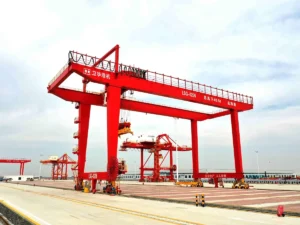
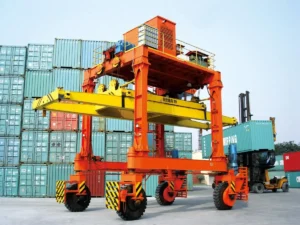
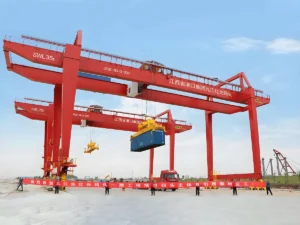
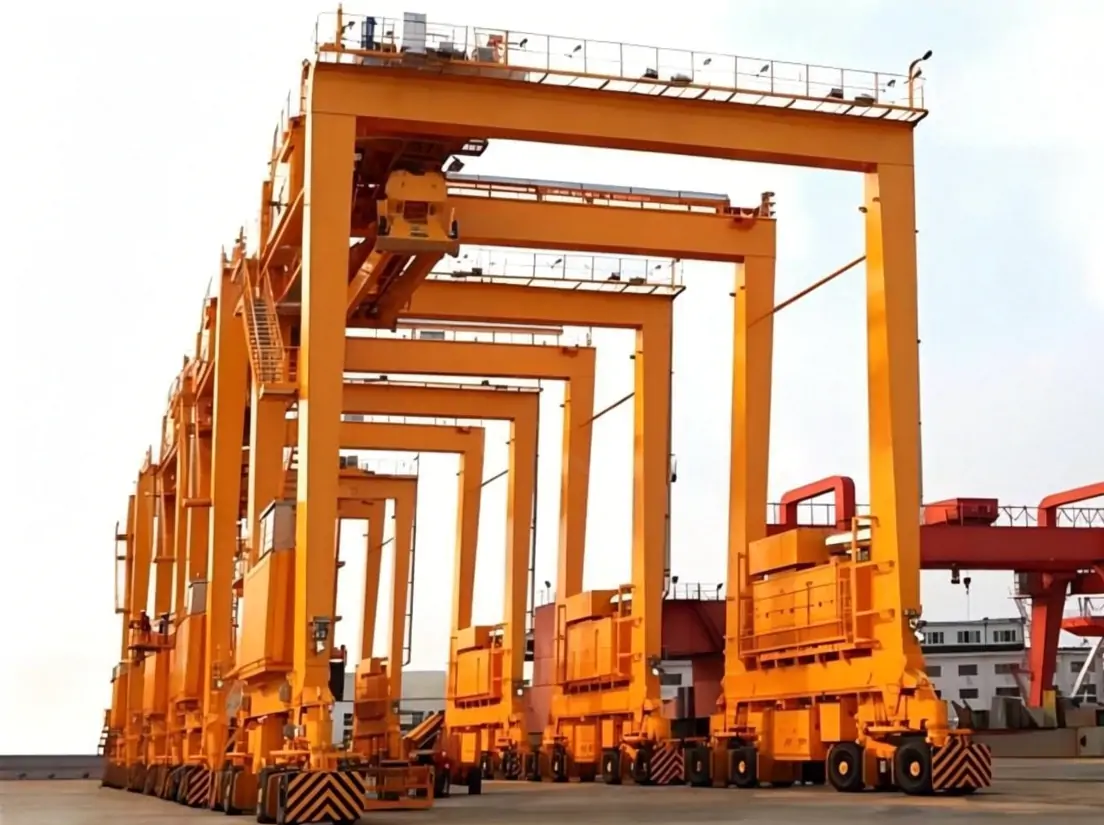
RTG Crane Price is one of the most frequently searched topics in the port and logistics equipment industry. A Rubber Tyred Gantry Crane plays a critical role in modern container terminals, enabling efficient stacking and handling of containers. The right Rubber Tyred Gantry Crane can make a huge difference in efficiency and long-term investment value.

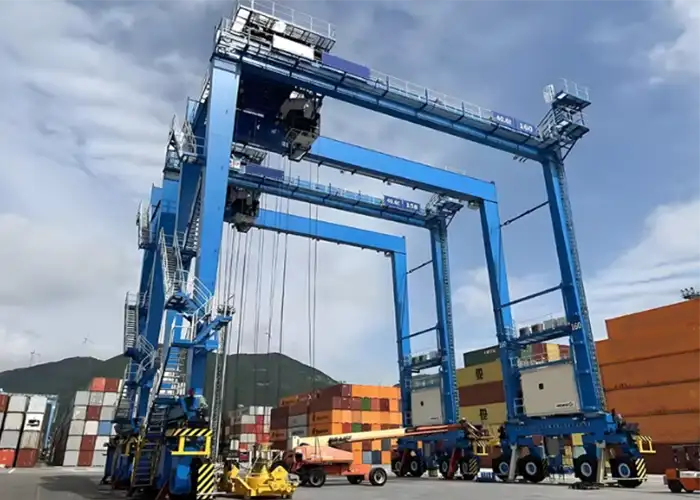
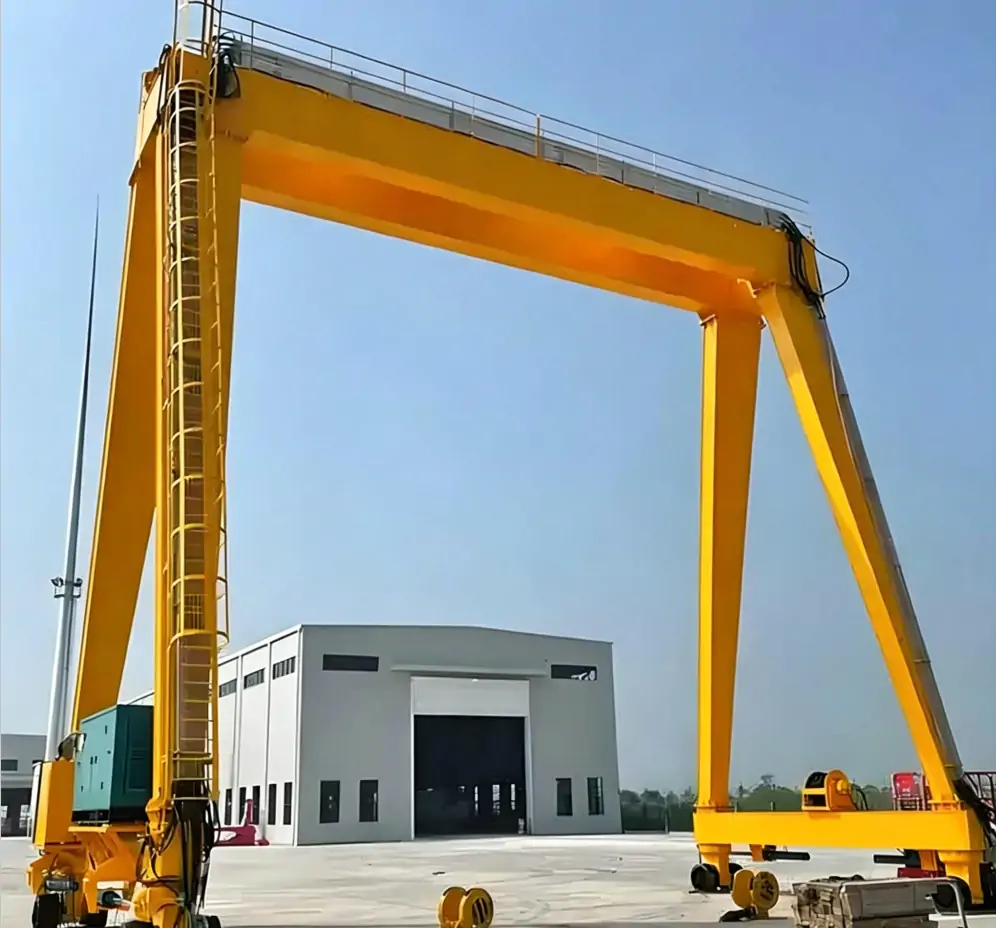
The right configuration and evaluating operational efficiency can save both time and money. In this article, I’ll walk you through a complete overview of RTG Crane cost breakdown, the main factors that affect pricing, and practical RTG Crane investment tips to help you make informed decisions.
Price List for the RTG Crane Standard Configuration
RTG Crane (Rubber Tyred Gantry Crane) pricing varies significantly depending on rated lifting capacity, power solution, and level of automation. The price range for mainstream standard configurations in 2026 is as follows:
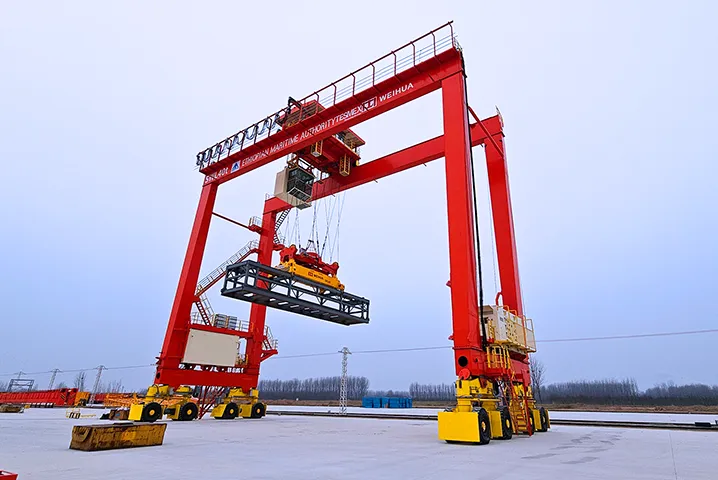
40.5-Ton Conventional Diesel-Powered Manual RTG
The conventional diesel-powered RTG remains one of the most widely used configurations in container yards. It is powered by an onboard diesel generator set and operated manually from the driver’s cab. With a relatively low purchase cost and independent operation, it is commonly selected for small and medium-sized container handling facilities.
Price Range:
- USD 165,000 – 205,000 per unit
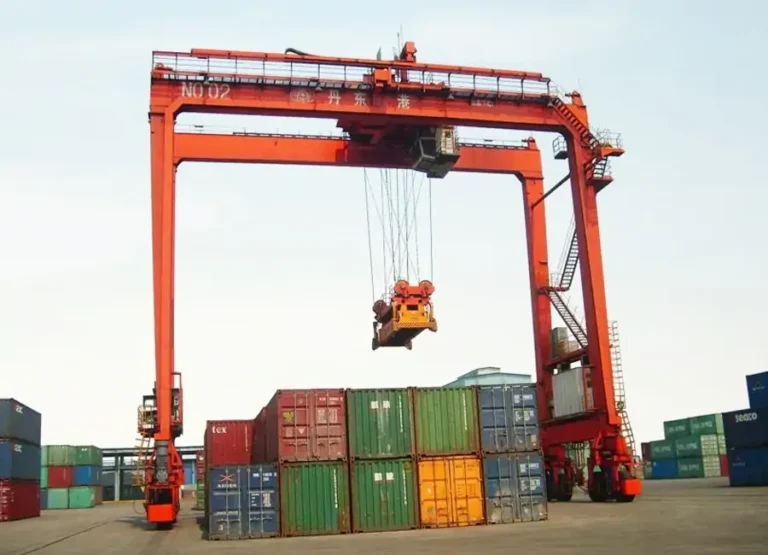
40.5-Ton Grid-Powered (Festoon/Slip Line) Semi-Automatic RTG
This RTG receives power from the local grid through a cable reel, festoon cable, or conductor rail system. Since the main power source is electricity rather than diesel fuel, operating costs are generally lower. Semi-automatic functions can also help maintain consistent handling performance during daily operations.
Price Range:
- USD 195,000 – 235,000 per unit
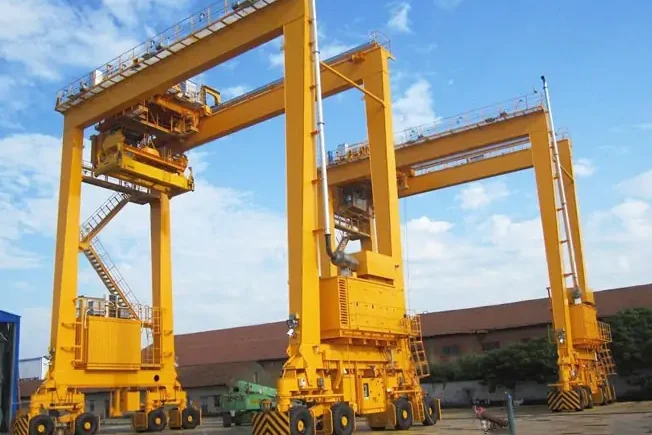
40.5-Ton Diesel–Lithium Battery Hybrid Semi-Automatic RTG
The hybrid configuration combines a diesel generator with a lithium battery system. During operation, part of the recovered energy can be stored and reused, reducing overall fuel consumption. This type of RTG is often selected by terminals seeking a balance between operational flexibility and lower energy costs.
Price Range:
- USD 225,000 – 265,000 per unit
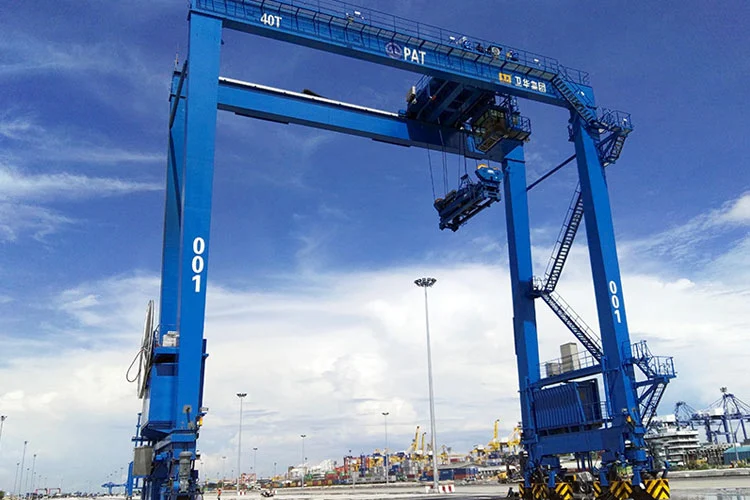
40.5-Ton Fully Electric Automated Unmanned RTG
Powered entirely by electricity, this configuration is typically used in automated container terminals. Functions such as automatic positioning, remote supervision, and container handling are integrated into the operating system. The absence of a diesel engine also helps reduce energy consumption and on-site emissions.
Price Range:
- USD 265,000 – 305,000 per unit
50–65 Ton Special-Duty Manual / Semi-Automatic RTG
This category is intended for applications that require higher lifting capacities than standard container RTGs. Reinforced structural components and customized configurations allow it to handle overweight containers, steel products, project cargo, and other heavy loads encountered in specialized terminals and industrial yards.
Price Range:
- USD 225,000 – 295,000 per unit
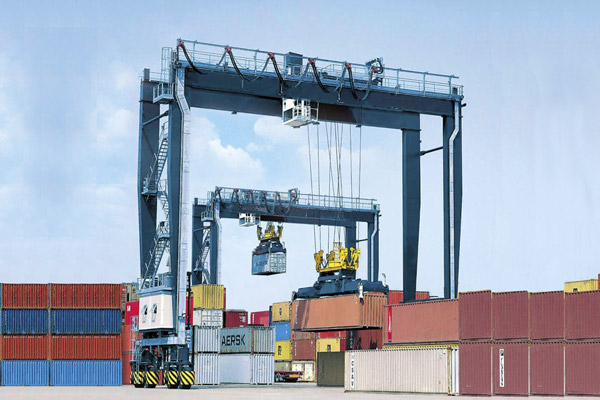
The core factors affecting price fluctuations include customized span, lifting height, and core component brands (for example, imported vs localized electrical control systems can result in a price difference of up to 10%–15%), as well as project delivery distance and installation service costs. For export models, additional shipping costs and export clearance fees are required, and the overall price is generally 10%–20% higher than domestic configurations.
Pricing Structure for the RTG Crane
RTG Crane (Rubber Tyred Gantry Crane) pricing varies significantly depending on origin, configuration, brand, and policy requirements. The core pricing structure can be divided into three main parts: equipment body cost, customized function additional cost, and delivery & service cost.
1. Equipment Body Core Cost (75%-85% of Total Cost)
The equipment body is the basic component of RTG Crane Price, and its cost is mainly influenced by lifting capacity, power system, and automation level.
Basic Model: A 41-ton conventional diesel-powered manual RTG is a typical basic configuration, with a body cost of approximately RMB 10 million–12 million. There are clear differences between regions. For example, U.S.-manufactured RTGs, supported by compliance policies, are priced similarly to European and Japanese brands. However, they are still higher than Chinese local brands.
Upgraded Power Model: Adding hybrid or fully electric systems (such as battery packs, cable reels, energy recovery systems, etc.) on top of the diesel base model increases the body cost by about 15%-25%. For example, hybrid RTGs significantly increase overall cost due to additional energy storage systems.
Automated Model: Smart RTGs equipped with laser positioning, remote control, and autonomous driving systems generally cost 30%-50% more than manual models. The main increase comes from automation control and sensing systems.
2. Customized Function Additional Cost (10%-20% of Total Cost)
Depending on different yard requirements and compliance standards, the RTG Crane Price will increase due to customization in the following areas:
Parameter Customization: When equipment requires an oversized span, extra-high lifting height, or heavy-load capacity, structural reinforcement of steel components and operating mechanisms is required. Special container spreader customization also adds extra cost. This type of customization usually increases cost by 5%-15%, while spreader customization adds another 3%-8%.
Compliance Customization: In some markets, equipment must meet local content requirements, which directly increases overall cost by 10%-15%. The final RTG Crane Price also needs to be evaluated together with tax incentive policies.
Green Customization: To meet environmental and low-carbon operation requirements, some projects add supercapacitor energy recovery systems or upgrade to zero-emission power solutions. These upgrades usually increase the cost by 10%-20%.
3. Delivery and Service Cost (5%-10% of Total Cost)
Delivery and service cost is an important part affecting the final RTG Crane Price, mainly covering transportation, installation, and after-sales service.
Transportation and Installation: For domestic projects, standard transportation and installation costs account for about 3%-5% of the body cost. Under special construction conditions (such as restricted inland waterways or non-standard installation schedules), costs may increase by an additional 2%-5%. For export projects, sea freight and customs clearance costs are included, making the total price typically 10%-20% higher than domestic projects.
Warranty and After-Sales: Standard configurations usually include 1-2 years of manufacturer warranty service. If extended warranty or on-site technical support is required, an additional 1%-3% service cost will be added.
4. Global Production Origin Differences
- RTGs manufactured in the United States generally cost 2–2.5 times more than those produced in China
- Even with a 25% tariff, they are still more expensive than imported Chinese RTGs
- U.S. domestic tax credit policies can partially offset the price gap
Overall, RTG Crane Price is mainly composed of body cost, customized function cost, and delivery service cost. Different customization and automation configurations significantly affect final pricing. Differences in origin, brand, and policy requirements also create additional variations, so total investment and long-term operational value should be evaluated comprehensively.
Factors Affecting RTG Crane Price
The price fluctuation of RTGs is relatively large. The influencing factors can be divided into four categories: core parameters, configuration schemes, production attributes, and market & policy factors.
Core Performance Parameters
Core performance parameters directly determine material usage and structural design, and are the foundation of RTG Crane Price.
- قدرة الرفع
Higher lifting capacity requires stronger steel structures, hoisting mechanisms, and tire load-bearing capability. RTGs above 50 tons are typically more than 20% more expensive than standard 40.5-ton models. - Span and Lifting Height
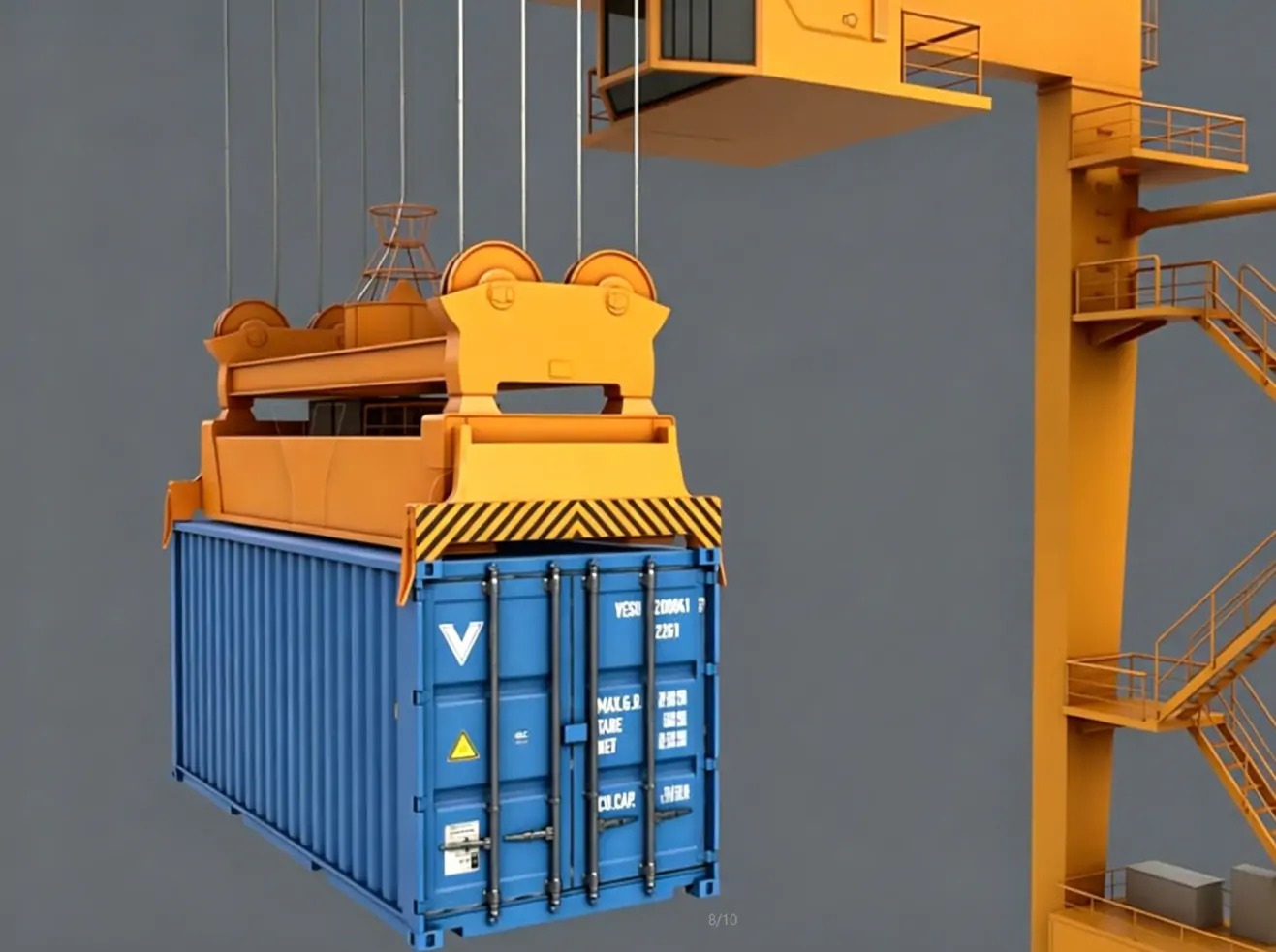
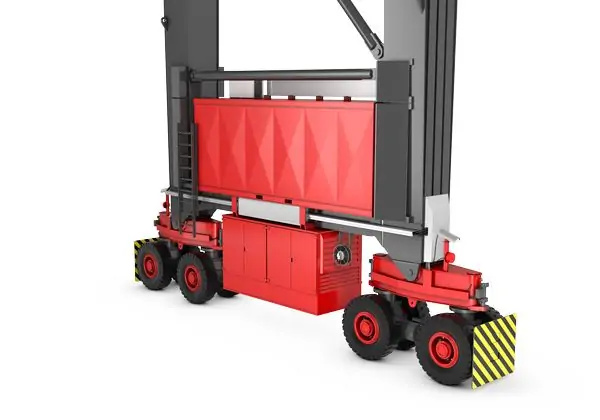
Larger span and higher lifting height require larger main beam and gantry structures, increasing overall weight and cost. For example, a 29.1m span (8 rows + 1 lane layout) model costs about 15%-20% more than the mainstream 23.47m (6+1 layout) model.
Power and Automation Configuration
Different power and intelligent systems are key reasons for differences in RTG Crane Price.
- Power Type
Diesel models have the lowest cost; grid-powered systems increase cost by 10%-15%; diesel-lithium hybrid models are about 30% higher than diesel models; fully electric automated RTGs can cost up to 1.5 times more than traditional diesel models. - مستوى الأتمتة
Manual models are the cheapest; semi-automatic models increase cost by 10%-20%; fully automatic models (auto-positioning, remote control, intelligent dispatching) require additional laser positioning and correction systems, further increasing cost. Models with DGPS and remote diagnostics are even more expensive. - Core Component Brands
Imported electrical and transmission systems are 10%-15% more expensive than domestic alternatives. In addition, compliance with U.S. “Buy America” policies also increases localization cost requirements.
Customization and Delivery Requirements
Non-standard requirements significantly increase the RTG Crane Price.
- Customization Level
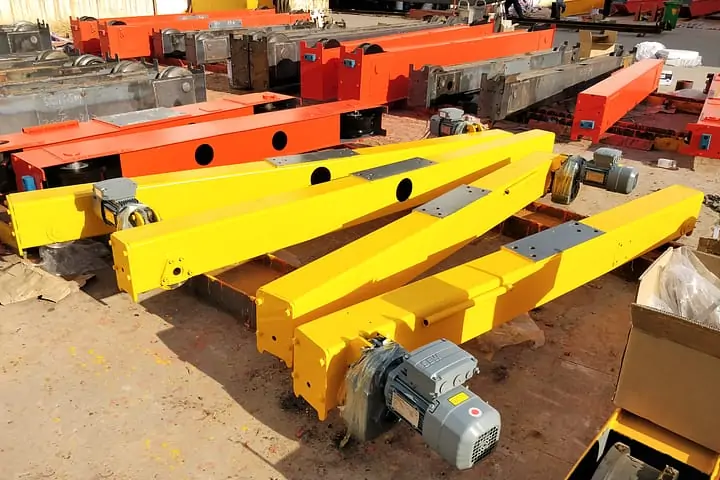
Customized designs for special yard layouts or container types (such as special span, extra-high lifting height, or dedicated spreaders) increase design and manufacturing costs, making prices 10%-30% higher than standard models. - Delivery Conditions
Urgent delivery increases production cost; export models require additional sea freight and customs costs, making them 10%-20% more expensive than domestic models; remote or special-route transportation also increases installation and logistics costs.

Brand and Market Policy Factors
Brand and policy environment also affect the final RTG Crane Price.
- Brand Positioning
International leading brands and major domestic manufacturers usually charge 15%-30% more than smaller suppliers due to more mature technology and service systems. - Regional Policy Impact
The U.S. market offers tax credits for domestic production, partially offsetting high costs. However, imports from China face tariffs increased from 0% to 25%, directly raising final market prices.
Overall, RTG Crane Price is determined by performance parameters, power and automation configuration, customization and delivery requirements, as well as brand and policy factors. It is a typical multi-variable pricing system.
How to Optimize Investment and Choose the Right RTG Crane
Choosing a suitable Rubber Tyred Gantry Crane is not only about initial RTG Crane Price, but also about long-term operational efficiency and return on investment.
Selecting the Right Crane Type and Lifting Capacity
Choose appropriate lifting capacity and model based on yard size, workload intensity, and container throughput. This ensures efficiency while avoiding unnecessary cost increases due to over-specification.
Considering Long-Term Operating Cost
Evaluate lifecycle cost (LCC), including fuel, maintenance, and automation system expenses for diesel, hybrid, or electric models, to maximize return on investment.
Balancing Function and Budget
Select configurations based on actual operational needs, avoiding excessive automation or over-specification, so overall RTG Crane Price factors remain under control while maintaining efficiency.
Considering Future Expansion Plans
Choose scalable or upgradable models to allow future yard expansion or automation upgrades, reducing redundant investment and improving long-term cost efficiency.
Working with Experienced Suppliers
Working with suppliers with global project experience ensures better configuration advice, optimized design solutions, and compliance with market standards, reducing investment risks.
Optimizing RTG investment is not only about lowering initial RTG Crane Price, but about maximizing return through proper selection, lifecycle cost control, and balanced configuration.
WEIHUA Advantages
Choosing a reliable supplier is critical to optimizing RTG Crane Price and project success. As a leading manufacturer, WEIHUA has significant advantages:
1. Strong Customization Capability
WEIHUA provides full customization based on yard layout, operational needs, and working models, including span, lifting height, power systems, and automation levels, helping customers control cost while meeting real operational needs.
2. Balanced Price and Performance
With mature design and large-scale production, WEIHUA RTG Crane Price is competitive globally while maintaining high reliability and efficiency.
3. Rich Global Project Experience
WEIHUA has extensive export project experience, with equipment applied in multiple container terminals worldwide, providing full-process support from design to after-sales service.
4. Technical and Service Support
A complete engineering team and after-sales system ensure continuous support during installation, commissioning, and operation.
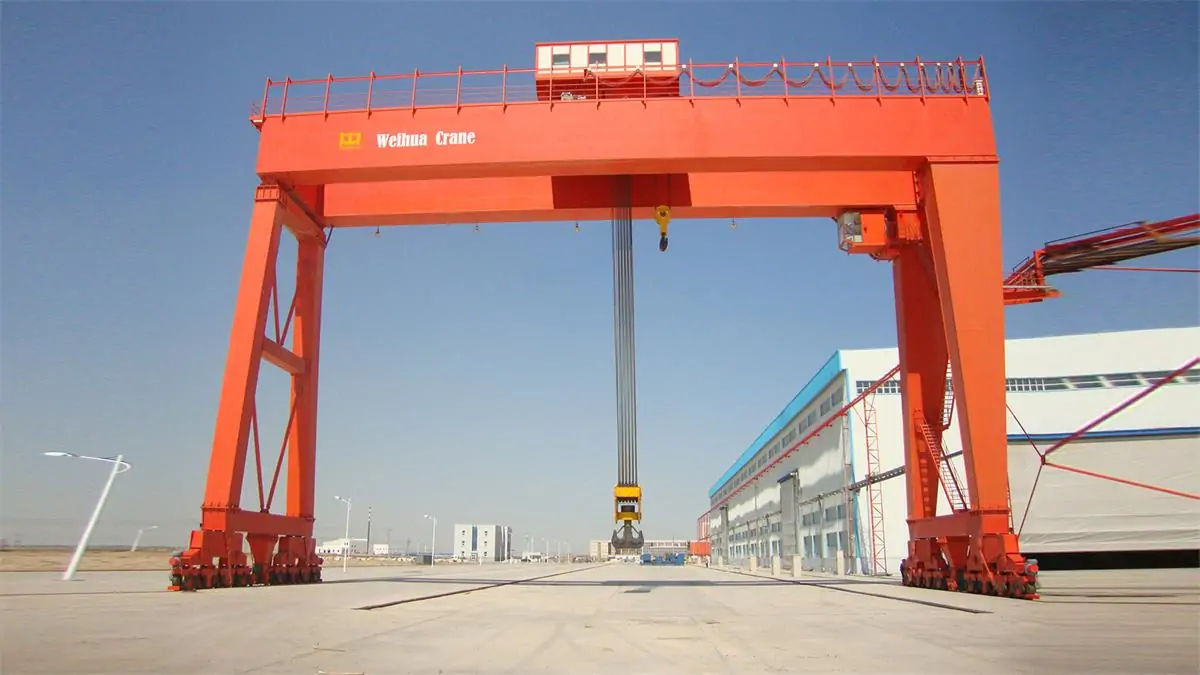
Choosing وي هوا Rubber Tyred Gantry Crane allows customers to obtain a reasonable RTG Crane Price, along with professional customization, stable performance, and global service support, bringing higher long-term investment value. For professional configuration advice or project support, please contact us, and let WEIHUA provide the best solution for your container yard.

أسئلة شائعة
What is the average RTG Crane Price?
The RTG Crane Price varies depending on capacity, configuration, and automation level. Standard models typically range from basic manual systems to fully automated electric RTG cranes with significantly different cost structures.
What factors affect RTG Crane Price the most?
Key RTG Crane price factors include lifting capacity, span, lifting height, power system, automation level, and core component brands. Customization and project-specific requirements can also significantly impact the final cost.
What is included in the RTG Crane cost breakdown?
A typical RTG Crane cost breakdown includes equipment body cost, customized features, and delivery & service costs such as transportation, installation, commissioning, and after-sales support.
Is an electric RTG more expensive than a diesel RTG?
Yes. The electric RTG crane’s initial investment is usually higher than that of diesel models. However, it offers lower long-term operating costs, making it more cost-effective over the lifecycle.
How does automation affect RTG Crane Price?
Higher automation levels significantly increase RTG Crane Price due to additional systems such as remote control, auto-positioning, and intelligent scheduling. Fully automated RTG cranes can cost substantially more than the manual version.
What is the price difference between standard and customized RTG cranes?
Customized RTG cranes generally increase the RTG Crane Price by 10%–30%, depending on structural modifications, special lifting requirements, and additional functional configurations.
Why do RTG Crane prices vary by region?
Regional differences in materials, labor costs, trade policies, and import tariffs all affect container yard crane pricing, making prices vary significantly between countries and manufacturers.
Why choose WEIHUA RTG Crane?
WEIHUA RTG Crane offers competitive pricing while delivering strong customization capabilities, stable performance, and global project experience, making it a reliable choice for long-term port and logistics investment.




 English
  Русский
  العربية
  Français
  Português
  Español