مدونة

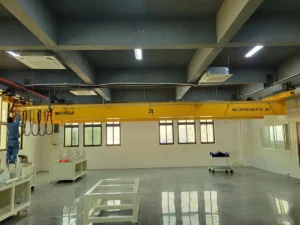
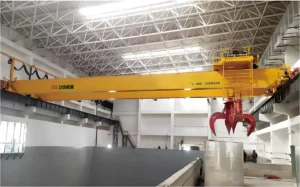
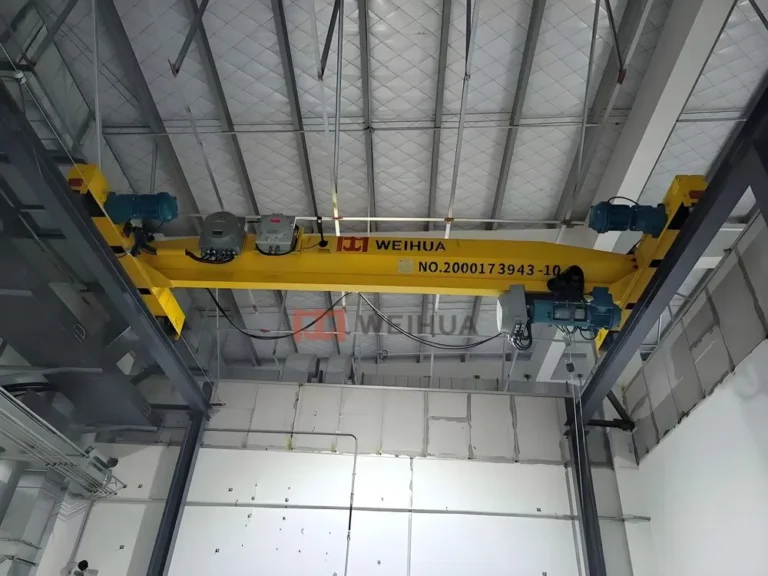
رافعة علوية أحادية العارضة

EOT Crane for Automotive Industry: Types, Specs & Selection Guide (2026)

04 Aug 2026

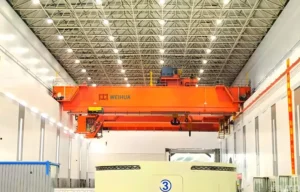
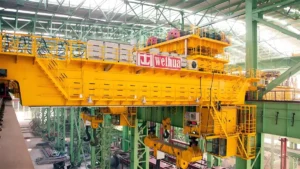
A plant manager once ordered a standard double-girder EOT crane for a trim-and-final assembly bay — reasonable choice on paper, until it arrived and the hook path sat 600 mm above the overhead conveyor. Three weeks of shutdown, a structural reinforcement contract, and a replacement crane order later, the real lesson landed: in automotive manufacturing, specifying the wrong EOT crane for the wrong production stage costs far more than the crane itself. Automotive plants are demanding environments. Three-shift schedules, precision die changes, explosive paint-booth atmospheres, and sub-tonne ergonomic lifts in final assembly all happen under one roof — and no single crane configuration handles all of them. Procurement managers who lead with tonnage alone routinely end up with equipment that either fails prematurely from duty class mismatch or physically cannot fit the installation point. This guide maps each major production stage to the correct EOT crane type, gives you market-reference pricing in USD, covers the compliance requirements your supplier must document, and tells you exactly which questions to ask before signing a purchase order. Use the quick-reference table below as…

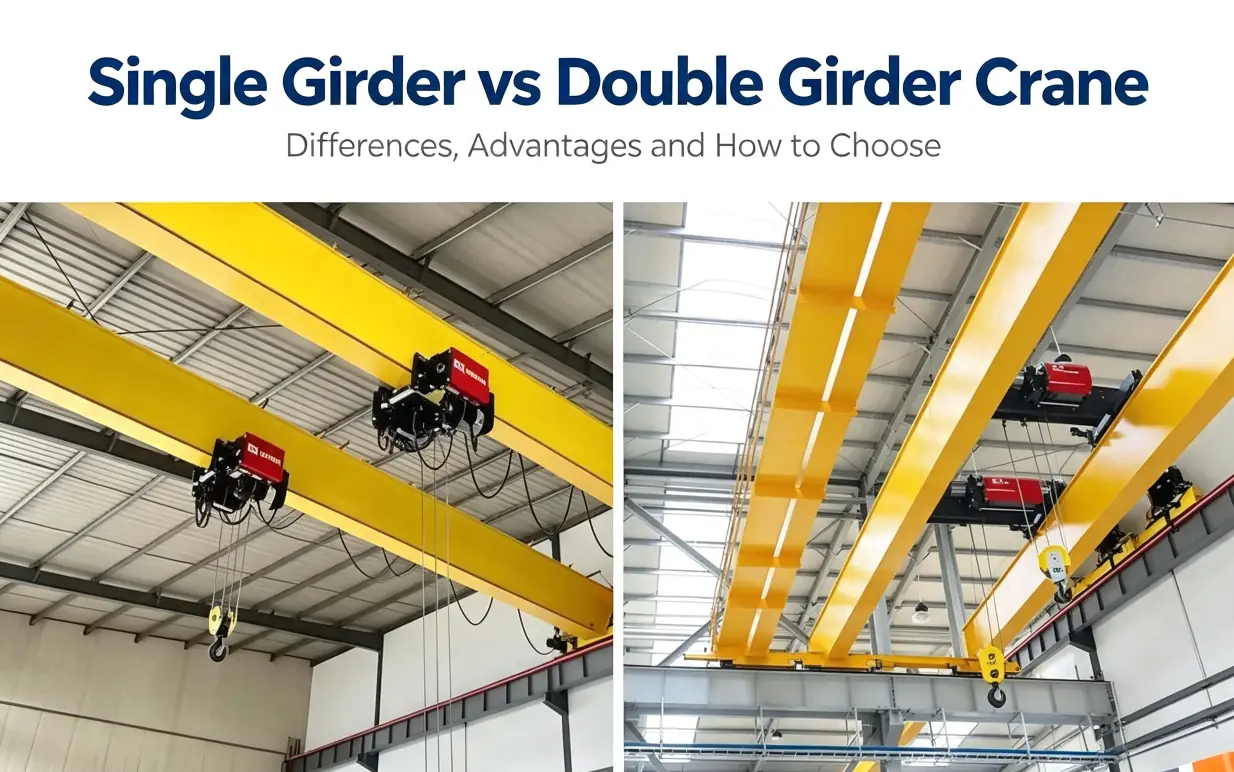
Single-girder overhead crane

10 Ton Overhead Crane: Types, Specs & Factory-Direct Pricing (2026)

27 Jul 2026

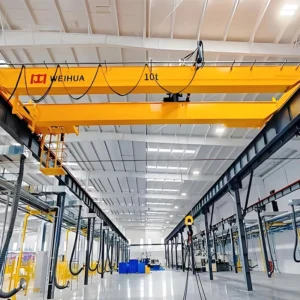
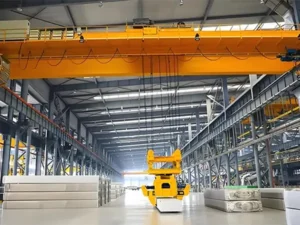
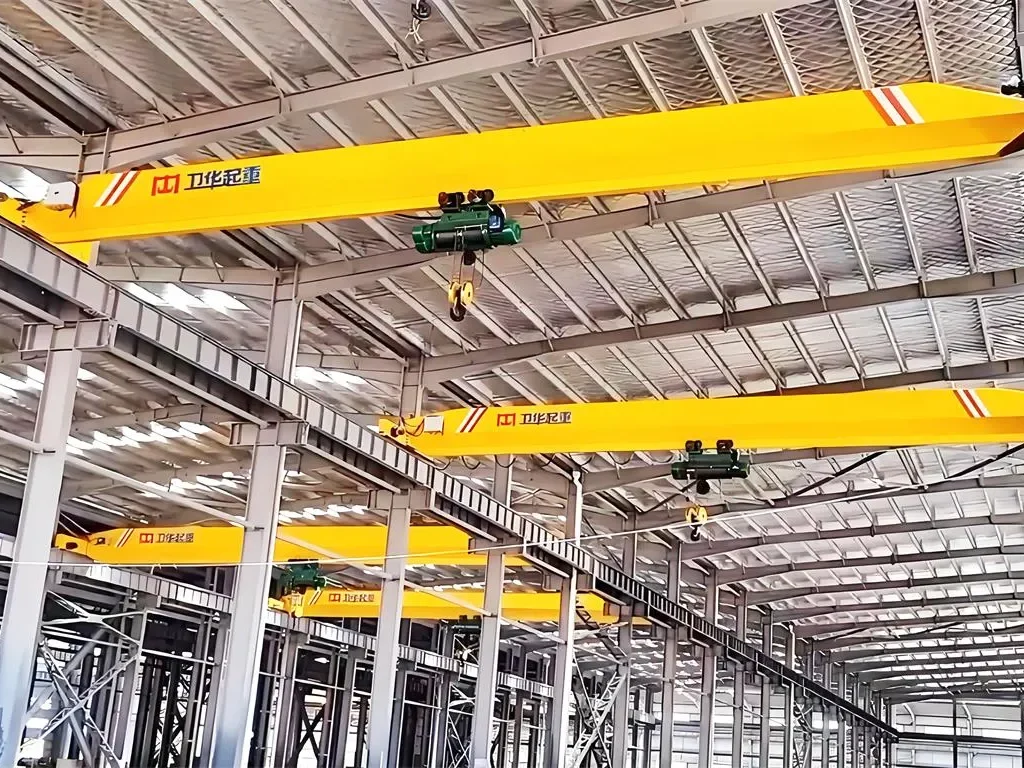
Does it matter which type of 10 ton overhead crane a facility buys? Far more than most procurement teams expect. The rated capacity is the easy part — the decisions around girder configuration, duty class, span, and headroom clearance determine whether the crane runs reliably for 15 years or becomes a maintenance problem within three. Buyers evaluating a 10 ton overhead crane for sale need a clear comparison of available configurations, the specifications that actually drive cost, and a practical checklist for vetting a supplier before placing an order. This guide covers all three, based entirely on Weihua’s product range. Quick Reference: 10 Ton Overhead Crane Types at a Glance Configuration Typical Span Duty Class Lifting Height Market Price (USD) Single girder (LD standard) 7.5–28.5 m A3–A5 6–30 m $3,900–$12,000 Underslung single girder (LX) 7.5–31.5 m A3–A5 6–30 m $3,900–$12,000 Double girder with hoist trolley (LH) 10.5–31.5 m A5–A6 Up to 16 m std. $17,200–$32,500 Double girder with winch trolley (QD) 10.5–31.5 m A5–A6 Up to 16 m std. $17,200–$32,500 European-style EOT (FEM standard) 7.5–33 m A5–A6 Customizable $7,800–$17,300 Explosion-proof…

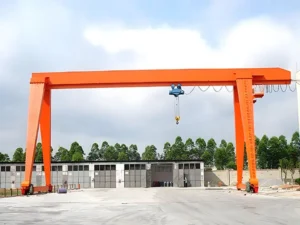
رافعة جسرية عارضة مفردة

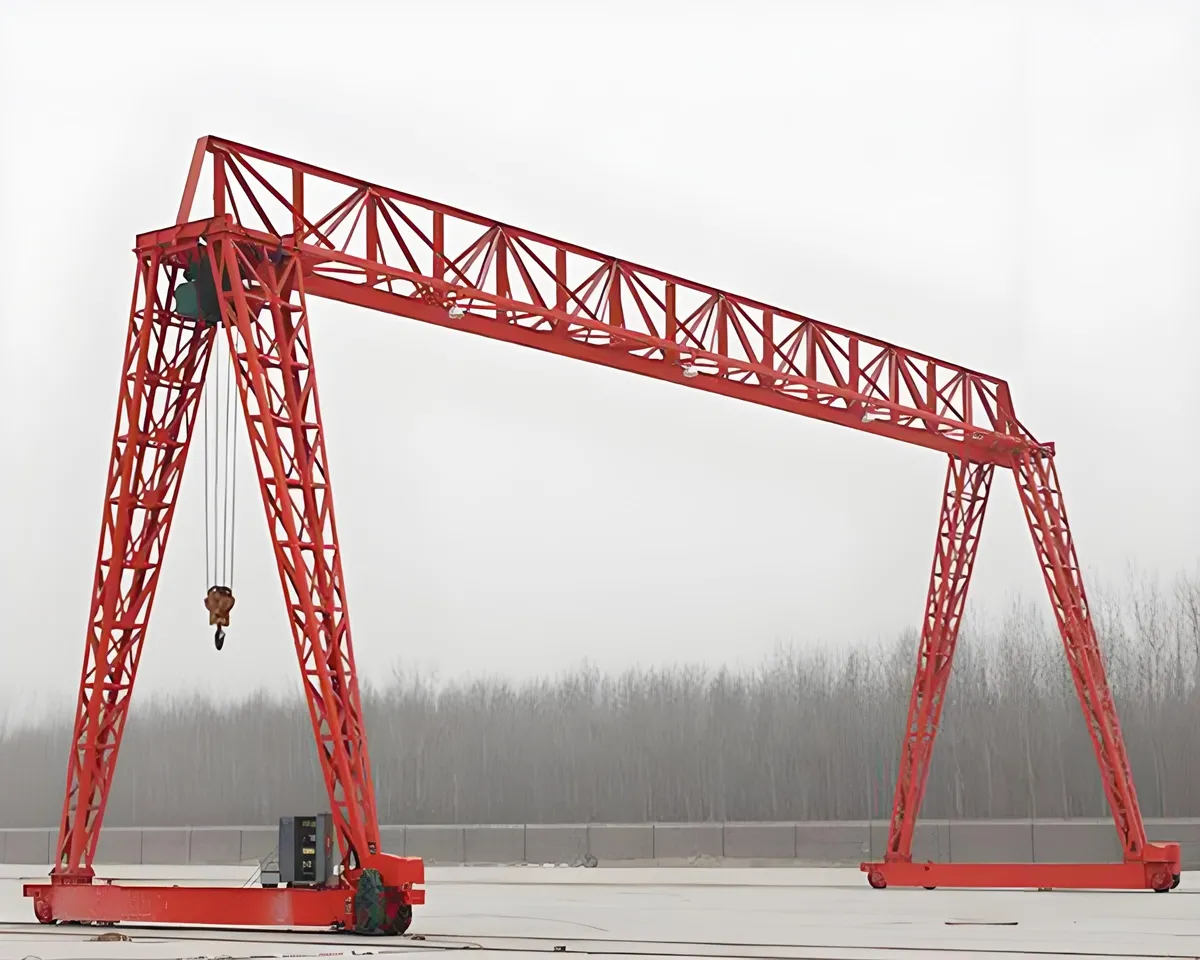
Truss Gantry Crane Price: Cost Breakdown & Budget Guide (2026)

24 Jul 2026

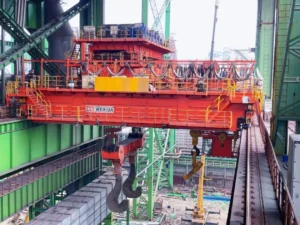
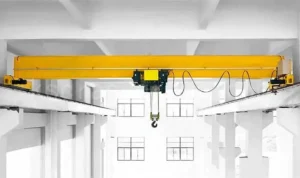
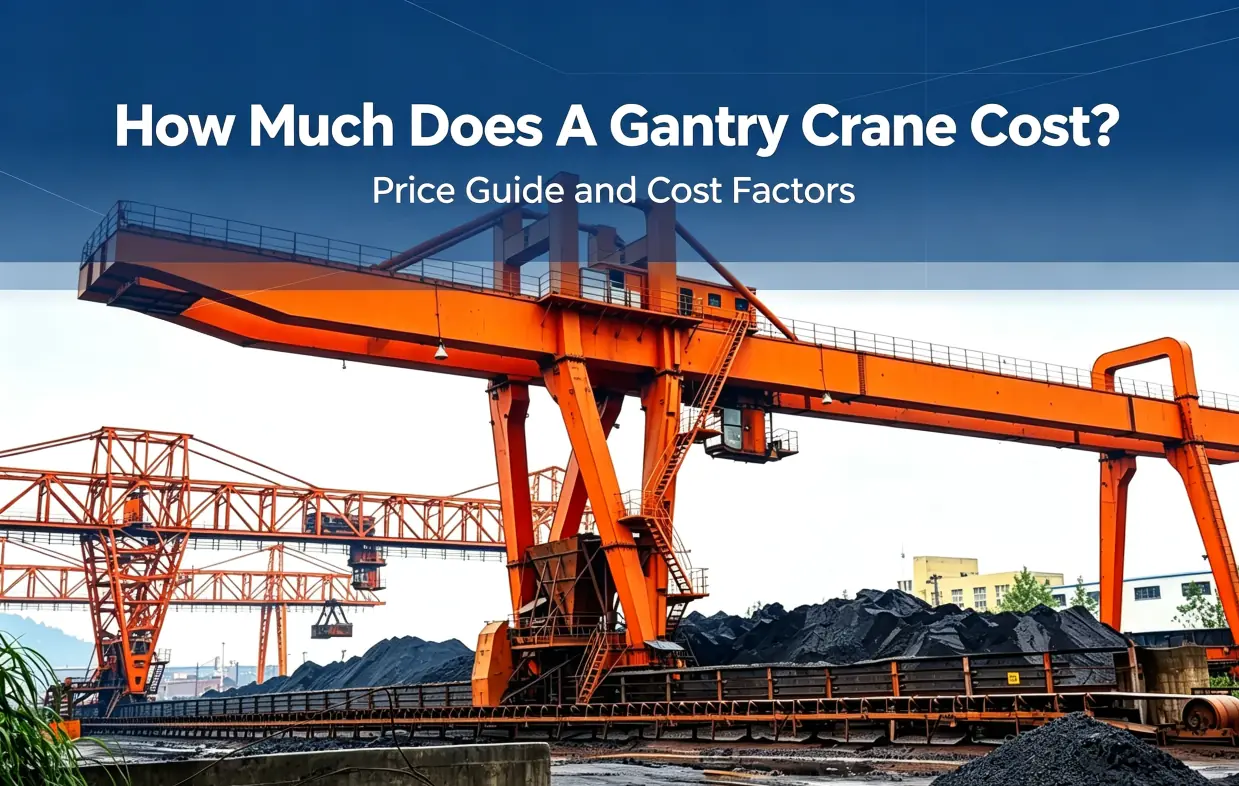
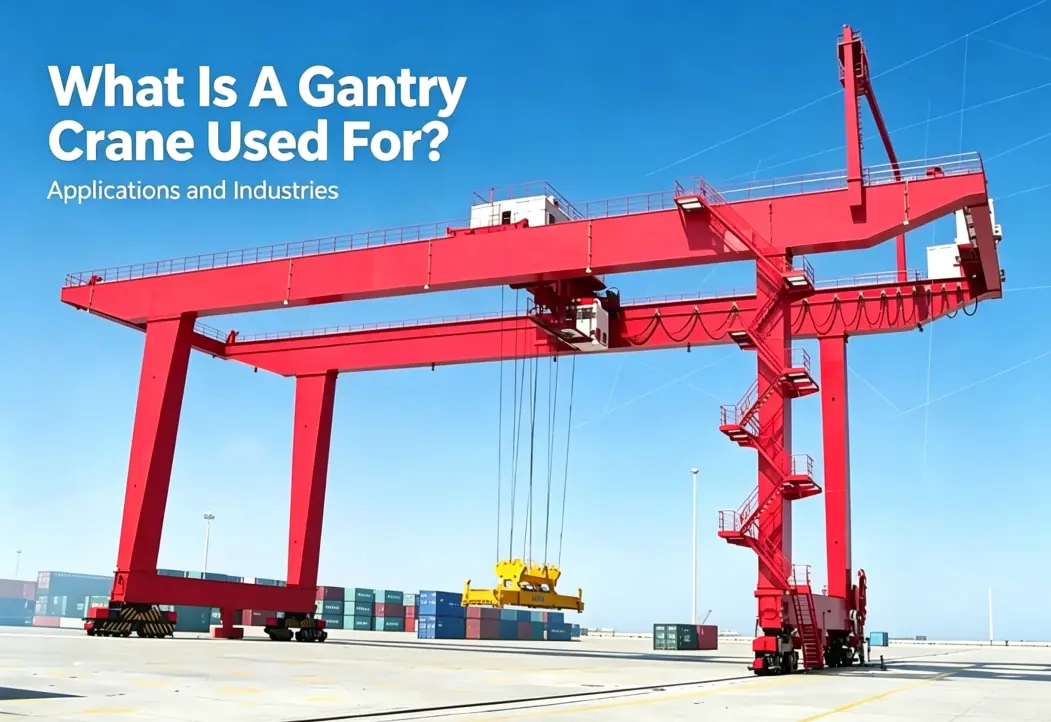
A truss gantry crane for industrial outdoor yards typically costs between $18,000 and $75,000 for single girder configurations (5–50 t) and $80,000 to $380,000+ for double girder heavy-duty models (50–500 t). These figures reflect factory-direct pricing from Chinese manufacturers and cover the crane structure, hoist, and electrical system — before freight, installation, and rail work. Most procurement teams ask about price early, and rightly so. But truss gantry crane costs are shaped by variables beyond tonnage alone: span, working duty class, hoist type, and site environment all shift the final number significantly. Requesting a price without these details typically produces a quote that doesn’t match what your site actually needs. This guide breaks down what drives truss gantry crane pricing, what hidden project costs to budget for, and how to get an accurate quotation from Weihua Crane’s engineering team. Why Truss Gantry Crane Pricing Is Different from Box Girder Models The open-lattice structure changes the cost equation at large spans A truss girder distributes load through triangulated steel members rather than solid plate walls. For spans above 20 m, this…
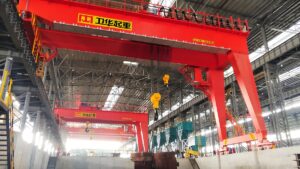
ناقلات كهربائية مزدوجة

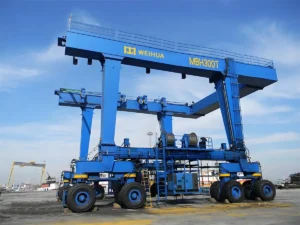
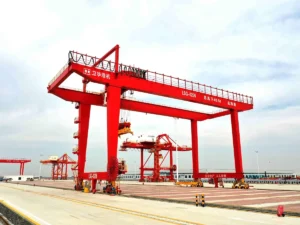
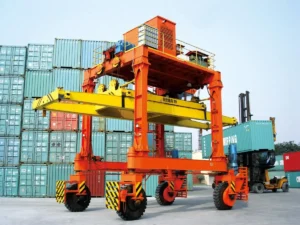
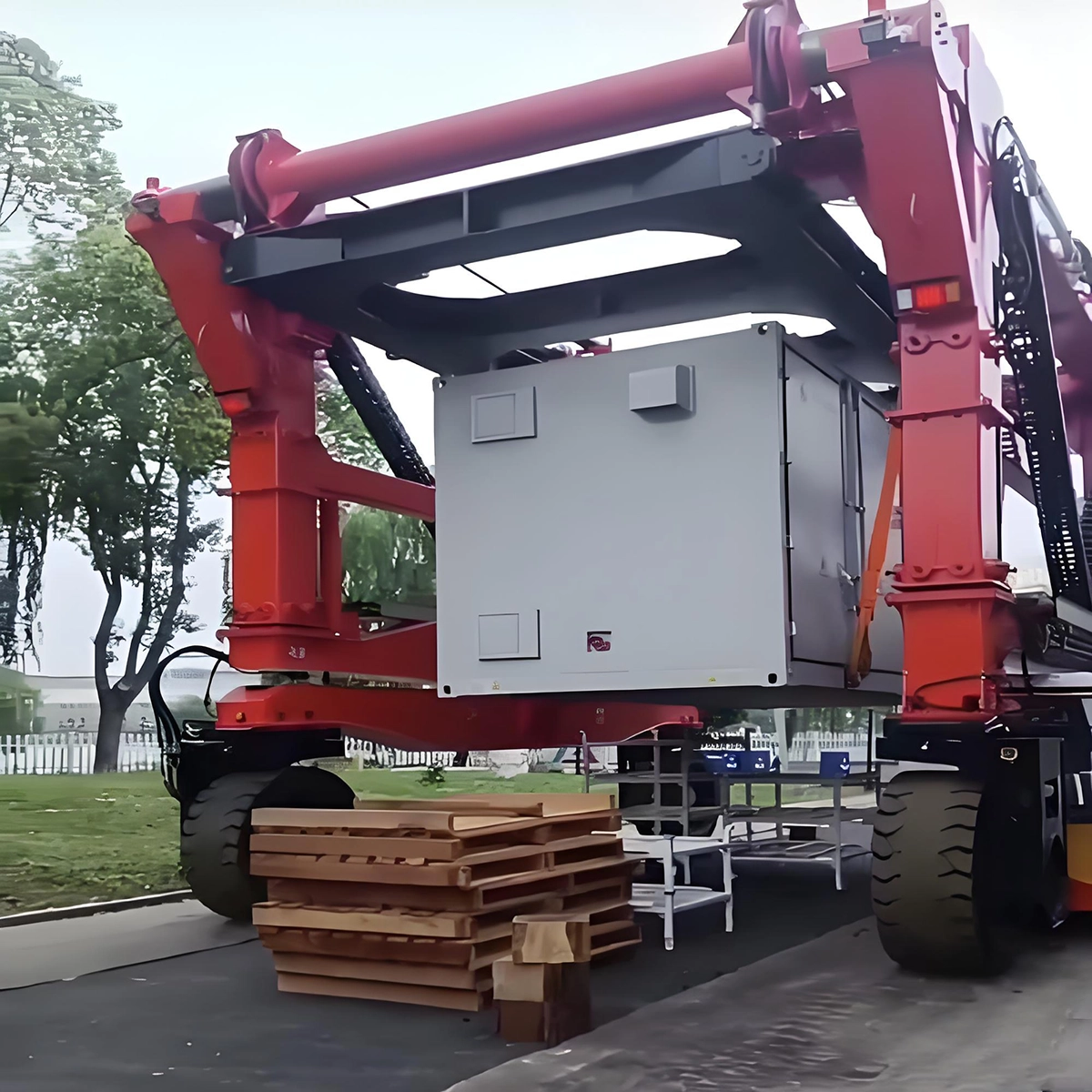
رافعة سترادلي مقابل رافعة RTG: أي نظام يناسب محطتك؟

20 يوليو 2026

عندما يسأل مخطط المحطة "أيهما أفضل - رافعة شوكية أم رافعة RTG؟"، فإن الإجابة الصادقة هي أن السؤال نفسه مطروح بشكل خاطئ. لا يوجد نظام متفوق بشكل مطلق. كل نظام مصمم وفقًا لمجموعة محددة من الأولويات التشغيلية، واستخدام النظام الخاطئ يُحدث خللًا هيكليًا يتفاقم على مدار دورة حياة المعدات التي تتراوح بين 15 و20 عامًا. السؤال الحقيقي أكثر دقة: هل تحتاج محطتك إلى نقل الحاويات بسرعة عبر ساحة مرنة، أم أنها تحتاج إلى تخزين أكبر عدد ممكن من الحاويات ضمن مساحة محدودة؟ الإجابة على هذا السؤال - والتي تتحدد بناءً على الإنتاجية السنوية، ومساحة الأرض المتاحة، واستراتيجية الأتمتة، وميزانية البنية التحتية - هي التي تحدد النظام الأنسب لساحتك. يقارن هذا الدليل بين الرافعات الشوكية ورافعات RTG من حيث الأبعاد الأكثر أهمية لفرق المشتريات ومخططي المحطات: آليات التشغيل، وكثافة الساحة، والتكلفة الإجمالية للملكية، وجاهزية الأتمتة، ومتطلبات الاعتماد. مرجع سريع: مقارنة بين رافعة سترادل ورافعة RTG في لمحة سريعة. عامل القرار: رافعة سترادل، رافعة RTG. الوظيفة الأساسية: الرفع + النقل + التكديس (وحدة واحدة). التكديس فقط...

الأعلى