






Blog

Grab Bucket EOT Overhead Crane

Grab Bucket EOT Crane: Types, Specs & Industry Guide

13 Jul 2026

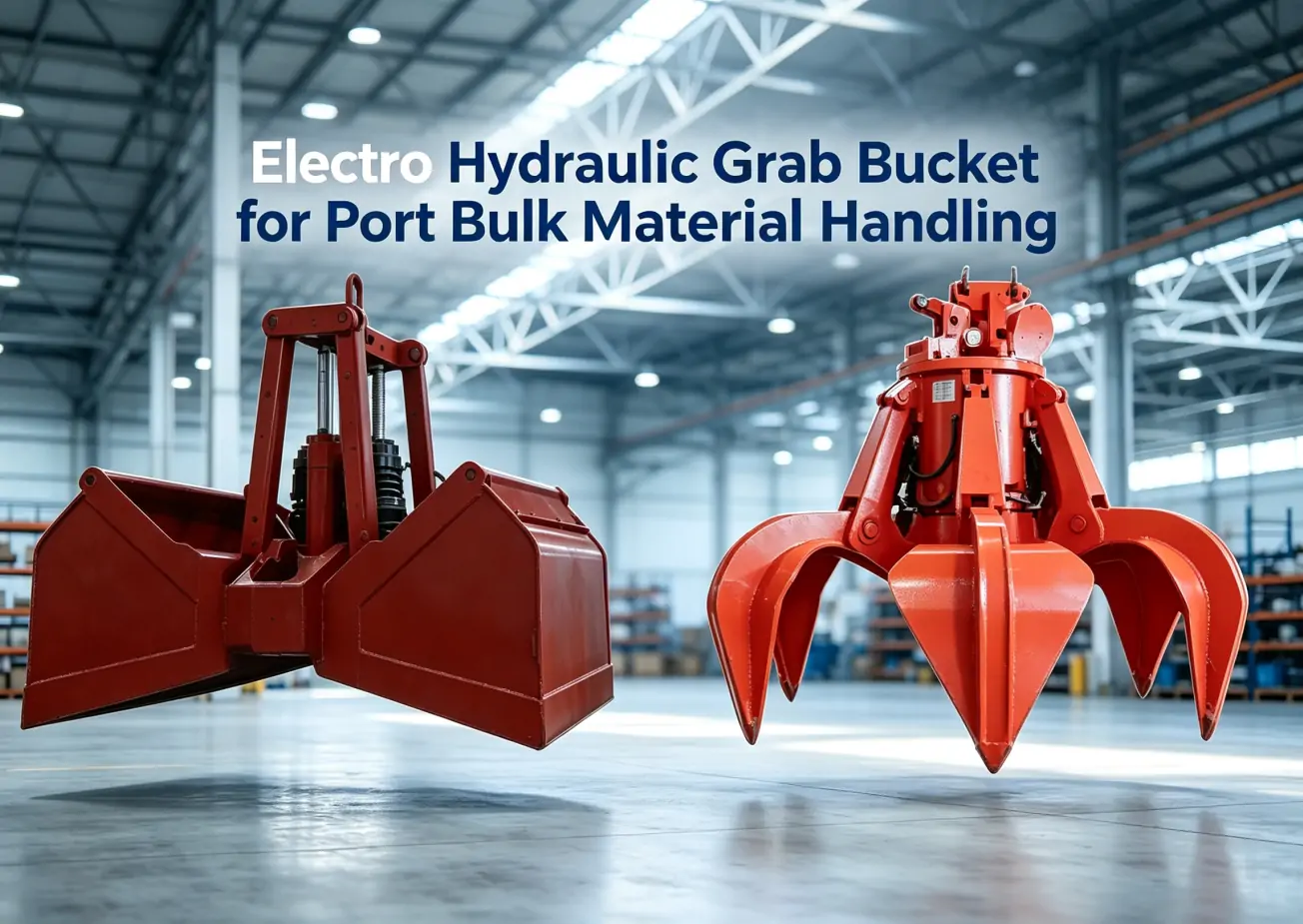
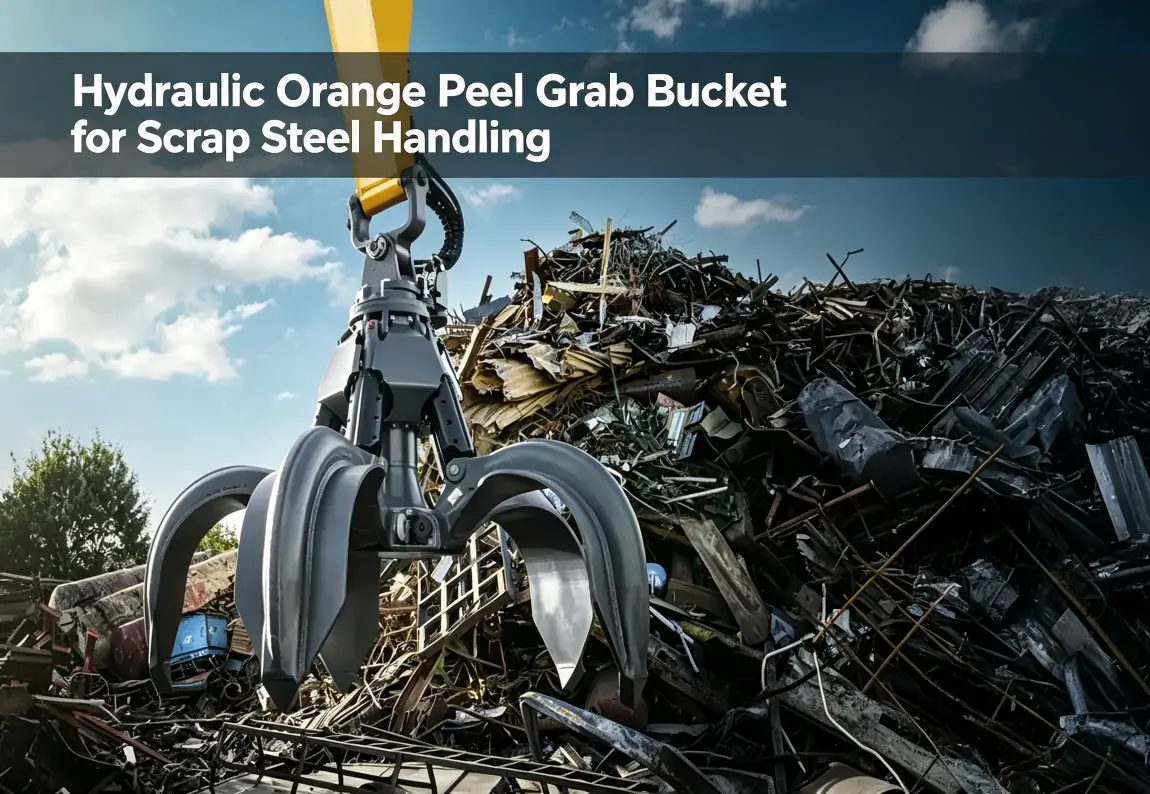
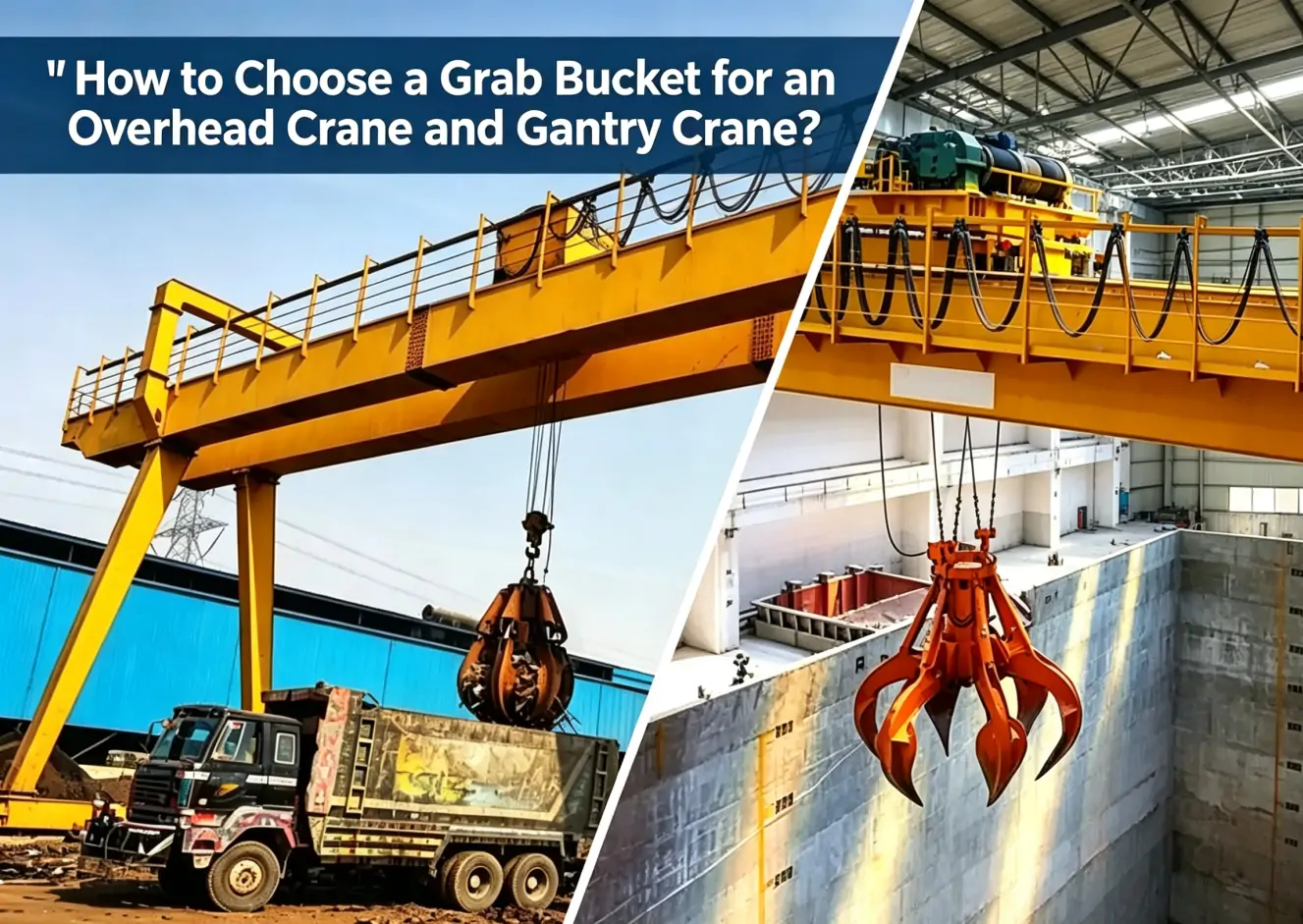
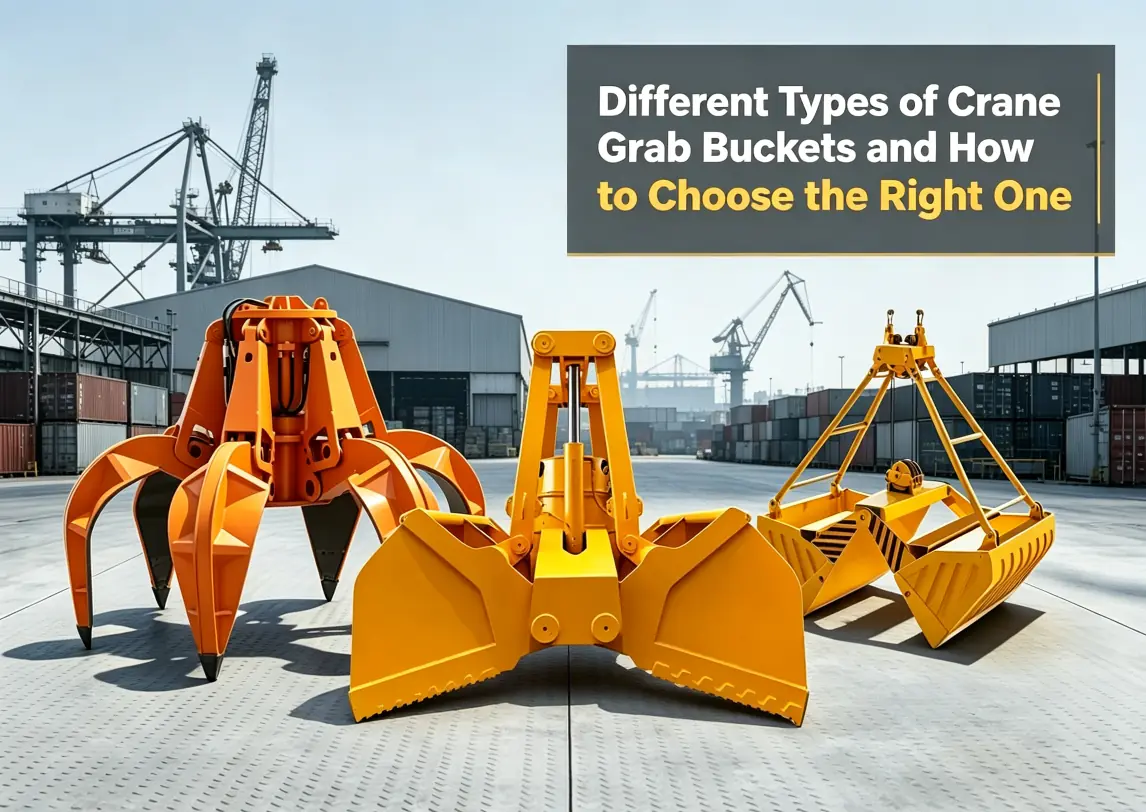
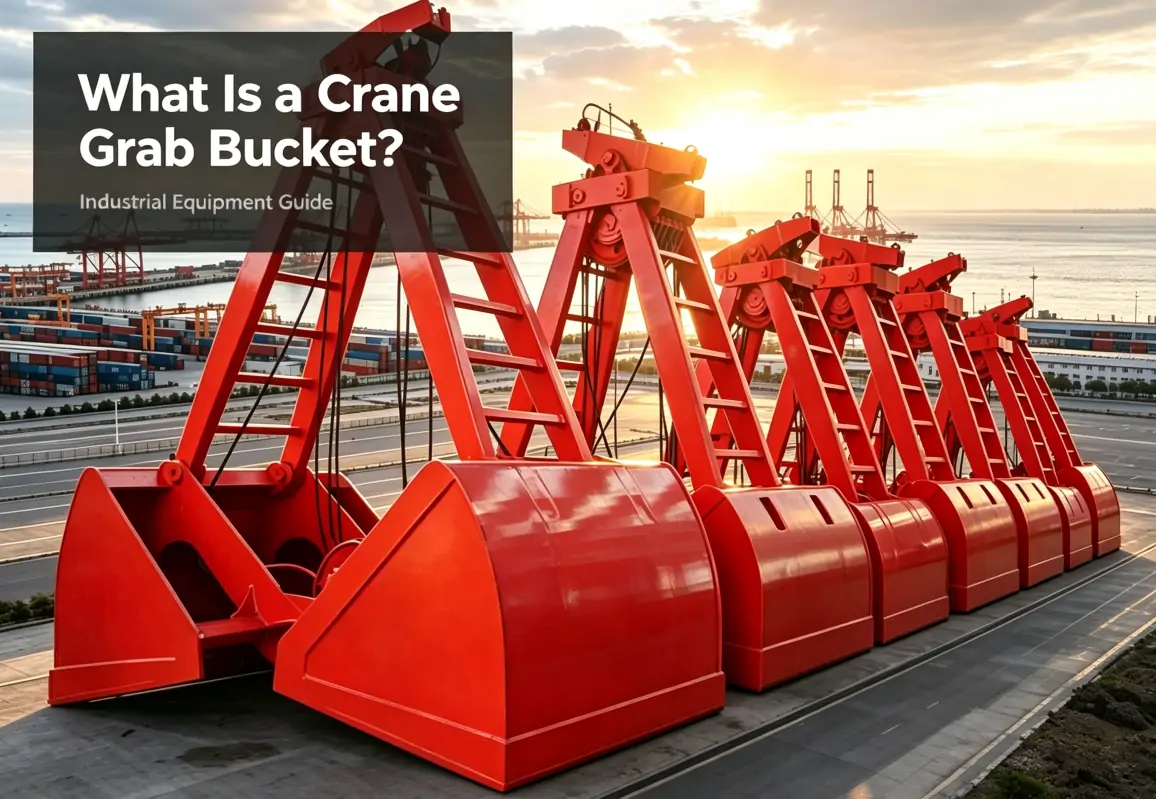
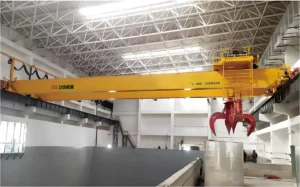
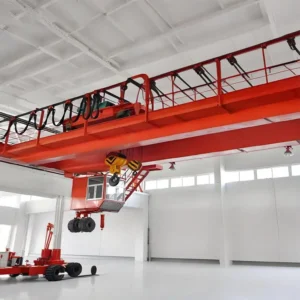
What separates a grab bucket EOT crane from a standard overhead crane? One word: the attachment. Where a conventional EOT crane uses a hook, a grab bucket EOT crane — also called an electric overhead travelling crane with grab bucket — uses an automated clamshell or orange peel grab that opens, descends into a bulk material pile, closes, and lifts. No slings, no manual scooping, no auxiliary crew. The entire cycle is controlled by a single operator. Procurement teams evaluating this type of equipment typically face three decisions: which grab type fits the material, what duty class the application actually demands, and how to verify that the supplier’s equipment meets compliance requirements before it ships. This guide addresses all three, using Weihua Crane’s product range as the reference basis. Quick Reference: Grab Bucket EOT Crane at a Glance Parameter Typical Range (Weihua) Lifting Capacity 1–32 tons Span 5–35 meters Lifting Height 6–15 meters Duty Class A3–A7 Grab Types Clamshell / Orange Peel Drive Options Electric / Hydraulic Control Modes Manual / Remote / Automatic Applicable Materials Coal, ore, grain, scrap,…

Explosion Proof Wire Rope Hoist: Specs, Certifications & Buyer’s Guide

13 Jul 2026

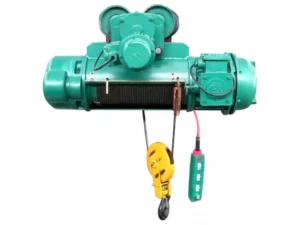
Does your facility actually need an explosion proof wire rope hoist — or are you being oversold on one? That is the first question we ask every procurement team before we talk specs. The honest answer: if any part of your lifting operation sits inside a Zone 1, Zone 2, Zone 21, or Zone 22 classified area, there is no alternative. A standard electric hoist in a classified zone is not a budget decision — it is a compliance violation and a safety liability. But once you have confirmed the need, the real challenge shifts to selecting the right explosion proof grade, the right capacity, and the right certifications for your destination market. This guide walks through the specifications, zone classification logic, IIB vs. IIC selection rules, and the certification documents you should require from any supplier before issuing a purchase order. All specifications below reflect Weihua’s HB(BCD) series explosion proof wire rope hoist. Quick Reference: Weihua Explosion Proof Wire Rope Hoist at a Glance Parameter Specification Lifting Capacity 0.5 t / 1 t / 2 t / 3 t…

Steel Mill Crane

Steel Mill Crane Selection Guide: Types, Applications, and How to Choose

06 Jul 2026

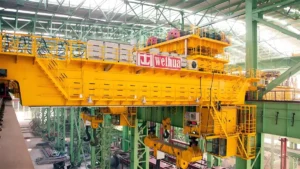
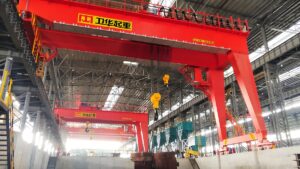
Choosing the right crane is critical for steel mills where heavy loads, high temperatures, and continuous operation are common. This steel mill crane selection guide explains the main crane types used in steel production, including ladle cranes, charging cranes, overhead cranes, and electromagnetic cranes. It also covers key selection factors such as lifting capacity, duty class, operating environment, safety requirements, and customization options to help steel manufacturers choose the right lifting solution.

Double Girder Truss Type Gantry Crane

Truss Gantry Crane: Structure, Types & Buying Guide for Industrial Yards

10 Jul 2026

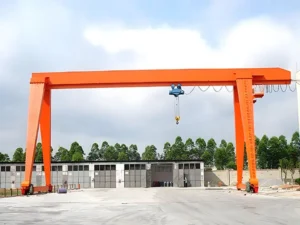
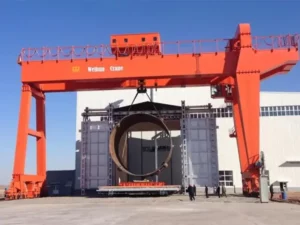
A procurement manager at a steel yard once asked us why their newly installed box girder crane kept triggering the anemometer and halting operations — the site was coastal, open on three sides, and nobody had accounted for wind load during the spec phase. That single oversight added months of downtime and a costly retrofit. If your yard faces similar conditions — long spans, outdoor exposure, heavy loads — a truss gantry crane is likely the right starting point. The question is which configuration, at what capacity, and what to verify before you sign a purchase order. This guide covers exactly that: how truss gantry cranes work, how to choose between single and double girder configurations based on your actual lifting requirements, what to budget, and what certification documents to request before shipment. Truss Gantry Crane: Quick Reference Parameter Single Girder Truss (MH Type) Double Girder Truss (A Type) Lifting Capacity 5 / 10 / 16 tons 120–300 tons Span 14–30 m Up to 40 m Lifting Height 6 m / 9 m 12 m (customizable) Working Duty A3 A3…

Semi-Gantry Double Girder Crane

What Is a Semi Gantry Crane? Types, Working Principle & Selection Guide

09 Jul 2026

Picture a factory floor where one side of the building has a solid steel column line, but the other side opens to an outdoor yard — or was simply never reinforced for overhead runway loads. An overhead crane needs two runway structures. A full gantry crane needs two independent leg foundations. Neither fits the site cleanly, and the civil engineering cost of forcing either option in can dwarf the crane itself. A semi gantry crane solves exactly this problem. One end of the bridge travels on a ground-level rail via a floor-mounted leg; the other end runs directly on an existing building beam, with no leg and no added foundation on that side. The result is a crane that covers the full working bay while the building carries half the structural load it was already designed to carry. This guide covers what a semi gantry crane actually is, how it works, the main configurations available from Weihua, and — most usefully — a practical decision framework for figuring out whether it fits your site or whether an overhead crane or…

Underslung Overhead Crane

Underslung Overhead Crane: Types, Specs & How to Choose

01 Jul 2026

You’re equipping a workshop with an 8-meter eave height and a steel-frame roof structure. An overhead crane seems straightforward — until the structural engineer hands back the load assessment and tells you the roof trusses won’t carry a top-running system without reinforcement work that adds months and budget you don’t have. That’s the scenario where most procurement managers first encounter the underslung overhead crane: a system whose end trucks run on the bottom flange of existing structural beams rather than on top of dedicated runway rails, removing the need for support columns or structural upgrades in many retrofit situations. Underslung cranes won’t handle every application. For loads within 0.5–20 tons in facilities with limited headroom or existing beam structures, though, they deliver the same core lifting function at significantly lower installation cost and a shorter commissioning timeline. The market reference range for Weihua’s configurations runs from approximately $3,500 for a basic single-girder unit up to $45,000+ for a heavy-spec double-girder system. This guide covers Weihua’s underslung overhead travelling crane range — single-girder and double-girder variants, key specifications, headroom requirements, and…

Explosion-Proof-Crane-for-Chemical-Plant

Explosion Proof Overhead Crane: Complete Buyer’s Guide

07 Jul 2026

If your facility handles flammable gases, chemical vapors, or combustible dust, a standard overhead crane is not a safe option — it is a regulatory liability. An explosion proof overhead crane eliminates the electrical ignition sources that could trigger a catastrophic event in Zone 1/Zone 2 (ATEX/IECEx) or Class I/II Division 1/2 (NEC) environments. The market reference price ranges from roughly $18,000 for a 5-ton single girder unit to $280,000+ for a heavy-duty 100-ton double girder system with full ATEX/IECEx certification, depending on gas group, duty class, and span. The most common mistake buyers make is treating explosion-proof certification as a single checkbox. In practice, matching the crane’s explosion protection level to your site’s specific gas group (IIA, IIB, or IIC) and temperature class (T1–T6) is what determines whether the equipment is legally compliant and operationally safe — and the gap between getting this right versus wrong can mean the difference between a cleared permit and a complete rework at delivery. This guide covers the four main crane types, how to read explosion-proof ratings, what specifications to confirm, how to…

Wire Rope Hoist vs Chain Hoist

Wire Rope Hoist vs Chain Hoist: Which One Is Right for Your Lifting Job?

27 Jun 2026

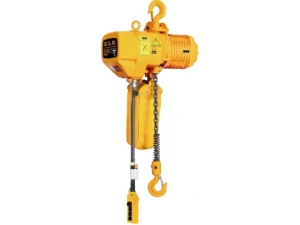
Choosing between a wire rope hoist and a chain hoist comes down to three numbers most buyers overlook: load capacity threshold, daily lift cycles, and required lifting height. Get any one wrong and you either overpay for equipment you don’t need — or underspec a hoist that fails months into operation. As a general starting point: electric wire rope hoists suit loads above 5 tons or lift heights beyond 20 meters; electric chain hoists (and manual chain hoists) deliver better value for loads under 5 tons in moderate-duty, indoor settings. This guide breaks down the real differences — capacity ranges, duty classes, crane compatibility, hidden costs, and certifications — so your procurement team can make a confident, defensible decision. Quick-Reference Comparison Factor Wire Rope Hoist Electric Chain Hoist Manual Chain Hoist Typical capacity range 1–32+ tons 0.5–20 tons 0.5–10 tons Lifting height Up to 48 m Generally ≤30 m Generally ≤12 m Duty class (FEM/ISO) M3–M8 M3–M5 M1–M3 Drive type Electric (drum) Electric (chain wheel) Manual (hand chain) True vertical lift Requires double-reeved system Standard (single-reeved) Standard Best for Heavy,…

Top