- ProductEquipmentPrecision Power, Customization Crane SolutionE-mail:WhatsApp / Wechat:+8613781917315Address:No.18 Shanhai Road, Changyuan City, Henan Province, China


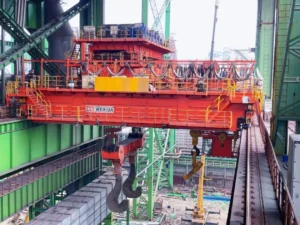
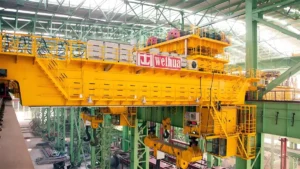
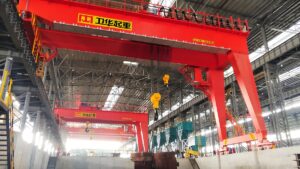
YZ Steel Mill Ladle Crane for Foundry Specifically engineered for molten steel handling in foundry workshops and steelmaking processes, this crane excels in high-risk, heavy-duty applications such as ladle tilting, transfer, and precise positioning.
The overhead ladle crane features systematic reinforcement for the high-temperature, high-dust, and heavy-load conditions typical of foundry and steelmaking environments. The hoisting mechanism, wire ropes, hook assemblies, and motors utilize metallurgical-grade components, complemented by thermal insulation, protective coatings, and high-temperature-resistant materials to minimize thermal radiation impact on critical parts.
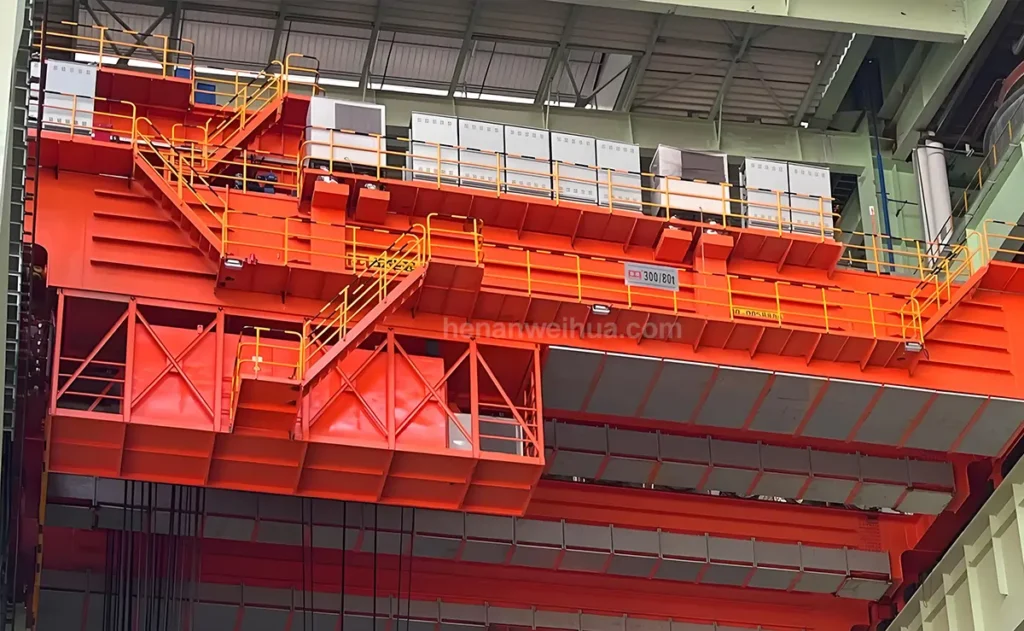
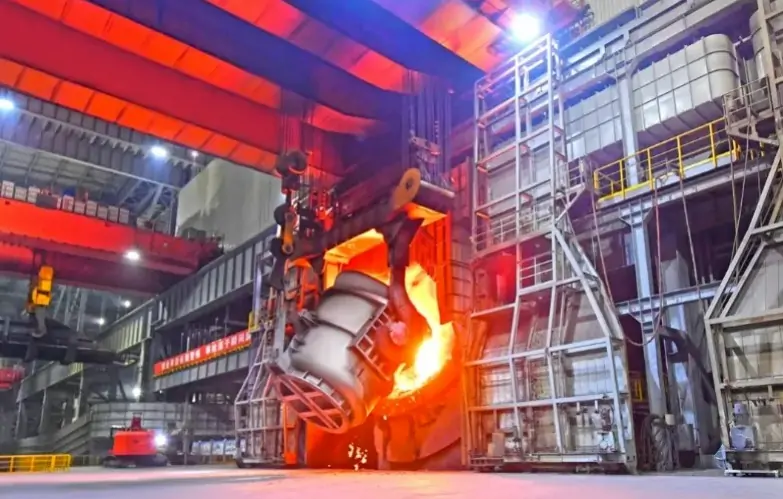
For safety and control, this ladle crane employs a metallurgical-grade dual-braking system, electrical interlock protection, and multiple redundant designs. The control system supports variable frequency speed regulation and multi-mode operation, enabling smooth lifting, precise positioning, and synchronized operation. This reduces molten steel swaying risks while enhancing operational safety and production efficiency. Variable frequency speed control, remote control, or cab operation modes can be configured according to foundry process requirements to achieve stable lifting and accurate positioning. Additionally, the equipment incorporates intelligent upgrade interfaces supporting operational monitoring and status feedback, delivering a safe, stable, and efficient molten steel handling solution for foundries.
To learn more about metallurgical overhead cranes, see the article: What Is a Metallurgical Overhead Crane? Applications in Steel and Aluminum Plants
Metallurgical cranes differ significantly from standard overhead cranes. For details, see: Metallurgical Crane vs. Standard Overhead Crane: Key Differences Explained
At different stages of steel production, varying demands exist for the load capacity, safety ratings, and operational intensity of lifting equipment. YZ Steel’s ladle cranes can be custom-designed to meet the requirements of each steelmaking phase, covering applications from medium-sized casting operations to ultra-heavy primary smelting scenarios.
Based on ladle dimensions, process layouts, and work cycles, we provide tailored solutions including: medium-duty casting ladle cranes (50–100 tons), heavy-duty steel mill ladle cranes (120–250 tons), and ultra-heavy-duty steel mill ladle cranes for primary smelting (300–500 tons), ensuring optimal performance, safety, and efficiency at every stage.
All YZ ladle cranes are fully customizable in load capacity, span, lifting height, duty cycle, control mode, and safety configurations to precisely match specific steelmaking processes. Contact our professional engineering team for technical consultation and customized ladle crane solutions.
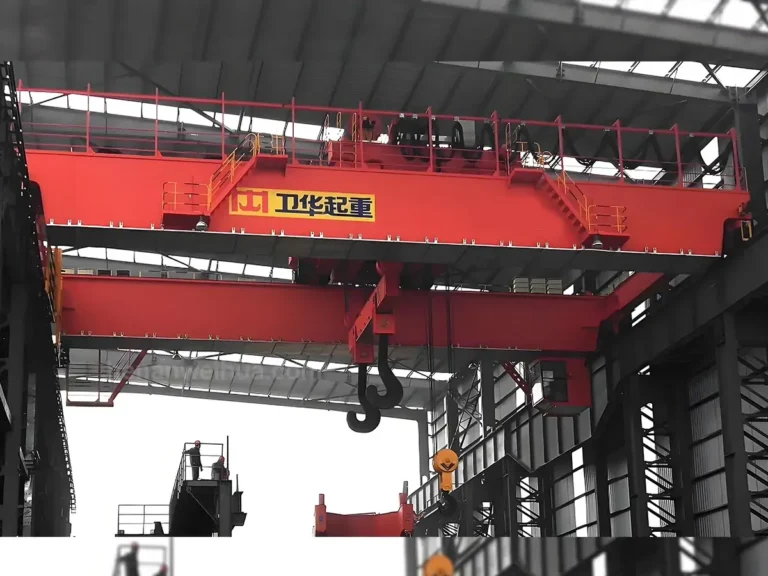
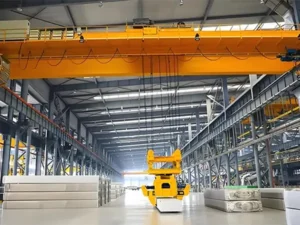
50–100 ton foundry ladle crane is designed for medium-sized foundries and steelmaking workshops. This ladle crane features a compact double-girder structure with enhanced heat resistance, making it ideal for routine molten metal lifting and transfer operations. It offers stable performance, precise control, and high safety levels, ensuring reliable operation in continuous-duty metallurgical environments. Widely used in foundries, steel rolling mills, induction furnace workshops, and medium-scale steel plants.
Lifting Capacity: 50–100 t
Span: 18–28 m
Lifting Height: 10–25 m
Duty Class: A7 (Metallurgical duty)
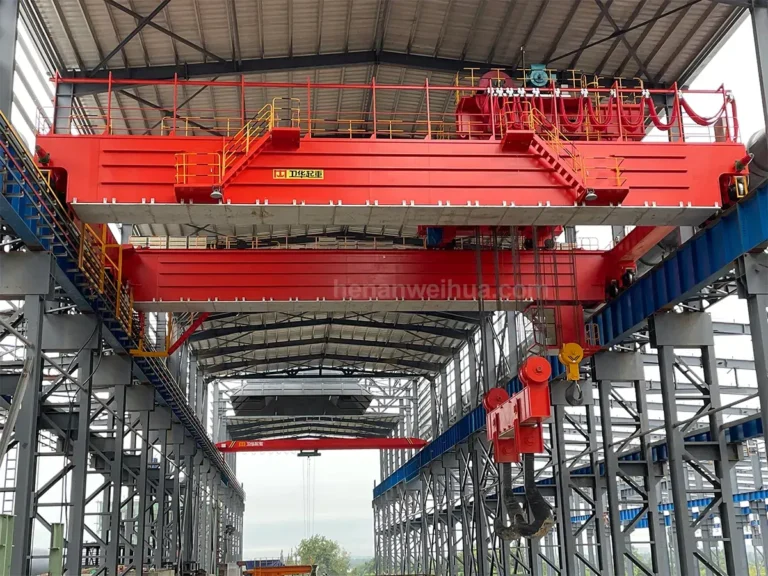
This 120–250 Ton Heavy Duty Steel Mill Crane is designed for safe handling of large molten steel ladles under extreme temperatures. With reinforced box girders, dual braking systems, and high-reliability hoisting mechanisms, it ensures smooth, precise, and secure ladle transportation. It is widely applied in converter workshops, electric arc furnace (EAF) plants, and large steel mills requiring high-duty-cycle operations.
Lifting Capacity: 120–250 t
Span: 22–35 m
Lifting Height: 15–30 m
Duty Class: A7 / A8
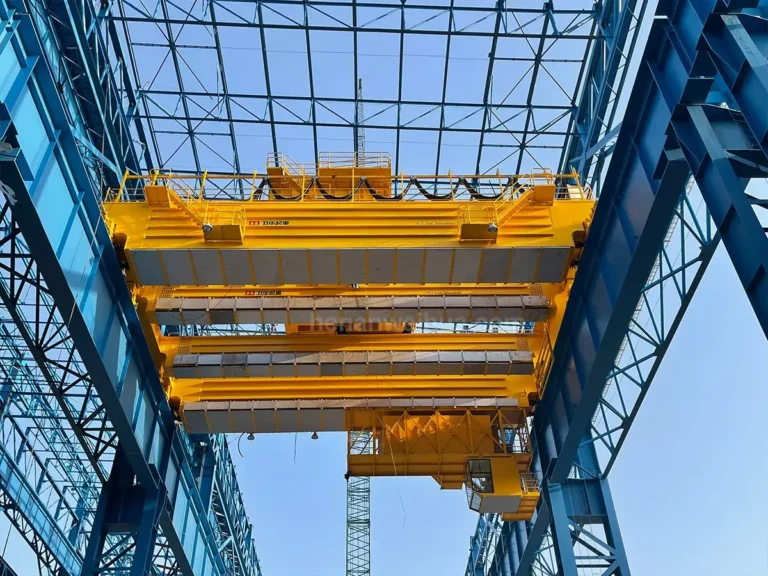
Specifically designed for primary steelmaking and continuous casting processes, this Steel Plant Ladle Handling Crane delivers maximum safety, structural strength, and operational reliability. Featuring redundant safety systems, heat-resistant electrical components, and precise variable-speed control, it is built to withstand long-term high-temperature and high-load operation. Commonly used in large integrated steel plants, converter steelmaking shops, and continuous casting lines.
Lifting Capacity: 300–500 t
Span: 25–38 m
Lifting Height: 20–35 m
Duty Class: A8 (Heavy metallurgical duty)
Steel Mill Ladle Cranes typically adopt a metallurgical-grade bridge crane structure, comprising a load-bearing framework, hoisting and traveling mechanisms, an electrical control system, and multiple safety devices. They are specifically designed for the safe handling of molten steel under high-temperature, heavy-load, and continuous operation conditions. All systems work in concert to ensure operational stability, reliability, and precision.
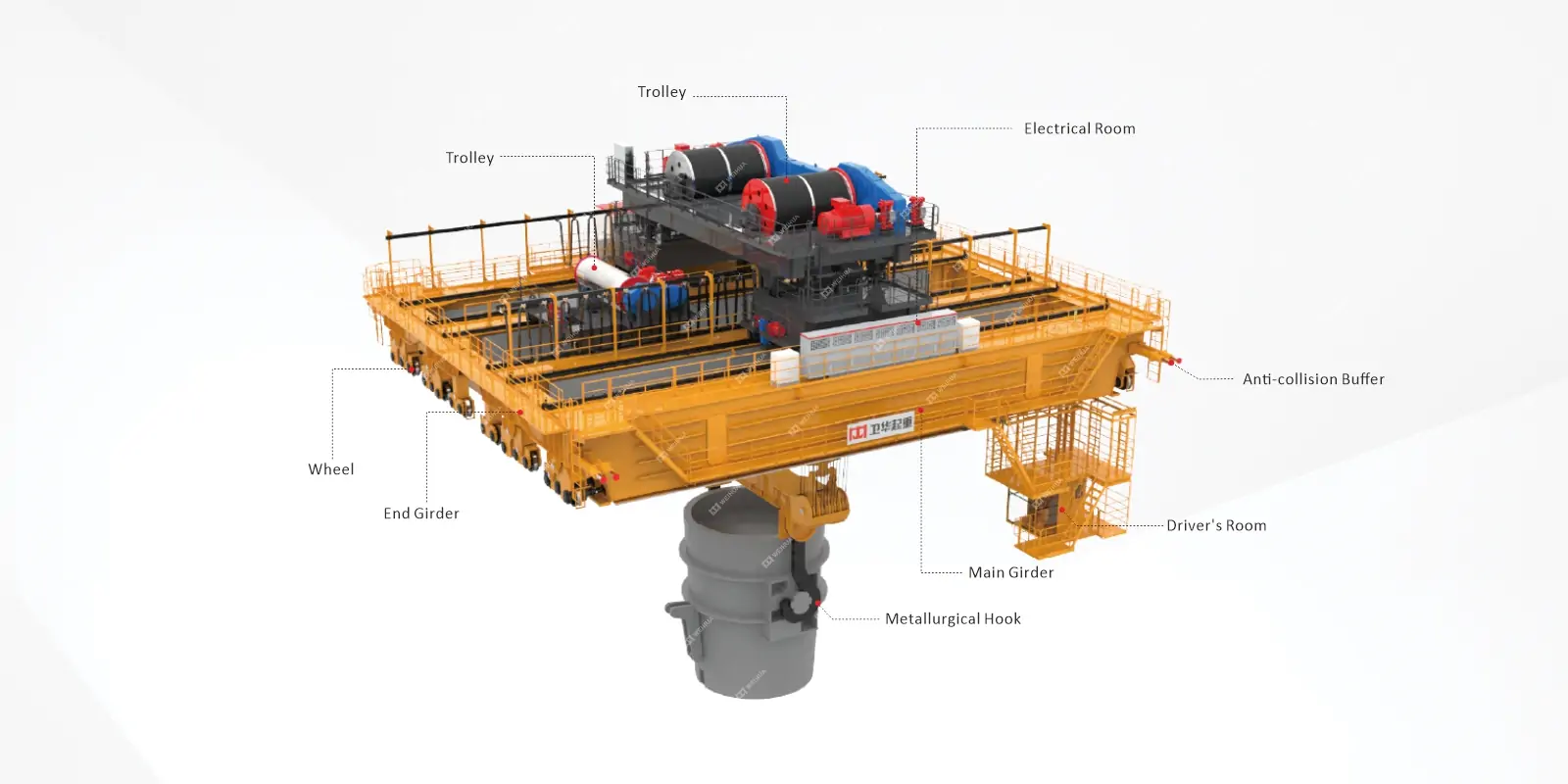
Main Girder: High-strength welded box-type structure with high rigidity and fatigue resistance, capable of enduring prolonged exposure to heavy ladle loads and impact stresses.
End Carriages: Connect and support the main girder, enabling longitudinal travel of the entire crane. Ensure smooth operation under long-span conditions.
Hoisting Mechanism: A metallurgical-specific lifting system equipped with high-safety-factor motors, reducers, and wire ropes to achieve reliable lifting.
Trolley: Supports the hoisting mechanism and traverses the main girder horizontally, enabling precise positioning of the ladle.
Ladle Hook / Lifting Device: Designed for high-temperature resistance and impact resistance, specifically for ladle handling operations.
Travel Mechanism: Drives the main and trolley cranes for smooth operation, designed for frequent starts/stops and continuous duty.
Electrical & Control System: Supports variable frequency speed control and multiple control modes, enhancing operational stability and safety.
Safety Devices: Integrated dual braking, overload, limit switch, and interlock protection provide multi-level safeguards for molten steel handling.
To learn more about the functions of safety devices, read the article: “Overhead Crane Safety Devices: Types, Functions, and Working Principles”
The YZ-type casting ladle crane primarily operates through the coordinated action of two independent hoisting mechanisms: the main hoist drives the gantry hook beam, responsible for safely lifting ladles filled with molten metal; the auxiliary hoist is used for pouring molten steel, assisting in ladle rotation, or handling other auxiliary equipment. Its working principle can be summarized as follows:
The YZ Ladle Handling Crane employs electric drives for its main and auxiliary travel mechanisms and hoisting systems. Utilizing the gantry hook of the main hoist, it lifts ladles containing molten steel. Coordinated with the auxiliary hoist, it facilitates ladle transfer or casting operations. The entire unit incorporates high-temperature resistant design, dual braking systems, and redundant wire rope configurations to ensure safe and stable liquid metal transfer within extreme environments characterized by high temperatures and heavy dust.
For details on how to select the most suitable crane type for steel mills, see:
The lifting device is the component that directly contacts or approaches the molten metal ladle, requiring exceptional structural strength and thermal insulation capabilities. As it operates continuously within the thermal radiation range of liquid metal exceeding 1500°C while enduring static and dynamic loads of hundreds of tons, the YZ crane primarily employs the following lifting devices tailored to diverse process requirements:
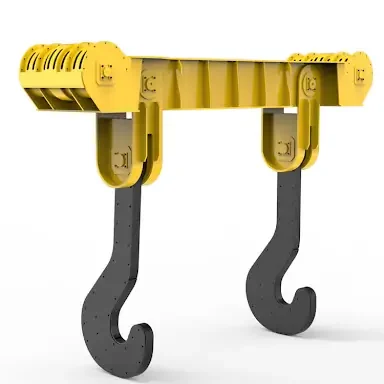
Featuring a laminated high-toughness structure and thermally insulated reinforced beam design, it maintains load-bearing capacity even with localized damage. This makes it the safest and most widely used lifting device for standard ladle handling.
Get Custom Quotation Now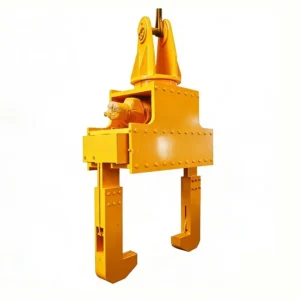
Integrated slewing bearings and drive systems enable precise 360° rotation of ladles in mid-air, enhancing alignment accuracy and operational efficiency in complex workstations.
Get Custom Quotation NowWeihua offers YZ series overhead ladle cranes with both double-girder and four-girder structures. Below are the technical parameters for these two types to help you quickly compare and select the right model. We can customize the design according to your process requirements and factory conditions. For a complete parameter table or a customized solution for your project, please get in touch with our engineering team for detailed selection charts and quotations.
| Capacity(t) | Lifting Height(m) | Speed (m/min) | Total Power (kw) | Recomend Rail (kg/m) | ||||
| Main/Aux hook | Aux hook | Main hook | Main Hook | Aux. hook | Trolley | Crane | ||
| 16/3.2 | 12 | 15 | 2.5~9 | 9 | 20~38 | 30~70 | 19.4~49.5 | 52.8 |
| 20/5 | 27.5~62.5 | |||||||
| 25/5 | 28.1~72.9 | |||||||
| 32/5 | 15 | 17 | 30~80 | 29.7~110 | 63.69 | |||
| 40/5 | 2~9 | 30~70 | 30.5~111.5 | |||||
| 50/10 | 2~7 | 9 | 46.4~130 | |||||
| 63/10 | 21 | 23 | 1.5~7 | 9 | 46.4~157 | |||
| 75/20 | 26 | 28 | 1.7~7 | 7 | 18~30 | 81~184 | 88.96 | |
| Lifting capacity(t) | 125/32 | 140/32 | 160/32 | 180/50 | 200/50 | 225/65 | 240/80 | 280/80 | 320/80 | |
| Working class | A7 | |||||||||
| Span(m) | 19 | 19 | 27 | 28.5 | 28 | 27 | 22 | 22 | 24.5 | |
| Lifting height(m) | Main hook | 24 | 22 | 25 | 27 | 26 | 32 | 25 | 29 | 28 |
| Auxiliary hook | 26 | 24 | 26 | 29 | 26 | 34 | 27 | 29 | 32 | |
| Speed | Main hook | 7.6 | 7.8 | 9.8 | 7.5 | 6 | 11 | 7 | 12 | 7.5 |
| Aux. hook | 9.7 | 9.7 | 12 | 10 | 10 | 11 | 9.6 | 10 | 10 | |
| Main trolley | 38 | 36 | 43.5 | 40 | 41 | 41 | 35 | 40 | 29 | |
| aux.trolley | 39 | 37.5 | 43.5 | 38 | 38 | 39.5 | 38 | 40 | 39 | |
| crane | 76 | 73 | 84 | 80 | 78 | 84 | 80 | 80 | 58 | |
| Max wheel load(KN) | 505 | 535 | 485 | 525 | 530 | 550 | 545 | 735 | 750 | |
| Steel track recommended | 380V 50Hz 3-phase A.C. | |||||||||
| Power source | aux. trolley | |||||||||
YZ Steel Mill Ladle Cranes are specifically engineered for molten steel handling in steelmaking and casting processes. They deliver safe, stable, and high-precision operation under high-temperature, heavy-load, and continuous-duty conditions. Featuring metallurgical-grade structural reinforcement, specialized hoisting systems, and multiple safety protection configurations, these cranes meet critical production demands including ladle transfer, positioning, pouring, and auxiliary operations.
YZ Steel Mill Ladle Cranes are primarily used for molten steel handling and process integration in steel mills and large foundries, covering the entire process from tapping, refining to pouring. They ensure safe transfer and precise positioning of ladles under high-temperature, heavy-load, and continuous operation conditions, serving as critical equipment for maintaining continuous molten steel production and operational safety.
Converter/Electric Arc Furnace Tapping Area: Designed to carry and transfer high-temperature ladles, featuring high load capacity and impact-resistant structures.
Steel Refining Stations (LF, RH, etc.): Enables frequent short-distance movement and precise positioning of ladles with smooth operation, effectively minimizing molten steel agitation.
Continuous Casting Machine Pouring Area: Used for ladle positioning and pouring operations, with optional rotation or weighing functions to enhance pouring precision and production efficiency.
Internal Transport Corridors in Foundry Workshops: Handle continuous molten steel transfer between multiple workstations, adapted for high-temperature environments and prolonged operation to ensure stable production rhythms.
For details on the applications of metallurgical overhead cranes, see the article: Metallurgical Overhead Cranes | Specialized Cranes for Steel & Aluminum Plants
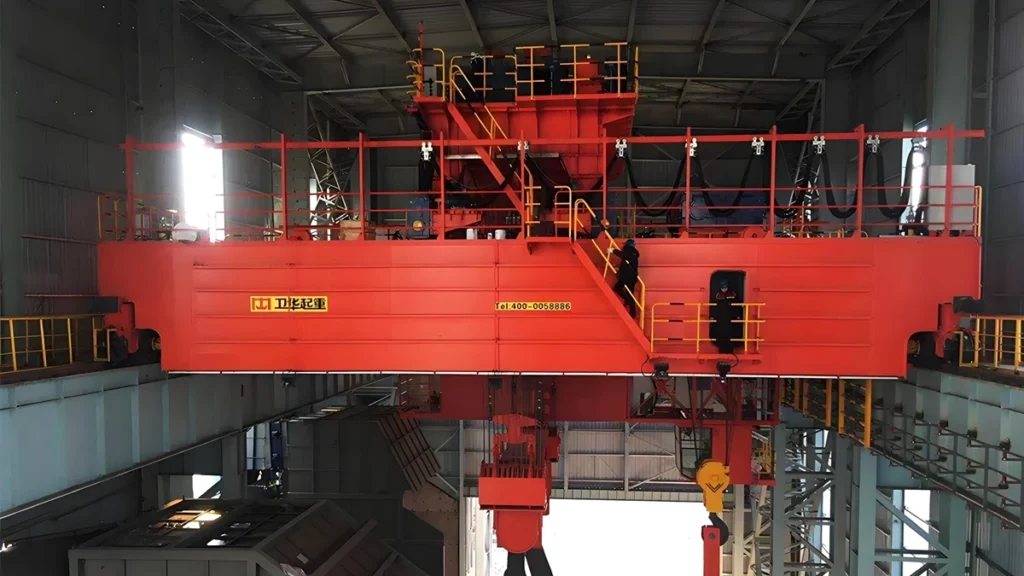
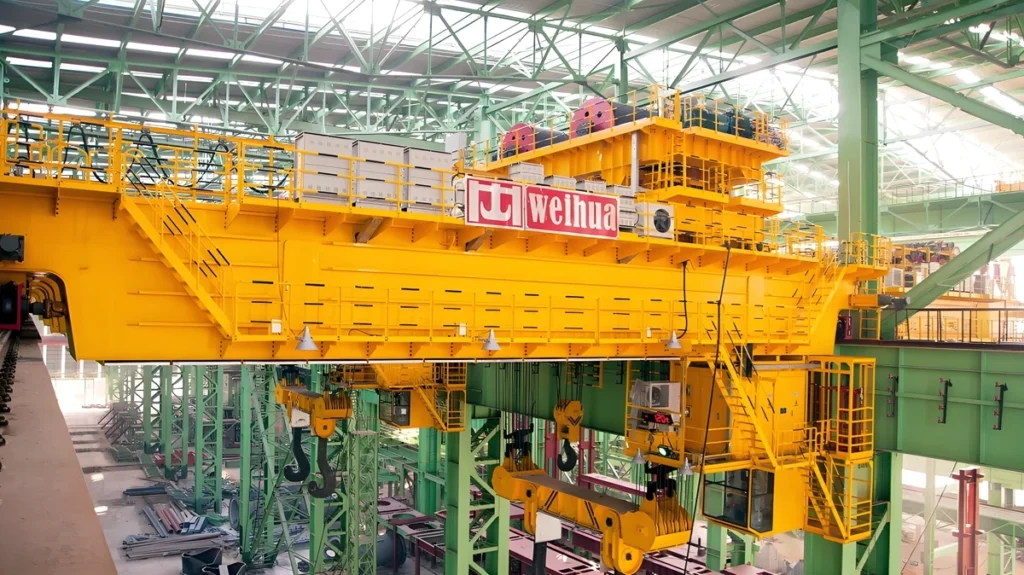
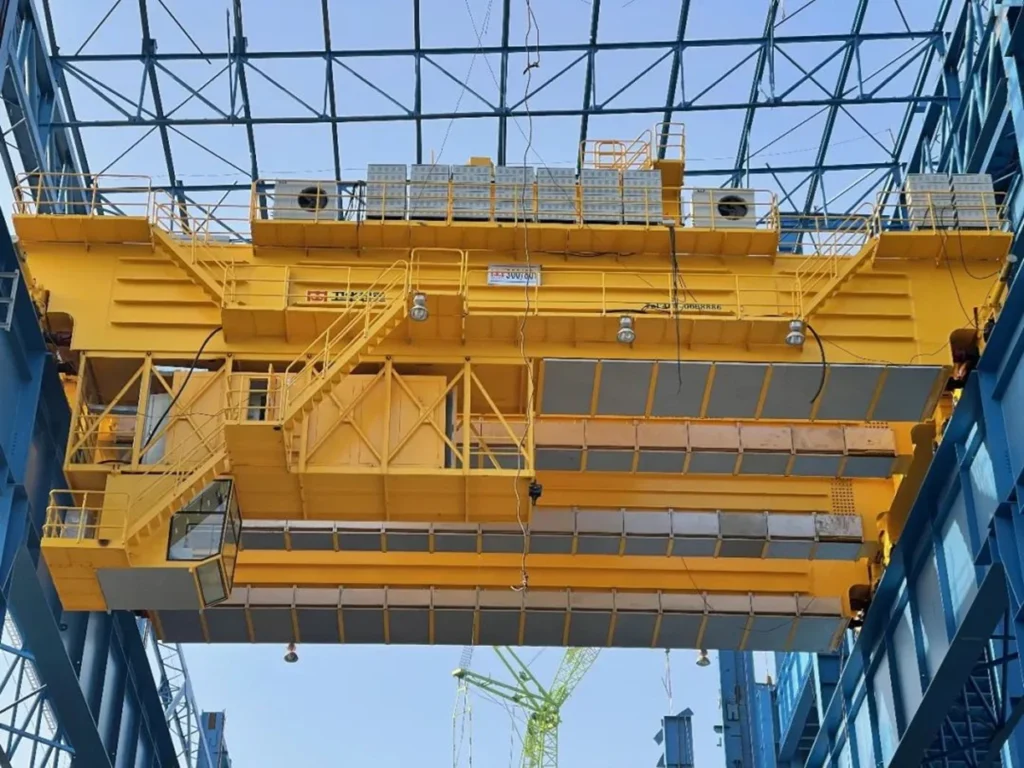
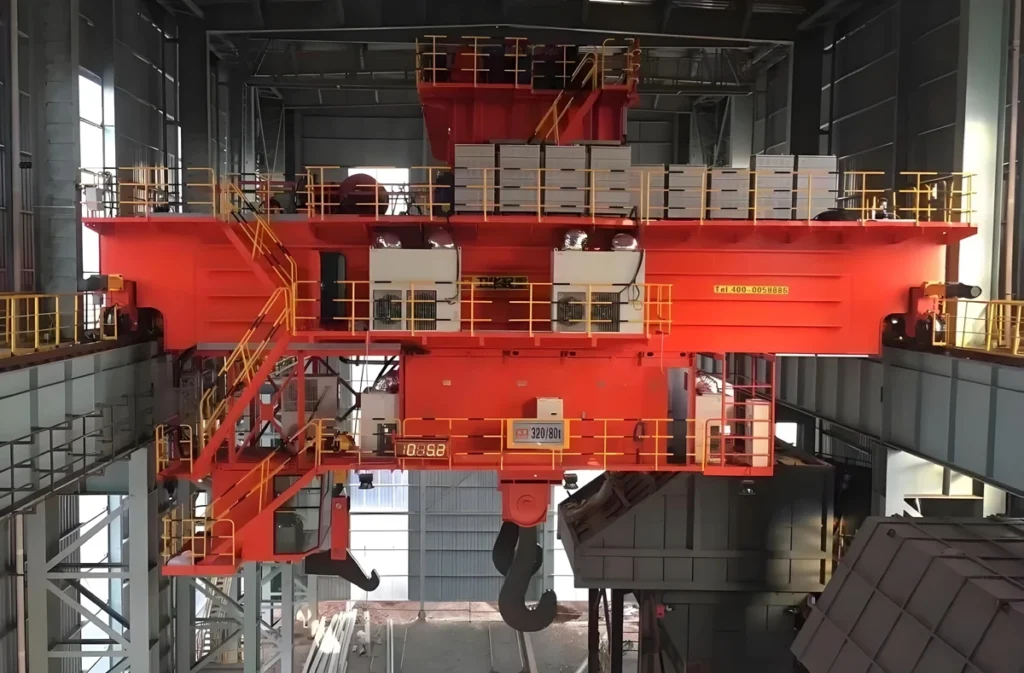
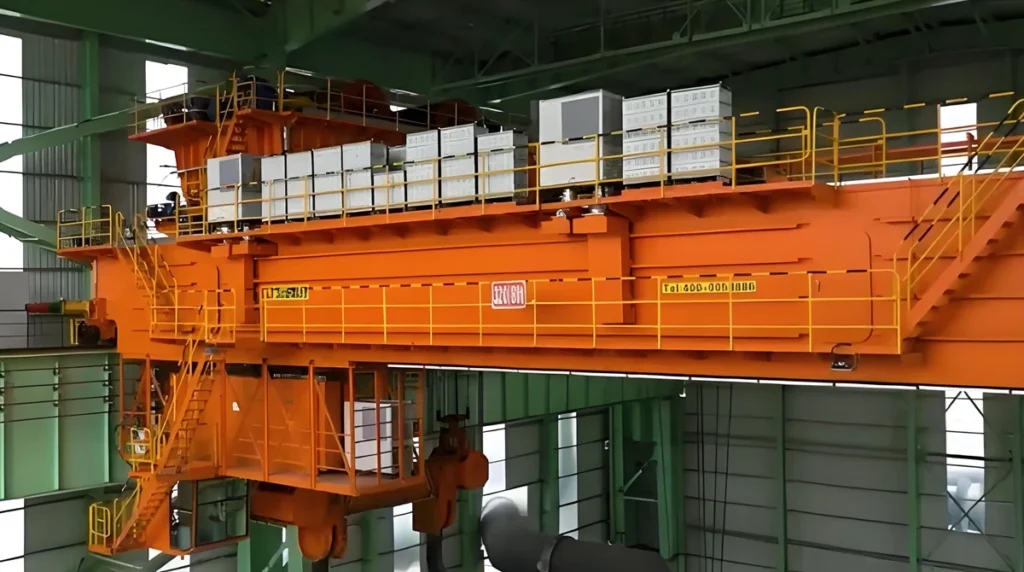
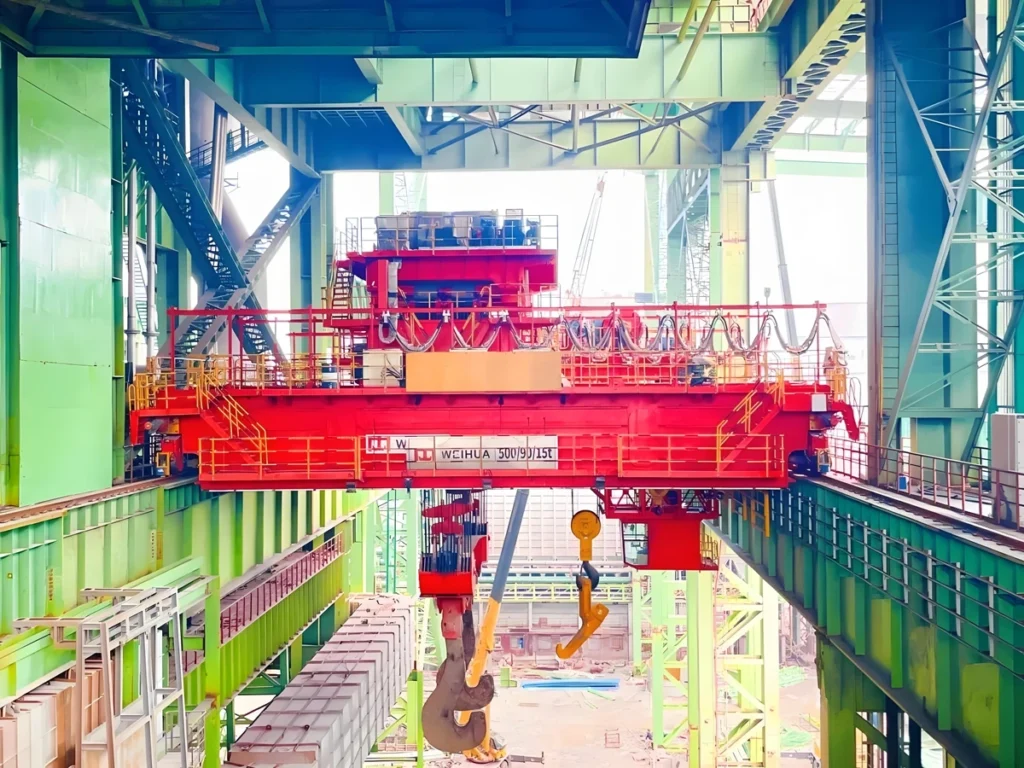
For more information on the various types of steel mill cranes and how to select the right one, see the article: “Steel Mill Crane Selection Guide: Types, Applications, and How to Choose”
Weihua offers a complete range of YZ ladle cranes, including double-girder and quad-girder configurations, with flexible lifting capacities, spans, hoist heights, control modes, and safety options to meet diverse steelmaking and casting process requirements.
We customize lifting capacity, span, hoist height, duty class, control methods, and auxiliary functions according to specific production layouts and ladle dimensions. Contact our team anytime for technical consultation, system design, and project support.
Get Custom Quotation Now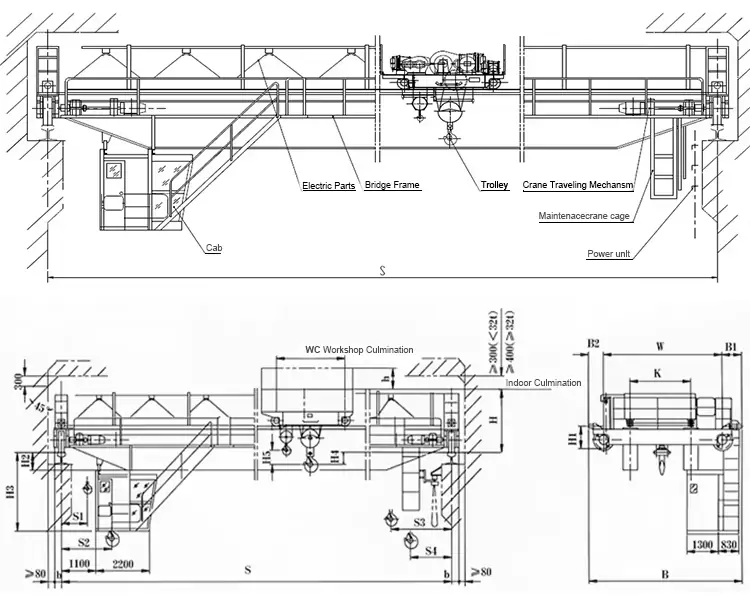
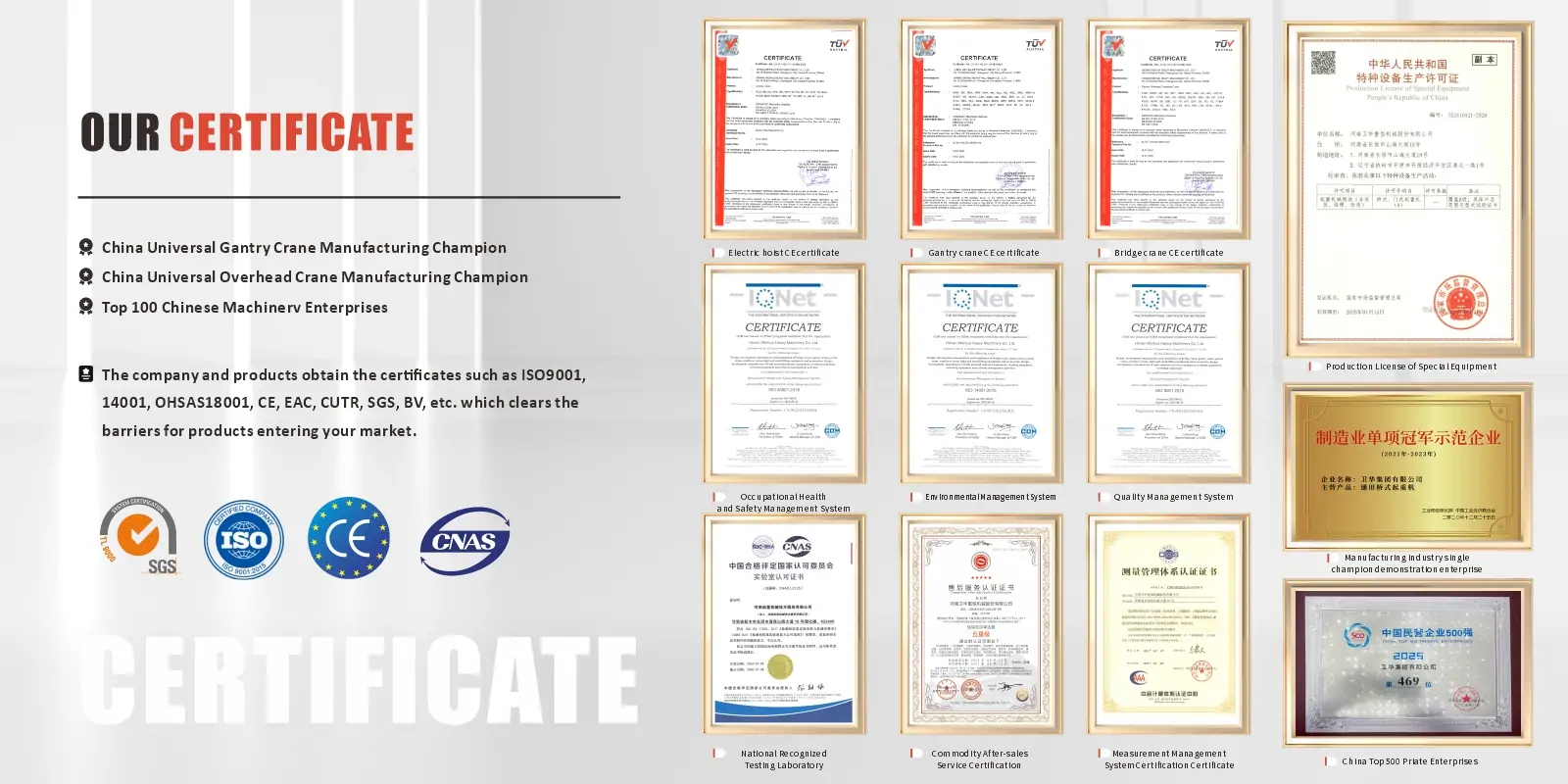
Weihua is a leading manufacturer and supplier of ladle cranes in China. We possess robust in-house manufacturing capabilities, advanced production equipment, comprehensive CE/ISO international certifications, and decades of experience in heavy-duty lifting solutions. We deliver ladle cranes that operate safely and reliably under high-temperature, heavy-load, and continuous-duty conditions. Our dedicated engineering and service teams provide end-to-end solutions encompassing technical consultation, customized design, manufacturing, installation guidance, and after-sales support. Contact our expert team today to discuss your project requirements and receive a tailored ladle crane solution along with a detailed quotation.
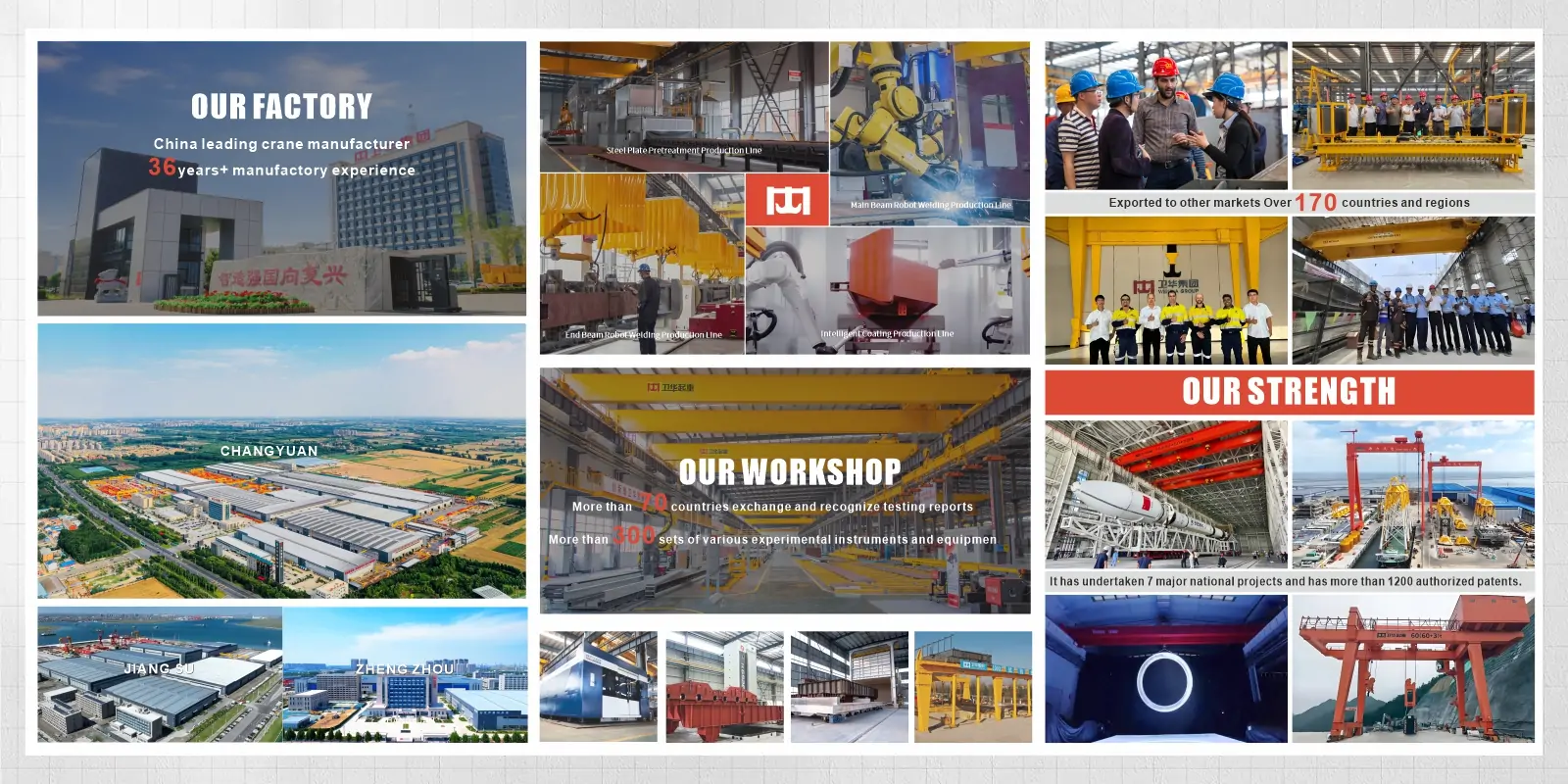
Weihua, founded in 1988, has evolved into a global leader in China's intelligent manufacturing field. We specialize in smart crane R&D and production while offering AGV solutions. Our professional engineering, delivery, and after-sales teams provide one-stop technical support, customized solutions, on-site installation guidance, and rapid-response global services to ensure every project operates safely and efficiently.
A YZ steel mill ladle crane is designed for lifting, transporting, and positioning molten metal ladles in foundries and steel plants. It is mainly used during smelting, pouring, and refining processes, where high-temperature molten steel or iron must be handled safely and precisely.
YZ ladle cranes are engineered with heat-resistant structures, reinforced load-bearing components, and specialized safety systems to withstand extreme temperatures and heavy-duty operating conditions. Critical parts are designed to prevent deformation and ensure stable operation when handling molten metal.
Typical safety features include dual braking systems, overload protection, emergency stop functions, limit switches, and thermal protection for key components. These systems significantly reduce operational risks and ensure safe ladle handling in steelmaking and foundry environments.
YZ steel mill ladle cranes are available in a wide range of lifting capacities, commonly from 50 tons to over 500 tons. The crane configuration can be selected based on ladle size, molten metal weight, and specific production requirements.
Yes. YZ ladle cranes can be fully customized in terms of lifting capacity, span, lifting height, working class, control mode, and safety configuration to match different foundry layouts and steelmaking processes. Custom ladle hooks and lifting devices are also available.
Contact us now via email: [email protected], or fill in the form below.


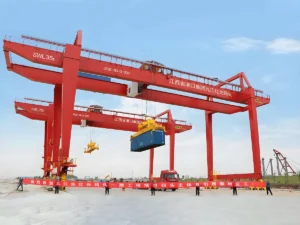
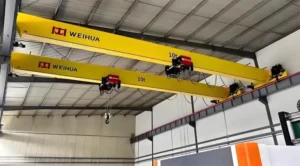
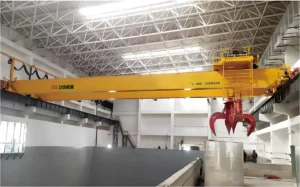
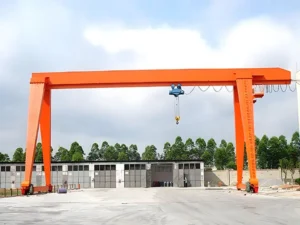
The gantry crane is a lifting equipment widely used across various industries, construction sites, ports, warehouses, and other fields. Its unique structure and powerful load-bearing capacity make it ideal for modern heavy-duty material handling. The “gantry” structure design allows the crane to move freely within a space, covering a large working area. So, what makes gantry cranes special? What are their types, parameters, control methods, applications, and working principles? How do they differ from bridge cranes? Let’s explore together. Types of Gantry Cranes Based on design, application, and operating environment, gantry cranes are typically categorized into the following types: Single-Girder Gantry Crane Single-girder gantry cranes are widely used across industrial sectors, warehouses, ports, and workshops. Featuring a single-girder support lifting mechanism, they traverse via side columns and bottom rails. With their simple structure, user-friendly operation, and moderate lifting capacity, they are ideal for handling light to medium loads. Capable of spanning large distances freely, single-girder gantry cranes are suitable for heavy material handling and lifting operations. Double Girder Gantry Crane Compared to single-girder gantry cranes, double-girder gantry cranes offer greater…
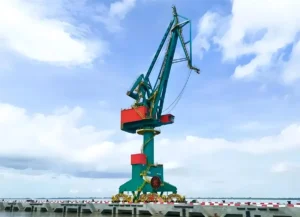
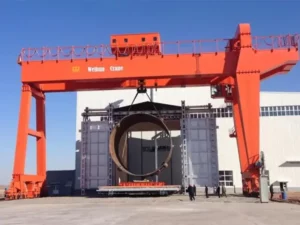
In ports, logistics parks, and industrial material handling, Portal Cranes and Gantry Cranes are two common and core loading/unloading equipment types. They differ in structural design, performance characteristics, operating methods, application scenarios, and investment costs. This article provides a comprehensive analysis of Portal Crane vs Gantry Crane and guides you in making the right selection. Structural Design Comparison The structural differences between Portal Cranes and Gantry Cranes primarily manifest in load-bearing methods, movement trajectories, and coverage ranges. The former centers on a fixed tower and rotating boom, emphasizing “point coverage” and flexible horizontal rotation. The latter features a portal frame structure and longitudinal rail travel, prioritizing “extensive horizontal movement” and efficient on-site logistics handling. Consequently, their distinct structural designs directly dictate their differing application scenarios. Portal Crane Structural Characteristics Portal slewing cranes employ single/double cantilever boom structures with the tower fixed to foundations or rails, enabling 360° or partial rotation. This configuration enables flexible operation in narrow, elongated spaces such as shorelines, dock fronts, and ship berths, making it particularly suitable for ship-to-shore material handling. Its core functionality combines vertical…
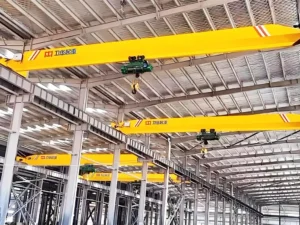
In modern industrial operations, efficient material handling is crucial for maximizing productivity and optimizing workflow. Bridge cranes, also known as overhead cranes or EOT cranes, are fixed material handling systems widely used in manufacturing, metal processing, warehousing, and loading/unloading operations. In this article, we will explore the working principle, main components, applications, and operational benefits of bridge cranes, providing a comprehensive guide for industrial planners and logistics professionals. Bridge Crane Working Principle A bridge crane operates on a bridge-like structure spanning the workspace, with a trolley and hoist system that moves horizontally along the bridge and vertically lifts or lowers loads. The crane’s movement across the runway, combined with precise hoist control, enables efficient and safe handling of heavy materials in factories, warehouses, and industrial facilities. For information on how overhead cranes work, please see this article: Overhead Crane Working Principle: Components, Motion & Operating Process Bridge Crane Terminology The following is an introduction to terminology related to bridge crane parts. Crane Capacity: Crane capacity refers to the maximum weight a bridge crane can safely lift. Typically measured in tons…
An EOT Crane (Electric Overhead Traveling Crane) is an efficient and reliable overhead lifting system used to handle heavy materials in factories, warehouses, workshops, and industrial plants. Running on overhead rails, EOT cranes enable safe and precise three-dimensional movement of loads through coordinated lifting, cross travel, and long travel motions. This article will guide you through EOT crane definitions, types, structure, working principles, applications, and cost factors to help you select the most suitable solution for your lifting needs. How EOT Crane Works? The working principle of an EOT crane involves a combination of vertical lifting, horizontal trolley movement, and longitudinal bridge travel, enabling efficient handling of heavy loads across industrial facilities. The crane operates on elevated runway rails installed along the building structure, with the bridge girder spanning the workspace. The hoist mechanism raises or lowers the load using steel wire ropes or chains, while the trolley moves the load horizontally along the bridge. The entire crane travels longitudinally along the runway rails, enabling three-dimensional positioning of materials. Modern EOT cranes are powered by electric motors with precise speed…
Gantry cranes are widely used in open-air stockyards, shipyards, factories, and construction sites, making them one of the most versatile and extensively applied material handling solutions. Gantry cranes come in various types, each customizable to suit different load capacities, site conditions, and operational requirements. However, selecting the wrong configuration can lead to unnecessary expenses, limited lifting capacity, or future expansion constraints. So, what are the main types of gantry cranes? How do you choose the right type for your application? In this guide, we will provide a detailed overview of different types of gantry cranes based on structure, mobility, and application scenarios, helping you make the right decision before investing in a lifting solution. The article is quite lengthy. Below is our table of contents. Please jump to the corresponding section as needed: What Is a Gantry Crane? Gantry cranes are lifting equipment designed for efficient handling of heavy cargo in large open-air sites. Their signature structure features one or more main beams supported by rigid (or flexible) legs on either side, forming a monumental “gate”-shaped frame. These cranes traverse…
 English English
  Русский
 العربية
 Français
 Português
 Español