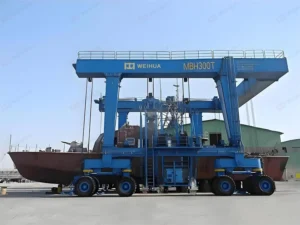
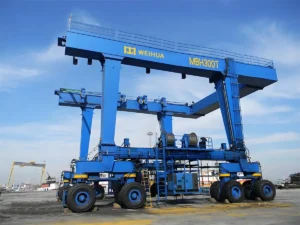
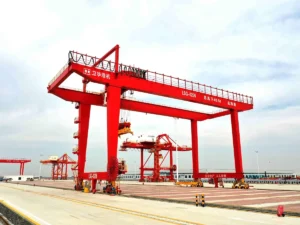
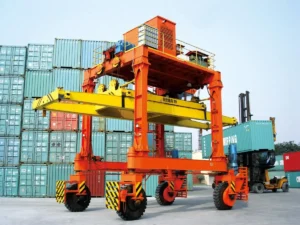
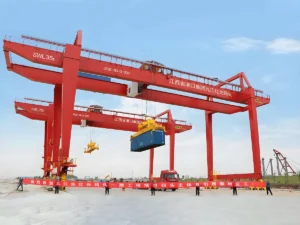
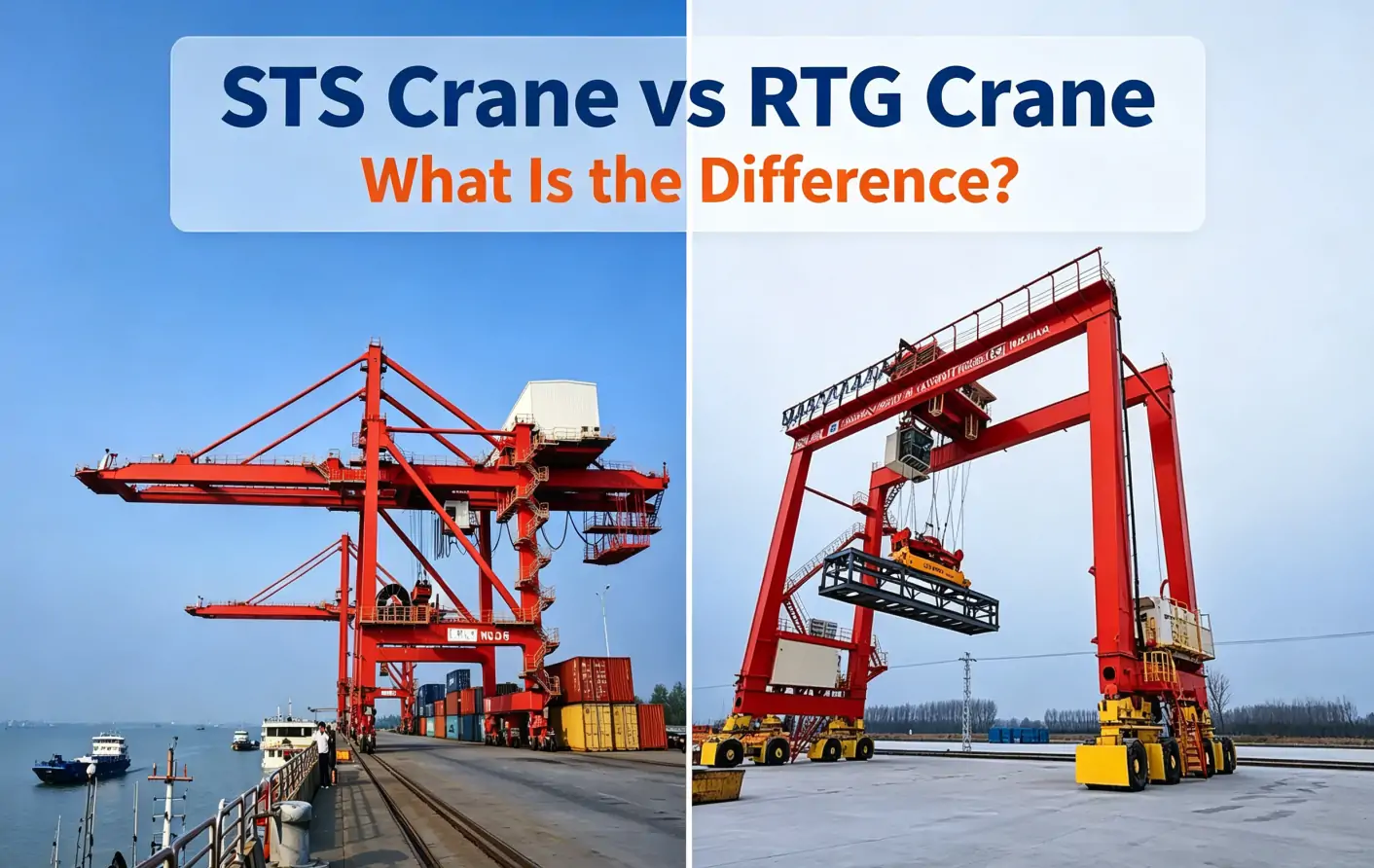
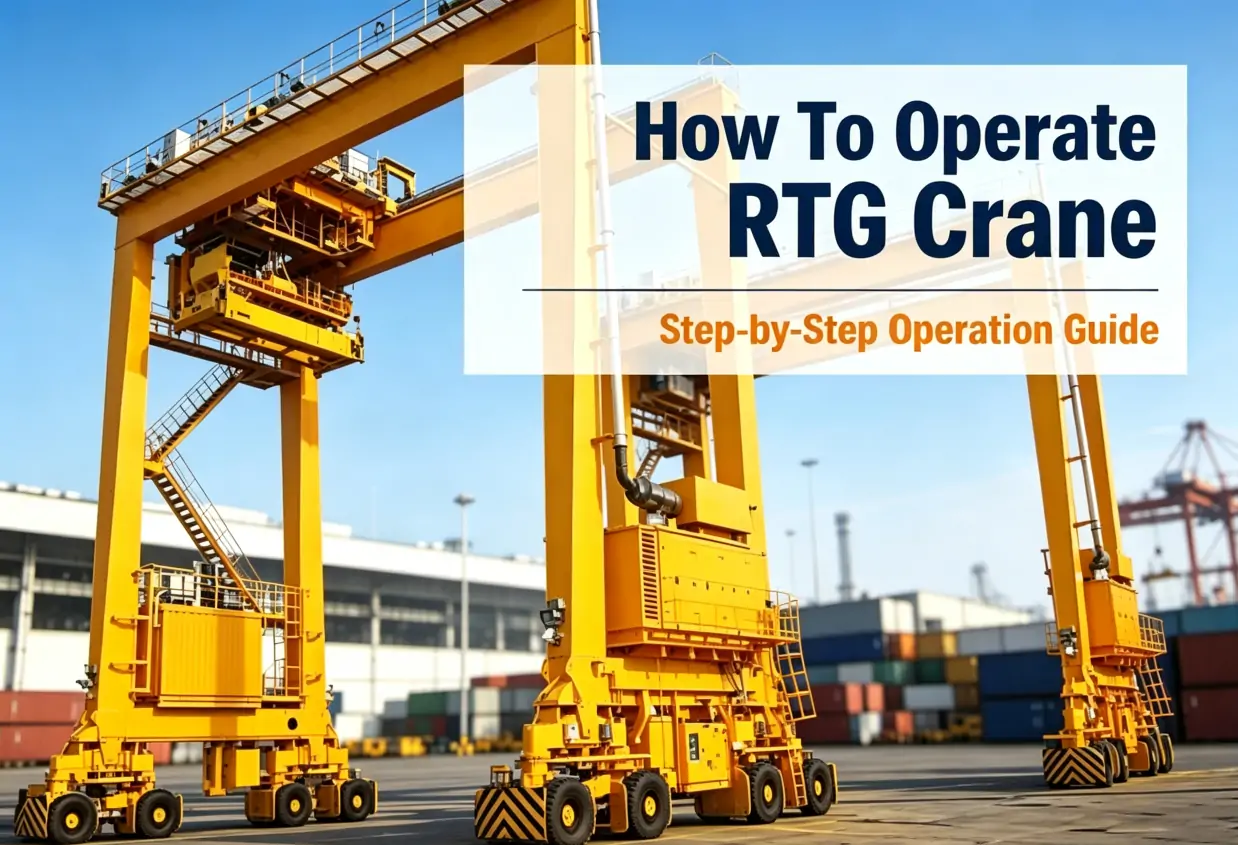
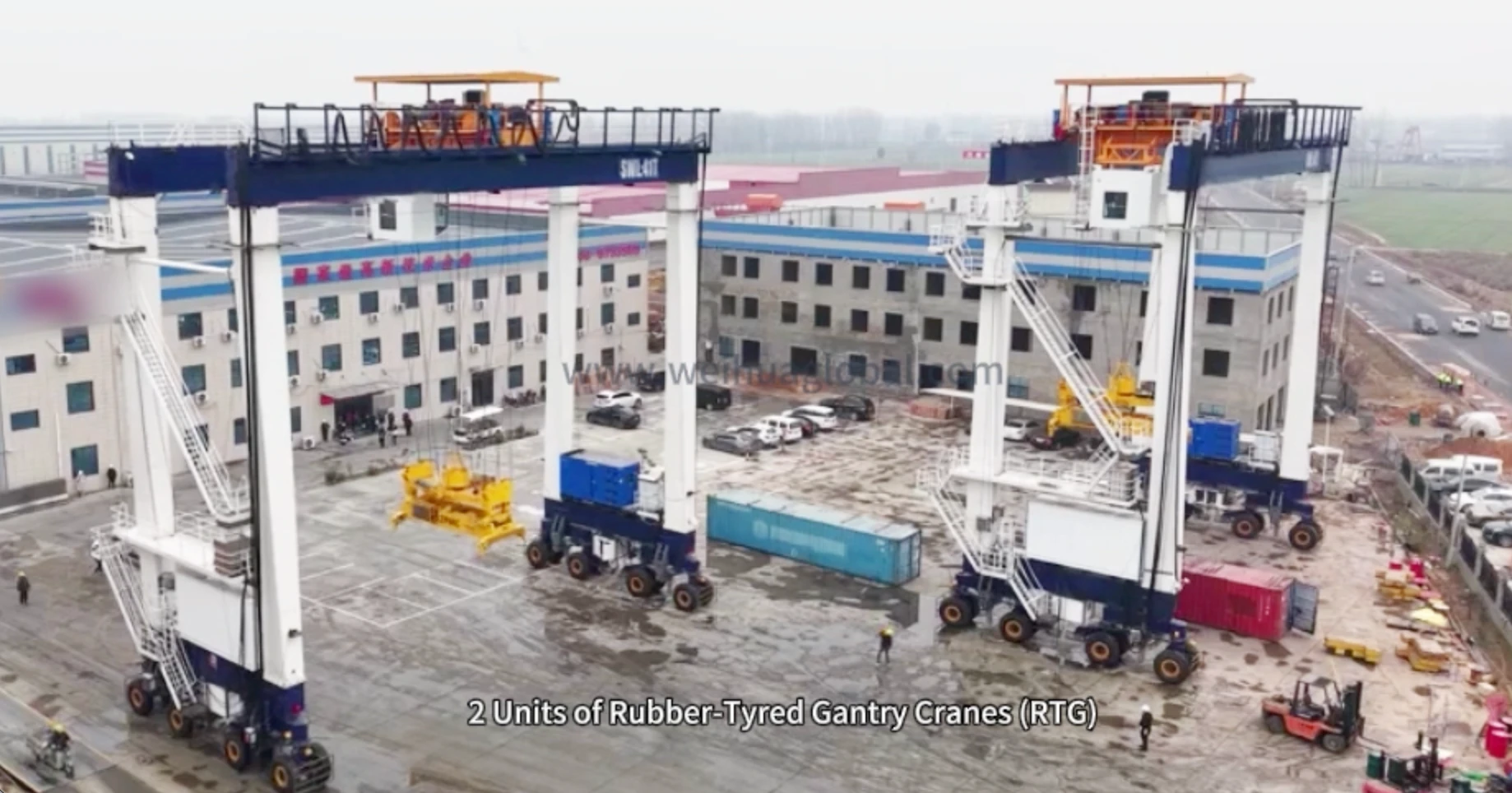
Weihua has two factory-new 41t rubber-tyred gantry cranes (RTGs) available for immediate supply. Built for container handling in ports, terminals and inland container yards, the cranes are equipped with proven components for reliable operation, efficient handling and reduced maintenance. Both units are available at direct factory pricing, providing a practical option for projects requiring short delivery times without waiting for a new production cycle. Specifications of the 41t RTG Crane The in-stock RTG cranes are built to deliver robust performance for heavy-duty container stacking and movement, with precise engineering parameters tailored for high-volume logistics environments: Top-Tier Configuration for Unmatched Performance These RTG cranes are equipped with premium, globally recognized components that define the highest standard of container handling equipment, ensuring long-term durability and minimal downtime: Applications These 41t RTG cranes are engineered to excel in a wide range of container handling scenarios, making them a versatile asset for logistics and port operations: Advantages for Buyers Inquire Now for the Limited Stock With only 2 units available at this special factory cost price, interested buyers are encouraged to contact Weihua’s global…