



Table of Contents
Introduction
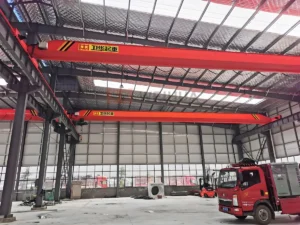
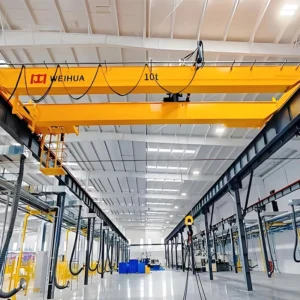
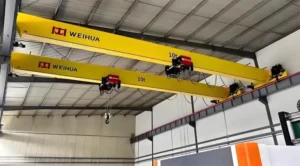
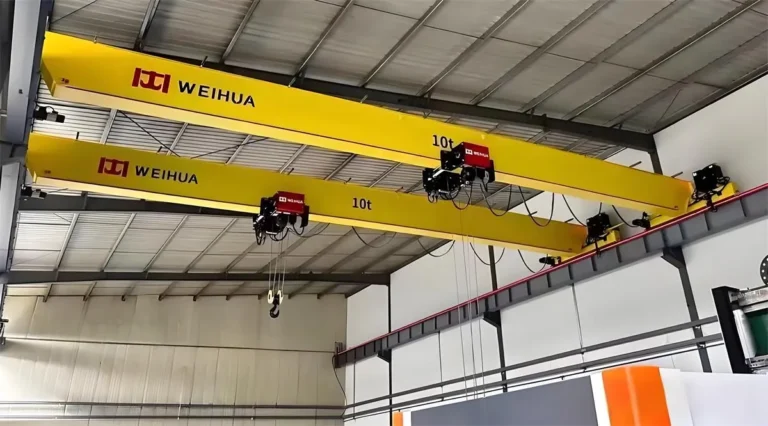
Single Girder EOT Crane is designed for factories and workshops that require regular material lifting and transportation. Compared with traditional lifting equipment, it uses a single main girder with an electric hoist, featuring a compact structure, lower dead weight, and simpler maintenance. It is commonly applied in machinery manufacturing, warehouses, assembly lines, and maintenance workshops for handling general production materials.
In this article, you will learn what is single girder EOT crane is, including its working principle, main components, advantages, applications, and how to select the right model for your project. WEIHUA provides reliable single girder EOT crane solutions with customized designs for different lifting capacities, spans, and working conditions.
What is single girder EOT Crane?
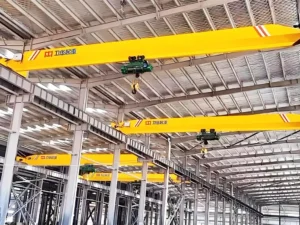
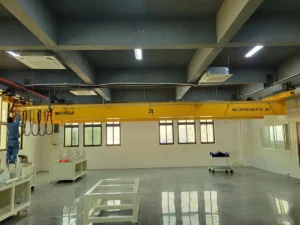
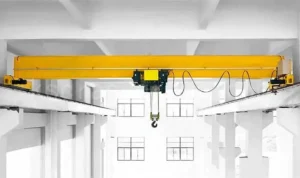
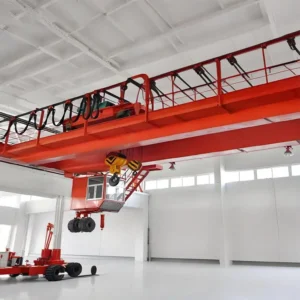
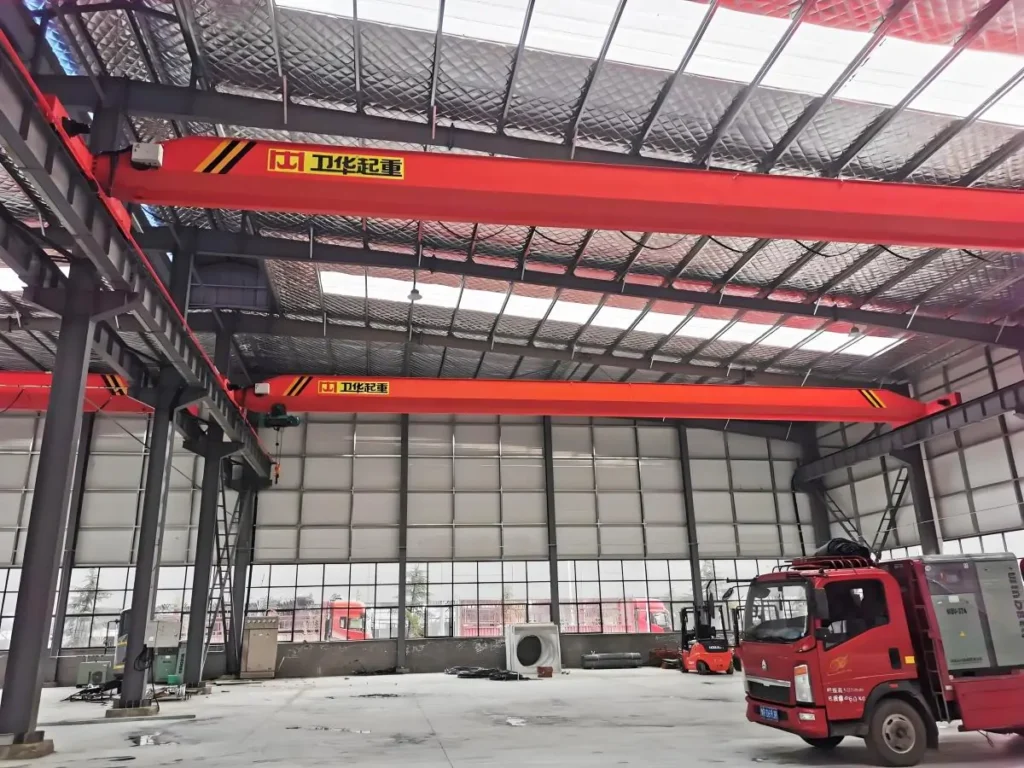
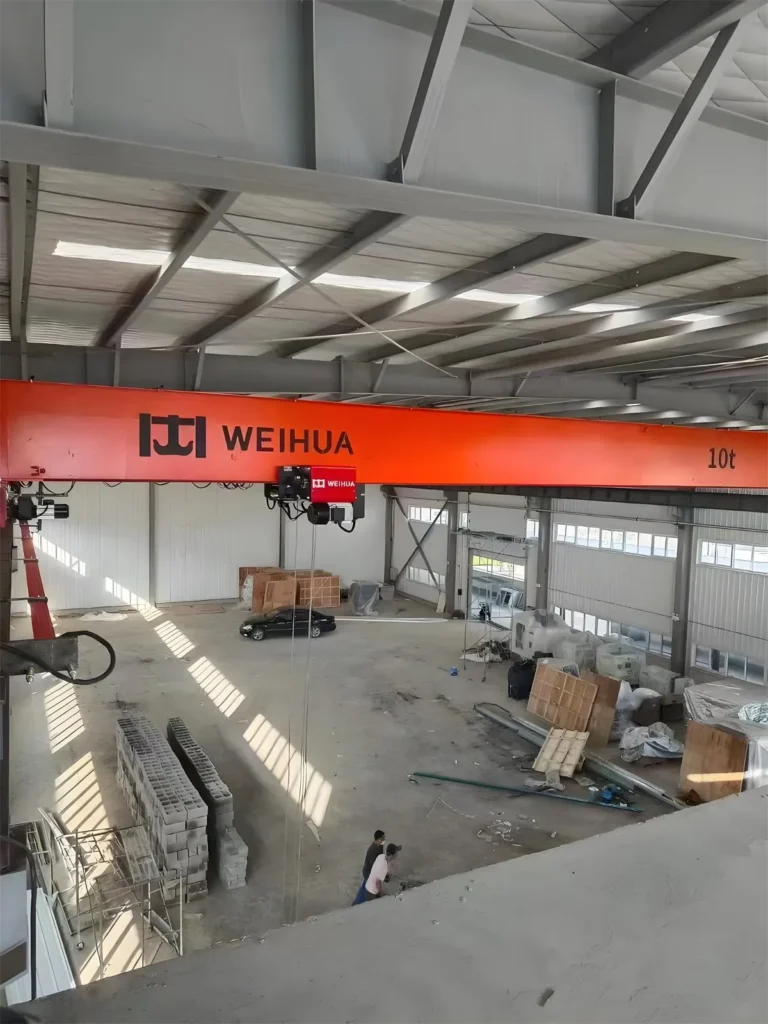
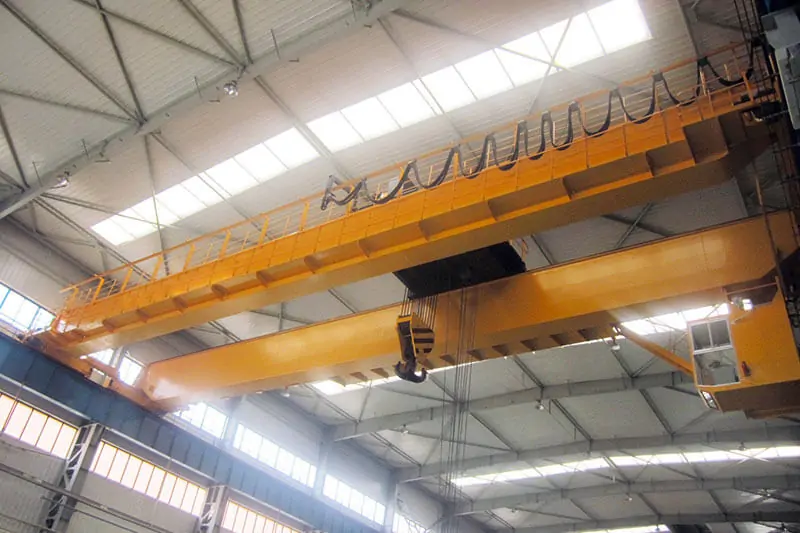
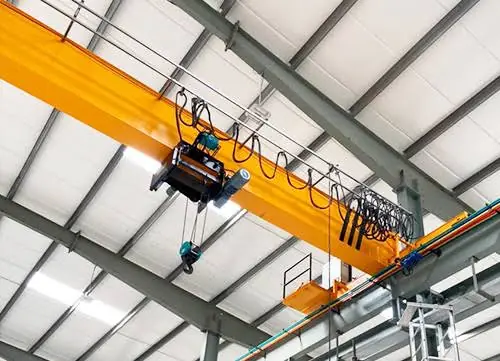
A Single Girder EOT Crane is an electric overhead traveling crane that uses one main girder to support an electric hoist for lifting and moving loads. The crane travels along runway rails, while the hoist moves across the girder to complete vertical lifting and horizontal transportation.
Compared with double-girder EOT cranes, a single girder design has a simpler structure, lower self-weight, and is suitable for light and medium-duty material handling. It is commonly used in factories, workshops, warehouses, and maintenance facilities where lifting capacity, working space, and equipment cost need to be balanced.
How Does a Single Girder EOT Crane Work?
A Single Girder EOT Crane completes material handling through three basic movements: lifting, cross travel, and long travel. The electric hoist, trolley, and crane bridge work together to move loads from one location to another.
- 1. Load Lifting: The operator starts the electric hoist, and the motor drives the wire rope drum to lift the hook and load vertically from the ground.
- 2. Load Positioning: The hoist trolley moves along the main girder to adjust the load position and place it above the target area.
- 3. Crane Traveling: The crane bridge moves along the runway rails through the traveling mechanism, carrying the load to the required working position.
- 4. Load Lowering: The electric hoist lowers the load smoothly to the designated location, completing the lifting operation.
- 5. Return Movement: After unloading, the crane and trolley return to the standby position for the next lifting cycle.
Through the coordinated movement of the hoist, trolley, and bridge system, a Single Girder EOT Crane provides efficient material handling for factories, workshops, and warehouses.
To learn more about how EOT cranes work, read the article: “How Does an EOT Crane Work?”
parts
A Single Girder EOT Crane is made up of several main parts that support lifting, movement, and control operations. The structure is designed with a simple layout, making it suitable for general material handling in factories, workshops, and warehouses.
Main Girder — The main girder is the primary beam of the crane. It carries the electric hoist and supports the load during lifting and transportation.
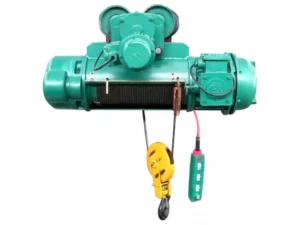
Electric Hoist — The electric hoist is installed on the lower flange of the girder. It uses a motor-driven wire rope and hook system to lift and lower materials.
End Carriage — The end carriage connects with the main girder and supports the bridge structure. Equipped with traveling wheels and drive units, it moves the crane along the runway rails.
Trolley — The trolley carries the hoist and travels across the girder. It allows the load to move horizontally within the crane span.
Runway Rails — The runway rails provide the travel path for the crane bridge. They are installed along the workshop length to support long-travel movement.
Electrical Control System — The control system operates the hoist, trolley, and crane travel functions. Common control methods include pendant control, wireless remote control, and cabin control.
Safety Devices — Safety devices include overload protection, travel limit switches, emergency stop systems, and buffers.
Features
A Single Girder EOT Crane is designed for general industrial lifting tasks with a simple structure and practical configuration.
- 1. Simple Structure: The crane uses one main girder with an electric hoist, reducing structural complexity and making installation and maintenance easier.
- 2. Lower Dead Weight: The single girder design uses less steel compared with double girder cranes, reducing the load on the supporting structure.
- 3. Lower Investment Cost: With fewer structural parts and a compact design, the crane has lower manufacturing and installation costs.
- 4. Compact Design: The crane requires less headroom and floor space, making it suitable for workshops with limited installation space.
- 5. Easy Maintenance: The electric hoist, traveling system, and control components are easy to access for inspection and repair.
- 6. Wide Application Range: It is commonly used for material handling in factories, warehouses, workshops, and production lines with light to medium lifting requirements.
- 7. Flexible Configuration: The crane can be configured with different lifting capacities, spans, lifting heights, control methods, and operating classes according to project requirements.
Specifications
The working range of a Single Girder EOT Crane varies according to lifting requirements, workshop conditions, and operating frequency.
| Specification | Range |
| Lifting Capacity | 0.5 ton – 32 tons |
| Standard Capacity | 1 ton, 2 tons, 3 tons, 5 tons, 10 tons, 16 tons, 20 tons |
| Span Length | 7.5 m – 31.5 m |
| Maximum Customized Span | Up to 35 m |
| Lifting Height | 6 m – 30 m |
| Special Lifting Height | Up to 60 m for customized applications |
| Working Class | A3 – A5 (ISO/FEM Standard) |
| Operating Temperature | -20°C to +45°C |
| Control Method | Pendant Control / Wireless Remote Control / Cabin Control |
Single Girder EOT Crane is mainly used for light and medium-duty lifting operations. The final configuration is selected according to load capacity, span length, lifting height, working frequency, and installation conditions. WEIHUA provides customized crane designs to meet different factory and workshop requirements.
Applications
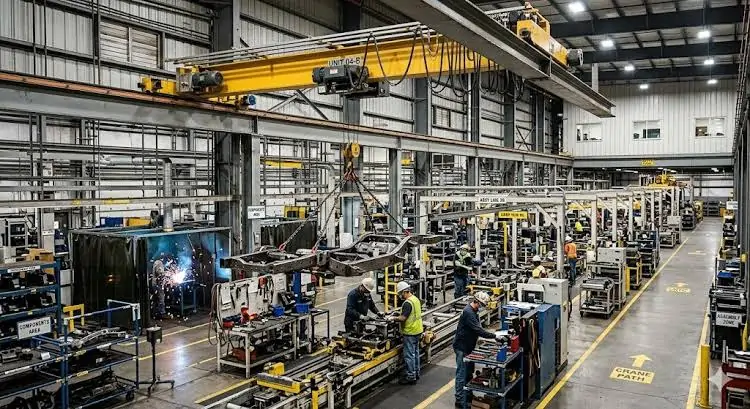
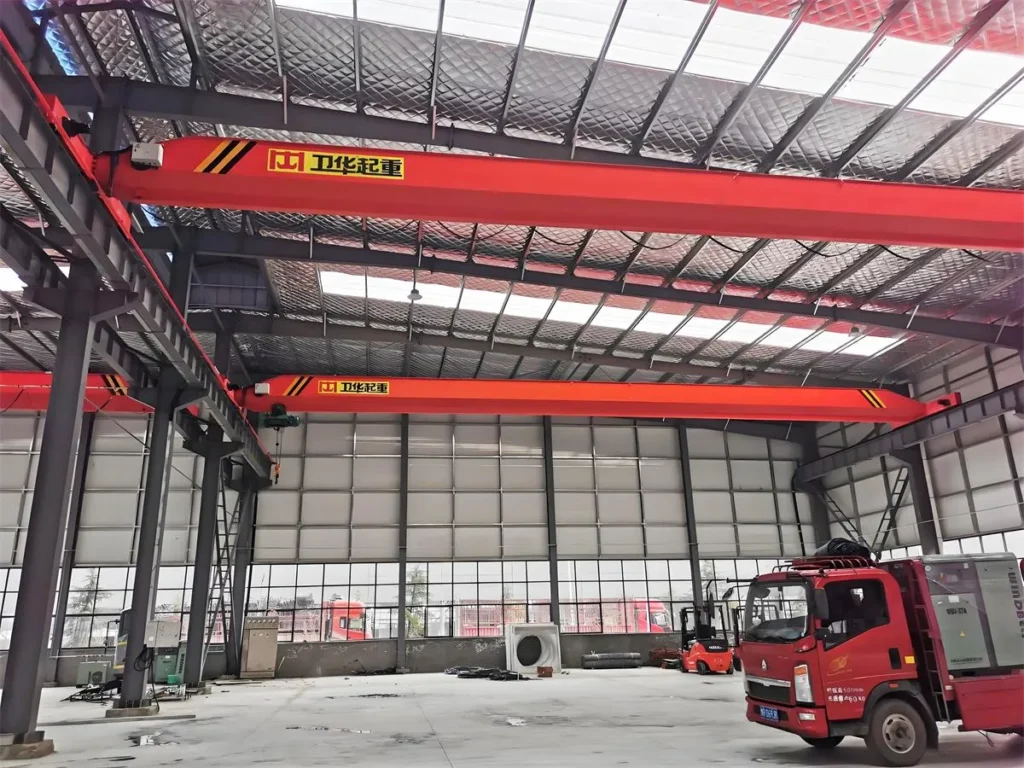
Single Girder EOT Crane features a compact structure and practical design. They are widely used for material handling in industries that require regular lifting and transport of light- to medium-weight loads and are suitable for factories, workshops, and warehouses.
Manufacturing Plants
Used for lifting and moving raw materials, components, and finished products during production.
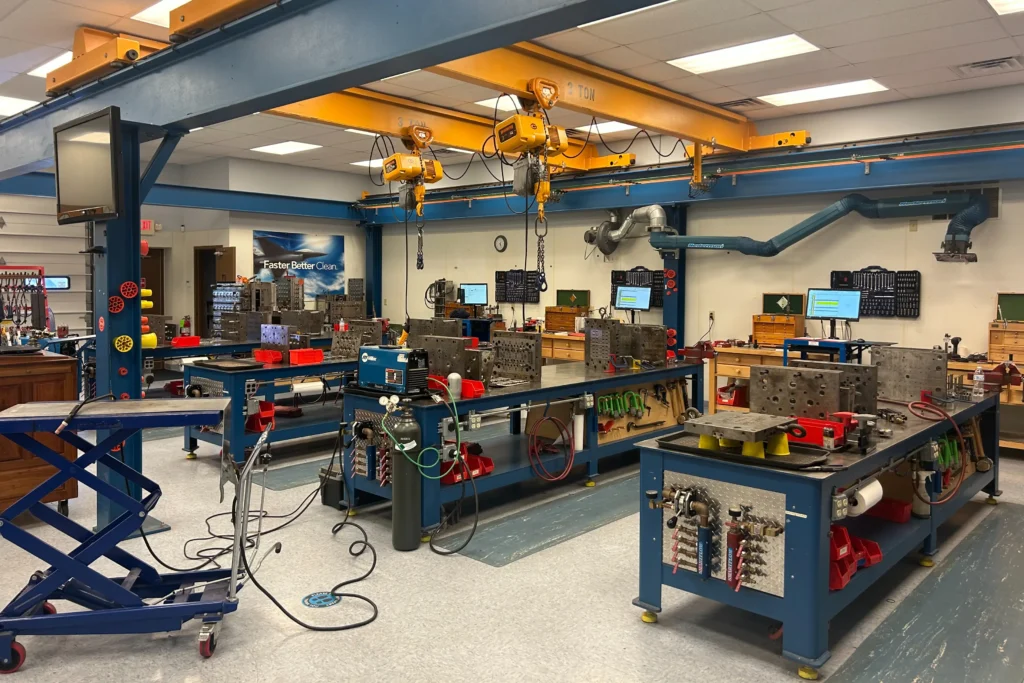
Machine Shops
Applied for equipment assembly, machine maintenance, and handling of mechanical parts.
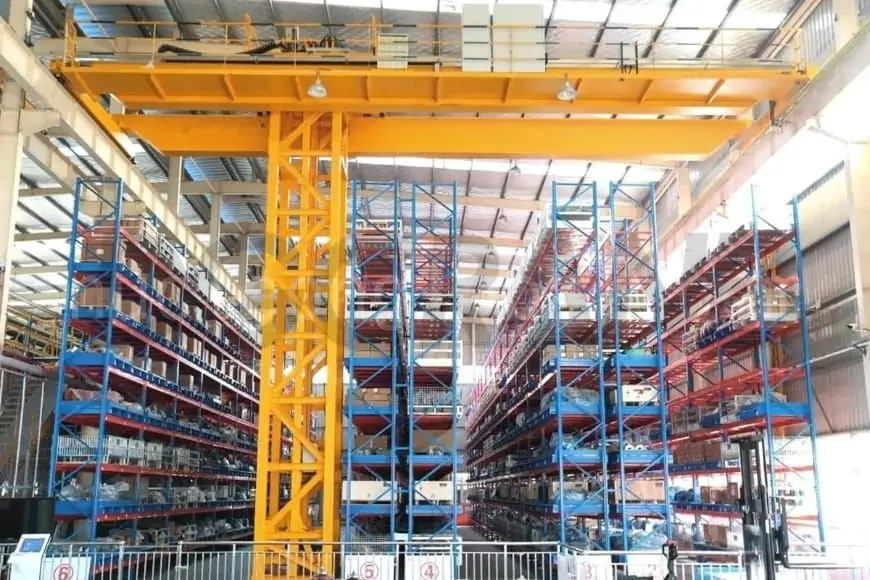
Warehouses
Used for loading, unloading, and transferring materials within storage areas.
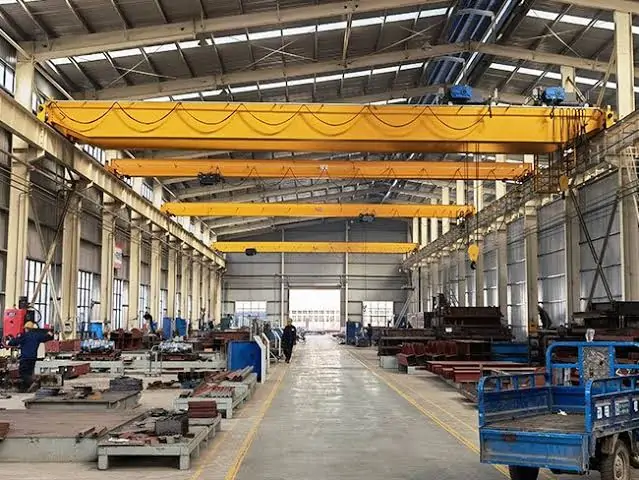
Steel Fabrication Workshops
Used for moving steel plates, structural parts, and fabricated components during processing.

Automotive Workshops
Applied for handling vehicle parts, tools, and equipment during assembly and maintenance.
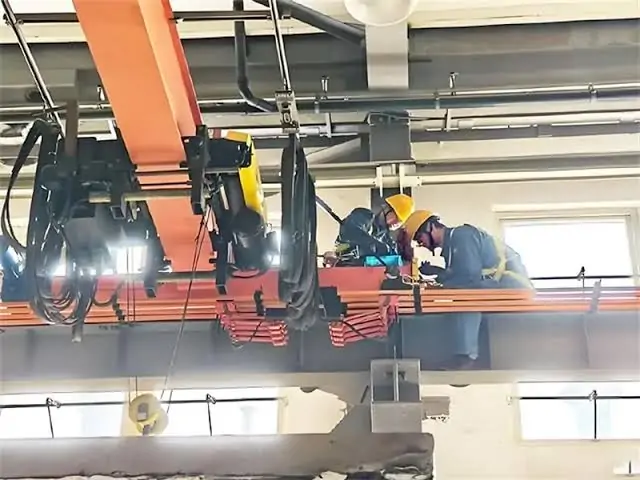
Maintenance Facilities
Used for equipment repair, replacement, and routine lifting operations.
Single Girder vs Double Girder EOT Crane: Which One Should You Choose?
The choice between a Single Girder EOT Crane and a Double Girder EOT Crane depends on lifting capacity, working class, application conditions, installation space, and budget.
| Comparison | Single Girder EOT Crane | Double Girder EOT Crane |
| Lifting Capacity | 0.5 ton – 32 tons (Commonly ≤20 tons) | 5 tons – 660 tons, suitable for heavy-duty lifting |
| Working Class | A3 – A5, light and medium-duty operation | A3 – A8, medium- and heavy-duty operation |
| Structure | One main girder with a compact structure and lower self-weight | Two main girders with higher load capacity and stronger rigidity |
| Applications | Workshops, machine shops, warehouses, assembly, and maintenance areas | Steel plants, shipyards, metallurgy, ports, and heavy industries |
| Lifting Height | Usually 6 m – 30 m | Suitable for higher lifting requirements |
| Installation Requirements | Lower wheel load, suitable for buildings with limited load capacity | Requires stronger supporting structures |
| Investment Cost | Lower equipment and installation cost | Higher initial investment for heavy-duty applications |
| Maintenance | Simple structure, easier maintenance | More components, suitable for demanding working conditions |
| Typical Choice | Load ≤20 tons, A3–A5 duty class, general factory handling | Load >20 tons, A6–A8 duty class, continuous heavy operation |
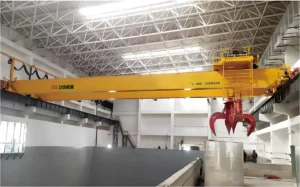
A Single Girder EOT Crane is suitable for light- and medium-duty material handling with lower investment requirements, while a Double Girder EOT Crane is designed for heavy loads, large spans, and demanding industrial environments. For detailed information on double-girder EOT cranes, see: What Is a Double-Girder EOT Crane? Structure, Working Principle, and Applications
WEIHUA offers a wide variety of EOT cranes. To learn more about the different types, read the article: “How Many Types of EOT Cranes Are There?”
How Much Does a Single Girder EOT Crane Cost?
The price of a Single Girder EOT Crane depends on lifting capacity, span, lifting height, working conditions, and crane configuration. Different project requirements lead to different costs.
- Lifting Capacity: Larger lifting capacity requires stronger structures, bigger hoists, and higher-rated components, increasing the crane cost.
- Span Length: A longer span needs a larger main girder and more steel materials, which affects the overall price.
- Lifting Height: A higher lifting height requires longer wire ropes, larger drums, and a stronger lifting system.
- Working Class: A higher working class requires stronger components for frequent operation, resulting in higher cost.
- Control Method: Pendant control is the standard option, while wireless remote and cabin control increase the equipment cost.
- Additional Functions: Options such as variable frequency drive, dual-speed lifting, and safety devices add to the final price.
- Custom Requirements: Special designs, including explosion-proof, outdoor, or non-standard cranes, require additional configuration and cost.
- Transportation and Installation: Crane size, shipping distance, and installation conditions affect the total project cost.
For an accurate Single Girder EOT Crane quotation, provide the lifting capacity, span, lifting height, working class, and application conditions. WEIHUA offers crane solutions based on different industrial requirements.
How To Choose the Right Single Girder EOT Crane?
Choosing the right Single Girder EOT Crane requires considering the lifting requirements, workshop conditions, and operating environment.
1. Lifting Capacity
Select the crane according to the maximum load weight to avoid overload operation.
2. Span and Lifting Height
The crane size should match the workshop layout, including runway span and required lifting height.
3. Working Class
Choose the working class based on usage frequency. A3–A4 are suitable for general handling, while A5 is for more frequent operations.
4. Control Method
Select pendant control, wireless remote control, or cabin control according to the working area and operation needs.
5. Working Environment
Consider installation space, power supply, temperature, and special conditions before selecting the crane.
6. Manufacturer Selection
Choose a manufacturer with crane design experience, production capability, and technical support.
The right Single Girder EOT Crane should match your lifting capacity, working conditions, and factory requirements.
Maintenance
- 1. Daily Inspection: Check the hook, wire rope, brake, and control buttons before operation.
- 2. Lubrication: Lubricate gears, bearings, wheels, and moving parts regularly.
- 3. Electrical System Check: Inspect motors, cables, control panels, and electrical connections.
- 4. Hoist Inspection: Check the lifting mechanism, drum, rope condition, and safety devices.
- 5. Structure Inspection: Inspect the main girder, end carriage, runway rails, and connection points.
- 6. Safety Device Testing: Test overload protection, limit switches, emergency stop, and other safety functions.
- 7. Regular Professional Inspection: Carry out scheduled inspections and maintenance based on operating conditions and usage frequency.
To learn how to maintain and inspect the equipment, read the article: “How to Inspect an EOT Crane: Complete Inspection Checklist & Maintenance Guide”
Safety Tips
- Check Load Weight: Make sure the load is within the crane’s rated capacity before lifting.
- Inspect Crane Condition: Check the hook, wire rope, brake, and control system before operation.
- Keep People Away: Do not allow anyone to stay under or near a suspended load.
- Operate Correctly: Use the crane according to the operating instructions and safety rules.
- Check Protection Devices: Inspect limit switches, overload protection, and emergency stop devices regularly.
- Follow Maintenance Schedule: Carry out routine maintenance based on crane usage and working conditions.
Conclusion
A Single Girder EOT Crane is widely used for material handling in factories, workshops, and warehouses due to its simple structure and practical design. Understanding its working principle, components, capacity range, applications, and selection points helps users choose the right crane for their lifting needs.
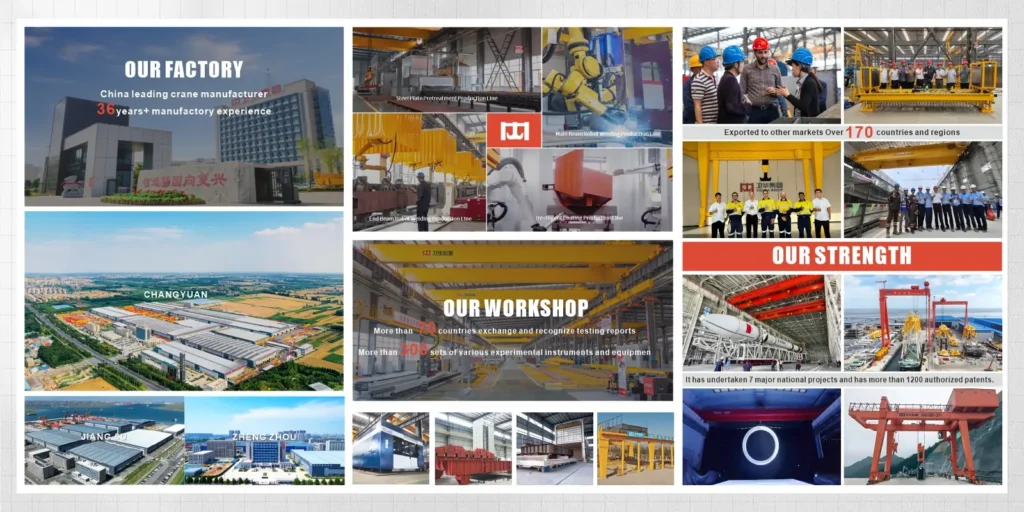
WEIHUA manufactures single girder EOT cranes for different industrial applications, offering customized designs, crane production, and technical support. Contact us to discuss your lifting requirements and get a suitable crane solution for your project.
FAQ
What is a single girder EOT crane?
A Single Girder EOT Crane is an electric overhead traveling crane with one main girder and an electric hoist for lifting and moving materials.
How does a single girder EOT crane work?
It works through three movements: hoisting, trolley travel, and crane travel. The electric hoist lifts the load, the trolley moves along the girder, and the bridge travels on runway rails.
What is the maximum capacity of a single girder EOT crane?
The capacity of a Single Girder EOT Crane is usually 0.5–32 tons, with common models ranging from 1 ton to 20 tons.
What are the main components of a single girder EOT crane?
The main components include the main girder, electric hoist, trolley, end carriage, runway system, electrical control system, and safety devices.
What is the difference between single girder and double girder EOT crane?
A single girder crane uses one main beam and is suitable for light and medium loads, while a double girder crane uses two main beams for heavier loads and higher-duty applications.
Is a single girder EOT crane suitable for small factories?
Yes. Its compact structure, lower installation requirements, and suitable lifting capacity make it a common choice for small and medium-sized factories.
How much does a single girder EOT crane cost?
The price depends on lifting capacity, span, lifting height, working class, control method, and customization requirements.
How often should a single girder EOT crane be inspected?
Inspection frequency depends on usage and working conditions. Daily checks and regular maintenance should be carried out to keep the crane in proper operating condition.


 English
  Русский
  العربية
  Français
  Português
  Español