
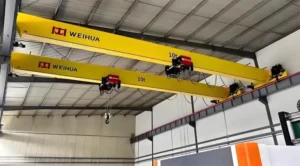
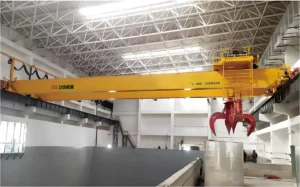
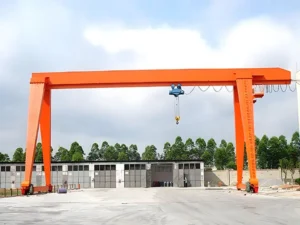
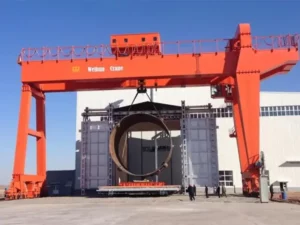


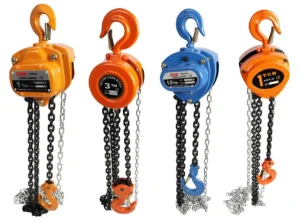
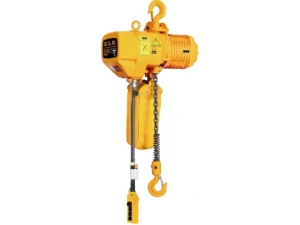
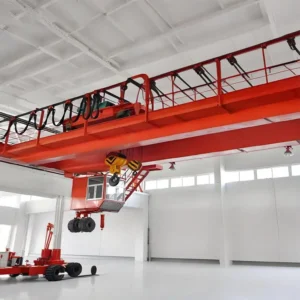
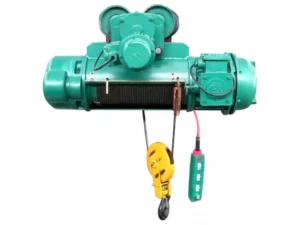
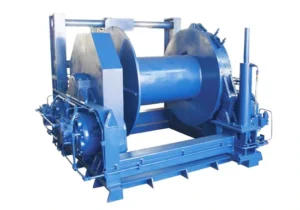






Choosing between a wire rope hoist and a chain hoist comes down to three numbers most buyers overlook: load capacity threshold, daily lift cycles, and required lifting height. Get any one wrong and you either overpay for equipment you don’t need — or underspec a hoist that fails months into operation. As a general starting point: electric wire rope hoists suit loads above 5 tons or lift heights beyond 20 meters; electric chain hoists (and manual chain hoists) deliver better value for loads under 5 tons in moderate-duty, indoor settings.
This guide breaks down the real differences — capacity ranges, duty classes, crane compatibility, hidden costs, and certifications — so your procurement team can make a confident, defensible decision.
Table of Contents
Quick-Reference Comparison
| Factor | Wire Rope Hoist | Electric Chain Hoist | Manual Chain Hoist |
|---|---|---|---|
| Typical capacity range | 1–32+ tons | 0.5–20 tons | 0.5–10 tons |
| Lifting height | Up to 48 m | Generally ≤30 m | Generally ≤12 m |
| Duty class (FEM/ISO) | M3–M8 | M3–M5 | M1–M3 |
| Drive type | Electric (drum) | Electric (chain wheel) | Manual (hand chain) |
| True vertical lift | Requires double-reeved system | Standard (single-reeved) | Standard |
| Best for | Heavy, high-cycle, high-height | Light-to-medium, versatile | Infrequent, low-budget |
| Market price reference | $1,500–$20,000+ | $200–$3,000 | $80–$800 |
| Maintenance complexity | Higher (drum, rope guides, sheaves) | Moderate (chain, pocket wheel) | Low |
Get Custom Quotation NowStarting point rule: If your load exceeds 5 tons or your lift height exceeds 20 meters, go wire rope. If both are below those thresholds and your environment is clean and indoor, chain hoist is almost always the better value.
How Each Hoist Works — and Why the Mechanism Matters
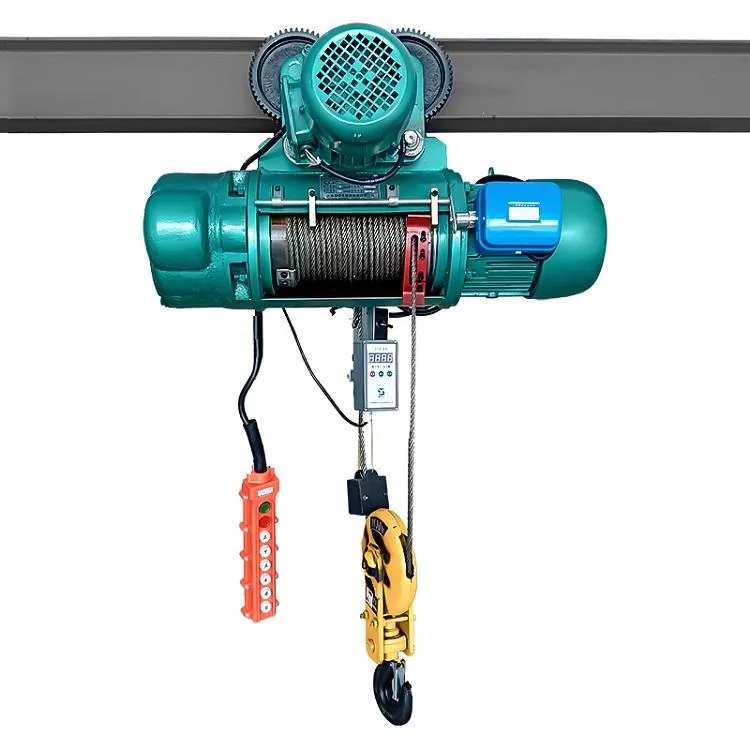
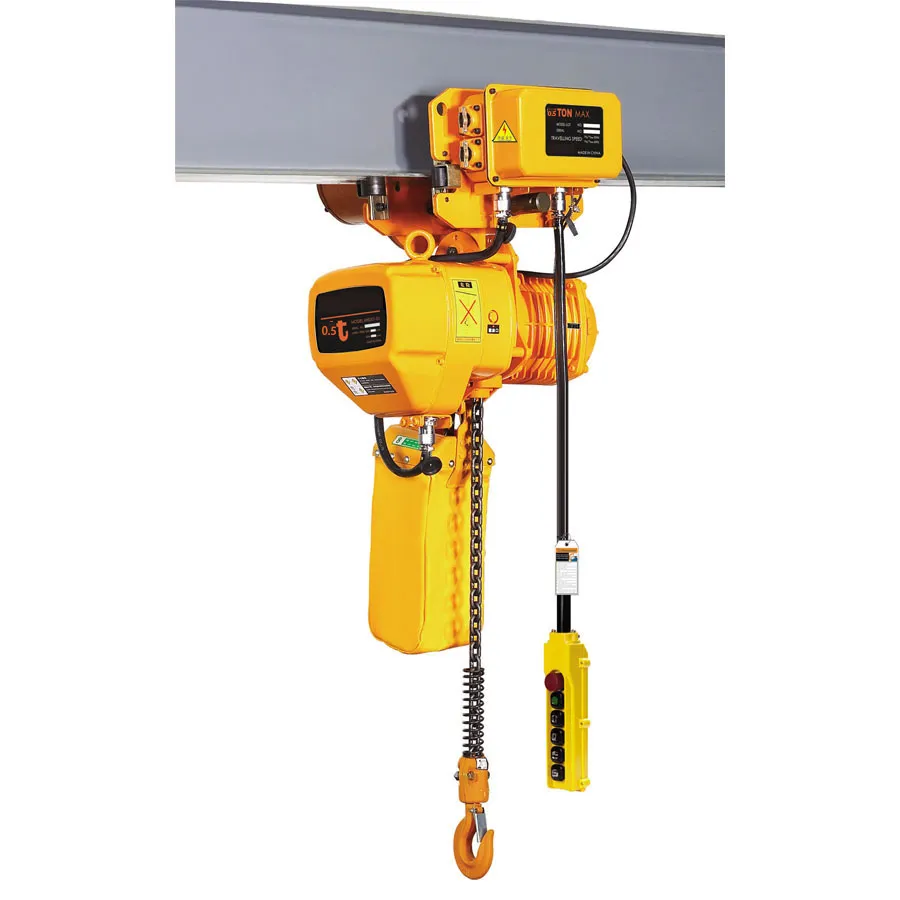

Wire Rope Hoist: Drum-Based, Built for Distance and Load
A wire rope hoist lifts by winding multi-strand steel wire rope around a grooved drum driven by an electric motor. The drum-and-rope system allows for long lifting heights (up to 48 meters in industrial configurations), high load ratings, and the option to add variable-frequency drives (VFDs) for precise speed control — critical in steel mills, shipyards, and production lines where load positioning matters.
The trade-off is mechanical complexity. The rope must seat correctly in the drum grooves on every lift; if it overlaps, twists, or spools unevenly, you risk birdcaging (rope strands separating under tension), premature wear, or a safety hazard requiring rope replacement. This is not a theoretical risk — it is the most common source of unplanned downtime in wire rope hoists, and it is almost always linked to one of two causes: hand-pushed crane travel or infrequent lubrication. More on both in the procurement pitfalls section below.
Wire rope hoists are also available in explosion-proof configurations (with Ex-rated motors and sealed enclosures), making them suitable for petrochemical, mining, and other hazardous environments.
Electric Chain Hoist: Pocket-Wheel Drive, True Vertical Lift by Default
An electric chain hoist engages an alloy-steel load chain through a pocket wheel (sprocket). The chain lifts in a controlled, link-by-link motion that produces genuine vertical lift without drum-induced lateral movement — a meaningful advantage on jib cranes, monorails, and hand-push bridge cranes where the hook is often pulled sideways to position a load.
Because the pocket-wheel mechanism is simpler than a drum assembly, the chain hoist has fewer alignment-sensitive components, smaller spare-parts inventory, and lower labor requirements for routine inspection. The load chain itself is more expensive per meter than wire rope, but typically lasts significantly longer — sometimes 20–30 times longer in light-to-medium duty use — which changes the maintenance cost math considerably over a 5-to-10-year service horizon.
For clean-room, food-processing, or pharmaceutical environments, the enclosed body of an electric chain hoist also makes contamination control easier than a wire rope hoist’s open drum.
Manual Chain Hoist: No Power, Maximum Portability
A manual chain hoist operates entirely by hand-chain pulling, with no motor or power supply required. This makes it the right choice for infrequent lifts, remote worksites, emergency maintenance, and facilities with no suitable power infrastructure near the lift point. Capacity typically ranges from 0.5 to 10 tons, and lifting heights are limited to the chain length in the bag — usually 3 to 12 meters standard, extendable on order.
The operating cost is near zero; the trade-off is labor intensity and low lift speed. Manual chain hoists are not suitable for production-line applications with repeated daily cycles.
The Decision Framework: 5 Parameters That Actually Determine the Right Choice
1. Load Capacity and Duty Class — Not Just the Tonnage Number
The single most common procurement mistake is specifying by load capacity alone and ignoring duty class. A hoist rated at 5 tons in FEM class M2 (light duty, infrequent use) will fail prematurely on a production line that cycles 40 times per day — even if no single lift ever exceeds 4 tons. The rating system exists precisely because wear accumulates through cycles, not just through peak load.
FEM/ISO duty classes for hoists typically run from M1 (very light, infrequent) through M8 (continuous heavy industrial). As a practical guide:
- M1–M2: Maintenance and repair shops, infrequent manual lifts → Manual chain hoist
- M3–M4: Assembly lines, warehouses, moderate daily cycles → Electric chain hoist
- M5–M6: Production lines with high daily cycle counts, steel fabrication → Wire rope hoist or high-duty electric chain hoist
- M7–M8: Steel mills, foundries, 24-hour continuous operation → Wire rope hoist (heavy-duty configuration)
Before specifying, estimate your average daily lifts and average load as a percentage of rated capacity. These two numbers, fed into the FEM 1.001 classification table, will tell you the correct duty class — and that class should be the first thing you confirm with your supplier, not the last.
2. Lifting Height — Where Wire Rope Pulls Away
Chain hoists are unsuitable for lifting heights exceeding 20 meters for two reasons: the accumulated weight of the chain requires storage in a container—increasing bulk and destabilizing the center of gravity—and the elongation of a long chain compromises positioning accuracy. In contrast, wire rope hoists can handle lifting heights of 30 or even 48 meters without these limitations, making them the preferred choice for tall industrial plants, mines, hydroelectric power stations, and high-rise warehousing facilities.
If your lift height is under 15 meters and your load is under 5 tons, the chain hoist’s simpler reeving gives you true vertical lift with less equipment.
3. Crane Type Compatibility — The Rule Most Buyers Find Out Too Late
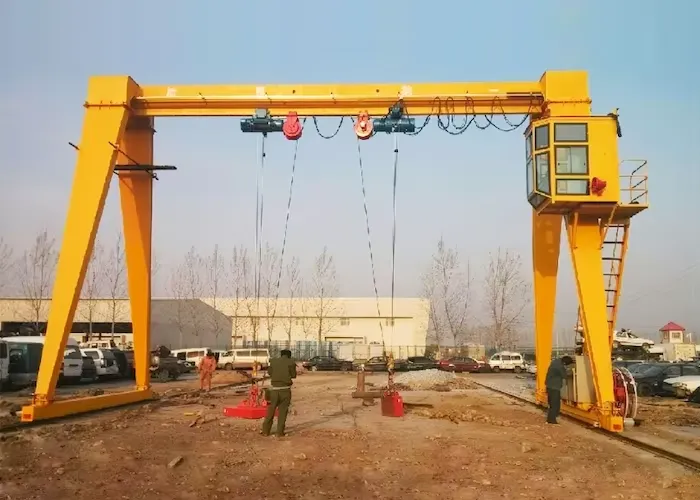
Wire rope hoists should not be used on hand-pushed cranes — including hand-push bridge cranes, manually traversed jib cranes, hoist single girder gantry cranes, and small manually operated gantry cranes. The reason is mechanical: when an operator pulls the load sideways to traverse the hoist, lateral force is applied to the wire rope on the drum. Over time, this unseats the rope from its grooves, damages the rope guide, and creates an accelerating failure risk.
Electric chain hoists, by contrast, handle lateral pull naturally — the chain container flexes, and the pocket-wheel mechanism is not sensitive to off-axis forces in the same way. If your crane system is hand-pushed, specify a chain hoist regardless of load.
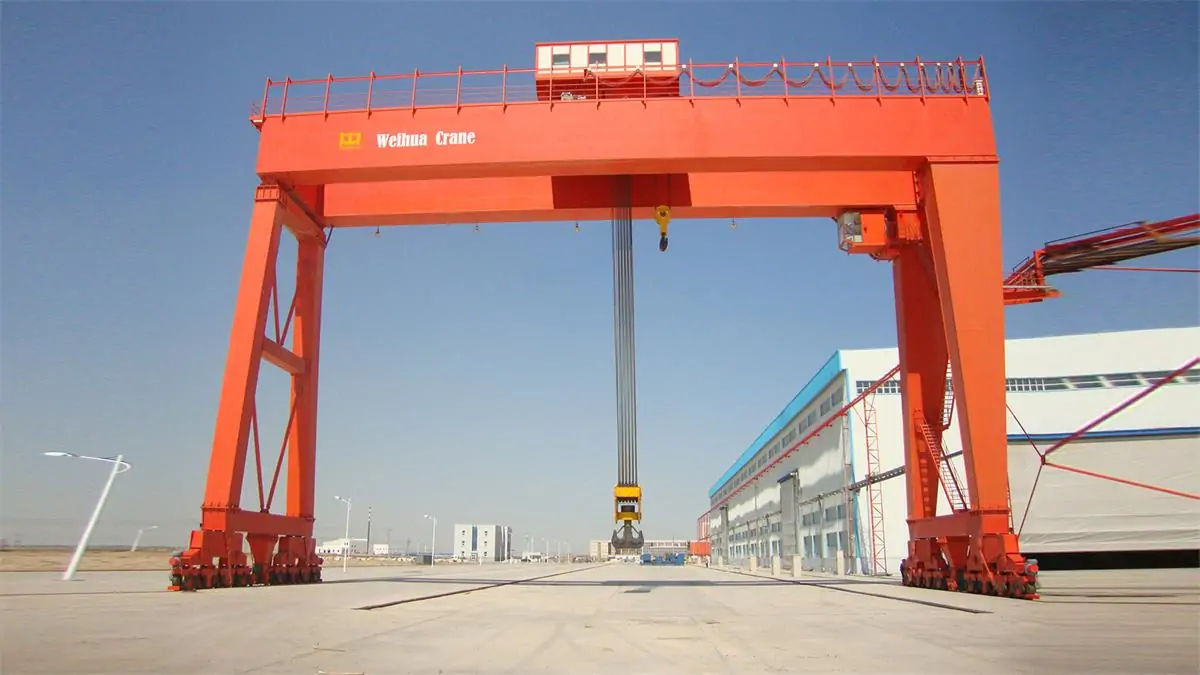
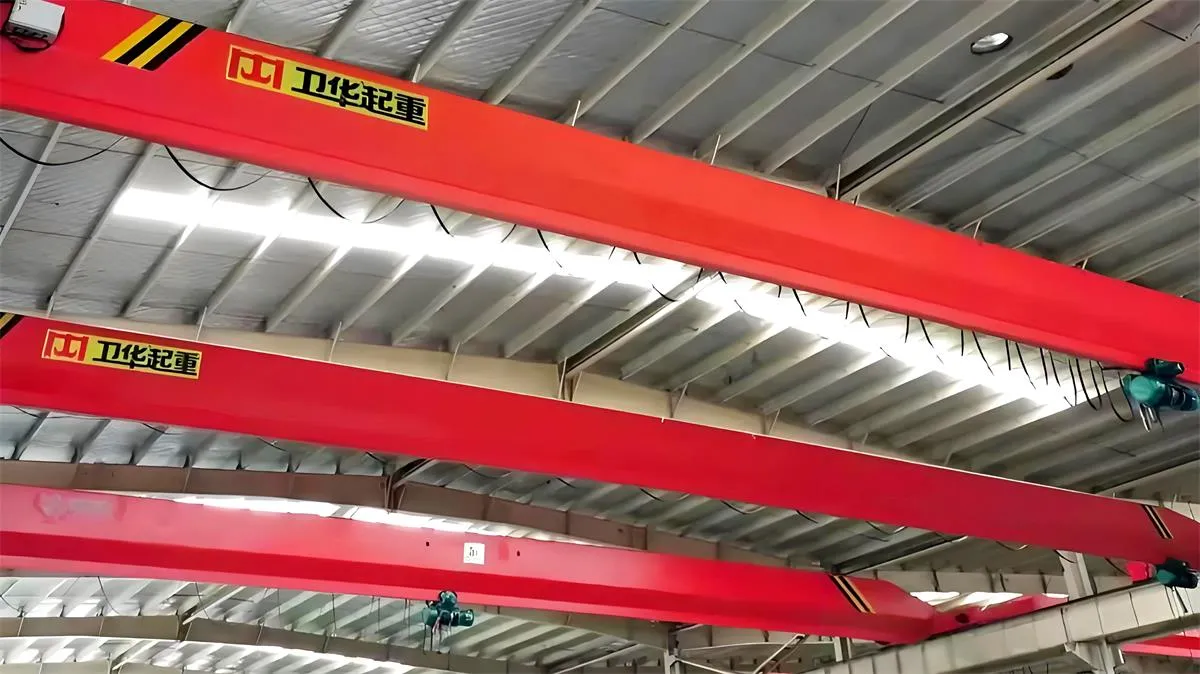
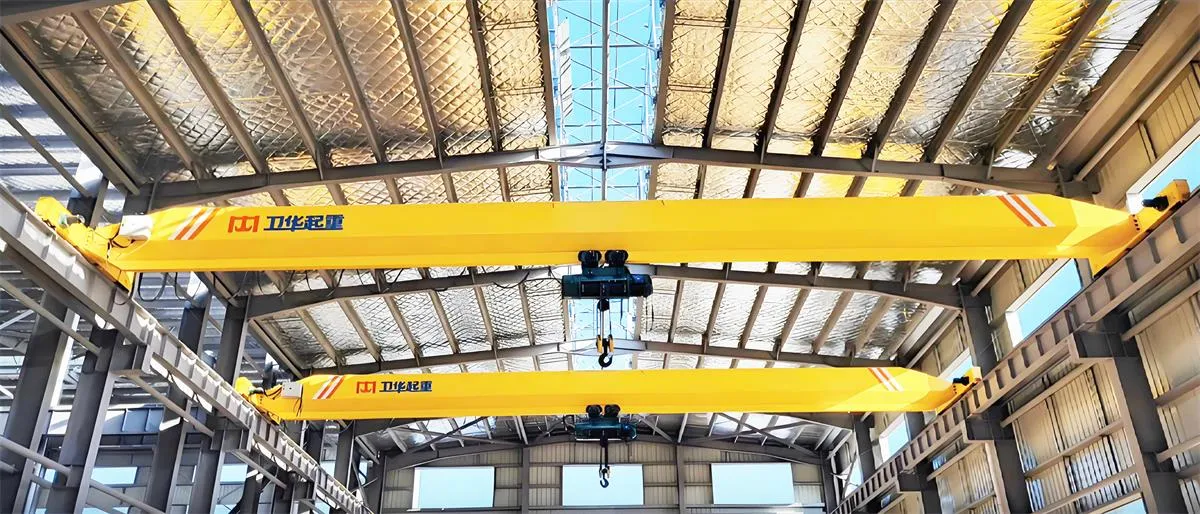
Conversely, on motorized double-girder overhead cranes, EOT cranes with motorized long travel, and gantry cranes running on rails, wire rope hoists are fully compatible and offer the capacity and speed advantages that justify their cost.
4. Environment — Temperature, Contamination, and Hazardous Areas
Standard electric chain hoists and wire rope hoists are rated for typical industrial environments (indoor, ambient temperature, moderate dust). For non-standard environments:
- High-temperature (steel mills, foundries above 60°C ambient): Wire rope hoist with appropriate motor insulation class and thermal protection
- Outdoor / corrosive (shipyards, coastal facilities, chemical plants): Wire rope hoist with galvanized rope and IP55+ enclosure, or chain hoist with stainless-steel chain on request
- Explosive atmosphere (petrochemical, grain storage, paint shops): Explosion-proof wire rope hoist (Ex-rated motor, ATEX/IECEx classification required) — standard hoists must not be used
- Clean-room / food / pharma: Electric chain hoist with enclosed body; verify no open grease points in the lifting path
5. Total Cost of Ownership — The Number That Changes the Decision
The upfront price difference between a chain hoist and wire rope hoist understates the real gap. A 2-ton electric chain hoist might run $400–$800; a wire rope hoist at the same rated capacity typically costs $1,500–$4,000+. That gap feels decisive until you account for the full ownership picture over five years.
Key factors that shift the math:
- Rope replacement: Wire rope must be replaced when broken wire counts exceed limits defined by EN 12385 or ISO 4309. In high-cycle applications, rope life can be as short as 12–18 months. Each replacement includes labor, realignment, and downtime — costs that are rarely in the initial budget.
- Chain longevity: A quality alloy-steel load chain in moderate duty typically outlasts multiple rope replacement cycles at the same load and frequency, reducing consumable cost.
- Maintenance labor: Wire rope hoist inspections require checking rope condition, drum groove wear, rope guide alignment, and sheave condition — more skilled labor than chain-hoist inspection.
- Downtime risk: Rope birdcaging or drum misalignment can ground a production line immediately. Chain failures generally give earlier warning signs (elongation, visible wear) and are faster to diagnose.
For light-to-medium duty applications (under 5 tons, under 30 cycles/day), the 5-year total cost of ownership often favors the electric chain hoist even when the wire rope hoist’s upfront price is competitive.
Certifications and Compliance — What to Demand Before You Sign
Certifications are a hard procurement gate, not a nice-to-have. A hoist without proper documentation can be held at customs, void your facility’s insurance coverage, or fail a third-party safety audit. Yet certification verification is the step most frequently skipped in hoist procurement — often because buyers assume the supplier has handled it.
What Documentation to Request
For any hoist intended for export markets, request these documents in writing before placing an order:
- CE Declaration of Conformity (EU and many other markets): Confirms the equipment was designed and manufactured in compliance with the EU Machinery Directive 2006/42/EC. The declaration must name the specific product, the applicable directives, and the authorized signatory — a generic letter is not sufficient.
- Overload test certificate: Standard practice is a static load test at 125% of rated capacity (per EN 14492-2 or equivalent). Request the actual test report, not just a statement that testing was performed.
- ISO 9001 quality management certificate for the manufacturing facility: This covers the production process, not the individual product, but is a meaningful indicator of consistent manufacturing quality.
- FEM duty class documentation: Confirms the hoist was designed and classified under FEM 1.001 rules for the stated duty class — this is the document that validates the M-class claim on the nameplate.
- For explosion-proof models: ATEX certificate (EU) or IECEx certificate, specifying the equipment group, category, and temperature class.
- For EAC markets (Russia, Kazakhstan, Belarus, and other Eurasian Customs Union members): EAC TR CU 010/2011 declaration of conformity for machinery.
Why Verbal Assurances Are Not Enough
A supplier who says “we meet CE requirements” without providing a signed EC Declaration of Conformity is not CE-certified. The declaration is a legal document; the claim is not. In practice, the absence of documentation most commonly appears in one of two scenarios: the manufacturer never obtained the certification, or the certification applies to a base model that differs from the configuration you ordered. Request documents for your specific configuration, not the standard model.
Request all certification documents before payment, not at shipment. Replacing or re-certifying a non-compliant hoist after arrival is significantly more expensive than qualifying a compliant supplier at the start.
Get Custom Quotation Now
Common Procurement Pitfalls — What Buyers Get Wrong
Pitfall 1: Matching Tonnage to the Hoist, Not the Crane
Buyers often select a hoist by load capacity and then fit it to whatever crane structure is available. The correct sequence is the opposite: start with the crane type, beam profile, and trolley compatibility, then select a hoist that fits that system. A wire rope hoist on a beam flange that’s too narrow for the trolley wheel gauge will require custom adaptation that costs more than specifying correctly from the start.
Pitfall 2: Ignoring Duty Class Until the Hoist Fails
The most expensive version of this mistake is buying a light-duty hoist for a medium-duty application because the light-duty unit was cheaper and “the rated capacity is the same.” Duty class determines component sizing across the entire drivetrain — motor, gearbox, brake, drum or pocket wheel. Running a light-duty hoist in a medium-duty cycle compresses the service life from years to months and can void the warranty.
Pitfall 3: Assuming a Low Quoted Price Includes Everything
Wire rope hoist quotations from unfamiliar suppliers sometimes exclude the trolley, control pendant, festoon cable system, or rope reeving labor. A $2,000 hoist that requires $1,500 in accessories and $800 in installation is a $4,300 purchase — which may or may not still be the right decision, but should be evaluated on the real number.
Conclusion
The wire rope hoist vs chain hoist decision is not about which product is better — it is about which product fits your specific load, cycle count, lift height, crane type, and environment. Wire rope hoists handle what chain hoists cannot: loads above 5 tons, heights above 20 meters, and continuous heavy-duty cycling. Electric chain hoists deliver better value for light-to-medium applications, especially on hand-pushed crane systems and in environments where contamination control matters. Manual chain hoists remain the right answer where power is unavailable or lifts are genuinely infrequent.
Before finalizing any hoist order: confirm the FEM duty class against your actual daily cycle count, verify the trolley compatibility with your beam profile, and request the full certification package in writing.
Weihua supplies both electric wire rope hoists and electric and manual chain hoists to factories and engineering teams in over 120 countries. Contact our team to confirm specifications, get a factory-direct price reference, and receive certification documentation for your target market.

FAQ
Q1: What is the main difference between a wire rope hoist and a chain hoist?
A wire rope hoist winds steel cable around a motorized drum and suits loads above 5 tons or lift heights above 20 meters. A chain hoist engages an alloy-steel chain through a pocket wheel and delivers true vertical lift at lower cost for loads under 5 tons. The right choice depends on capacity, duty class, lift height, and crane type — not on price alone.
Q2: Can I use a wire rope hoist on a hand-push jib crane or monorail?
No — this is one of the most common misapplication errors. When an operator pulls a load laterally to traverse a hand-pushed crane, the side force unseats the wire rope from the drum grooves and damages the rope guide. Electric chain hoists are the correct choice for all hand-pushed crane systems, regardless of load weight.
Q3: How much does an electric wire rope hoist cost compared to a chain hoist?
As a market reference, electric chain hoists typically range from $200 to $3,000 depending on capacity and configuration; electric wire rope hoists generally range from $1,500 to $20,000+. The gap narrows in total-cost-of-ownership terms over five years when rope replacement cycles and maintenance labor are included — which means the wire rope hoist is not always more expensive long-term in high-duty applications.
Q4: What certifications should I require for an imported hoist?
At minimum, request: CE Declaration of Conformity (EU Machinery Directive 2006/42/EC), overload test certificate (static test at 125% rated capacity), ISO 9001 certificate for the manufacturing facility, and FEM duty-class documentation. For EAC markets, add the EAC TR CU 010/2011 declaration. For explosive environments, require ATEX or IECEx certification. Always request documents for your specific configuration, not the standard model.
Q5: How do I determine the correct duty class for my application?
Estimate your average daily lift cycles and the average load as a percentage of rated capacity. Feed both figures into the FEM 1.001 classification table (or ask your supplier to do this). As a starting guide: under 10 cycles/day at light loads → M2–M3; 10–50 cycles/day at moderate loads → M4–M5; above 50 cycles/day or near full rated load → M6 or higher. A hoist operating above its duty class will fail prematurely regardless of whether individual lifts stay within the rated capacity.