مدونة

Steel Mill Crane

Steel Mill Crane Selection Guide: Types, Applications, and How to Choose

06 Jul 2026

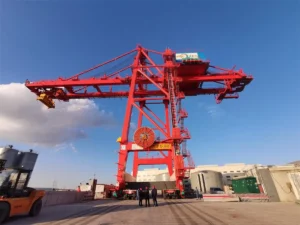
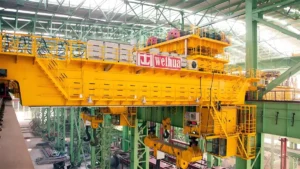
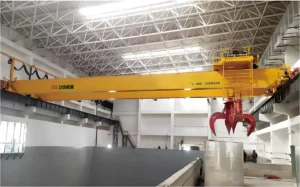
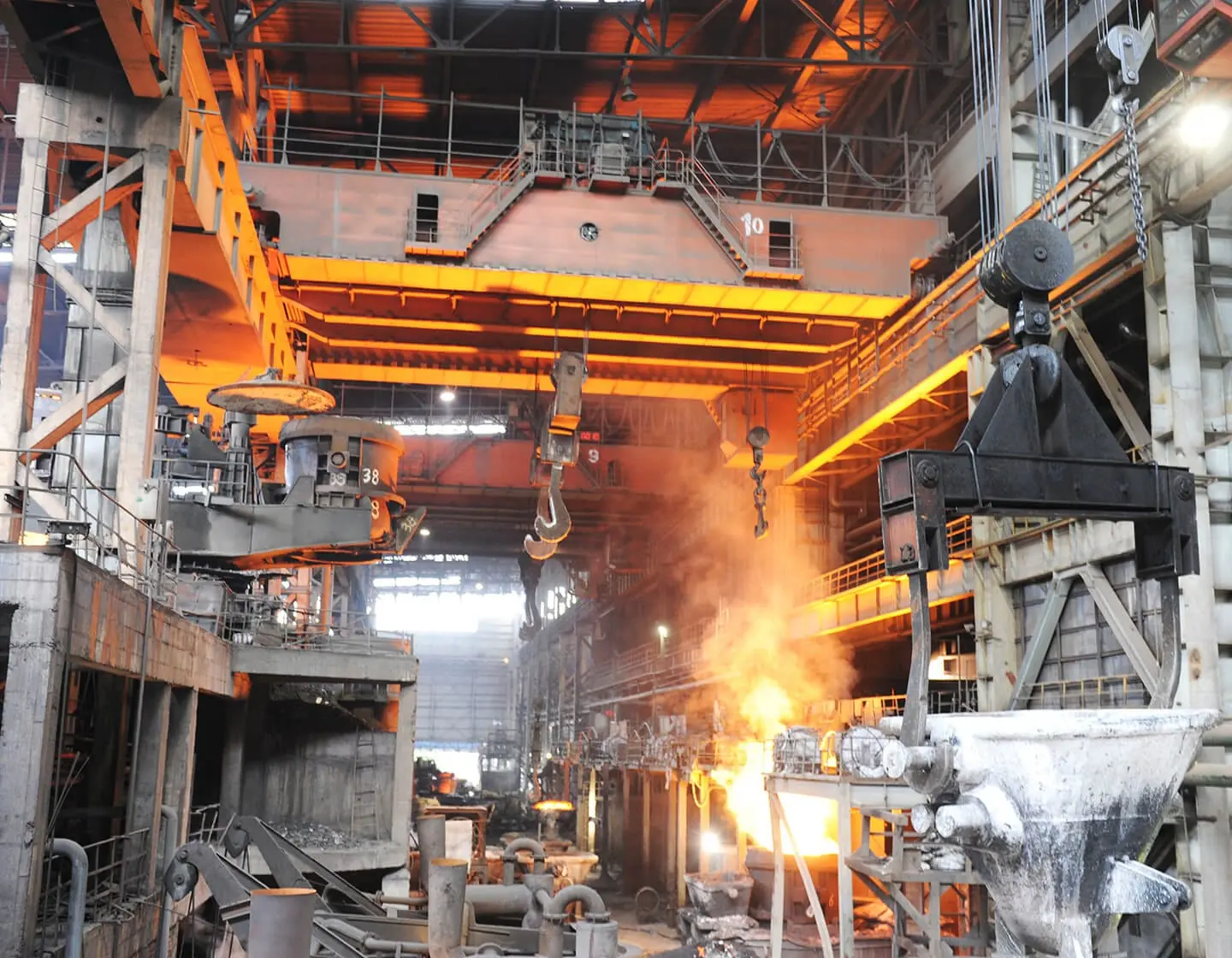
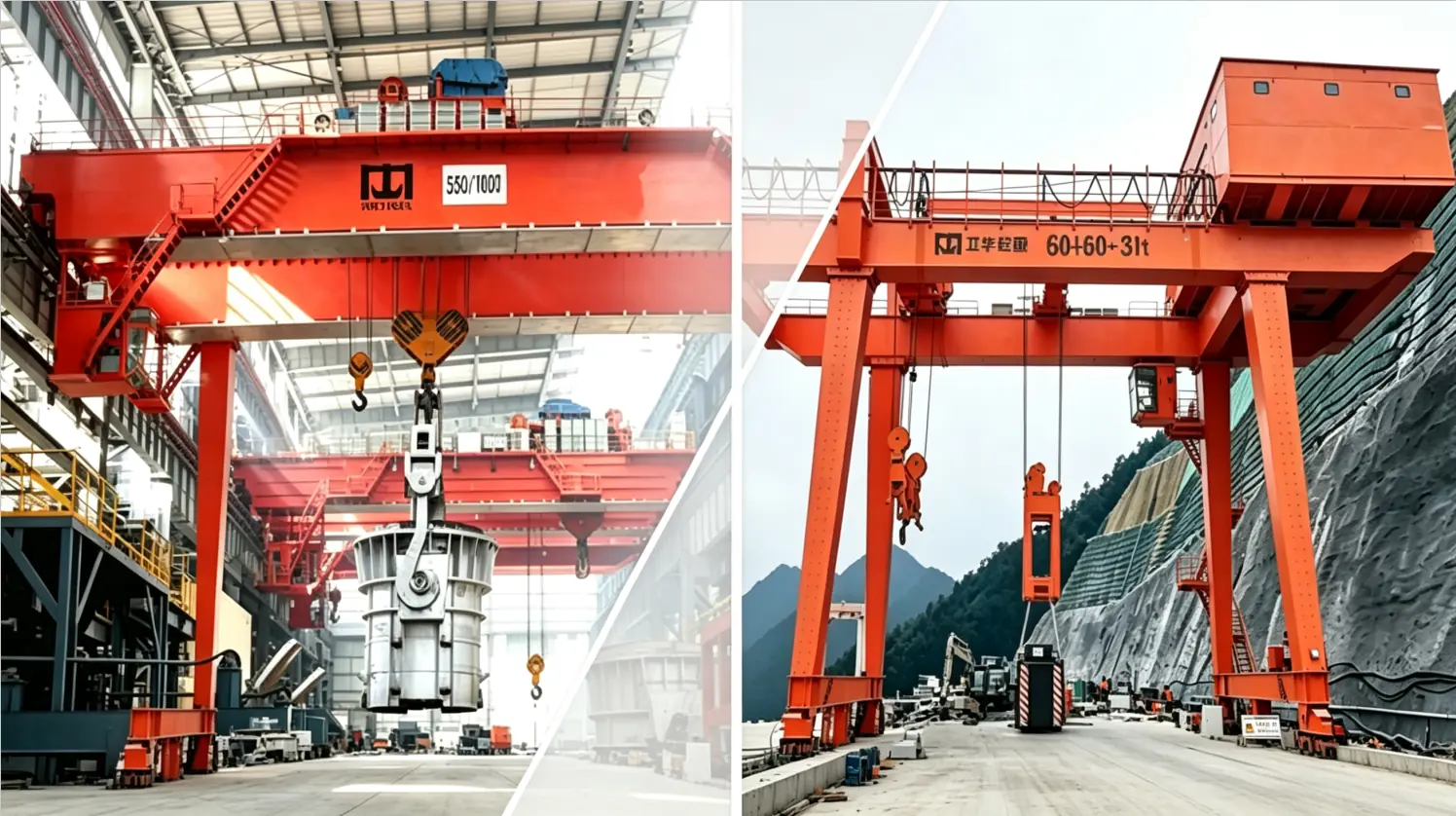
Choosing the right crane is critical for steel mills where heavy loads, high temperatures, and continuous operation are common. This steel mill crane selection guide explains the main crane types used in steel production, including ladle cranes, charging cranes, overhead cranes, and electromagnetic cranes. It also covers key selection factors such as lifting capacity, duty class, operating environment, safety requirements, and customization options to help steel manufacturers choose the right lifting solution.

رافعة جسرية من النوع الجمالوني مزدوجة العارضة

Truss Gantry Crane: Structure, Types & Buying Guide for Industrial Yards

10 Jul 2026

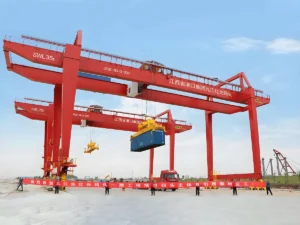
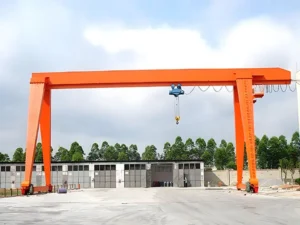
A procurement manager at a steel yard once asked us why their newly installed box girder crane kept triggering the anemometer and halting operations — the site was coastal, open on three sides, and nobody had accounted for wind load during the spec phase. That single oversight added months of downtime and a costly retrofit. If your yard faces similar conditions — long spans, outdoor exposure, heavy loads — a truss gantry crane is likely the right starting point. The question is which configuration, at what capacity, and what to verify before you sign a purchase order. This guide covers exactly that: how truss gantry cranes work, how to choose between single and double girder configurations based on your actual lifting requirements, what to budget, and what certification documents to request before shipment. Truss Gantry Crane: Quick Reference Parameter Single Girder Truss (MH Type) Double Girder Truss (A Type) Lifting Capacity 5 / 10 / 16 tons 120–300 tons Span 14–30 m Up to 40 m Lifting Height 6 m / 9 m 12 m (customizable) Working Duty A3 A3…

رافعة شبه جسرية مزدوجة العارضة

What Is a Semi Gantry Crane? Types, Working Principle & Selection Guide

09 Jul 2026

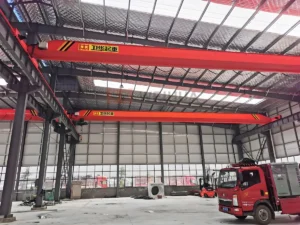
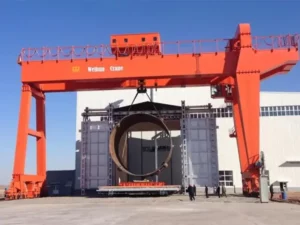
Picture a factory floor where one side of the building has a solid steel column line, but the other side opens to an outdoor yard — or was simply never reinforced for overhead runway loads. An overhead crane needs two runway structures. A full gantry crane needs two independent leg foundations. Neither fits the site cleanly, and the civil engineering cost of forcing either option in can dwarf the crane itself. A semi gantry crane solves exactly this problem. One end of the bridge travels on a ground-level rail via a floor-mounted leg; the other end runs directly on an existing building beam, with no leg and no added foundation on that side. The result is a crane that covers the full working bay while the building carries half the structural load it was already designed to carry. This guide covers what a semi gantry crane actually is, how it works, the main configurations available from Weihua, and — most usefully — a practical decision framework for figuring out whether it fits your site or whether an overhead crane or…

Underslung Eot Crane

Underslung Overhead Crane: Types, Specs & How to Choose

01 Jul 2026

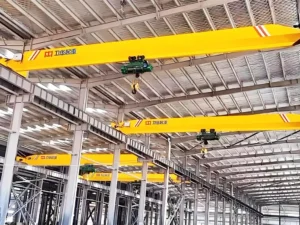
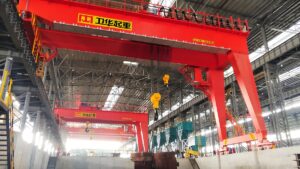
You’re equipping a workshop with an 8-meter eave height and a steel-frame roof structure. An overhead crane seems straightforward — until the structural engineer hands back the load assessment and tells you the roof trusses won’t carry a top-running system without reinforcement work that adds months and budget you don’t have. That’s the scenario where most procurement managers first encounter the underslung overhead crane: a system whose end trucks run on the bottom flange of existing structural beams rather than on top of dedicated runway rails, removing the need for support columns or structural upgrades in many retrofit situations. Underslung cranes won’t handle every application. For loads within 0.5–20 tons in facilities with limited headroom or existing beam structures, though, they deliver the same core lifting function at significantly lower installation cost and a shorter commissioning timeline. The market reference range for Weihua’s configurations runs from approximately $3,500 for a basic single-girder unit up to $45,000+ for a heavy-spec double-girder system. This guide covers Weihua’s underslung overhead travelling crane range — single-girder and double-girder variants, key specifications, headroom requirements, and…

الفرق بين رافعة الجسر المتحركة ورافعة الجسر المتحركة

ما الفرق بين رافعة الجسر المتحركة ورافعة الجسر المتحركة؟

07 Jul 2026

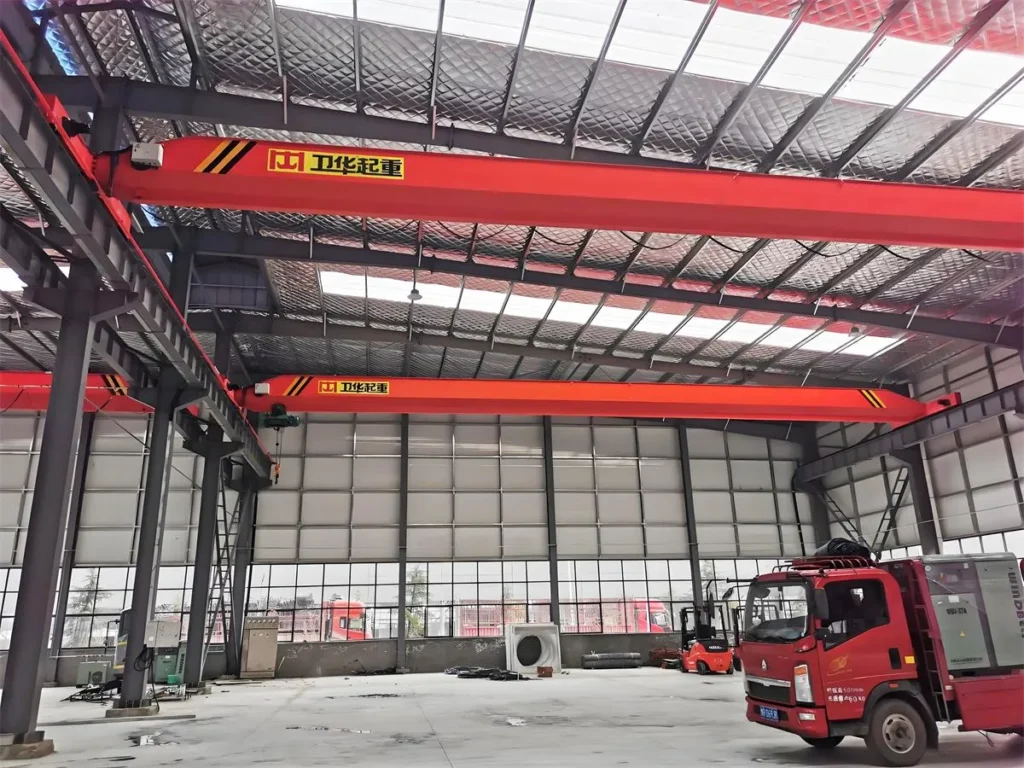
EOT crane and gantry crane are two common industrial lifting solutions used for heavy material handling. Although both cranes move loads horizontally and vertically, they differ in structure, installation method, working environment, and applications. This article explains the key differences between EOT crane and gantry crane to help you select the right lifting equipment for your operation.

رافعة مقاومة للانفجار لمصنع كيماويات

رافعة علوية مقاومة للانفجار: دليل شامل للمشتري

07 Jul 2026

If your facility handles flammable gases, chemical vapors, or combustible dust, a standard overhead crane is not a safe option — it is a regulatory liability. An explosion proof overhead crane eliminates the electrical ignition sources that could trigger a catastrophic event in Zone 1/Zone 2 (ATEX/IECEx) or Class I/II Division 1/2 (NEC) environments. The market reference price ranges from roughly $18,000 for a 5-ton single girder unit to $280,000+ for a heavy-duty 100-ton double girder system with full ATEX/IECEx certification, depending on gas group, duty class, and span. The most common mistake buyers make is treating explosion-proof certification as a single checkbox. In practice, matching the crane’s explosion protection level to your site’s specific gas group (IIA, IIB, or IIC) and temperature class (T1–T6) is what determines whether the equipment is legally compliant and operationally safe — and the gap between getting this right versus wrong can mean the difference between a cleared permit and a complete rework at delivery. This guide covers the four main crane types, how to read explosion-proof ratings, what specifications to confirm, how to…

Wire Rope Hoist vs Chain Hoist

Wire Rope Hoist vs Chain Hoist: Which One Is Right for Your Lifting Job?

27 Jun 2026

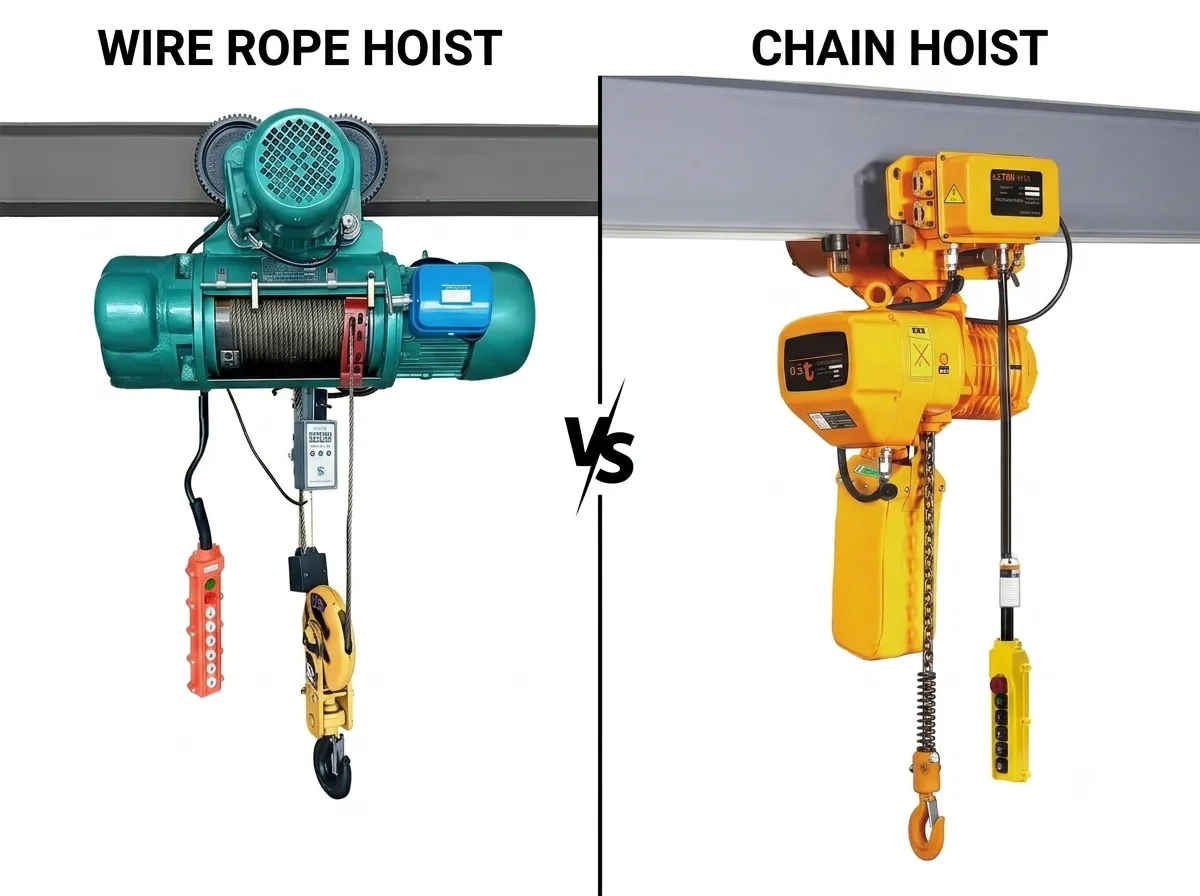
Choosing between a wire rope hoist and a chain hoist comes down to three numbers most buyers overlook: load capacity threshold, daily lift cycles, and required lifting height. Get any one wrong and you either overpay for equipment you don’t need — or underspec a hoist that fails months into operation. As a general starting point: electric wire rope hoists suit loads above 5 tons or lift heights beyond 20 meters; electric chain hoists (and manual chain hoists) deliver better value for loads under 5 tons in moderate-duty, indoor settings. This guide breaks down the real differences — capacity ranges, duty classes, crane compatibility, hidden costs, and certifications — so your procurement team can make a confident, defensible decision. Quick-Reference Comparison Factor Wire Rope Hoist Electric Chain Hoist Manual Chain Hoist Typical capacity range 1–32+ tons 0.5–20 tons 0.5–10 tons Lifting height Up to 48 m Generally ≤30 m Generally ≤12 m Duty class (FEM/ISO) M3–M8 M3–M5 M1–M3 Drive type Electric (drum) Electric (chain wheel) Manual (hand chain) True vertical lift Requires double-reeved system Standard (single-reeved) Standard Best for Heavy,…

كم عدد أنواع رافعات الجسر المتحركة؟

كم عدد أنواع رافعات الجسر المتحركة؟

25 يونيو 2026

تُصنّف الرافعات العلوية الكهربائية بشكل أساسي إلى أربعة أنواع بناءً على هيكلها واستخداماتها: الرافعات أحادية العارضة، والرافعات ثنائية العارضة، والرافعات المعلقة، والرافعات ذات الأغراض الخاصة. يشرح هذا الدليل كل نوع منها ويساعدك على اختيار الحل الأمثل لقطاعك.

رافعة كهربائية بحبل سلكي أحادية الجسر​

رافعة سلكية كهربائية للبيع: الأسعار، الأنواع، وكيفية اختيار الرافعة المناسبة

24 يونيو 2026

تتراوح أسعار رافعات الأسلاك الكهربائية المعروضة للبيع عادةً بين $800 و$12000+، وذلك حسب السعة (من 0.5 إلى 20 طنًا)، ونظام السرعة (سرعة واحدة أو سرعتين)، وارتفاع الرفع (من 6 إلى 30 مترًا). يختار معظم مشتري المنشآت الصناعية الخفيفة والمتوسطة الحجم الرافعات ضمن نطاق $1200 إلى $4500 لوحدة سعة من 1 إلى 5 أطنان مزودة بعربة أحادية العارضة قياسية. إذا كانت منشأتك تستخدم رافعات علوية وتتعامل مع عمليات رفع متكررة، فإن رافعة الأسلاك هي الخيار الأمثل بلا شك، ولكن نوع الطراز وفئة التشغيل أكثر أهمية مما يدركه معظم المشترين قبل الطلب. يغطي هذا الدليل التسعير حسب السعة، وكيفية الاختيار بين نظامي CD1 (سرعة واحدة) وMD1 (سرعتين)، ومتى تكون رافعة الأسلاك أنسب من رافعة السلسلة الكهربائية، وما هي الشهادات والوثائق المطلوبة قبل توقيع أمر الشراء. دليل مرجعي سريع: مواصفات وأسعار رافعات الأسلاك الكهربائية، السعة، النوع، سرعة الرفع، فئة الخدمة، السعر التقريبي في السوق (بالدولار الأمريكي): 0.5 - 1 طن، CD1 (سرعة واحدة)، 8 م/دقيقة، M3، $800 - $1500؛ 1 - 2 طن، CD1، 8 م/دقيقة، M3، $1200 - $2200؛ 3 - 5 طن، CD1 / MD1، 8 م/دقيقة أو 8/0.8...

رافعة سلسلة كهربائية

الرافعة السلسلية الكهربائية مقابل الرافعة السلسلية اليدوية: أيهما يناسب ورشتك؟

22 يونيو 2026

The answer most buyers need isn’t complicated: if your team lifts loads more than 15–20 times per shift, an electric chain hoist will pay for itself within months. If lifts happen a few times a week — maintenance windows, infrequent positioning — a manual chain hoist is the smarter buy. Where workshops go wrong is applying the wrong logic: buying electric because it “looks more professional,” or choosing manual because the upfront price is lower, without ever calculating how many lifts per day actually justify each option. This guide gives you the parameters and price references to make that call correctly. Once you’ve settled on electric, the next step is matching the right tonnage to your load. See our Electric Chain Hoist (1/2 Ton to 5 Ton) Buying Guide for capacity-specific specs and pricing. Market price reference: Manual chain hoists typically range from $200 to $1,200 for capacities up to 10 tons. Electric chain hoists run $500 to $15,000+ depending on capacity, duty class, and control options. The gap is real — but so is the productivity difference. Quick Reference:…

رافعة كهربائية بحبل سلكي أحادية الجسر​

ما هو الرافعة الكهربائية ذات الحبل السلكي؟ كيف تعمل، أجزاؤها الرئيسية، ومتى تُستخدم؟

22 يونيو 2026

رافعة الحبل السلكي الكهربائية هي آلة رفع تعمل بمحرك كهربائي للف حبل سلكي فولاذي حول أسطوانة، لرفع وخفض الأحمال في المصانع والمستودعات وأنظمة الرافعات. تتميز بقدرتها على التعامل مع سعات رفع أعلى وارتفاعات رفع أكبر من رافعة السلسلة، ولذلك فهي الخيار الأمثل في أي مكان تتطلب فيه الرافعات العلوية نقل الأحمال الثقيلة بكفاءة. بالنسبة لمديري المشتريات ومشرفي المعدات الذين يقيمون خط إنتاج جديدًا أو تحديثًا للرافعة، فإن التحدي الحقيقي لا يكمن في إيجاد رافعة، بل في مطابقة دورة التشغيل ونمط الحمل ومتطلبات الشهادات قبل توقيع أمر الشراء. غالبًا ما تظهر الأخطاء في هذا الشأن لاحقًا على شكل تآكل مبكر، أو محرك ذي قدرة أقل من المطلوب، أو ثغرة في الامتثال لدى الجمارك. يغطي هذا الدليل كيفية عمل رافعة الحبل السلكي الكهربائية، ومكوناتها الرئيسية، وكيف يجب أن تؤثر فئة التشغيل على قرار الاختيار، ومتى تتفوق على رافعة السلسلة الكهربائية، وما هي الشهادات التي يجب تأكيدها كتابيًا قبل الطلب. ما هي رافعة الحبل السلكي الكهربائية؟ رافعة الحبل السلكي الكهربائية هي جهاز رفع يستخدم أسطوانة تعمل بمحرك وسلكًا فولاذيًا...

الأعلى