






Blog

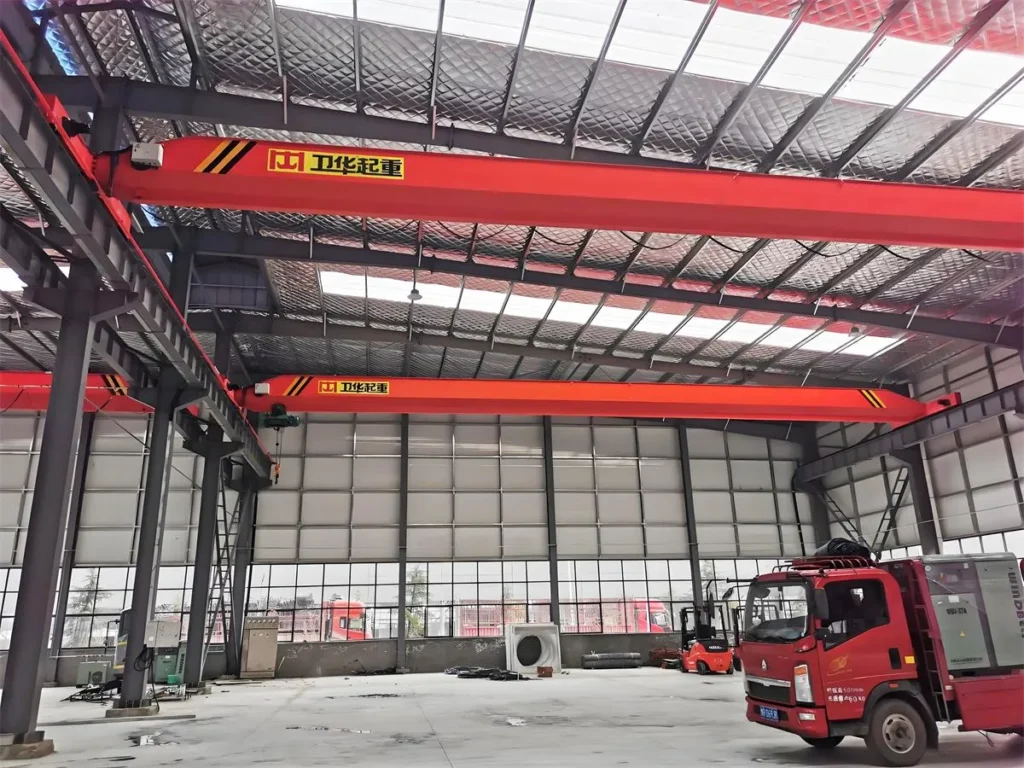
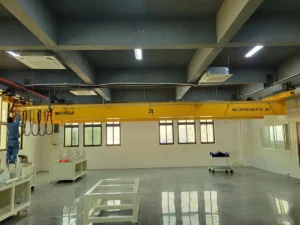
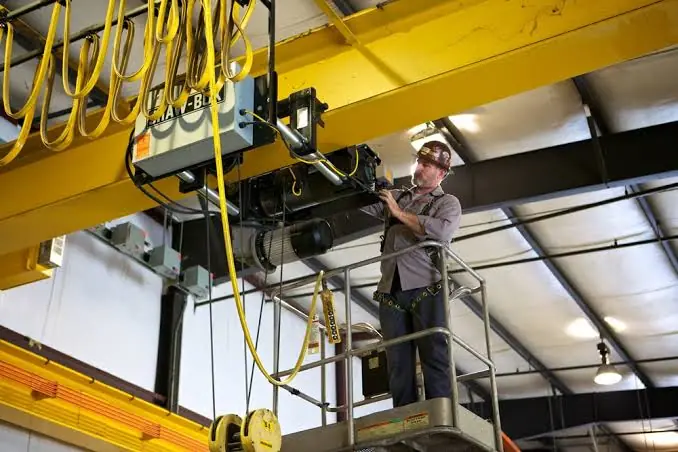
Inspection du pont roulant

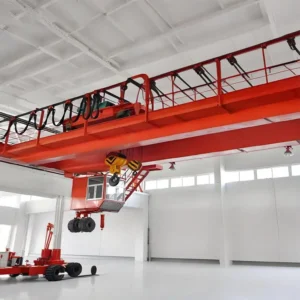
Comment inspecter un pont roulant : Liste de contrôle complète et guide d’entretien

08 juil. 2026

Ce guide explique comment inspecter un pont roulant de manière structurée et pratique, en abordant les intervalles d'inspection, les composants clés, les normes de sécurité et les stratégies de maintenance préventive. Il est destiné aux opérateurs, aux équipes de maintenance et aux responsables d'usine afin de réduire les temps d'arrêt, d'améliorer la sécurité et de garantir la conformité aux réglementations relatives aux opérations de levage industriel.
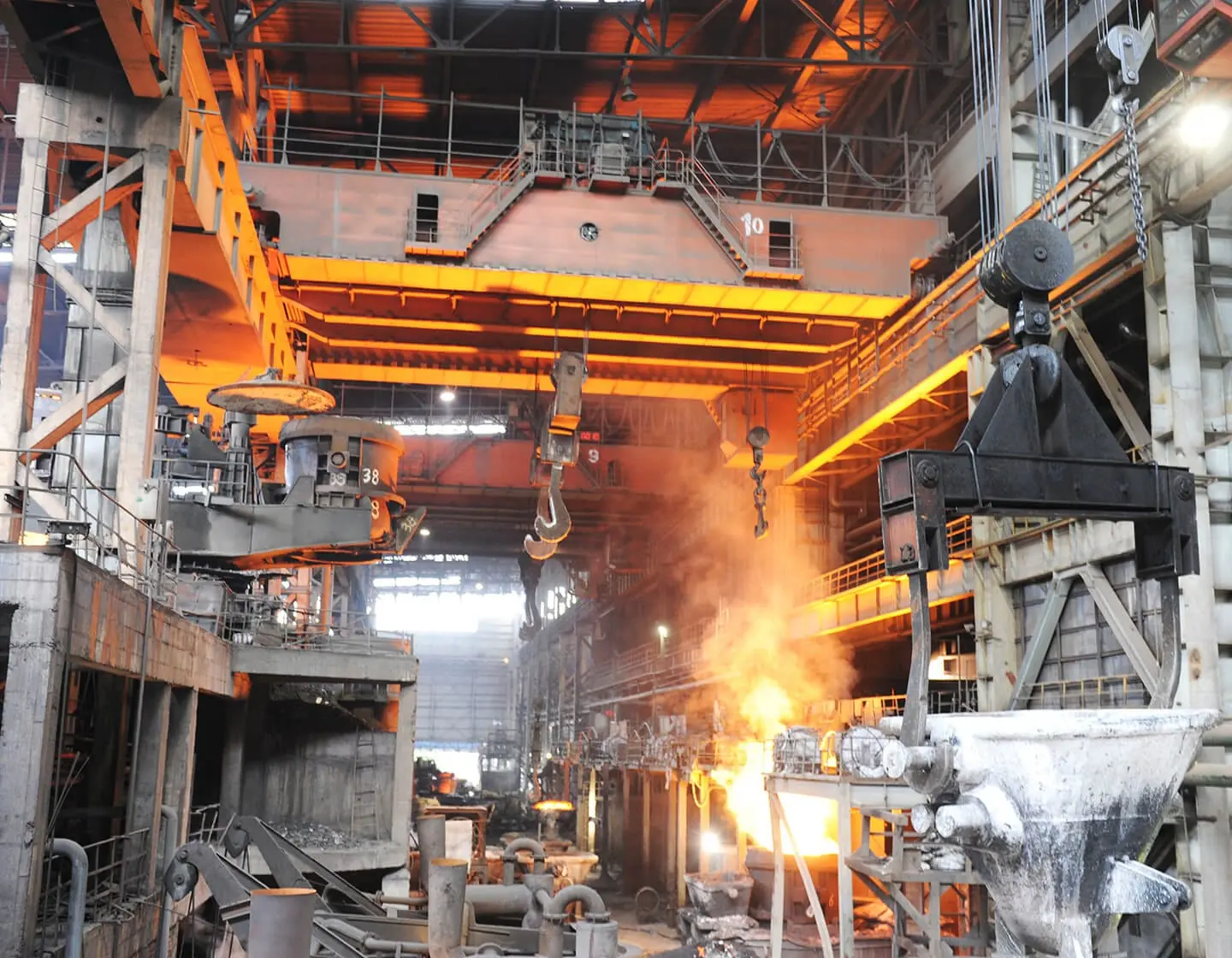
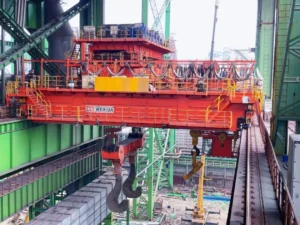
Grue d'aciérie

Guide de sélection des ponts roulants pour aciéries : types, applications et comment choisir

06 juil. 2026

Choisir la grue adaptée est crucial pour les aciéries où les charges lourdes, les hautes températures et le fonctionnement continu sont monnaie courante. Ce guide de sélection des grues pour aciéries présente les principaux types de grues utilisés dans la production d'acier, notamment les grues de poche, les grues de chargement, les ponts roulants et les grues électromagnétiques. Il aborde également les critères de sélection essentiels tels que la capacité de levage, la classe de service, l'environnement d'exploitation, les exigences de sécurité et les options de personnalisation, afin d'aider les aciéries à choisir la solution de levage la plus appropriée.

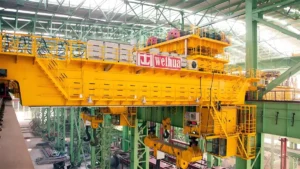
Grue portique à double poutre

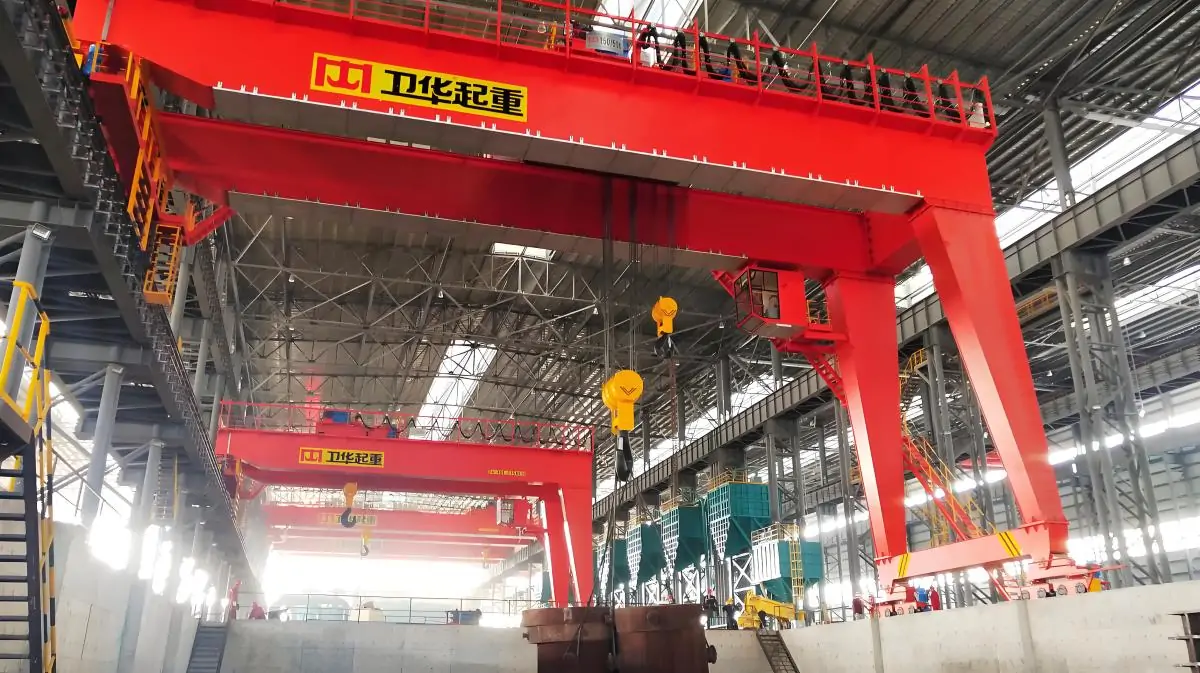
Pont roulant à treillis : structure, types et guide d'achat pour les zones industrielles

10 juillet 2026

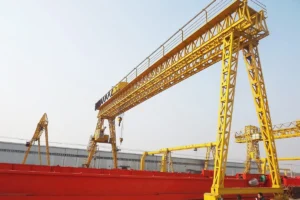
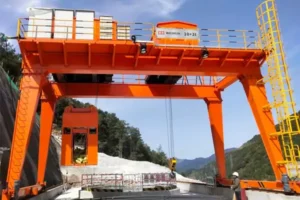
Un responsable des achats d'une aciérie nous a un jour demandé pourquoi leur pont roulant à poutres caissons, récemment installé, déclenchait constamment l'anémomètre et interrompait les opérations. Le site, situé en bord de mer et ouvert sur trois côtés, ne tenait pas compte de la charge du vent lors de la phase de spécification. Cette simple négligence a entraîné des mois d'arrêt de production et une coûteuse mise à niveau. Si votre aciérie présente des conditions similaires (grandes portées, exposition aux intempéries, charges importantes), un portique à treillis est probablement une solution de départ idéale. Reste à savoir quelle configuration choisir, quelle capacité et quels éléments vérifier avant de signer un bon de commande. Ce guide répond précisément à ces questions : fonctionnement des portiques à treillis, choix entre les configurations à poutre simple et double en fonction de vos besoins de levage, budget à prévoir et documents de certification à demander avant l'expédition. Pont roulant à treillis : Paramètres de référence rapide Treillis monopoutre (type MH) Treillis bipoutre (type A) Capacité de levage 5 / 10 / 16 tonnes 120–300 tonnes Portée 14–30 m Jusqu'à 40 m Hauteur de levage 6 m / 9 m 12 m (personnalisable) Service A3 A3…

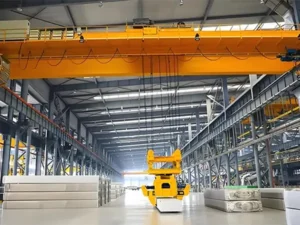
Grue à double poutre semi-portique

What Is a Semi Gantry Crane? Types, Working Principle & Selection Guide

09 Jul 2026

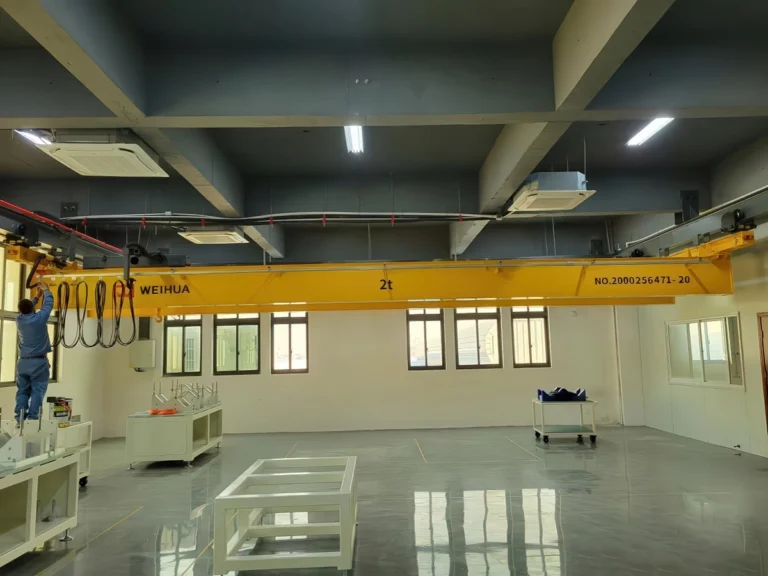
Picture a factory floor where one side of the building has a solid steel column line, but the other side opens to an outdoor yard — or was simply never reinforced for overhead runway loads. An overhead crane needs two runway structures. A full gantry crane needs two independent leg foundations. Neither fits the site cleanly, and the civil engineering cost of forcing either option in can dwarf the crane itself. A semi gantry crane solves exactly this problem. One end of the bridge travels on a ground-level rail via a floor-mounted leg; the other end runs directly on an existing building beam, with no leg and no added foundation on that side. The result is a crane that covers the full working bay while the building carries half the structural load it was already designed to carry. This guide covers what a semi gantry crane actually is, how it works, the main configurations available from Weihua, and — most usefully — a practical decision framework for figuring out whether it fits your site or whether an overhead crane or…

Underslung Eot Crane

Underslung Overhead Crane: Types, Specs & How to Choose

01 Jul 2026

You’re equipping a workshop with an 8-meter eave height and a steel-frame roof structure. An overhead crane seems straightforward — until the structural engineer hands back the load assessment and tells you the roof trusses won’t carry a top-running system without reinforcement work that adds months and budget you don’t have. That’s the scenario where most procurement managers first encounter the underslung overhead crane: a system whose end trucks run on the bottom flange of existing structural beams rather than on top of dedicated runway rails, removing the need for support columns or structural upgrades in many retrofit situations. Underslung cranes won’t handle every application. For loads within 0.5–20 tons in facilities with limited headroom or existing beam structures, though, they deliver the same core lifting function at significantly lower installation cost and a shorter commissioning timeline. The market reference range for Weihua’s configurations runs from approximately $3,500 for a basic single-girder unit up to $45,000+ for a heavy-spec double-girder system. This guide covers Weihua’s underslung overhead travelling crane range — single-girder and double-girder variants, key specifications, headroom requirements, and…

Différence entre un pont roulant et un portique

Quelle est la différence entre un pont roulant et un portique ?

07 juil. 2026

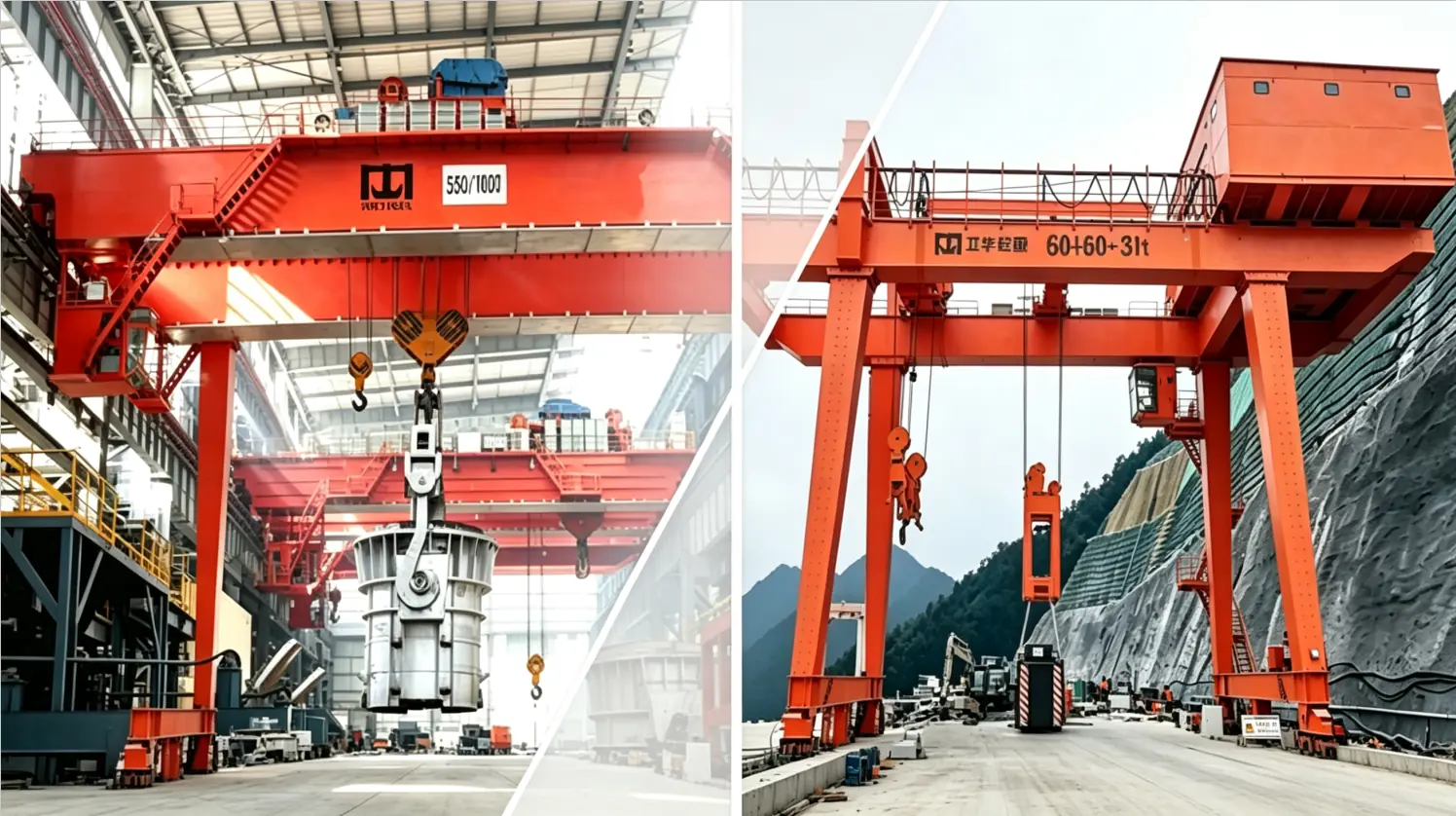
Les ponts roulants et les portiques sont deux solutions de levage industrielles courantes utilisées pour la manutention de charges lourdes. Bien que ces deux types de ponts roulants déplacent des charges horizontalement et verticalement, ils diffèrent par leur structure, leur méthode d'installation, leur environnement de travail et leurs applications. Cet article explique les principales différences entre les ponts roulants et les portiques afin de vous aider à choisir l'équipement de levage le mieux adapté à vos besoins.

Grue antidéflagrante pour usine chimique

Explosion Proof Overhead Crane: Complete Buyer’s Guide

07 juil. 2026

If your facility handles flammable gases, chemical vapors, or combustible dust, a standard overhead crane is not a safe option — it is a regulatory liability. An explosion proof overhead crane eliminates the electrical ignition sources that could trigger a catastrophic event in Zone 1/Zone 2 (ATEX/IECEx) or Class I/II Division 1/2 (NEC) environments. The market reference price ranges from roughly $18,000 for a 5-ton single girder unit to $280,000+ for a heavy-duty 100-ton double girder system with full ATEX/IECEx certification, depending on gas group, duty class, and span. The most common mistake buyers make is treating explosion-proof certification as a single checkbox. In practice, matching the crane’s explosion protection level to your site’s specific gas group (IIA, IIB, or IIC) and temperature class (T1–T6) is what determines whether the equipment is legally compliant and operationally safe — and the gap between getting this right versus wrong can mean the difference between a cleared permit and a complete rework at delivery. This guide covers the four main crane types, how to read explosion-proof ratings, what specifications to confirm, how to…

Wire Rope Hoist vs Chain Hoist

Wire Rope Hoist vs Chain Hoist: Which One Is Right for Your Lifting Job?

27 Jun 2026

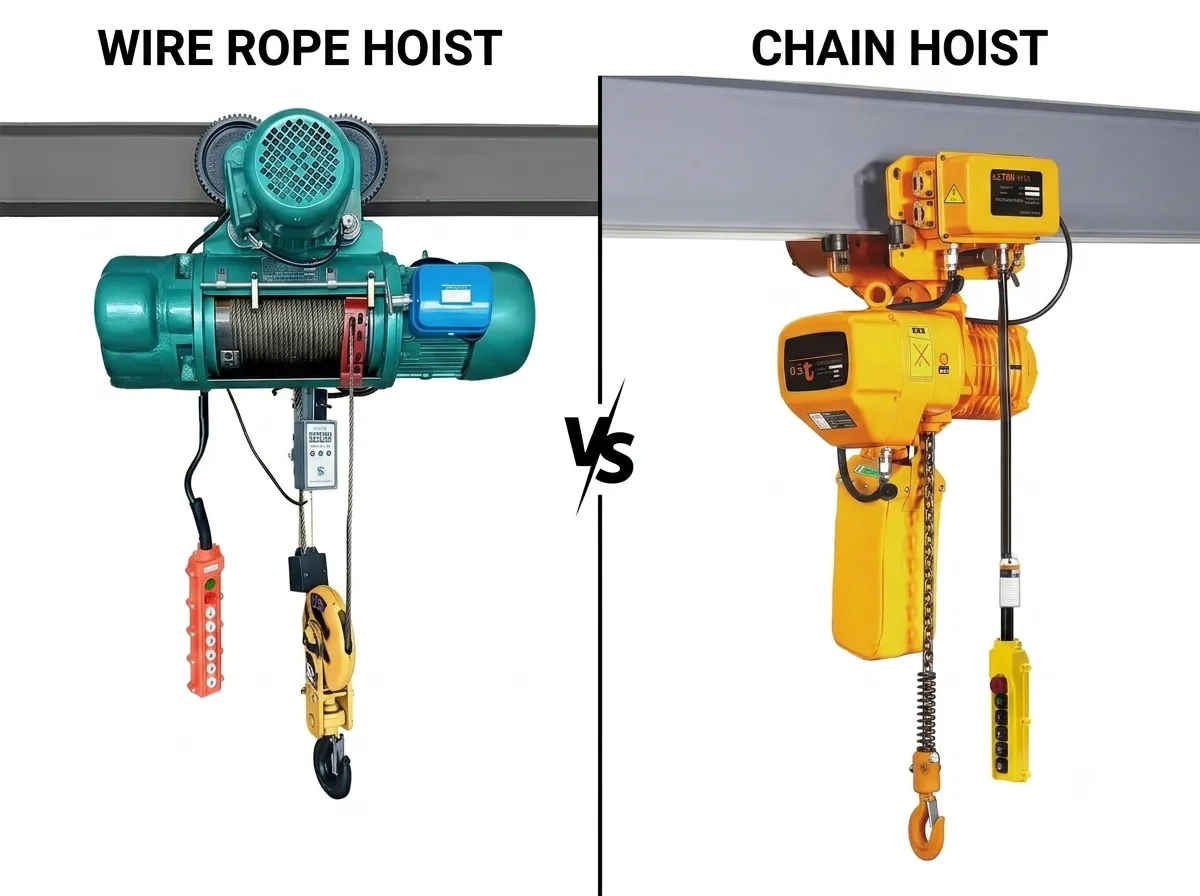
Choosing between a wire rope hoist and a chain hoist comes down to three numbers most buyers overlook: load capacity threshold, daily lift cycles, and required lifting height. Get any one wrong and you either overpay for equipment you don’t need — or underspec a hoist that fails months into operation. As a general starting point: electric wire rope hoists suit loads above 5 tons or lift heights beyond 20 meters; electric chain hoists (and manual chain hoists) deliver better value for loads under 5 tons in moderate-duty, indoor settings. This guide breaks down the real differences — capacity ranges, duty classes, crane compatibility, hidden costs, and certifications — so your procurement team can make a confident, defensible decision. Quick-Reference Comparison Factor Wire Rope Hoist Electric Chain Hoist Manual Chain Hoist Typical capacity range 1–32+ tons 0.5–20 tons 0.5–10 tons Lifting height Up to 48 m Generally ≤30 m Generally ≤12 m Duty class (FEM/ISO) M3–M8 M3–M5 M1–M3 Drive type Electric (drum) Electric (chain wheel) Manual (hand chain) True vertical lift Requires double-reeved system Standard (single-reeved) Standard Best for Heavy,…

Treuil électrique à câble métallique à poutre unique

Electric Wire Rope Hoist for Sale: Pricing, Types & How to Choose the Right One

24 Jun 2026

Electric wire rope hoist for sale typically range from $800 to $12,000+ depending on capacity (0.5–20 tons), speed configuration (single vs. dual speed), and lifting height (6–30 m). Most light-to-medium industrial buyers land in the $1,200–$4,500 band for a 1–5 ton unit with standard single-girder trolley mounting. If your facility runs overhead cranes and handles repetitive lifts, a wire rope hoist is almost certainly the right choice — but the model variant and duty class matter more than most buyers realize before they order. This guide covers pricing by tonnage, how to choose between CD1 (single-speed) and MD1 (dual-speed) configurations, when a wire rope hoist makes more sense than an electric chain hoist, and what certifications and documents to request before you sign a purchase order. Quick Reference: Electric Wire Rope Hoist Specs & Price Guide Capacity Type Lifting Speed Duty Class Typical Market Price (USD) 0.5 – 1 T CD1 (single-speed) 8 m/min M3 $800 – $1,500 1 – 2 T CD1 8 m/min M3 $1,200 – $2,200 3 – 5 T CD1 / MD1 8 m/min or 8/0.8…

Palan à chaîne électrique

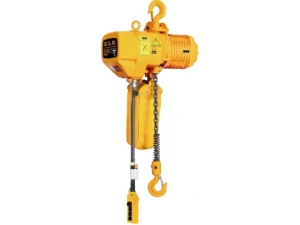
Electric Chain Hoist vs Manual Chain Hoist: Which One Fits Your Workshop?

22 Jun 2026

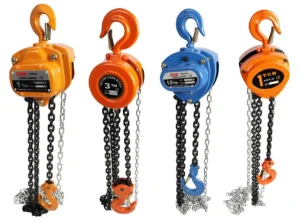
The answer most buyers need isn’t complicated: if your team lifts loads more than 15–20 times per shift, an electric chain hoist will pay for itself within months. If lifts happen a few times a week — maintenance windows, infrequent positioning — a manual chain hoist is the smarter buy. Where workshops go wrong is applying the wrong logic: buying electric because it “looks more professional,” or choosing manual because the upfront price is lower, without ever calculating how many lifts per day actually justify each option. This guide gives you the parameters and price references to make that call correctly. Once you’ve settled on electric, the next step is matching the right tonnage to your load. See our Electric Chain Hoist (1/2 Ton to 5 Ton) Buying Guide for capacity-specific specs and pricing. Market price reference: Manual chain hoists typically range from $200 to $1,200 for capacities up to 10 tons. Electric chain hoists run $500 to $15,000+ depending on capacity, duty class, and control options. The gap is real — but so is the productivity difference. Quick Reference:…

Treuil électrique à câble métallique à poutre unique

What Is an Electric Wire Rope Hoist? How It Works, Key Parts, and When to Use One

22 Jun 2026

An electric wire rope hoist is a powered lifting machine that uses an electric motor to wind a steel wire rope around a drum, raising and lowering loads in factories, warehouses, and crane systems. It typically handles higher capacities and longer lifting heights than a chain hoist, which is why it’s the standard choice wherever overhead cranes need to move heavy loads efficiently. For procurement managers and equipment supervisors evaluating a new production line or crane upgrade, the real challenge isn’t finding a hoist — it’s matching duty cycle, load pattern, and certification requirements before the purchase order is signed. Getting this wrong tends to surface later as premature wear, an underrated motor, or a compliance gap at customs. This guide covers how an electric wire rope hoist works, its main components, how duty class should drive the selection decision, when it beats an electric chain hoist, and which certifications to confirm in writing before ordering. What Is an Electric Wire Rope Hoist An electric wire rope hoist is a lifting device that uses a motor-driven drum and steel wire…

Haut