






Blog

Polipasto de cadena manual

Manual Chain Hoist for Sale: Specs, Prices & How to Buy the Right One

18 Jun 2026

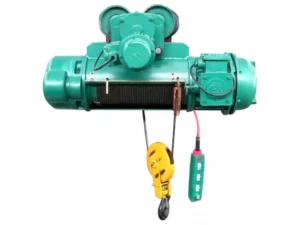
A manual chain hoist for sale typically costs between $30 and $800 and covers capacities from 0.25 to 20 tons — making it the most affordable way to lift heavy loads at sites where no electrical power is available. For most warehouses, workshops, and field jobs lifting under 20 times a day, it is also the right tool, not just the cheapest one. If you are sourcing one, the real risk isn’t price — it’s buying the wrong capacity, the wrong headroom, or a unit without the certification documents your customs broker and insurer will ask for. A 3-ton hoist that arrives without an EC Declaration of Conformity can sit in a bonded warehouse while the paperwork is chased. This guide gives you the numbers to decide quickly: price ranges by capacity, a full specification table, the certifications a compliant hoist must carry, and the exact documents to demand before you pay. Everything below is drawn from our own in-production range. Manual Chain Hoist Price and Specifications at a Glance What a Manual Chain Hoist Costs by Capacity A manual…
Neumáticos para grúas RTG

Neumáticos para grúas RTG: Guía de selección, rendimiento y mantenimiento para operaciones de manipulación de contenedores

16 Jun 2026

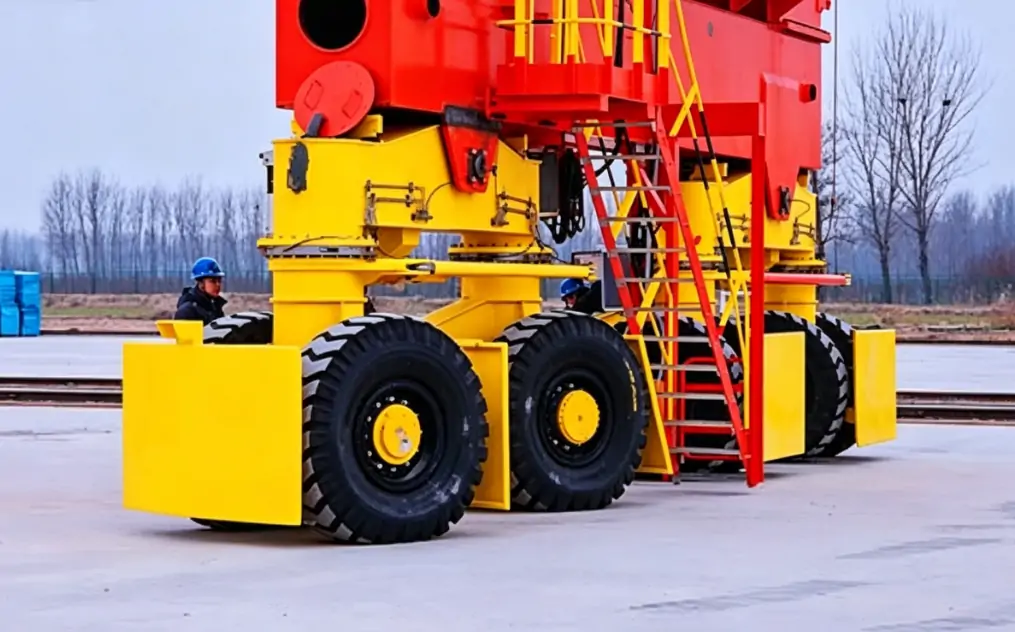
RTG crane tyres play a critical role in rubber-tyred gantry crane operations, directly affecting mobility, load stability, and operational efficiency in port container handling. This article explains tyre structure, selection criteria, working conditions, and maintenance practices to help improve equipment reliability and reduce downtime in demanding terminal environments.

Polipasto eléctrico de cadena

Chain Hoist for Sale: Types, Prices & How to Choose the Right One (2026)

12 Jun 2026

A chain hoist for sale can mean a $45 manual block or a $2,000 explosion-proof electric unit — and choosing the wrong one costs far more than the price difference. If you’re a factory procurement manager, equipment supervisor, or sourcing team lead, this guide gives you a direct comparison of all four chain hoist types, realistic price ranges, key specifications to verify, and a framework for evaluating chain hoist suppliers — whether you’re buying domestically or sourcing from chain hoist manufacturers in China. Most buyers run into the same three problems: they underspecify duty cycle (and get a unit that fails early), they compare prices across incompatible product grades, or they overlook trolley and suspension compatibility until delivery. This guide solves all three before you commit to a purchase order. By the end, you’ll have a clear framework to match the right chain hoist for sale to your application — and enough supplier knowledge to avoid the most common procurement errors. TL;DR: Chain Hoists • Pricing: Chain hoists range from $30 (0.5T manual) to $2,000+ (20T electric); most industrial buyers…

Polipasto eléctrico de cadena

Electric Chain Hoist (1/2 Ton to 5 Ton): Specs, Prices & Buying Guide

18 Jun 2026

If you’re sourcing an electric chain hoist for a workshop, warehouse, or production line, the first question is rarely “which brand” — it’s “which capacity, and what does that capacity actually cost.” Electric chain hoists in the 1/2 ton to 5 ton range cover the vast majority of factory lifting tasks, from light assembly work to moving machine components and packaged goods. This guide compares specifications and market price references across the five most commonly ordered capacities — 1/2 ton, 1 ton, 2 ton, 3 ton, and 5 ton — so you can shortlist the right size before requesting a quote. We’ll also cover the single most common mistake buyers make when comparing hoists on a spec sheet. By the end, you’ll have a working comparison table, a selection framework based on duty class and lift cycles, and a procurement checklist to use when evaluating supplier quotes. Electric Chain Hoist Capacity Comparison: 1/2 Ton to 5 Ton A 1/2 ton electric chain hoist suits light-duty assembly tasks, while a 5 ton unit is built for heavier industrial lifting with double…

Overhead Crane For Sale

Overhead Crane for Sale: Prices, Types & Specs Guide (2026)

11 Jun 2026

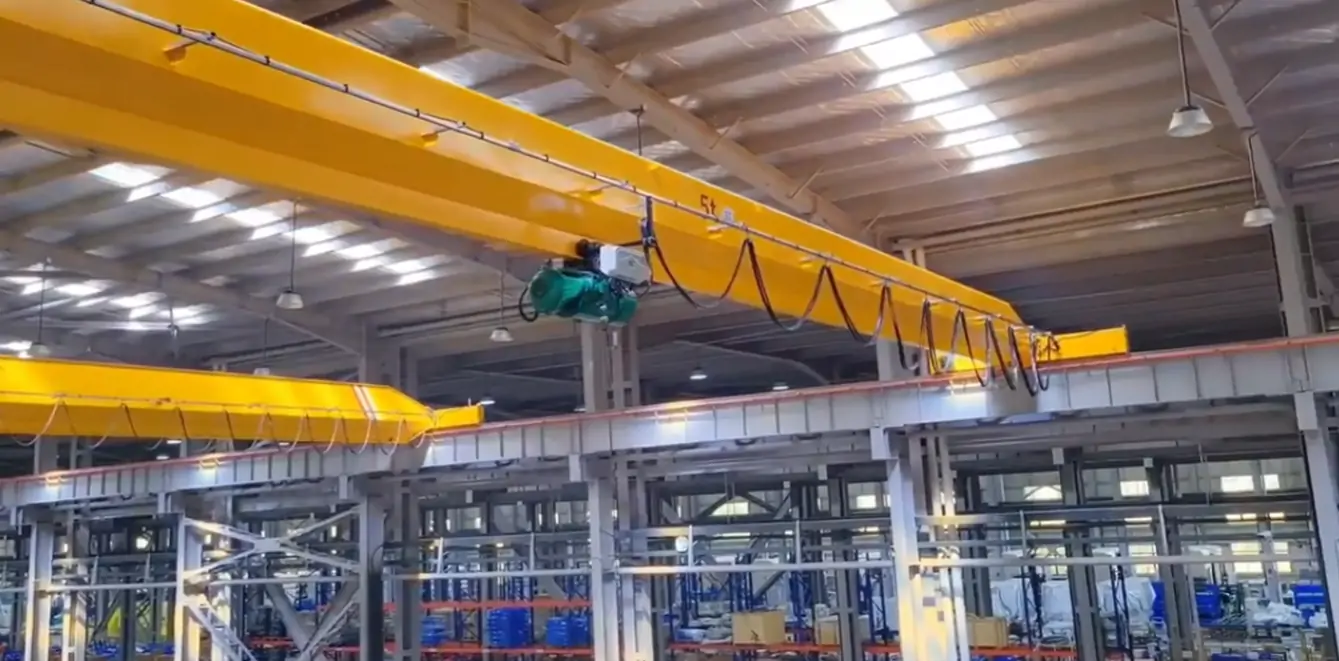
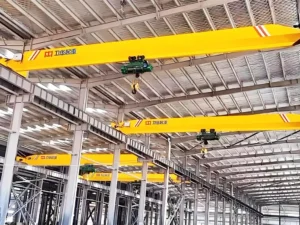
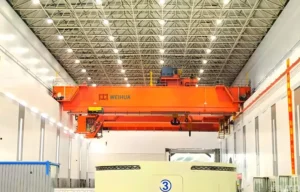
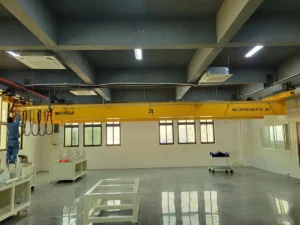
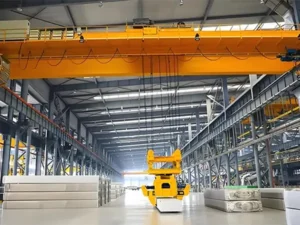
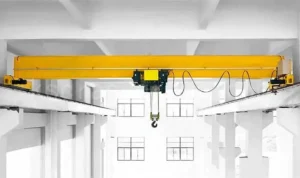
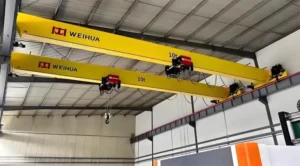
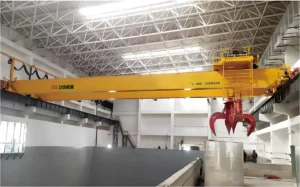
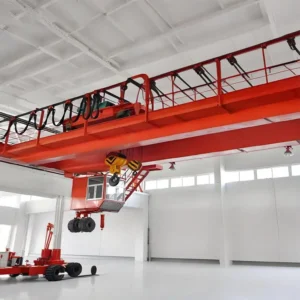
An overhead crane for sale from a Chinese manufacturer runs from $2,900 FOB for a 1-ton single girder workshop unit to $130,000+ FOB for a heavy-duty double girder system with an operator cabin. The majority of industrial buyers — steel fabricators, warehouses, machine shops — close orders in the $5,000–$45,000 FOB range. This guide gives you the price matrix by capacity, the type comparison framework, the duty class table, and a supplier checklist so you know exactly what to ask before you send the first RFQ. Buying an overhead crane is not like ordering off a shelf. The final price depends on at least six interacting variables, and a 200mm error in measured span can trigger a complete structural re-design and delay shipment by 3–4 weeks. Most buyers waste time and lose price leverage because they approach suppliers with only a capacity number. This guide covers: FOB price ranges by type and tonnage, single vs double girder selection logic, what CMAA Classes A through F actually mean for your budget, how to calculate total landed cost from China, and the…

Grúa pórtico de doble viga

Gantry Crane for Sale: Types, Prices & Buying Guide (2026)

12 Jun 2026

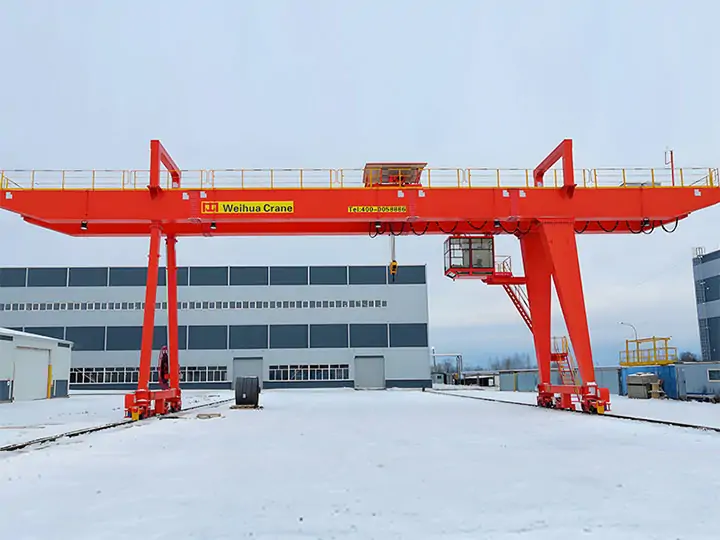
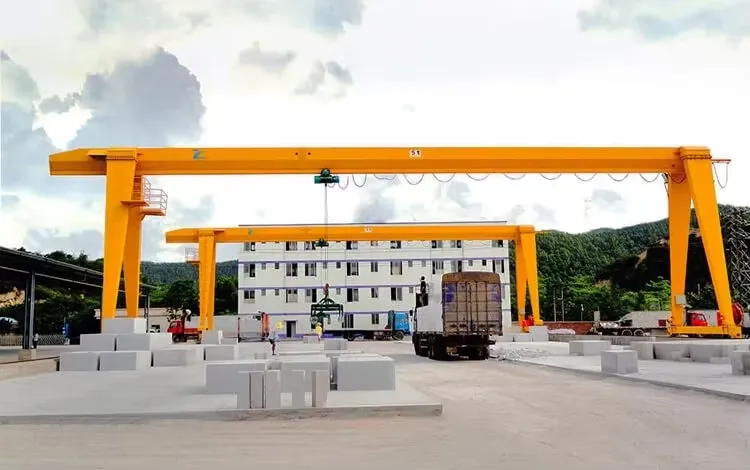
Gantry crane for sale pricing starts at $800 for a portable aluminum unit and reaches $300,000+ for a heavy double girder system — the exact number depends on type, capacity, span, and whether your application is indoor or outdoor. If you are comparing options before committing to a purchase, this guide gives you every decision point: a price table by crane type, a selection framework based on load and duty cycle, certification requirements, and the two cost items most suppliers leave out of their headline quotes. The challenge facing most procurement managers is not finding a supplier. It is knowing which configuration — single girder versus double girder, rail-mounted versus rubber-tired, A3 versus A5 duty class — actually matches the workload before a quote lands on the desk. Selecting by rated capacity alone, without accounting for operating frequency, is how factories end up replacing structural components within two years of installation. This guide covers six gantry crane types available from Wei Hua’s factory-direct range — including portable, single girder box-beam, truss, semi-gantry, double girder, and container/port configurations — the key…

Cabrestante hidráulico de doble tambor

Cabrestante hidráulico en venta: especificaciones, precios y cómo realizar un pedido directamente de fábrica.

08 de junio de 2026

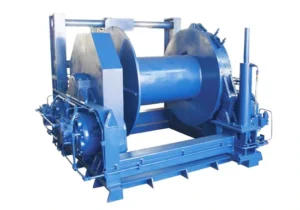
¿Busca un cabrestante hidráulico? Los precios varían desde 1800 £ ($) para una unidad compacta de 1 tonelada hasta más de 85 000 £ ($) para un cabrestante de amarre marino de 500 toneladas, según la capacidad, la configuración del tambor y los requisitos de certificación. La mayoría de los compradores industriales en el rango de 5 a 50 toneladas encontrarán unidades con certificación CE entre 4500 £ ($) y 28 000 £ ($) a precio directo de fábrica. Si su planta ya utiliza un grupo electrógeno hidráulico o si necesita tracción continua en un entorno explosivo, húmedo o de alta temperatura donde los motores eléctricos no pueden operar de forma segura, un cabrestante hidráulico es casi con toda seguridad la mejor opción. El desafío no es si comprarlo, sino confirmar las especificaciones correctas antes de realizar el depósito. Esta página le proporciona la referencia de precios, la tabla de especificaciones y la lista de verificación previa al pedido que necesita para finalizar su compra y evitar los errores de configuración más costosos. Puntos clave • Precios de los cabrestantes hidráulicos: Los cabrestantes hidráulicos a la venta tienen precios que oscilan entre 1.800 y más de 85.000 T; la mayoría de las unidades industriales de 5 a 50 T se envían entre 4.500 y 28.000 T. • Especificaciones técnicas: Confirme seis parámetros antes de realizar el pedido: carga nominal, velocidad de línea, capacidad del tambor, clase de servicio, fuente de alimentación y certificaciones requeridas. • Cumplimiento y estándares: CE (EN 14492-1) y…

Grúa pórtico de eje vertical

¿Qué es una grúa pórtico de eje vertical?

10 de junio de 2026

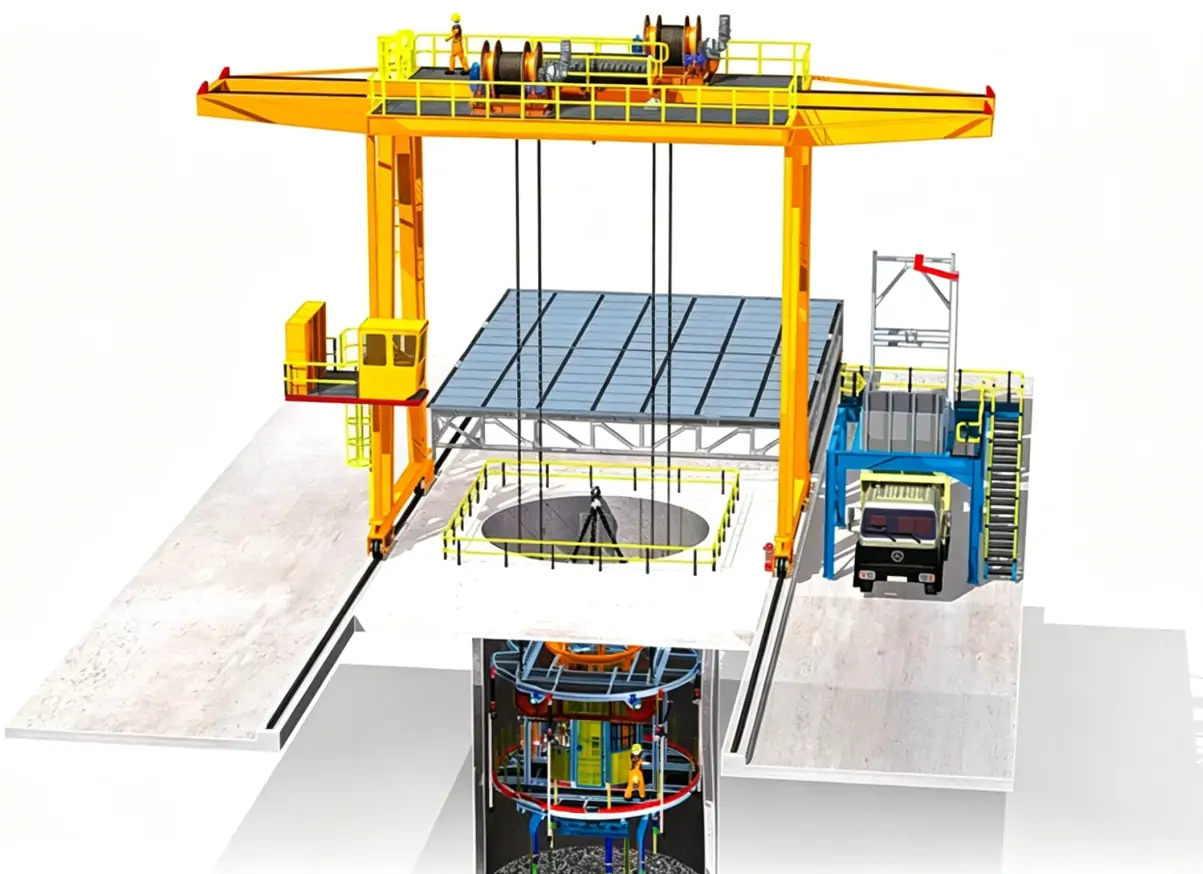
Vertical shaft gantry cranes are specialized lifting systems used for the construction, maintenance, and operation of deep shafts in mining, tunneling, and underground infrastructure projects. They provide reliable vertical lifting for personnel, equipment, construction materials, and excavated rock. This article explains the working principle, main components, types, applications, advantages, and factors to consider when selecting a vertical shaft gantry crane.

Grúa pórtico de una viga

¿Qué es una grúa pórtico monorraíl? Estructura, tipos, especificaciones y guía de selección.

27 de mayo de 2026

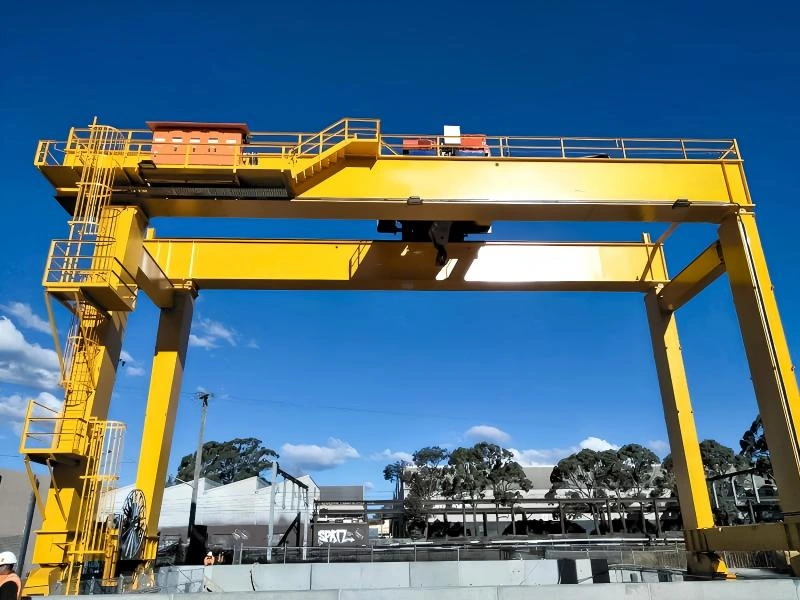
Una grúa pórtico monorraíl es un sistema de elevación apoyado en el suelo, construido a partir de una viga horizontal principal (la viga) montada sobre dos patas en forma de U invertida que se desplazan sobre rieles a nivel del suelo. A diferencia de las grúas puente, que dependen de las vigas de rodadura de un edificio, una grúa pórtico es autoportante: puede operar en interiores, exteriores o en instalaciones que carecen de la estructura de acero necesaria para soportar una grúa puente montada en la parte superior. Las configuraciones estándar cubren capacidades de elevación de 1 a 20 toneladas, luces de 7,5 a 31,5 metros y alturas de elevación de 6 a 18 metros, con clases de trabajo A3 y A4 según la clasificación FEM (Fédération Européenne de la Manutention). Estas características convierten a la grúa pórtico monorraíl en la opción por defecto para tareas de manipulación de materiales de alcance medio en fábricas, almacenes, obras de construcción y pequeños puertos, donde el presupuesto y la flexibilidad de instalación son factores importantes. Esta guía explica cómo se construye la grúa, cómo interpretar sus especificaciones clave, cómo se compara con las alternativas de doble viga, qué industrias la utilizan y por qué, y qué verificar antes de realizar un pedido. Al finalizar, tendrá un marco de referencia claro para…

Grúa pórtico vs. grúa RTG

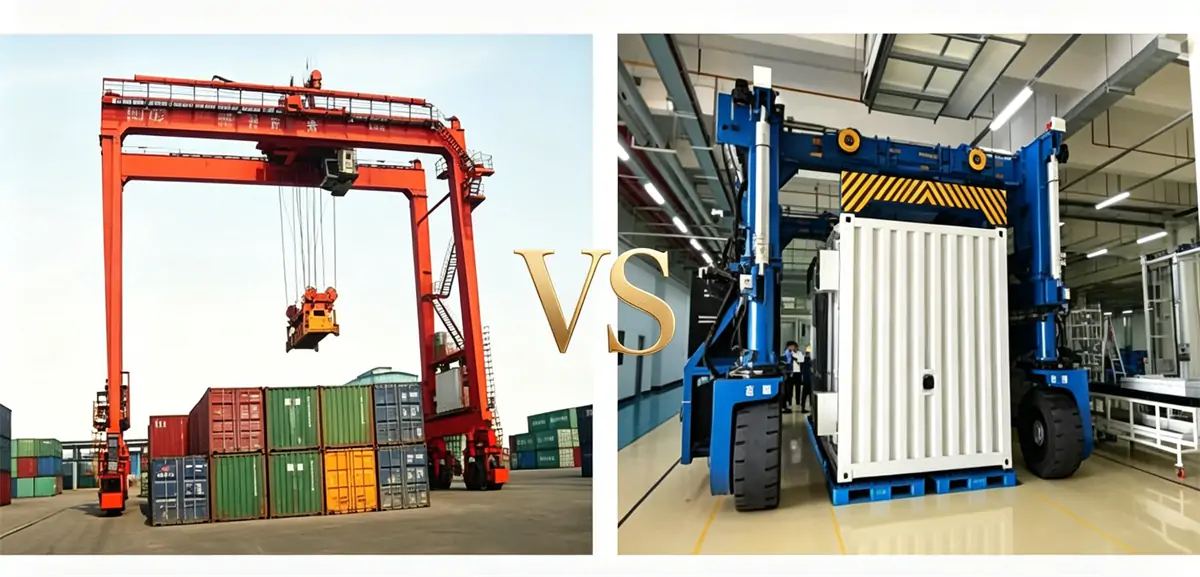
Grúa pórtico vs. grúa RTG: ¿Qué solución para la manipulación de contenedores es mejor?

27 de mayo de 2026

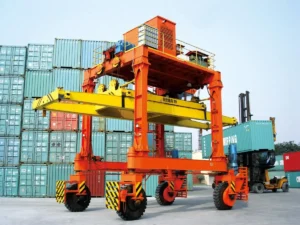
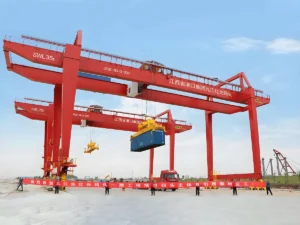
Introducción Las terminales de contenedores, los puertos y las zonas intermodales dependen en gran medida de equipos eficientes para la manipulación de contenedores con el fin de mejorar el rendimiento, reducir los costes operativos y maximizar la utilización de las instalaciones. Entre las soluciones más utilizadas se encuentran las grúas pórtico sobre ruedas (Straddle Carriers) y las grúas pórtico sobre neumáticos (RTG). Si bien ambas están diseñadas para el transporte y apilamiento de contenedores, sus métodos de trabajo, capacidades de automatización, requisitos de infraestructura y eficiencia operativa difieren significativamente. Elegir el sistema adecuado afecta directamente a la productividad de la terminal, la eficiencia laboral, el consumo de combustible y la rentabilidad de la inversión a largo plazo. Esta guía compara las grúas pórtico sobre ruedas y las grúas RTG desde múltiples perspectivas profesionales, ayudando a los operadores de terminales, contratistas EPC, empresas de logística e inversores portuarios a seleccionar la solución más adecuada para sus proyectos. ¿Qué es una grúa pórtico sobre ruedas? Una grúa pórtico sobre ruedas es un vehículo autopropulsado para la manipulación de contenedores diseñado para levantar, transportar y apilar contenedores de forma independiente. A diferencia de las grúas RTG, combina las funciones de transporte y apilamiento en una sola máquina. Las grúas pórtico sobre ruedas se utilizan ampliamente en puertos automatizados y terminales de contenedores de alto rendimiento porque proporcionan un movimiento flexible de los contenedores sin depender en gran medida de los tractores de terminal. Cómo funcionan las grúas pórtico Una grúa pórtico se desplaza directamente sobre un contenedor y lo levanta…

Arriba