















Manual Chain Hoist for Sale: Specs, Prices & How to Buy the Right One
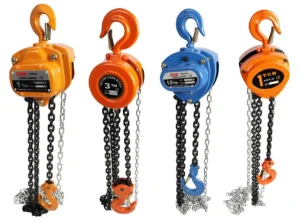
A manual chain hoist for sale typically costs between $30 and $800 and covers capacities from 0.25 to 20 tons — making it the most affordable way to lift heavy loads at sites where no electrical power is available. For most warehouses, workshops, and field jobs lifting under 20 times a day, it is also the right tool, not just the cheapest one. If you are sourcing one, the real risk isn’t price — it’s buying the wrong capacity, the wrong headroom, or a unit without the certification documents your customs broker and insurer will ask for. A 3-ton hoist that arrives without an EC Declaration of Conformity can sit in a bonded warehouse while the paperwork is chased. This guide gives you the numbers to decide quickly: price ranges by capacity, a full specification table, the certifications a compliant hoist must carry, and the exact documents to demand before you pay. Everything below is drawn from our own in-production range. Manual Chain Hoist Price and Specifications at a Glance What a Manual Chain Hoist Costs by Capacity A manual…