









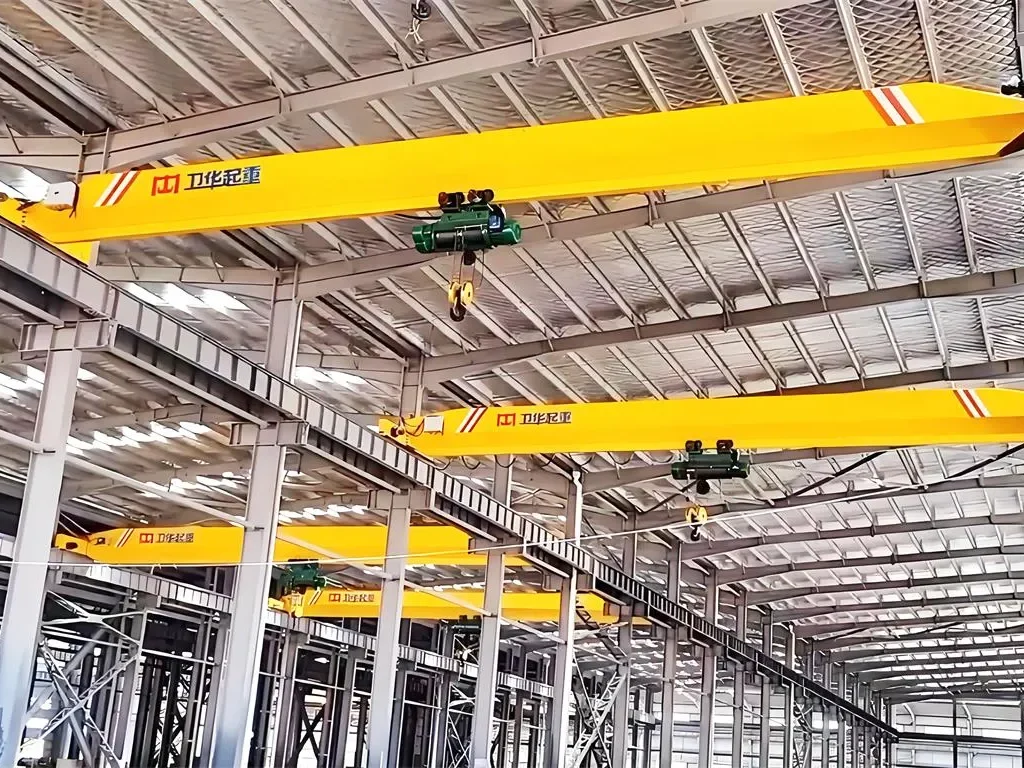
Ponte rolante EOT para a indústria automotiva: tipos, especificações e guia de seleção (2026)
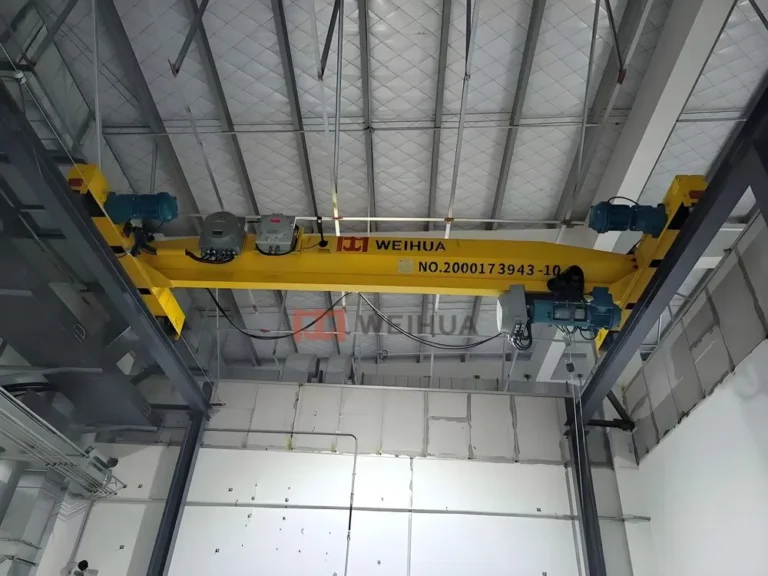
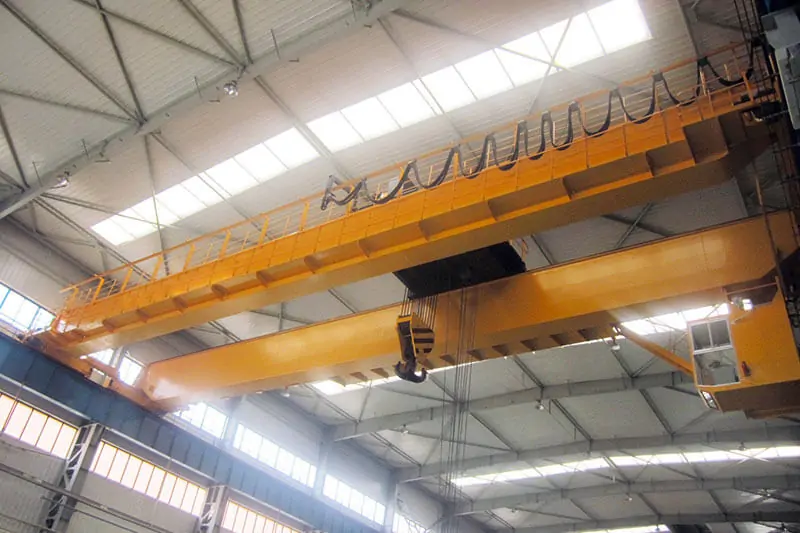
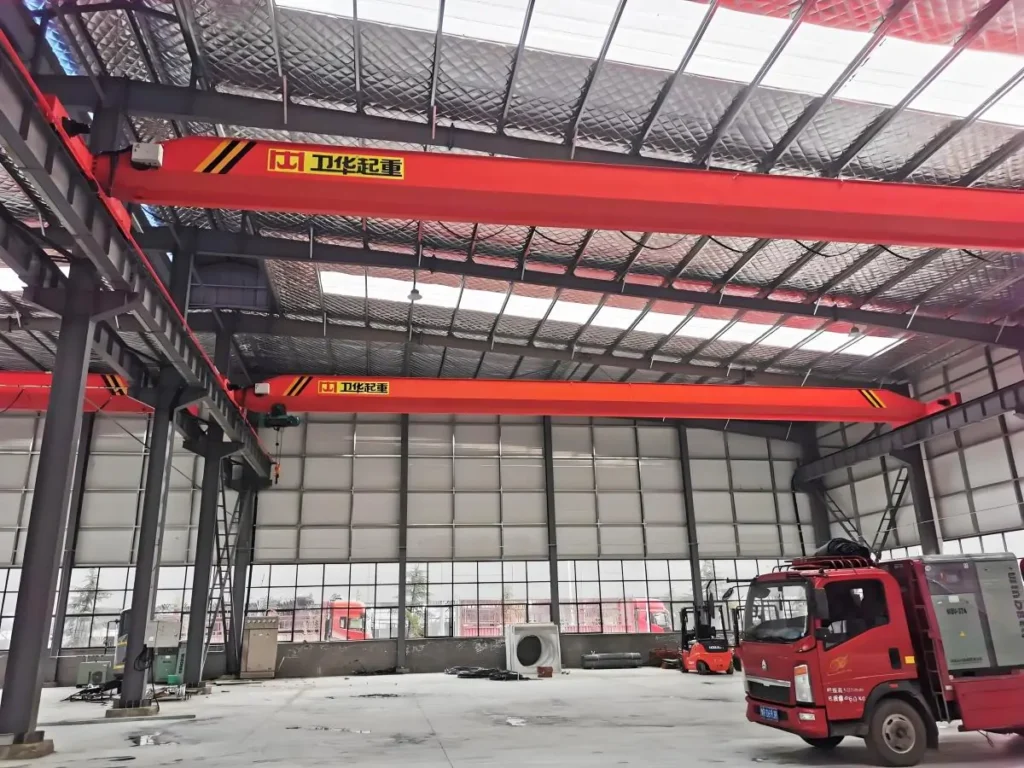
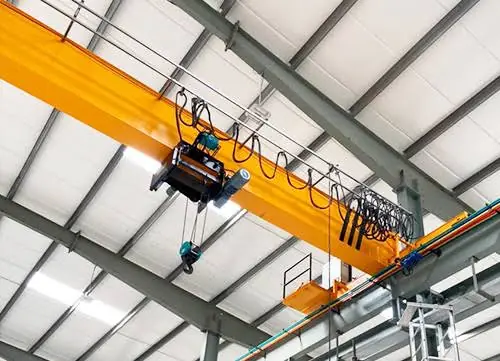
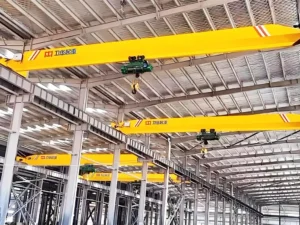
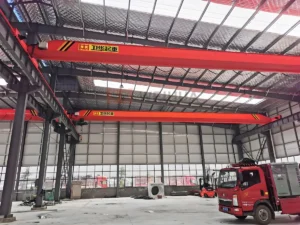
A plant manager once ordered a standard double-girder EOT crane for a trim-and-final assembly bay — reasonable choice on paper, until it arrived and the hook path sat 600 mm above the overhead conveyor. Three weeks of shutdown, a structural reinforcement contract, and a replacement crane order later, the real lesson landed: in automotive manufacturing, specifying the wrong EOT crane for the wrong production stage costs far more than the crane itself. Automotive plants are demanding environments. Three-shift schedules, precision die changes, explosive paint-booth atmospheres, and sub-tonne ergonomic lifts in final assembly all happen under one roof — and no single crane configuration handles all of them. Procurement managers who lead with tonnage alone routinely end up with equipment that either fails prematurely from duty class mismatch or physically cannot fit the installation point. This guide maps each major production stage to the correct EOT crane type, gives you market-reference pricing in USD, covers the compliance requirements your supplier must document, and tells you exactly which questions to ask before signing a purchase order. Use the quick-reference table below as…