








Índice
Introduction
In steel mills, foundries, aluminum plants, and heavy manufacturing facilities, cranes operate under very different working conditions. A Standard Overhead Crane is commonly used for general material handling in factories and warehouses, while a Metallurgical Crane is specially designed for high-temperature, heavy-load, and continuous-duty operations in demanding industrial environments. Choosing the right crane type is essential for improving operational safety, reliability, and production efficiency.
In this article, I will compare a Metallurgical Crane and a Standard Overhead Crane from several key aspects, including structural design, working environment, safety features, load capacity, and typical applications. Through this comparison, you can better understand their differences and select the most suitable overhead lifting solution for your specific industrial requirements.
What Is a Metallurgical Crane?
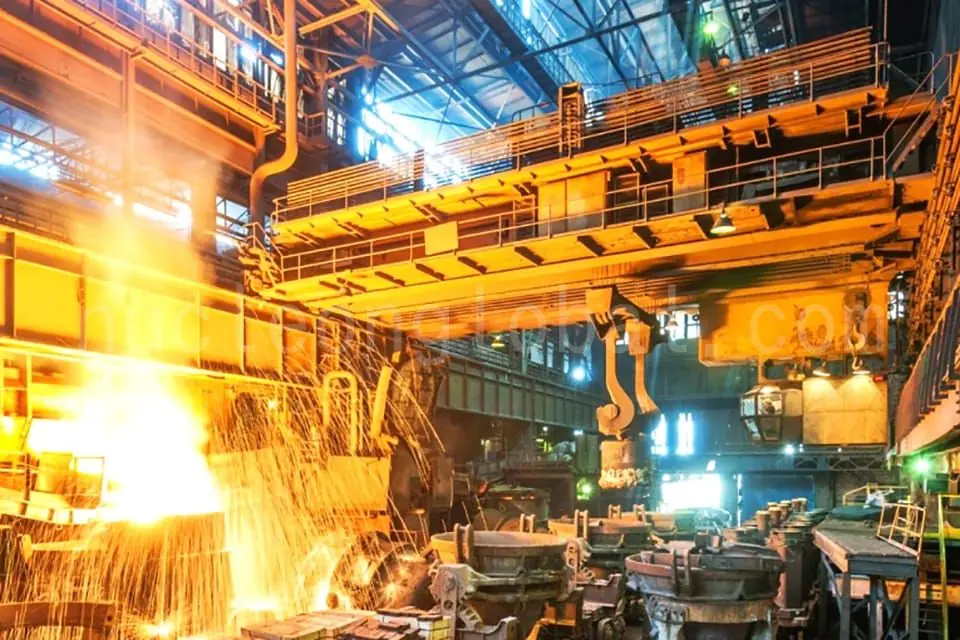
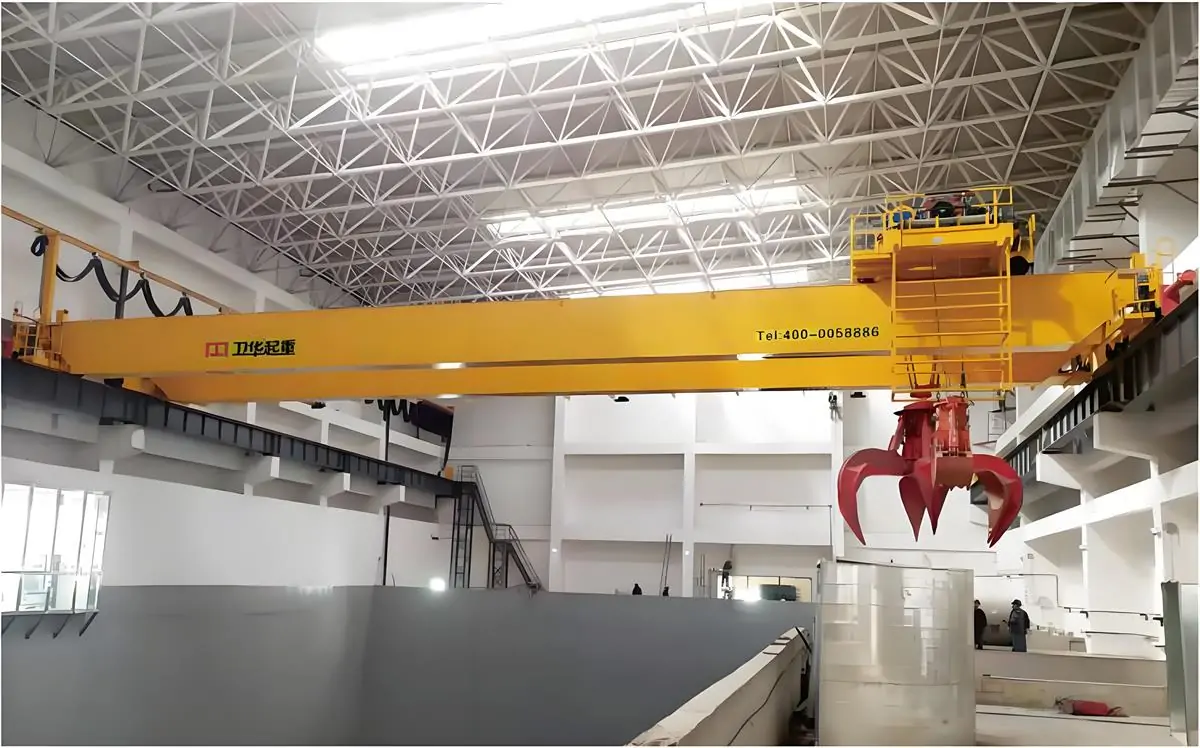
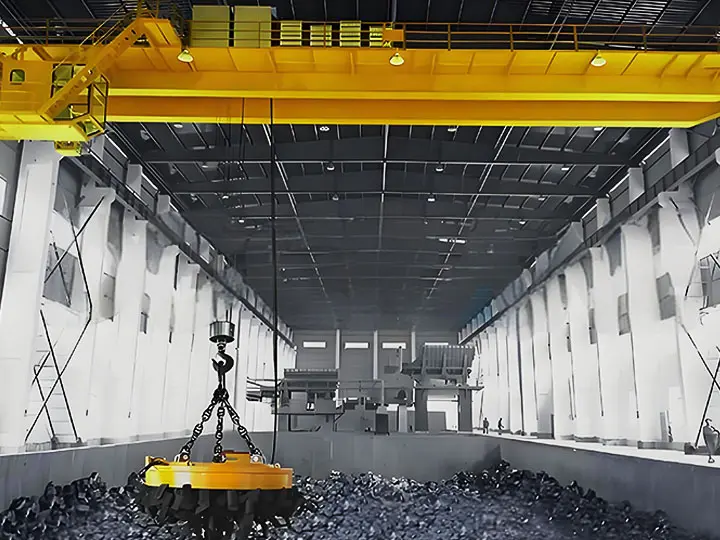
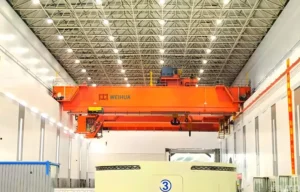
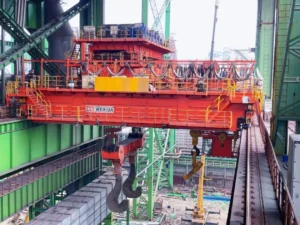
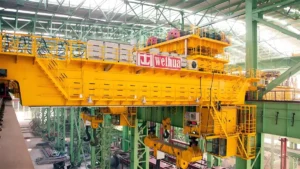
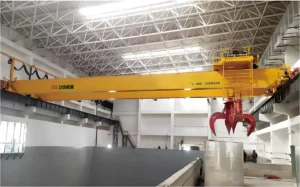
A Metallurgical Crane is a specialized overhead lifting crane designed for metallurgy industries, including steelmaking, casting, and metal processing plants. It is mainly used for handling molten steel, ladles, billets, and other heavy materials during production processes.
Unlike standard lifting equipment, a Metallurgical Crane is built for high-temperature, heavy-load, and continuous-operation environments. It features a reinforced structure and specialized components to operate reliably in conditions with heat, dust, and harsh industrial environments. In metallurgical production, a crane is not only required to lift heavy materials but also to maintain stable and safe operation under extreme working conditions
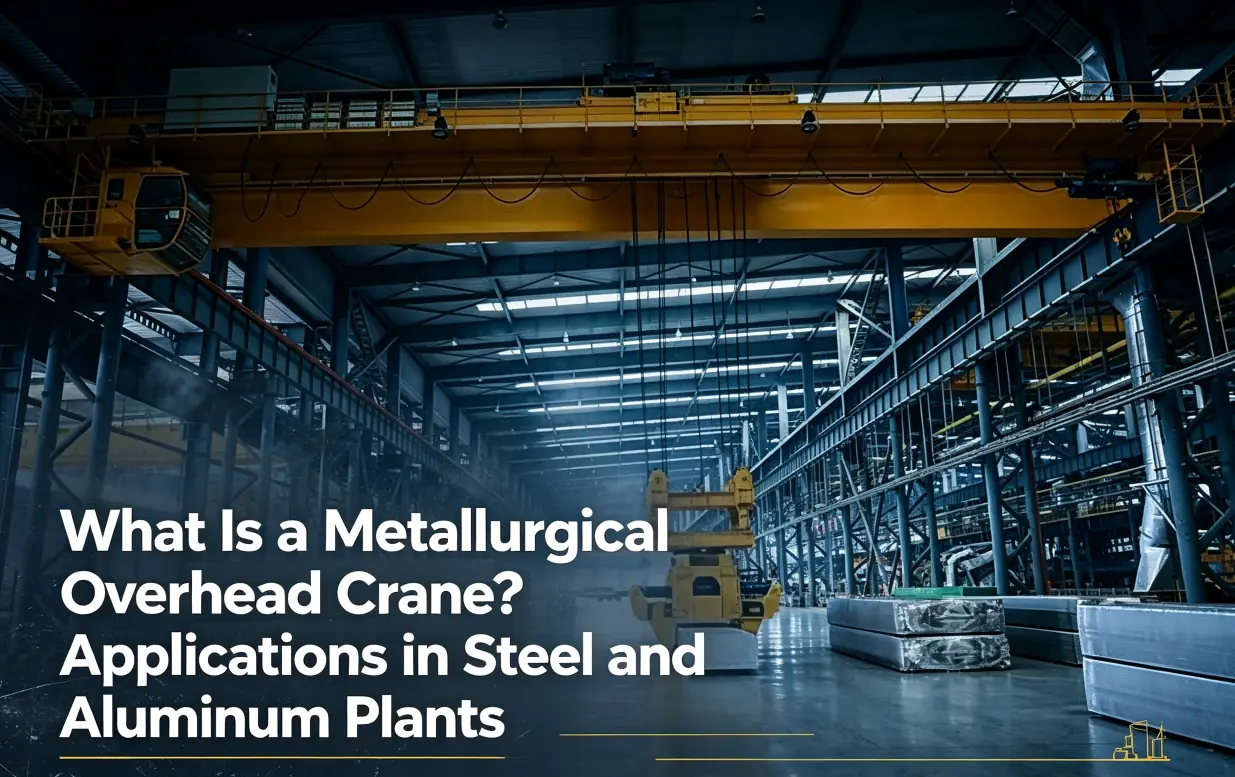
To learn more about metallurgical overhead cranes, see the article: What Is a Metallurgical Overhead Crane? Applications in Steel and Aluminum Plants
.
What Is a Standard Overhead Crane?
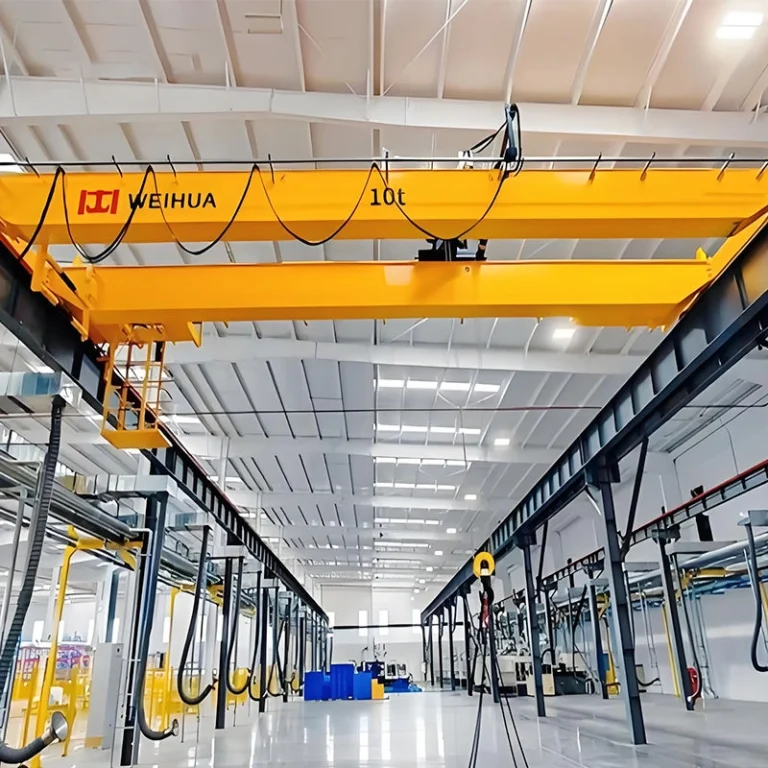
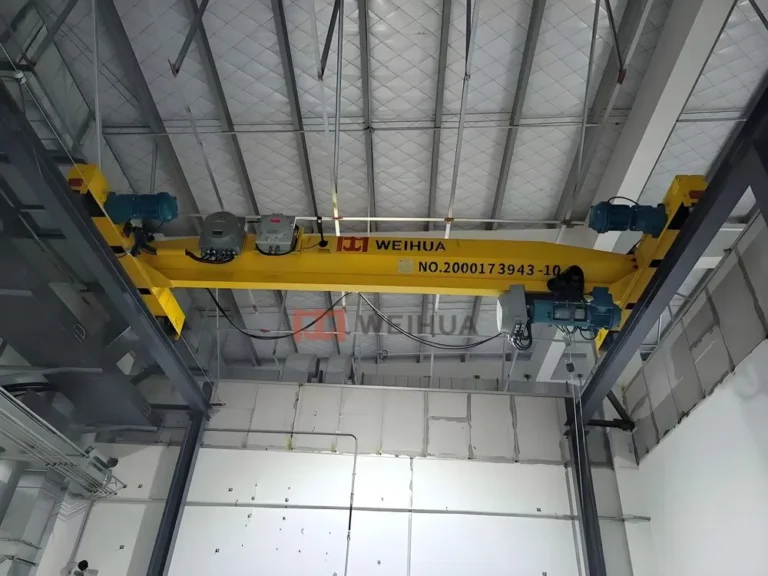
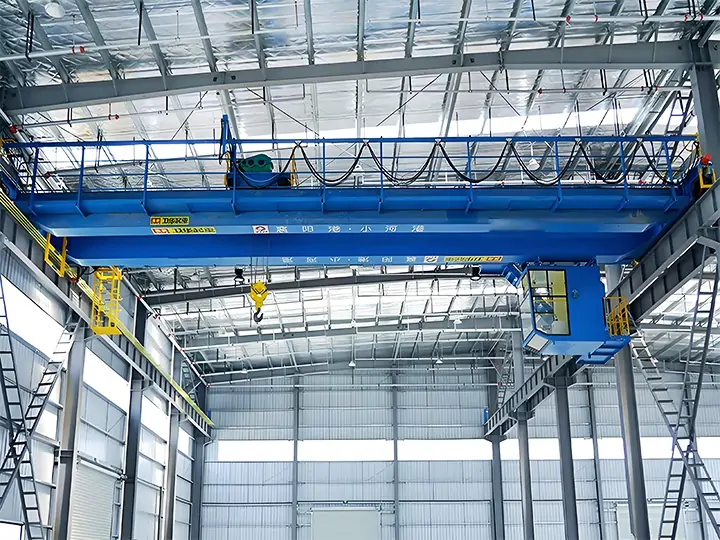
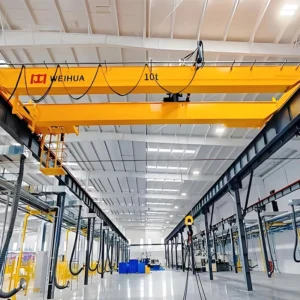
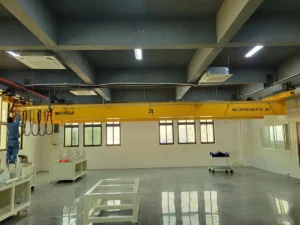
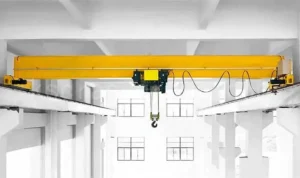
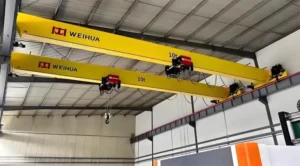
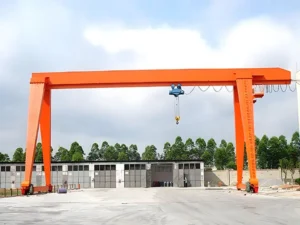
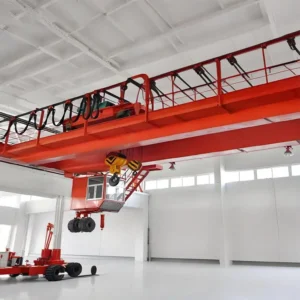
A Standard Overhead Crane is a general material handling crane widely used in factories, warehouses, workshops, and manufacturing facilities. It is designed for lifting and moving materials in normal temperature environments, helping improve handling efficiency in daily production operations.
Standard Overhead Cranes are commonly applied in machine shops, warehouses, manufacturing plants, and assembly lines. They are suitable for regular lifting tasks but are not designed for extreme conditions such as high temperatures, molten metal handling, or continuous heavy-duty operations found in metallurgical industries.
Metallurgical Crane vs Standard Overhead Crane: Key Differences
Ambiente de Trabalho
Metallurgical Crane
Metallurgical Cranes are designed for harsh industrial environments such as steel mills, foundries, and smelting plants. These cranes are built to handle high temperatures, heavy materials, and continuous operation. Heat-resistant components, thermal protection systems, and dust-resistant designs help the crane maintain stable performance in demanding production conditions.
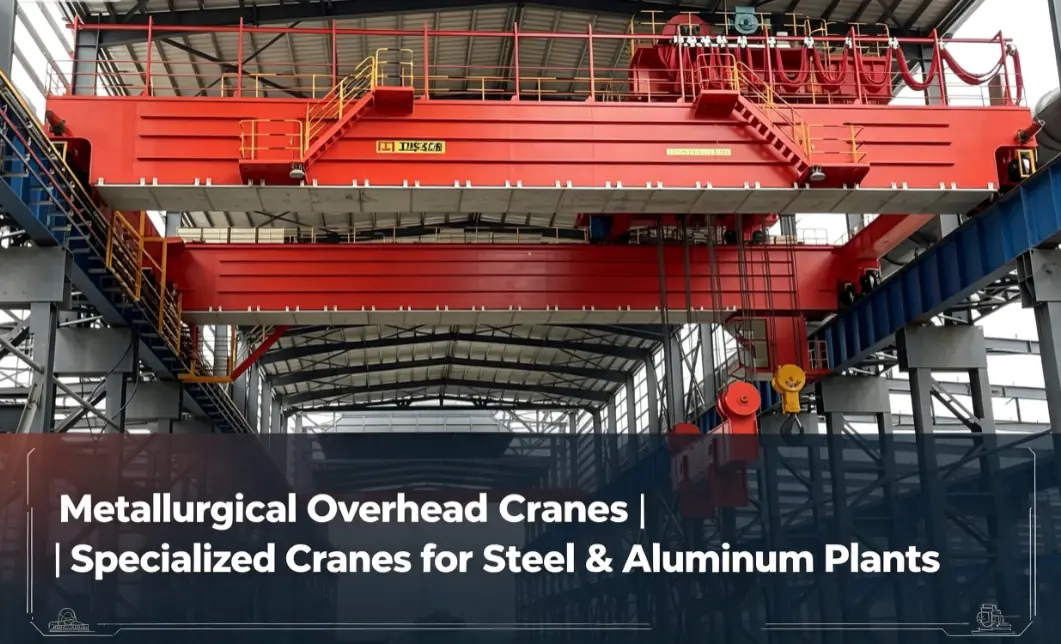
For details on the applications of metallurgical overhead cranes, see the article: Metallurgical Overhead Cranes | Specialized Cranes for Steel & Aluminum Plants
Standard Overhead Crane
Standard Overhead Cranes are mainly used in general factories, warehouses, and workshops where operating conditions are relatively normal. They are suitable for routine material handling tasks but are not designed for extreme heat, molten metal handling, or high-dust environments.
Structural Design and Components
Metallurgical Crane
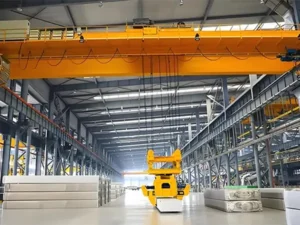
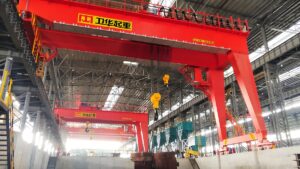
Metallurgical Cranes feature reinforced steel structures and specialized components to meet heavy-duty industrial requirements. The crane structure is designed to withstand frequent lifting cycles, heat radiation, and impact loads. It is also equipped with heat-resistant electrical systems, protective cabins, and dedicated lifting mechanisms such as ladle hooks, clamps, or other specialized lifting devices.
Standard Overhead Crane
Standard Overhead Cranes usually adopt conventional bridge structures and general lifting mechanisms for common material handling operations. Their electrical systems and components are designed for standard factory environments without additional protection for extreme temperatures or harsh working conditions.
Recursos de segurança
Metallurgical Crane
Safety is a critical requirement for Metallurgical Cranes, especially when handling molten metal and high-temperature materials. These cranes are equipped with multiple safety systems, including dual braking systems, emergency protection devices, overload protection, lifting height limiters, and monitoring systems. Heat shielding and protective designs also reduce risks during high-temperature operations.
Standard Overhead Crane
Standard Overhead Cranes are equipped with basic safety features such as overload protection, limit switches, and standard braking systems. They are suitable for general lifting applications but do not require the same level of safety redundancy as cranes used in metallurgical production.
Load Capacity and Duty Class
Metallurgical Crane
Metallurgical Cranes are designed for heavy-duty and continuous operation, often working with frequent lifting cycles in steel and metal processing plants. Their higher duty classification allows them to operate reliably under demanding production schedules.
Standard Overhead Crane
Standard Overhead Cranes are generally used for light to medium-duty applications with lower operating frequency. They are suitable for daily material movement but are not intended for continuous heavy-load operations.
Application Differences
Metallurgical Crane Applications
Metallurgical Cranes are commonly used in:
- Steel plants
- Iron foundries
- Aluminum production facilities
- Casting workshops
- Metal processing facilities
They are directly involved in production processes, including molten metal handling, ladle transportation, billet handling, and casting operations.
Standard Overhead Crane Applications
Standard Overhead Cranes are widely used in:
- Manufacturing factories
- Warehouses
- Maintenance workshops
- General production lines
They are mainly used for regular lifting and material transfer tasks where temperature and operating conditions are within normal ranges.
When selecting a crane, factors such as load weight, working frequency, material type, and operating environment should be considered to determine the right solution.
Comparison Table: Metallurgical Crane vs Standard Overhead Crane
Metallurgical Cranes and Standard Overhead Cranes differ significantly in design requirements, safety systems, operating conditions, and application scenarios.
| Item de comparação | Metallurgical Crane | Standard Overhead Crane |
|---|---|---|
| Classe trabalhadora | A7–A8 duty class, suitable for continuous 24/7 operation | A3–A6 duty class, mainly for intermittent operation |
| Safety Redundancy | Equipped with dual braking systems, dual limit protection, overspeed protection, and fault protection systems | Standard braking system and basic limit protection |
| Heat Protection | Equipped with heat insulation layers, high-temperature resistant components, and motors with higher insulation grades for hot environments | No special heat protection design, standard insulation system |
| Temperatura de operação | Generally suitable for -10°C to +60°C environments | Mainly used in normal temperature environments |
| Electrical Protection | Electrical components usually require higher protection levels such as IP54 and additional heat protection measures | Standard electrical protection, commonly IP23–IP44 |
| Wire Rope | Uses high-temperature resistant wire rope with higher safety requirements | Uses standard wire rope |
| Pulley Material | Cast iron pulleys are generally not used in metallurgical applications | Conventional pulleys can be used |
| Speed Control | Supports variable frequency control or stepless speed adjustment for precise positioning | Usually adopts conventional speed control methods |
| Structure Design | Mainly adopts double girder box structure with stronger stiffness for heavy and frequent lifting | Commonly uses single girder or standard bridge structures for general lifting |
| Aplicações típicas | Molten metal handling, steel ladles, hot billets, scrap steel, and casting operations | Material handling, equipment maintenance, and general factory lifting |
| Design Standards | Follows metallurgical crane standards such as JB/T 7688.1 and related specifications | Based on general crane design standards such as GB/T 3811 |
| Typical Lifting Capacity | About 20–600 tons or higher depending on application requirements | Usually around 5–50 tons |
For steel mills, foundries, and molten metal handling applications, the crane must match the production environment and safety requirements. Load capacity, duty cycle, temperature conditions, and lifting materials should be considered when selecting the right crane.
Can a Standard Overhead Crane Replace a Metallurgical Crane?
No. A Standard Overhead Crane cannot replace a Metallurgical Crane in steel mills or other high-temperature industries. The two cranes differ in safety design, heat protection, duty class, and application requirements.
- Safety and Protection
Metallurgical Cranes are designed for high-risk operations such as molten metal handling. They use additional safety systems, including redundant braking and protection devices, while Standard Overhead Cranes only meet general lifting safety requirements. - Heat Resistance
Metallurgical Cranes include heat insulation, high-temperature components, and protected electrical systems to operate near furnaces and molten materials. Standard Overhead Cranes are not designed for continuous exposure to extreme heat. - Duty Class and Operation
Metallurgical Cranes support frequent lifting cycles and continuous operation in heavy industrial production. Standard Overhead Cranes are mainly used for normal material handling with lower duty requirements. - Special Lifting Functions
Metallurgical Cranes can be equipped with ladle hooks, clamps, and other specialized lifting devices for steelmaking processes. Standard Overhead Cranes usually use general hooks and cannot meet specific metallurgical handling needs.
A Standard Overhead Crane is suitable for general factory lifting, while a Metallurgical Crane is required for high-temperature, heavy-duty, and molten metal applications where safety and reliability are critical.
How to Choose Between a Metallurgical Crane and a Standard Overhead Crane?
The choice between a Metallurgical Crane and a Standard Overhead Crane depends on the lifting material, working temperature, operation frequency, and safety requirements.
1. Check the Lifting Material
If the crane is used for lifting molten steel, iron, aluminum liquid, or other high-temperature materials, a Metallurgical Crane is required. It is designed with heat protection and safety redundancy for dangerous lifting operations.
For normal materials such as steel products, machinery parts, and general loads, a Standard Overhead Crane can meet the requirements.
2. Compare Working Conditions
Choose a Metallurgical Crane when:
- Working temperature is high
- Heat radiation, dust, or harsh conditions exist
- Continuous heavy-duty operation is required
- The crane is involved in steelmaking or casting processes
Choose a Standard Overhead Crane when:
- Operating in normal factory environments
- Handling general materials
- Working hours and lifting cycles are limited
3. Consider Duty Class and Operation Frequency
Metallurgical Cranes are designed for frequent lifting cycles and continuous operation, typically with higher duty classes such as A6–A8.
Standard Overhead Cranes are suitable for intermittent operation with lower duty requirements, commonly used in factories and warehouses.
4. Check Safety Requirements
For molten metal handling, safety is the priority. Metallurgical Cranes include additional protection systems such as redundant braking, limit protection, heat-resistant components, and specialized lifting devices.
Standard Overhead Cranes are designed for general lifting tasks and do not provide the same level of protection for extreme industrial conditions.
5. Selection Guide
| Requirement | Recommended Crane |
|---|---|
| Molten metal handling | Metallurgical Crane |
| Steel mill or foundry operation | Metallurgical Crane |
| High temperature and continuous production | Metallurgical Crane |
| General factory material handling | Standard Overhead Crane |
| Warehouse and maintenance lifting | Standard Overhead Crane |
Metallurgical Cranes are designed for high-temperature, heavy-duty, and continuous industrial applications, while Standard Overhead Cranes are suitable for normal material handling tasks. Selecting the right crane requires evaluating load type, working environment, operation frequency, and safety standards to match the equipment with the actual working conditions.
For details on how to select the most suitable crane type for steel mills, see:
- How to Choose a Metallurgical Overhead Crane for Steel and Aluminum Plants?
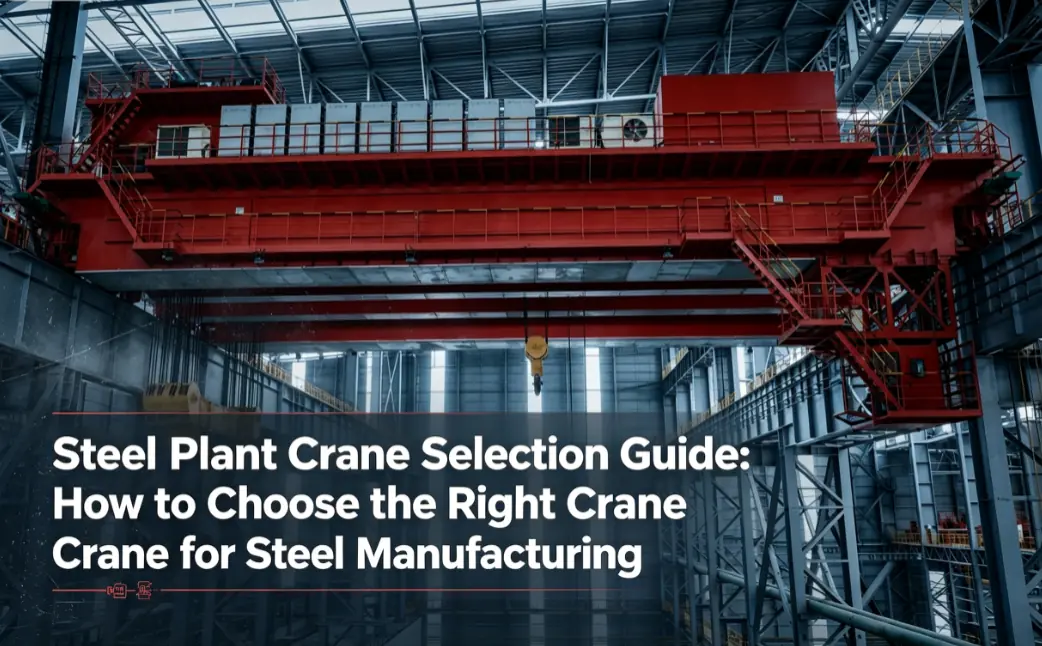
- Steel Plant Crane Selection Guide
Conclusão
Metallurgical Cranes and Standard Overhead Cranes are designed for different working conditions. Standard Overhead Cranes are suitable for general material handling, while Metallurgical Cranes are built for high-temperature, heavy-load, and continuous-duty operations in industries such as steelmaking and metal processing. The right crane selection should be based on lifting materials, working environment, operation frequency, and safety requirements.
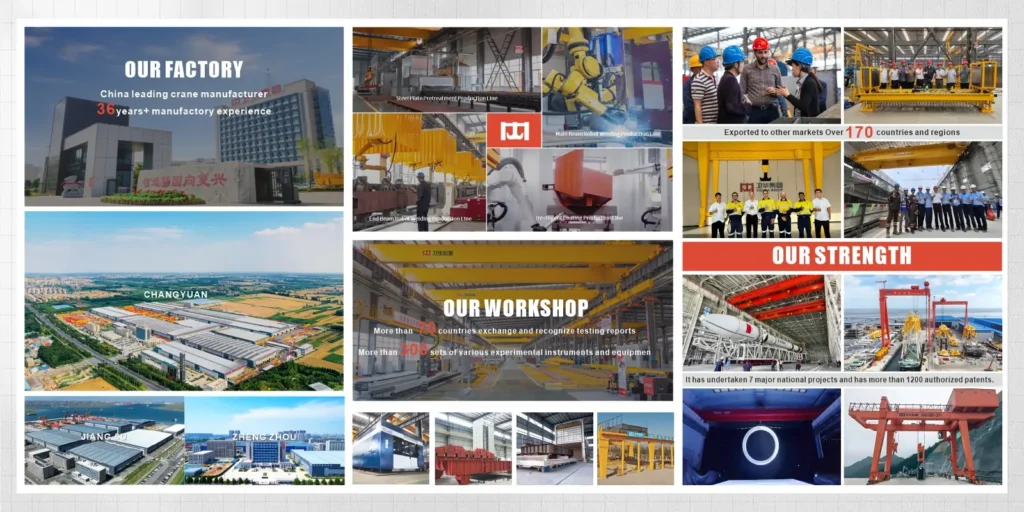
As an experienced crane manufacturer and supplier, WEIHUA provides customized Metallurgical Crane and overhead crane solutions for different industrial applications. With professional design capabilities, reliable manufacturing, and comprehensive after-sales support, WEIHUA helps customers improve lifting safety and production efficiency. Contacte-nos for a suitable crane solution based on your specific working conditions.
FAQ
What is the difference between a metallurgical crane and a standard overhead crane?
The main difference is the working environment and design requirements. Metallurgical Cranes are designed for high-temperature, heavy-duty, and continuous operations, with features such as heat protection, safety redundancy, and specialized lifting systems. Standard Overhead Cranes are mainly used for general material handling in normal industrial environments.
Can a standard overhead crane be used in a steel mill?
A Standard Overhead Crane can be used for general material handling tasks in some steel mill areas, such as warehouses or maintenance workshops. However, it is not suitable for molten metal handling or high-temperature production areas because it lacks the required heat protection and safety systems.
What industries use metallurgical cranes?
Metallurgical Cranes are widely used in industries that require heavy lifting under harsh conditions, including:
Steel plants
Iron foundries
Aluminum production facilities
Casting workshops
Metal processing plants
Can metallurgical cranes handle molten metal?
Yes. Metallurgical Cranes are specially designed for molten metal handling, including steel ladles, iron liquid, and aluminum liquid. They are equipped with heat-resistant components and additional safety systems to support these high-risk lifting operations.
Are metallurgical cranes more expensive than standard overhead cranes?
Yes. Metallurgical Cranes usually have a higher cost due to their reinforced structure, heat-resistant components, advanced safety systems, and customized lifting mechanisms. The higher investment is related to their ability to operate safely in demanding industrial environments.
What lifting capacity do metallurgical cranes have?
The lifting capacity of Metallurgical Cranes depends on the application and production requirements. Common capacities range from 20 tons to 600 tons or more for large steelmaking and casting operations.
How long does a metallurgical crane last?
The service life of a Metallurgical Crane depends on the working environment, operation frequency, maintenance quality, and usage conditions. With proper maintenance and regular inspections, a well-designed metallurgical crane can provide long-term reliable operation.
How do I choose the right industrial crane?
The right crane should be selected based on:
Load capacity
Material type
Working temperature
Operation frequency
Safety requirements
Working environment
For molten metal handling, high-temperature production, or continuous heavy-duty operation, a Metallurgical Crane is usually the suitable choice. For general factory lifting, a Standard Overhead Crane may be sufficient.