- ProdutoEquipamentoPrecisão de Potência, Personalização Solução de GruaCorreio eletrónico:WhatsApp / Wechat:+8613781917315Morada:N.º 18 Shanhai Road, Changyuan City, Província de Henan, China

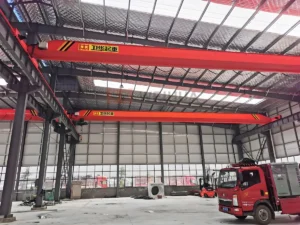
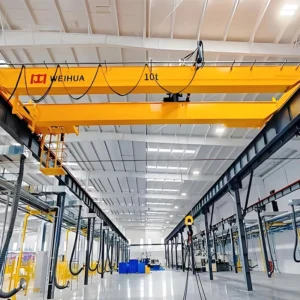
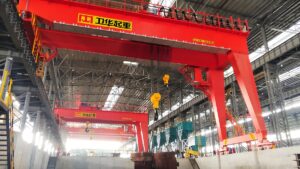
The heavy-duty steel mill crane features robust and durable key components, ensuring smooth operation and minimal maintenance. It is suitable for the high-temperature and dusty environments of steel mills. Equipped with reliable braking, limit switches, and overload protection devices, it guarantees safe operation. It is primarily used in steelmaking, continuous casting, and rolling mill workshops for lifting and transferring molten steel, steel billets, and steel plates.
In the steel production process, different stages have different requirements for lifting equipment. Due to variations in the type of materials being lifted, the intensity of operation, and the working environment, steel plants typically utilize different types of overhead cranes. The following introduces several common types of Steel Mill Cranes found in steel plants to help you better understand the characteristics of each type of equipment.
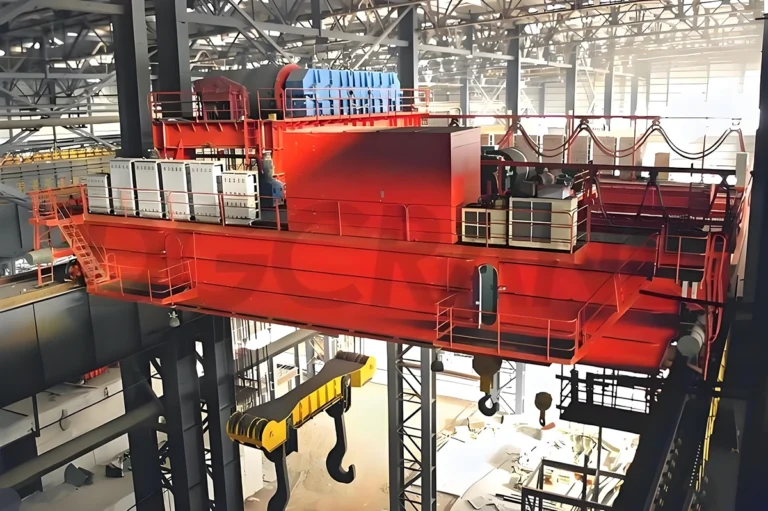
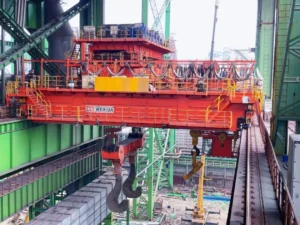
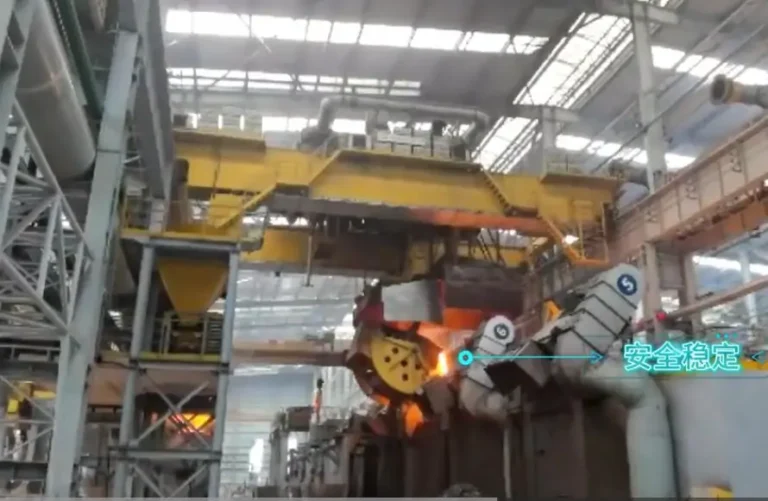
Steel Mill ladle cranes for steel mills are primarily used for lifting and transferring ladles of molten steel in steelmaking workshops, facilitating the safe movement of molten steel between the furnace, refining, and continuous casting stations. They feature a robust structure and stable operation, capable of withstanding high temperatures, heavy loads, and continuous operation over extended periods. The crane can be customized according to the weight of the ladle, span, lifting height, and workshop conditions.
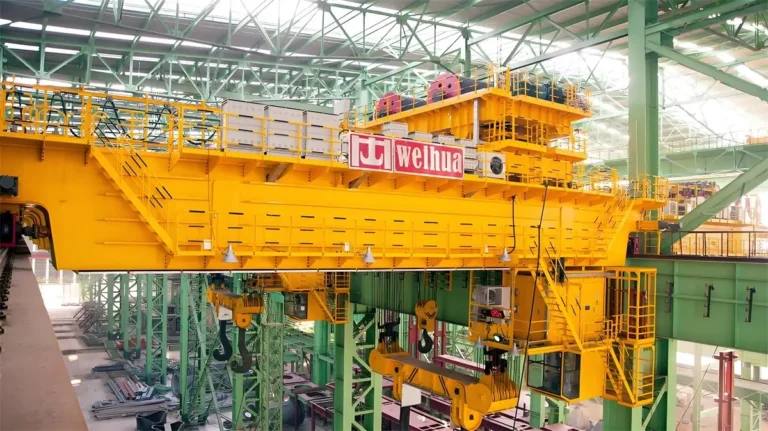
The main beam structure of the Casting Crane is robust, extending along the bridge, and equipped with a high-performance lifting mechanism. Its design is stable and durable, ensuring smooth operation and suitability for prolonged high-temperature and heavy-load operations. It is used for lifting and positioning molten steel, tundishes, and other materials in continuous casting workshops, facilitating the transfer of molten steel from the refining workshop to the continuous casting machine.
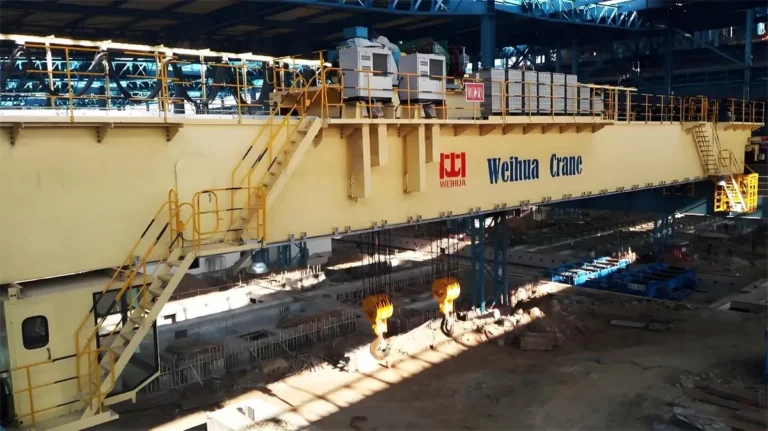
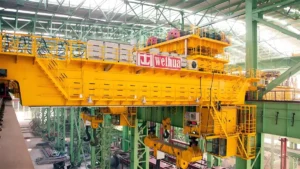
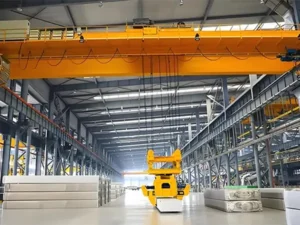
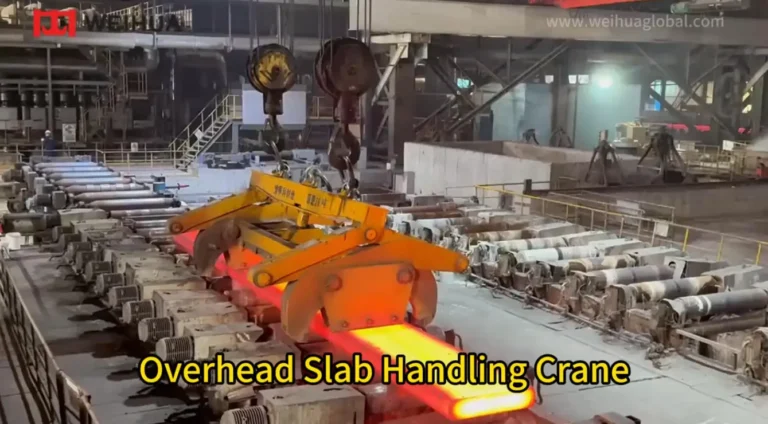
Slab Handling Cranes are primarily used in continuous casting and rolling mill workshops for lifting, handling, and stacking heavy materials such as steel plates and slabs. They are characterized by their robust structure and smooth operation, capable of withstanding frequent lifting and heavy-duty operations. They can be customized according to slab weight, span, lifting height, and workshop layout.
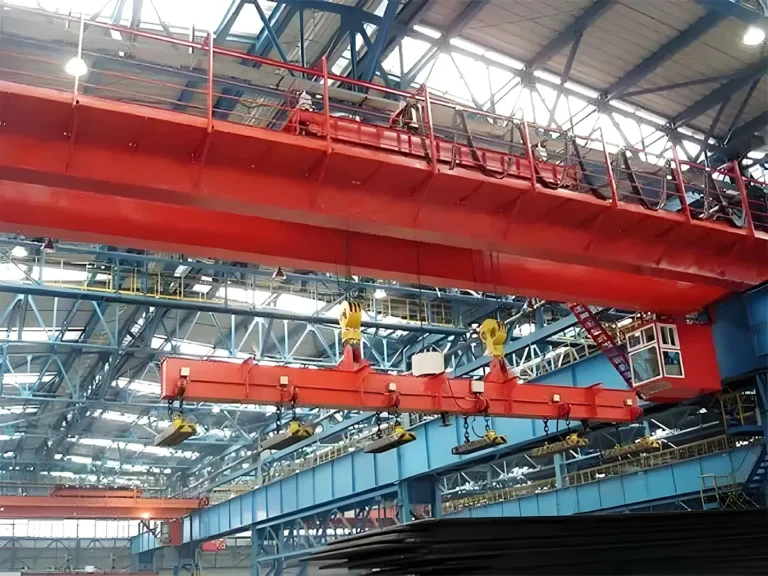
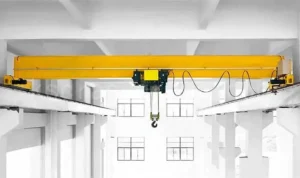
The Billet Handling Overhead Crane features a single-girder structure with the main beam extending along the bridge and equipped with a high-performance lifting mechanism. The overall design is reliable and durable, ensuring smooth operation and easy maintenance, making it suitable for high-frequency, heavy-duty applications. It is primarily used for lifting and handling steel billets and bars in steel mills and can be used with clamps or C-hooks to improve production efficiency.
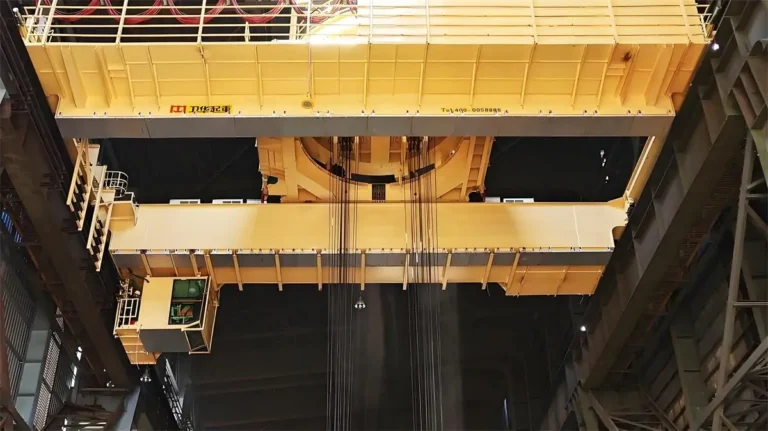
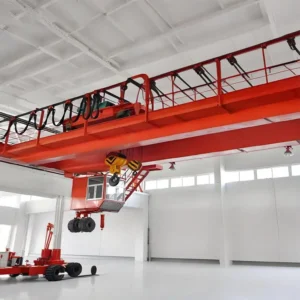
Heavy-duty EOT cranes for steel plants are suitable for long-term, high-intensity operations in steel mills. They are used for lifting various heavy materials in steel plants, such as steel billets, steel plates, and molten steel ladles, meeting the production needs of steelmaking, continuous casting, and rolling workshops. They can be customized according to lifting capacity, span, lifting height, and workshop conditions. For a detailed definition, structural characteristics, and types of EOT cranes, please refer to this article: Uma ponte rolante EOT (End-Over-Head) é um tipo de ponte rolante em que o guindaste viaja ao longo de uma viga de ponte suspensa acima da área de trabalho.
Steel mill overhead cranes are robust and reliable, designed for high-temperature and heavy-duty applications. Understanding their main components helps in better assessing equipment performance and whether the configuration meets the actual needs of a steel plant. The following are the core components of a heavy-duty overhead crane for steel mills:
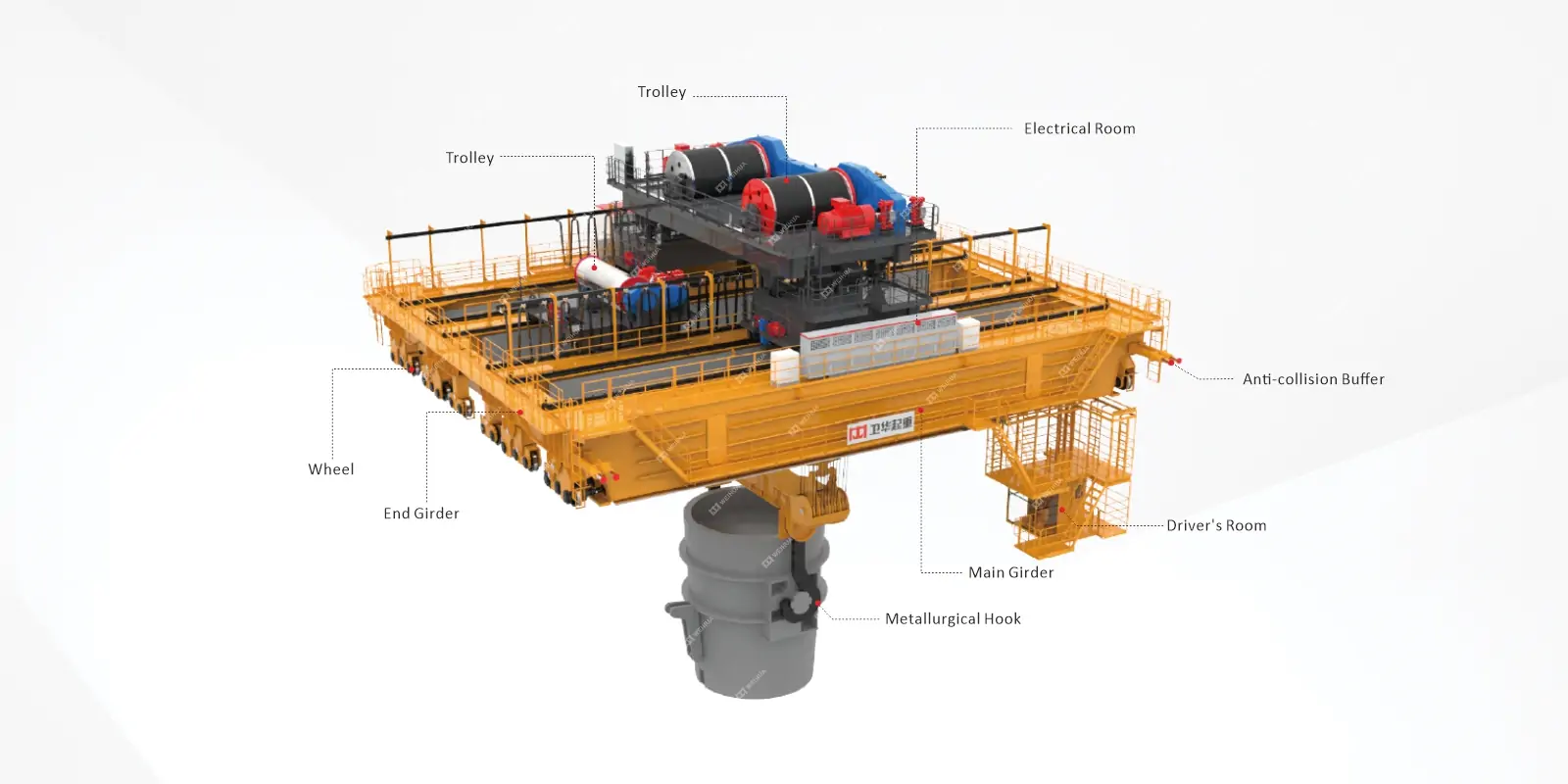
Viga principal: The main load-bearing structure of the crane, responsible for carrying heavy materials such as molten steel ladles and steel billets.
Hoisting Mechanism: Composed of a motor, reducer, drum, and wire rope, it is a key component for lifting and lowering operations. Its high reliability and good braking performance make it suitable for heavy-duty use in steel plants.
Trolley: Mounted on the main girder, it moves smoothly along the girder, allowing for precise adjustment of material position.
End Girders and Traveling Mechanism: These support the main girder and run on rails via wheels, enabling the crane to move longitudinally within the workshop, covering the entire working area.
Electrical and Control System: Responsible for the crane’s operation control and safety management. It can be configured with a driver’s cab, remote control, or ground control as needed, ensuring safe and reliable operation.
The steel mill crane performs material handling operations through the coordinated movements of lifting, traversing, and traveling. The lifting mechanism is mounted on the trolley, and a motor drives the drum to rotate, using steel ropes to lift and lower ladles of molten steel, steel billets, or steel plates.
The trolley moves laterally along the main beam to precisely adjust the material position; the entire crane moves longitudinally on the rails via the end beams and traveling mechanism, allowing the crane to cover the entire workshop area. Operators can control the crane from the cab, via remote control, or from the ground.
In steel mill environments, the bridge crane is equipped with reliable braking and safety protection devices to ensure smooth operation under high temperature, heavy load, and continuous operation conditions.
Weihua can provide you with customized heavy-duty steel mill crane solutions tailored to the specific needs of your steel mill, based on its workshop structure, production process, and workload intensity. Key parameters such as lifting capacity, span, lifting height, and working class can all be configured according to actual working conditions. The following are the main technical specifications for steel mill bridge cranes in steel mills, for your reference during selection.
| Parâmetro | Especificação |
|---|---|
| Capacidade de Elevação | 20–500 tons (customizable) |
| Span | 15–40 m |
| Altura de elevação | 10–30 m (customizable) |
| Classe de Dever | A7 / A8 (Heavy-duty steel mill standard) |
| Velocidade de Elevação | Customized according to load |
| Velocidade de Deslocamento do Guincho | Customized |
| Velocidade de Viagem do Elétrico | Customized |
| Método de controlo | Cabin control / Remote control / Pendant control |
| Fonte de Alimentação | 380V / 50Hz / 3Ph (personalizável) |
| Ambiente de Trabalho | High temperature, heavy load, continuous operation |
| Aplicação | Steel plant, smelting shop, casting shop, rolling mill |
Metallurgical cranes differ significantly from standard overhead cranes. For details, see: Metallurgical Crane vs. Standard Overhead Crane: Key Differences Explained
Steel plant cranes are primarily used in steel mills and heavy industrial workshops, performing material lifting and transfer under high temperature, heavy load, and continuous operation conditions. They are widely used in the following scenarios:
If you’re unsure how to select the right crane for a steel mill, you can refer to the article: “Steel Mill Crane Selection Guide: Types, Applications, and How to Choose”
For details on how to select the most suitable crane type for steel mills, see:
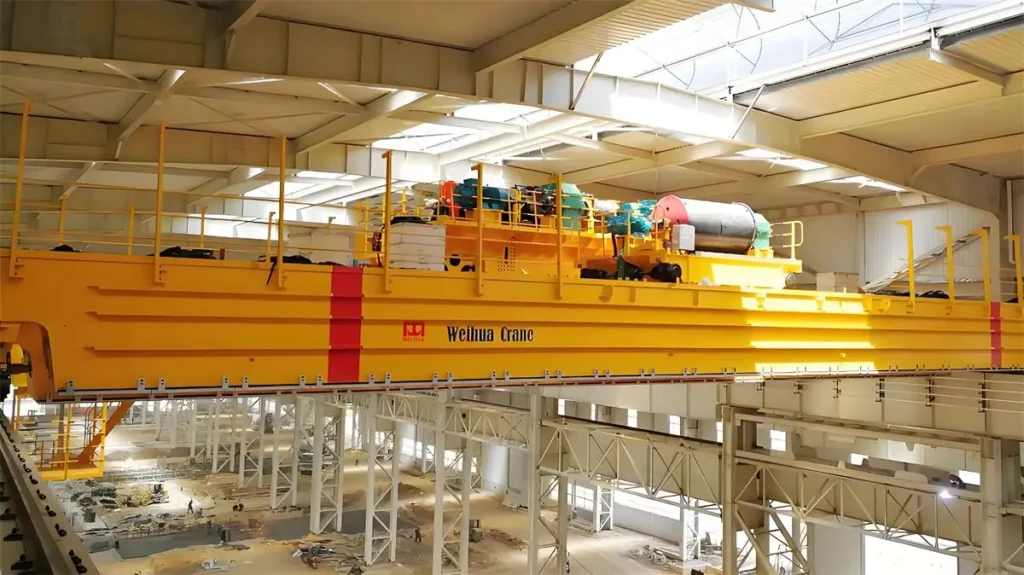
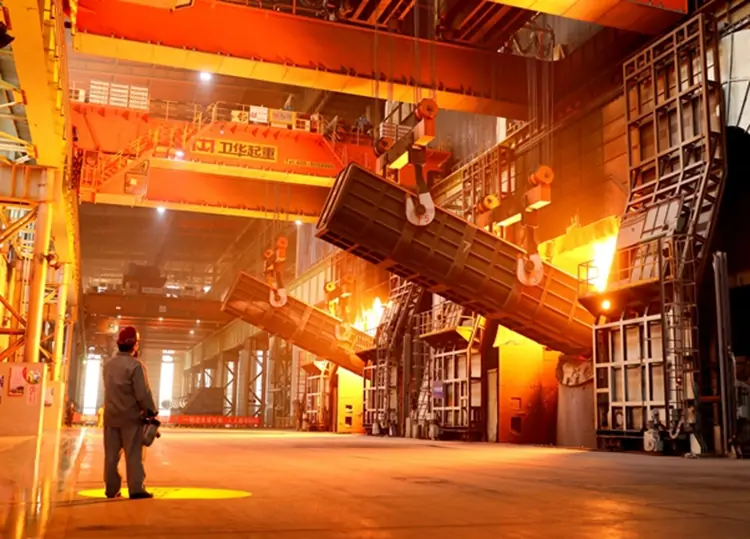
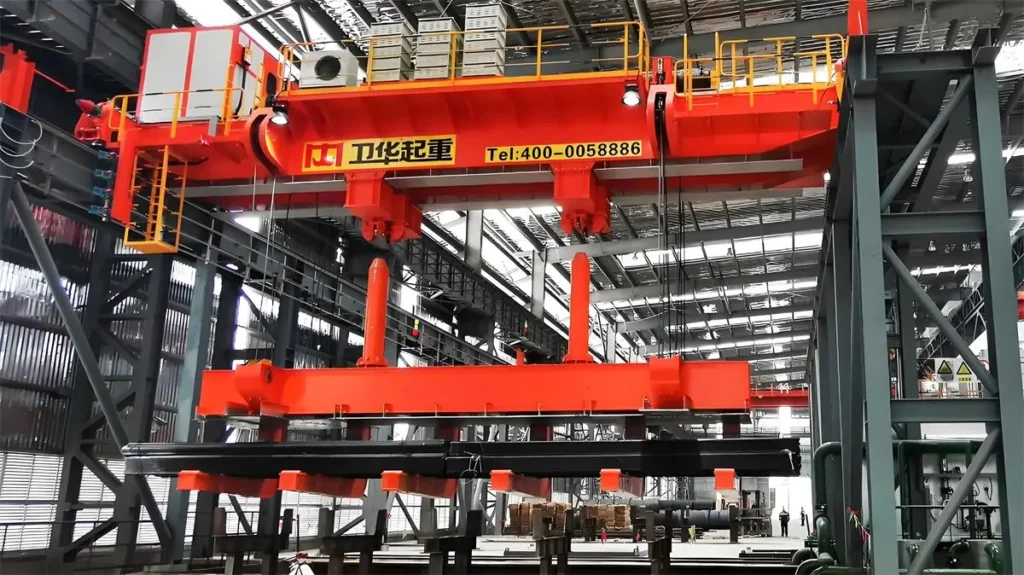
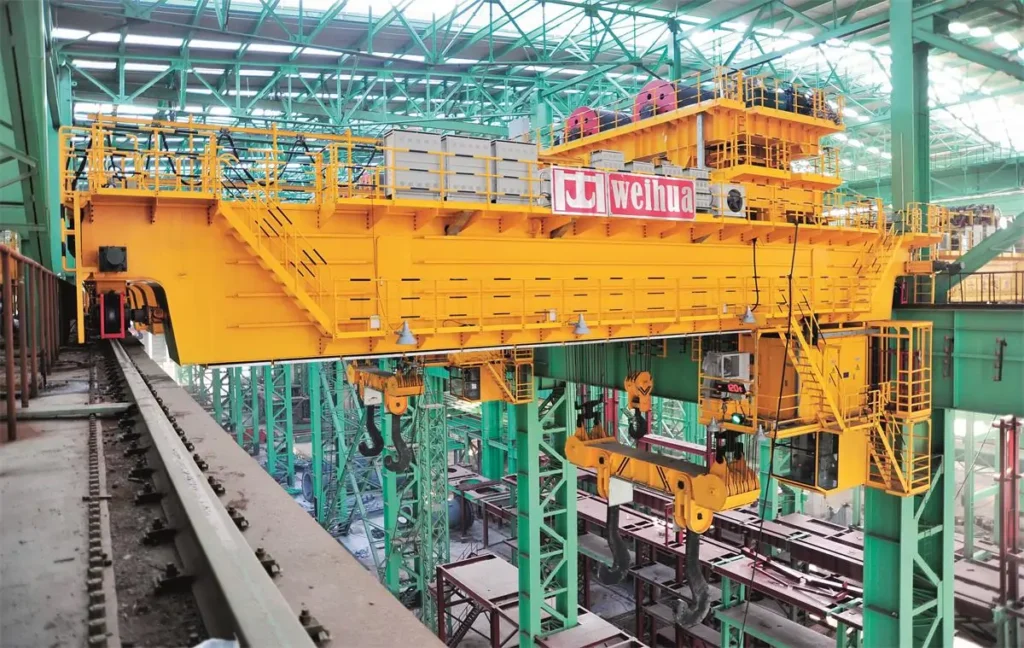
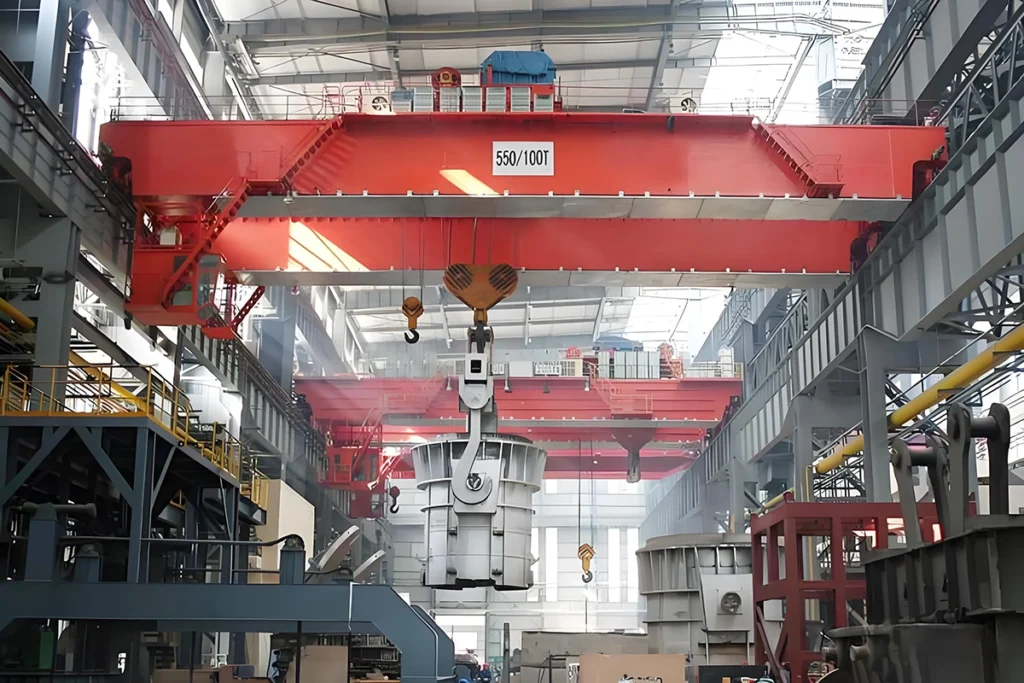
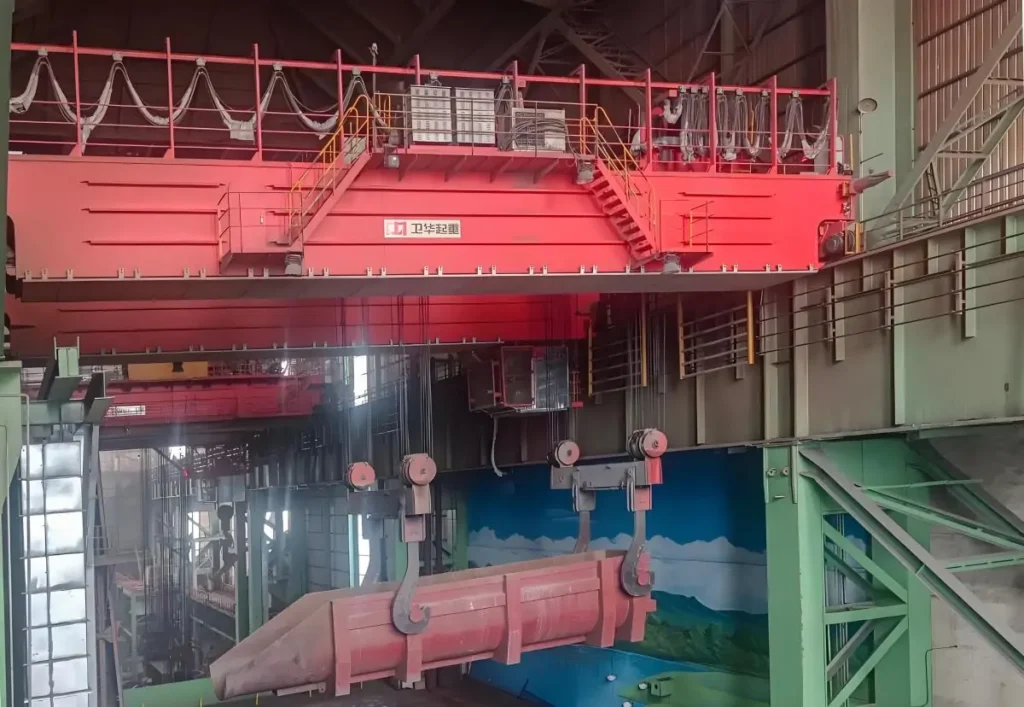
For details on the applications of metallurgical overhead cranes, see the article: Metallurgical Overhead Cranes | Specialized Cranes for Steel & Aluminum Plants
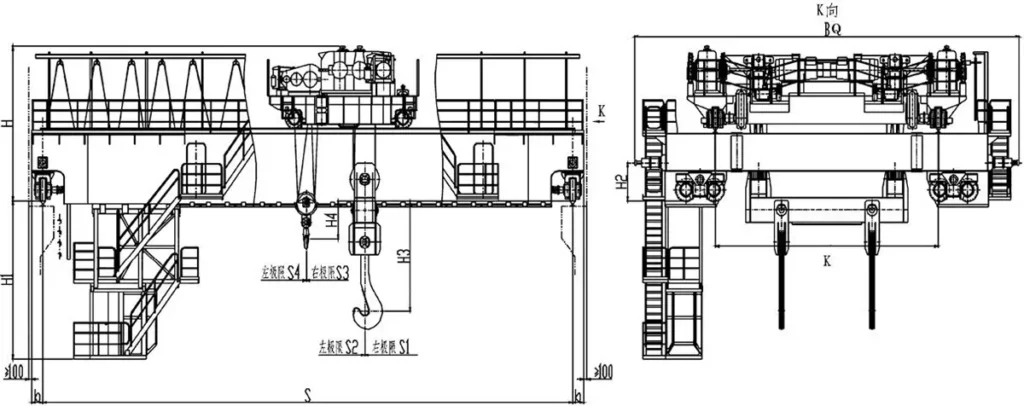
Heavy Load Steel Mill Cranes can be customized according to the steel plant’s production process, workload, and site environment. Proper parameter configuration helps improve operational efficiency while ensuring safe operation and equipment lifespan. Common customization options include:
Weihua is a professional manufacturer and supplier of steel mill cranes in China, with over 37 years of experience in the design and manufacturing of lifting equipment. Over the years, Weihua has provided reliable lifting solutions for numerous steel mills and heavy industry projects, accumulating extensive project experience in steelmaking, continuous casting, and rolling mill operations.
All heavy-duty overhead cranes for steel mills are designed and manufactured according to international standards and have obtained relevant certifications such as CE and ISO. The products have been exported to and used in many countries and regions, demonstrating stable operation and reliable performance.
Weihua has a professional engineering team that can provide selection advice and design support during the initial stages of a project. After equipment delivery, we provide installation guidance, technical support, and comprehensive after-sales service, along with a one-year warranty. Please contact the Weihua engineering team; we will customize a suitable solution based on your specific operating conditions.
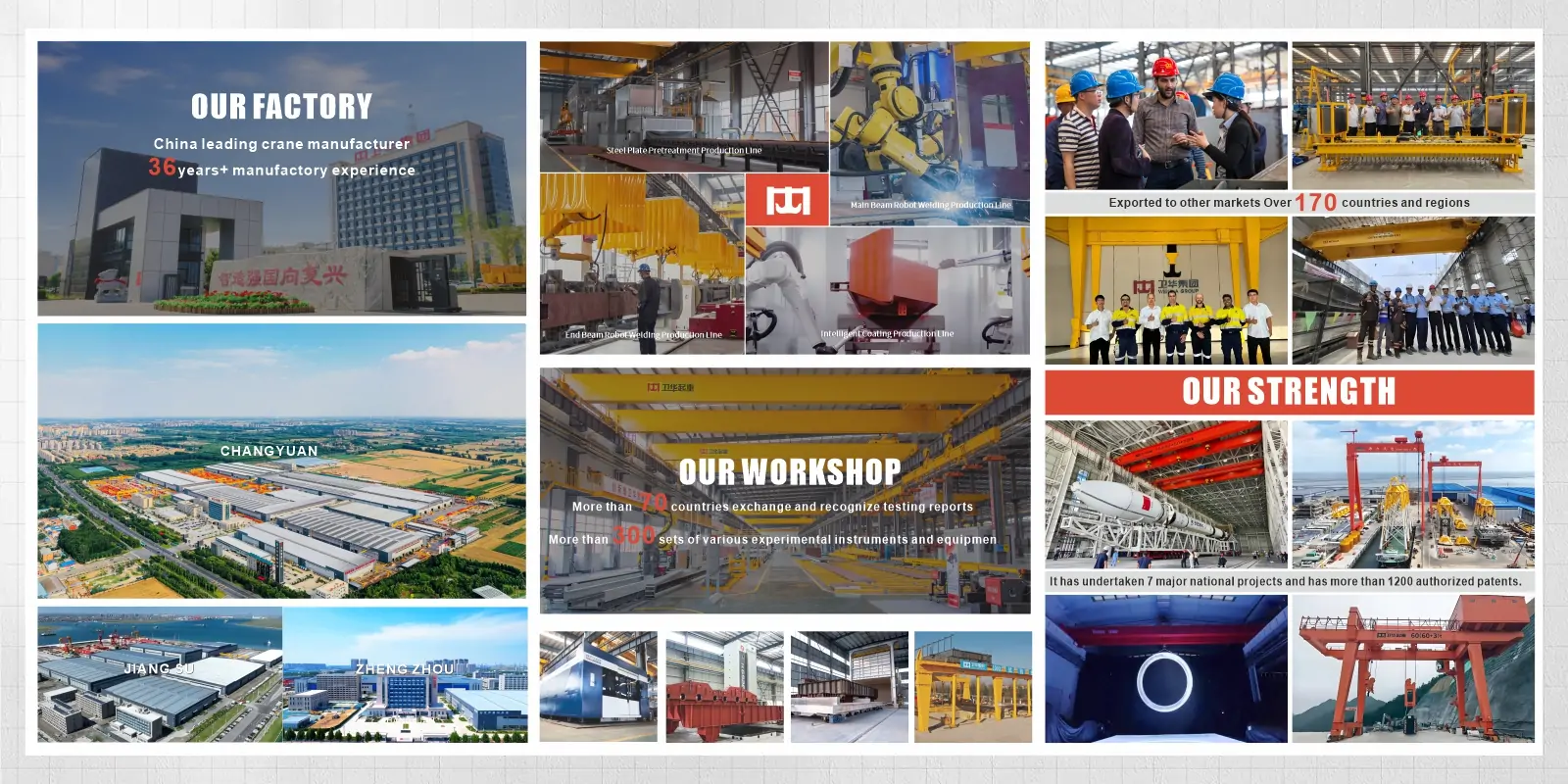
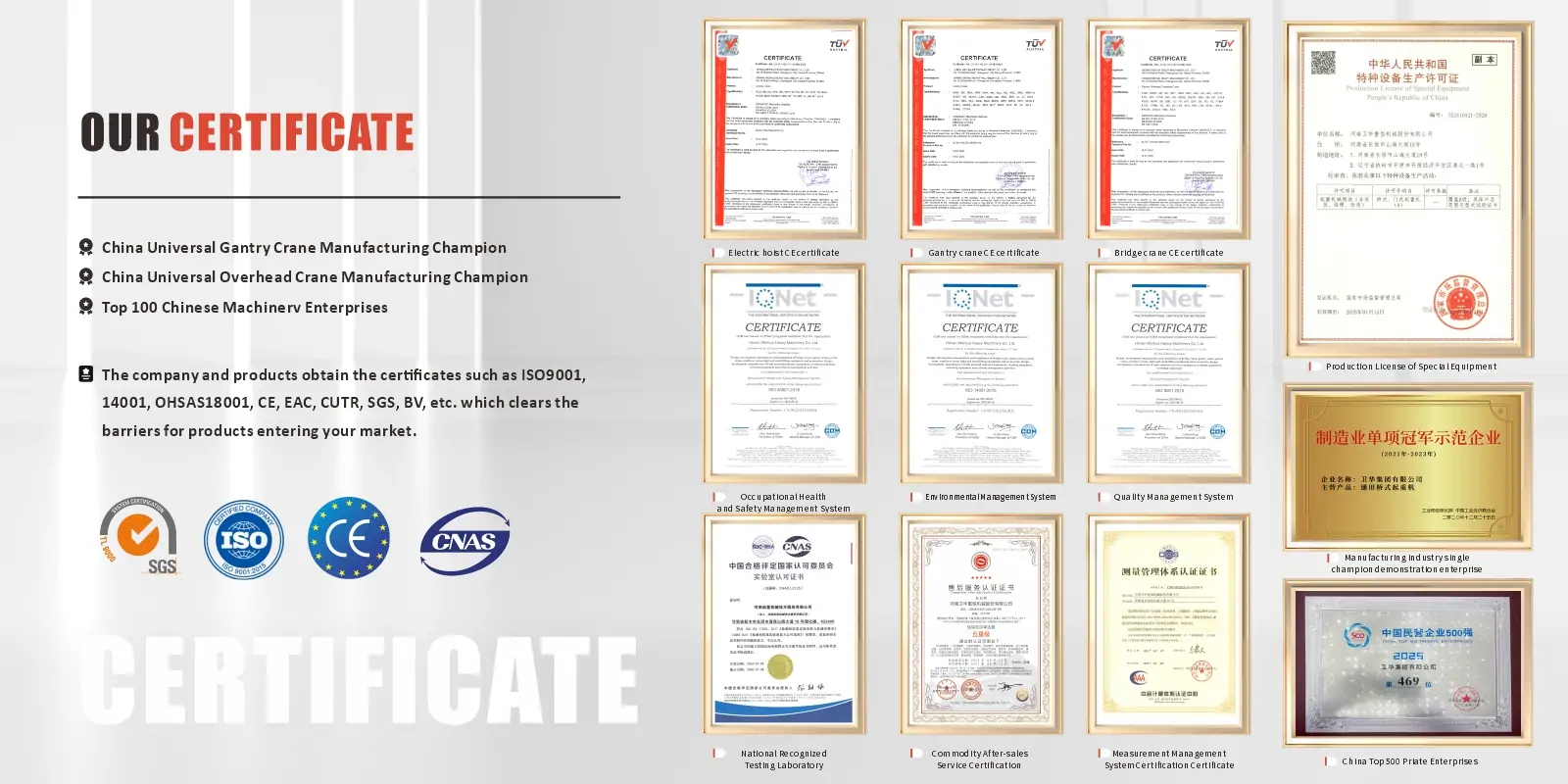
Fundada em 1988, a Weihua evoluiu para uma líder global no campo da manufatura inteligente na China. Somos especializados em I&D e produção de gruas inteligentes, ao mesmo tempo que oferecemos soluções AGV. As nossas equipas profissionais de engenharia, entrega e pós-venda fornecem suporte técnico multifacetado, soluções personalizadas, orientação de instalação no local e serviços globais de resposta rápida para garantir que cada projeto opere de forma segura e eficiente.
Steel mills mainly use heavy duty overhead cranes, including ladle cranes, casting cranes, slab handling cranes, and billet handling cranes for different production processes.
A ladle crane is used to lift and transfer molten steel in ladles, while a casting crane is mainly used in continuous casting lines to handle molten steel and tundishes.
Yes. Steel mill cranes can be customized based on lifting capacity, span, lifting height, duty class, and workshop conditions.
Steel plant cranes require reliable braking systems, overload protection, limit switches, and heat-resistant components to ensure safe operation.
Steel mill cranes are usually designed with heavy duty classes such as A7 or A8 for continuous and high-load operation.
Contacte-nos agora por email: [email protected], ou preencha o formulário abaixo.


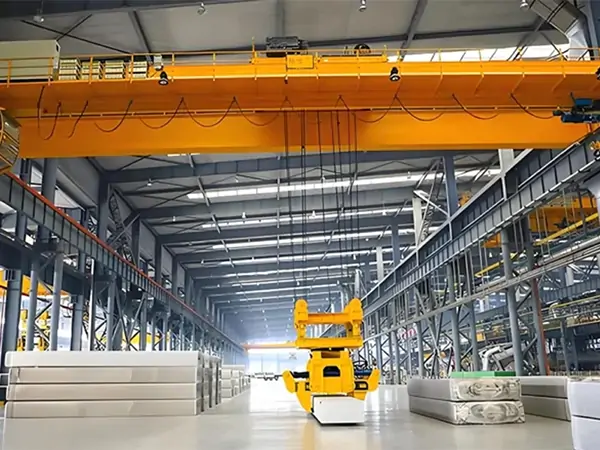
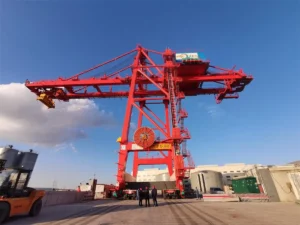
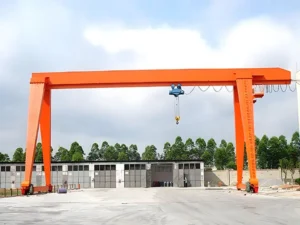
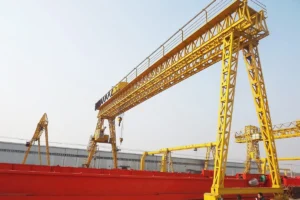
O pórtico rolante é um equipamento de elevação amplamente utilizado em diversos setores industriais, locais de construção, portos, armazéns e outros campos. A sua estrutura única e a sua potente capacidade de suporte de carga tornam-no ideal para a manipulação moderna de materiais de alta resistência. O design da estrutura do “pórtico” permite que o guindaste se mova livremente num espaço, cobrindo uma grande área de trabalho. Então, o que torna os pórticos rolantes especiais? Quais são os seus tipos, parâmetros, métodos de controlo, aplicações e princípios de funcionamento? Como diferem dos pontes rolantes? Vamos explorar juntos. Tipos de Pórtico Rolante Com base no design, aplicação e ambiente de operação, os pórticos rolantes são tipicamente categorizados nos seguintes tipos: Pórtico Rolante de Viga Única Os pórticos rolantes de viga única são amplamente utilizados em setores industriais, armazéns, portos e oficinas. Apresentando um mecanismo de elevação de suporte de viga única, eles percorrem através de colunas laterais e calhas inferiores. Com a sua estrutura simples, operação fácil de usar e capacidade de elevação moderada, são ideais para manusear cargas leves a médias. Capazes de cobrir grandes distâncias livremente, os pórticos rolantes de viga única são adequados para operações de elevação e manuseio de materiais pesados. Pórtico Rolante de Viga Dupla Em comparação com os pórticos rolantes de viga única, os pórticos rolantes de viga dupla oferecem maior…
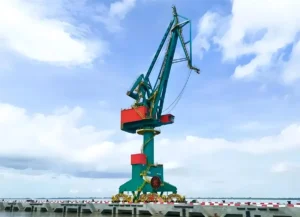
Nos portos, parques logísticos e manuseamento de materiais industriais, as Gruas Pórtico e as Gruas de Portão são dois tipos comuns e essenciais de equipamentos de carga/descarga. Diferem no design estrutural, características de desempenho, métodos de operação, cenários de aplicação e custos de investimento. Este artigo fornece uma análise abrangente da comparação entre Gruas Pórtico e Gruas de Portão e orienta-o na escolha correta. Comparação do Design Estrutural As diferenças estruturais entre Gruas Pórtico e Gruas de Portão manifestam-se principalmente nos métodos de suporte de carga, trajetórias de movimento e alcances de cobertura. A primeira foca-se numa torre fixa e numa lança rotativa, enfatizando a “cobertura de ponto” e a rotação horizontal flexível. A última apresenta uma estrutura de portal e movimento longitudinal sobre carris, priorizando o “movimento horizontal extenso” e o manuseamento eficiente de logística no local. Consequentemente, os seus designs estruturais distintos ditam diretamente os seus diferentes cenários de aplicação. Características Estruturais da Grua Pórtico As gruas giratórias tipo pórtico empregam estruturas de lança de um ou dois cantiléveres com a torre fixada a fundações ou carris, permitindo uma rotação de 360° ou parcial. Esta configuração permite uma operação flexível em espaços estreitos e alongados, como linhas costeiras, frentes de cais e berços de navios, tornando-a particularmente adequada para o manuseamento de materiais entre navio e terra. A sua funcionalidade principal combina verticalmente…
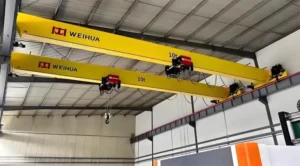
Nas operações industriais modernas, a movimentação eficiente de materiais é crucial para maximizar a produtividade e otimizar o fluxo de trabalho. Os pontes rolantes, também conhecidos como gruas aéreas ou gruas EOT, são sistemas fixos de manuseio de materiais amplamente utilizados em operações de fabrico, processamento de metais, armazenamento e operações de carga/descarga. Neste artigo, exploraremos o princípio de funcionamento, os componentes principais, as aplicações e os benefícios operacionais das pontes rolantes, fornecendo um guia abrangente para planeadores industriais e profissionais de logística. Princípio de Funcionamento da Ponte Rolante Uma ponte rolante opera numa estrutura semelhante a uma ponte que abrange o espaço de trabalho, com um carro e um sistema de elevação que se move horizontalmente ao longo da ponte e levanta ou baixa cargas verticalmente. O movimento da ponte rolante na via, combinado com o controlo preciso do elevação, permite o manuseio eficiente e seguro de materiais pesados em fábricas, armazéns e instalações industriais. Para informações sobre como funcionam as gruas aéreas, consulte este artigo: Princípio de Funcionamento das Gruas Aéreas: Componentes, Movimento e Processo Operacional Terminologia da Ponte Rolante Segue-se uma introdução à terminologia relacionada com as partes da ponte rolante. Capacidade da Ponte Rolante: A capacidade da ponte rolante refere-se ao peso máximo que uma ponte rolante pode levantar em segurança. Geralmente medida em toneladas...
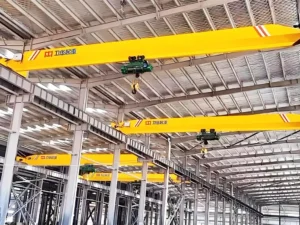
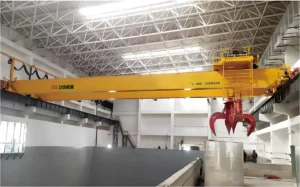
Uma Ponte Rolante EOT (Electric Overhead Traveling Crane) é um sistema de elevação aéreo eficiente e fiável, utilizado para manusear materiais pesados em fábricas, armazéns, oficinas e instalações industriais. Correndo sobre carris suspensos, as pontes rolantes EOT permitem o movimento tridimensional seguro e preciso de cargas, através de movimentos coordenados de elevação, translação transversal e translação longitudinal. Este artigo irá guiá-lo através das definições, tipos, estrutura, princípios de funcionamento, aplicações e fatores de custo das pontes rolantes EOT, para o ajudar a selecionar a solução mais adequada às suas necessidades de elevação. Como funciona uma Ponte Rolante EOT? O princípio de funcionamento de uma ponte rolante EOT envolve uma combinação de elevação vertical, movimento horizontal do carro e movimento longitudinal da ponte, permitindo o manuseamento eficiente de cargas pesadas em instalações industriais. A ponte rolante opera em carris de pista elevados, instalados ao longo da estrutura do edifício, com a viga da ponte a cobrir o espaço de trabalho. O mecanismo de elevação sobe ou desce a carga utilizando cabos de aço ou correntes, enquanto o carro move a carga horizontalmente ao longo da ponte. A ponte rolante inteira desloca-se longitudinalmente ao longo dos carris da pista, permitindo o posicionamento tridimensional dos materiais. As pontes rolantes EOT modernas são acionadas por motores elétricos com velocidade precisa…
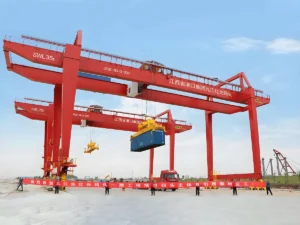
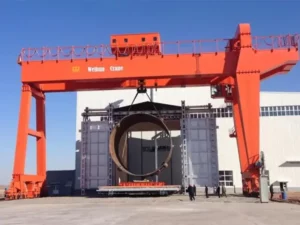
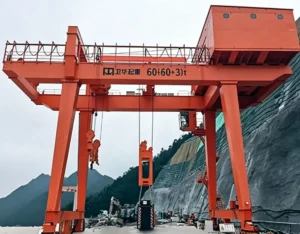
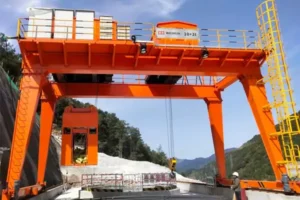
As gruas porta-pórtico são amplamente utilizadas em pátios de estocagem ao ar livre, estaleiros, fábricas e locais de construção, tornando-as uma das soluções de manuseio de materiais mais versáteis e extensivamente aplicadas. As gruas porta-pórtico vêm em vários tipos, cada uma personalizável para se adequar a diferentes capacidades de carga, condições do local e requisitos operacionais. No entanto, a seleção da configuração errada pode levar a despesas desnecessárias, capacidade de elevação limitada ou restrições de expansão futuras. Então, quais são os principais tipos de gruas porta-pórtico? Como escolher o tipo certo para a sua aplicação? Neste guia, forneceremos uma visão geral detalhada dos diferentes tipos de gruas porta-pórtico com base na estrutura, mobilidade e cenários de aplicação, ajudando-o a tomar a decisão certa antes de investir numa solução de elevação. O artigo é bastante longo. Abaixo está o nosso índice. Por favor, salte para a secção correspondente, conforme necessário: O que é uma Grua Porta-Pórtico? As gruas porta-pórtico são equipamentos de elevação concebidos para o manuseio eficiente de cargas pesadas em grandes locais ao ar livre. A sua estrutura distinta apresenta uma ou mais vigas principais suportadas por pernas rígidas (ou flexíveis) de cada lado, formando uma estrutura monumental em forma de “portão”. Estas gruas atravessam…
 English English
  Русский
 العربية
 Français
 Português
 Español