- ProduitÉquipementPrécision de Puissance, Personnalisation, Solution de GruesCourriel :WhatsApp / Wechat :+8613781917315Adresse :Rue Shanhai n° 18, ville de Changyuan, province du Henan, Chine


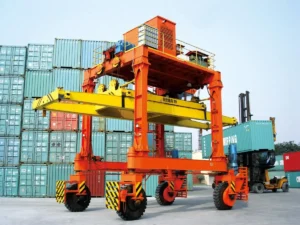
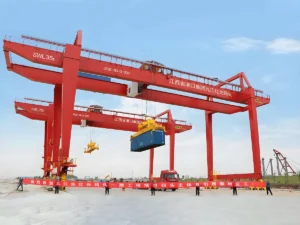
An electric RTG crane system is a type of rubber-tyred gantry crane system powered by electricity instead of diesel. It is widely used in terminal handling equipment applications, especially for container stacking and yard transportation. Compared with traditional models, electric rubber tyred gantry crane systems offer cleaner energy usage, lower maintenance costs, and higher operational efficiency in modern ports.
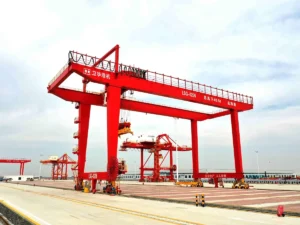
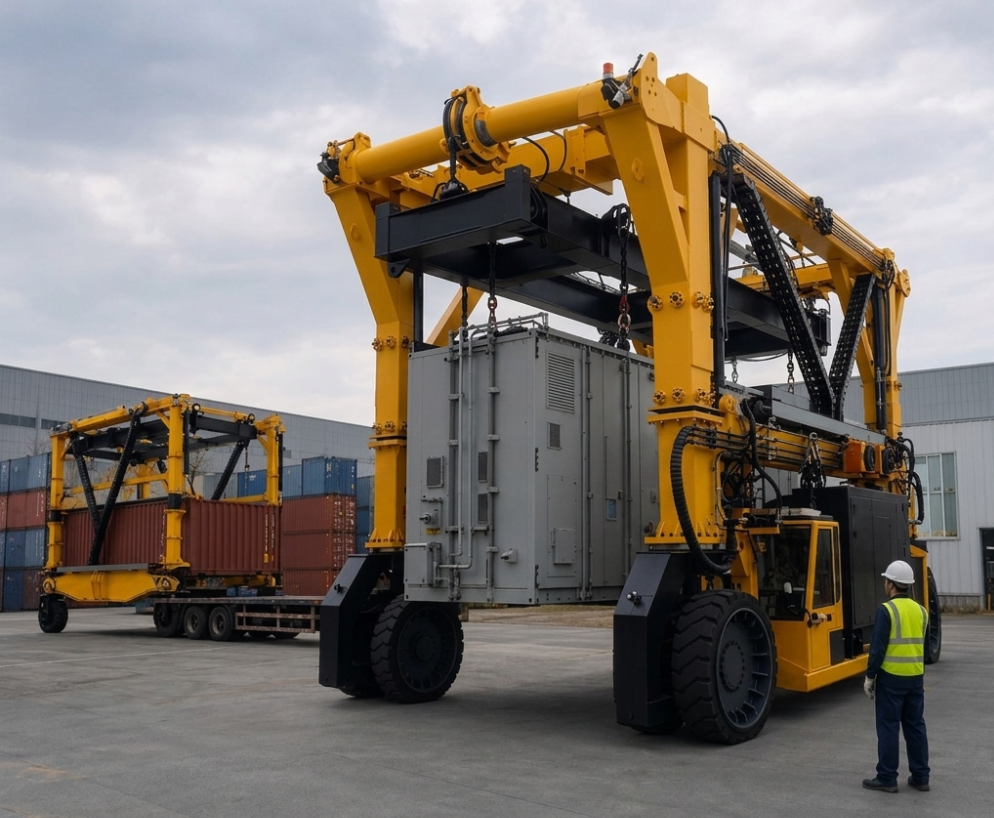
To meet the operational requirements of different container terminals and intermodal facilities, Electric RTG Cranes are commonly available in two structural configurations: Single Girder Electric RTG Cranes and Double Girder Electric RTG Cranes. The single-girder design emphasizes lightweight construction and cost efficiency for medium-duty applications, while the double-girder design offers greater strength, stability, and handling capacity for high-volume container operations.
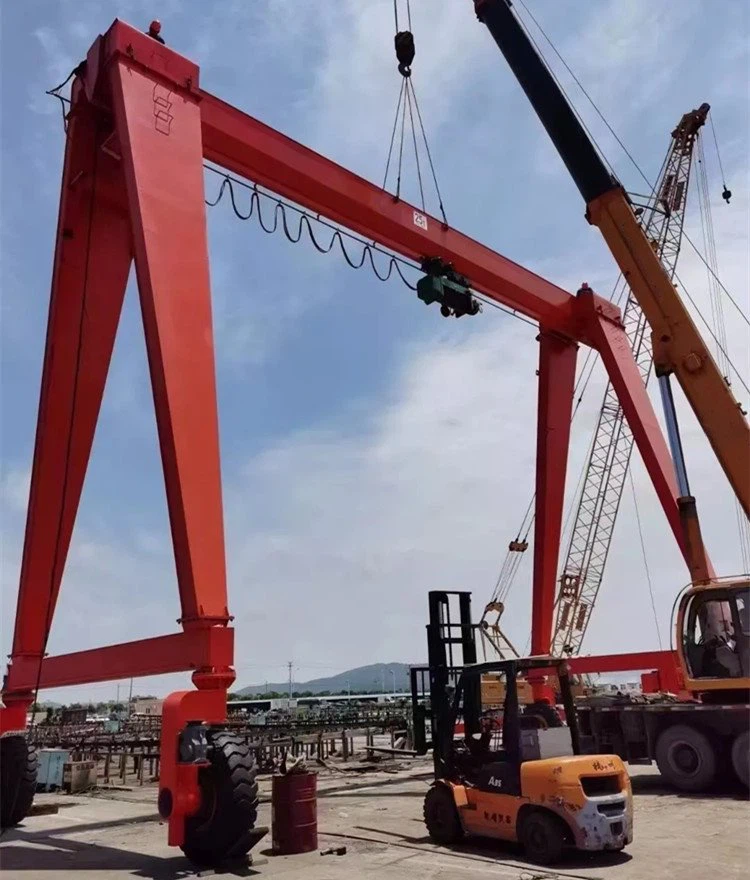
The Single Girder Electric RTG Crane features a lightweight single-girder structure that reduces overall crane weight and wheel loads while maintaining efficient container handling performance. Its compact design lowers foundation requirements and investment costs, making it well suited for inland intermodal terminals, logistics centers, and medium-sized container yards with moderate throughput demands.
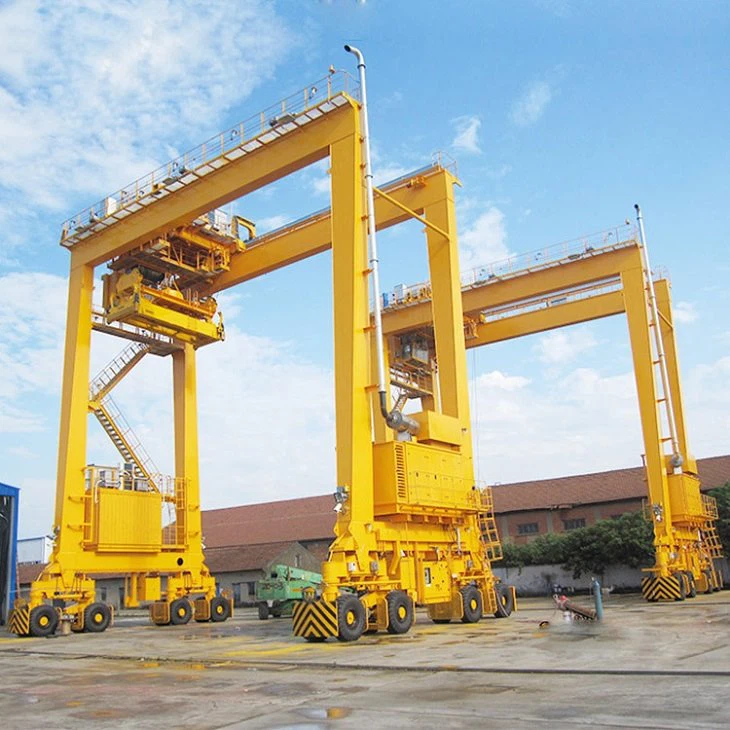
The Double Girder Electric RTG Crane adopts a dual-girder structure that provides higher rigidity, stability, and load-bearing capacity for intensive container handling operations. Designed for large container terminals and high-throughput intermodal yards, it supports continuous heavy-duty operation and higher stacking efficiency while accommodating advanced automation systems.
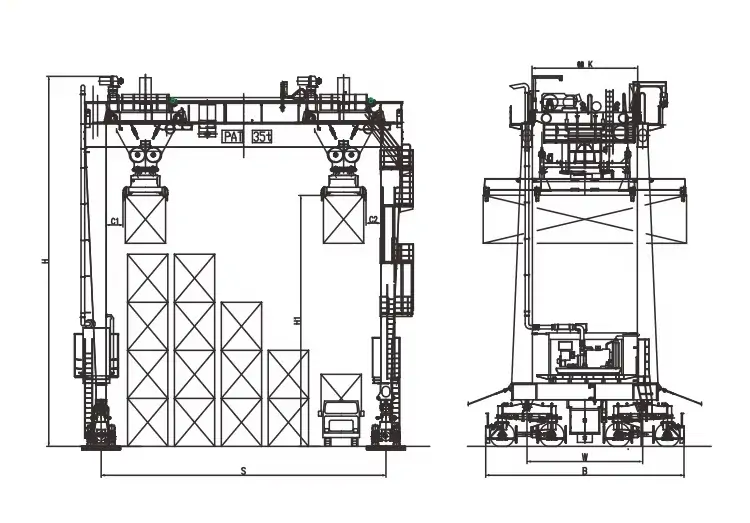
Electric RTG cranes are the electric-powered upgrade of traditional rubber-tyred gantry cranes. The crane is mainly composed of five core systems, each responsible for a specific function to support safe and efficient container handling operations. The main components and their functions are outlined below.
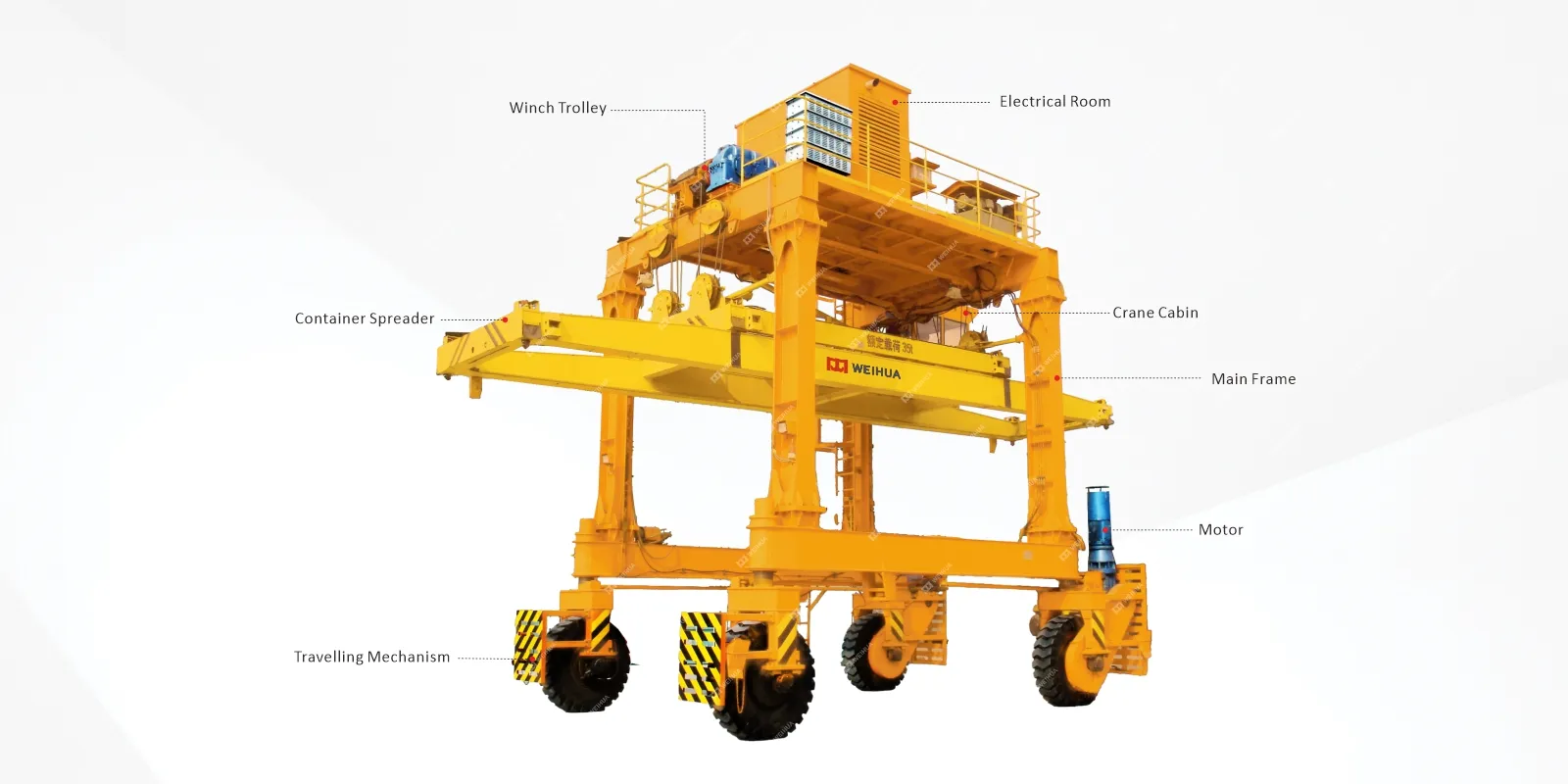
The coordinated operation of the metal structure, hoisting mechanism, traveling mechanism, electrical control system, and safety protection system enables electric RTG cranes to perform container handling tasks safely and efficiently, meeting the requirements of modern ports for reliability, flexibility, and continuous operation.
Electric RTG cranes are specialized lifting equipment designed for container yard operations in ports. Their performance, power supply, structure, and control systems are designed to meet high-intensity and continuous operation requirements. The following table presents the main technical parameters in terms of core performance, power supply and drive, structural dimensions, and operating control, for engineering selection and project planning.
The following are the detailed specifications of the equipment
| Category | Paramètre | Specification / Description |
|---|---|---|
| Lifting Performance | Capacité de levage nominale | 40–45 tons for single container handling; up to 65 tons for twin 20ft container lifting |
| Lifting Performance | Stacking Level | Standard 1-over-5 to 1-over-6; optional 1-over-6 to 1-over-7 |
| Lifting Performance | Container Rows Coverage | Standard 6+1 configuration; optional 7+1 configuration |
| Lifting Performance | Operating Cycle Rate | Up to 60 cycles/hour under standard operating conditions |
| Span | Crane Span | 23.5–31 m, depending on yard layout and stacking requirements |
| Hauteur de levage | Maximum Lifting Height | 18–21 m (1-over-5/6); up to 24 m (1-over-6/7) |
| Environnement de travail | Ambient Temperature | -25°C to +40°C; optional customization for extreme climates |
| Travel Performance | Vitesse de déplacement du portique | 90–140 m/min |
| Travel Performance | Vitesse de déplacement du chariot | 70–90 m/min |
| Travel Performance | Vitesse de levage | 20–45 m/min, depending on load conditions |
| Système de direction | Modes de direction | Straight travel, crab steering, pivot steering, Ackermann steering, optional 360° rotation |
| Power Supply – Cable Reel System | Cable Length | Up to 200 m |
| Power Supply – Cable Reel System | Reel Diameter | 5–6 m |
| Power Supply – Cable Reel System | Vitesse de déplacement | Up to 140 m/min |
| Power Supply – Cable Reel System | Acceleration | Up to 0.25 m/s² |
| Power Supply – Cable Reel System | Installation Height | 5–8 m |
| Power Supply – Overhead Conductor Rail | Power Method | Continuous power supply through conductor rail and collector system |
| Power Supply – Overhead Conductor Rail | Operating Range | Unlimited travel distance within conductor rail coverage |
| Power Supply – Overhead Conductor Rail | Application typique | Fixed RTG travel lanes and automated container yards |
| Système d'entraînement | Système de contrôle | Common DC bus system with vector control for hoisting, trolley, and gantry travel |
| Système d'entraînement | Energy Recovery | Regenerative braking energy reused within the system or dissipated through braking resistors |
| Spreader System | Container Compatibility | 20ft, 40ft, and 45ft ISO containers |
| Spreader System | Spreader Type | Hydraulic telescopic spreader with automatic twistlock system |
| Spreader System | Rotation Angle | Up to ±180°; optional continuous 360° rotation |
| Hybrid & Electric System | Hybrid Mode | Diesel generator + lithium battery with energy recovery technology |
| Hybrid & Electric System | Fuel Saving | Typically reduces fuel consumption by 30–60% compared with conventional diesel RTGs |
| Hybrid & Electric System | Pure Electric Mode | Lithium battery + grid power, enabling zero-diesel operation |
| Hybrid & Electric System | Battery Capacity | 150–600 kWh, depending on operating requirements |
| Hybrid & Electric System | Charging Method | Plug-in charging, automatic charging station, or opportunity charging |
| Safety System | Protection Functions | Anti-collision protection, overload protection, wind monitoring, skew correction, emergency stop |
| Safety System | Wind Resistance | Designed according to local wind load standards; optional storm anchoring system |
| Automation System | Niveau d'automatisation | Manual, remote-controlled, semi-automated, or fully automated |
| Automation System | Positioning System | GPS, laser positioning, RFID, and vision-assisted positioning options |
| Protection Class | Electrical Protection Rating | IP54–IP65 depending on operating environment |
| Structure | Main Structure Material | Q355B high-strength structural steel |
| Structure | Design Service Life | 20–30 years under normal operating conditions |
All specifications can be customized to meet specific operational requirements. With extensive experience in container handling equipment, WEIHUA can provide tailored solutions based on yard layout, throughput demands, container stacking requirements, power supply conditions, and automation levels to maximize operational efficiency and long-term value.
Electric RTG (electric rubber tyred gantry crane) is a green upgrade of traditional diesel RTG, featuring mobility, energy saving, environmental protection, and intelligence.
Electric RTG shows balanced performance in energy saving, mobility, intelligent operation, and cost control, suitable for various port and yard scenarios. As ports upgrade toward green and intelligent operations, electric RTG is gradually becoming an important alternative to traditional diesel RTG and rail-mounted gantry cranes.
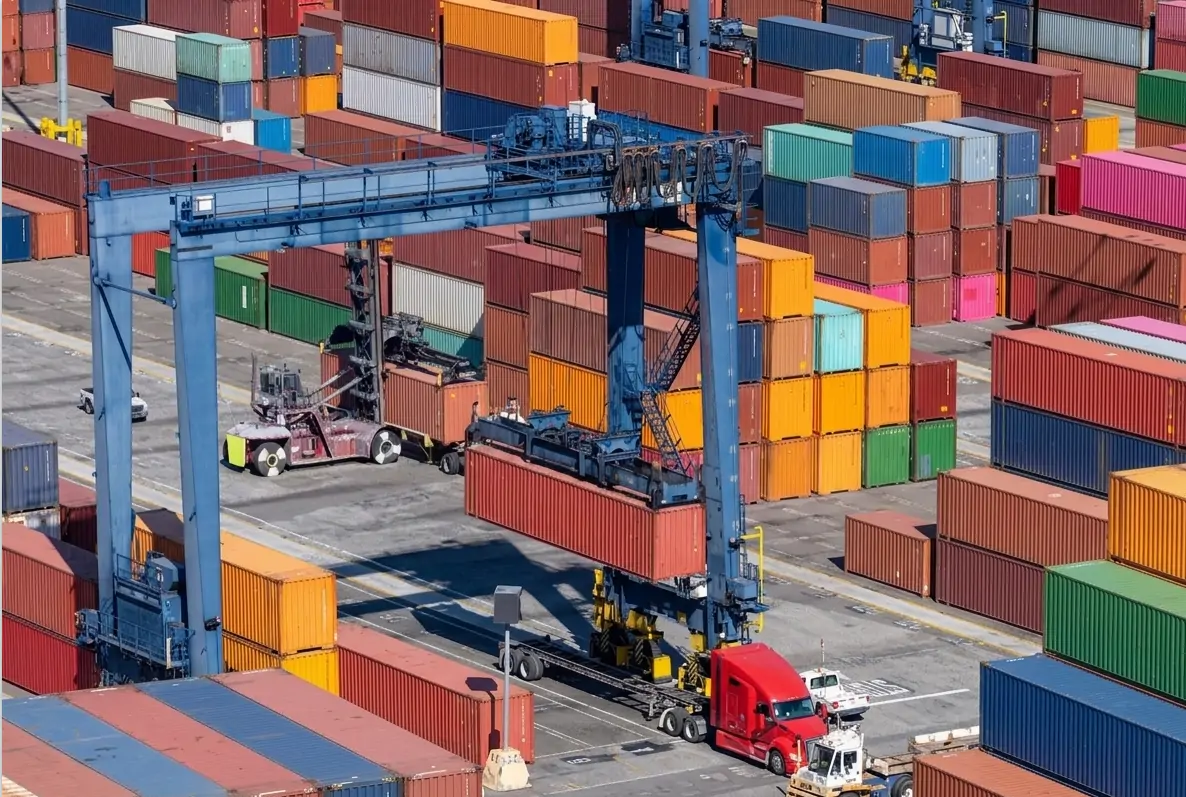
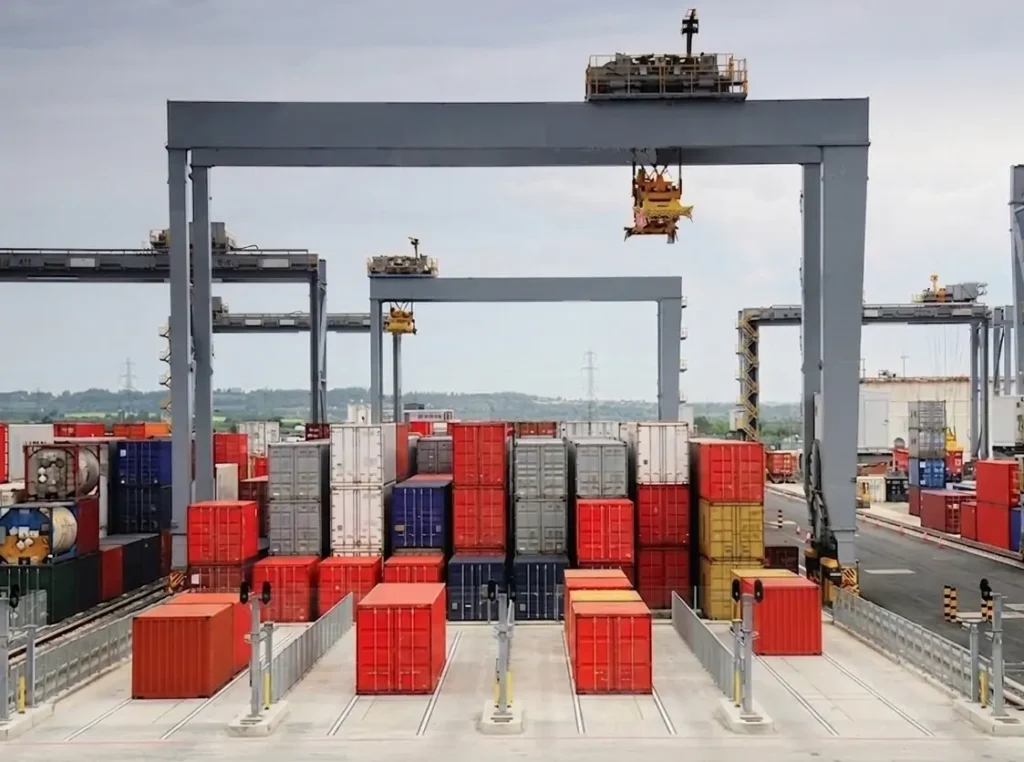
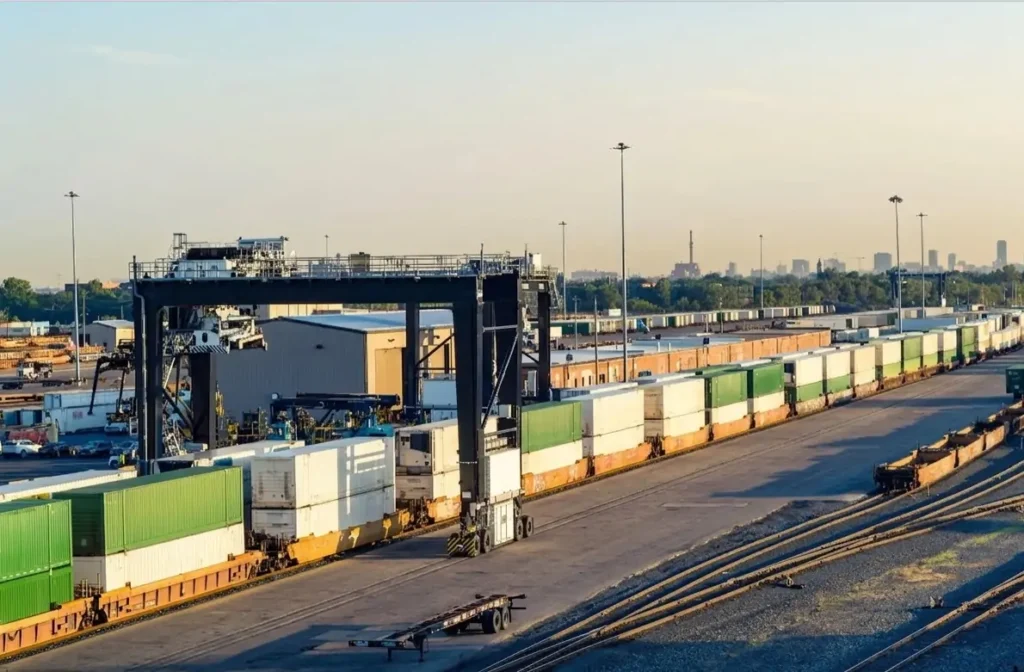
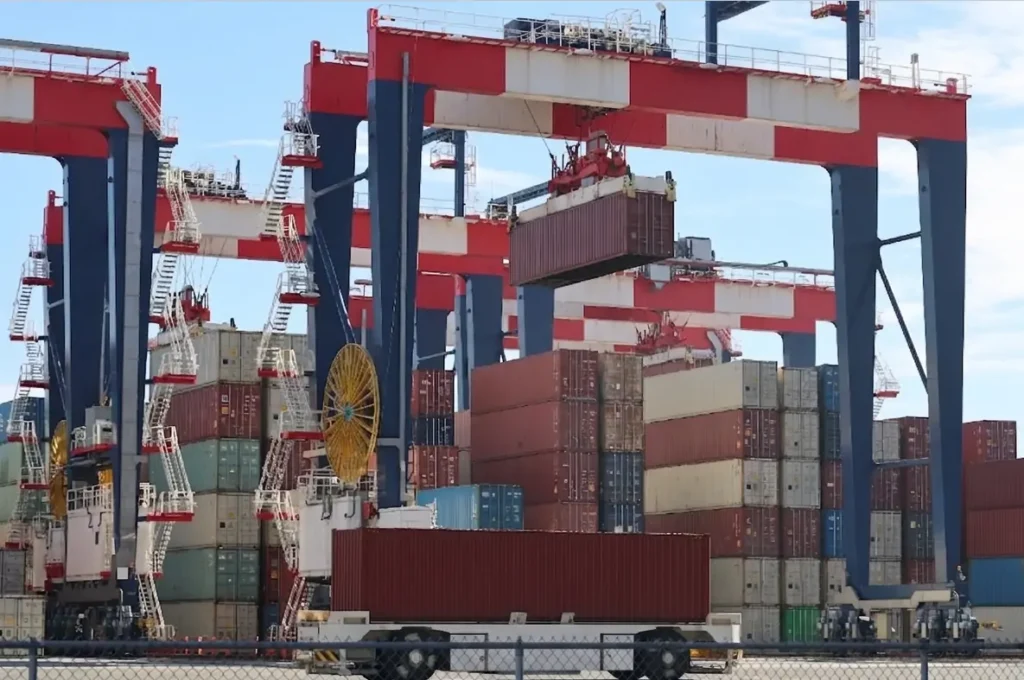
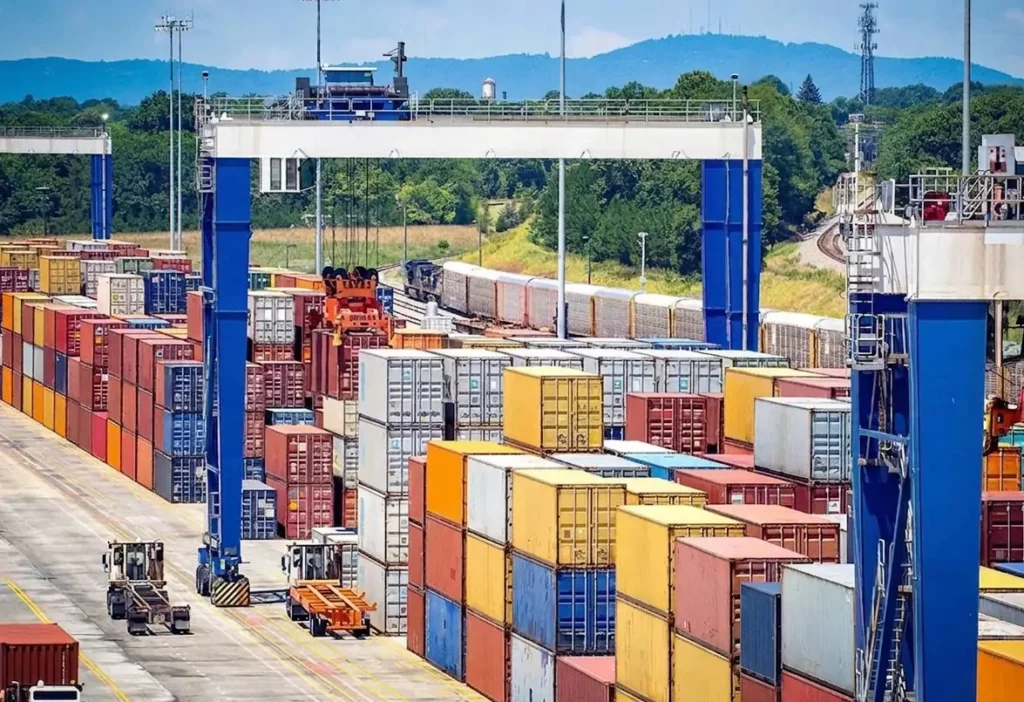
Compared with diesel RTG, electric RTG cranes show clear differences in emissions, cost, efficiency, and maintenance performance.
| Dimension | Electric RTG | Diesel RTG |
| Fuel & emissions | Fuel use reduced by 60%+; fully electric models reach zero emissions; hybrid models reduce most NOx, PM, CO emissions, and noise | High fuel use; high CO₂ emissions; strong noise and exhaust |
| Energy cost | Fuel cost reduced by 60%+; not affected by oil price fluctuations | High fuel cost; sensitive to oil price |
| Entretien | Lower maintenance; less downtime | Frequent maintenance; higher downtime |
| Operation time | No refueling downtime; more working hours | Regular refueling required |
| Energy recovery | Regenerative braking energy reused | No energy recovery |
| Efficiency | Stable output; supports automation & remote control | Lower efficiency under partial load; limited automation |
Overall, electric RTG cranes offer lower operating costs and emissions while maintaining high mobility and better compatibility with modern terminal automation systems.
Automated electric RTG cranes are used in smart port projects with automation functions and compatibility with terminal systems. They support semi-automatic to fully unmanned operation for both new and upgraded container yards.
Next-generation automated electric RTG cranes are equipped with L4-level control systems, integrating anti-sway, multi-wheel drive, and high-precision positioning. They adapt to different spans, lifting heights, and yard layouts, covering both existing yard upgrades and new smart yards, and support automated handling with human-machine collaboration.
Automated electric RTG cranes can connect to terminal operating systems to perform automatic stacking, path planning, and collision avoidance. Data-driven management via a unified dispatch platform improves yard efficiency and reduces vessel waiting times.
Automated electric RTG cranes support remote monitoring, collecting real-time operation data, equipment status, and fault information for remote diagnostics and alerts. Integrated power, communication, and positioning systems reduce maintenance costs and improve operational efficiency.
Automated electric RTG cranes allow switching between fully automatic and semi-automatic modes. They enable unmanned operation while retaining manual intervention for key steps, adapting to different stages of automation upgrade.
With stable system integration and flexible operation modes, automated electric RTG cranes support terminals in upgrading toward higher automation levels, improving efficiency and system compatibility in staged implementation.
Electric RTG cranes are designed in accordance with GB/T 3811 Crane Design Standard and GB/T 20008 Safety Regulations for Lifting Equipment.
Electric RTG cranes, with their lifting capacity, yard adaptability, energy efficiency, and intelligent operation, combined with comprehensive safety measures, meet the requirements of modern port yard operations. They support different technical routes and power solutions, providing reliable performance for green, flexible, and efficient port operations.
Electric RTG cranes can be configured with different options based on terminal layout and operation requirements:
These configurations allow electric RTG cranes to adapt to different container yard environments and project requirements.
We offer a full range of customized RTG Cranes for Container Handling solutions, including Intermodal RTG Crane, grue à conteneurs RTG. The following is custom options:
The stability and flexible configuration of electric RTG cranes enable modern terminals to develop efficient, intelligent container yard operations, while offering various levels of automation and power solutions.
WEIHUA is a professional manufacturer and custom solutions provider of electric RTG cranes, with strong engineering capability, mature production system, and experience in delivering tailored crane solutions for port and logistics projects worldwide.
For project consultation, technical solutions, or customized requirements, please feel free to Contactez-nous.
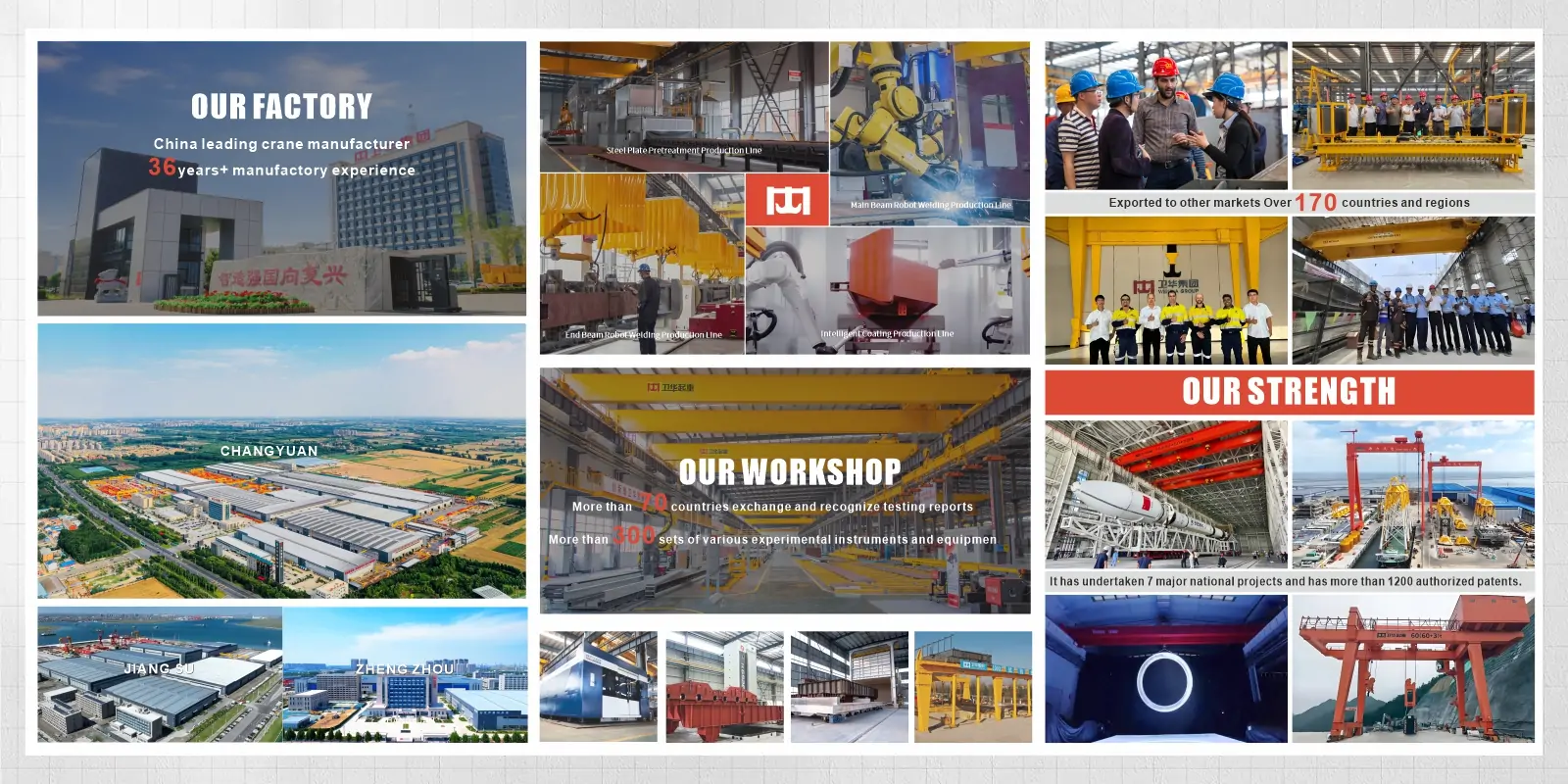
Fondée en 1988, Weihua est devenue un leader mondial dans le domaine de la fabrication intelligente en Chine. Nous sommes spécialisés dans la R&D et la production de grues intelligentes tout en proposant des solutions d'AGV. Nos équipes professionnelles d'ingénierie, de livraison et d'après-vente offrent un support technique complet, des solutions personnalisées, des conseils d'installation sur site et des services mondiaux à réponse rapide pour garantir que chaque projet fonctionne en toute sécurité et efficacité.
Un electric RTG crane is a rubber tyred gantry crane powered by electricity, used for container stacking and yard handling in ports and terminals.
Electric RTG cranes use grid power, battery, or hybrid systems, while diesel RTGs rely on fuel engines. Electric models have lower emissions, lower operating cost, and less noise.
Standard electric RTG cranes usually handle 40–45 tons for single container lifting, with up to 65 tons for twin-lift configurations.
Yes. Automated electric RTG cranes support integration with terminal systems and can operate in semi-automatic or fully automated modes.
Electric RTG cranes can use cable reel systems, busbar systems, hybrid power, or battery-based solutions depending on site conditions.
Contactez-nous dès maintenant par e-mail : [email protected], ou remplissez le formulaire ci-dessous.


La potence est un équipement de levage largement utilisé dans diverses industries, sur les chantiers de construction, dans les ports, les entrepôts et d'autres domaines. Sa structure unique et sa puissante capacité de charge le rendent idéal pour la manutention moderne de matériaux lourds. La conception de la structure “potence” permet à la grue de se déplacer librement dans un espace, couvrant une large zone de travail. Alors, qu'est-ce qui rend les potences spéciales ? Quels sont leurs types, leurs paramètres, leurs méthodes de contrôle, leurs applications et leurs principes de fonctionnement ? En quoi diffèrent-elles des ponts roulants ? Explorons ensemble. Types de potences Basées sur la conception, l'application et l'environnement d'exploitation, les potences sont généralement classées dans les types suivants : Potence à poutre unique Les potences à poutre unique sont largement utilisées dans les secteurs industriels, les entrepôts, les ports et les ateliers. Dotées d'un mécanisme de levage à support à poutre unique, elles se déplacent via des colonnes latérales et des rails au sol. Avec leur structure simple, leur fonctionnement convivial et leur capacité de levage modérée, elles sont idéales pour la manutention de charges légères à moyennes. Capables de couvrir de grandes distances librement, les potences à poutre unique conviennent aux opérations de manutention et de levage de matériaux lourds. Potence à double poutre Par rapport aux potences à poutre unique, les potences à double poutre offrent une plus grande…
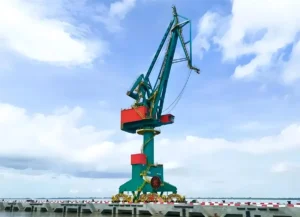
Dans les ports, les parcs logistiques et la manutention de matériaux industriels, les grues à quai et les portiques sont deux types d'équipements de chargement/déchargement courants et essentiels. Ils diffèrent par leur conception structurelle, leurs caractéristiques de performance, leurs méthodes d'exploitation, leurs scénarios d'application et leurs coûts d'investissement. Cet article fournit une analyse complète des grues à quai par rapport aux portiques et vous guide dans le choix approprié. Comparaison de la conception structurelle Les différences structurelles entre les grues à quai et les portiques se manifestent principalement dans les méthodes de support de charge, les trajectoires de mouvement et les plages de couverture. La première est centrée sur une tour fixe et une flèche rotative, mettant l'accent sur la “ couverture ponctuelle ” et la rotation horizontale flexible. La seconde présente une structure en portique et un déplacement longitudinal sur rails, privilégiant le “ vaste mouvement horizontal ” et la manutention logistique efficace sur site. Par conséquent, leurs conceptions structurelles distinctes dictent directement leurs différents scénarios d'application. Caractéristiques structurelles de la grue à quai Les grues à rotation de portique utilisent des structures de flèche cantilever simple/double avec la tour fixée à des fondations ou à des rails, permettant une rotation à 360° ou partielle. Cette configuration permet une opération flexible dans des espaces étroits et allongés tels que les rives, les fronts de quai et les postes de navire, ce qui la rend particulièrement adaptée à la manutention de matériaux du navire à terre. Sa fonctionnalité principale combine verticalement…
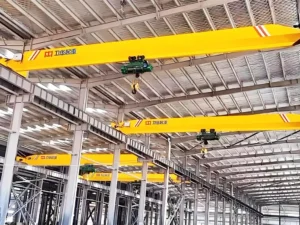
Dans les opérations industrielles modernes, la manutention efficace des matériaux est essentielle pour maximiser la productivité et optimiser le flux de travail. Les ponts roulants, également connus sous le nom de grues aériennes ou de grues EOT, sont des systèmes de manutention fixes largement utilisés dans les secteurs de la fabrication, du traitement des métaux, de l'entreposage et des opérations de chargement/déchargement. Dans cet article, nous explorerons le principe de fonctionnement, les composants principaux, les applications et les avantages opérationnels des ponts roulants, offrant ainsi un guide complet pour les planificateurs industriels et les professionnels de la logistique. Principe de fonctionnement d'un pont roulant Un pont roulant fonctionne sur une structure semblable à un pont qui enjambe l'espace de travail, avec un chariot et un système de levage qui se déplacent horizontalement le long du pont et soulèvent ou abaissent verticalement les charges. Le déplacement de la grue le long du chemin de roulement, combiné à un contrôle précis du palan, permet une manutention efficace et sûre des matériaux lourds dans les usines, les entrepôts et les installations industrielles. Pour plus d'informations sur le fonctionnement des grues aériennes, veuillez consulter cet article : Principe de fonctionnement des grues aériennes : composants, mouvement et processus d'exploitation Terminologie des ponts roulants Voici une introduction à la terminologie relative aux pièces des ponts roulants. Capacité de la grue : La capacité de la grue fait référence au poids maximum qu'un pont roulant peut soulever en toute sécurité. Généralement mesurée en tonnes…
Une grue EOT (Electric Overhead Traveling Crane) est un système de levage aérien efficace et fiable utilisé pour manipuler des matériaux lourds dans les usines, les entrepôts, les ateliers et les installations industrielles. Fonctionnant sur des rails aériens, les grues EOT permettent un mouvement tridimensionnel sûr et précis des charges grâce à des mouvements coordonnés de levage, de translation et de pontage. Cet article vous guidera à travers les définitions des grues EOT, leurs types, leur structure, leurs principes de fonctionnement, leurs applications et les facteurs de coût afin de vous aider à choisir la solution la plus adaptée à vos besoins de levage. Comment fonctionne une grue EOT ? Le principe de fonctionnement d'une grue EOT repose sur une combinaison de levage vertical, de mouvement horizontal du chariot et de déplacement longitudinal du pont, permettant une manipulation efficace de charges lourdes dans les installations industrielles. La grue circule sur des rails de roulement surélevés installés le long de la structure du bâtiment, le pont de la grue enjambant l'espace de travail. Le mécanisme de levage monte ou descend la charge à l'aide de câbles en acier ou de chaînes, tandis que le chariot déplace la charge horizontalement le long du pont. L'ensemble de la grue se déplace longitudinalement le long des rails de roulement, permettant un positionnement tridimensionnel des matériaux. Les grues EOT modernes sont alimentées par des moteurs électriques à vitesse précise…
Les portiques sont largement utilisés dans les parcs à matériaux en plein air, les chantiers navals, les usines et les sites de construction, ce qui en fait l'une des solutions de manutention les plus polyvalentes et les plus appliquées. Les portiques existent en différents types, chacun personnalisable pour s'adapter à différentes capacités de charge, conditions de site et exigences opérationnelles. Cependant, choisir la mauvaise configuration peut entraîner des dépenses inutiles, une capacité de levage limitée ou des contraintes d'expansion futures. Alors, quels sont les principaux types de portiques ? Comment choisir le bon type pour votre application ? Dans ce guide, nous fournir un aperçu détaillé des différents types de portiques en fonction de leur structure, de leur mobilité et des scénarios d'application, vous aidant à prendre la bonne décision avant d'investir dans une solution de levage. L'article est assez long. Ci-dessous se trouve notre table des matières. Veuillez accéder à la section correspondante si nécessaire : Qu'est-ce qu'un portique ? Les portiques sont des équipements de levage conçus pour la manutention efficace de charges lourdes sur de grands sites en plein air. Leur structure caractéristique comprend une ou plusieurs poutres principales supportées par des pieds rigides (ou flexibles) de chaque côté, formant un cadre monumental en forme de “ portail ”. Ces grues se déplacent…
 English English
  Русский
 العربية
 Français
 Português
 Español