



Table des matières
Introduction
Gantry crane prices vary widely depending on the crane type, lifting capacity, span, working conditions, and required configurations. From small portable lifting equipment used in workshops to heavy-duty gantry cranes for ports and shipyards, each application requires different structural designs and investment levels.
In this article, I will explain how much a gantry crane costs by covering typical price ranges, cost factors, different crane types, and customization options. Based on practical lifting applications, this guide helps you understand the factors behind gantry crane pricing and provides reference information for selecting the right solution.
How Much Does A Gantry Crane Cost?
The cost of a gantry crane varies depending on the crane type, lifting capacity, span, structure, and customization requirements. The following table provides a general price reference for different types of gantry cranes.
| Gantry Crane Type | Typical Capacity | Estimated Price Range |
| Portable Aluminum Gantry Crane | 1 ton | Around $1,000–$2,000 |
| Mobile Gantry Crane | 5–20 tons | Around $3,000–$10,000 |
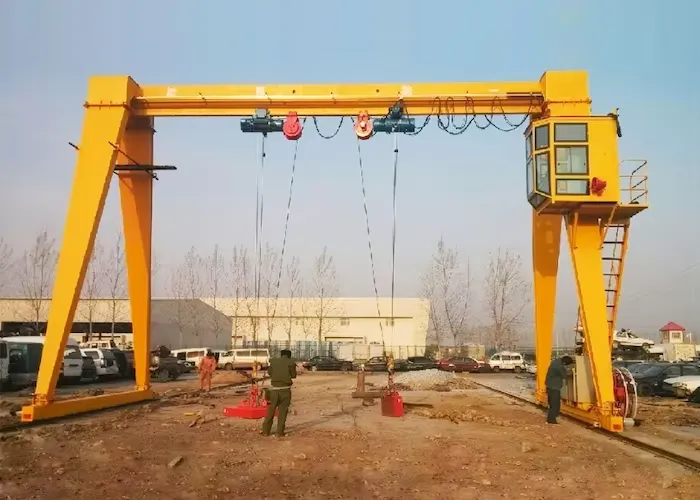
| Portique roulant à poutre unique | 5–50 tons | Around $10,000–$50,000 |
| Double Girder Gantry Crane | 50 tons and above | Around $50,000+ |
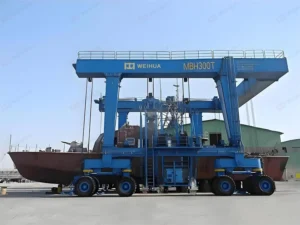
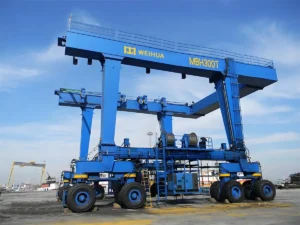
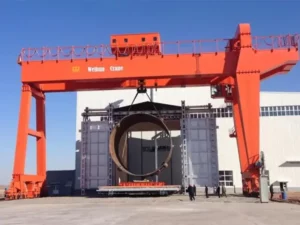
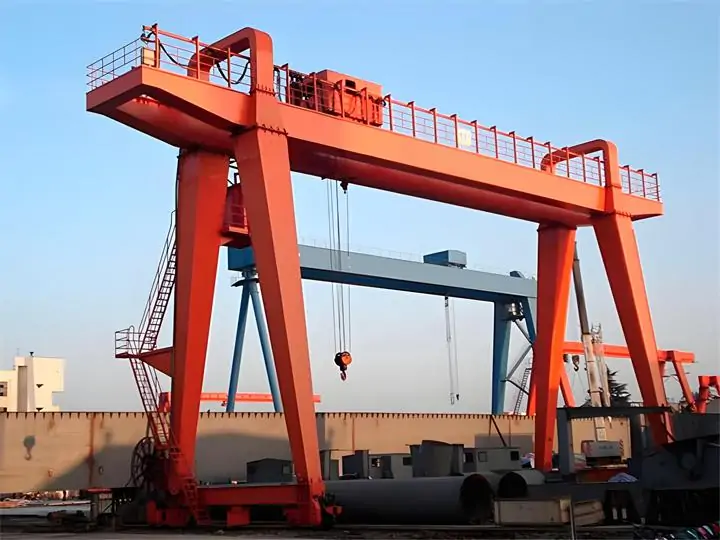
| Shipyard Gantry Crane | 100–300 tons | From $100,000+ depending on design |
The final price is mainly affected by lifting capacity, crane structure, span, lifting height, working duty, control system, and additional functions. Custom designs, installation requirements, transportation, and after-sales service may also affect the total project cost. For an accurate quotation, the crane should be selected according to the actual working conditions and technical requirements.
What Factors Affect Gantry Crane Cost?
The price of a gantry crane is determined by its design, operating requirements, and project conditions. The main factors include lifting capacity, structural size, crane type, and additional configurations.
- Lifting Capacity: Lifting capacity directly affects the crane structure, hoisting system, and components. Higher capacity cranes require stronger main girders, larger motors, and heavier steel structures, resulting in higher costs.
- Span: The span is the distance between the crane legs. A larger span requires more steel and stronger structural design, which increases manufacturing costs.
- Lifting Height: Higher lifting heights require longer legs, larger steel structures, and upgraded lifting mechanisms, increasing the overall crane cost.
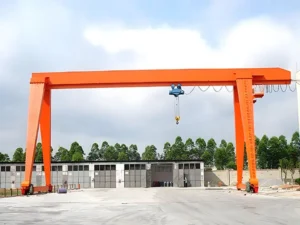
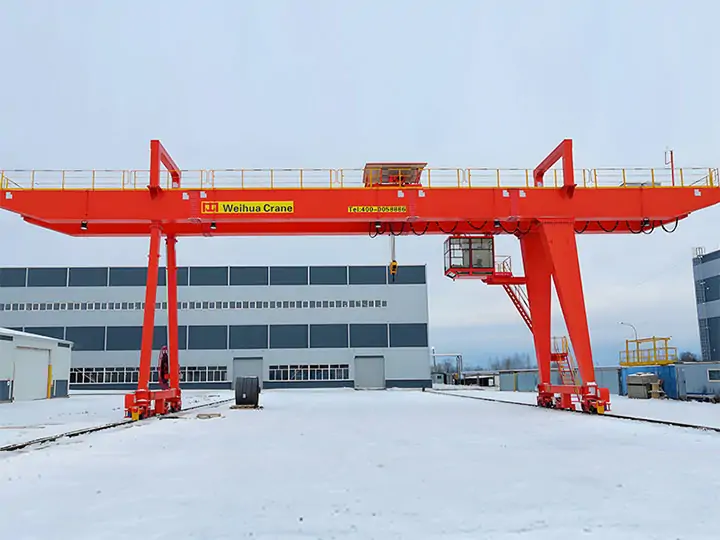
- Crane Type and Configuration: Different crane designs have different costs. Single girder gantry cranes are more economical for general applications, while double girder and specialized gantry cranes are designed for heavier loads and more demanding operations.
- Duty Class and Working Environment: The working duty affects the crane’s service life and component selection. Heavy-duty cranes for continuous operation, such as A6–A7 class models, require stronger components. Special conditions such as explosion-proof or low-temperature environments also increase costs.
- Control System: The control method influences the final price. Options include pendant control, radio remote control, and operator cabin control, depending on operation requirements.
- Customization Requirements: Customized designs may increase costs due to special requirements for capacity, span, lifting height, attachments, or control systems. Custom solutions are often used for specific industrial applications.
Example Price Reference
| Application | Capacité | Span | Price Reference |
|---|---|---|---|
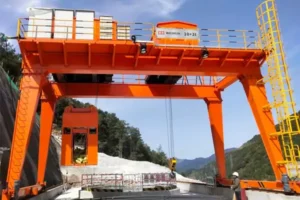
| Casting Yard Gantry Crane | 80 tons | 23.5 m | Around $45,600 |
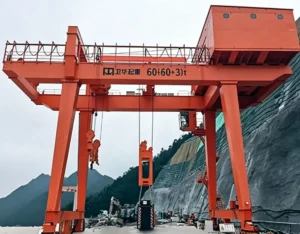
| Casting Yard Gantry Crane | 60/5 tons | 32 m | Around $101,900 |
The final cost of the gantry crane depends on the complete set of technical requirements rather than a single specification. Providing details such as load capacity, working area, and operating conditions helps manufacturers offer an accurate quotation.
Gantry Crane Cost Comparison
Gantry crane prices vary by type, lifting capacity, structure, and application requirements. The following table provides a general cost comparison of common gantry crane types, arranged from lower to higher investment levels.
| Pince | Plage de capacité | Applications typiques | Cost Level |
|---|---|---|---|
| Grue portique mobile | 0.1–10 tons | Workshops, maintenance areas, warehouses, light-duty lifting | Faible |
| Portique roulant à poutre unique | 5–20 tons | Factories, general material handling, small production lines | Low–Medium |
| Poutre-pont semi-portique | 5–50 tons | Workshops with existing building support on one side | Moyen |
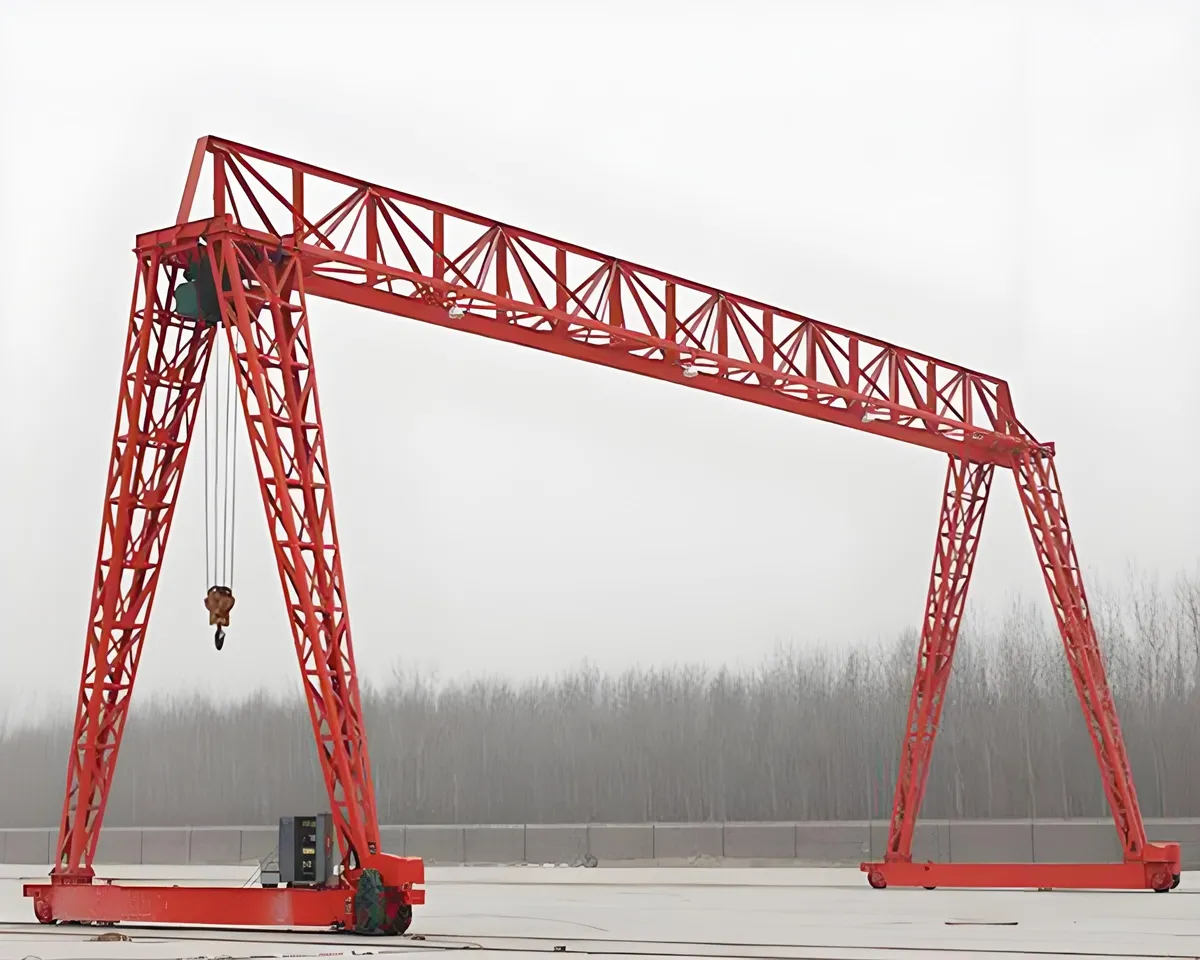
| Portique à treillis | 3–100 tons | Outdoor yards, industrial facilities, maintenance operations | Moyen |
| Double Girder Gantry Crane | 10–100+ tons | Steel plants, precast yards, heavy manufacturing, large projects | Medium–High |
| Cantilever Gantry Crane | 5–50 tons | Ports, freight yards, applications requiring extended reach | Haut |
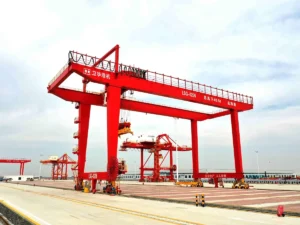
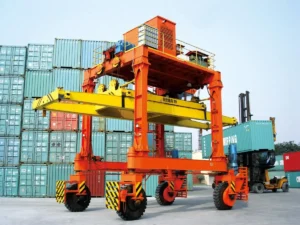
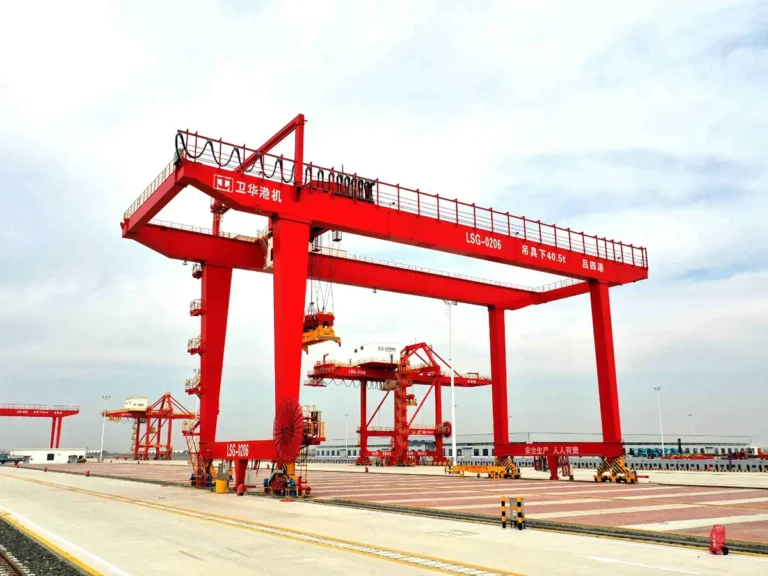
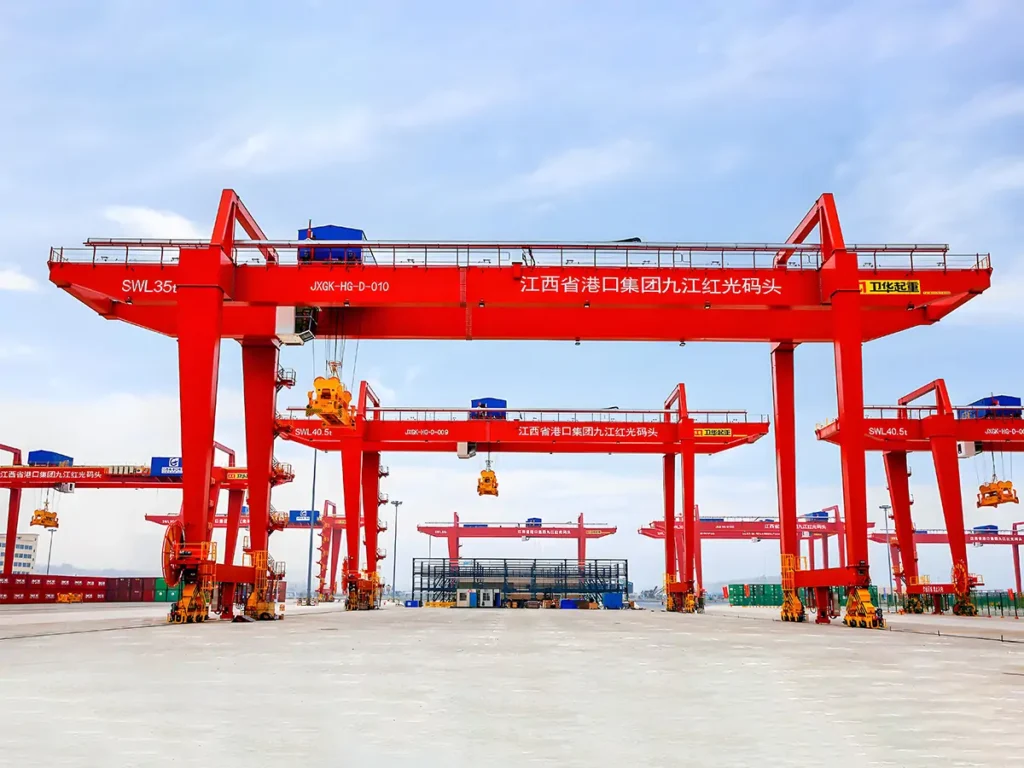
| Container Gantry Crane (RTG/RMG) | 20–120 tons | Ports, container terminals, logistics hubs | Highest |
Main Factors Affecting Cost
- The crane structure has a major impact on price. Double girder and heavy-duty designs require more steel and stronger components, while truss structures can reduce weight and material costs.
- Automation level, safety systems, and special configurations also affect the final cost. Features such as remote control, cabin operation, anti-collision systems, explosion-proof design, and corrosion protection increase the investment.
- Customization requirements directly impact pricing. Crane span, lifting height, working duty, installation conditions, and special operating environments must be considered when calculating the total cost.
The purchase price is only part of the overall investment. Maintenance requirements, operating efficiency, and service life should also be considered when selecting a gantry crane for long-term use.
How To Reduce Gantry Crane Cost?
Reducing gantry crane cost requires more than lowering the purchase price. Proper crane selection, energy management, maintenance, and operation optimization can reduce both initial investment and long-term operating expenses.
1. Optimize Crane Selection and Design — Choose the crane capacity and structure based on actual lifting requirements to avoid over-specification. Lightweight designs and optimized steel structures can reduce equipment weight and lower installation requirements.
2. Improve Energy Efficiency — Selecting efficient power systems can reduce operating costs. For example, electric RTG cranes can save over 40% energy compared with diesel-powered models, while hybrid systems can further reduce fuel consumption.
3. Strengthen Maintenance Management — Regular inspection and preventive maintenance help reduce failures, repair costs, and downtime. Proper operation procedures also improve equipment service life and reliability.
4. Improve Operating Efficiency — Optimizing handling processes and applying automation solutions can reduce labor costs and improve productivity. Automated systems can reduce manual operation requirements and improve equipment utilization.
5. Select the Right Supplier — A reliable manufacturer can help control costs through proper design, manufacturing quality, and after-sales support. Comparing suppliers based on technical capability, service, and total project cost is more important than focusing only on the initial price.
6. Optimize Power Supply System — Selecting a suitable power supply method can reduce installation and operating costs. Cable power supply, low-voltage systems, and customized electrical solutions can help reduce equipment weight and infrastructure requirements.
Reducing gantry crane cost requires balancing initial investment with long-term operation. A suitable design, efficient operation, and reliable service can provide better value throughout the crane’s working life.
Is A Custom Gantry Crane More Expensive?
Yes, a custom gantry crane usually costs more than a standard model because it requires additional engineering design, non-standard manufacturing, and project-specific testing. The extra cost mainly comes from customized structures, special components, and unique operating requirements.
- 1. Design and Manufacturing Costs
Custom gantry cranes require engineers to design the structure, electrical system, and control configuration according to specific working conditions. Non-standard components and special fabrication processes also increase manufacturing costs. - 2. Crane Specifications
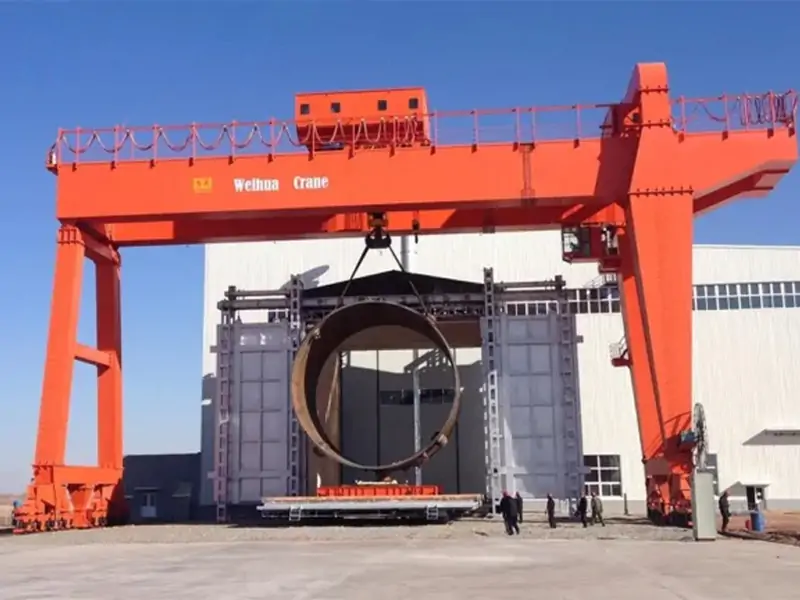
The lifting capacity, span, and lifting height directly affect the final price. Higher capacity cranes require stronger structures, larger components, and more steel materials. For example, heavy-duty cranes above 30 tons usually require stronger box girder structures. - 3. Configuration and Automation
Additional features such as remote control, variable speed drive, anti-sway systems, PLC control, and special lifting attachments can increase the total cost depending on project requirements. - 4. Custom vs. Standard Gantry Crane
Standard gantry cranes are usually more economical when the working conditions match existing models. However, custom cranes can be more cost-effective for special applications, such as limited installation space, unusual lifting height, large spans, or mobile operation requirements.
Price Reference
| Pince | Estimated Price Range |
|---|---|
| Standard 10 Ton Gantry Crane | Around $10,000–$20,000 |
| Custom 30 Ton Double Girder Gantry Crane | $40,000+ |
| Heavy-Duty Custom Gantry Crane (100+ tons) | $100,000–$400,000+ |
A custom gantry crane requires a higher initial investment, but it provides a better match for specific working conditions. The best choice depends on the lifting requirements, site conditions, and long-term operation needs.
Gantry Crane Manufacturer and Supplier
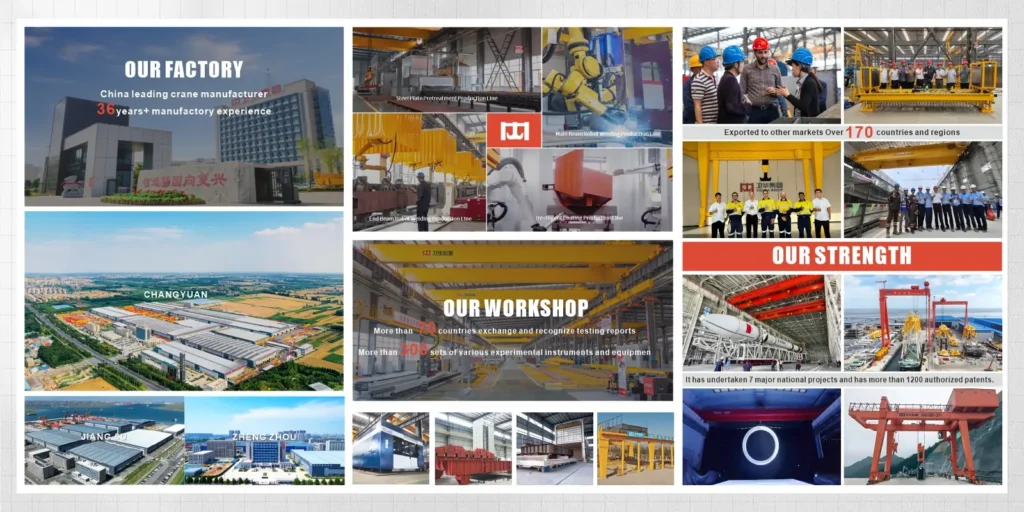
WEIHUA provides customized gantry crane solutions for factories, ports, shipyards, construction projects, and heavy industrial applications. With professional engineering design and manufacturing capabilities, WEIHUA can customize lifting capacity, span, lifting height, structure, control system, and accessories according to different working requirements.
From standard gantry cranes to large-scale heavy-duty lifting systems, WEIHUA supports the complete process including technical consultation, crane production, installation guidance, and after-sales service. Contactez-nous to discuss your project requirements and get a suitable gantry crane solution.
FAQ
How much does a gantry crane cost?
The cost of a gantry crane usually ranges from several thousand dollars to hundreds of thousands of dollars. The final price depends on lifting capacity, crane type, span, lifting height, working duty, and customization requirements.
What is the average price of a gantry crane?
There is no fixed average price because gantry cranes vary greatly in size and application. Portable gantry cranes may cost around $1,000–$10,000, while industrial gantry cranes typically range from $10,000 to over $100,000.
How much does a 10-ton gantry crane cost?
A 10-ton gantry crane usually costs around $10,000–$30,000 depending on the crane structure, span, lifting height, control system, and configuration.
How much does a 50-ton gantry crane cost?
A 50-ton gantry crane generally costs $50,000 or more. The final price depends on whether it uses a single girder or double girder structure, as well as the working environment and additional features.
Why are gantry cranes expensive?
Gantry cranes require large steel structures, heavy-duty lifting components, travel systems, and electrical control systems. Higher capacity models also require stronger materials and more complex engineering, which increases manufacturing costs.
What factors affect gantry crane prices?
The main factors include lifting capacity, span, lifting height, crane type, duty class, control method, installation requirements, and customization options such as automation systems or special lifting attachments.
Is a portable gantry crane cheaper than an industrial gantry crane?
Yes. Portable gantry cranes are usually less expensive because they are designed for lighter loads and simpler applications. Industrial gantry cranes require larger structures, higher capacity components, and more complex systems.
Can gantry crane prices be customized?
Yes. Gantry crane prices can be customized based on specific project requirements. Factors such as load capacity, span, lifting height, operating environment, control system, and special functions will affect the final quotation.



 English
  Русский
  العربية
  Français
  Português
  Español