








Table des matières
Introduction
RTG Crane (Rubber Tyred Gantry Crane) is widely used in ports, container terminals, and logistics yards for container stacking and transportation. As a mobile container handling machine, an RTG crane requires skilled operation and strict safety procedures to maintain stable performance. Proper operation helps improve container handling efficiency, reduce equipment downtime, and extend crane service life.
In this article, I will explain how to operate an RTG crane, from daily inspection and control methods to container lifting procedures and safety requirements. The guide covers the basic RTG crane operation steps, operator controls, common operating issues, and practical tips to help operators improve working efficiency and maintain safe crane operation.
Qu'est-ce qu'une grue RTG ?
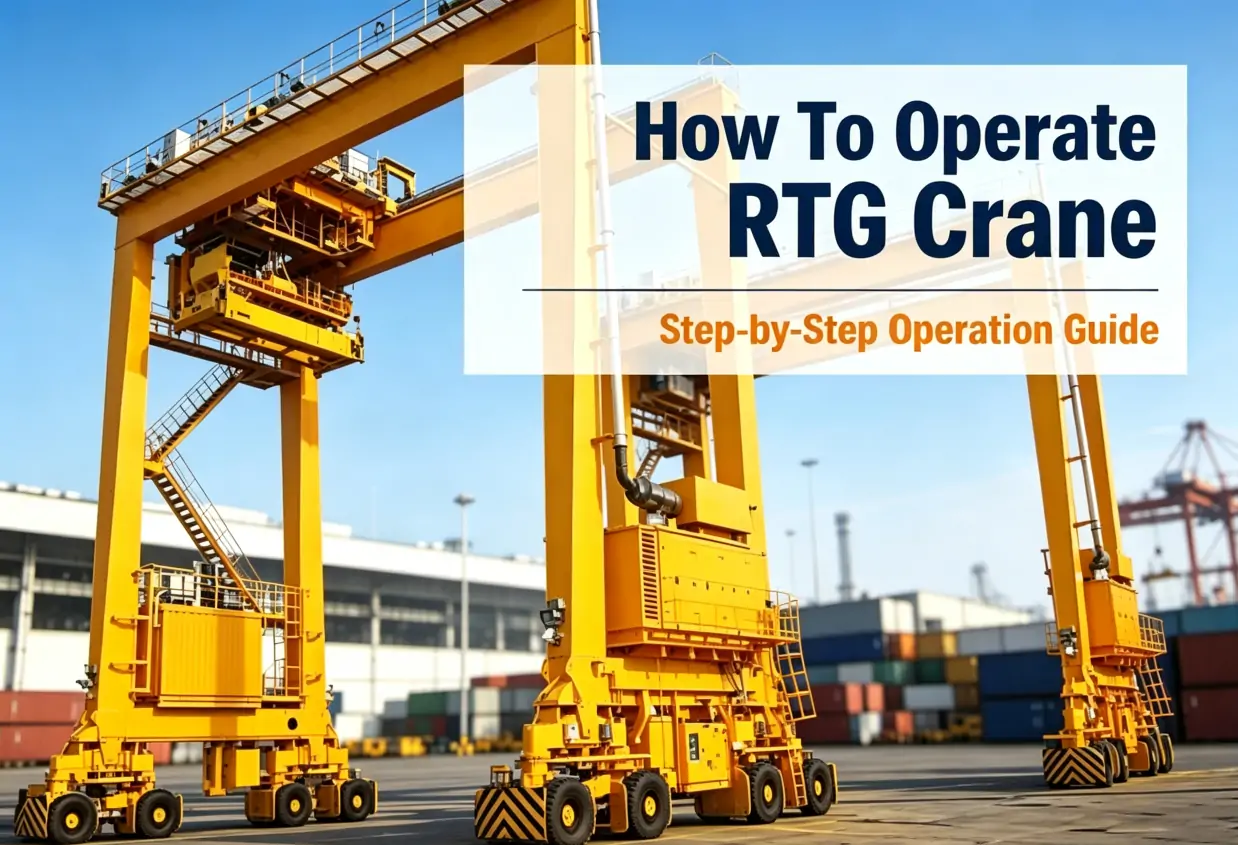
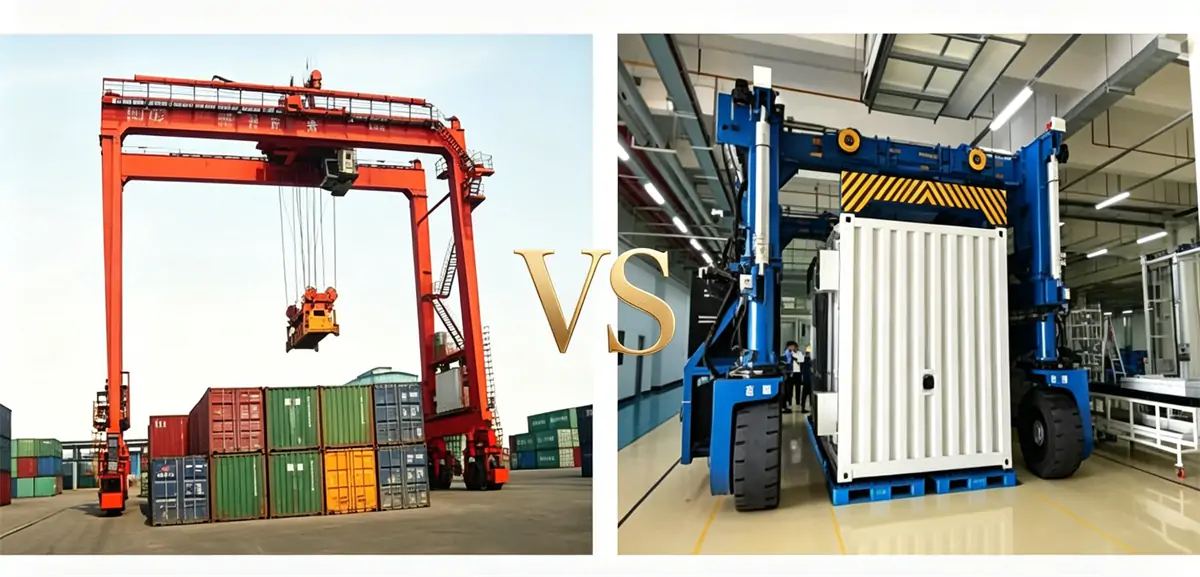
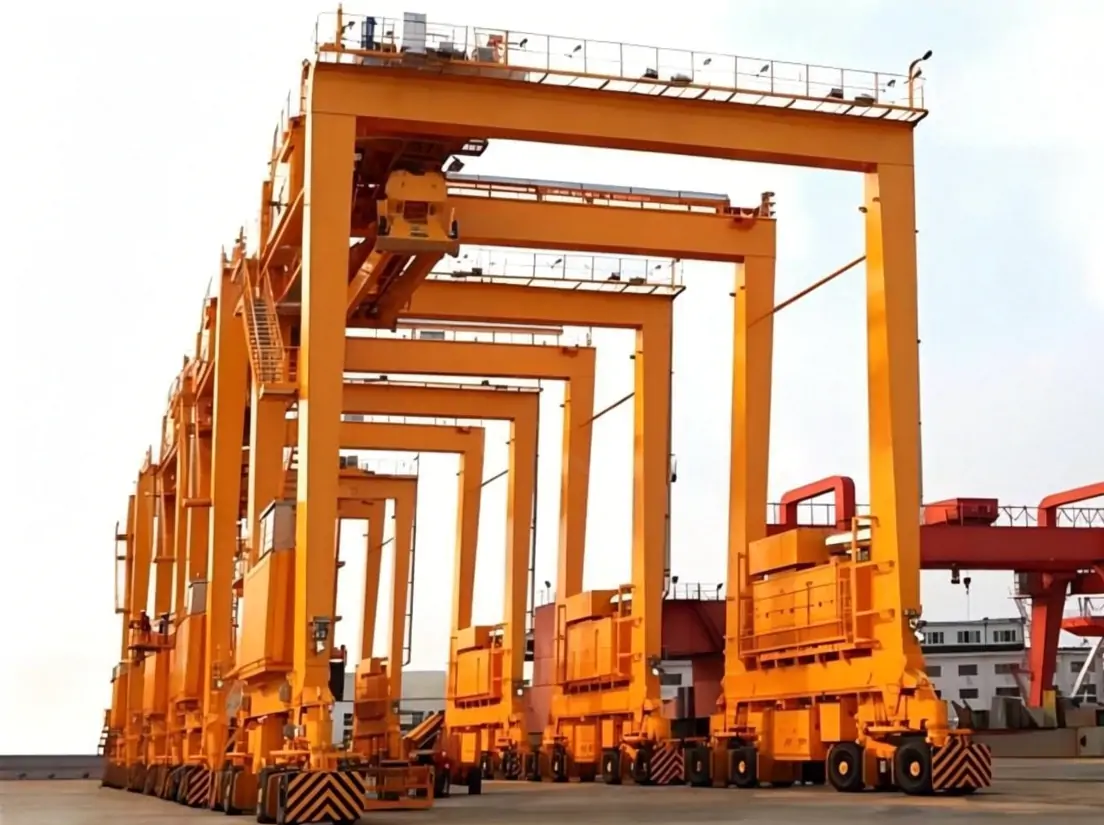
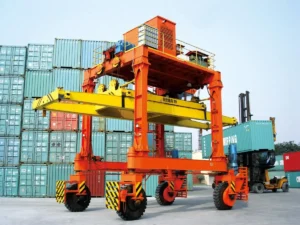
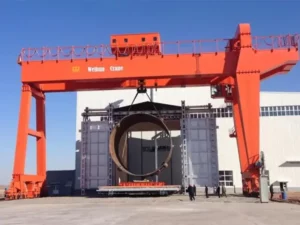
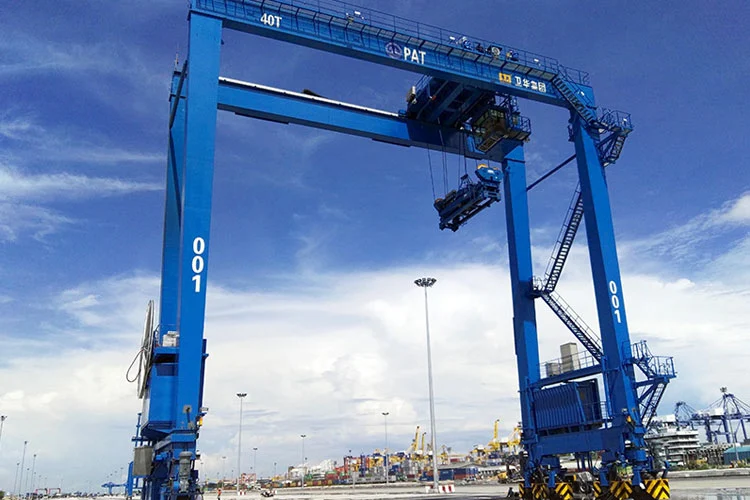
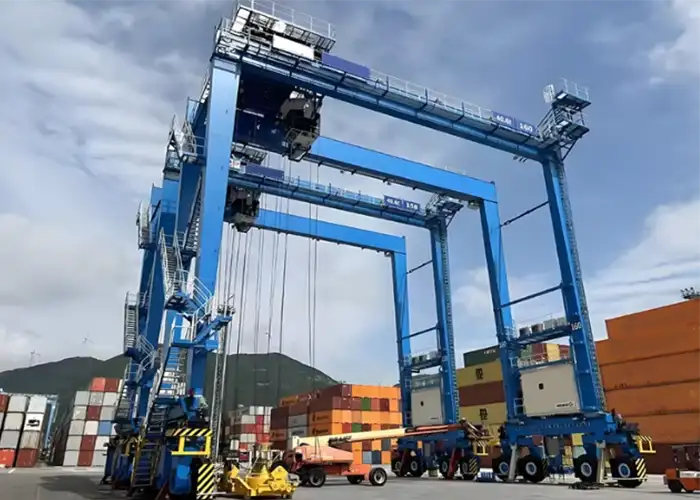
An RTG Crane (Rubber Tyred Gantry Crane), also known as a rubber-tired container gantry crane, is a mobile container handling machine designed for stacking, loading, and transferring containers in storage yards. Unlike rail-mounted gantry cranes, RTG cranes run on rubber tires, allowing flexible movement between container rows and working areas.
An RTG crane consists of a heavy-duty steel structure, hoisting system, trolley system, traveling system, spreader, and operator cabin. The steel structure supports the lifting load, while the hoisting and trolley systems control vertical lifting and horizontal movement. The traveling system enables the crane to move across the yard, and the spreader is used to lock and handle containers safely.
RTG cranes are mainly used in container terminals, ports, railway container yards, and logistics yards. Common RTG cranes have a lifting capacity of 30–50 tons, which allows them to handle standard containers efficiently in high-density storage areas. Their flexible operation and high yard utilization make them an important solution for modern container handling.
Weitere Informationen finden Sie in dem Artikel: Qu'est-ce qu'une grue RTG ? Guide complet des portiques sur pneus
How Does an RTG Crane Work?
An RTG Crane (Rubber-Tyred Gantry Crane) is designed for container handling in ports and storage yards. The crane operation includes four basic movements: traveling, trolley movement, container lifting, and container stacking. Each system is controlled through the crane control system to complete container transfer operations.
Crane Traveling
The RTG crane moves on rubber tires across the container yard. The traveling system allows the crane to operate without fixed rails and change working positions based on yard requirements. The operator adjusts the steering system to keep the crane aligned with the container row before lifting.
Trolley Movement
The trolley runs along the main girder and moves the spreader to the required container position. Accurate trolley control helps the spreader match the container corner fittings. Variable frequency drives and encoder feedback systems are commonly installed on modern RTG cranes for movement control.
Container Lifting
The operator lowers the spreader onto the container and engages the twist locks with the corner fittings. The hoisting system lifts the container after the locking signal is confirmed. Controlled lifting speed reduces container swing and prevents contact with nearby containers.
Container Stacking
The RTG crane places containers in assigned storage locations according to the yard plan. The operator controls the spreader height and lowering speed during stacking. Most RTG cranes support 5–6 container layers, with some models designed for higher stacking operations. Anti-sway systems and positioning devices help maintain placement accuracy.
The PLC control system and onboard monitoring system manage the complete RTG operation. Operators use container position data and yard instructions to handle container pickup and placement. A typical RTG crane handles around 20–25 container moves per hour, depending on yard layout, operating conditions, and operator experience.
How To Operate RTG Crane Step By Step?
RTG crane operation requires correct procedures and careful control during container handling. The standard operating process includes equipment inspection, crane startup, positioning, container lifting, and container placement.
Step 1: Perform Pre-Operation Inspection
Operators should check the main crane systems before operation. The inspection includes the hydraulic system, electrical components, tires, brake system, safety devices, and spreader condition. Limit switches, anti-collision devices, and twist lock mechanisms should be tested before starting work.
Step 2: Start The RTG Crane
The operator enters the cabin and checks the control panel, indicator lights, and alarm signals. The power system can be started after confirming normal equipment status. The parking brake is released, and warning devices are tested before crane movement.
Step 3: Move The Crane To The Working Position
The operator controls the traveling system to move the RTG crane to the assigned container bay. The steering system is adjusted according to the yard layout to keep the crane aligned with the container row. The traveling speed should be controlled during movement. Typical RTG traveling speed is about 25 m/min when unloaded and below 12 m/min under load.
Step 4: Position The Spreader And Lock The Container
The spreader is lowered onto the container top, and the operator adjusts the trolley position to align the twist locks with the container corner fittings. The container is lifted only after all four twist locks are properly engaged, and the locking signal is confirmed. Camera systems and spreader guide devices are used on many RTG cranes to improve positioning accuracy.
For information on spreader types and how to select the right model, see:
Step 5: Lift And Transfer The Container
After confirming the locking status, the operator lifts the container to a safe height, usually around 0.5 m above the ground, and checks the load condition before movement. The crane then moves the container to the assigned location. Smooth acceleration and braking help reduce container swing. The loaded lifting speed is generally controlled at 12–15 m/min.
Step 6: Lower The Container And Release The Spreader
The operator lowers the container into the target position according to the yard plan. After confirming stable placement and safe clearance from nearby containers, the twist locks are released and the spreader is lifted away. Controlled lowering speed prevents impact during high-level stacking operations.
RTG crane safety and operating efficiency depend on proper procedures and equipment condition. Operators should complete inspection records before each shift, follow operating instructions during container handling, and understand emergency stop procedures for safe daily operation.
RTG Crane Control System
Modern RTG cranes use integrated control systems to manage traveling, lifting, trolley movement, and safety functions. The control system collects equipment data and provides real-time operation information to help operators control container handling accurately.
Operator Cabin Controls
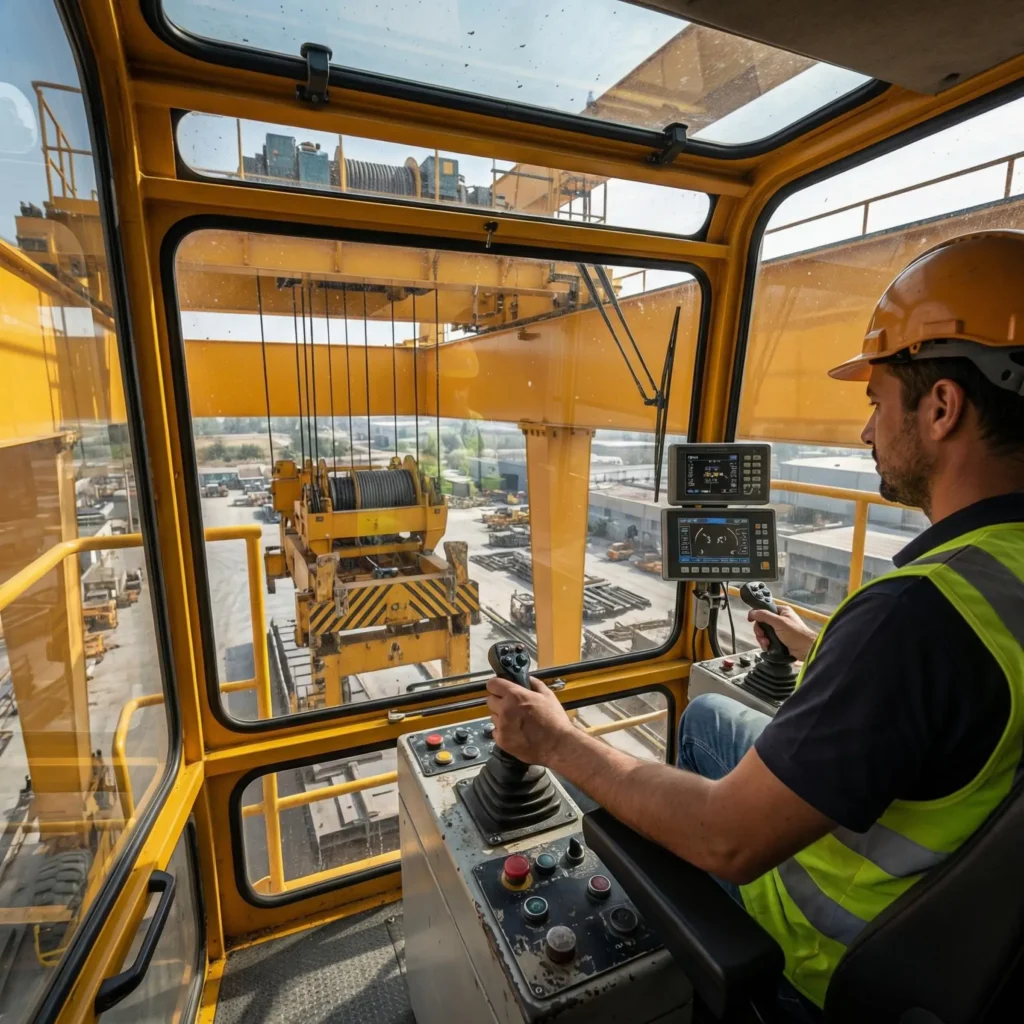
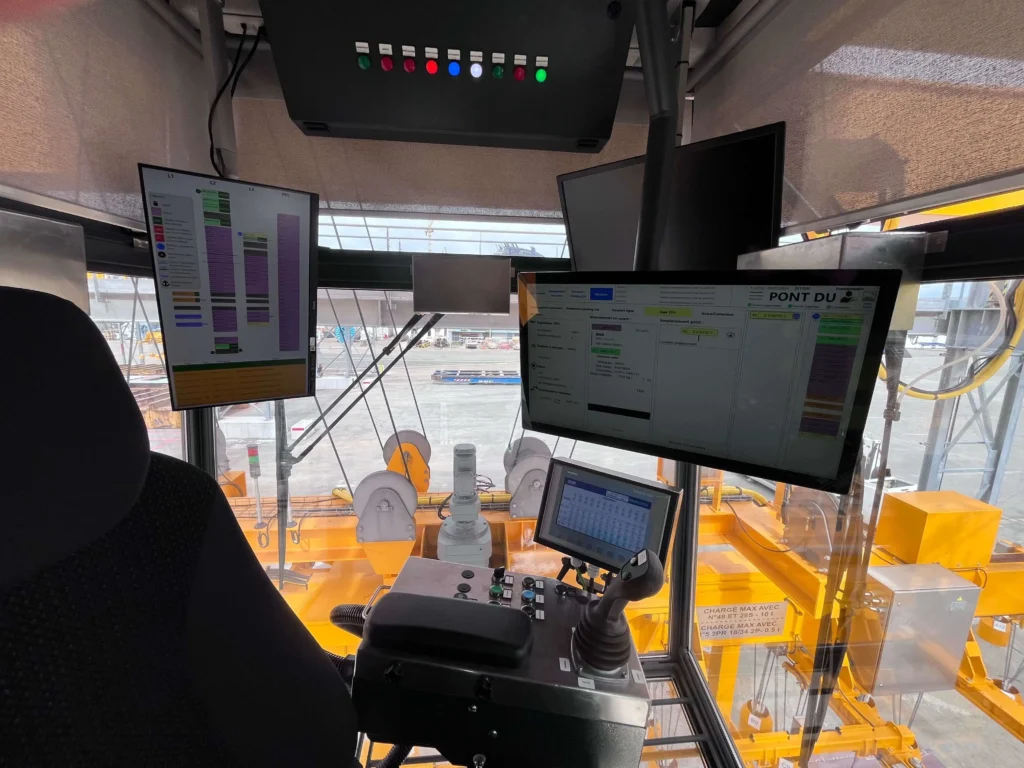
The operator cabin is equipped with a joystick, touch screen display, and crane monitoring system. The joystick controls crane movement, including traveling, trolley operation, and lifting actions. The touch screen displays operating parameters, alarm information, and equipment status. The crane monitoring system tracks key components such as motors, sensors, and safety devices.
Automated Functions
Modern RTG cranes are equipped with automatic control functions to improve operation accuracy. The anti-sway system reduces container movement during lifting and traveling. The positioning system helps the spreader reach the correct container location. Safety monitoring systems check equipment status, operating limits, and abnormal conditions during operation.
The RTG crane control system reduces operator workload and helps maintain stable container handling performance. Accurate control functions also reduce operation risks and improve yard working efficiency.
RTG Crane Safety Procedures
RTG crane safety operation is directly related to operator safety, equipment reliability, and container yard efficiency. Proper operator training and regular equipment inspection are required before daily operation.
Operator Qualification Requirements
RTG crane operators must hold the required crane operator certification and complete professional training before operation. Operators should be familiar with container spreaders, lifting procedures, and crane control systems. Unauthorized operation by untrained personnel is not allowed.
Pre-Operation Inspection
Operators should inspect key crane components before each shift, including:
- Steel Structure: Check the main girder, legs, and structural parts for cracks, deformation, or damage.
- Traveling and Hoisting Systems: Check the traveling mechanism, hoisting mechanism, and drive components for normal operation.
- Spreader System: Inspect the spreader, twist locks, and guide devices for proper condition.
- Wire Rope and Sheaves: Check for broken wires, deformation, wear, or corrosion.
- Safety Devices: Test limit switches, anti-sway systems, anti-collision devices, and emergency stop functions.
- Tires and Steering System: Check tire pressure, tire condition, steering system, and power unit status.
- Brake System: Confirm that brakes operate correctly and respond properly.
A complete inspection before operation helps identify equipment problems early and reduces the risk of failures during container handling.
Common Mistakes When Operating an RTG Crane
RTG crane operation errors can cause container damage, equipment failure, and safety accidents. Most problems come from improper operation, poor maintenance, or weak safety management. The following are common mistakes during RTG crane operation.
Unsafe Operating Practices
| Common Mistake | Risk | Correct Practice |
|---|---|---|
| Overloading The Crane | Causes structural stress, component damage, and possible crane failure. | Keep the lifting load within the rated capacity limit. |
| Side Pulling Or Inclined Lifting | Causes container swing, collision, and unstable lifting. | Keep the spreader vertically aligned with the container center before lifting. |
| Standing Under Suspended Loads | May cause serious injury from falling or moving loads. | Set a safety area and keep personnel away from suspended containers. |
| Operating In Bad Weather | Strong wind and poor visibility increase operation risks. | Stop operation when weather conditions exceed safety limits, such as wind speeds around 12 m/s. |
Incorrect Operating Procedures
| Common Mistake | Risk | Correct Practice |
|---|---|---|
| Lifting Without A Test Lift | May cause unstable lifting or unexpected load problems. | Perform a test lift of about 20 cm and check load balance before full lifting. |
| Using Limit Switches For Stopping | Causes premature wear of safety devices and impact loads. | Control movement manually and use limit switches only as protection devices. |
| Keeping Loads Suspended For Too Long | Increases brake system load and creates falling risks. | Avoid long-time suspension and place containers down when operation is delayed. |
Inspection And Maintenance Problems
| Common Mistake | Risk | Correct Practice |
|---|---|---|
| Using Damaged Spreaders Or Lifting Parts | Damaged components may cause container drops or equipment accidents. | Inspect spreaders, twist locks, wire ropes, and lifting parts before use. |
| Skipping Daily Inspections | Equipment faults may remain unnoticed and cause unexpected downtime. | Check hydraulic systems, electrical systems, tires, brakes, and safety devices before operation. |
| Unauthorized Operation Or Unclear Commands | Incorrect operation or communication errors may cause accidents. | Allow only trained operators to operate the crane and confirm signals before lifting. |
For a detailed RTG crane inspection checklist and maintenance guidance, see: RTG Crane Maintenance Checklist: A Complete Guide to Safe and Efficient Operation
Management And Safety Control Issues
| Common Mistake | Risk | Correct Practice |
|---|---|---|
| No Safety Area Setup | Unrelated personnel may enter the lifting zone and face safety risks. | Install warning signs and control access to the working area. |
| Poor Maintenance Record Management | Equipment problems may not be tracked or repaired in time. | Keep complete maintenance records and perform regular inspections. |
Safe RTG crane operation depends on both operator behavior and equipment condition. Following standard operating procedures, regular inspections, and safety rules helps reduce operational risks and maintain reliable container handling performance.
How To Improve RTG Crane Operating Efficiency?
- Train operators to improve handling speed and reduce operational errors.
- Schedule regular maintenance to keep the crane running reliably.
- Apply anti-sway and positioning systems for faster container alignment.
- Plan container yard layouts to shorten crane travel distance.
- Check equipment status regularly to reduce unexpected downtime.
- Maintain tires, brakes, and drive systems for stable crane movement.
- Follow standard operating procedures to shorten handling cycles.
- Improve communication between crane operators and yard staff.
RTG Crane Operation vs RMG Crane Operation
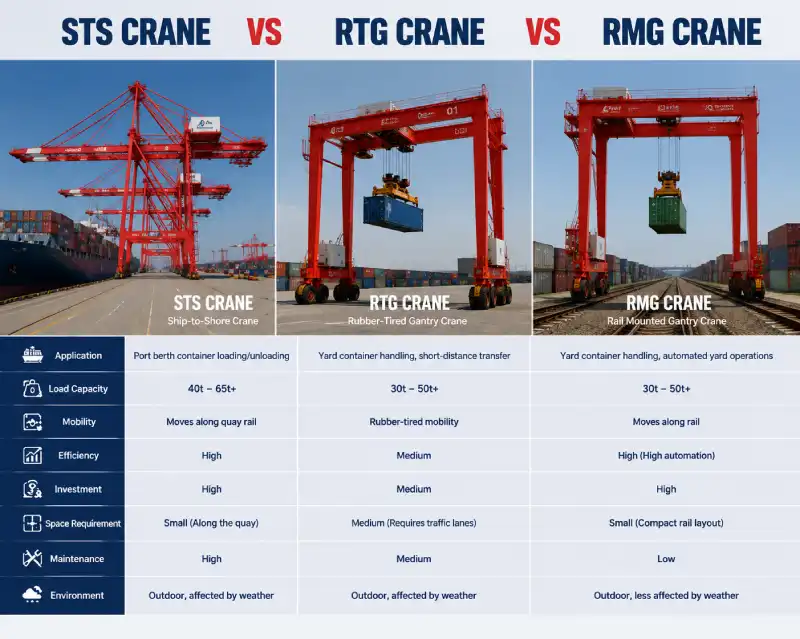
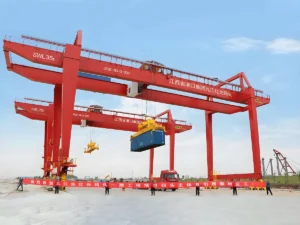
RTG cranes and RMG cranes are both used for container handling in ports, terminals, and storage yards. The main difference is the running method and application environment. RTG cranes move on rubber tires and can change working areas, while RMG cranes operate on fixed rails with higher positioning accuracy.
| Article | Grue RTG | Grue RMG |
|---|---|---|
| Full Name | Grue portique sur pneus | Grue portique sur rails |
| Running Method | Moves on rubber tires | Runs on fixed rails |
| Mobilité | Flexible movement between container yards | Limited to fixed rail tracks |
| Installation | Requires a flat yard surface | Requires rail foundation installation |
| Operation Area | Container terminals, ports, logistics yards | Large container terminals, railway yards |
| Précision du positionnement | Suitable for flexible yard operations | Higher positioning accuracy due to rail guidance |
| Yard Layout | Suitable for changing storage layouts | Suitable for fixed container blocks |
| Entretien | Requires tire, steering, and drive system maintenance | Requires rail, wheel, and alignment maintenance |
| Investment Cost | Lower installation cost and easier deployment | Higher infrastructure cost |
| Efficacité au travail | Suitable for medium and flexible container handling | Suitable for high-volume container operations |
RTG cranes are suitable for yards that require flexible operation and frequent changes in working positions. RMG cranes are used in large-scale container terminals where fixed routes and high handling capacity are required. The choice between RTG and RMG depends on yard conditions, handling requirements, and investment plans.
For more comparative details, see the article: RTG vs RMG Crane: Key Differences, Cost & Which One Is Better for Container Yards?
Conclusion
RTG crane operation covers equipment inspection, crane traveling, container lifting, stacking, and daily safety management. Operators need to follow correct procedures, understand crane controls, and keep the equipment in good working condition to maintain safe yard operations.
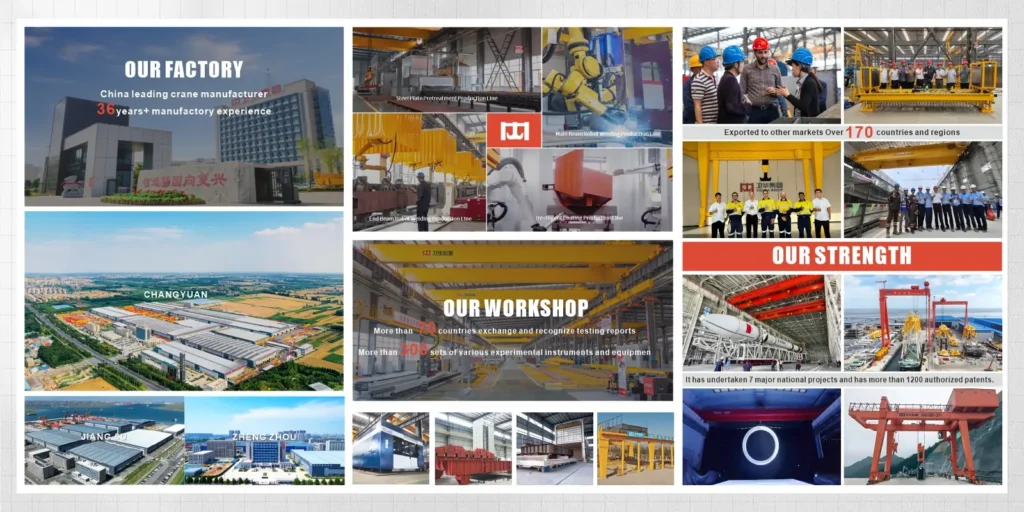
WEIHUA manufactures RTG cranes for container terminals, ports, and logistics yards with different operating requirements. Contactez-nous to discuss RTG crane solutions for your project and container handling needs.
FAQ
What is an RTG crane used for?
RTG cranes are used for stacking, moving, and handling containers in ports, terminals, and storage yards.
How do you operate an RTG crane?
Operating an RTG crane includes pre-operation inspection, crane movement, spreader positioning, container lifting, transportation, and placement.
What controls does an RTG crane operator use?
Operators use joysticks, control panels, monitoring screens, and safety systems inside the cabin.
What should be checked before operating an RTG crane?
Operators should check tires, brakes, electrical systems, hydraulic systems, spreader condition, and safety devices.
How many containers can an RTG crane handle?
The handling capacity depends on crane design. Common RTG cranes handle 20–50-ton containers.
What skills are required for an RTG crane operator?
Operators need training in crane controls, container handling procedures, safety regulations, and emergency operations.
What is the difference between RTG and RMG cranes?
RTG cranes use rubber tires and can move freely, while RMG cranes operate on fixed rails.
How can RTG crane efficiency be improved?
Operator training, preventive maintenance, and advanced control systems can improve efficiency.