








Table des matières
Introduction
RTG cranes are widely used in container terminals, logistics yards, and intermodal facilities for container stacking and transfer operations. Different projects have different requirements for power systems, automation levels, lifting capacity, and operating conditions, so RTG cranes are available in several types to meet various application needs.
In this article, I will introduce the main types of RTG cranes based on power systems, automation levels, and structural configurations. I will also compare their features, applications, and selection factors to help you understand the differences between diesel RTG cranes, electric RTG cranes, hybrid RTG cranes, and automated RTG solutions.
Qu'est-ce qu'une grue RTG ?
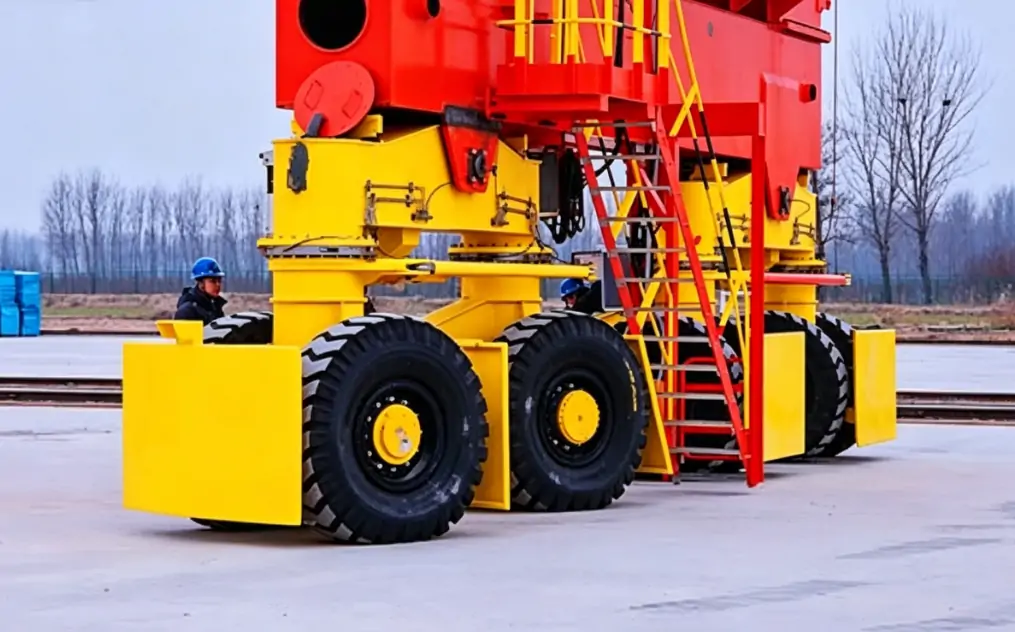
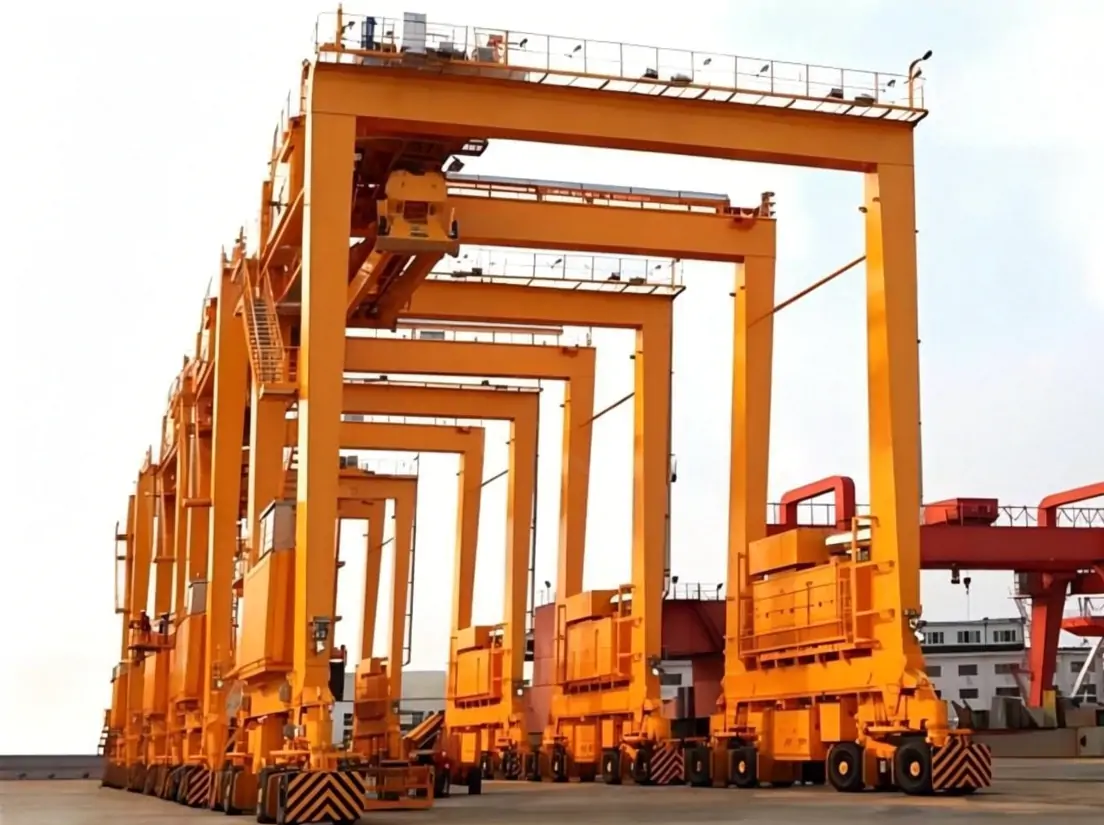
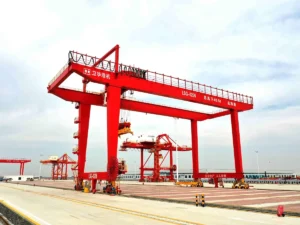
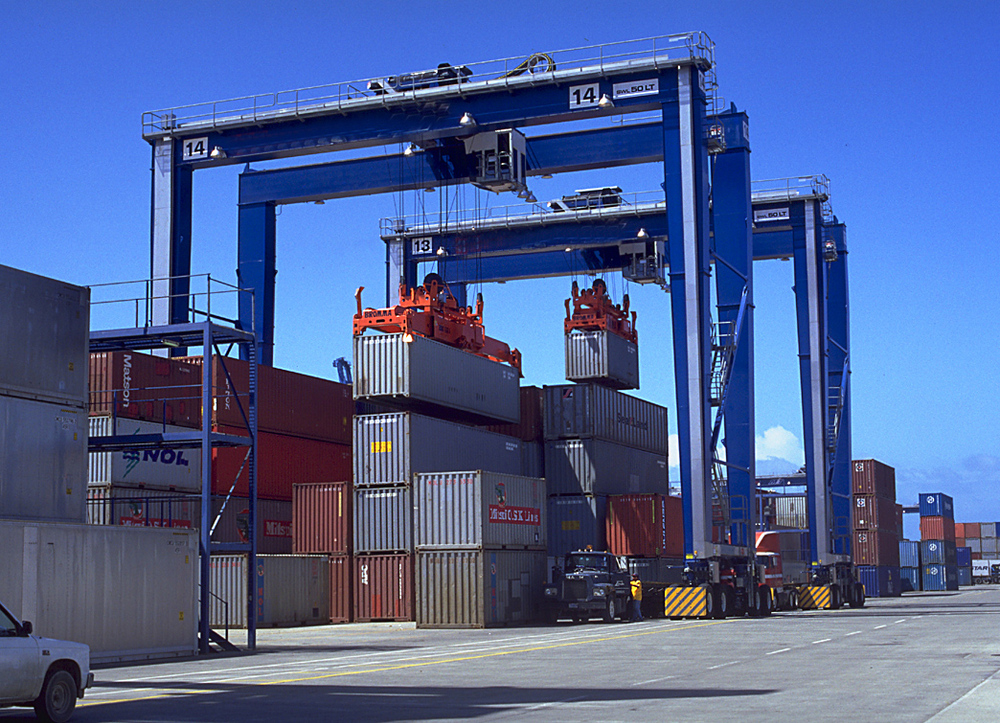
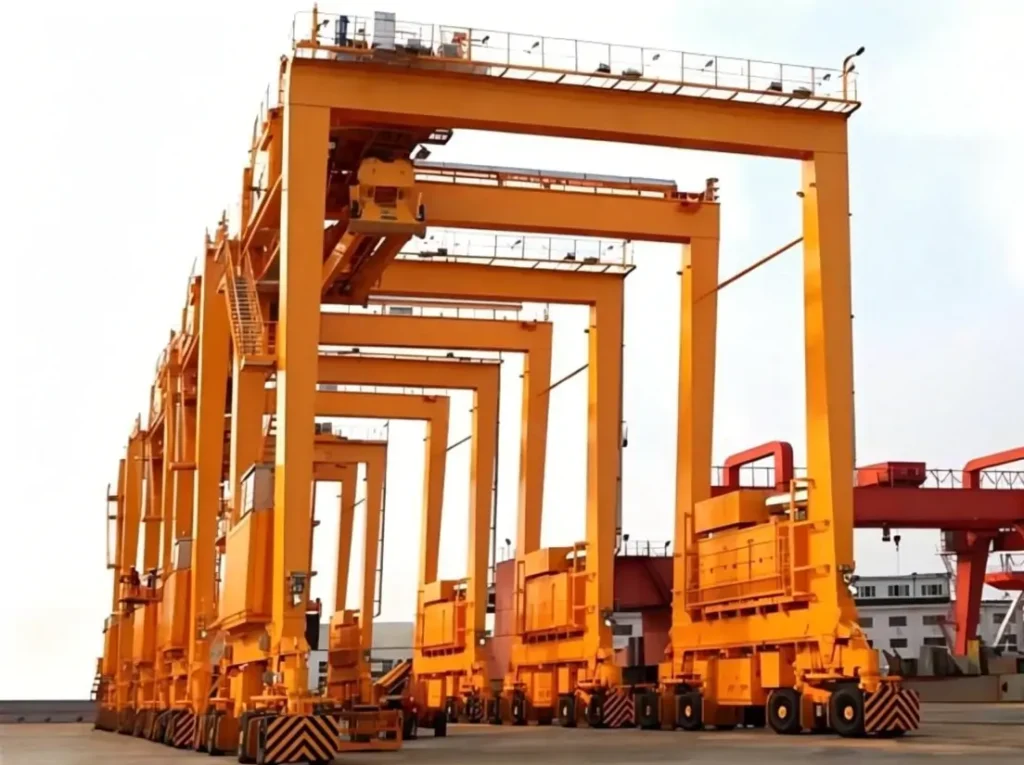
An RTG crane, also known as a Rubber-Tyred Gantry crane or yard bridge, is a mobile gantry crane mounted on rubber tires. It is mainly used for stacking and handling ISO containers in container terminals, railway freight stations, and container yards. Unlike RMG cranes, RTG cranes do not require fixed rails and can move freely on concrete or asphalt surfaces.
An RTG crane usually spans 6–8 container rows plus one truck lane, with a standard span of about 23.47m. The lifting height supports 4–7 container layers, and the rated lifting capacity is commonly 35t–40.5t, with some models reaching 50t. Its rubber tire system supports flexible steering modes, including 90° steering and crab steering, allowing movement between different yard blocks.
RTG cranes are widely used for container yard operations due to their flexible layout adaptation, high stacking capacity, and lower infrastructure requirements. Power options include diesel, cable reel, lithium battery, and hybrid systems. Modern RTG cranes can integrate remote control and automation functions to improve handling efficiency and operation safety.
You can also read this article to learn more about RTG cranes: “What Is an RTG Crane? A Complete Guide to Rubber-Tired Gantry Cranes”
Pour connaître les procédures d'utilisation et les précautions détaillées, veuillez vous référer à l'article : Comment utiliser une grue RTG : un guide étape par étape
Types of RTG Cranes
RTG cranes can be classified by drive system, structural design, power supply, automation level, lifting capacity, and leg structure. Different configurations are selected based on yard layout, operation intensity, energy requirements, and automation plans.
1. Types of RTG Cranes by Drive System
Diesel-Electric RTG Crane
The diesel-electric RTG crane uses a diesel engine to generate electricity and drive electric motors for crane operation. It is the most common configuration with a simple motor structure, reliable performance, and convenient maintenance.
Caractéristiques :
- Widely used in container terminals
- Stable operation and high reliability
- Suitable for flexible yard operations
Diesel-Hydraulic RTG Crane
The diesel-hydraulic RTG crane uses a diesel engine to drive hydraulic pumps and hydraulic motors. It provides fast acceleration but requires more maintenance due to the hydraulic system.
Caractéristiques :
- Good acceleration performance
- Compact power unit
- Higher maintenance requirements
2. Types of RTG Cranes by Main Beam Structure
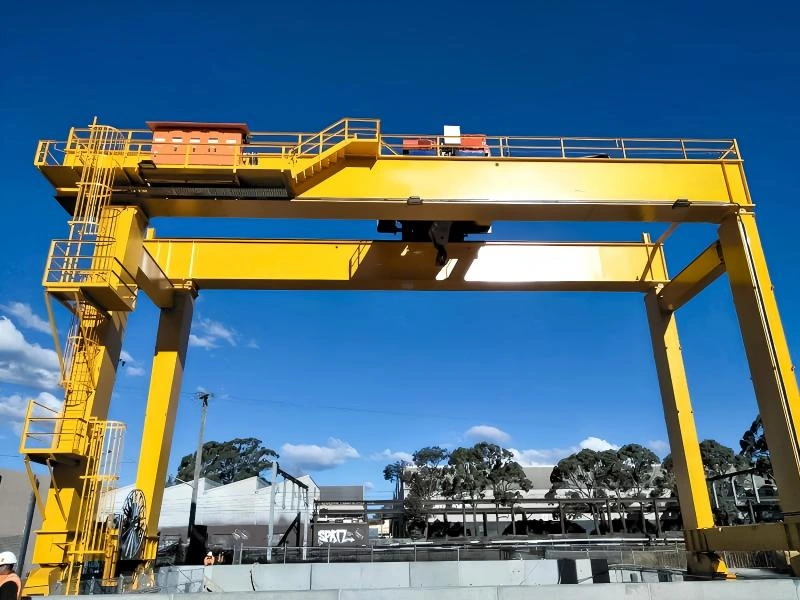
Offset-Rail Box Girder RTG Crane
The trolley rail is positioned near one side of the main girder. This design reduces girder size and crane weight but requires higher structural strength.
Caractéristiques :
- Lower self-weight
- Compact structure
- Suitable for specific design requirements
Center-Rail Box Girder RTG Crane
The trolley rail is installed at the center of the main girder. The symmetrical structure provides balanced loading and stable operation.
Caractéristiques :
- Uniform force distribution
- Strong structural stability
- Common design for standard RTG cranes
3. Types of RTG Cranes by Power Supply
Diesel-Powered RTG Crane
Traditional RTG cranes use onboard diesel generator sets for power supply. They offer high mobility without external power requirements.
Caractéristiques :
- Independent operation
- Suitable for yards without power infrastructure
- Higher fuel consumption compared with electric models
Grue à portique électrique
Electric RTG cranes receive power through cable reels or busbar systems. They provide lower operating costs and zero direct emissions.
Caractéristiques :
- Lower energy cost
- Reduced emissions
- Suitable for fixed container yards
Hybrid RTG Crane
Hybrid RTG cranes combine diesel generators with battery systems. The battery stores energy and reduces diesel engine operating time.
Caractéristiques :
- Lower fuel consumption
- Reduced emissions
- Suitable for energy-saving upgrades
4. Types of RTG Cranes by Automation Level
Manual RTG Crane
The operator controls the crane from the cabin. It is widely used for general container handling operations.
Caractéristiques :
- Flexible operation
- Suitable for various working conditions
Semi-Automated RTG Crane
Semi-automated RTGs integrate positioning systems such as GPS and container management interfaces while keeping operator supervision.
Caractéristiques :
- Improved positioning accuracy
- Supports automated yard management
Fully Automated RTG Crane
Fully automated RTG cranes use remote control systems, positioning technology, and anti-sway systems for unmanned operation.
Caractéristiques :
- Remote operation capability
- Container positioning accuracy up to ±5mm
- Suitable for smart terminals
5. Types of RTG Cranes by Lifting Capacity
Heavy-Duty RTG Crane
Heavy-duty RTG cranes provide higher lifting capacity, commonly above 50t, for special containers or double-container handling.
Caractéristiques :
- Higher load capacity
- Suitable for heavy cargo operations
Standard RTG Crane
Standard RTG cranes usually have a rated lifting capacity of 30.5t–40.5t and are designed for 20ft–45ft ISO containers.
Caractéristiques :
- Suitable for most container terminals
- Balanced capacity and operating cost
6. Types of RTG Cranes by Leg Structure
Flexible Leg RTG Crane
One side uses a flexible leg structure to adapt to uneven ground or foundation settlement.
Caractéristiques :
- Better ground adaptability
- Suitable for large-span and automated yards
Rigid Leg RTG Crane
Both legs are rigidly connected to the frame, providing high structural strength and stability.
Caractéristiques :
- Strong rigidity
- Suitable for standard yard operations
For yards requiring frequent relocation, diesel-electric or hybrid RTG cranes are commonly selected. Fixed container yards with energy-saving targets are more suitable for electric RTG cranes. Terminals planning automation upgrades should consider RTG cranes with remote control, positioning systems, and automation interfaces.
RTG Crane Type Comparison
RTG cranes can be classified by drive and power systems. Different configurations vary in energy consumption, maintenance requirements, environmental performance, and application conditions.
| Comparaison | Diesel-Electric RTG | Diesel-Hydraulic RTG | Electric / Hybrid RTG |
|---|---|---|---|
| Drive Principle | Diesel generator supplies power to electric motors for crane operation. | Diesel engine drives hydraulic pumps and hydraulic motors. | Powered by electric supply or combined diesel engine and battery system. |
| Consommation d'énergie | Medium energy consumption with higher operating noise. | Higher energy consumption and more complex system losses. | Lower energy consumption. Electric models can reduce energy use by more than 30%. |
| Maintenance Cost | Simple motor structure, easy maintenance, widely used. | Complex hydraulic system with higher maintenance requirements. | Fewer mechanical components, lower failure rate. Annual maintenance cost is about 3%–5% of purchase price. |
| Environmental Performance | Produces exhaust emissions. | Produces exhaust emissions. | Electric type has zero direct emissions. Hybrid models can reduce fuel consumption by up to 42.3%. |
| Compatibilité avec l'automatisation | Supports positioning systems and container positioning accuracy up to ±5mm. | More difficult for automation upgrades. | Easy integration with remote control systems and automation platforms. |
| Applications | Traditional container yards and terminals requiring flexible operation. | Older RTG equipment or special working conditions. | Green ports, modern terminals, and automated container yards. |
Selection Guide
- Diesel-Electric RTG: A mature and widely used RTG configuration with reliable performance and simple maintenance. It is suitable for terminals with moderate automation requirements and limited initial investment.
- Diesel-Hydraulic RTG: Due to higher maintenance requirements and energy consumption, this type is less common and mainly found in older equipment or special applications.
- Electric / Hybrid RTG: Electric and hybrid RTGs meet the trend of greener port operations. They offer lower long-term operating costs and are suitable for new terminals and RTG modernization projects.
The right RTG crane type should be selected based on yard operation requirements, energy conditions, maintenance plans, and future automation needs.
How to Choose the Right Type of RTG Crane?
Choosing the right RTG crane type depends on the yard layout, operation requirements, energy conditions, and future upgrade plans.
Check Operation Requirements: Consider container throughput, working hours, and handling frequency. High-volume terminals may require higher efficiency and automated RTG solutions.
Evaluate Power Options: Select the power system based on energy cost, local infrastructure, and environmental requirements. Diesel RTGs suit flexible operations, while electric and hybrid RTGs fit green terminal projects.
Match Lifting Capacity: Choose the lifting capacity according to container types and handling needs. Common RTG cranes are rated at 30.5t–40.5t, with heavy-duty models available for special operations.
Consider Automation Needs: For future automation upgrades, select RTG cranes with positioning systems, remote control interfaces, and compatibility with terminal management systems.
Consider Maintenance and Service: Evaluate spare parts availability, maintenance requirements, and supplier support to reduce downtime during long-term operation.
The right RTG crane configuration should match current operating conditions while leaving room for future expansion, energy upgrades, and automation development.
Applications

Terminaux à conteneurs
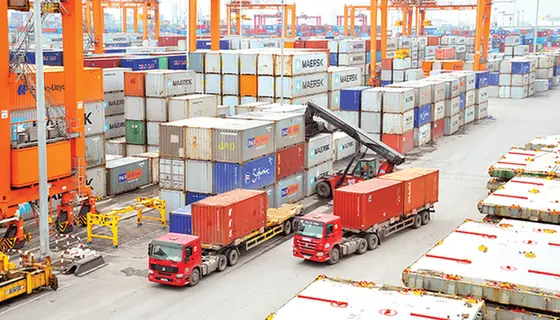
Used for container stacking, transfer, and yard management in seaports. RTG cranes improve storage density and handling efficiency in busy container yards.
Inland Container Depots
Used for container storage and transfer in inland logistics hubs, supporting regional cargo distribution and intermodal transportation.
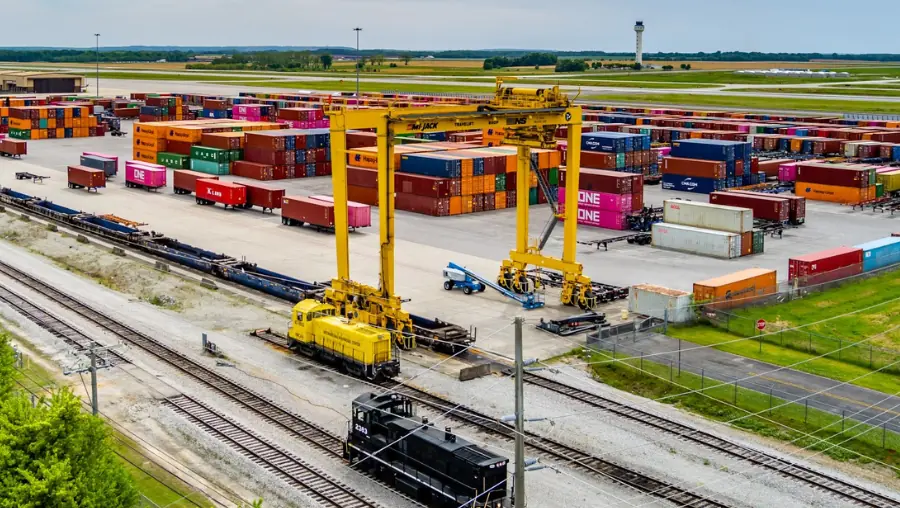
Railway Container Terminals
Used for loading and unloading containers between rail wagons, trucks, and storage areas in intermodal freight operations.
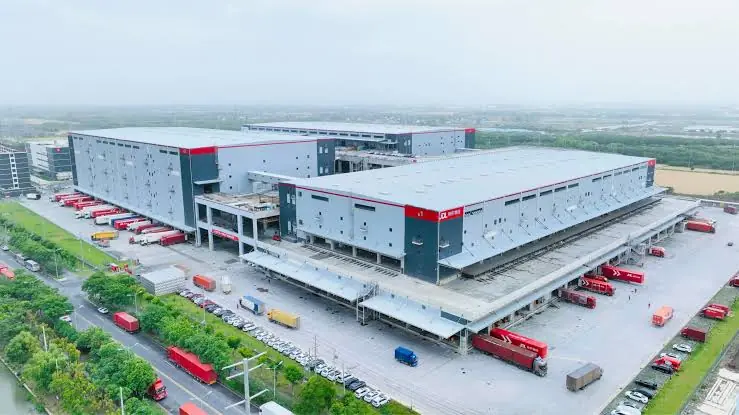
Logistics Parks and Distribution Centers
Used for container handling and temporary storage where flexible yard operation is required.
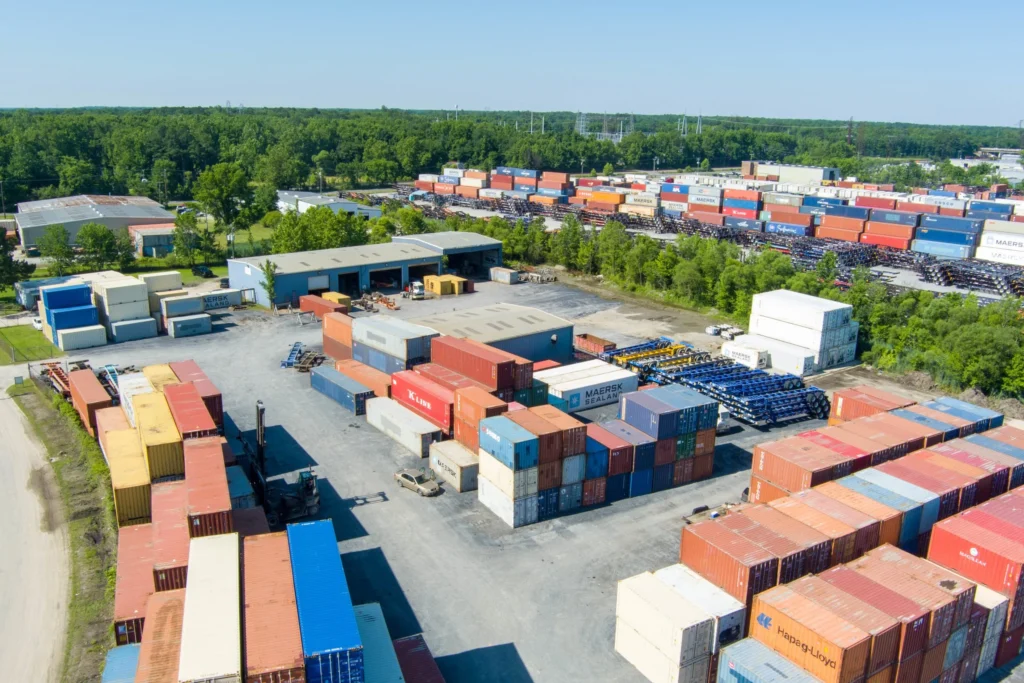
Port Expansion and Temporary Yards
Suitable for yards that require layout changes or rapid capacity expansion because RTG cranes do not need fixed rails.

Industrial Storage Yards
Used in large outdoor storage areas for handling containers, heavy cargo units, and special transport equipment.
Pour plus de détails et d'avantages sur les grues RTG, voir : Avantages des grues RTG pour de multiples applications
Why Choose WEIHUA RTG Cranes?
WEIHUA RTG cranes are designed for container terminals, logistics yards, and intermodal handling applications with a focus on reliable operation, flexible configuration, and long-term service.
Customized Solutions for Different Yards
WEIHUA provides RTG cranes with customized options for lifting capacity, span, stacking height, power system, and automation level. Different configurations can be matched with port terminals, inland depots, railway yards, and industrial applications.
Flexible Power and Automation Options
RTG cranes are available with diesel, electric, hybrid, and automated configurations. Positioning systems, remote control, and intelligent operation functions can be integrated according to project requirements.
Reliable Manufacturing and Quality Control
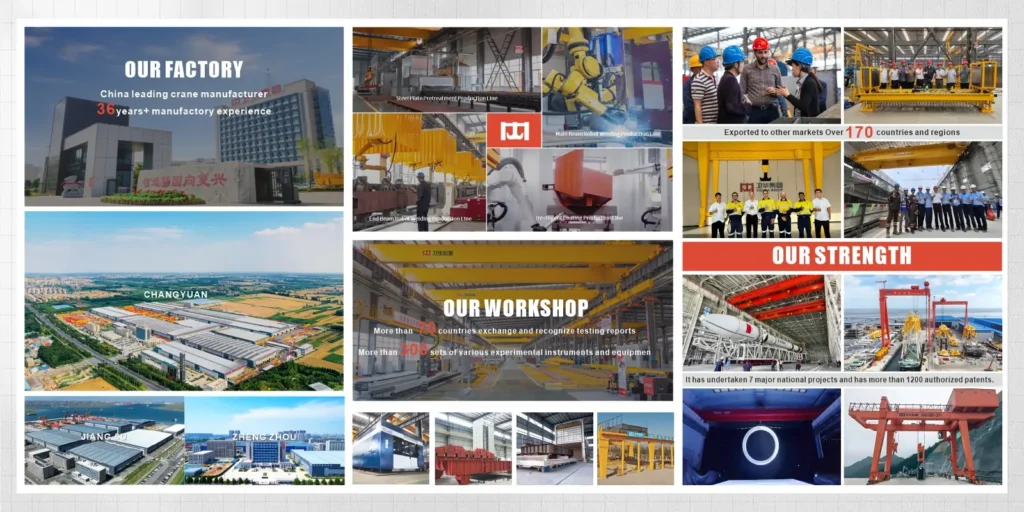
WEIHUA applies professional crane manufacturing processes and quality inspection systems to ensure stable performance under heavy-duty working conditions. RTG cranes are designed according to international standards for different market requirements.
Complete Technical Support
From equipment design and production to installation, commissioning, and after-sales service, WEIHUA provides technical support throughout the project lifecycle.
WEIHUA combines crane manufacturing experience with customized engineering capability to provide RTG crane solutions that match your yard layout, operating conditions, and future development plans. Contactez-nous for RTG crane consultation and project solutions.
FAQ
What are the different types of RTG cranes?
RTG cranes can be classified by power system, automation level, and structural design. Common types include diesel-electric RTG cranes, diesel-hydraulic RTG cranes, electric RTG cranes, hybrid RTG cranes, and automated RTG cranes.
What is the difference between diesel and electric RTG cranes?
Diesel RTG cranes use onboard generator sets and provide flexible operation without fixed power infrastructure. Electric RTG cranes use cable reels or external power supply, offering lower energy costs and reduced emissions.
Are hybrid RTG cranes better than diesel RTG cranes?
Hybrid RTG cranes can reduce fuel consumption and emissions by combining diesel generators with battery systems. They are suitable for terminals looking to improve energy efficiency and reduce operating costs.
What type of RTG crane is used in automated terminals?
Automated terminals usually use electric or hybrid RTG cranes equipped with positioning systems, remote control functions, anti-sway technology, and terminal management system interfaces.
What lifting capacity do RTG cranes have?
Most RTG cranes have a lifting capacity of 30.5t–40.5t for standard container handling. Heavy-duty RTG cranes can reach 50t or higher for special cargo and double-container operations.
Which RTG crane is suitable for container yards?
The suitable RTG crane depends on yard size, container volume, power conditions, and automation requirements. Diesel-electric RTGs suit flexible operations, while electric and hybrid RTGs are suitable for modern green terminals.
Les grues RTG peuvent-elles être personnalisées ?
Yes. RTG cranes can be customized with different lifting capacities, spans, stacking heights, power systems, automation functions, and safety configurations to meet specific yard requirements.
How long does an RTG crane last?
A well-maintained RTG crane can typically operate for more than 20 years. Service life depends on working conditions, maintenance quality, operating frequency, and component replacement schedules.