- ProduitÉquipementPrécision de Puissance, Personnalisation, Solution de GruesCourriel :WhatsApp / Wechat :+8613781917315Adresse :Rue Shanhai n° 18, ville de Changyuan, province du Henan, Chine
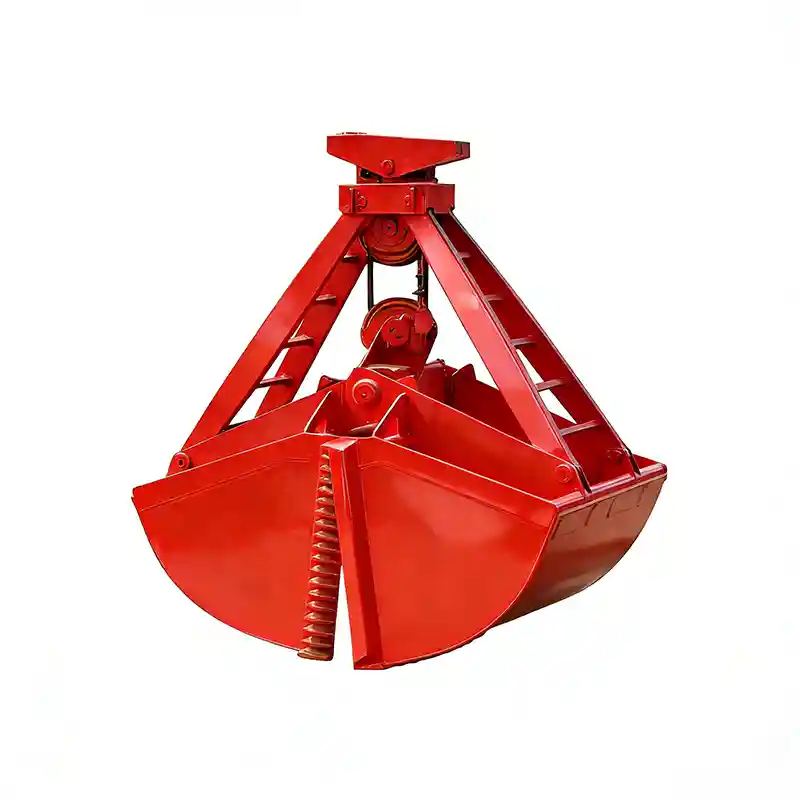
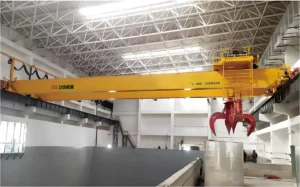
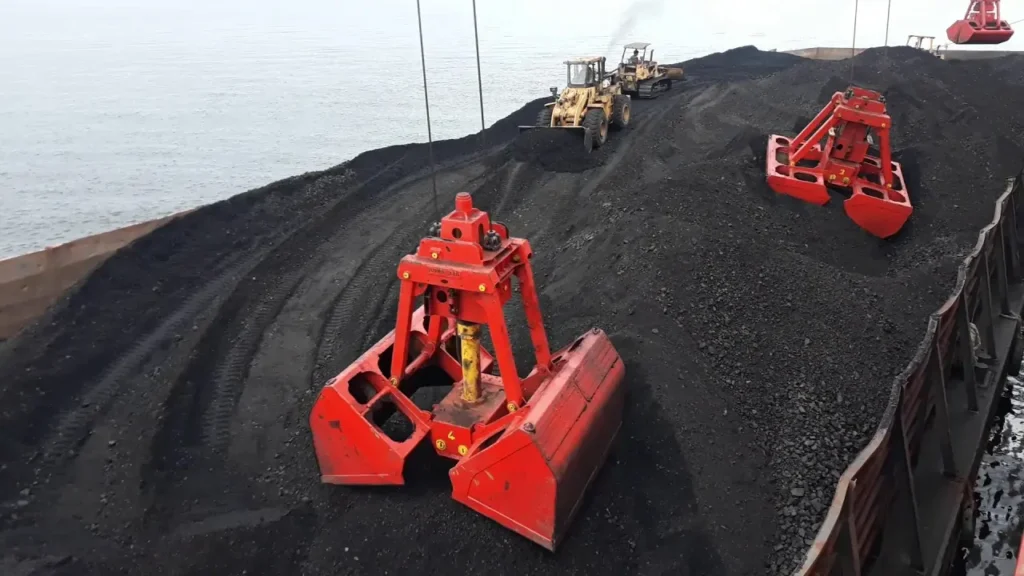
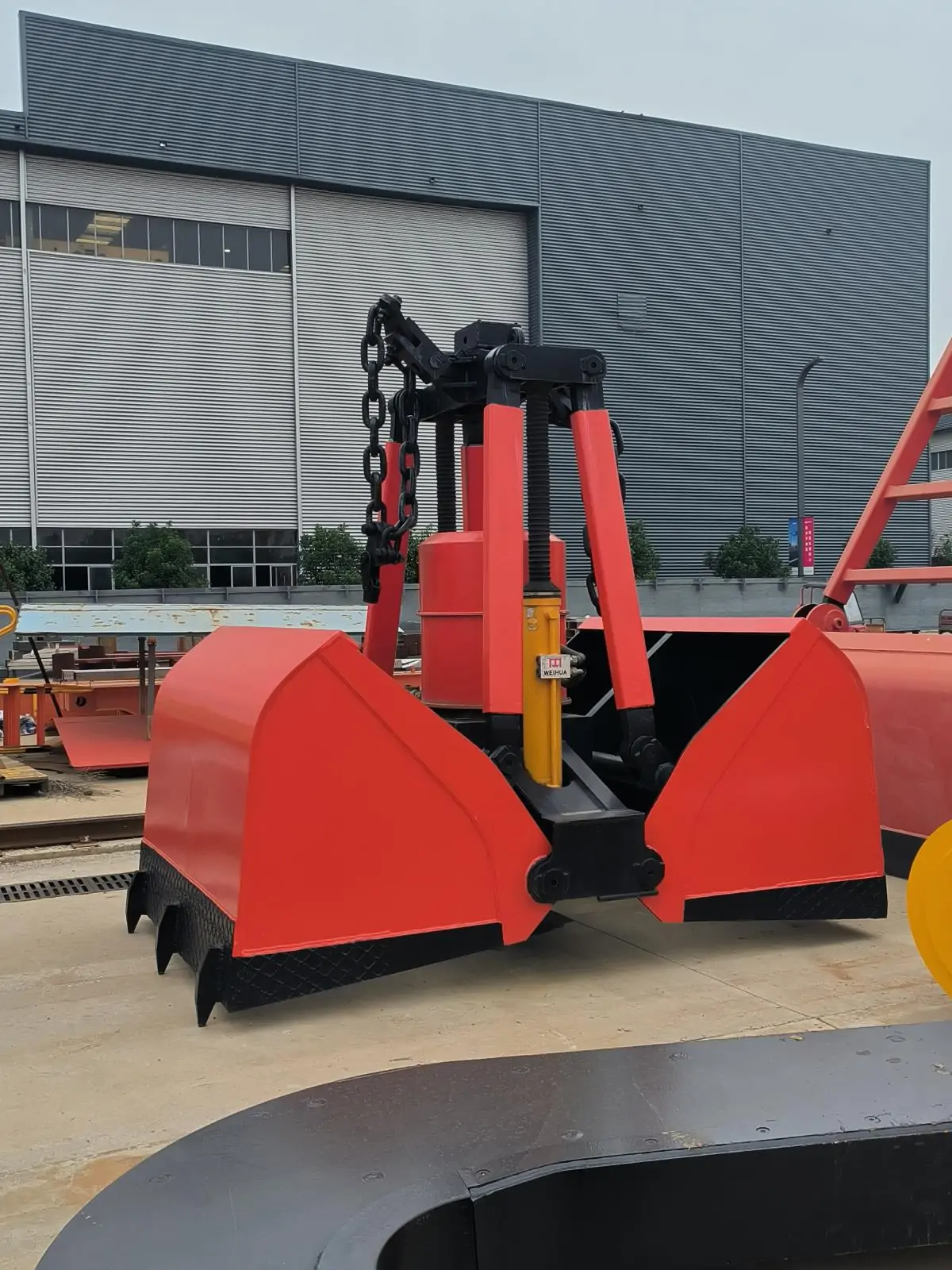
A mechanical clamshell grab bucket is a two-shell attachment used for handling loose bulk materials such as coal, sand, grain, scrap, and ore. It is commonly installed on cranes, including ponts roulants, port cranes, ponts roulants, and ship unloaders. The grab opens and closes through the crane lifting mechanism to scoop, hold, and discharge materials. Also known as a mechanical grab or rope-operated grab bucket, simple structure, reliable operation, and easy maintenance without a separate hydraulic power unit.
The grab hangs from the crane hook. Hoist and closing ropes run through the upper and lower sheaves. The jaws close under their own weight and the pull of the closing rope, cutting into the material pile. Releasing the closing rope opens the jaws for discharge. Motor-driven models use an onboard motor for jaw movement instead of a closing rope. The operator handles the material from the crane without direct contact.
The shells are welded from Q345B or NM400 wear-resistant steel. The head, sheaves, ropes, and hinge pins are sized according to the rated load. Capacities range from 0.5 to 30 m³ and are selected according to crane capacity and material density. Materials include coal, ore, sand, gravel, cement clinker, fertilizer, and grain. Common applications include ports, mines, steel plants, power stations, and waste-to-energy facilities.
For more information, read the article: Qu'est-ce qu'un godet de grue à benne preneuse ?
Mechanical clamshell grab buckets are mainly available in two-rope and four-rope configurations. The rope arrangement affects how the grab is operated and must match the crane’s rope system. Selection also depends on grab capacity, material, and working conditions.
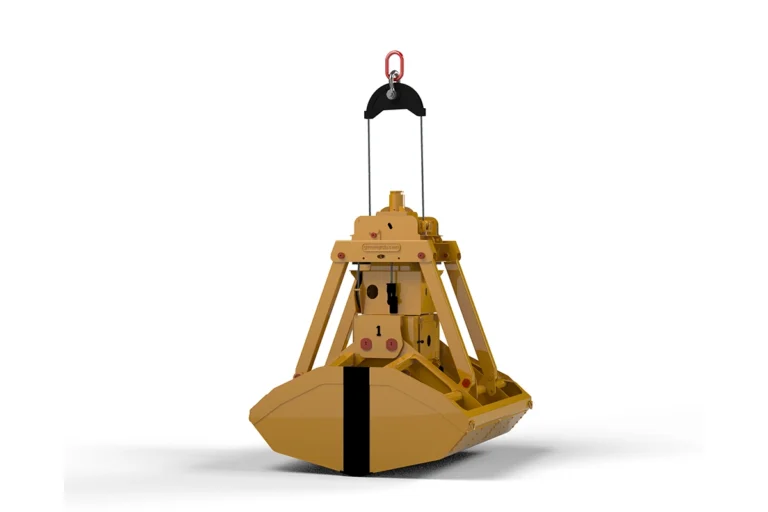
A two-rope mechanical clamshell grab uses one hoist rope and one closing rope. The hoist rope raises and lowers the grab, while the closing rope operates the shells. It has a straightforward rope arrangement and is suitable for general handling of sand, gravel, coal, grain, and other loose bulk materials.
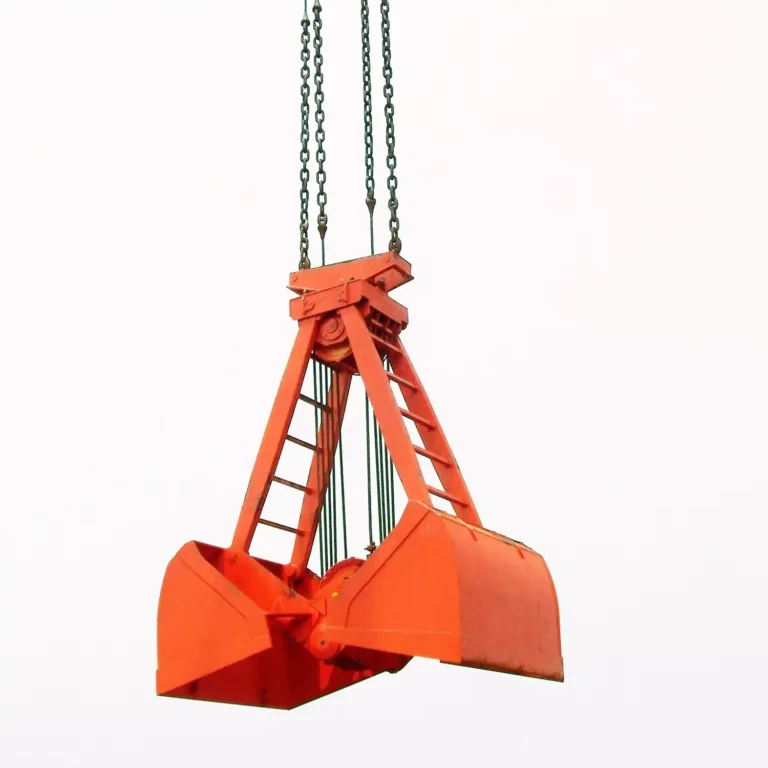
A four-rope mechanical clamshell grab uses separate hoist and closing ropes for the grab mechanism. The arrangement gives better control of shell movement and is suited to larger grabs and heavier handling work. It is commonly used for bulk material handling in ports, mines, steel plants, and other industrial facilities.
A mechanical clamshell grab bucket operates through the crane hoist rope and closing rope. The hoist rope lifts and lowers the grab, while the closing rope controls two hinged shells. The head and sheave assembly transfers rope force to the shells, with hinge pins allowing them to open and close. The grab connects to the crane through a suspension link or similar connector.
The mechanical clamshell grab uses the crane’s rope system rather than a separate hydraulic power unit. This configuration is suitable for repetitive handling of loose bulk materials such as coal, ore, sand, and gravel.
| Paramètre | Value / Options |
|---|---|
| SWL (Lifting Capacity) | 5.0–25.0 t; 30 t or higher on request |
| Grab Capacity | 1.4–8.0 m³ standard; 0.5–30 m³ customized |
| Dead Weight | 2,640–12,200 kg |
| Shell Configuration | 2-shell; multi-jaw; 6-peel available |
| Rope Configuration | Two-rope, three-rope, four-rope |
| Pulley Diameter | 315–630 mm |
| Main Material | Q355B, Q460, NM400, NM500 |
| Certification | CE, ISO 9001 |
Mechanical Clamshell Grab Buckets are used for loading, unloading, and transferring loose bulk materials in industrial and material handling operations.
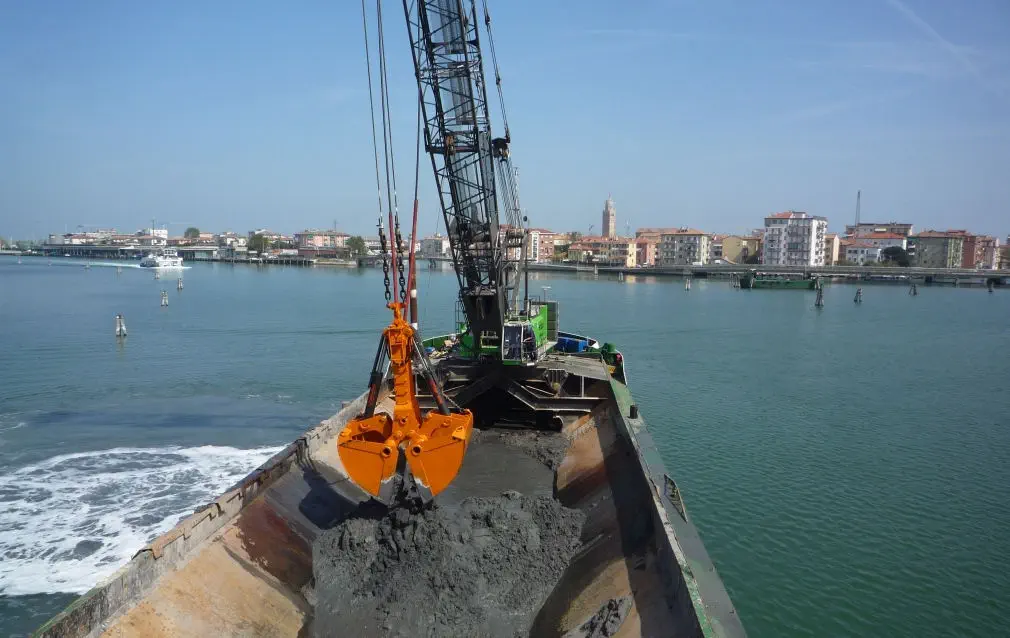
Loading and unloading coal, ore, grain, and other bulk cargo.
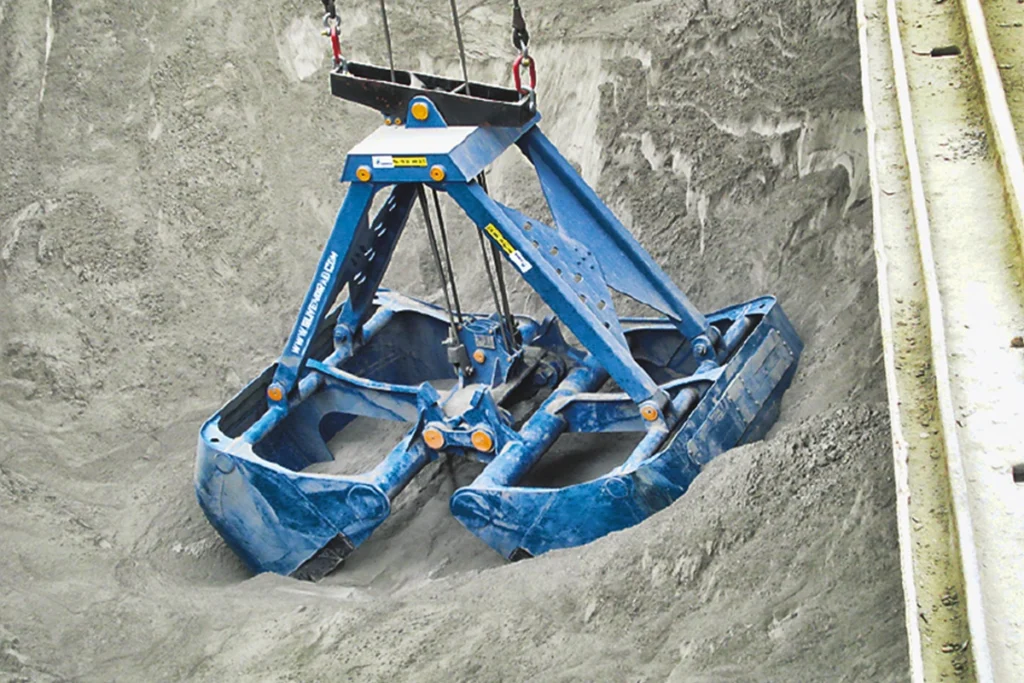
Charging and transferring raw materials such as iron ore, coal, and limestone.
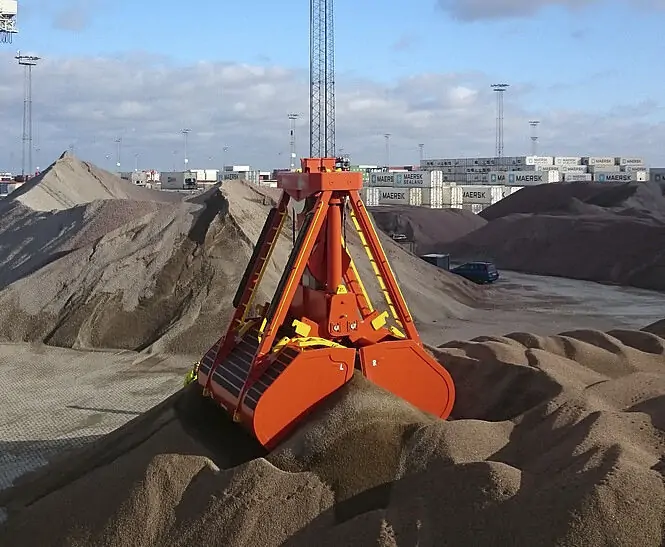
Handling coal, fly ash, and other bulk materials.
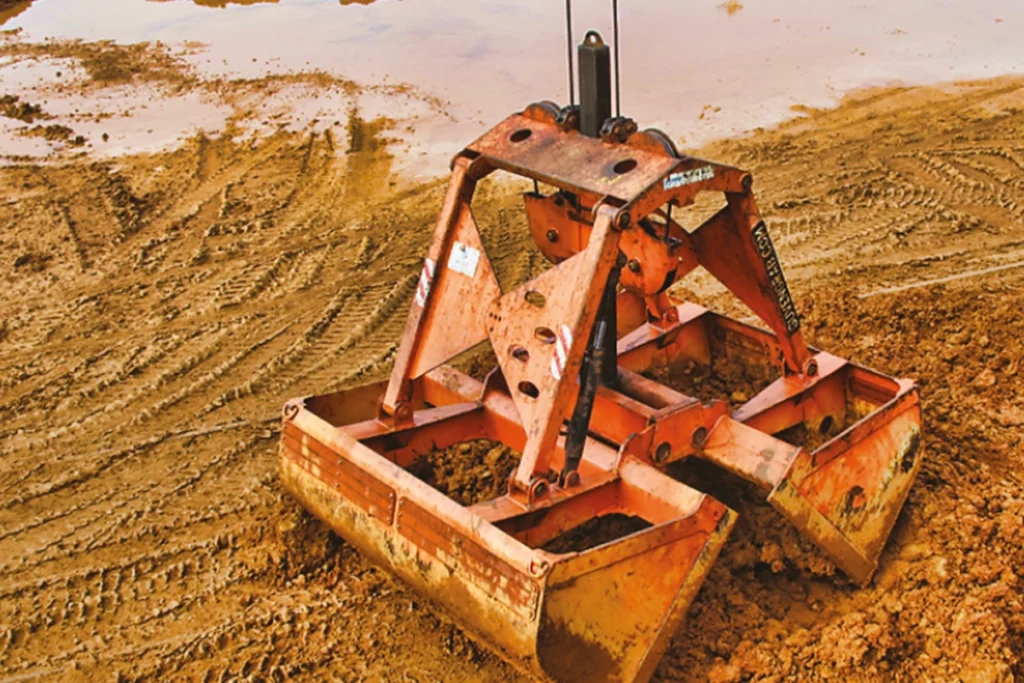
Loading sand, gravel, and crushed stone.
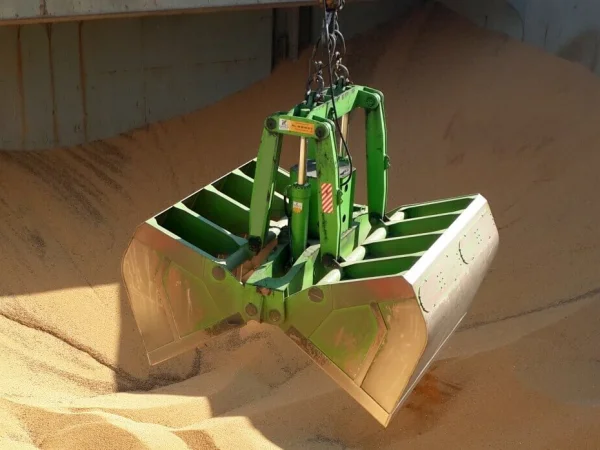
Moving free-flowing agricultural and processed bulk materials.
The grab capacity, shell configuration, and rope system are selected according to the material density, required load per cycle, and crane capacity.
To learn more about the specific applications of crane grab buckets in heavy-duty industries, read the article: “Crane Grab Bucket Applications in Ports, Steel Mills, Mining, and Bulk Material Handling”
Mechanical and hydraulic clamshell grab buckets both handle loose bulk materials with two shells. The main difference is the shell opening and closing mechanism. Mechanical grabs use the crane’s rope system, while hydraulic grabs use hydraulic cylinders and a hydraulic power system.
| Comparaison | Mechanical Clamshell Grab Bucket | Hydraulic Clamshell Grab Bucket |
|---|---|---|
| Drive Method | Wire rope and mechanical linkage | Hydraulic cylinder |
| Source d'alimentation | Crane lifting mechanism | Hydraulic power unit |
| Opération | Open and close through crane movement | Controlled directly by hydraulic system |
| Pince | Overhead crane, gantry crane, port crane | Overhead crane, gantry crane, port crane |
| Control | Mechanical operation | Hydraulic control |
| Typical Materials | Coal, sand, grain, ore, scrap | Scrap steel, ore, bulk materials, irregular cargo |
| Entretien | Simple mechanical structure | Requires hydraulic system maintenance |
| Application | General bulk material handling | Heavy-duty and controlled grabbing operations |
Mechanical clamshell grabs are suited to standard bulk material handling where a simple rope-operated structure is preferred. Hydraulic clamshell grabs are used when independent shell control, stronger gripping force, or more precise grabbing is required.
For details on the different applications of grab buckets and how to choose the right one, see: Différents types de godets preneuses pour grues et comment choisir le bon
Mechanical and hydraulic grab buckets differ significantly in their applications and configurations. For more details, see the article: Mechanical Clamshell Grab Bucket vs. Hydraulic Grab Bucket: What Is the Difference?
The right mechanical clamshell grab bucket depends on the material being handled, required capacity, and the crane’s lifting system. The grab weight must also be included when checking the crane’s rated load.
1. Material Type and Density: Identify the material and its bulk density before selecting the grab. Coal, ore, sand, gravel, and grain require different shell designs and capacities.
2. Required Grab Capacity: Select the bucket volume according to the required load per cycle and material density. A larger volume is not always suitable if the crane cannot handle the loaded grab weight.
3. Crane Capacity and Hook Height: Check the crane’s SWL, hook height, and rope arrangement. The crane must handle the combined weight of the grab and material.
4. Rope Configuration: Match the grab with the crane’s rope system. Two-rope and four-rope configurations have different operating arrangements and should not be selected independently of the crane.
5. Working Conditions: Consider handling frequency, material abrasiveness, pile depth, and operating environment. Wear-resistant shells and reinforced components may be required for heavy or abrasive materials.
Select the grab based on the material, bulk density, required capacity, and crane specifications. The grab weight, rope configuration, and working conditions should also match the crane.
If you are considering using an overhead crane or gantry crane and are unsure how to select the appropriate grab bucket, see the article: How to Choose a Grab Bucket for Overhead Cranes and Gantry Cranes?
Mechanical clamshell grab buckets can be designed for different crane systems, bulk materials, and working conditions. The grab size and structure are selected according to the required load, material density, lifting capacity, and operating cycle.
Provide the crane model or lifting capacity, material type, bulk density, and required grab capacity to start the design.
Obtenez un devis personnalisé dès maintenant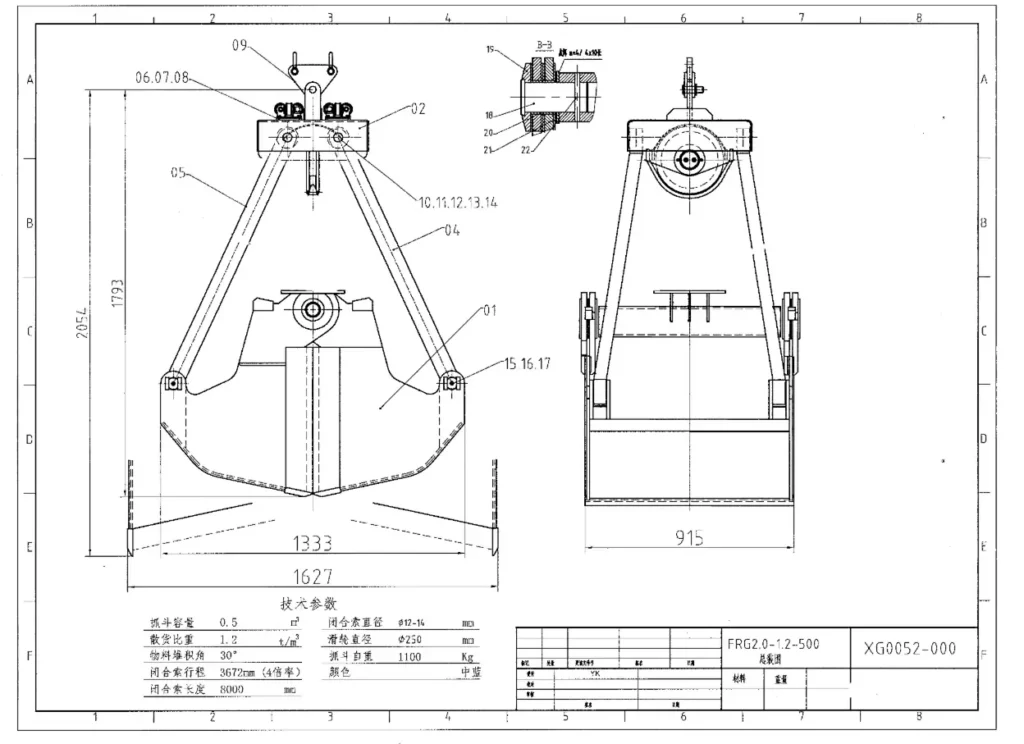
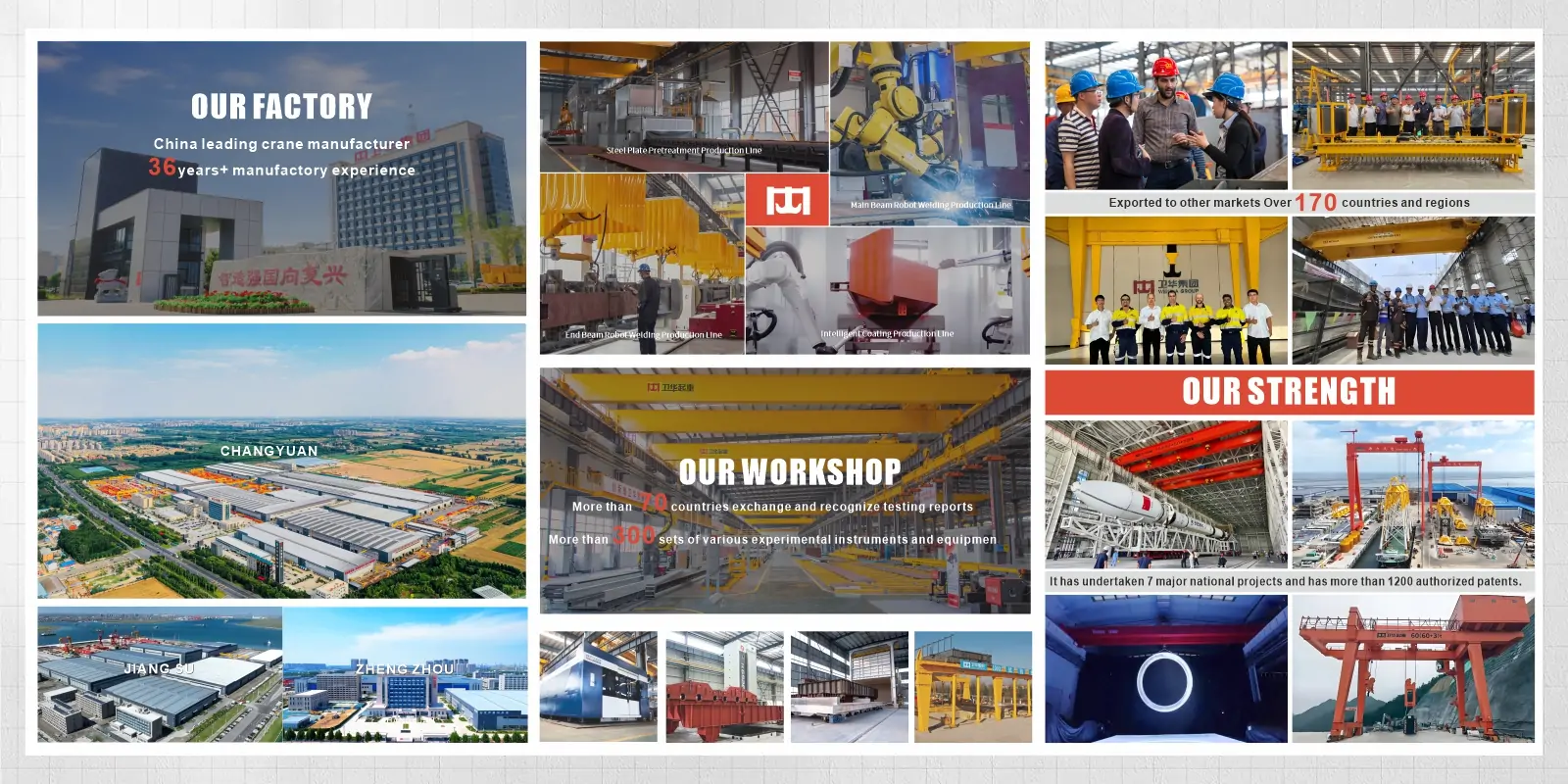
WEIHUA manufactures and supplies mechanical clamshell grab buckets for overhead cranes, gantry cranes, port cranes, and other lifting systems. Custom designs cover grab capacity, dead weight, rope configuration, jaw opening, shell structure, wear-resistant materials, and crane connection. The equipment is used for coal, ore, sand, gravel, grain, and other bulk materials.
WEIHUA has experience supplying lifting equipment to overseas markets and holds relevant quality certifications. Technical support covers grab selection, design, production, delivery, and installation guidance. Spare parts and after-sales service are also available.
Contactez-nous with your crane and material handling requirements for a mechanical clamshell grab bucket quotation.
A mechanical clamshell grab bucket is a rope-operated crane attachment with two hinged shells. It is used to scoop, lift, and discharge loose bulk materials such as coal, ore, sand, gravel, and grain.
The crane lowers the open grab onto the material. The closing rope pulls the shells together to capture the load. The crane lifts the closed grab, then releases the closing rope to open the shells and discharge the material.
It can handle coal, ore, sand, gravel, cement clinker, fertilizer, grain, and other loose bulk materials. Shell design and wear-resistant materials can be selected according to material density and abrasiveness.
Grab capacity can range from 0.5 to 30 m³, depending on the model and configuration. The required capacity is selected according to material density, crane lifting capacity, and the required load per cycle.
A two-rope grab uses one hoist rope and one closing rope. A four-rope grab uses separate hoist and closing ropes on both sides. The rope configuration must match the crane and grab design.
Mechanical clamshell grabs can be used with compatible overhead cranes, gantry cranes, port cranes, and other rope-operated lifting systems. Crane SWL, hook height, and rope configuration should be checked before selection.
Check the material type, bulk density, required capacity, crane SWL, rope configuration, and working conditions. These factors determine the suitable grab size, shell design, and operating arrangement.
Yes. Custom options include bucket capacity, grab weight, rope configuration, jaw opening, shell structure, wear-resistant materials, and crane connection. The design can be specified according to the material and working conditions.
Fondée en 1988, Weihua est devenue un leader mondial dans le domaine de la fabrication intelligente en Chine. Nous sommes spécialisés dans la R&D et la production de grues intelligentes tout en proposant des solutions d'AGV. Nos équipes professionnelles d'ingénierie, de livraison et d'après-vente offrent un support technique complet, des solutions personnalisées, des conseils d'installation sur site et des services mondiaux à réponse rapide pour garantir que chaque projet fonctionne en toute sécurité et efficacité.
Contactez-nous dès maintenant par e-mail : [email protected], ou remplissez le formulaire ci-dessous.
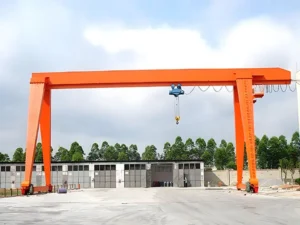
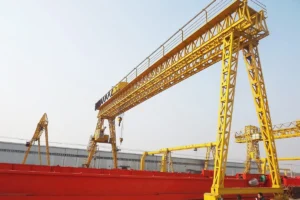
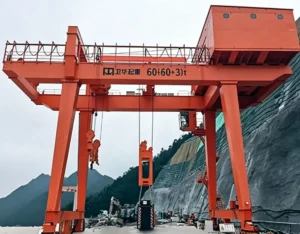
La potence est un équipement de levage largement utilisé dans diverses industries, sur les chantiers de construction, dans les ports, les entrepôts et d'autres domaines. Sa structure unique et sa puissante capacité de charge le rendent idéal pour la manutention moderne de matériaux lourds. La conception de la structure “potence” permet à la grue de se déplacer librement dans un espace, couvrant une large zone de travail. Alors, qu'est-ce qui rend les potences spéciales ? Quels sont leurs types, leurs paramètres, leurs méthodes de contrôle, leurs applications et leurs principes de fonctionnement ? En quoi diffèrent-elles des ponts roulants ? Explorons ensemble. Types de potences Basées sur la conception, l'application et l'environnement d'exploitation, les potences sont généralement classées dans les types suivants : Potence à poutre unique Les potences à poutre unique sont largement utilisées dans les secteurs industriels, les entrepôts, les ports et les ateliers. Dotées d'un mécanisme de levage à support à poutre unique, elles se déplacent via des colonnes latérales et des rails au sol. Avec leur structure simple, leur fonctionnement convivial et leur capacité de levage modérée, elles sont idéales pour la manutention de charges légères à moyennes. Capables de couvrir de grandes distances librement, les potences à poutre unique conviennent aux opérations de manutention et de levage de matériaux lourds. Potence à double poutre Par rapport aux potences à poutre unique, les potences à double poutre offrent une plus grande…
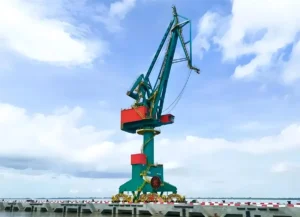
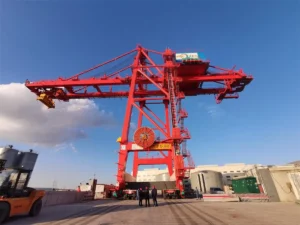
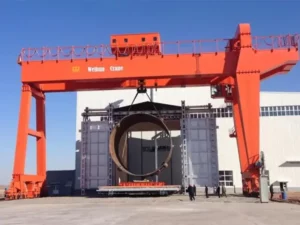
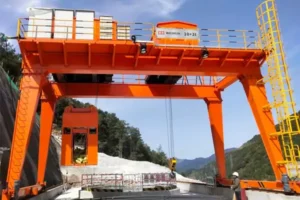
Dans les ports, les parcs logistiques et la manutention de matériaux industriels, les grues à quai et les portiques sont deux types d'équipements de chargement/déchargement courants et essentiels. Ils diffèrent par leur conception structurelle, leurs caractéristiques de performance, leurs méthodes d'exploitation, leurs scénarios d'application et leurs coûts d'investissement. Cet article fournit une analyse complète des grues à quai par rapport aux portiques et vous guide dans le choix approprié. Comparaison de la conception structurelle Les différences structurelles entre les grues à quai et les portiques se manifestent principalement dans les méthodes de support de charge, les trajectoires de mouvement et les plages de couverture. La première est centrée sur une tour fixe et une flèche rotative, mettant l'accent sur la “ couverture ponctuelle ” et la rotation horizontale flexible. La seconde présente une structure en portique et un déplacement longitudinal sur rails, privilégiant le “ vaste mouvement horizontal ” et la manutention logistique efficace sur site. Par conséquent, leurs conceptions structurelles distinctes dictent directement leurs différents scénarios d'application. Caractéristiques structurelles de la grue à quai Les grues à rotation de portique utilisent des structures de flèche cantilever simple/double avec la tour fixée à des fondations ou à des rails, permettant une rotation à 360° ou partielle. Cette configuration permet une opération flexible dans des espaces étroits et allongés tels que les rives, les fronts de quai et les postes de navire, ce qui la rend particulièrement adaptée à la manutention de matériaux du navire à terre. Sa fonctionnalité principale combine verticalement…
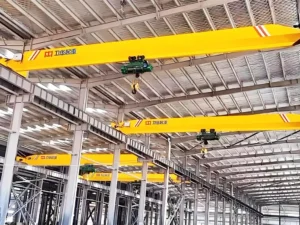
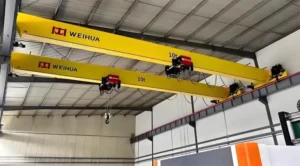
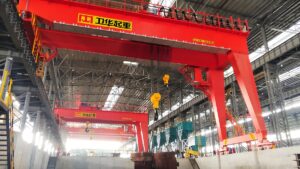
Dans les opérations industrielles modernes, la manutention efficace des matériaux est essentielle pour maximiser la productivité et optimiser le flux de travail. Les ponts roulants, également connus sous le nom de grues aériennes ou de grues EOT, sont des systèmes de manutention fixes largement utilisés dans les secteurs de la fabrication, du traitement des métaux, de l'entreposage et des opérations de chargement/déchargement. Dans cet article, nous explorerons le principe de fonctionnement, les composants principaux, les applications et les avantages opérationnels des ponts roulants, offrant ainsi un guide complet pour les planificateurs industriels et les professionnels de la logistique. Principe de fonctionnement d'un pont roulant Un pont roulant fonctionne sur une structure semblable à un pont qui enjambe l'espace de travail, avec un chariot et un système de levage qui se déplacent horizontalement le long du pont et soulèvent ou abaissent verticalement les charges. Le déplacement de la grue le long du chemin de roulement, combiné à un contrôle précis du palan, permet une manutention efficace et sûre des matériaux lourds dans les usines, les entrepôts et les installations industrielles. Pour plus d'informations sur le fonctionnement des grues aériennes, veuillez consulter cet article : Principe de fonctionnement des grues aériennes : composants, mouvement et processus d'exploitation Terminologie des ponts roulants Voici une introduction à la terminologie relative aux pièces des ponts roulants. Capacité de la grue : La capacité de la grue fait référence au poids maximum qu'un pont roulant peut soulever en toute sécurité. Généralement mesurée en tonnes…
Une grue EOT (Electric Overhead Traveling Crane) est un système de levage aérien efficace et fiable utilisé pour manipuler des matériaux lourds dans les usines, les entrepôts, les ateliers et les installations industrielles. Fonctionnant sur des rails aériens, les grues EOT permettent un mouvement tridimensionnel sûr et précis des charges grâce à des mouvements coordonnés de levage, de translation et de pontage. Cet article vous guidera à travers les définitions des grues EOT, leurs types, leur structure, leurs principes de fonctionnement, leurs applications et les facteurs de coût afin de vous aider à choisir la solution la plus adaptée à vos besoins de levage. Comment fonctionne une grue EOT ? Le principe de fonctionnement d'une grue EOT repose sur une combinaison de levage vertical, de mouvement horizontal du chariot et de déplacement longitudinal du pont, permettant une manipulation efficace de charges lourdes dans les installations industrielles. La grue circule sur des rails de roulement surélevés installés le long de la structure du bâtiment, le pont de la grue enjambant l'espace de travail. Le mécanisme de levage monte ou descend la charge à l'aide de câbles en acier ou de chaînes, tandis que le chariot déplace la charge horizontalement le long du pont. L'ensemble de la grue se déplace longitudinalement le long des rails de roulement, permettant un positionnement tridimensionnel des matériaux. Les grues EOT modernes sont alimentées par des moteurs électriques à vitesse précise…
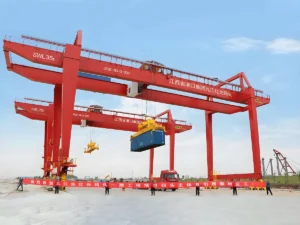
Les portiques sont largement utilisés dans les parcs à matériaux en plein air, les chantiers navals, les usines et les sites de construction, ce qui en fait l'une des solutions de manutention les plus polyvalentes et les plus appliquées. Les portiques existent en différents types, chacun personnalisable pour s'adapter à différentes capacités de charge, conditions de site et exigences opérationnelles. Cependant, choisir la mauvaise configuration peut entraîner des dépenses inutiles, une capacité de levage limitée ou des contraintes d'expansion futures. Alors, quels sont les principaux types de portiques ? Comment choisir le bon type pour votre application ? Dans ce guide, nous fournir un aperçu détaillé des différents types de portiques en fonction de leur structure, de leur mobilité et des scénarios d'application, vous aidant à prendre la bonne décision avant d'investir dans une solution de levage. L'article est assez long. Ci-dessous se trouve notre table des matières. Veuillez accéder à la section correspondante si nécessaire : Qu'est-ce qu'un portique ? Les portiques sont des équipements de levage conçus pour la manutention efficace de charges lourdes sur de grands sites en plein air. Leur structure caractéristique comprend une ou plusieurs poutres principales supportées par des pieds rigides (ou flexibles) de chaque côté, formant un cadre monumental en forme de “ portail ”. Ces grues se déplacent…
 English English
  Русский
 العربية
 Français
 Português
 Español