








جدول المحتويات
مقدمة
Steel mills require reliable lifting equipment to handle heavy steel products, molten metal, raw materials, and production components throughout the manufacturing process. Due to high loads, high temperatures, dust, and continuous operation, steel mill cranes must be designed with suitable capacity, safety features, and working performance. Steel mill cranes are designed to support material handling throughout the steel manufacturing process, from ironmaking and steelmaking to rolling and finished product storage.
This guide introduces the common types of steel mill cranes and their applications in different production processes. It also explains how to select the right crane by considering lifting capacity, working conditions, operating frequency, safety requirements, and customized lifting needs.
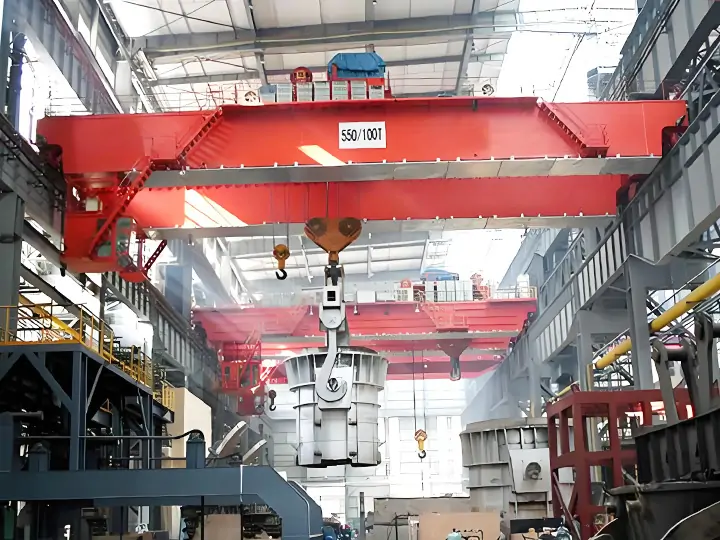
What Is a Steel Mill Crane?
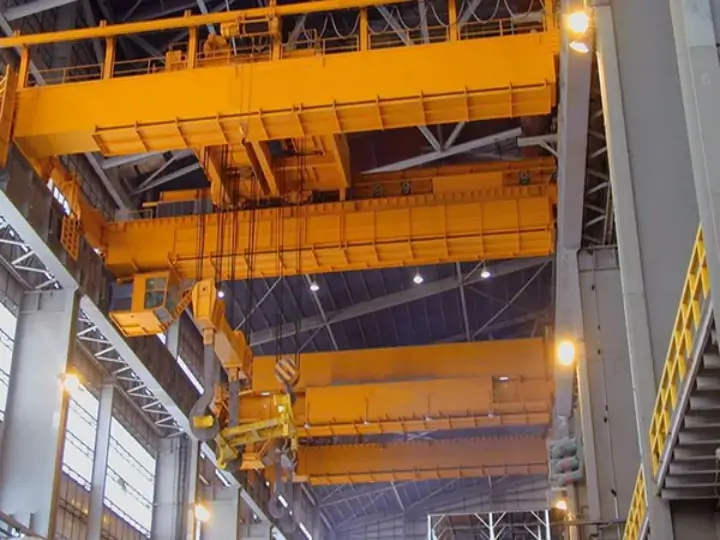
A steel mill crane, also known as a metallurgical crane or steel plant crane, is a heavy-duty overhead crane specially designed for steel production environments, including ironmaking, steelmaking, continuous casting, and rolling processes. It is mainly used for handling molten iron, steel ladles, billets, coils, and other heavy steel materials under high-temperature, heavy-load, and continuous operating conditions.
Types of Steel Mill Cranes
Different steel production processes require different crane configurations. Crane selection depends on lifting capacity, material type, operating temperature, and working conditions.
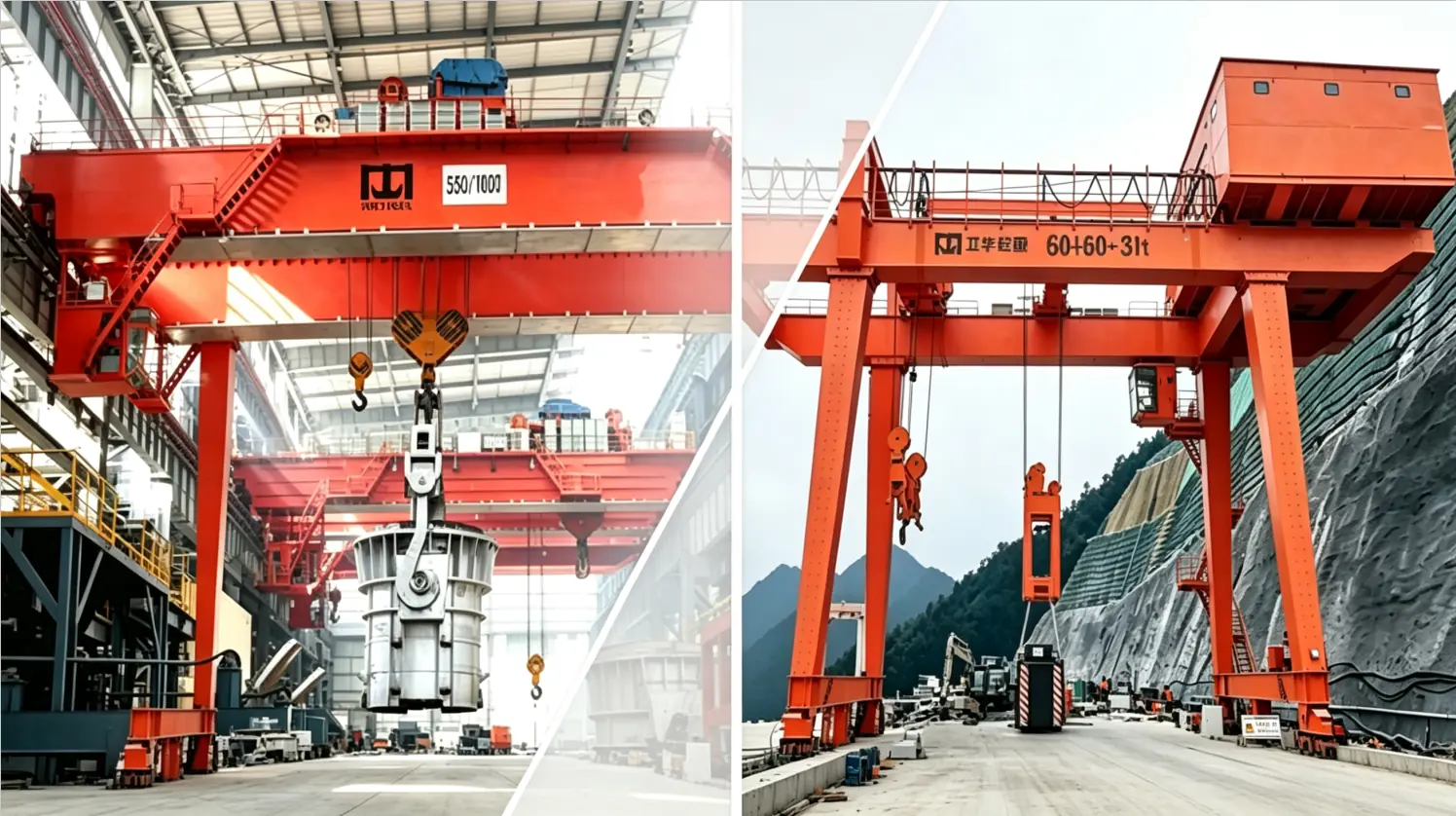
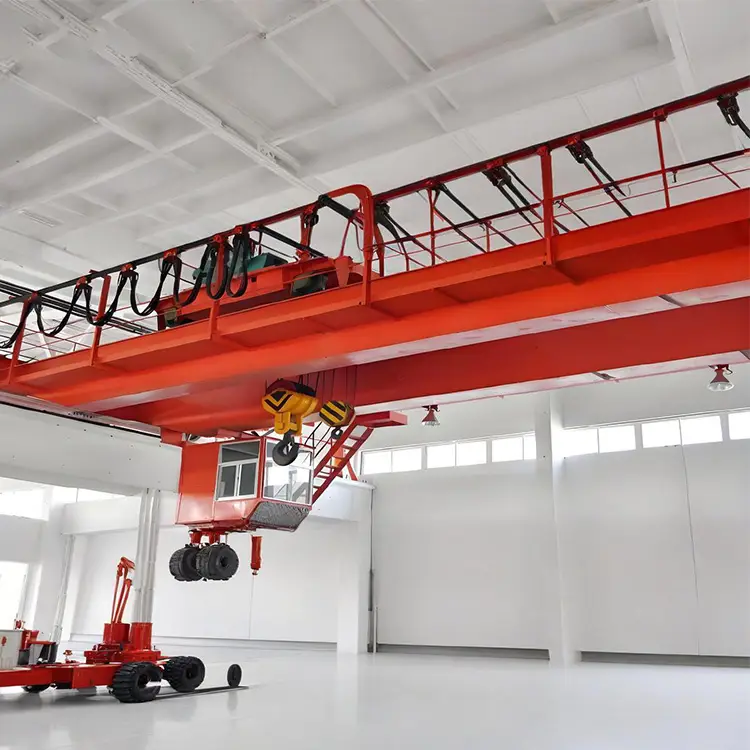
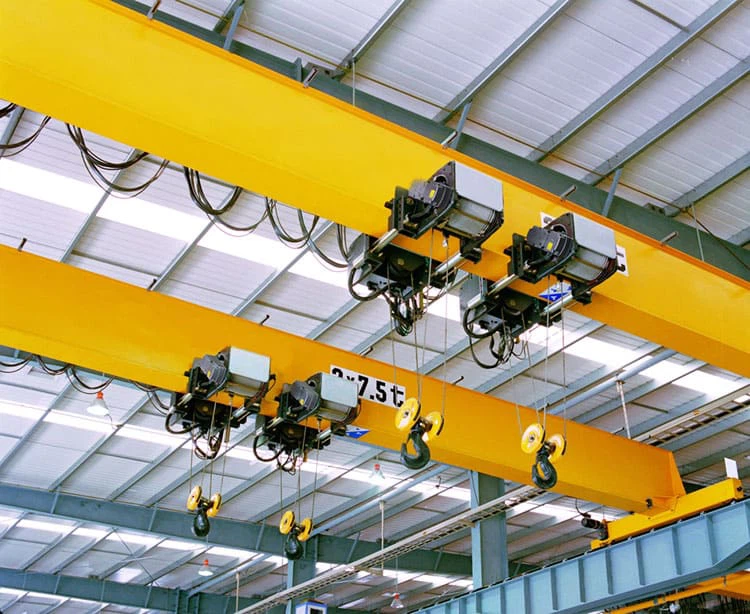
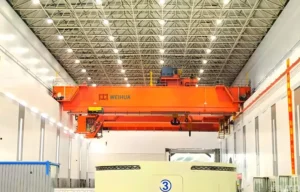
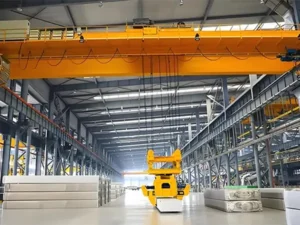
Double-girder overhead crane
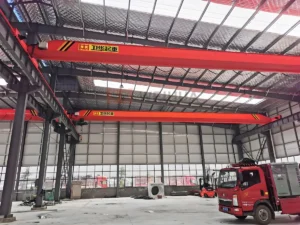
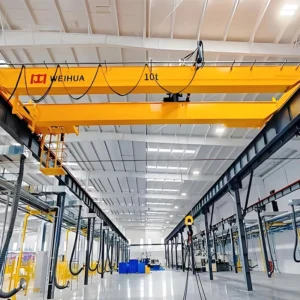
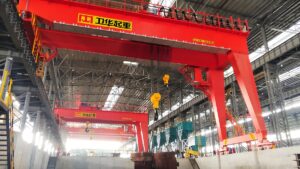
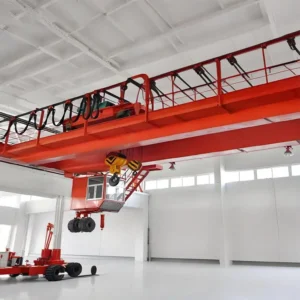
A double girder overhead crane consists of two main girders with a trolley and lifting mechanism. The double-girder structure offers higher strength and load capacity for heavy-duty lifting. It is commonly used in steel plants and industrial workshops.
Applications: Steel processing plants, heavy equipment workshops, machinery assembly areas, and large production facilities.
احصل على عرض أسعار مخصص الآن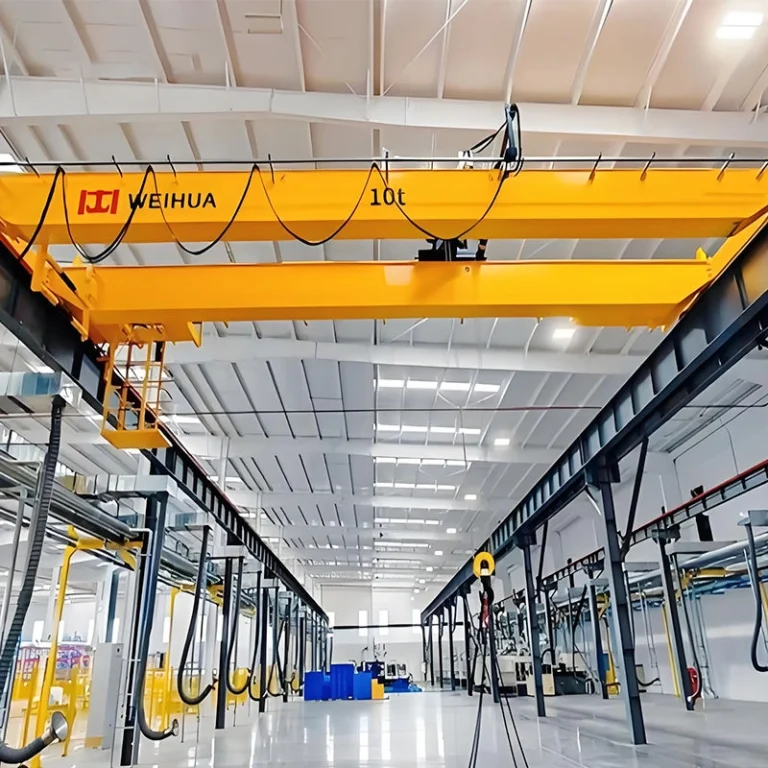
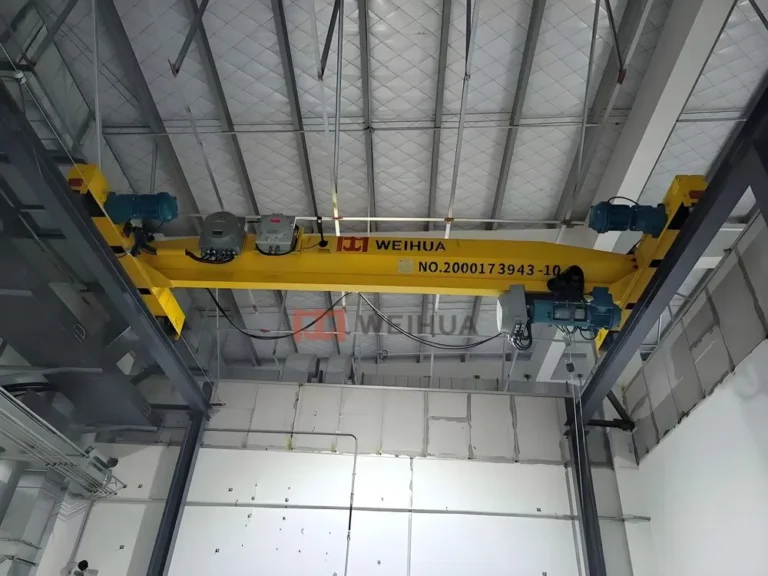
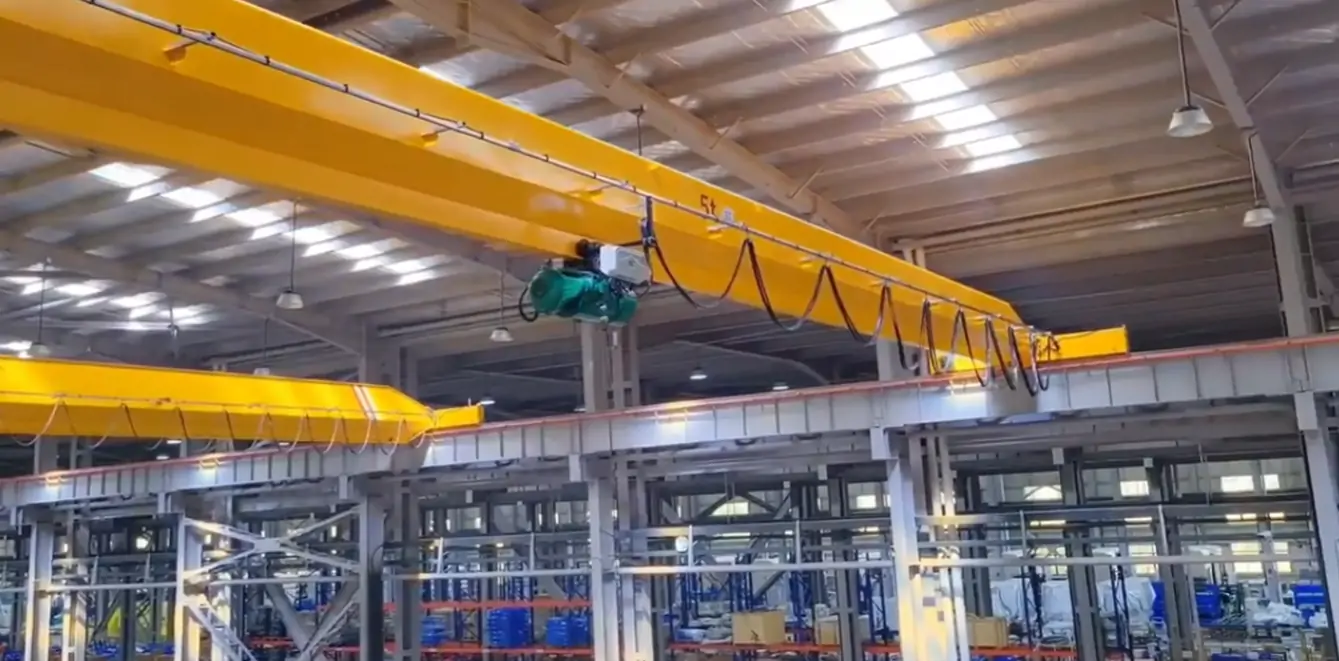
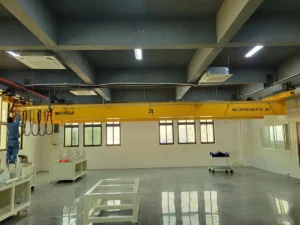
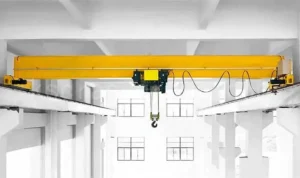
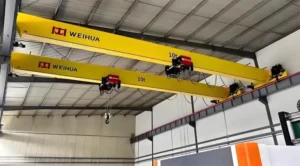
Single-girder overhead crane
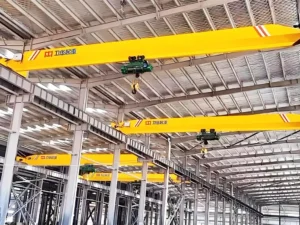
A single girder overhead crane uses one main girder with a simple and lightweight structure. It is suitable for light and medium lifting operations with moderate working frequency.
Applications: Warehouses, maintenance workshops, machining areas, and assembly lines.
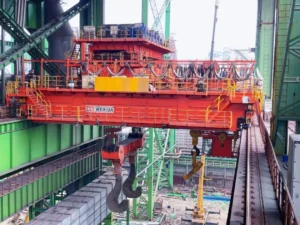
احصل على عرض أسعار مخصص الآنMetallurgical crane
A metallurgical crane is used in high-temperature steel production areas. The crane structure and key components are designed with heat-resistant protection for operations near furnaces and molten materials.
Applications: Blast furnace areas, steelmaking workshops, refining sections, and hot metal transfer.
احصل على عرض أسعار مخصص الآن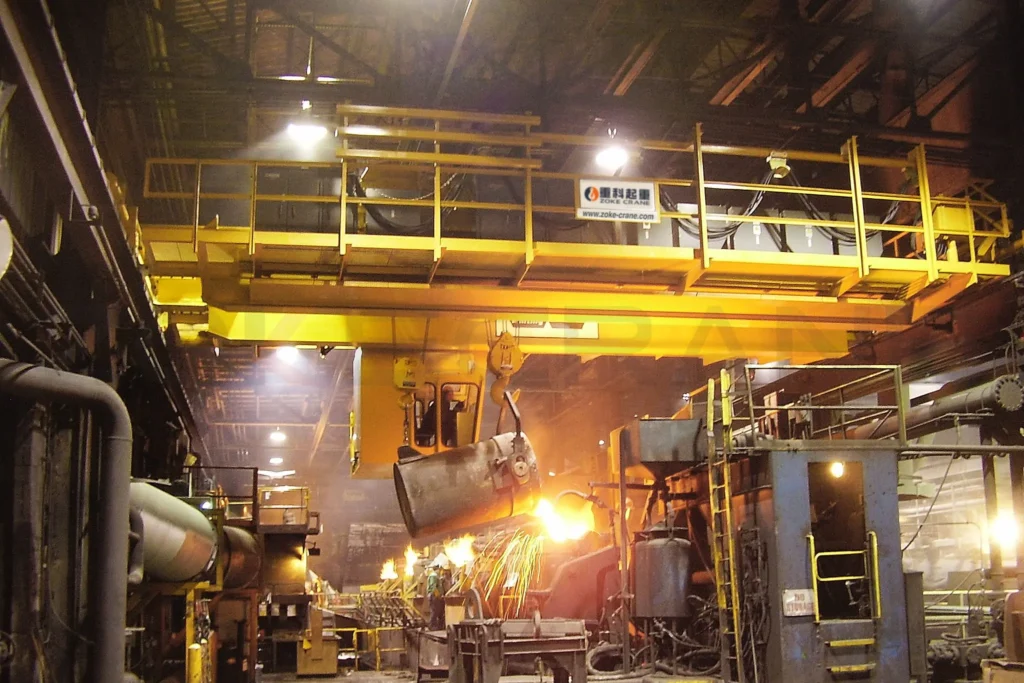
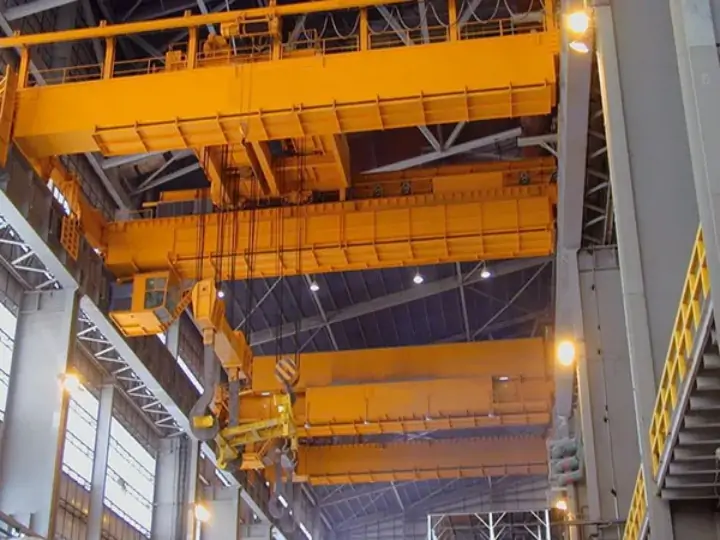
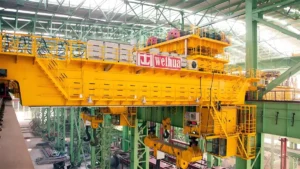
Foundry crane
A foundry crane is used for molten metal lifting during casting operations. It usually adopts main and auxiliary hooks with reinforced lifting systems for ladle handling and pouring processes.
Applications: Casting workshops, converter areas, electric furnace sections, and continuous casting lines.
احصل على عرض أسعار مخصص الآنLadle crane
A ladle crane is a special crane for lifting and transporting steel ladles. It uses reliable lifting and braking systems to handle heavy ladle loads in steelmaking operations.
Applications: Steelmaking furnaces, refining stations, ladle transfer areas, and continuous casting plants.
احصل على عرض أسعار مخصص الآن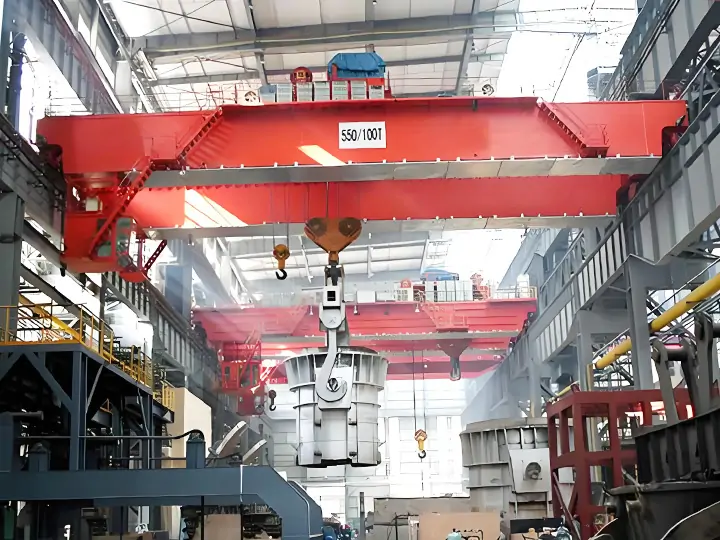
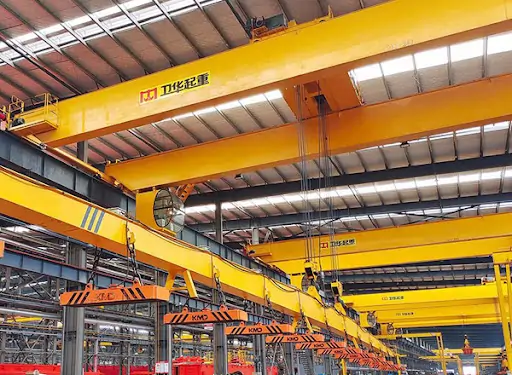
Electromagnetic overhead crane
أن electromagnetic overhead crane uses an electromagnetic chuck to lift steel materials such as plates, billets, and scrap steel. It eliminates manual slinging during material handling.
Applications: Steel warehouses, scrap yards, billet storage areas, and steel material yards.
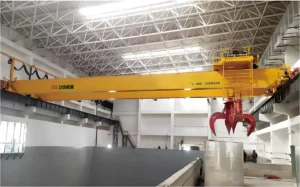
احصل على عرض أسعار مخصص الآنGrab crane
A grab crane uses a grab bucket to handle bulk materials. The bucket opens and closes for loading and unloading operations.
Applications: Scrap yards, coal yards, ore storage areas, ports, and bulk material terminals.
احصل على عرض أسعار مخصص الآن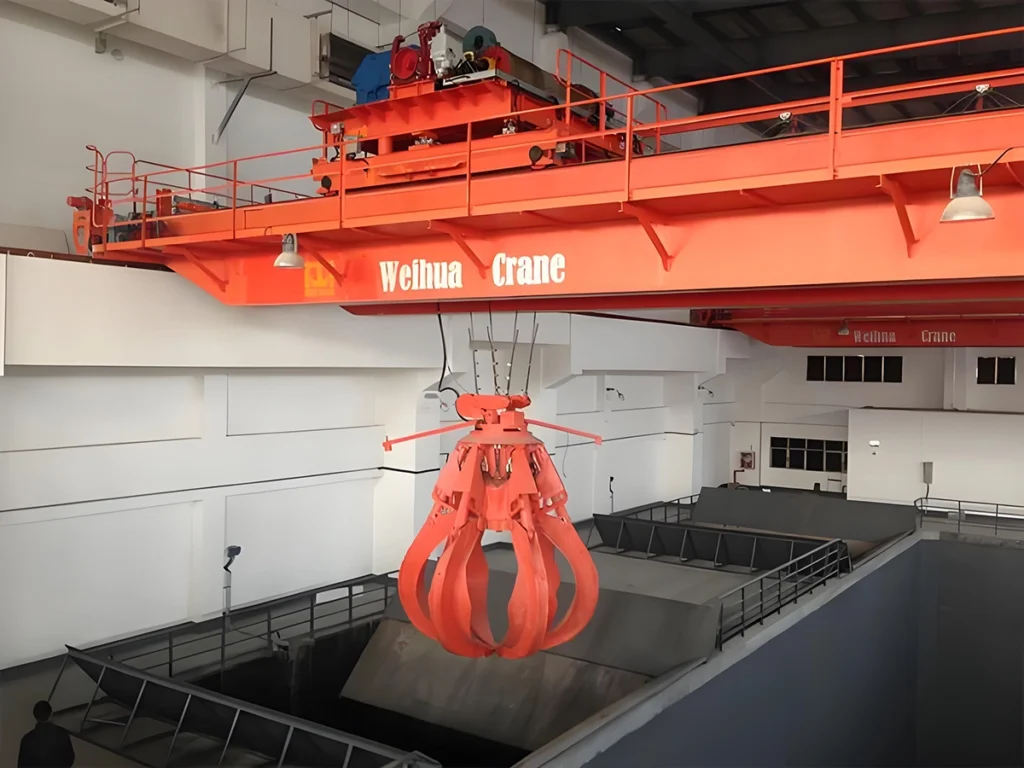
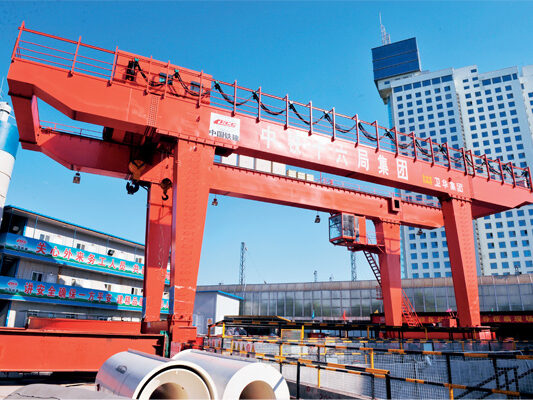
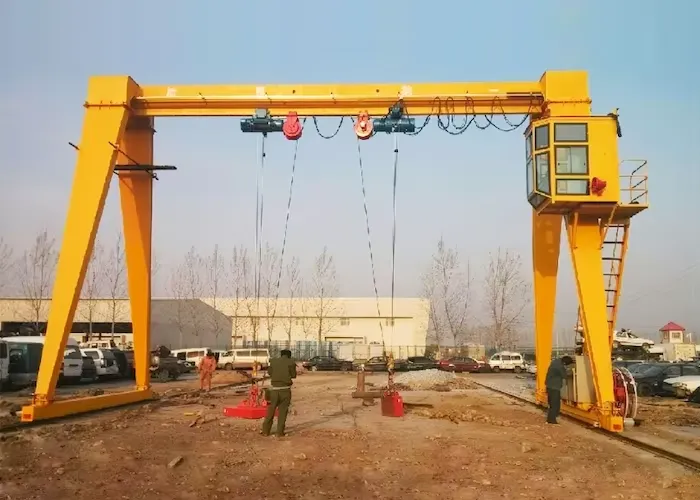
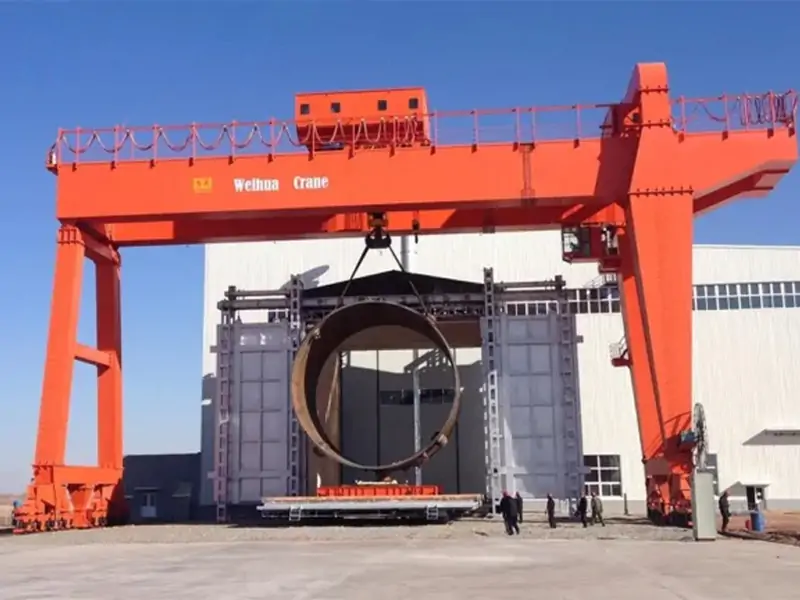
Gantry crane
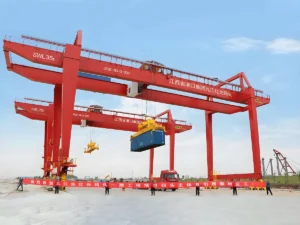
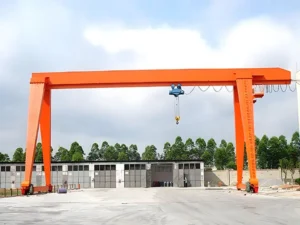
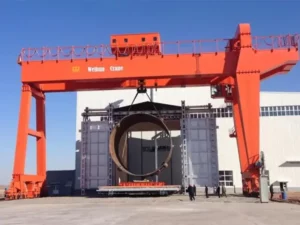
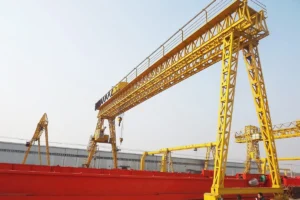
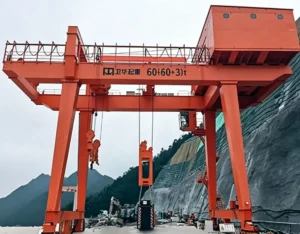
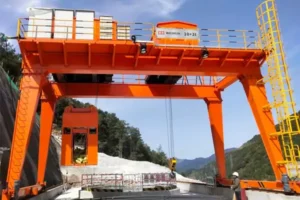
A رافعة جسرية has a bridge structure supported by legs running on ground rails. It is mainly used for outdoor lifting operations without the need for a factory building support.
Applications: Steel yards, outdoor fabrication areas, ports, and railway terminals.
احصل على عرض أسعار مخصص الآنDifferent steel mill processes require different crane types. Ladle cranes and metallurgical cranes are used for molten steel handling, while overhead cranes, electromagnetic cranes, and gantry cranes are commonly used for steel material transportation and storage.
How to Select the Right Steel Mill Crane?
Steel mill cranes often operate in high temperatures, heavy dust, and continuous-duty environments. The crane design should match the material type, lifting capacity, and working conditions of the steel plant.
- Lifting Capacity — Lifting capacity determines the crane specification. Steel mill cranes usually range from 50 tons to over 500 tons, depending on applications such as ladle handling, billet lifting, and steel coil transportation.
- Working Duty Class — Steel mill cranes often work under continuous heavy-duty conditions. Duty classes A6–A8 are commonly used for frequent lifting cycles in steel production.
- Temperature and Dust Environment — Steel plants involve high temperatures, dust, and furnace radiation. Cranes for molten metal handling require heat-resistant structures and protected electrical components. Some applications operate above 60°C.
- Lifting Materials — The handled material determines the crane type and lifting attachment. Ladle cranes are used for molten steel, electromagnetic cranes for steel plates and scrap, and grab cranes for bulk materials such as coal and ore.
- Span and Lifting Height
- Span and lifting height should match the workshop structure and handling route. Steel mill cranes often require large spans and lifting heights for furnace areas, casting lines, and storage yards.
- Operation Mode — Operation mode depends on the working environment and control requirements. Common options include cabin control, pendant control, and remote control for high-temperature areas.
The best steel mill crane isn’t necessarily the cheapest option—it matches your specific operating conditions, provides adequate safety margins, and delivers reliable performance over decades of heavy use.
Steel Mill Crane Selection by Application
Steel plants include multiple production processes, and each area has different lifting requirements. Crane selection depends on load weight, temperature, working frequency, and material handling method.
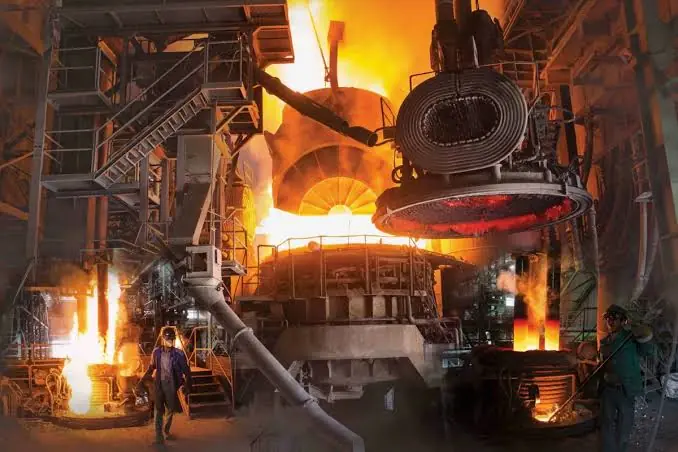
Blast Furnace and Converter Charging Area
High temperature, heavy dust, and frequent heavy-load operation. The crane often handles charging materials under continuous working conditions.
Recommended Crane: Metallurgical Bridge Crane (QDY Type)
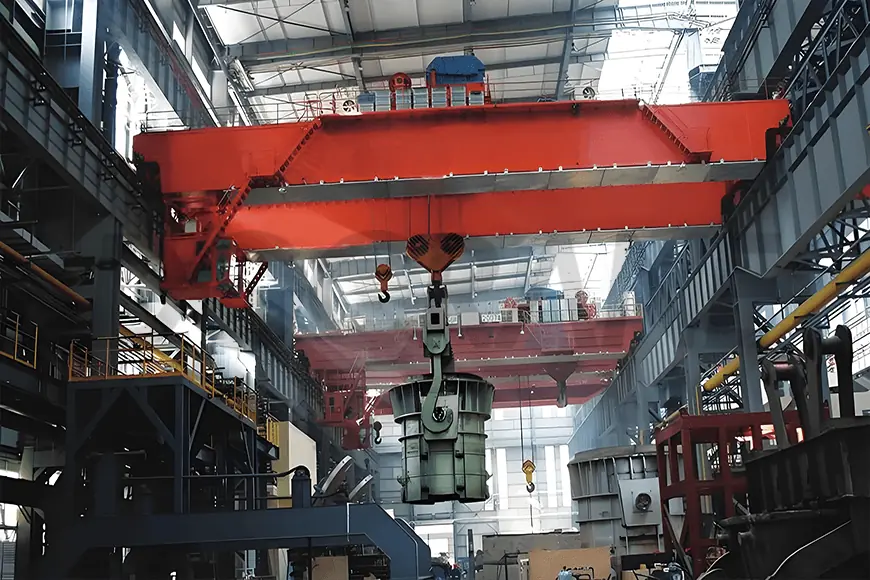
Ladle Transfer and Continuous Casting Area
High heat radiation and strict requirements for lifting stability. The crane must avoid sudden movement during molten steel transportation.
Recommended Crane: Ladle Crane / QDY Double Girder Overhead Crane
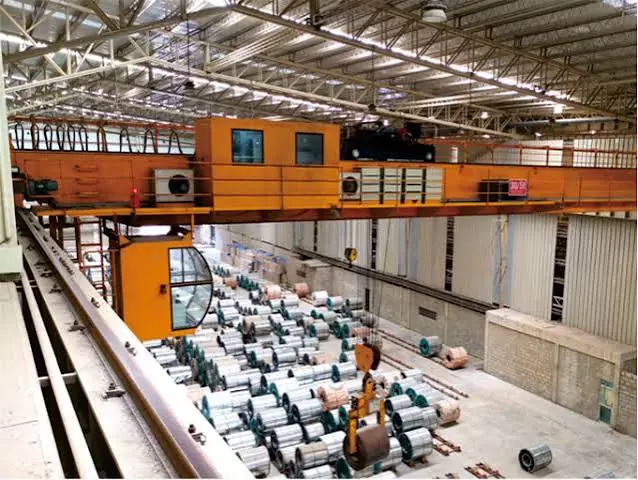
Rolling Mill Finished Product Storage
Steel products have different sizes and weights. The area requires frequent lifting and efficient material stacking.
Recommended Crane: رافعة علوية مزدوجة العارضة QD with Electromagnetic Chuck or Clamp Attachment
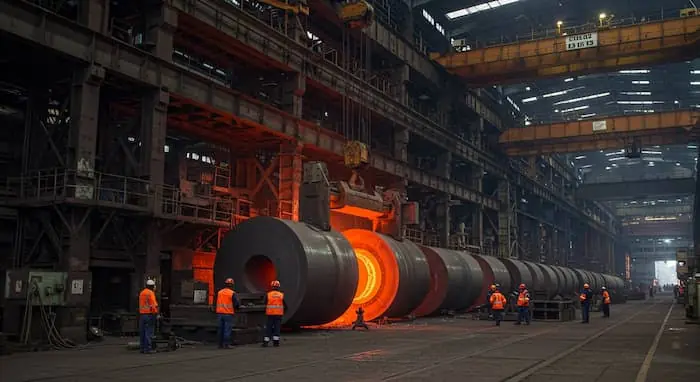
Hot Rolling Line and Roll Changing Area
High temperature, iron oxide scale, and limited operating space. Accurate positioning is required during equipment maintenance.
Recommended Crane: Metallurgical Overhead Crane with Special Lifting Attachment
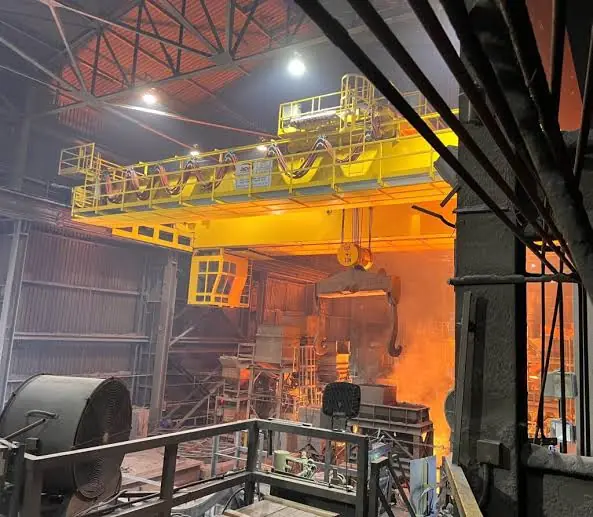
Cold Rolling Line and Finished Product Warehouse
Steel products require careful handling to avoid surface damage. Some areas may contain corrosive gases or acid mist.
Recommended Crane: Anti-Corrosion Double Girder Overhead Crane
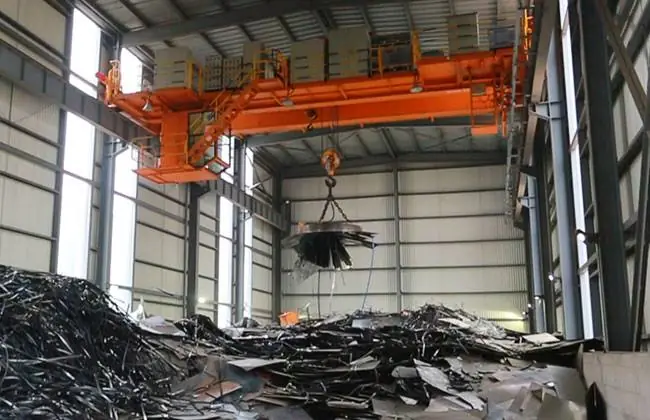
Scrap Yard and Raw Material Area
Scrap steel has irregular shapes and high impact loads. The working environment contains dust and heavy wear.
Recommended Crane: Electromagnetic Overhead Crane or Grab Crane
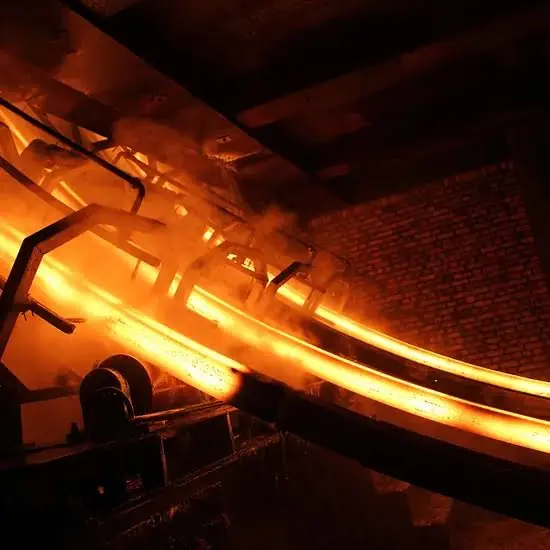
Continuous Casting Billet Storage Area
Hot billets usually remain at 100–600°C after casting. The crane handles repeated lifting and batch transportation.
Recommended Crane: High-Temperature Overhead Crane with Billet Clamp
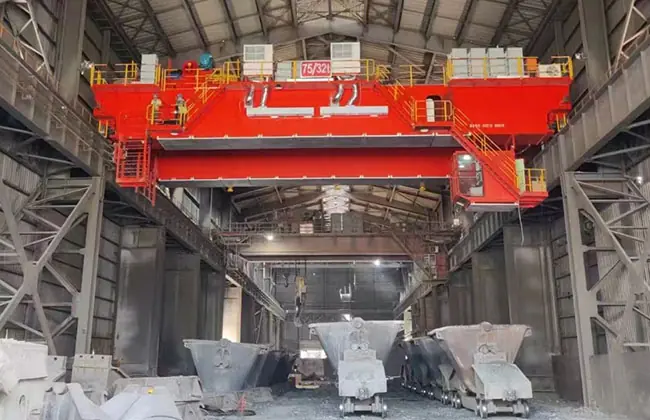
Slag Processing Area
High temperature, corrosive slag, and frequent impact loads make this one of the harshest areas in a steel plant.
Recommended Crane: Metallurgical Grab Crane
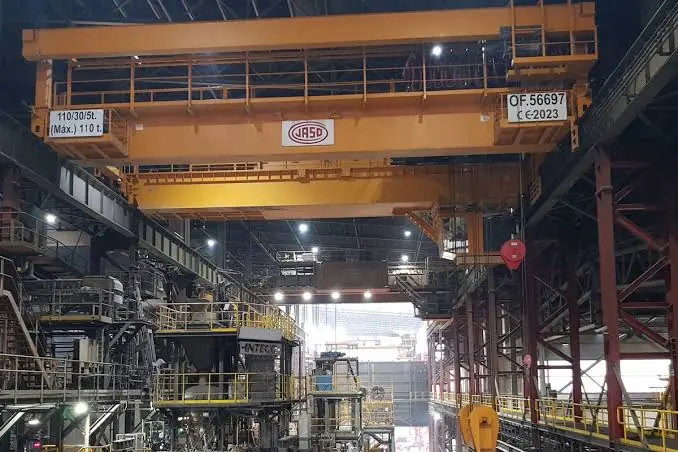
Electric Furnace Charging Area
Heavy impact loads, high temperature, and dust from scrap charging operations.
Recommended Crane: Heavy-Duty Metallurgical Bridge Crane (QDY Type)
Security Configuration
Steel mill cranes work with heavy loads, high temperatures, and frequent lifting cycles. Crane duty classification should match the operating frequency and load spectrum defined by أنثى standards.
- Dual Braking System: A dual braking system includes a working brake and a safety brake. It is mainly used for ladle cranes and heavy-duty metallurgical cranes.
- Overload Protection System: Monitors lifting loads and stops operation when the rated capacity is exceeded. Used on cranes from 50 tons to 500+ tons.
- Lifting Height Limit Protection: Upper and lower limit switches control hook travel and prevent over-travel.
- Anti-Collision System: Monitors crane movement to prevent collisions between cranes and equipment.
- Heat-Resistant Protection: Includes heat shields, insulation, and protected electrical components for high-temperature areas.
- Remote Monitoring System: Monitors crane status, including motor, brake, and fault information.
Learn more about steel mill crane safety devices, protection systems, and inspection standards in our detailed guide: أجهزة السلامة الخاصة بالرافعات العلوية: أنواعها ووظائفها ومبادئ عملها
Custom Steel Mill Crane
وي هوا provides customized steel mill crane solutions based on production processes, lifting requirements, and operating conditions.
- قدرة الرفع
Customized lifting capacity based on material weight, such as steel ladles, billets, coils, and scrap steel. - Crane Structure
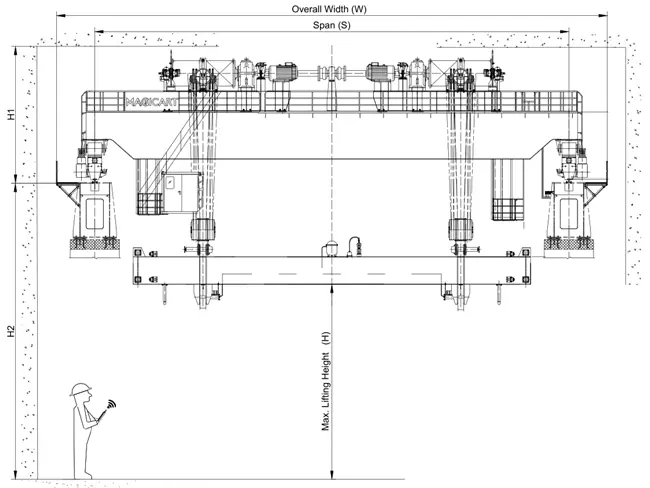
Customized crane design according to workshop layout, span, lifting height, and installation conditions. - آلية الرفع
Customized hooks, electromagnetic chucks, grab buckets, and special lifting attachments for different materials. - أنظمة السلامة
Customized safety devices, including dual braking systems, overload protection, limit switches, and anti-collision systems. - نظام التحكم
Customized control modes include cabin operation, pendant control, and remote control. - Environmental Protection
Customized heat-resistant, dust-resistant, and corrosion-resistant designs for harsh steel plant environments.
خاتمة
Steel mill crane selection should match the lifting capacity, production process, and working environment. Ladle cranes, metallurgical cranes, overhead cranes, and other specialized cranes are designed for different steel handling applications, from molten steel transfer to finished product storage.
وي هوا provides customized crane solutions for steel mills, including crane design, lifting systems, safety devices, and control systems. Please feel free to اتصل بنا to select the right crane for your production needs.
أسئلة شائعة
What type of crane is used in steel mills?
Steel mills commonly use metallurgical cranes, ladle cranes, double-girder overhead cranes, electromagnetic cranes, and grab cranes. The crane type depends on the material being handled and the production process.
How do I choose the right steel mill crane?
The selection depends on lifting capacity, working duty class, material type, temperature environment, span, lifting height, and operation mode. Molten steel handling usually requires metallurgical cranes with higher safety requirements.
What is the lifting capacity of a steel mill crane?
Steel mill cranes usually have lifting capacities from 50 tons to over 500 tons. Ladle cranes and heavy metallurgical cranes often require higher capacities for molten steel transportation.
What is the difference between a steel mill crane and a standard overhead crane?
Steel mill cranes are designed for high-temperature, heavy-load, and continuous-duty environments. They use special protection systems, reinforced structures, and safety devices not commonly found on standard overhead cranes.
What crane is used for molten steel handling?
Ladle cranes and metallurgical cranes are mainly used for molten steel handling. They are designed with reliable lifting mechanisms, safety brakes, and heat-resistant protection for steelmaking areas.
What safety features are required for steel mill cranes?
Common safety features include dual braking systems, overload protection, lifting limit switches, anti-collision devices, and heat-resistant protection. High-temperature applications require additional safety configurations.
What duty class is required for steel mill cranes?
Steel mill cranes usually require heavy-duty classifications such as A6–A8 or M6–M8, depending on lifting frequency, working hours, and load conditions.
Can steel mill cranes be customized for specific applications?
Yes. WEIHUA provides customized steel mill crane solutions based on lifting capacity, workshop layout, material type, working environment, control system, and safety requirements.