- منتجمعداتالدقة الكهربائية، التخصيص، حلول الرافعاتبريد إلكتروني:واتساب / وي شات:+8613781917315عنوانرقم 18 طريق شانهاي، مدينة تشانغ يوان، مقاطعة خنان، الصين
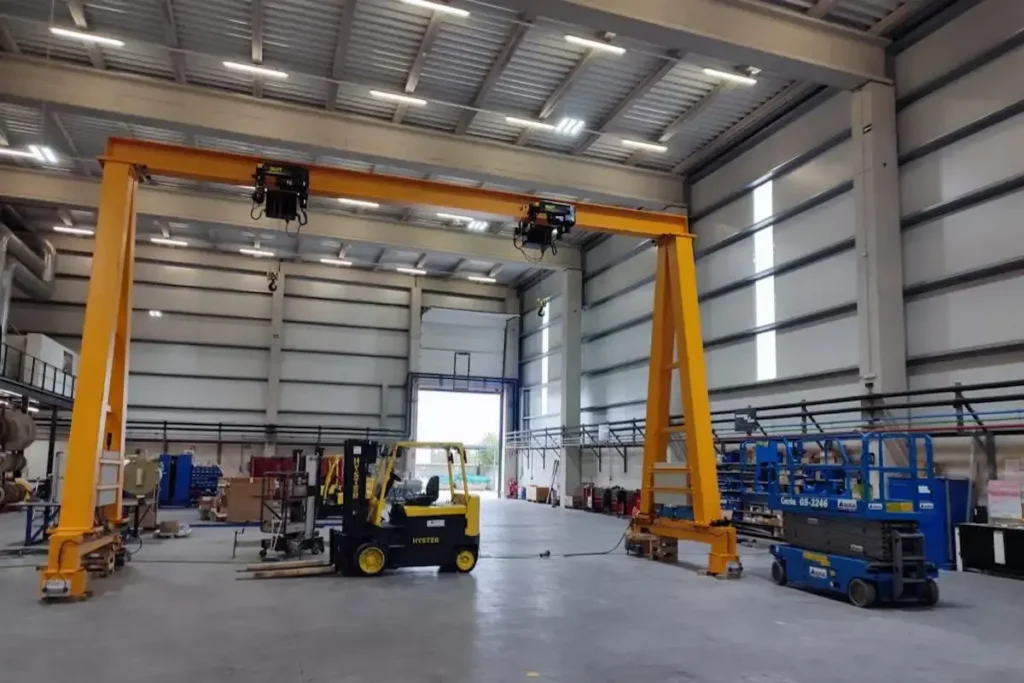
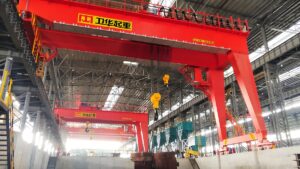
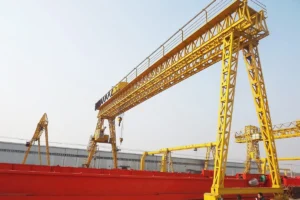
A Workshop Gantry Crane, also called an indoor gantry crane, factory gantry crane, or mobile gantry crane, is a lifting equipment used in workshops, factories, and warehouses for handling materials and equipment. It consists of a main beam, supporting legs, hoist, traveling mechanism, and control system. The crane moves loads through lifting and horizontal travel operations.
Workshop gantry cranes are suitable for equipment installation, machine maintenance, production line transfer, and general material handling. Unlike overhead cranes, they do not rely on building runway structures and can be installed in areas where fixed lifting systems are not available. The lifting capacity typically ranges from 0.5 to 100 tons, with customized designs available for different workshop layouts and operating requirements.
The crane structure can be configured in portable, adjustable, aluminum, and truss types according to load, span, and working conditions. Selection mainly depends on lifting capacity, span, lifting height, working class, and operation frequency to match the requirements of the application.
Workshop gantry cranes are available in different structures for various lifting conditions. The selection depends on load capacity, working space, moving requirements, and operation frequency. Common types include portable mobile gantry cranes, manual gantry cranes, adjustable gantry cranes, aluminum gantry cranes, and truss gantry cranes.
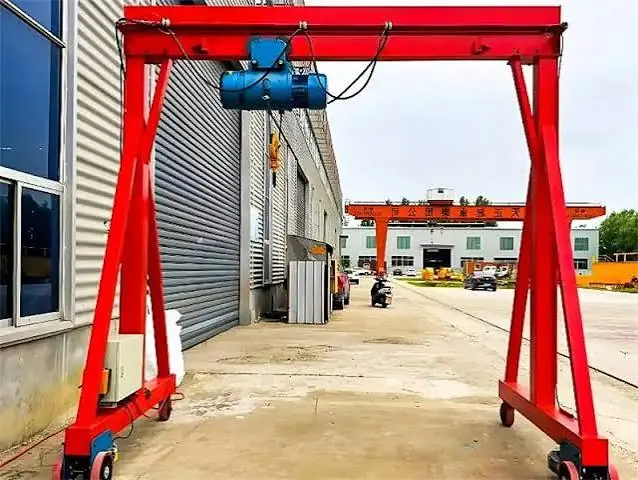
Portable mobile gantry cranes are designed for flexible lifting in workshops, maintenance areas, and assembly stations. The crane is equipped with wheels or casters for movement between different working locations. Electric hoists and remote controls can be added for frequent lifting operations.
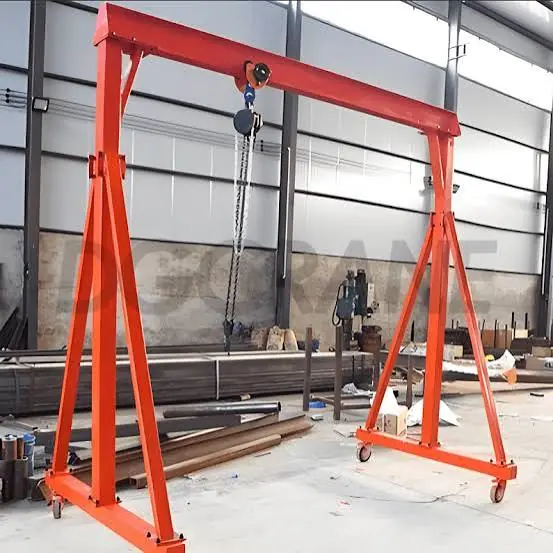
Manual portable gantry cranes are simple lifting solutions for light-duty workshop applications. The crane is moved manually without electrical power, making it suitable for equipment maintenance, repair areas, and temporary lifting tasks.
The main structure usually consists of steel beams, square tube columns, and industrial casters. Q235B or Q345B steel is commonly used for the load-bearing components.
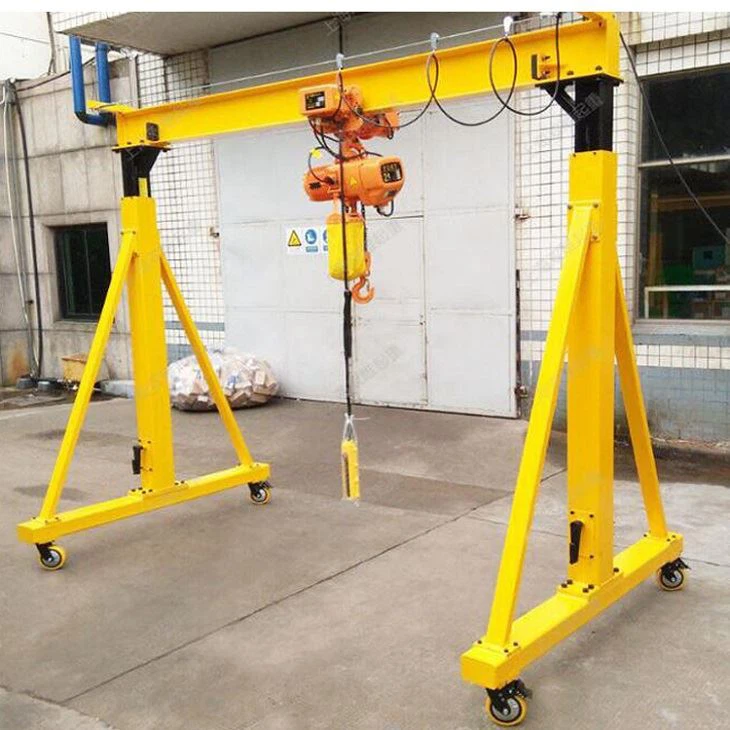
Adjustable gantry cranes are designed for applications where lifting height or working width needs to be changed. The structure can be adjusted manually, electrically, or hydraulically according to different workpieces and operating conditions.
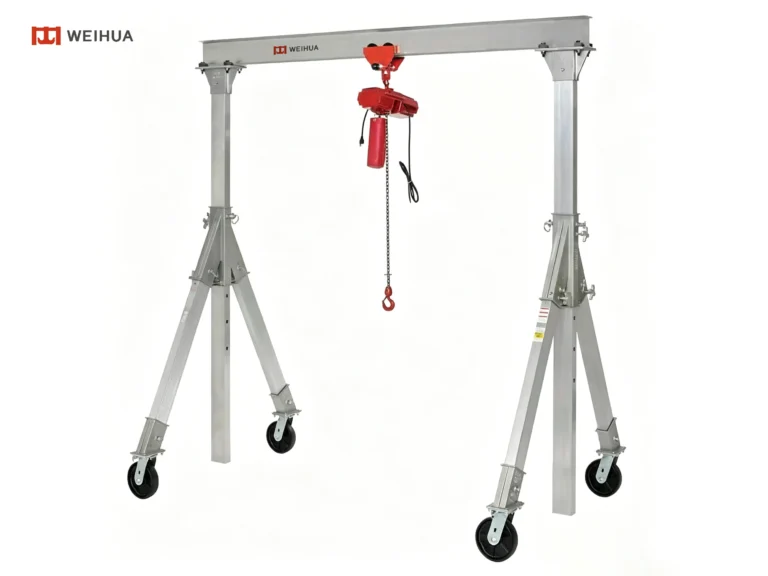
Aluminum gantry cranes use high-strength aluminum profiles to reduce equipment weight and improve mobility. They are suitable for clean environments and industries with strict requirements for corrosion resistance and operation flexibility.
Common applications include electronics manufacturing, lithium battery production, cleanrooms, and food processing.
A workshop gantry crane consists of several main parts, including the main beam, supporting legs, hoisting system, traveling mechanism, and control system. The components are selected based on lifting capacity, span, and operating conditions.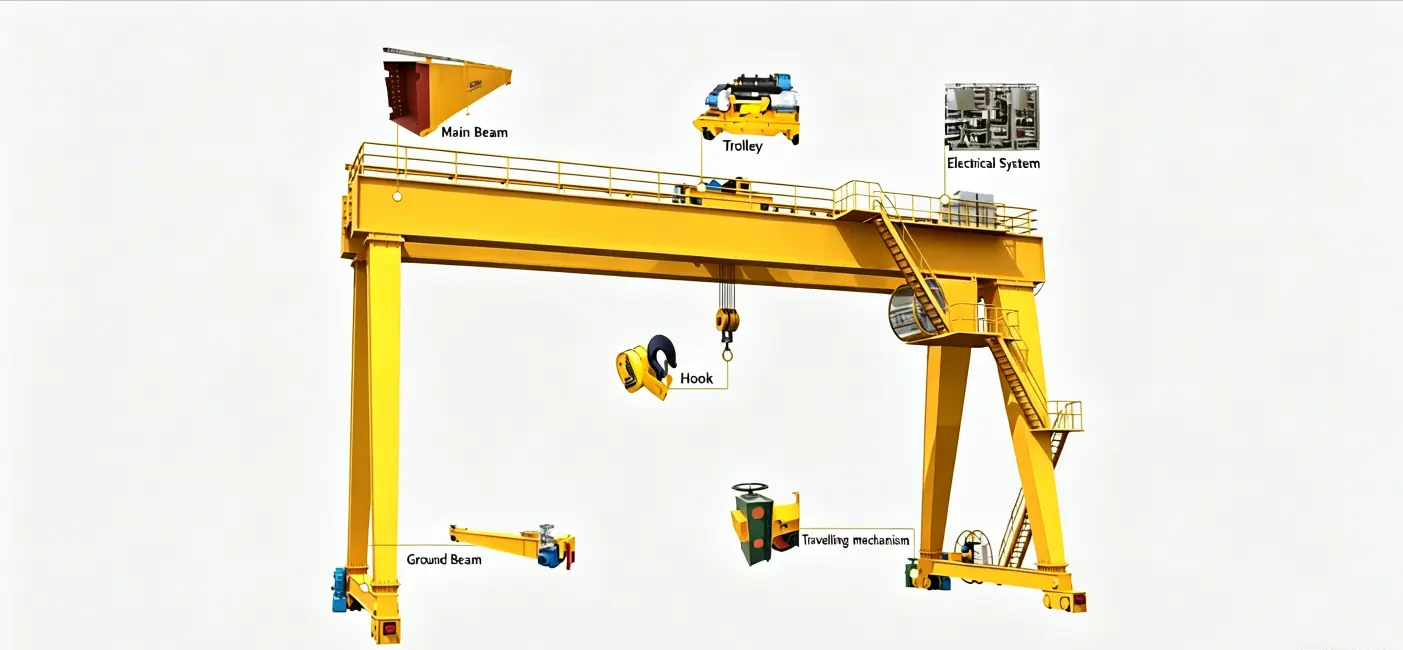
The main load-bearing structure supports the hoist and trolley, with box girder or truss designs available according to lifting capacity and span requirements.
Steel columns provide structural support and stability. The leg design can be fixed or adjustable for different applications.
Includes electric hoist or manual hoist for lifting and lowering materials.
Consists of wheels, end carriages, and drive units for horizontal crane movement.
Includes pendant controllers, wireless remote controls, or cabin controls for crane operation.
Contains motors, control panels, cables, and safety devices for power supply and crane operation.
Includes limit switches, overload protection, emergency stop buttons, and other protection components to improve operating safety.
| مُعامل | مواصفات |
|---|---|
| قدرة الرفع | 0.5–100 Ton |
| سبان | 3–30 m |
| ارتفاع الرفع | 4–12 m |
| الطبقة العاملة | أ3-أ6 |
| نوع الرافعة | Electric Hoist / Manual Hoist |
| Traveling Method | Manual / Electric Drive |
| وضع التحكم | Pendant Control / Wireless Remote / Cabin Control |
| مزود الطاقة | 220V–690V, 50/60Hz, 3 Phase AC |
| Main Beam Structure | Box Girder / Truss Structure |
| Leg Structure | Steel Column / Adjustable Support Structure |
| Steel Material | Q235B / Q345B |
| Wheel Type | Nylon / Polyurethane / Steel Wheel |
| سرعة السفر | Customized According to Application |
| سرعة الرفع | Customized According to Application |
| أجهزة السلامة | Limit Switch / Overload Protection / Emergency Stop |
| فئة الحماية | IP55 (Optional) |
| درجة حرارة التشغيل | من -25 درجة مئوية إلى +40 درجة مئوية |
| نوع التثبيت | Fixed / Portable / Mobile |
| Customization Options | Capacity, Span, Height, Power Supply, Control System |
Workshop gantry cranes are widely used for lifting, positioning, and transferring materials in factories, warehouses, and maintenance areas. Different crane configurations can be selected based on load requirements, workspace, and operating frequency.
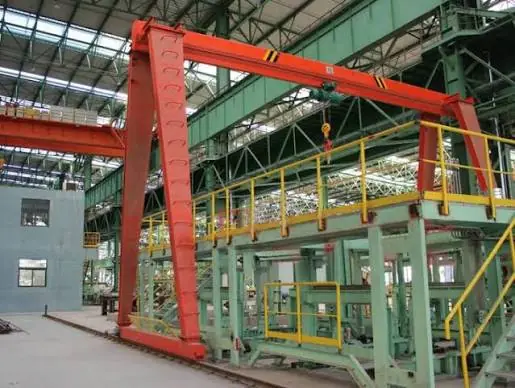
Used for lifting and transferring materials, machine parts, and production equipment in manufacturing plants.
Suitable for lifting motors, molds, and mechanical components during repair and maintenance work.
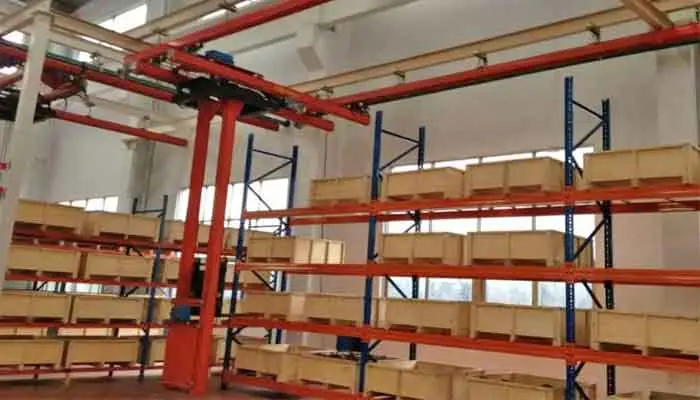
Used for loading, unloading, and moving heavy goods, pallets, and stored materials.
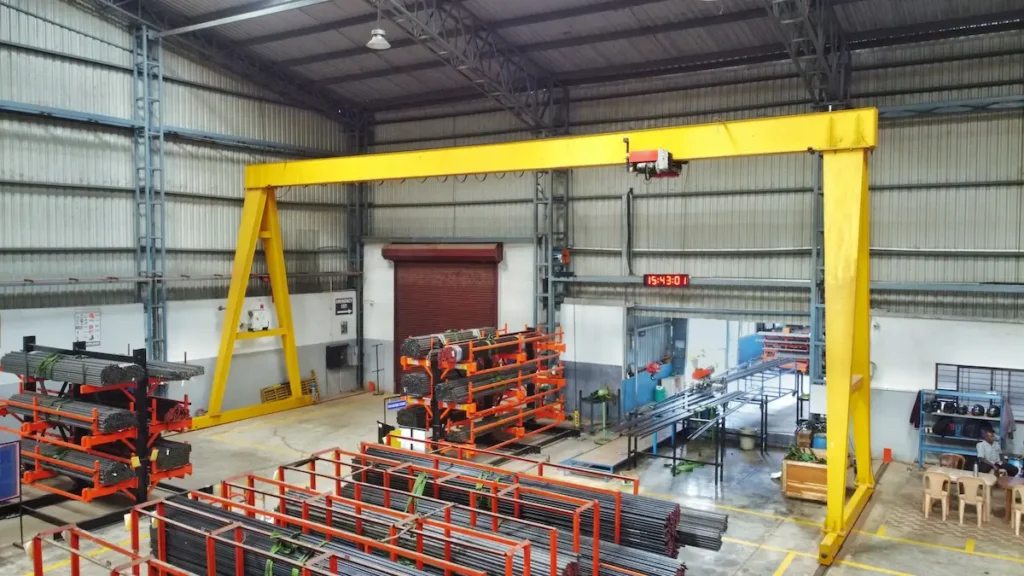
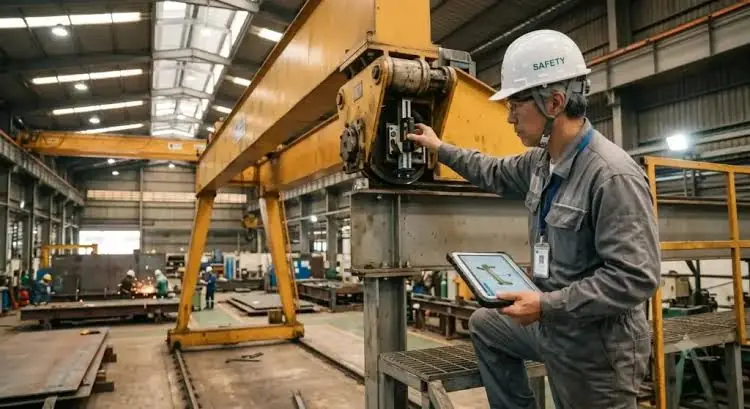
Heavy-duty gantry cranes are used for lifting steel structures, large components, and heavy equipment.
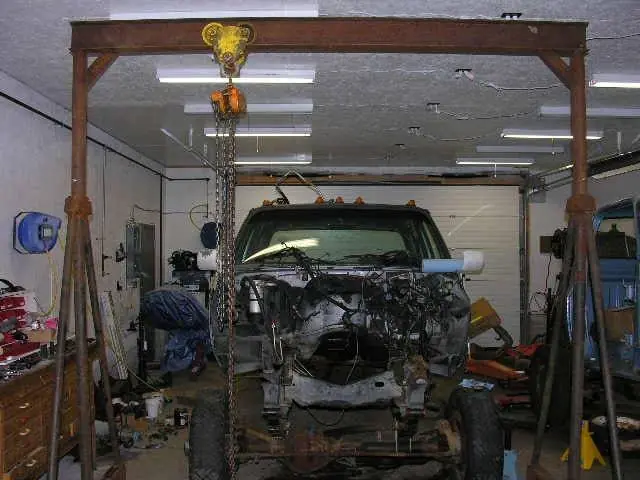
Applied for positioning and installing machine tools, production lines, and industrial equipment.
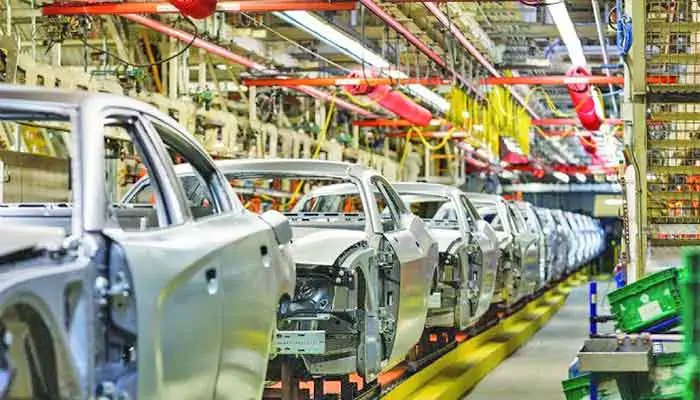
Used for handling vehicle parts, tooling equipment, and assembly components.
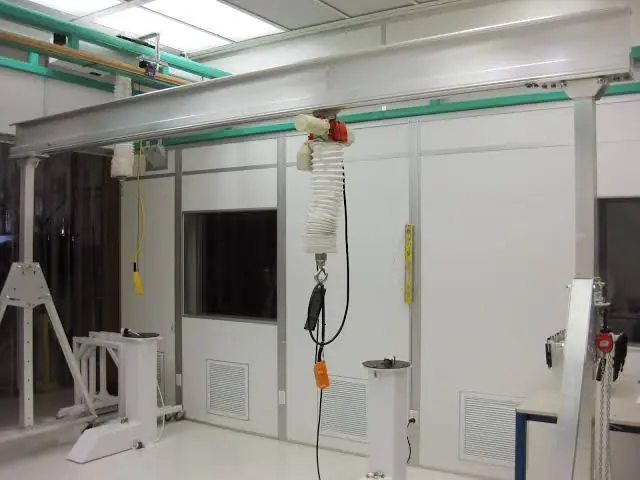
Aluminum gantry cranes are suitable for electronics, battery, and cleanroom applications requiring lightweight and corrosion-resistant structures.
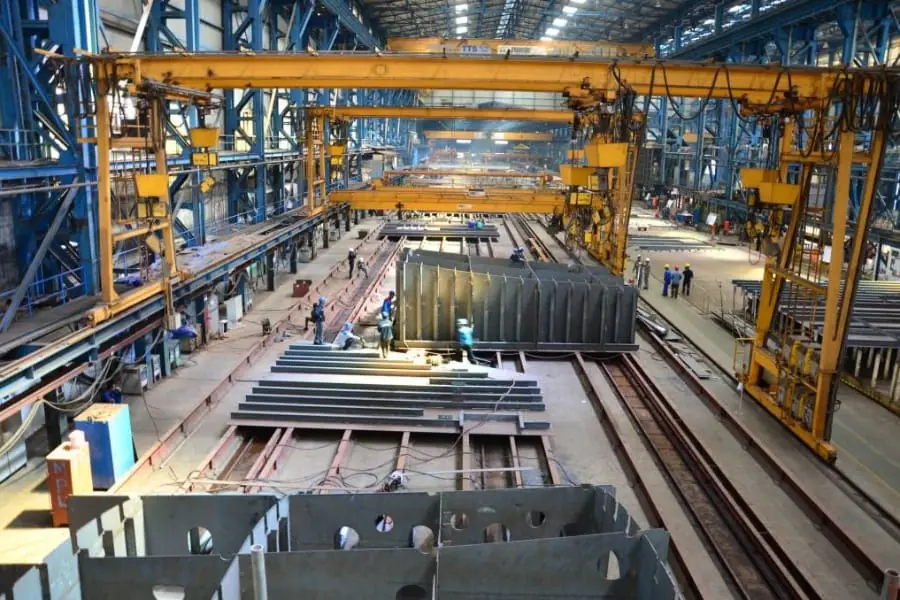
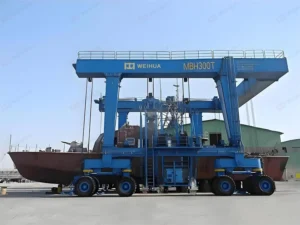
Used for lifting components, tools, and equipment during ship assembly, repair, and maintenance operations.
To learn more about the applications of gantry cranes, read the article: What Is a Gantry Crane Used For? Applications and Industries
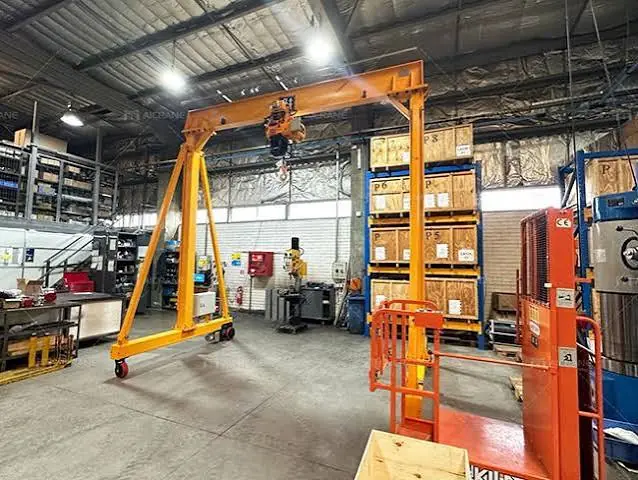
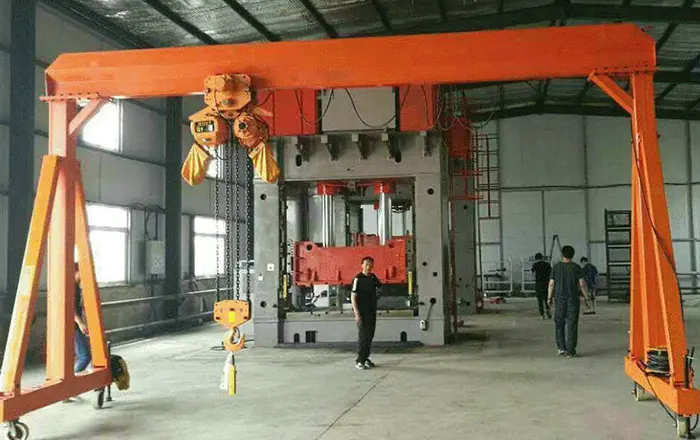
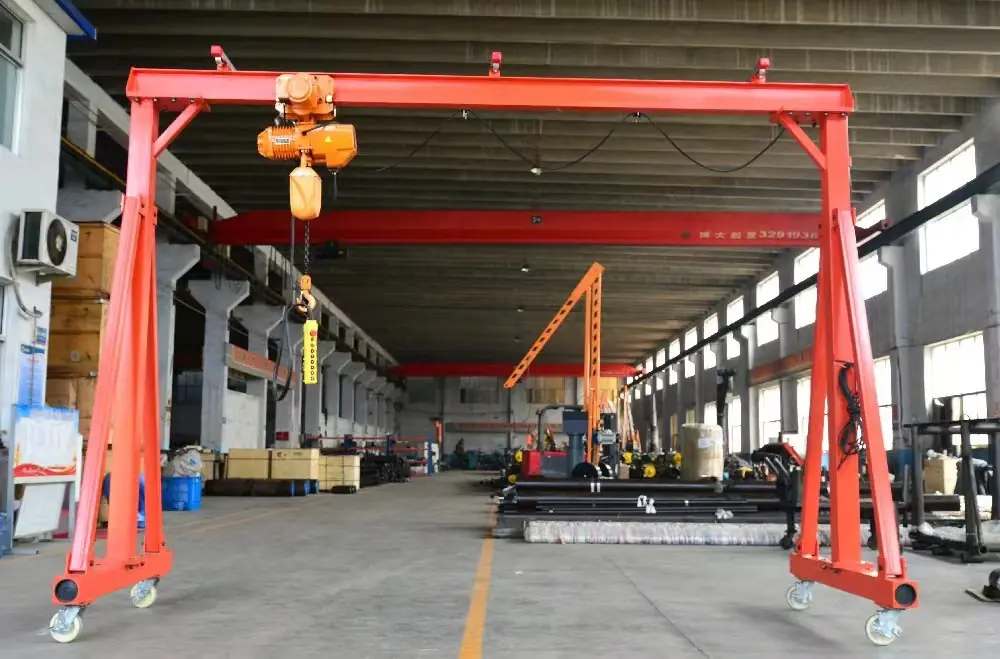
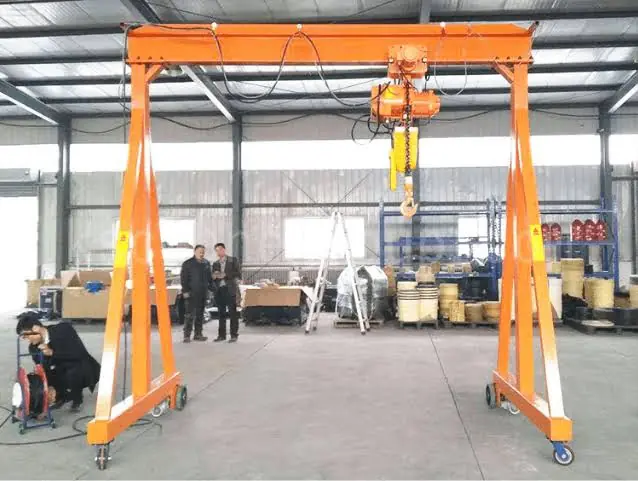
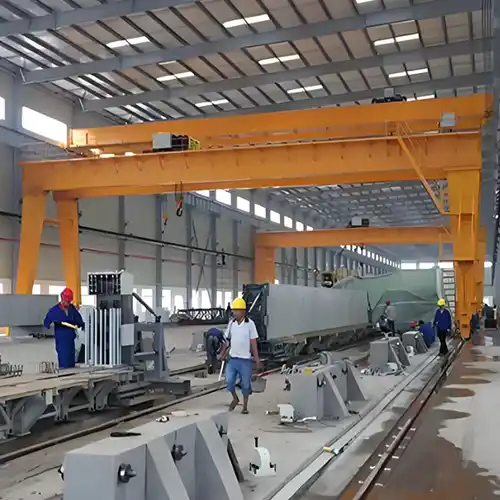
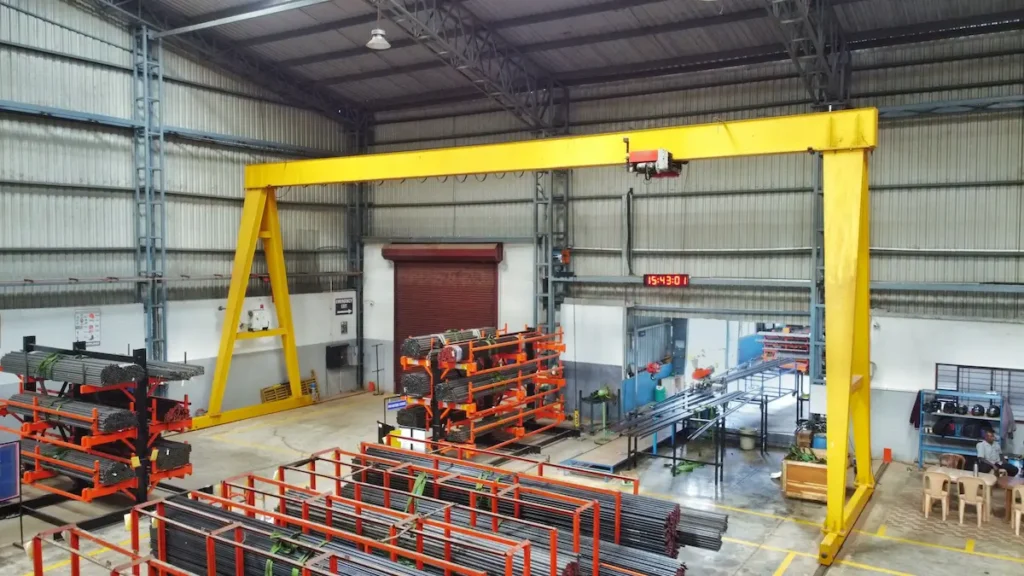
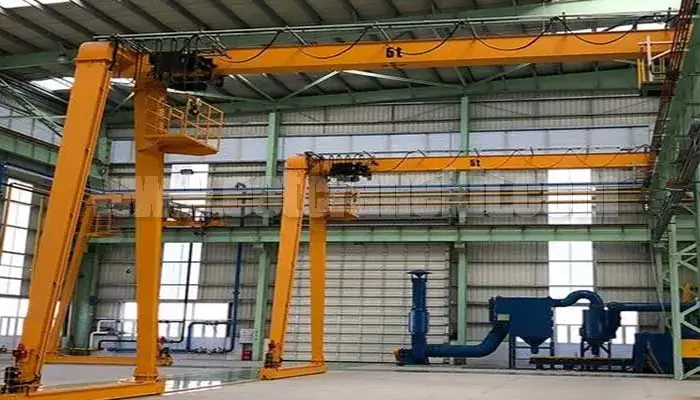
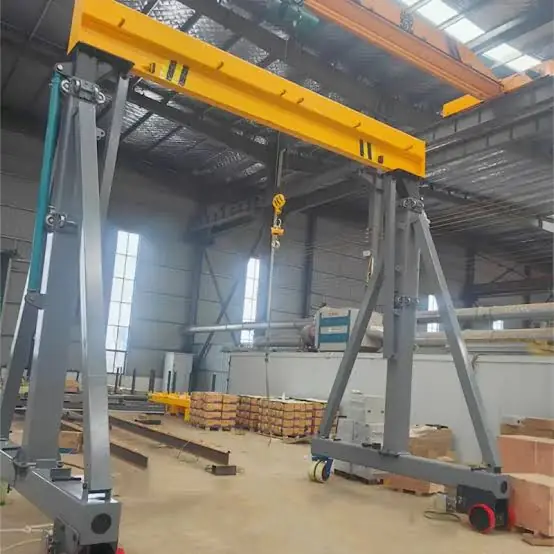
Choosing a workshop gantry crane depends on lifting load, workshop space, working frequency, and operating conditions. The crane should match the actual handling requirements.
If you are unsure which workshop gantry crane fits your application, contact our engineering team for a suitable solution based on your load and working conditions.
We provide customized workshop gantry crane solutions based on lifting requirements, workshop layout, and operating conditions. The crane can be designed with different capacities, spans, lifting heights, structures, and control systems to match specific applications.
If you are unsure about the right configuration, our engineering team can recommend a suitable workshop gantry crane according to your load requirements, installation space, and working conditions.
للاطلاع على تفاصيل دليل أسعار الرافعات الجسرية، راجع المقال التالي: كم تبلغ تكلفة رافعة جسرية؟ دليل الأسعار وعوامل التكلفة
احصل على عرض أسعار مخصص الآن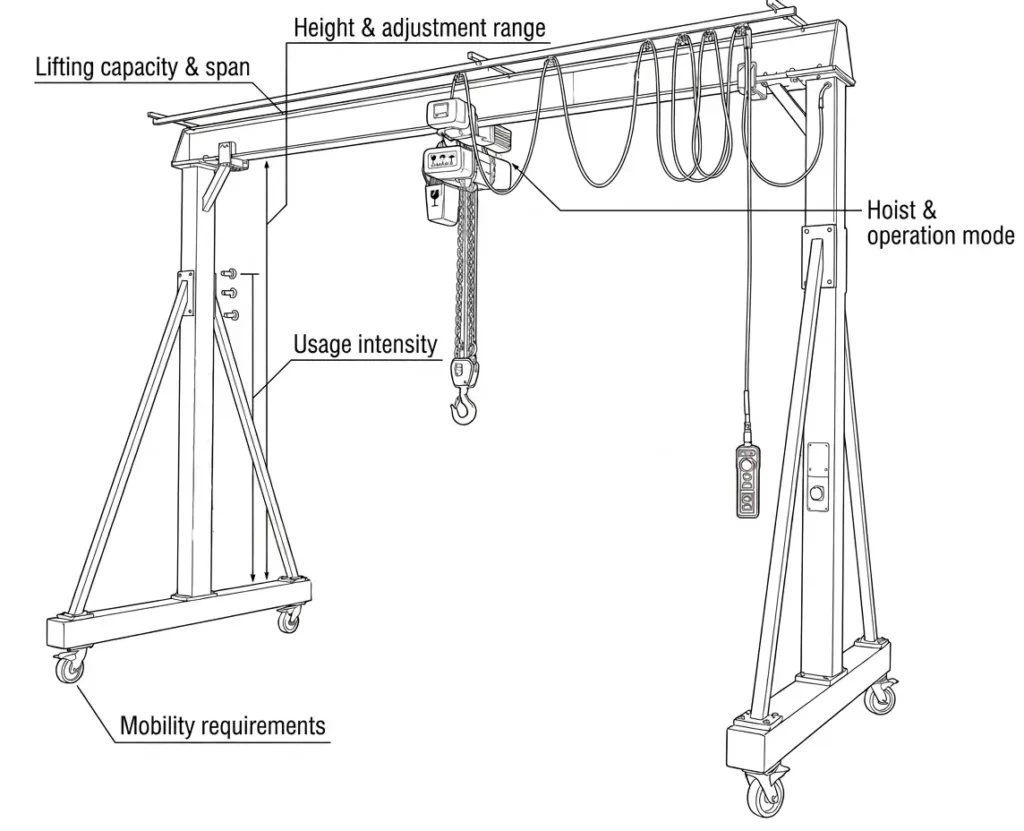
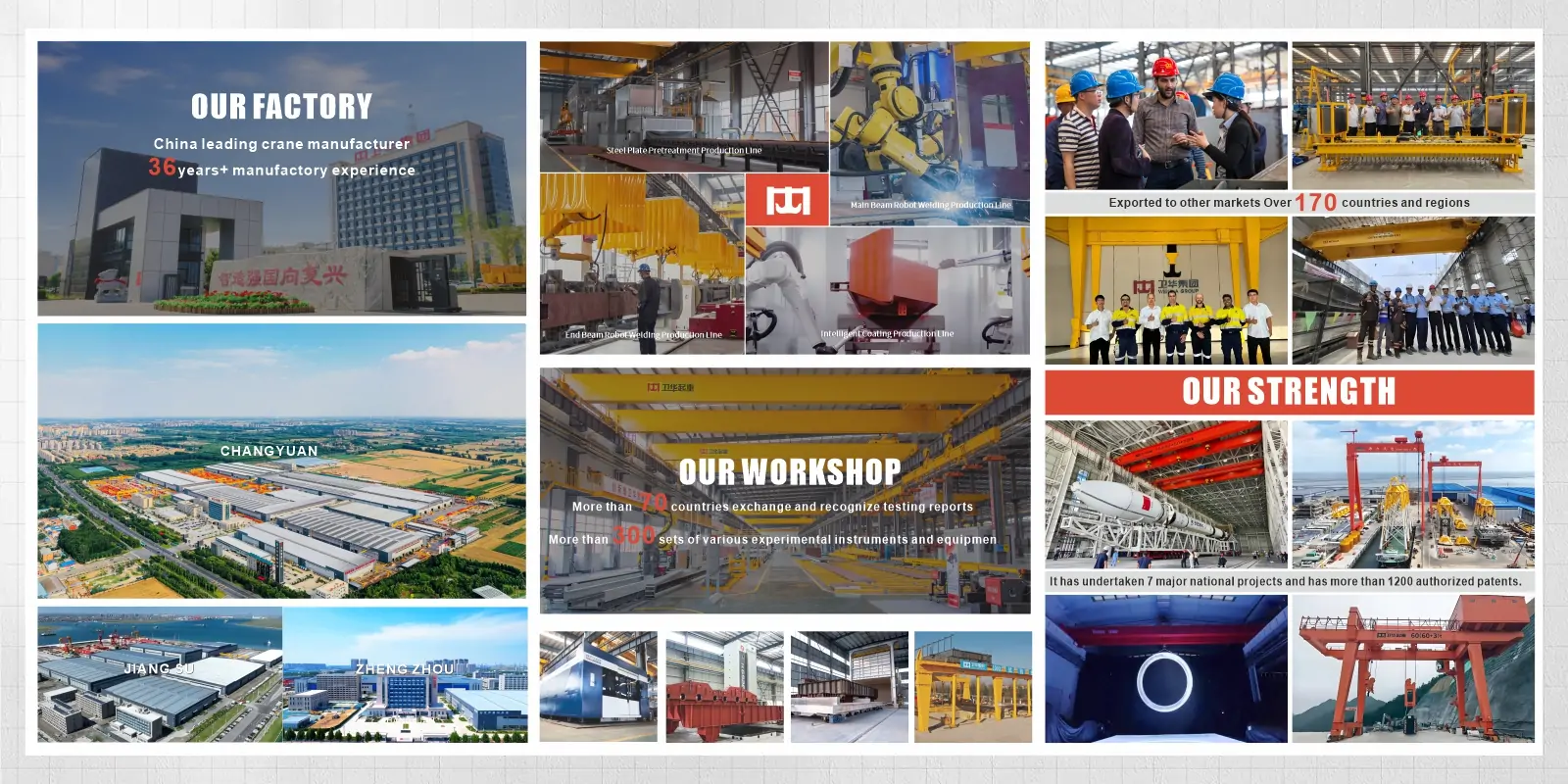
WEIHUA is a manufacturer and supplier of workshop gantry cranes, specializing in the design and production of industrial lifting equipment. With extensive experience in crane manufacturing, complete production facilities, and professional engineering teams, WEIHUA provides gantry crane solutions for factories, workshops, warehouses, and heavy-duty applications. Our cranes are manufactured under strict quality control and meet international standards with required certifications.
وي هوا has supplied customized crane systems for various industries and project applications. We provide complete services from crane design, manufacturing, inspection, and delivery to installation guidance and technical support. Whether for a single workshop crane or a complete material-handling system, WEIHUA can provide a suitable solution tailored to your lifting capacity, working conditions, and project requirements. اتصل بنا for your workshop gantry crane project.
A workshop gantry crane is an indoor lifting system used in factories and warehouses for moving heavy materials and equipment.
Workshop gantry cranes typically handle loads from 0.5 tons to 100 tons depending on the structure and application.
A workshop gantry crane uses supporting legs and travels on the ground, while an overhead crane runs on elevated rails installed inside the building structure.
Yes. Capacity, span, lifting height, power supply, and control methods can be customized according to working conditions.
Yes. They are mainly designed for factories, workshops, warehouses and maintenance areas.
Common types include portable mobile, manual, adjustable, aluminum and truss gantry cranes.
They can be operated by pendant controllers, wireless remote controls or operator cabins.
Select the crane based on lifting capacity, working frequency, span, lifting height, and working environment.
تطورت شركة "وي هوا"، التي تأسست عام 1988، لتصبح رائدة عالمية في مجال التصنيع الذكي في الصين. نحن متخصصون في البحث والتطوير وإنتاج الرافعات الذكية، مع توفير حلول المركبات الموجهة آليًا (AGV). تقدم فرقنا الهندسية والتسليم وما بعد البيع المحترفة دعمًا تقنيًا شاملًا، وحلولًا مخصصة، وإرشادات تركيب في الموقع، وخدمات عالمية سريعة الاستجابة لضمان تشغيل كل مشروع بأمان وكفاءة.
Yes. We offer custom fabrication from a minimum order of 1 unit. Customizable parameters include lifting capacity, height and span dimensions, leg configuration, caster type, hoist integration, surface treatment, and certification requirements. Submit your specifications and our engineering team will respond within 24 hours.
Yes. Gantry crane trolleys are crane trolleys adapted for outdoor use and for the beam profiles used in gantry crane construction. They carry the same hoist types as overhead crane trolleys but are specified with higher IP-rated motors, reinforced wheel flanges for outdoor rail running, and anti-wind safety devices where required. Both single girder and double girder gantry crane trolley configurations are available.
Yes. All models are rated for outdoor use on firm, level surfaces. Outdoor operation requires regular inspection of fasteners and casters for corrosion. Hot-dip galvanized surface treatment is recommended for permanent or frequent outdoor use.
Most models assemble in 20 to 35 minutes with one person using a standard wrench. All components are numbered and correspond to an illustrated assembly guide included with every crane.
نعم، فهو مصمم للرفع الثقيل في كل من بيئات تصنيع السيارات وبيئات أحواض بناء السفن.
اتصل بنا الآن عبر البريد الإلكتروني: [email protected], ، أو املأ النموذج أدناه.

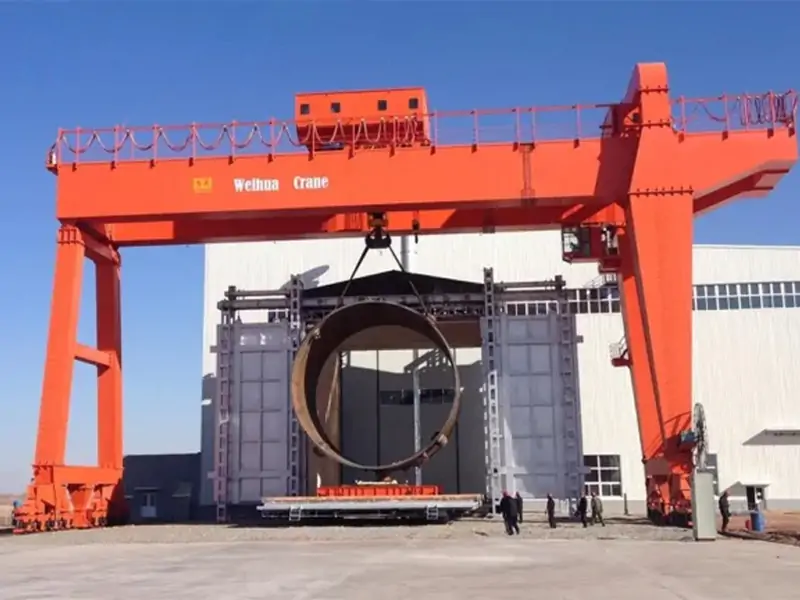

الرافعة الجسرية هي معدات رفع تُستخدم على نطاق واسع في مختلف الصناعات ومواقع البناء والموانئ والمستودعات وغيرها من المجالات. ويجعلها هيكلها الفريد وقدرتها القوية على تحمل الأحمال خيارًا مثاليًا لمناولة المواد الثقيلة في العصر الحديث. ويتيح تصميم الهيكل “الجسري” للرافعة التحرك بحرية داخل المساحة، مما يغطي منطقة عمل واسعة. إذن، ما الذي يجعل الرافعات الجسرية مميزة؟ وما هي أنواعها ومعاييرها وطرق التحكم فيها وتطبيقاتها ومبادئ عملها؟ كيف تختلف عن الرافعات الجسرية؟ دعونا نستكشف ذلك معًا. أنواع الرافعات الجسرية بناءً على التصميم والتطبيق وبيئة التشغيل، تُصنف الرافعات الجسرية عادةً إلى الأنواع التالية: الرافعة الجسرية أحادية العارضة تُستخدم الرافعات الجسرية أحادية العارضة على نطاق واسع في القطاعات الصناعية والمستودعات والموانئ وورش العمل. تتميز بآلية رفع مدعومة بعارضة واحدة، وتتحرك عبر أعمدة جانبية وقضبان سفلية. بفضل هيكلها البسيط وتشغيلها السهل وقدرتها المعتدلة على الرفع، فهي مثالية لمناولة الأحمال الخفيفة إلى المتوسطة. وبفضل قدرتها على عبور مسافات كبيرة بحرية، فإن الرافعات الجسرية ذات العارضة الواحدة مناسبة لعمليات مناولة ورفع المواد الثقيلة. الرافعات الجسرية ذات العارضتين مقارنة بالرافعات الجسرية ذات العارضة الواحدة، توفر الرافعات الجسرية ذات العارضتين قدرة أكبر...
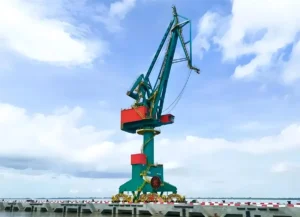
في الموانئ، والحدائق اللوجستية، ومناولة المواد الصناعية، تعتبر الرافعات البوابية والرافعات الجسرية نوعين شائعين وأساسيين من معدات التحميل/التفريغ. تختلف هذه الرافعات في التصميم الهيكلي، وخصائص الأداء، وطرق التشغيل، وسيناريوهات التطبيق، وتكاليف الاستثمار. تقدم هذه المقالة تحليلاً شاملاً للرافعات البوابية مقابل الرافعات الجسرية وتوجهك لاتخاذ الاختيار الصحيح. مقارنة التصميم الهيكلي تتجلى الاختلافات الهيكلية بين الرافعات البوابية والرافعات الجسرية بشكل أساسي في طرق تحمل الأحمال، ومسارات الحركة، ونطاقات التغطية. يركز الأول على برج ثابت وذراع دوار، مع التركيز على “تغطية النقاط” والدوران الأفقي المرن. يتميز الأخير ببنية إطار بوابة ورحلة سكة حديد طولية، مع إعطاء الأولوية لـ “الحركة الأفقية الواسعة” والتعامل الفعال مع الخدمات اللوجستية في الموقع. نتيجة لذلك، فإن تصميماتهما الهيكلية المميزة تملي مباشرة سيناريوهات التطبيق المختلفة. الخصائص الهيكلية للرافعات البوابية تستخدم الرافعات الدوارة البوابية هياكل أذرع مفردة/مزدوجة منصة، مع تثبيت البرج على الأسس أو السكك الحديدية، مما يتيح دورانًا بزاوية 360 درجة أو جزئيًا. يمكّن هذا التكوين التشغيل المرن في المساحات الضيقة والممتدة مثل السواحل، وواجهات الأرصفة، وأرصفة السفن، مما يجعله مناسبًا بشكل خاص لمناولة المواد من السفينة إلى الشاطئ. تجمع وظيفتها الأساسية بين العمودي…
في العمليات الصناعية الحديثة، تعتبر مناولة المواد الفعالة ضرورية لزيادة الإنتاجية وتحسين سير العمل. تعتبر الرافعات الجسرية، المعروفة أيضًا بالرافعات العلوية أو رافعات EOT، من أنظمة مناولة المواد الثابتة المستخدمة على نطاق واسع في التصنيع، ومعالجة المعادن، والتخزين، وعمليات التحميل/التفريغ. في هذه المقالة، سنستكشف مبدأ العمل، والمكونات الرئيسية، والتطبيقات، وفوائد التشغيل للرافعات الجسرية، مما يوفر دليلاً شاملاً للمخططين الصناعيين ومهنيي اللوجستيات. مبدأ عمل الرافعات الجسرية تعمل الرافعات الجسرية على هيكل يشبه الجسر يمتد عبر مساحة العمل، مع نظام عربة ورافعة يتحرك أفقيًا على طول الجسر ويرفع أو يخفض الأحمال عموديًا. تتيح حركة الرافعة عبر مسارها، جنبًا إلى جنب مع التحكم الدقيق بالرافعة، مناولة المواد الثقيلة بكفاءة وأمان في المصانع والمستودعات والمنشآت الصناعية. للحصول على معلومات حول كيفية عمل الرافعات العلوية، يرجى الاطلاع على هذه المقالة: مبدأ عمل الرافعات العلوية: المكونات، الحركة، وعملية التشغيل مصطلحات الرافعات الجسرية فيما يلي مقدمة للمصطلحات المتعلقة بأجزاء الرافعات الجسرية. سعة الرافعة: تشير سعة الرافعة إلى أقصى وزن يمكن للرافعة الجسرية رفعه بأمان. ويقاس عادة بالطن...
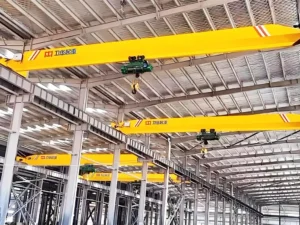
الرافعة العلوية الكهربائية (EOT) هي نظام رفع علوي فعال وموثوق يُستخدم لمناولة المواد الثقيلة في المصانع والمستودعات وورش العمل والمنشآت الصناعية. تعمل الرافعات العلوية الكهربائية على سكك علوية، وتتيح حركة ثلاثية الأبعاد آمنة ودقيقة للأحمال من خلال تنسيق حركات الرفع والتحرك العرضي والتحرك الطولي. ستوجهك هذه المقالة عبر تعريفات الرافعات العلوية المتحركة وأنواعها وهيكلها ومبادئ عملها وتطبيقاتها وعوامل التكلفة لمساعدتك في اختيار الحل الأنسب لاحتياجات الرفع الخاصة بك. كيف تعمل الرافعات العلوية المتحركة؟ يتضمن مبدأ عمل الرافعات العلوية المتحركة مزيجًا من الرفع الرأسي وحركة العربة الأفقية والحركة الطولية للجسر، مما يتيح مناولة الأحمال الثقيلة بكفاءة عبر المنشآت الصناعية. تعمل الرافعة على قضبان مسار مرتفعة مثبتة على طول هيكل المبنى، مع امتداد عارضة الجسر عبر مساحة العمل. تعمل آلية الرفع على رفع أو خفض الحمولة باستخدام حبال أو سلاسل سلكية فولاذية، بينما تقوم العربة بنقل الحمولة أفقيًا على طول الجسر. تتحرك الرافعة بأكملها طوليًا على طول قضبان المسار، مما يتيح وضع المواد في وضع ثلاثي الأبعاد. تعمل الرافعات الجسرية الكهربائية الحديثة بمحركات كهربائية ذات سرعة دقيقة...
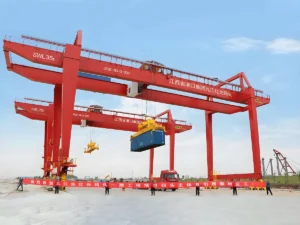
تُستخدم الرافعات الجسرية على نطاق واسع في ساحات التخزين المفتوحة، وأحواض بناء السفن، والمصانع، ومواقع البناء، مما يجعلها واحدة من أكثر حلول مناولة المواد تنوعًا وتطبيقًا على نطاق واسع. تأتي الرافعات الجسرية في أنواع مختلفة، وكل منها قابل للتخصيص ليناسب قدرات تحميل وسعات مختلفة، وظروف الموقع، ومتطلبات التشغيل. ومع ذلك، فإن اختيار التكوين الخاطئ يمكن أن يؤدي إلى نفقات غير ضرورية، أو قدرة رفع محدودة، أو قيود على التوسع المستقبلي. إذن، ما هي الأنواع الرئيسية للرافعات الجسرية؟ كيف تختار النوع المناسب لتطبيقك؟ في هذا الدليل، سنقدم نظرة عامة مفصلة على أنواع الرافعات الجسرية المختلفة بناءً على الهيكل، والتنقل، وسيناريوهات التطبيق، مما يساعدك على اتخاذ القرار الصحيح قبل الاستثمار في حل رفع. المقال طويل جدًا. فيما يلي جدول المحتويات الخاص بنا. يرجى التوجه إلى القسم المقابل حسب الحاجة: ما هي الرافعات الجسرية؟ الرافعات الجسرية هي معدات رفع مصممة لمناولة البضائع الثقيلة بكفاءة في المواقع المفتوحة الكبيرة. يتميز هيكلها المميز بشعاع أو أكثر من الأشعة الرئيسية مدعوم بأرجل صلبة (أو مرنة) على كلا الجانبين، لتشكيل إطار ضخم على شكل “بوابة”. تتنقل هذه الرافعات...
 English English
  Русский
 العربية
 Français
 Português
 Español