What Is The Difference Between EOT Crane And Gantry Crane?
جدول المحتويات
مقدمة
EOT cranes and gantry cranes are two widely used industrial lifting equipment for handling heavy loads in factories, warehouses, ports, and construction sites. Both cranes are designed to move materials horizontally and vertically, but they have different structures, installation methods, and application environments.
This article explains the difference between EOT crane and gantry crane from several aspects, including structure, working principle, installation requirements, applications, advantages, and selection considerations. We hope this article will help you choose the right crane solution based on your specific lifting needs and working conditions.
رافعة جسرية علوية
رافعة جسرية
What Is An EOT Crane?
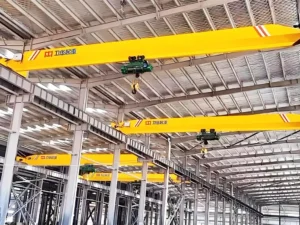
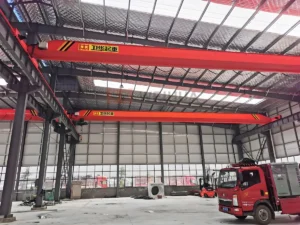
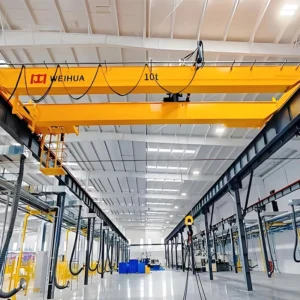
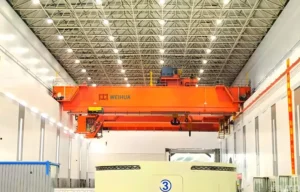
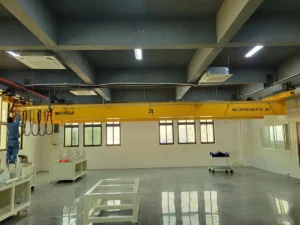
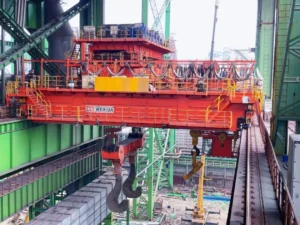
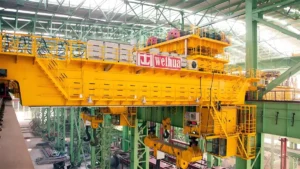
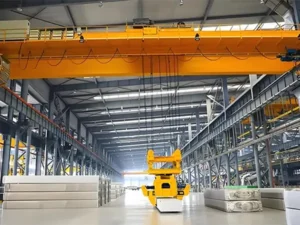
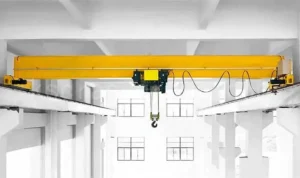
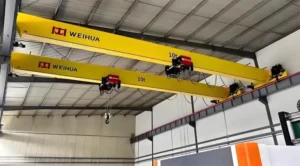
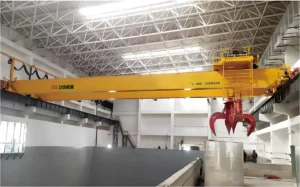
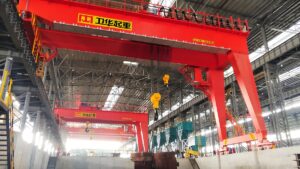
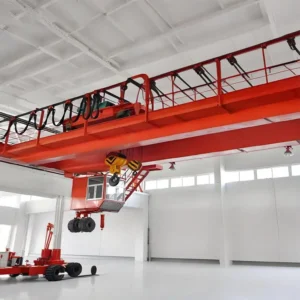
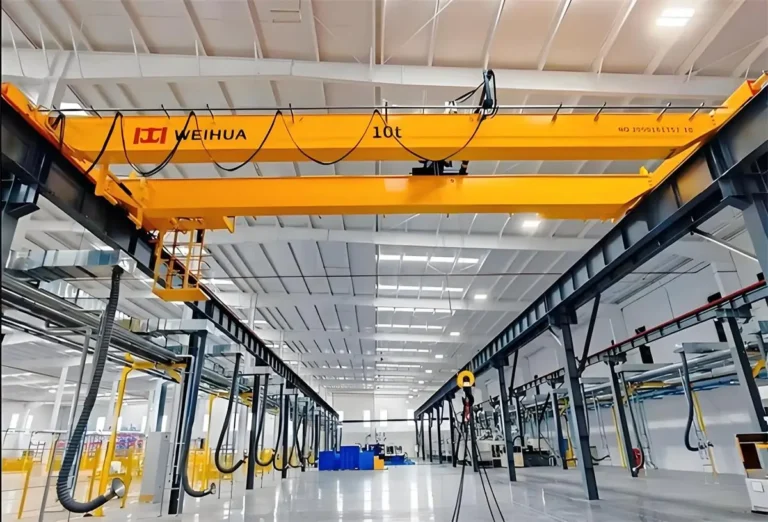
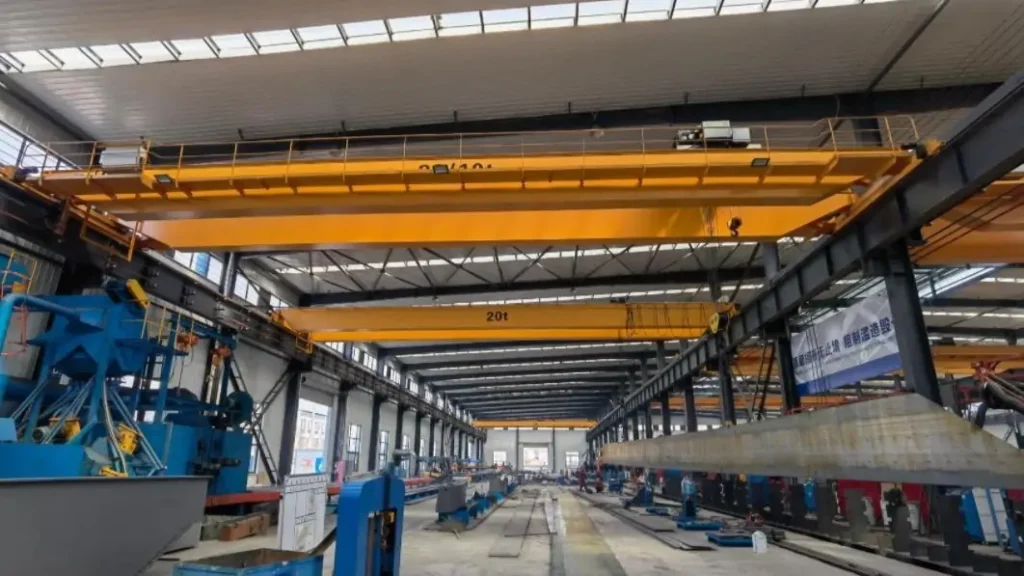
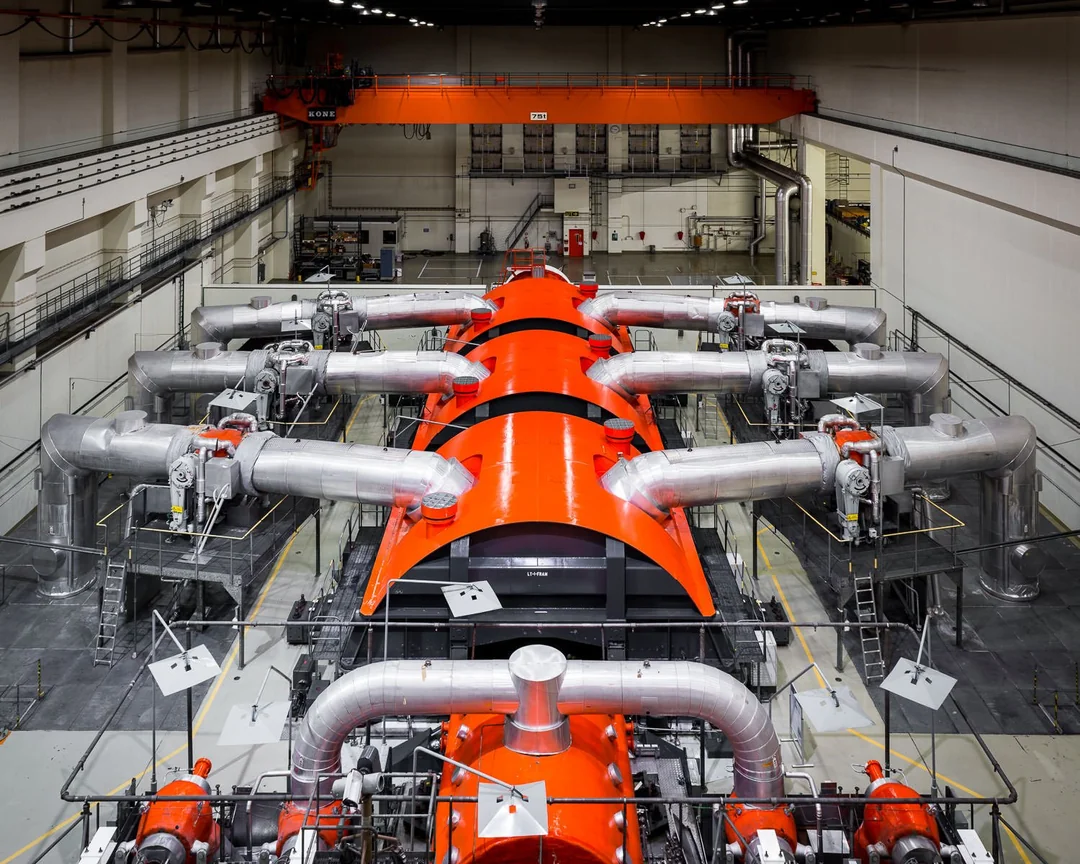
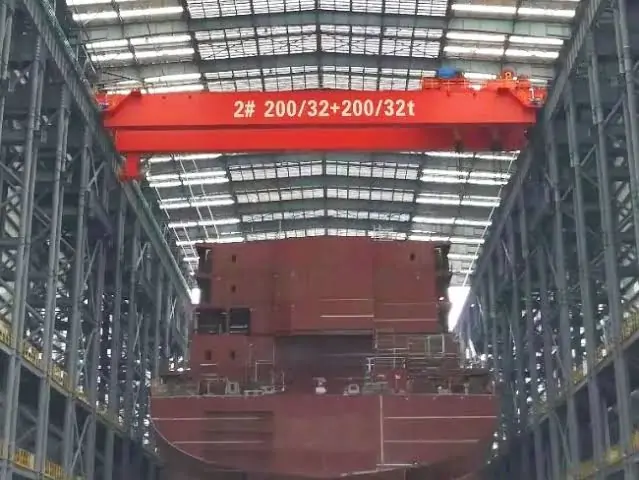
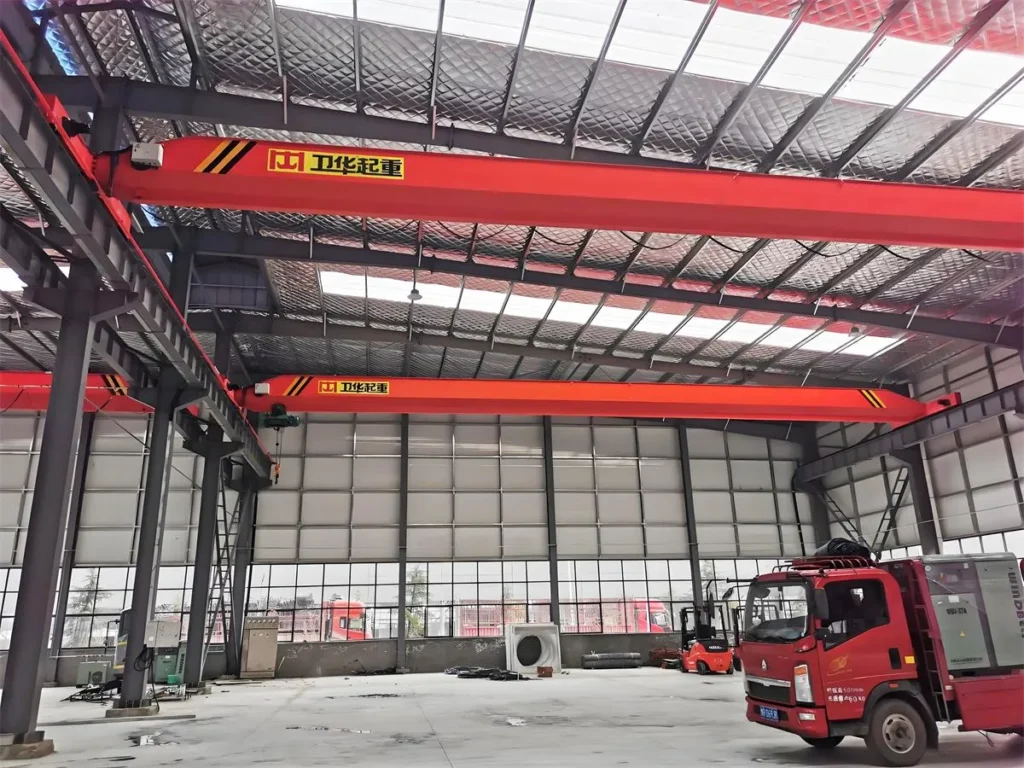
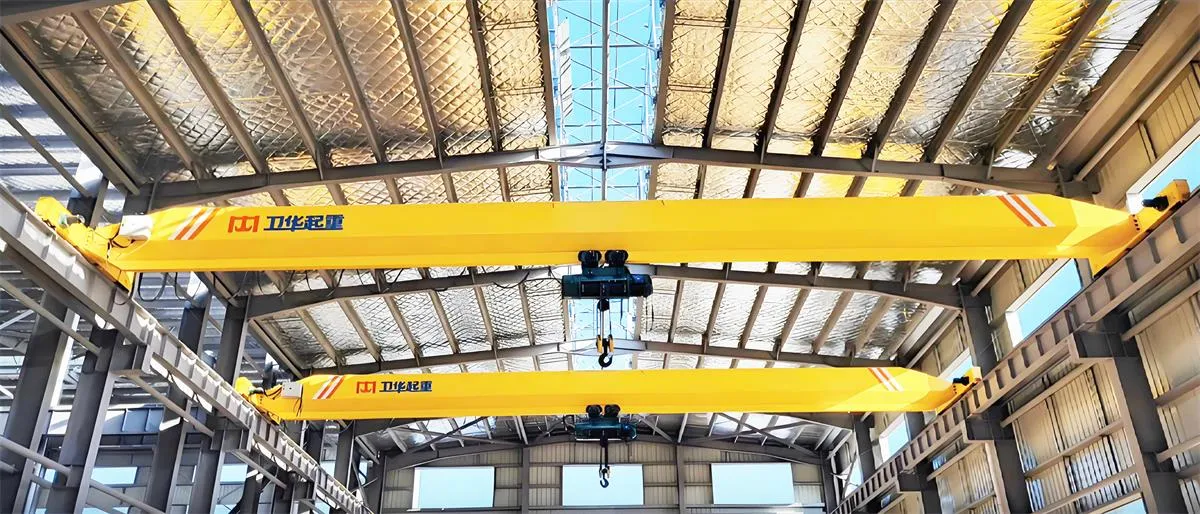
أن EOT crane (Electric Overhead Travelling Crane), also commonly known as an overhead crane or bridge crane, is an electrically powered overhead lifting system used for moving heavy materials along a fixed runway inside industrial facilities. Its main components include the bridge girder, end trucks, hoist trolley, runway system, and electrical control system, which work together to complete lifting and horizontal movement operations.
EOT cranes are widely used in manufacturing plants, steel mills, warehouses, machinery workshops, and other industrial environments for handling steel products, equipment, components, and heavy loads.
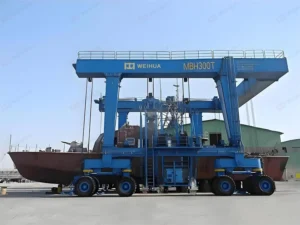
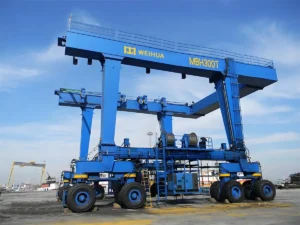
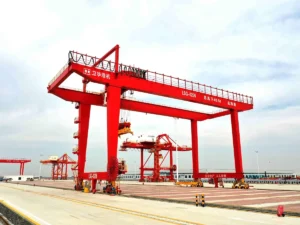
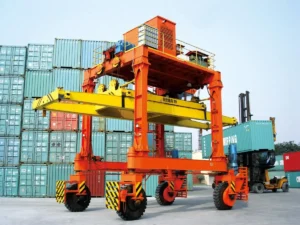
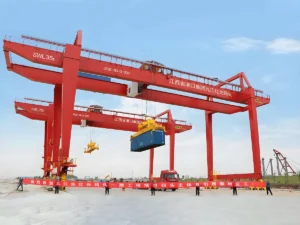
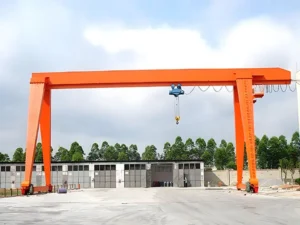
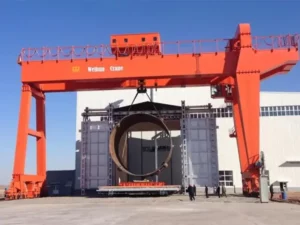
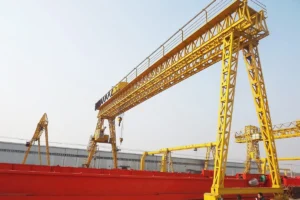
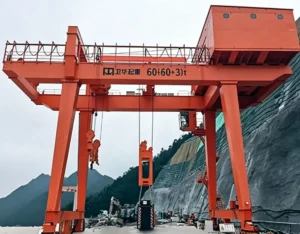
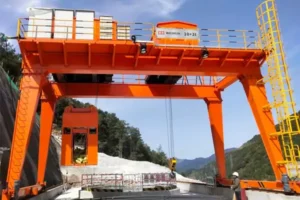
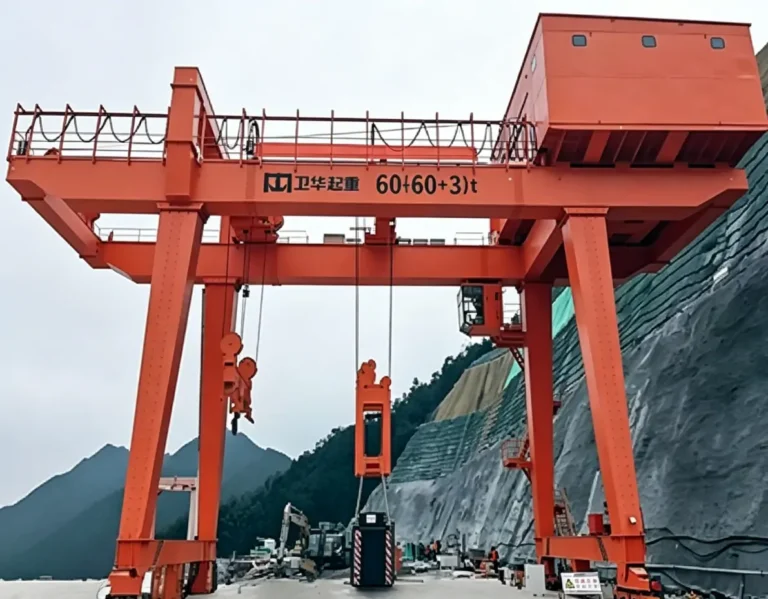
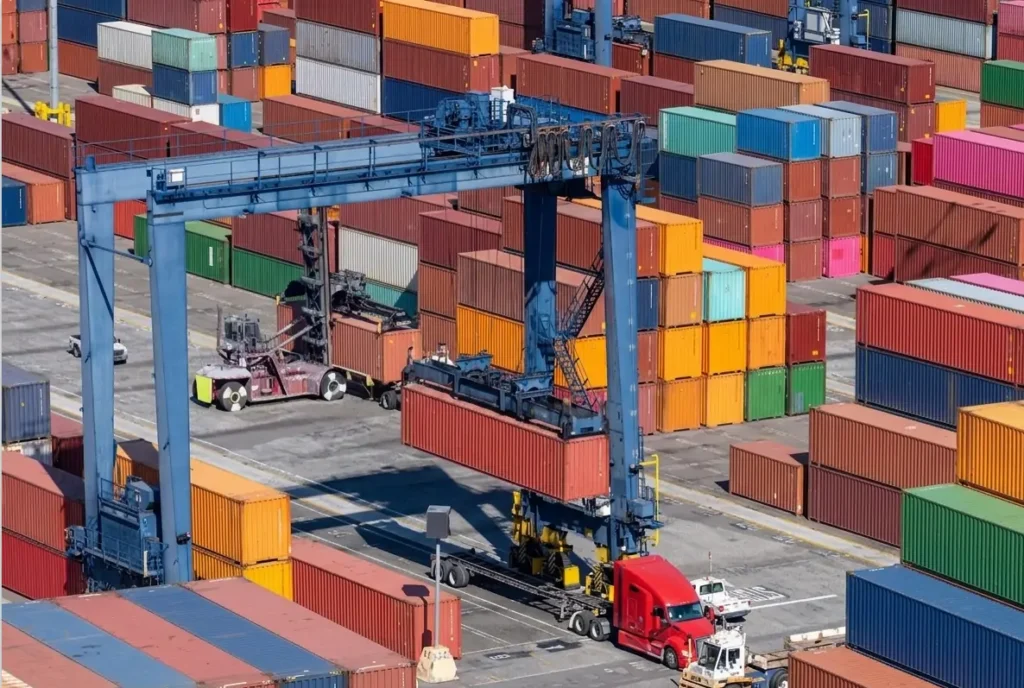
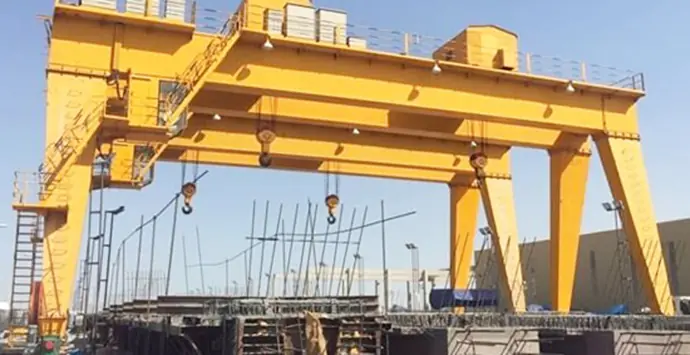
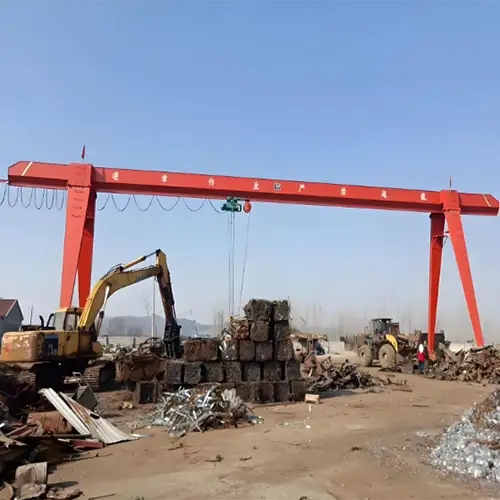
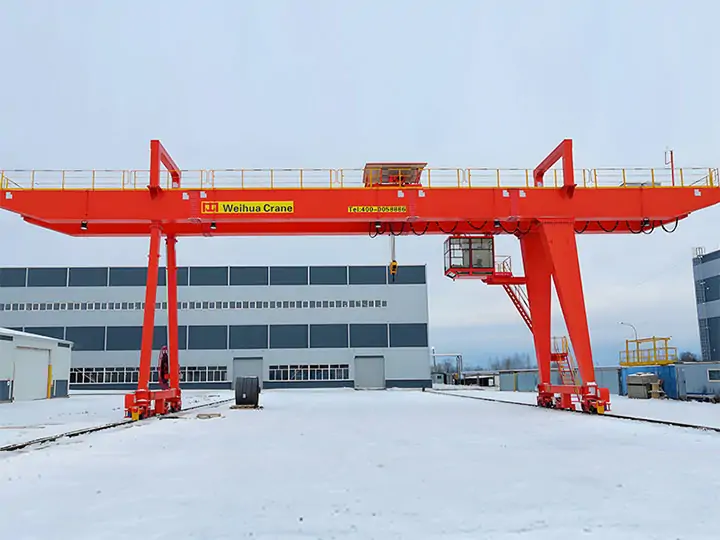
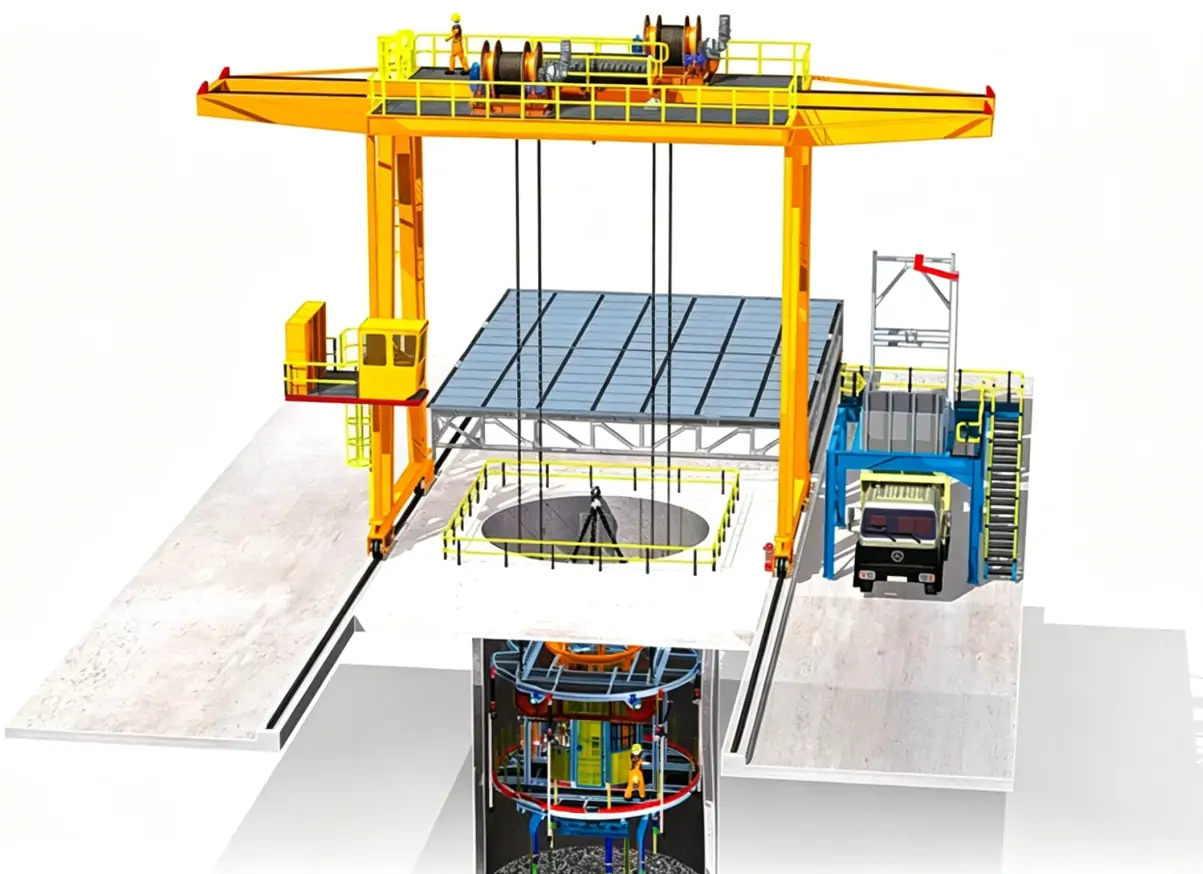
A رافعة جسرية is a type of overhead lifting equipment supported by legs that run on ground rails or wheels. Its main components include the main girder, supporting legs, hoisting trolley, travel mechanism, and electrical control system, which allow the crane to lift and move heavy loads across a designated working area.
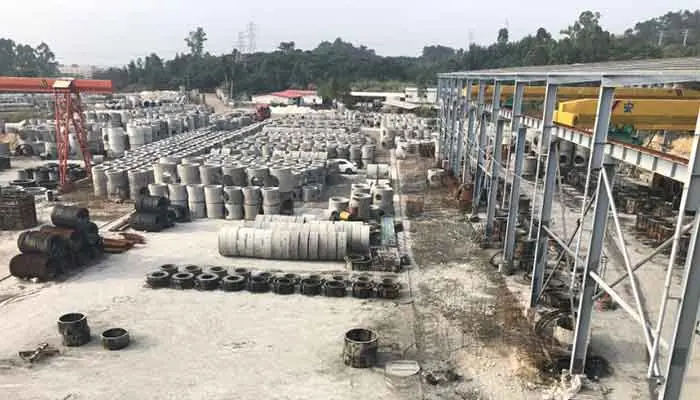
Gantry cranes are widely used in shipyards, container terminals, precast concrete yards, steel storage areas, construction sites, and other indoor or outdoor applications for handling large and heavy materials.
الفرق بين رافعة الجسر المتحركة ورافعة الجسر المتحركة
The difference between EOT crane and gantry crane mainly lies in their structure, installation method, supporting system, working environment, and application requirements.
The following table shows the differences between EOT crane and gantry crane to help you compare their features and applications.
عنصر المقارنة
رافعة جسرية علوية
رافعة جسرية
هيكل
Bridge girder, end trucks, hoist trolley, runway system
Main girder, legs, hoist trolley, travel system
Installation
Installed on building-supported runway beams
Installed on ground rails with support legs
Support
Uses factory columns or building structure
Uses independent legs
Working Area
Mainly indoor factories and workshops
Indoor and outdoor areas
متطلبات المساحة
Requires existing building structure and saves floor space
Requires ground space for rails and legs
Movement
Travels on overhead runway beams
Travels on ground rails or wheels
تطبيقات
Factories, steel mills, warehouses, workshops
Shipyards, container yards, construction sites
تكلفة التركيب
Lower when building structure is available
Higher due to legs, rails, and foundation requirements
صيانة
Easier indoor maintenance
Requires outdoor protection and regular inspection
Weather Protection
Usually used indoors with less weather impact
Requires weather-resistant design for outdoor use
Relocation
Fixed installation, difficult to move
Easier to relocate between working areas
Cost
Lower total cost when suitable building structures exist
Higher initial cost due to supporting structures and rail systems
EOT cranes are mainly designed for indoor factory lifting operations, while gantry cranes provide more flexible installation options for indoor and outdoor material handling applications.
EOT Crane vs Gantry Crane: Which One Should You Choose?
After understanding the difference between EOT crane and gantry crane, the next step is selecting the right crane based on your working environment, installation conditions, and lifting requirements.
Choose EOT Crane
Has existing overhead beams or building support structures.
Mainly used for indoor operations.
Floor space needs to be kept clear for production and storage.
Heavy loads need to be handled frequently.
High lifting precision and stable operation are required.
Applications include factories, warehouses, steel plants, machinery workshops, and assembly areas.
Load capacity requirements are typically above 50 tons.
Choose Gantry Crane
There is no suitable building structure for overhead crane installation.
Lifting operations are required in outdoor areas.
The working area is open, such as yards, ports, or construction sites.
Flexible installation and wider working coverage are needed.
Temporary lifting solutions are required for projects.
Loads need to be moved across open spaces.
Applications include shipyards, container terminals, construction sites, and prefabrication yards.
Choosing the right type of crane can improve lifting efficiency and reduce installation constraints. EOT cranes are more suitable for fixed indoor lifting operations, while gantry cranes provide greater flexibility for outdoor and open-area applications.
Applications Of EOT Crane And Gantry Crane
EOT cranes and gantry cranes are widely used in industrial material handling, but their application areas are different due to their installation methods and working environments.
EOT Crane Applications
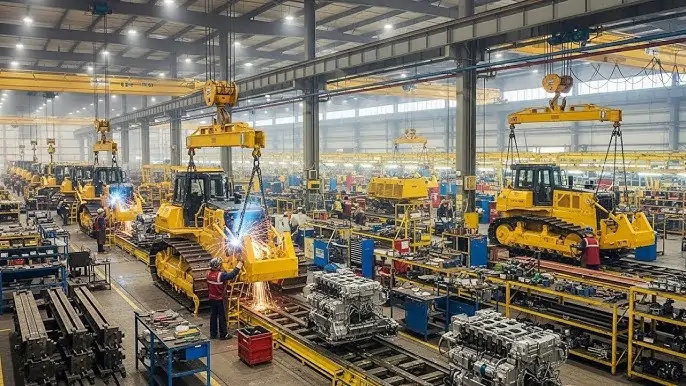
مصانع التصنيع
Handling machinery parts, steel products, and production materials.
Steel Mills
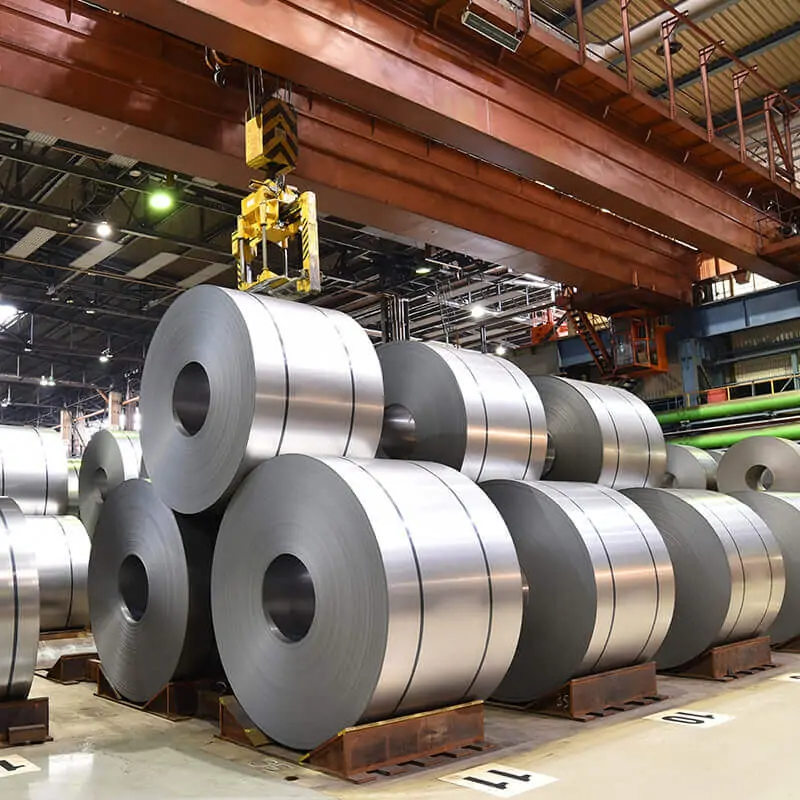
Moving steel coils, plates, billets, and heavy components.
المستودعات
Loading, unloading, and transferring heavy goods.
ورش تصنيع الآلات
Supporting equipment assembly, maintenance, and processing operations.
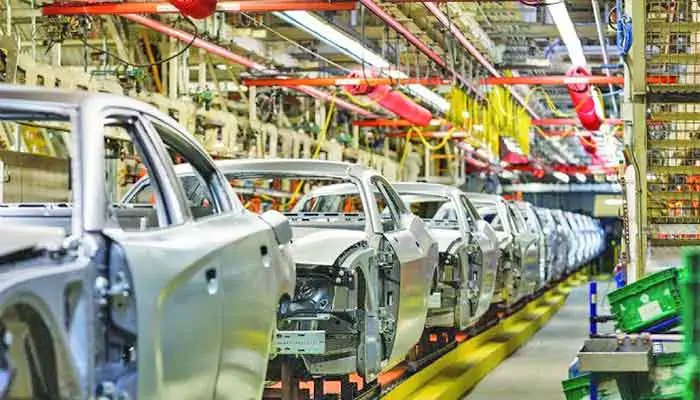
Automotive Plants
Handling vehicle components and assembly parts.
Power Plants
Lifting heavy equipment, generators, and maintenance components.
Gantry Crane Applications
Shipyards
Lifting ship sections and large structural components.
Container Terminals
Handling containers and heavy cargo.
مواقع البناء
Moving building materials and prefabricated components.
Precast Concrete Yards
Handling concrete beams, slabs, and large structures.
Outdoor Storage Yards
Moving steel materials, equipment, and bulk goods.
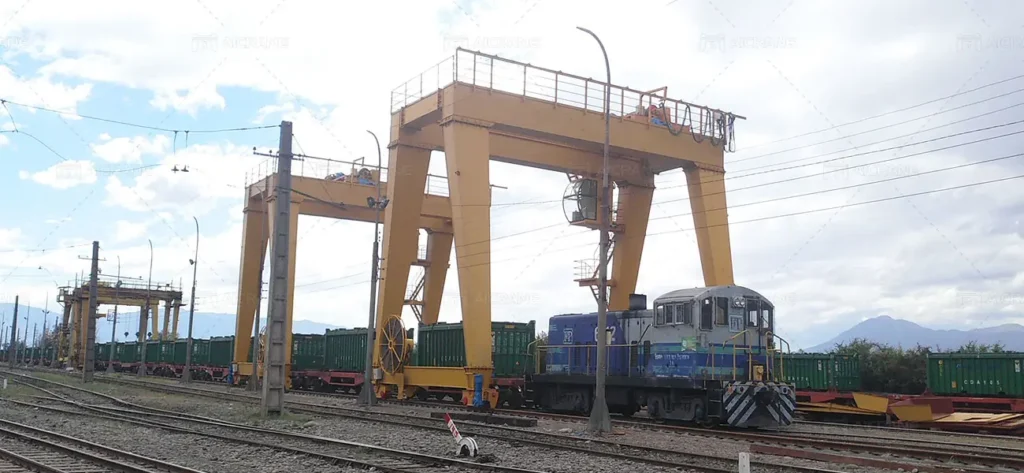
Railway Yards
Loading, unloading, and transferring railway components and containers.
EOT cranes are mainly used for indoor industrial lifting where stable operation and efficient use of workspace are required. Gantry cranes provide more flexible solutions for outdoor and open-area material handling.
EOT Crane And Gantry Crane Cost Comparison
Cost is also an important factor when comparing the difference between EOT crane and gantry crane, as installation conditions and crane configurations directly affect the final investment. In many cases, an EOT crane can have a lower total installation cost when the factory already has suitable runway structures. A gantry crane may require additional costs for legs, rails, and foundation work.
Lifting Capacity – Higher load capacity requires stronger structures and more powerful lifting systems.
Span – A longer span increases the size of the crane structure and supporting components.
Lifting Height – Higher lifting requirements may require longer wire ropes, stronger mechanisms, and customized designs.
Duty Class – Crane working frequency and operation intensity affect the selection of components and overall cost.
Custom Design – Special requirements such as outdoor protection, special lifting devices, or customized control systems can influence the final cost.
Since every lifting project has different requirements, the actual cost of an EOT crane or gantry crane should be evaluated based on your application details. Contact WEIHUA for a customized crane solution based on your lifting needs.
For a more in-depth look at price analysis, please refer to the following article:
Understanding the difference between EOT crane and gantry crane helps you select the right lifting equipment for your factory or outdoor operation. EOT cranes are ideal for indoor factories with existing overhead structures, while gantry cranes offer flexible installation options for outdoor areas and locations without building support.
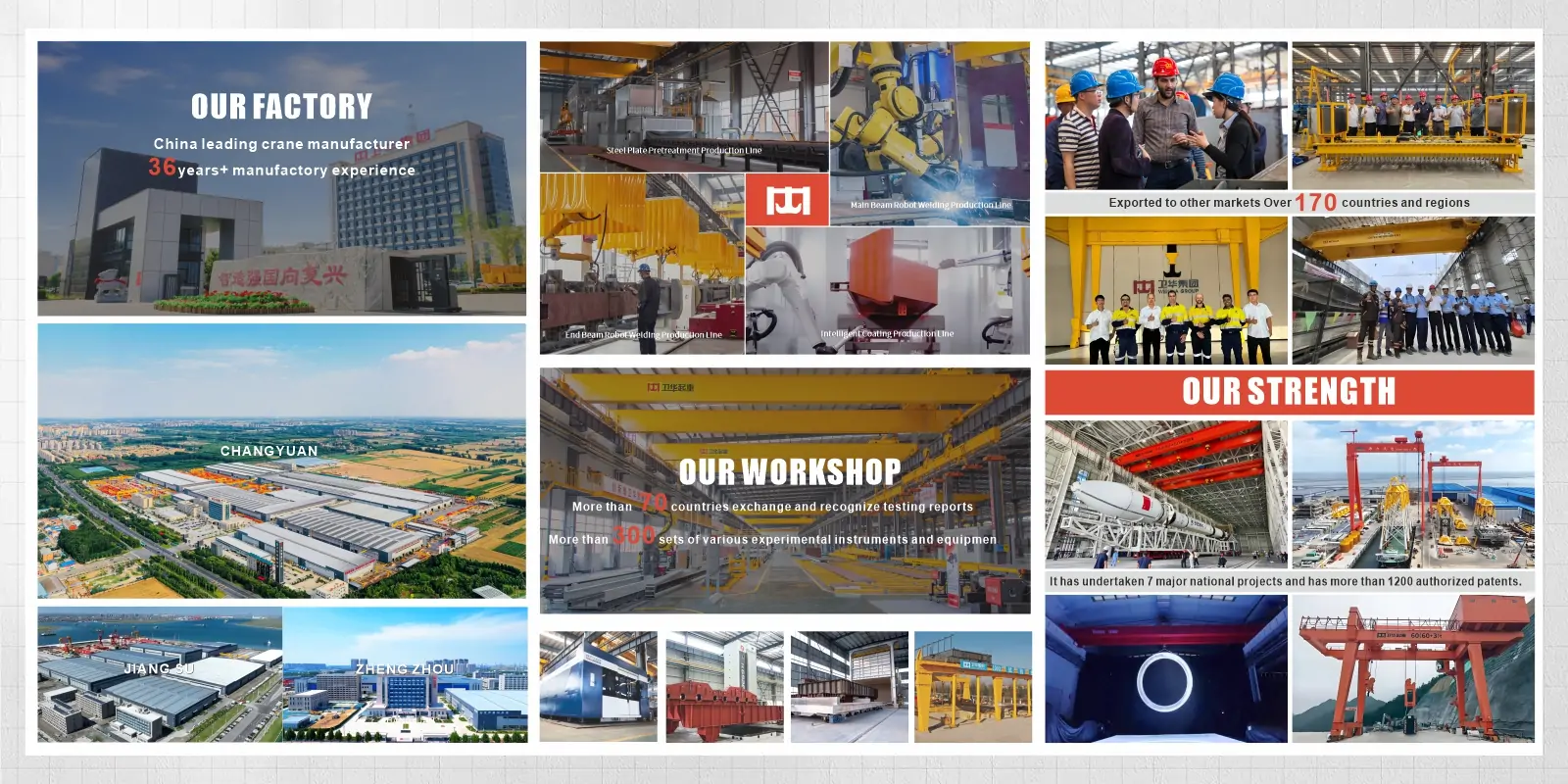
With experience in industrial lifting equipment manufacturing, وي هوا designs and supplies customized EOT cranes and gantry cranes for different factory and outdoor applications. اتصل بنا to discuss your project requirements and find the right crane solution for your operation.
أسئلة شائعة
What is the difference between EOT crane and gantry crane?
EOT cranes are installed on overhead runway beams supported by a building structure and are mainly used for indoor lifting. Gantry cranes are supported by legs running on ground rails and are suitable for indoor or outdoor applications without overhead structures.
Is an EOT crane better than a gantry crane?
Neither crane is better in all situations. EOT cranes are ideal for indoor factories with existing structures, while gantry cranes are better for open areas, outdoor lifting, or locations without suitable building support.
Can a gantry crane be used indoors?
Yes. Gantry cranes can be used indoors, especially in workshops or facilities where installing overhead runway beams is difficult or not economical.
What industries use EOT cranes?
EOT cranes are commonly used in steel mills, manufacturing plants, warehouses, machinery workshops, automotive plants, and power plants for heavy material handling.
What industries use gantry cranes?
Gantry cranes are widely used in shipyards, container terminals, construction sites, precast concrete yards, railway yards, and outdoor storage areas.
Which crane is suitable for outdoor lifting?
Gantry cranes are generally more suitable for outdoor lifting because they have independent support legs and do not require a building structure.
Are EOT cranes cheaper than gantry cranes?
The cost depends on lifting capacity, span, lifting height, duty class, and customization requirements. EOT cranes may have lower installation costs when suitable building structures already exist.
How do I choose between an EOT crane and a gantry crane?
Choose based on your working environment, available space, load requirements, lifting frequency, and installation conditions. EOT cranes are suitable for fixed indoor operations, while gantry cranes provide more flexibility for outdoor and open-area applications.
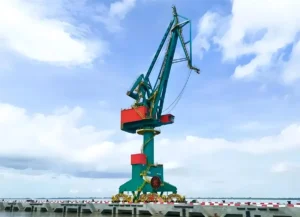
مقدمة عن المنتج: الرافعة الدوارة ذات الهيكل البوابي، والمعروفة أيضًا باسم الرافعة البوابية المرفئية أو الرافعة ذات الذراع البوابي، هي حل رفع للخدمة الشاقة مصمم لعمليات الرصيف، ومناولة البضائع السائبة، ونقل الحاويات. وتتميز بهيكل جسر بوابي مزود بآلية دوران 360 درجة، مما يوفر نطاق عمل واسع وكفاءة تشغيلية عالية في بيئات الموانئ المزدحمة. نقدم تصميمات مخصصة بالكامل، بما في ذلك سعة الرفع، والمدى، وارتفاع الرفع، وامتداد السكة، وفئة العمل، وأنظمة الطاقة لتلبية متطلبات تشغيل الميناء الخاصة بك. تشغيل الفيديو فيما يلي أمثلة تطبيقية فعلية لرافعات مناولة البضائع في الموانئ لدينا في عدة موانئ. انقر للعرض. أذرع الرفع المخصصة يوفر اختيار ملحقات الرفع لرافعات البوابة الدوارة تنوعًا ويمكن تغييرها وفقًا للمواد والمتطلبات المختلفة، مما يلبي الاحتياجات المتنوعة للبضائع السائبة، والبضائع العامة، والحاويات، والمواد الأخرى. عند اختيار الملحقات، يجب إيلاء اعتبار شامل للخصائص الفيزيائية للمادة (الشكل، الأبعاد، الوزن، تكوين المادة)، وشكل التعبئة، وكفاءة المناولة. فيما يلي ملحقات الرفع الشائعة الاستخدام للرافعات الدوارة ذات البوابة ووصفها: الخطافات أنواع الخطافات المفردة والمزدوجة هي...
مقدمة المنتج: رافعة رفع القوارب، والمعروفة أيضًا باسم رافعة القوارب، ورافعة السفر البحرية، ورافعة اليخوت، هي قطعة متخصصة من المعدات مصممة لرفع وتحريك وإطلاق القوارب. تستخدم على نطاق واسع في مراسي اليخوت، وأحواض بناء السفن، وقواعد إصلاح السفن، ومراكز الخدمات البحرية. تتميز عادةً بهيكل بوابات، وناقل حركة هيدروليكي، ونظام حبال قابل للتعديل، مما يوفر دعمًا مرنًا مصممًا خصيصًا لشكل الهيكل، مما يتيح التعامل الآمن والمستقر مع أنواع مختلفة من القوارب. تقدم رافعات مناولة القوارب في الموانئ قدرات رفع تتراوح من 10 إلى 1200 طن، وأبعاد تتراوح من 6 إلى 20 مترًا، وارتفاعات رفع قابلة للتخصيص، وخيار بين أنظمة سفر بعجلات أو مثبتة على سكك حديدية. تتميز بقدرة تحمل عالية، وتشغيل مستقر، ونصف قطر دوران صغير، وتوافق واسع مع السفن، وتدعم دورة حياة السفن بالكامل - بما في ذلك عمليات الإطلاق/الاستعادة، وصيانة أحواض الإصلاح الجاف، وتجديد الهيكل، والخدمة، وعمليات النقل. نقدم نماذج متعددة من رافعات رفع القوارب، بما في ذلك النماذج القياسية، والواسعة، والخدمية الثقيلة، والموفرة للطاقة، والحلول القابلة للتخصيص بالكامل المصممة خصيصًا لطول السفينة وعرضها ووزنها وتصميم الرصيف. اتصل بفريقنا للحصول على تصميمات مخصصة والدعم الفني. يرجى الاطلاع على هذه المقالة لمعرفة التفاصيل: أنواع...
مقدمة عن المنتج
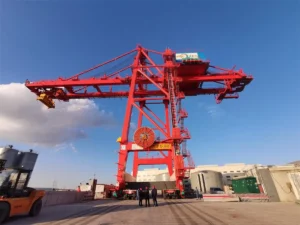
رافعة حاويات مثبتة على السكك الحديدية (رافعة RMG) هي رافعة عالية الكفاءة لمناولة الحاويات تعمل على سكك حديدية ثابتة، وتستخدم على نطاق واسع في ساحات الحاويات، ومحطات النقل المتعدد الوسائط، ومراكز اللوجستيات لتكديس الحاويات القياسية ISO ونقلها وتحميلها/تفريغها. تم تصميم رافعات RMG للعمليات المكثفة والمستمرة، وتقدم أداءً ثابتًا، ودقة تحديد موقع عالية، واستخدامًا استثنائيًا للساحات.
تلتزم رافعة الحاويات المثبتة على السكك الحديدية من Weihua بشكل صارم بأحدث المعايير المحلية والدولية بما في ذلك FEM، DIN، IEC، AWS، و GB في عمليات التصميم والتصنيع والفحص. يوفر المعدات مزايا مثل تعدد الوظائف، والكفاءة العالية، والتشغيل المستقر والموثوق، والتغطية الواسعة. كما يوفر مزيدًا من الراحة في الاستخدام والصيانة والإصلاح، ويقدم قدرات تشغيلية مستدامة وفعالة لساحات الحاويات.
نقوم بتخصيص كل معلمة رئيسية، بما في ذلك الامتداد، وارتفاع الرفع، وطبقات التكديس، وقدرة الرفع، ومقياس السكك الحديدية، ووضع التشغيل، ونظام إمداد الطاقة، ووظائف الأتمتة الذكية مثل منع التأرجح، والتحديد التلقائي للموقع، والتحكم عن بعد، والتعرف على الحاويات.
إذا كنت تخطط لساحة حاويات جديدة أو ترقية المعدات الحالية، اتصل بفريقنا الفني للحصول على اقتراح مخصص. سنقدم استشارات هندسية احترافية، ومطابقة دقيقة للتخطيط، و...
Product Introduction Rubber Tyred Gantry RTG Cranes offer exceptional mobility and are designed for high-intensity yard operations, providing high productivity and stable performance. It features an advanced control system that enables precise positioning and minimizes sway, ensuring safer loading and unloading of containers or oversized cargo. RTG cranes offer various options, including diesel, hybrid, or fully electric drive systems, helping operators reduce fuel consumption and operating costs while maintaining reliable lifting capabilities and a long service life. Rubber Tyred Gantry Cranes are widely used across container terminals, railway hubs, logistics centres, and industrial storage yards, supporting both standard container transport and heavy-duty material handling. To meet different yard layouts and operational requirements, we offer full customization, including span width, lifting height, wheel configuration, stacking layers, power system, and intelligent control options. Our engineering team can tailor an RTG crane to your site conditions and boost your overall yard efficiency. Related gantry cranes used in ports and terminals also include: Container Handling Gantry Crane Solutions for Ports and Terminals, and Rail Mounted Container Gantry Crane. RTG cranes come in a variety…
مقدمة عن المنتج: رافعة جسرية علوية أحادية العارضة، والمعروفة أيضًا باسم رافعة جسرية علوية أحادية العارضة، تتميز بهيكل مدمج ووزن خفيف وحمل منخفض على العجلات، مما يجعلها خيارًا مثاليًا للمواقع التي تتطلب كفاءة تشغيلية عالية واستغلالًا أمثل لمساحة المبنى. يجمع تصميمها بين عارضة رئيسية واحدة ورافعة ذات ارتفاع منخفض، مما يتيح رفعًا أكبر مع ضمان السلامة الهيكلية. كما تتميز هذه الرافعة بانخفاض مستوى الضوضاء، والحد الأدنى من الصيانة، وسهولة التركيب. من خلال التكوينات الاختيارية مثل محركات التردد المتغير، وتقنية منع التمايل، والمراقبة الذكية، تحقق هذه الرافعة كفاءة رفع أعلى وتشغيلًا أكثر أمانًا مع تقليل الأحمال الهيكلية وتكاليف التشغيل بشكل فعال. تُستخدم هذه الرافعة على نطاق واسع في التصنيع، والتشغيل الآلي، وإنتاج الهياكل الفولاذية، ومستودعات الخدمات اللوجستية، وصناعة السيارات، والصناعات الخفيفة، وهي مناسبة لسيناريوهات متنوعة بدءًا من مناولة المواد الخام ونقل خطوط الإنتاج وصولًا إلى صيانة المعدات. للاطلاع على نظرة متعمقة حول الرافعات الجسرية العلوية أحادية العارضة، اقرأ المقال: ما هي الرافعة الجسرية العلوية أحادية العارضة؟ ملحقات الرفع المخصصة: خطاف الرفع: جهاز رفع عالمي قياسي مناسب لمعظم عمليات مناولة المواد في المصانع. قابلة للتخصيص حسب الحمولة والمتطلبات الهيكلية. جرافة مزودة بذراع تحميل مصممة لتحميل وتفريغ المواد السائبة مثل الرمل،...