What Is The Difference Between EOT Crane And Gantry Crane?
Tabla de contenidos
Introducción
EOT cranes and gantry cranes are two widely used industrial lifting equipment for handling heavy loads in factories, warehouses, ports, and construction sites. Both cranes are designed to move materials horizontally and vertically, but they have different structures, installation methods, and application environments.
This article explains the difference between EOT crane and gantry crane from several aspects, including structure, working principle, installation requirements, applications, advantages, and selection considerations. We hope this article will help you choose the right crane solution based on your specific lifting needs and working conditions.
Grúa EOT
Grúa pórtico
What Is An EOT Crane?
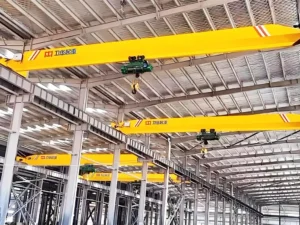
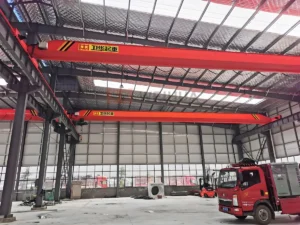
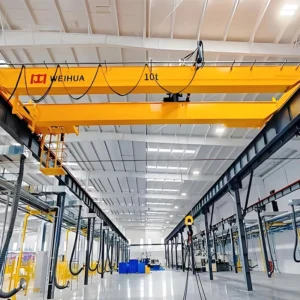
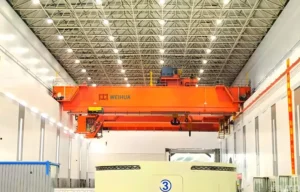
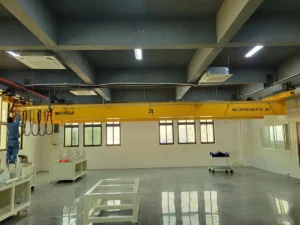
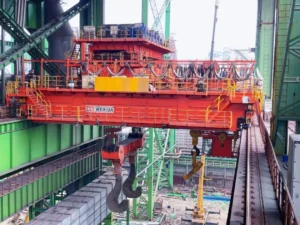
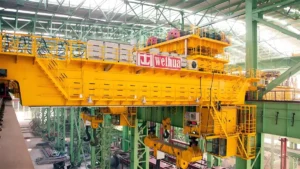
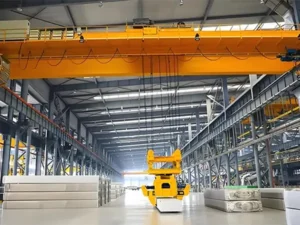
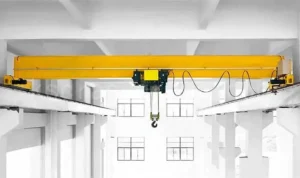
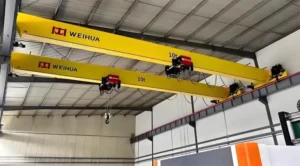
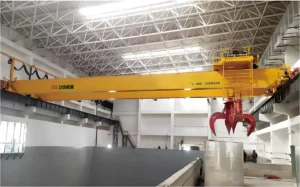
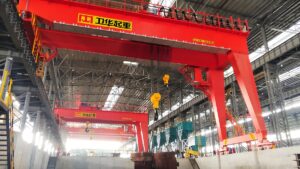
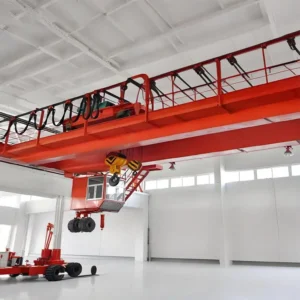
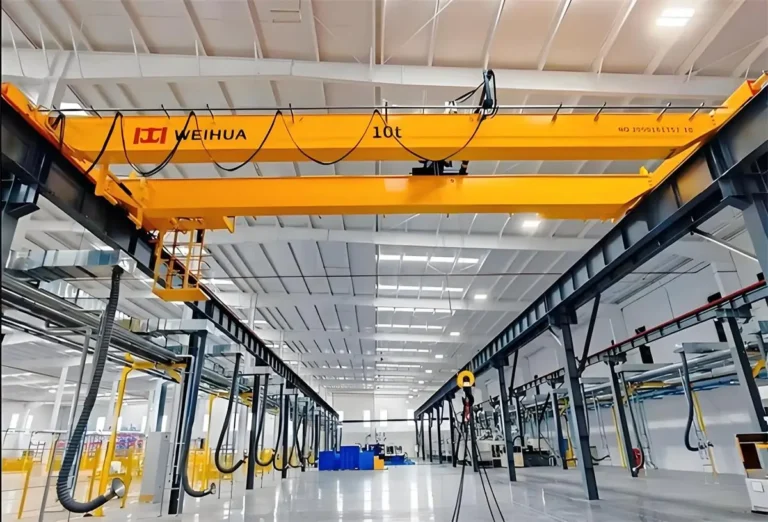
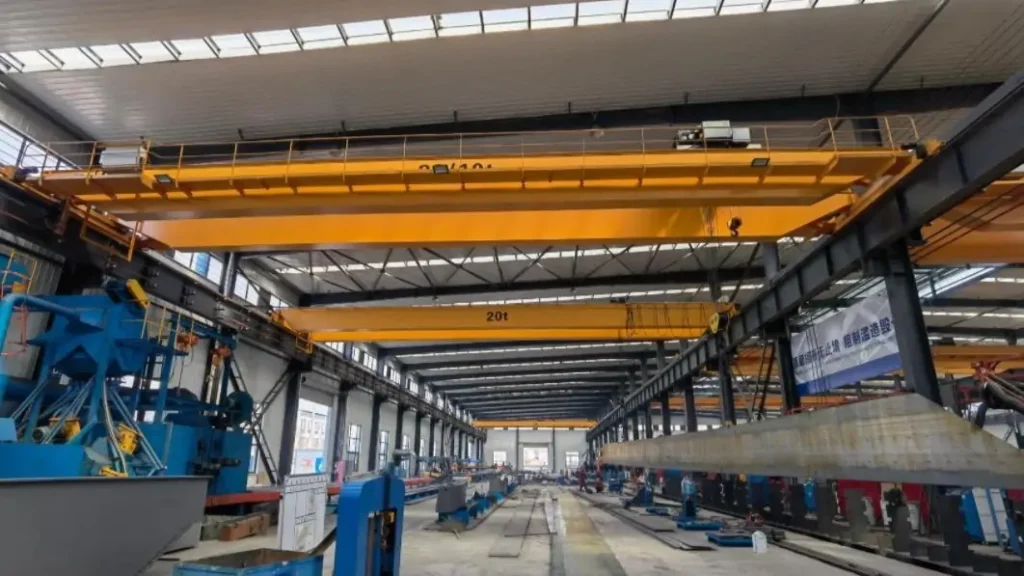
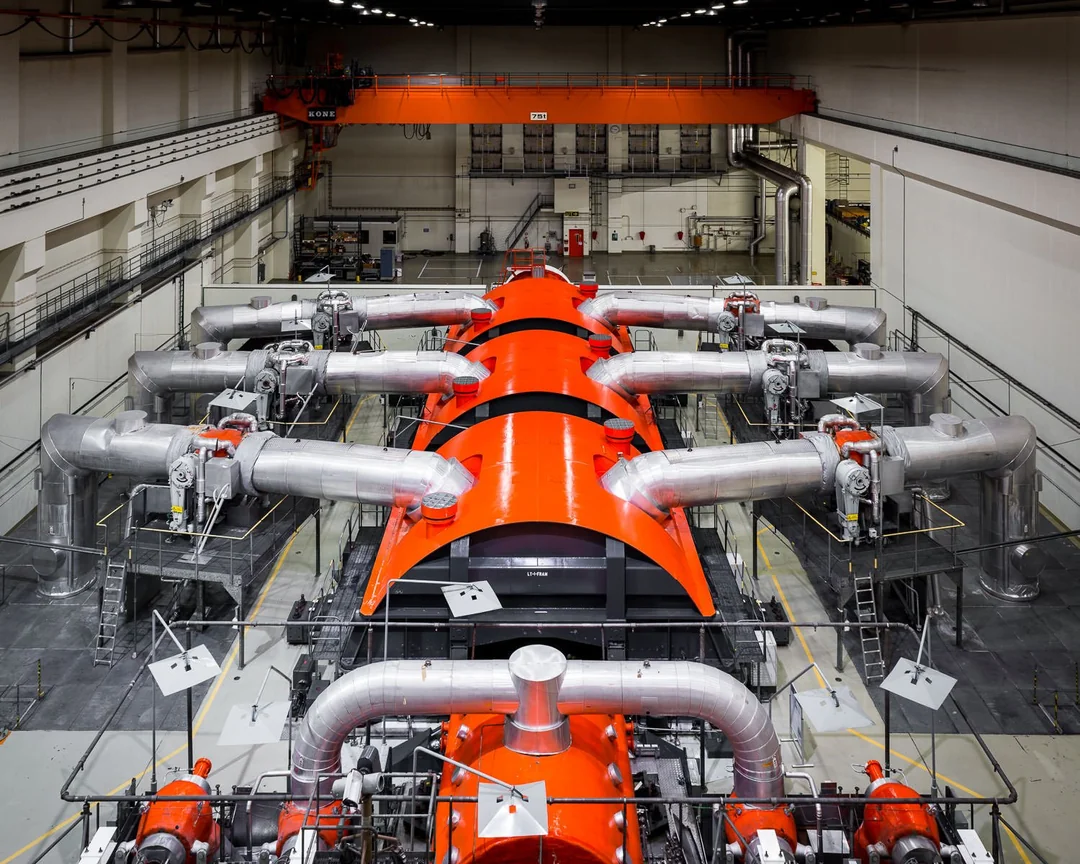
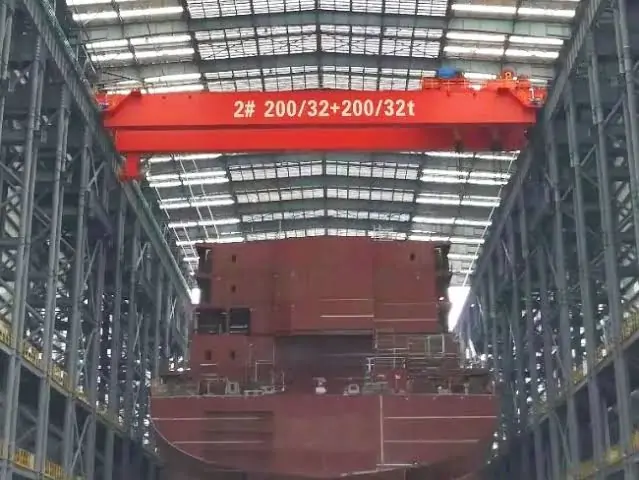
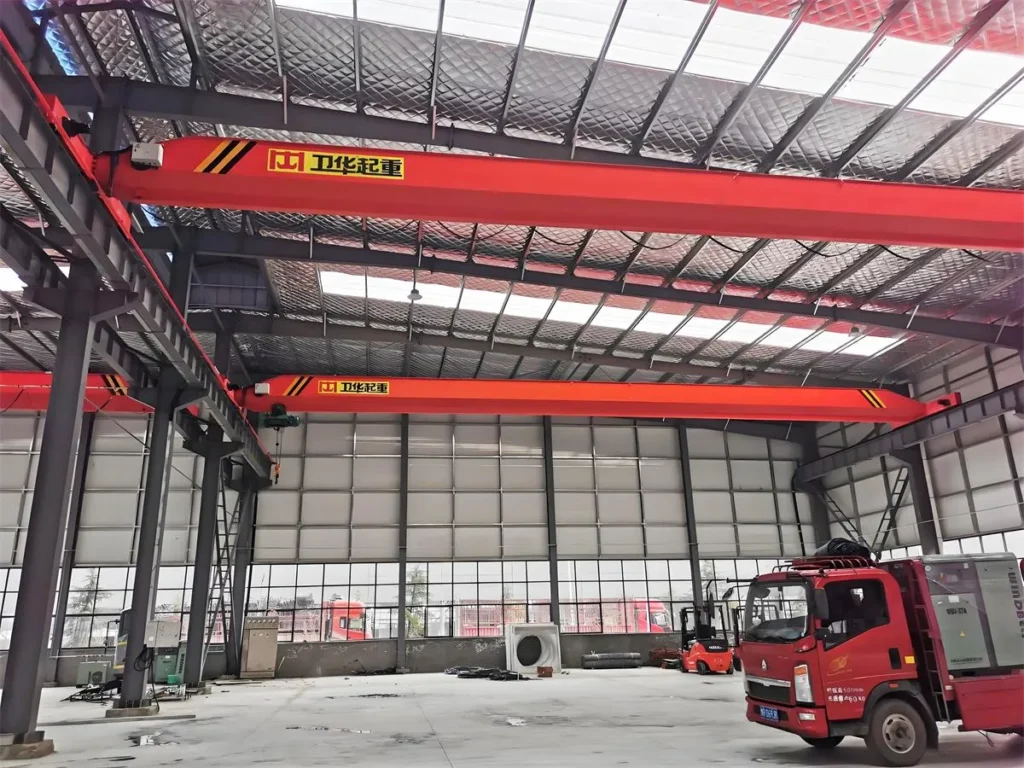
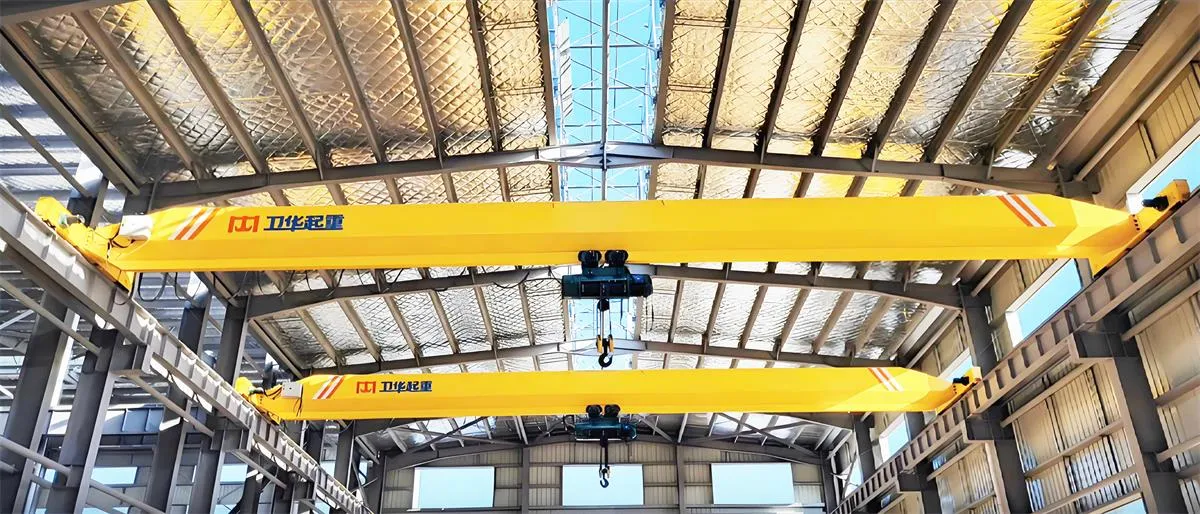
Un EOT crane (Electric Overhead Travelling Crane), also commonly known as an overhead crane or bridge crane, is an electrically powered overhead lifting system used for moving heavy materials along a fixed runway inside industrial facilities. Its main components include the bridge girder, end trucks, hoist trolley, runway system, and electrical control system, which work together to complete lifting and horizontal movement operations.
EOT cranes are widely used in manufacturing plants, steel mills, warehouses, machinery workshops, and other industrial environments for handling steel products, equipment, components, and heavy loads.
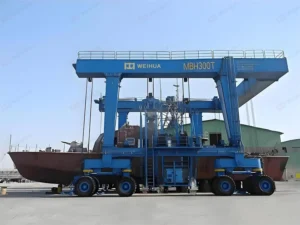
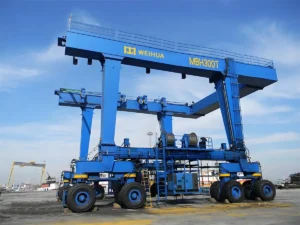
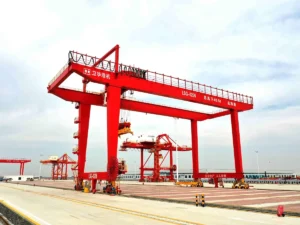
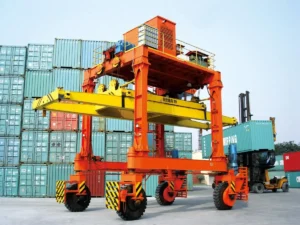
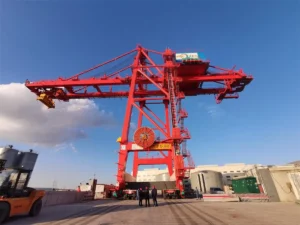
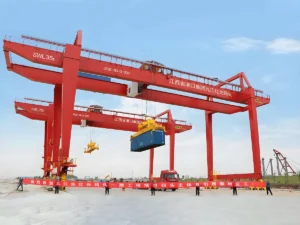
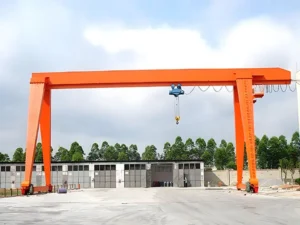
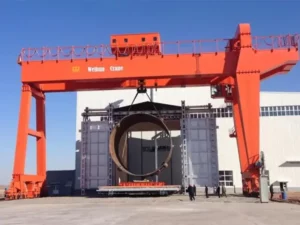
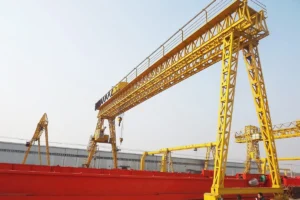
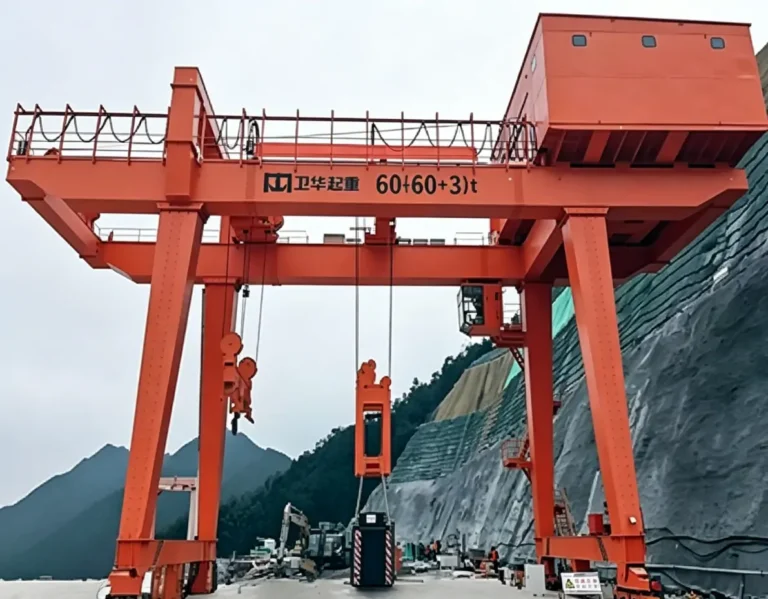
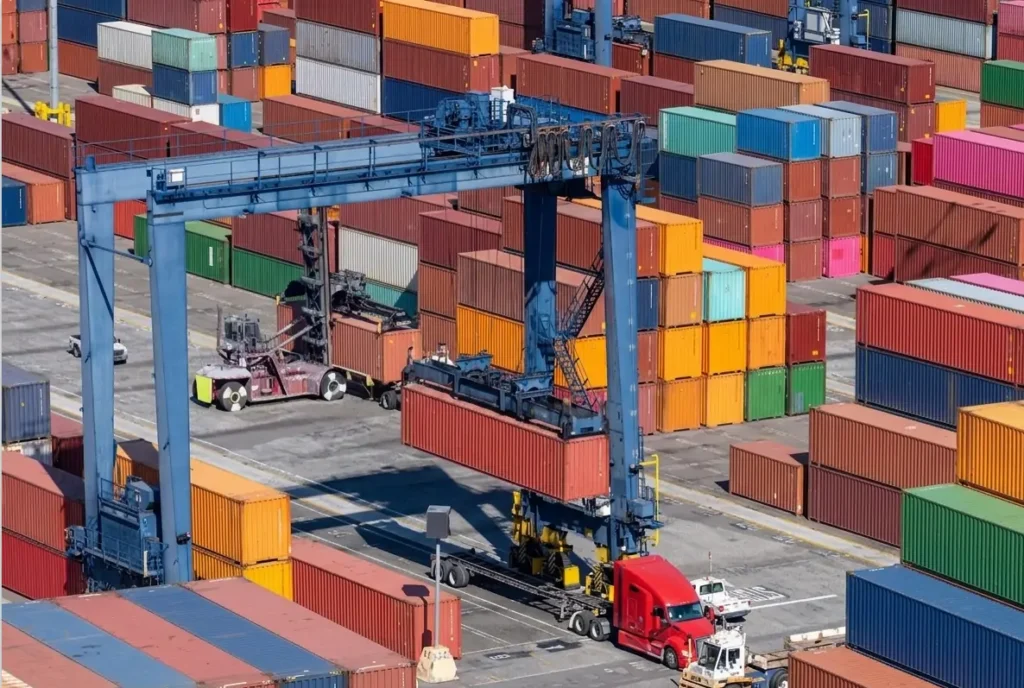
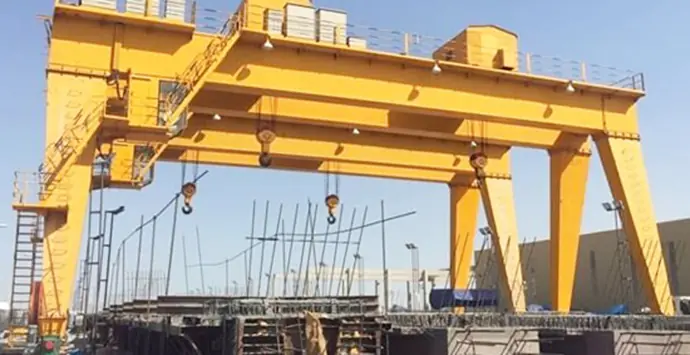
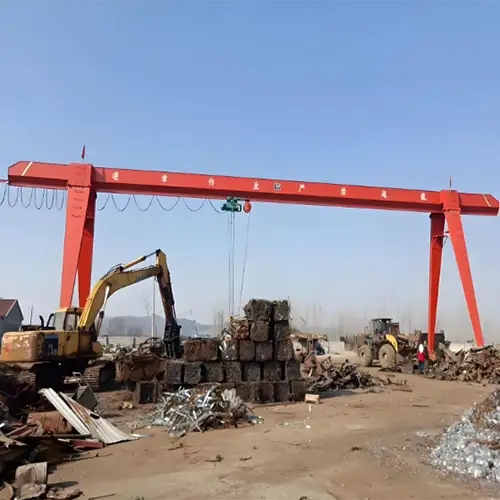
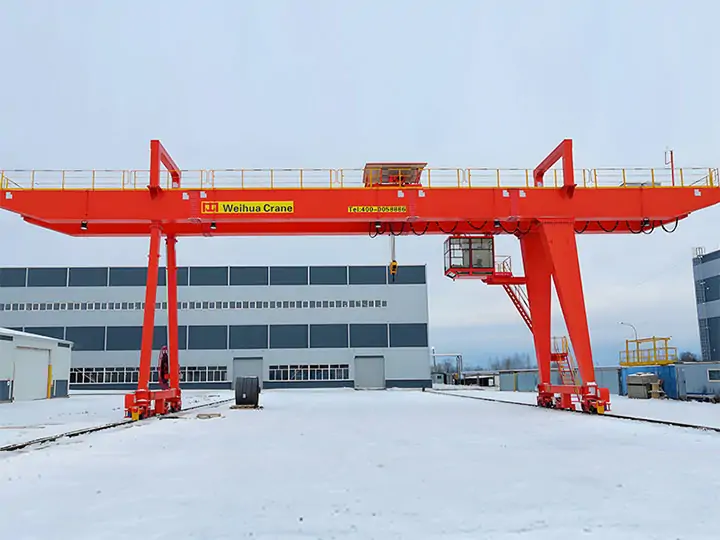
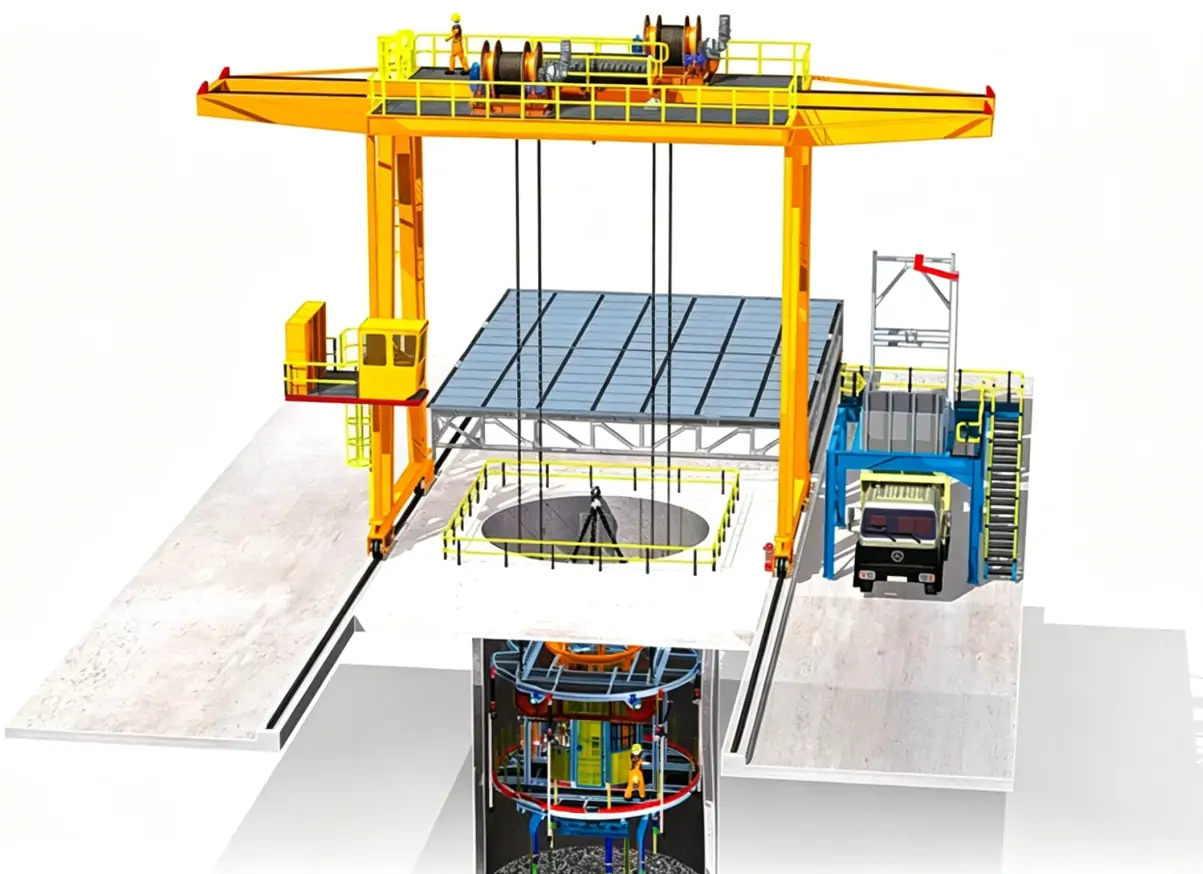
A grúa pórtico is a type of overhead lifting equipment supported by legs that run on ground rails or wheels. Its main components include the main girder, supporting legs, hoisting trolley, travel mechanism, and electrical control system, which allow the crane to lift and move heavy loads across a designated working area.
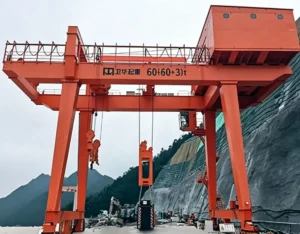
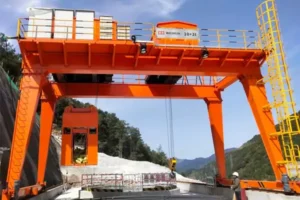
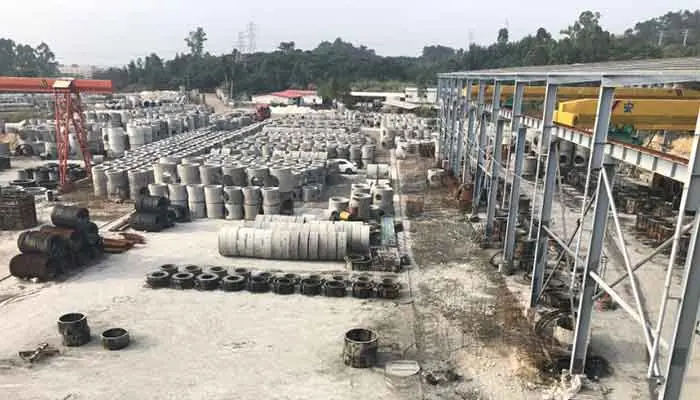
Gantry cranes are widely used in shipyards, container terminals, precast concrete yards, steel storage areas, construction sites, and other indoor or outdoor applications for handling large and heavy materials.
The difference between EOT crane and gantry crane mainly lies in their structure, installation method, supporting system, working environment, and application requirements.
The following table shows the differences between EOT crane and gantry crane to help you compare their features and applications.
Comparison Item
Grúa EOT
Grúa pórtico
Estructura
Bridge girder, end trucks, hoist trolley, runway system
Main girder, legs, hoist trolley, travel system
Instalación
Installed on building-supported runway beams
Installed on ground rails with support legs
Support
Uses factory columns or building structure
Uses independent legs
Working Area
Mainly indoor factories and workshops
Indoor and outdoor areas
Space Requirement
Requires existing building structure and saves floor space
Requires ground space for rails and legs
Movement
Travels on overhead runway beams
Travels on ground rails or wheels
Aplicaciones
Factories, steel mills, warehouses, workshops
Shipyards, container yards, construction sites
Costo de instalación
Lower when building structure is available
Higher due to legs, rails, and foundation requirements
Mantenimiento
Easier indoor maintenance
Requires outdoor protection and regular inspection
Weather Protection
Usually used indoors with less weather impact
Requires weather-resistant design for outdoor use
Relocation
Fixed installation, difficult to move
Easier to relocate between working areas
Cost
Lower total cost when suitable building structures exist
Higher initial cost due to supporting structures and rail systems
EOT cranes are mainly designed for indoor factory lifting operations, while gantry cranes provide more flexible installation options for indoor and outdoor material handling applications.
EOT Crane vs Gantry Crane: Which One Should You Choose?
After understanding the difference between EOT crane and gantry crane, the next step is selecting the right crane based on your working environment, installation conditions, and lifting requirements.
Choose EOT Crane
Has existing overhead beams or building support structures.
Mainly used for indoor operations.
Floor space needs to be kept clear for production and storage.
Heavy loads need to be handled frequently.
High lifting precision and stable operation are required.
Applications include factories, warehouses, steel plants, machinery workshops, and assembly areas.
Load capacity requirements are typically above 50 tons.
Choose Gantry Crane
There is no suitable building structure for overhead crane installation.
Lifting operations are required in outdoor areas.
The working area is open, such as yards, ports, or construction sites.
Flexible installation and wider working coverage are needed.
Temporary lifting solutions are required for projects.
Loads need to be moved across open spaces.
Applications include shipyards, container terminals, construction sites, and prefabrication yards.
Choosing the right type of crane can improve lifting efficiency and reduce installation constraints. EOT cranes are more suitable for fixed indoor lifting operations, while gantry cranes provide greater flexibility for outdoor and open-area applications.
Applications Of EOT Crane And Gantry Crane
EOT cranes and gantry cranes are widely used in industrial material handling, but their application areas are different due to their installation methods and working environments.
EOT Crane Applications
Manufacturing Plants
Handling machinery parts, steel products, and production materials.
Steel Mills
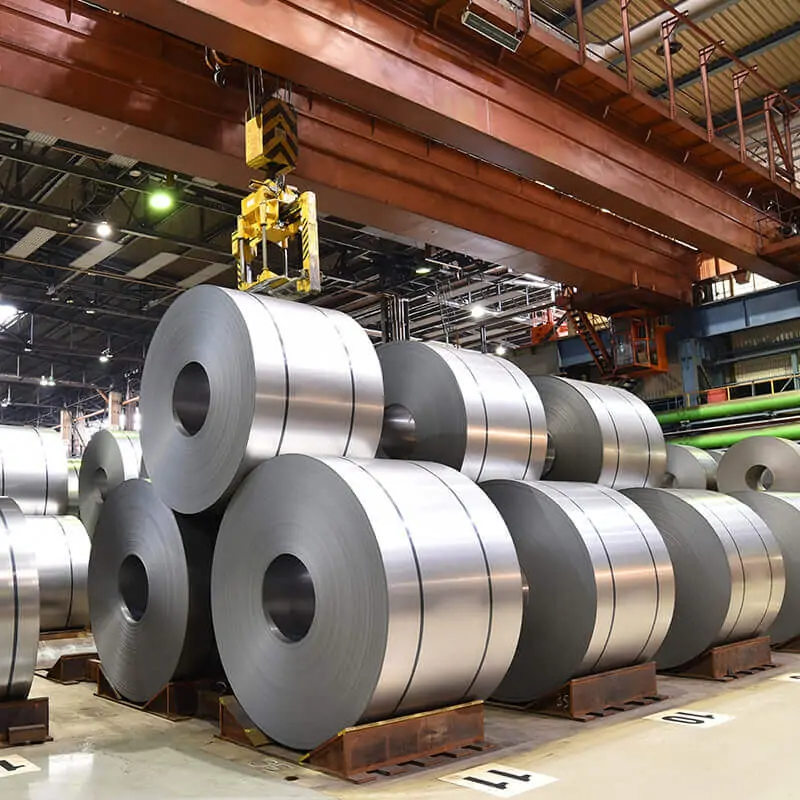
Moving steel coils, plates, billets, and heavy components.
Warehouses
Loading, unloading, and transferring heavy goods.
Machinery Workshops
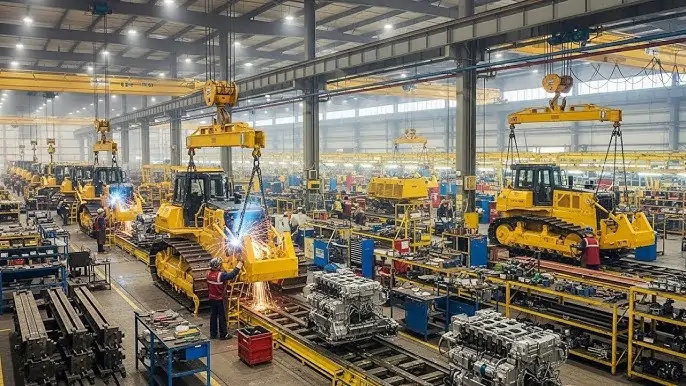
Supporting equipment assembly, maintenance, and processing operations.
Automotive Plants
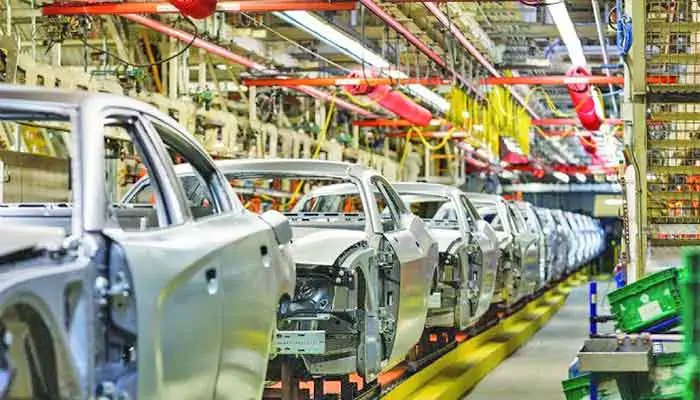
Handling vehicle components and assembly parts.
Power Plants
Lifting heavy equipment, generators, and maintenance components.
Gantry Crane Applications
Shipyards
Lifting ship sections and large structural components.
Container Terminals
Handling containers and heavy cargo.
Construction Sites
Moving building materials and prefabricated components.
Precast Concrete Yards
Handling concrete beams, slabs, and large structures.
Outdoor Storage Yards
Moving steel materials, equipment, and bulk goods.
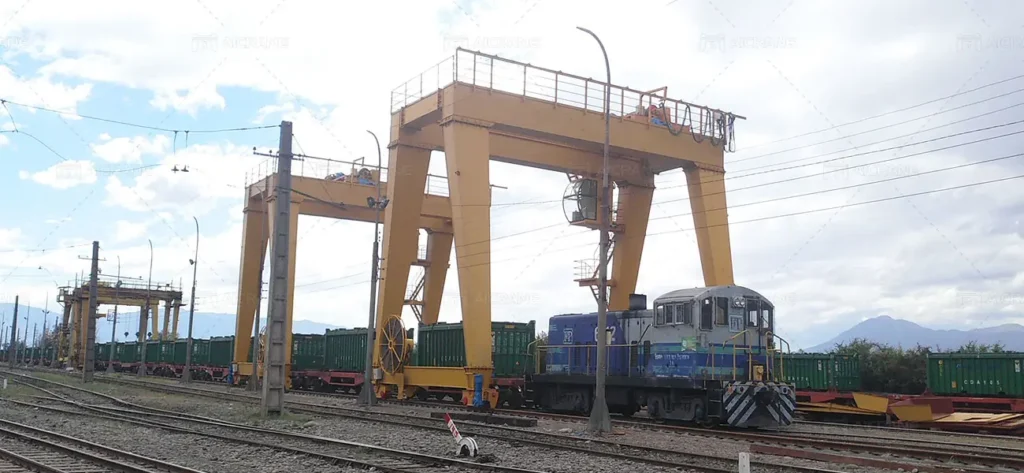
Railway Yards
Loading, unloading, and transferring railway components and containers.
EOT cranes are mainly used for indoor industrial lifting where stable operation and efficient use of workspace are required. Gantry cranes provide more flexible solutions for outdoor and open-area material handling.
EOT Crane And Gantry Crane Cost Comparison
Cost is also an important factor when comparing the difference between EOT crane and gantry crane, as installation conditions and crane configurations directly affect the final investment. In many cases, an EOT crane can have a lower total installation cost when the factory already has suitable runway structures. A gantry crane may require additional costs for legs, rails, and foundation work.
Lifting Capacity – Higher load capacity requires stronger structures and more powerful lifting systems.
Span – A longer span increases the size of the crane structure and supporting components.
Lifting Height – Higher lifting requirements may require longer wire ropes, stronger mechanisms, and customized designs.
Duty Class – Crane working frequency and operation intensity affect the selection of components and overall cost.
Custom Design – Special requirements such as outdoor protection, special lifting devices, or customized control systems can influence the final cost.
Since every lifting project has different requirements, the actual cost of an EOT crane or gantry crane should be evaluated based on your application details. Contact WEIHUA for a customized crane solution based on your lifting needs.
For a more in-depth look at price analysis, please refer to the following article:
Understanding the difference between EOT crane and gantry crane helps you select the right lifting equipment for your factory or outdoor operation. EOT cranes are ideal for indoor factories with existing overhead structures, while gantry cranes offer flexible installation options for outdoor areas and locations without building support.
With experience in industrial lifting equipment manufacturing, WEIHUA designs and supplies customized EOT cranes and gantry cranes for different factory and outdoor applications. Contáctanos to discuss your project requirements and find the right crane solution for your operation.
Preguntas frecuentes
What is the difference between EOT crane and gantry crane?
EOT cranes are installed on overhead runway beams supported by a building structure and are mainly used for indoor lifting. Gantry cranes are supported by legs running on ground rails and are suitable for indoor or outdoor applications without overhead structures.
Is an EOT crane better than a gantry crane?
Neither crane is better in all situations. EOT cranes are ideal for indoor factories with existing structures, while gantry cranes are better for open areas, outdoor lifting, or locations without suitable building support.
Can a gantry crane be used indoors?
Yes. Gantry cranes can be used indoors, especially in workshops or facilities where installing overhead runway beams is difficult or not economical.
What industries use EOT cranes?
EOT cranes are commonly used in steel mills, manufacturing plants, warehouses, machinery workshops, automotive plants, and power plants for heavy material handling.
What industries use gantry cranes?
Gantry cranes are widely used in shipyards, container terminals, construction sites, precast concrete yards, railway yards, and outdoor storage areas.
Which crane is suitable for outdoor lifting?
Gantry cranes are generally more suitable for outdoor lifting because they have independent support legs and do not require a building structure.
Are EOT cranes cheaper than gantry cranes?
The cost depends on lifting capacity, span, lifting height, duty class, and customization requirements. EOT cranes may have lower installation costs when suitable building structures already exist.
How do I choose between an EOT crane and a gantry crane?
Choose based on your working environment, available space, load requirements, lifting frequency, and installation conditions. EOT cranes are suitable for fixed indoor operations, while gantry cranes provide more flexibility for outdoor and open-area applications.
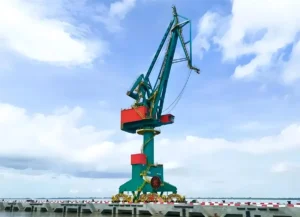
Introducción del Producto Una grúa pórtico giratoria, también conocida como grúa pórtico portuaria o grúa pluma pórtico, es una solución de elevación de alta resistencia diseñada para operaciones de muelle, manipulación de carga a granel y transferencia de contenedores. Con una estructura de pórtico con mecanismo giratorio de 360°, proporciona una amplia cobertura de trabajo y alta eficiencia operativa en entornos portuarios concurridos. Ofrecemos diseños totalmente personalizados, que incluyen capacidad de elevación, alcance, altura de elevación, vano de riel, clase de trabajo y sistemas de energía para satisfacer sus requisitos específicos de operación portuaria. Reproducir Video A continuación se muestran ejemplos de aplicaciones reales de nuestras grúas para manipulación de carga portuaria en múltiples puertos. Haga clic para ver. Dispersores Personalizados La selección de accesorios de elevación para grúas pórtico giratorias ofrece versatilidad y se puede cambiar según diferentes materiales y requisitos, satisfaciendo las diversas necesidades para carga a granel, carga general, contenedores y otros materiales. Al seleccionar accesorios, se deben tener en cuenta de manera integral las características físicas del material (forma, dimensiones, peso, composición del material), la forma del embalaje y la eficiencia de manipulación. A continuación se presentan los accesorios de elevación de uso común para grúas pórtico giratorias y sus descripciones: Ganchos Los tipos de gancho simple y gancho doble son…
Grúa para Levantar Lanchas, también conocida como Polipasto para Lanchas, Grúa Marina de Traslado o Elevador de Yates, es un equipo especializado diseñado para levantar, mover y lanzar embarcaciones. Se utiliza ampliamente en marinas de yates, astilleros, bases de reparación de barcos y centros de servicio marítimo. Típicamente presenta una estructura de pórtico, transmisión hidráulica y un sistema de eslingas ajustable, que proporciona soporte flexible adaptado a la forma del casco, permitiendo un manejo seguro y estable de diversos tipos de embarcaciones. Las grúas para manejo de barcos en puertos ofrecen capacidades de elevación que van desde 10 hasta 1200 toneladas, luces de 6 a 20 metros, alturas de elevación personalizables y una opción de sistemas de desplazamiento sobre ruedas o sobre rieles. Caracterizadas por su alta capacidad de carga, operación estable, radio de giro compacto y amplia compatibilidad con embarcaciones, soportan todo el ciclo de vida de los buques, incluyendo operaciones de lanzamiento/recolección, mantenimiento en dique seco, reacondicionamiento del casco, servicio y transferencia. Ofrecemos múltiples variantes de Grúas para Levantar Lanchas, incluyendo modelos estándar, de gran luz, de alta resistencia, de eficiencia energética y soluciones totalmente personalizables adaptadas a la eslora, manga, peso de la embarcación y diseño del muelle. Póngase en contacto con nuestro equipo para diseños a medida y soporte técnico. Por favor, consulte este artículo para más detalles: Tipos de…
Introducción del Producto Una Grúa Pórtico Montada en Rieles (Grúa RMG) es una grúa de manejo de contenedores de alta eficiencia que opera sobre rieles fijos, ampliamente utilizada en patios de contenedores, terminales intermodales y centros logísticos para apilar, transferir y cargar/descargar contenedores ISO. Diseñadas para operaciones intensivas y continuas, las grúas RMG ofrecen un rendimiento estable, alta precisión de posicionamiento y una excepcional utilización del patio. La grúa pórtico montada en rieles de Weihua se adhiere estrictamente a los últimos estándares nacionales e internacionales, incluyendo FEM, DIN, IEC, AWS y GB en sus procesos de diseño, fabricación e inspección. El equipo ofrece ventajas como multifuncionalidad, alta eficiencia, operación estable y confiable, y amplia cobertura. También proporciona mayor conveniencia en el uso, mantenimiento y conservación, brindando capacidades operativas sostenidas y eficientes para patios de contenedores. Personalizamos cada parámetro clave, incluyendo el vano, la altura de elevación, las capas de apilamiento, la capacidad de elevación, el ancho de vía, el modo de operación, el sistema de suministro de energía y las funciones de automatización inteligente como antivibración, autoposicionamiento, control remoto y reconocimiento de contenedores. Si está planificando un nuevo patio de contenedores o actualizando equipos existentes, póngase en contacto con nuestro equipo técnico para una propuesta a medida. Le proporcionaremos consulta de ingeniería profesional, coincidencia precisa de diseño y una...
Product Introduction Rubber Tyred Gantry RTG Cranes offer exceptional mobility and are designed for high-intensity yard operations, providing high productivity and stable performance. It features an advanced control system that enables precise positioning and minimizes sway, ensuring safer loading and unloading of containers or oversized cargo. RTG cranes offer various options, including diesel, hybrid, or fully electric drive systems, helping operators reduce fuel consumption and operating costs while maintaining reliable lifting capabilities and a long service life. Rubber Tyred Gantry Cranes are widely used across container terminals, railway hubs, logistics centres, and industrial storage yards, supporting both standard container transport and heavy-duty material handling. To meet different yard layouts and operational requirements, we offer full customization, including span width, lifting height, wheel configuration, stacking layers, power system, and intelligent control options. Our engineering team can tailor an RTG crane to your site conditions and boost your overall yard efficiency. Related gantry cranes used in ports and terminals also include: Container Handling Gantry Crane Solutions for Ports and Terminals, and Rail Mounted Container Gantry Crane. RTG cranes come in a variety…
Introducción del producto La grúa puente monorraíl, también conocida como grúa EOT monorraíl, presenta una estructura compacta, peso ligero y baja carga sobre las ruedas, lo que la convierte en una opción ideal para ubicaciones que requieren alta eficiencia operativa y espacio optimizado en el edificio. Su diseño combina una viga principal única con un polipasto de baja altura, lo que permite una mayor altura de elevación al tiempo que garantiza la integridad estructural. El equipo también ofrece bajo nivel de ruido, mantenimiento mínimo y fácil instalación. Mediante configuraciones opcionales como variadores de frecuencia, tecnología antivibración y monitoreo inteligente, este equipo logra una mayor eficiencia de elevación y una operación más segura al tiempo que reduce eficazmente las cargas estructurales y los costos operativos. Ampliamente utilizada en fabricación, mecanizado, producción de estructuras de acero, almacenamiento logístico, automoción e industrias ligeras, se adapta a diversos escenarios, desde la manipulación de materia prima y transferencias de líneas de producción hasta el mantenimiento de equipos. Para una visión en profundidad de las grúas EOT monorraíl, lea el artículo: ¿Qué es una grúa EOT monorraíl? Accesorios de elevación personalizados Gancho de elevación Dispositivo de elevación universal estándar adecuado para la mayoría de las operaciones de manipulación de materiales en fábricas. Personalizable según el tonelaje y los requisitos estructurales. Cuchara de agarre diseñada para cargar y descargar materiales a granel como arena,…