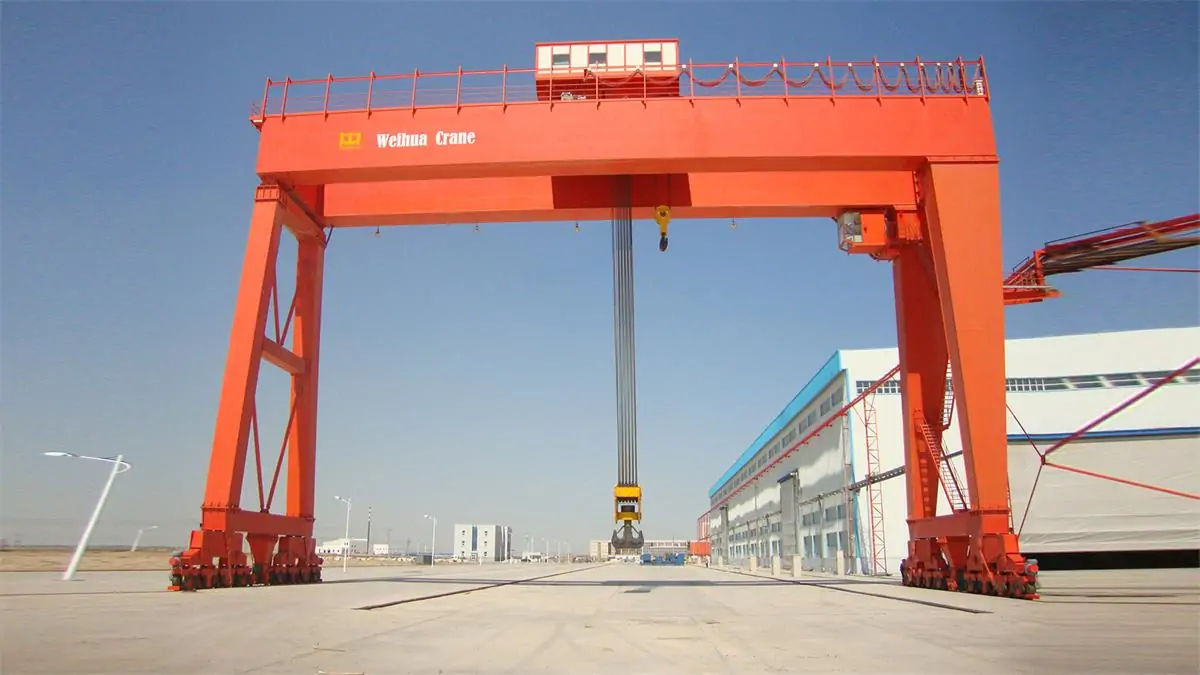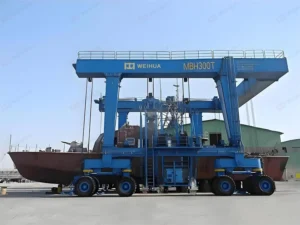
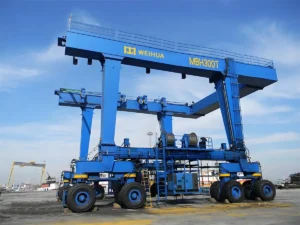

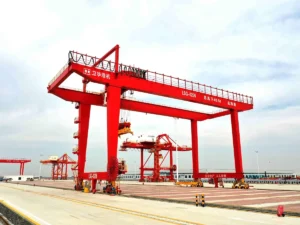
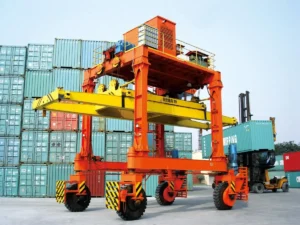
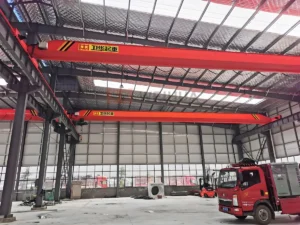
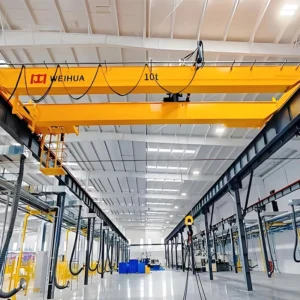
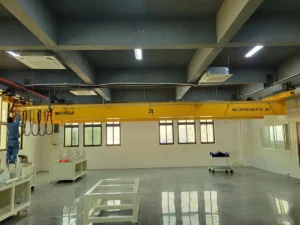








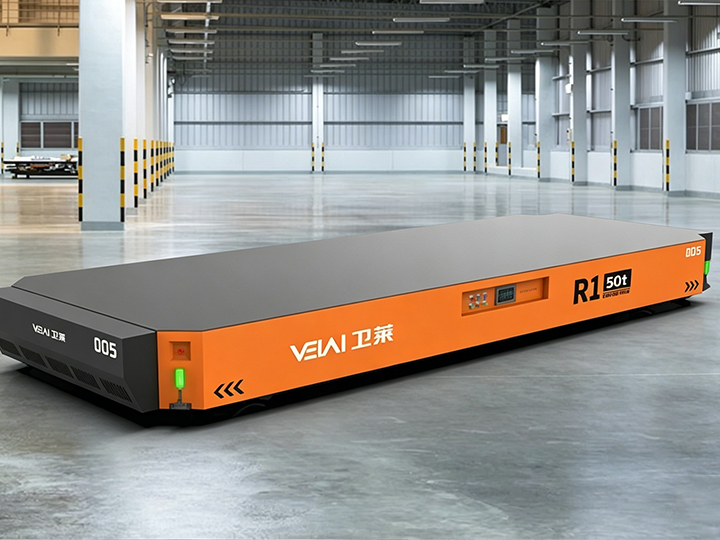
عربة نقل السكك الحديدية هي مركبة مسطحة آلية تسير على قضبان فولاذية ثابتة لنقل الأحمال الثقيلة - كالآلات، ولفائف الصلب، والقوالب، والمنصات، أو المنتجات المُجمّعة - داخل المصنع أو المستودع أو ورشة العمل. وعلى عكس الرافعات الشوكية أو الرافعات، فهي لا ترفع الأحمال، بل تنقلها أفقيًا من محطة إلى أخرى بدقة وتكرار.
تكمن المشكلة الأساسية التي يحلها هذا النظام في أمر بسيط: عندما تكون الأحمال ثقيلة جدًا أو عريضة جدًا أو يصعب نقلها بواسطة الرافعات الشوكية - وعندما تحتاج إلى نقلها عبر نفس المسار عشرات المرات في اليوم - عربات نقل السكك الحديدية التخلص من الاعتماد على الرافعات العلوية، وتقليل المناولة اليدوية، والحفاظ على استمرار الإنتاج دون اختناقات.
يغطي هذا الدليل كيفية عمل عربات نقل السكك الحديدية، والأنواع الرئيسية المتاحة في عام 2026، وما الذي يدفع قرار الاختيار، وعوامل الصيانة والامتثال التي تتجاهلها فرق المشتريات عادةً حتى فوات الأوان.
جدول المحتويات
كيف تعمل عربة نقل السكك الحديدية؟
مبدأ التشغيل الأساسي
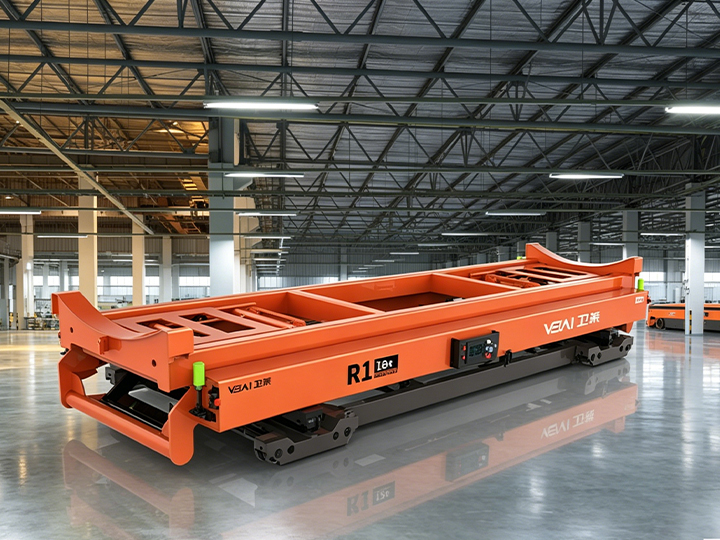
تتحرك عربة نقل المواد على سكتين فولاذيتين متوازيتين مثبتتين في أرضية الورشة أو عليها. وتستقر منصة العربة - وهي عادةً سطح فولاذي ملحوم - على مجموعة عجلات تتحرك على السكة. ويقوم نظام الدفع بتحريك العربة للأمام والخلف على طول السكة.
يُحدد المسار مسار الحركة بدقة تامة. لا مجال للتوجيه أو الانحراف أو إعادة التموضع. هذا القيد تحديدًا هو ما يجعل النظام موثوقًا به في المهام الصناعية المتكررة: فالحمولة تسلك المسار نفسه في كل دورة، مع ثبات موضعها في كل محطة.
أنظمة الدفع: ما الذي يحرك العربة؟
تختلف آلية التشغيل باختلاف التطبيق والبيئة. الأنواع الأربعة الأكثر شيوعًا هي:
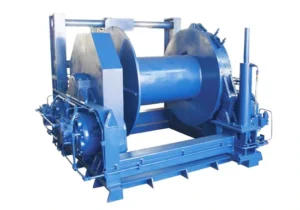
محرك بكرة الكابل (كابل السحب): يلتف الكابل وينفك على بكرة مثبتة في أحد طرفي المسار. هذا هو الخيار الأبسط والأقل تكلفة، وهو مناسب تمامًا لمسافات النقل القصيرة (أقل من 30 مترًا) والبيئات التي يُسمح فيها باستخدام قنوات الكابلات المثبتة على الأرض.
محرك سكة الجهد المنخفض (سكة الموصل): يتم توصيل الطاقة باستمرار عبر سكة معزولة تمتد بمحاذاة المسار الرئيسي. تستمد العربة الطاقة من السكة عبر فرش كربونية. هذا يلغي الحاجة إلى الكابلات المتدلية ويدعم مسافة تنقل غير محدودة. إنه الخيار الأمثل لخطوط الإنتاج المزدحمة حيث تعمل العربات بشكل متواصل.
محرك يعمل بالبطارية: تحتوي العربة على بطارية داخلية. لا حاجة إلى بنية تحتية خارجية للطاقة، مما يجعل تركيبها سريعًا ومرنًا. تُستخدم عربات البطاريات بكثرة في المنشآت التي تضم مناطق عمل متعددة منفصلة أو حيث يكون حفر الخنادق الأرضية لتركيب القضبان غير عملي.
جهاز تحكم لاسلكي / نوع الضغط: تستخدم بعض العربات الخفيفة قوة دفع يدوية (مع مساعدة آلية) أو يتم التحكم بها بالكامل عن طريق جهاز تحكم لاسلكي مزود بمصدر طاقة داخلي. وهي مناسبة لمهام الحركة منخفضة التردد.
التحكم وتحديد المواقع
تستخدم العربات الأساسية أزرارًا بسيطة تعمل بالضغط: للأمام، للخلف، للتوقف. أما الأنظمة الأكثر تطورًا فتتضمن ما يلي:
- مستشعرات تحديد المواقع (مغناطيسية أو بصرية) التي تُفعّل التوقف التلقائي في محطات محددة مسبقًا
- لوحات التحكم القائمة على وحدات التحكم المنطقية القابلة للبرمجة (PLC) مع مسارات قابلة للبرمجة وملفات تعريف السرعة
- جهاز تحكم لاسلكي عن بعد لتنقل المشغل
- التكامل مع أنظمة إدارة عمليات التصنيع (MES) أو أنظمة التحكم الإشرافي وجمع البيانات (SCADA) على مستوى المصنع لجدولة الإنتاج الآلية
بالنسبة للمنشآت التي تتجه نحو الثورة الصناعية الرابعة، يقدم بعض المصنعين الآن عربات مزودة بمراقبة تدعم إنترنت الأشياء - تتبع عدد الدورات ودرجة حرارة المحرك وحالة البطارية عن بعد.
الأنواع الرئيسية لعربات نقل السكك الحديدية
بواسطة مصدر الطاقة
| اكتب | نطاق السفر النموذجي | الأفضل لـ | التكلفة النسبية |
|---|---|---|---|
| بكرات الكابلات | ≤30 م | مسارات نقل مكوكية بسيطة | قليل |
| سكة موصلة (جهد منخفض) | غير محدود | خطوط إنتاج عالية الدورة | واسطة |
| يعمل بالبطارية | غير محدود (مع توقفات الشحن) | تصميمات مرنة أو متعددة المناطق | واسطة |
| قضيب توصيل KPX | غير محدود | الاستخدام الشاق والمتكرر | متوسط إلى مرتفع |
حسب التكوين الهيكلي
عربة نقل ذات سطح مستوٍ: التصميم القياسي. منصة فولاذية مسطحة تقبل أي شكل من أشكال الأحمال. عادةً ما يكون سطح المنصة مطليًا أو مزودًا بألواح مانعة للانزلاق. تتراوح السعة من طن واحد إلى 500 طن أو أكثر للإصدارات المتخصصة في الصناعات الثقيلة.
عربة نقل القرص الدوار: تتضمن منصة دوارة (يدوية أو آلية) تسمح بتغيير اتجاه الأحمال أثناء النقل. شائعة الاستخدام في تطبيقات مناولة القوالب حيث يجب محاذاة القالب مع المكبس في اتجاه محدد.
عربة نقل مزودة برافعة مقصية: يجمع هذا النظام بين النقل الأفقي والرفع الرأسي. يرتفع سطحه أو ينخفض هيدروليكيًا، مما يسمح للعربة بالالتحام مع السيور الناقلة أو محطات العمل على ارتفاعات مختلفة. وهو مفيد في خطوط التجميع حيث يختلف ارتفاع العمل المريح باختلاف المحطة.
عربة نقل متعددة المستويات / رفوف: ينقل الأحمال على مستويات متعددة في وقت واحد. يُستخدم في المستودعات أو توزيع قطع الغيار حيث يلزم نقل العديد من وحدات التخزين معًا.
حسب قطاع التطبيق
تبدو المعدات متشابهة في مختلف الصناعات، لكن المواصفات تختلف اختلافاً كبيراً:
- مصانع الصلب ومعالجة المعادن: تعمل العربات التي تحمل اللفائف أو القضبان في بيئات ذات درجات حرارة عالية وغبار كثيف. يجب أن تكون المواد مقاومة للحرارة؛ ويجب تحسين نظام منع التسرب.
- صناعة السيارات: تُستخدم العربات لنقل ألواح الهيكل، أو مجموعات نقل الحركة، أو المركبات المُجمّعة. دقة تحديد المواقع أمر بالغ الأهمية؛ كما أن التحكم في التلوث أمر ضروري.
- مصانع الصب وورش الصب: حرارة شديدة، أحمال ثقيلة (قوالب تصل إلى أكثر من 100 طن)، دورات قصيرة.
- التخزين والخدمات اللوجستية: الأحمال الأخف، ومسافات السفر الأطول، والطاقة التي تعمل بالبطارية هي الخيار المفضل.
كيفية اختيار عربة نقل السكك الحديدية المناسبة
الخطوة الأولى: تحديد معلمات الحمل أولاً
قبل مقارنة الموردين أو الأسعار، حدد ثلاثة أرقام:
- أقصى وزن للحمولة — يشمل ذلك وزن أي تركيبات أو منصات نقالة، وليس المنتج فقط.
- بصمة التحميل — طول × عرض أثقل وأكبر عنصر يتم نقله.
- مركز الثقل تُؤدي الأحمال غير المتوازنة إلى قوى انقلاب. إذا لم يكن مركز الثقل متمركزًا، فقد يحتاج سطح العربة إلى تصميم مخصص.
تحدد هذه الأرقام الثلاثة حجم سطح السفينة المطلوب، وتكوين العجلات، وقياس السكة. ويُعدّ الخطأ في تحديدها في مرحلة المواصفات السبب الأكثر شيوعًا لإعادة العمل المكلفة.
الخطوة الثانية: رسم مسار الرحلة والبيئة المحيطة
ارسم مسار الرحلة بمقياس رسم مناسب. ملاحظة:
- إجمالي المسافة المقطوعة (يؤثر على اختيار نظام القيادة وتوجيه الكابلات/السكك الحديدية)
- حالة الأرضية هل الأرضية مستوية، أم مائلة، أم بها فواصل تمدد؟ تختلف تكلفة تركيب السكة الحديدية بشكل كبير حسب جودة الأرضية.
- الظروف البيئية — نطاق درجة الحرارة، الغبار، الرطوبة، التعرض للمواد الكيميائية
- قيود التخليص — الارتفاع العلوي، والمسافات الجانبية في المحطات
بالنسبة للمنشآت التي تستخدم بالفعل الخدمات اللوجستية الآلية على غرار المركبات الموجهة آلياً، قد تندمج عربة النقل الذكية التي تعمل بالبطارية بشكل أكثر سلاسة من نظام السكك الحديدية الثابتة، لا سيما عندما تكون هناك حاجة إلى مرونة المسار.
الخطوة 3: تحديد تردد الدورة ودورة التشغيل
تختلف متطلبات المحرك ونظام القيادة لعربة تنقل الأحمال 5 مرات في كل وردية اختلافًا كبيرًا عن تلك التي تعمل 60 مرة في الوردية الواحدة. وتحدد دورة التشغيل ما يلي:
- تحديد حجم المحرك والفئة الحرارية
- سعة البطارية (في حالة التشغيل بالبطارية)
- معدلات تآكل عجلة القيادة والسكك الحديدية
- فترات التشحيم والصيانة
يُعدّ تقليل دورة التشغيل الخطأ التقني الأكثر شيوعًا في شراء عربات النقل. لذا، احرص دائمًا على تحديد... معدل الدورة القصوى, وليس المتوسط.
الخطوة الرابعة: متطلبات تكامل التحكم
إذا كانت عربة النقل تعمل كجزء من خط إنتاج آلي أكبر، فتأكد مما يلي:
- ما هي الإشارات التي تحفز حركة العربة (المستشعر، مخرج وحدة التحكم المنطقية القابلة للبرمجة، مدخلات المشغل)؟
- ما هي الإشارات التي تحتاج العربة إلى إرسالها إلى أسفل المصب (تأكيد الوصول، حالة العطل)؟
- هل هناك حاجة لتغيير السرعة (الاقتراب البطيء من المحطات، والسفر السريع بينها)؟
- هل تحتاج العربة إلى التفاعل مع وحدات التحكم المنطقية القابلة للبرمجة (PLCs) الخاصة بالسلامة لدمج وظيفة التوقف الطارئ؟
الامتثال والسلامة والمعايير
المعايير المطبقة
عادةً ما يُشترط على عربات نقل البضائع بالسكك الحديدية المباعة في الأسواق الدولية أن تستوفي واحداً أو أكثر من الشروط التالية:
| معيار | منطقة | نِطَاق |
|---|---|---|
| علامة CE (توجيه الآلات 2006/42/EC) | أوروبا | السلامة العامة للآلات |
| معايير GB/T (على سبيل المثال، GB/T 14405) | الصين | معدات التخزين والمناولة |
| ASME B20.1 | أمريكا الشمالية | معايير السلامة الخاصة بالناقلات والمعدات ذات الصلة |
| ISO 9283 | عالمي | التحكم في الروبوتات الصناعية (ينطبق على أنظمة العربات الآلية) |
تأكد دائمًا من المعايير المطبقة في بلدك قبل إصدار طلب الشراء. علامة CE وحدها غير كافية لبعض أسواق أمريكا الشمالية أو الشرق الأوسط.
ميزات السلامة التي يجب تحديدها
كحد أدنى، يجب أن تتضمن عربة نقل السكك الحديدية المتوافقة ما يلي:
- نقاط توقف ميكانيكية عند طرفي المسار
- جهاز إنذار صوتي يتم تفعيل ذلك أثناء الحركة
- توقف طارئ يمكن الوصول إليها من خلال المعلق ومن المحطات الثابتة
- أجهزة منع الانحراف عن القضبان على مجموعة العجلات
- مفاتيح الحد ذلك الذي يقطع التيار الكهربائي قبل أن تصل العربة إلى نهاية المسار
بالنسبة للعربات التي تعمل في مناطق مرور المشاة، يُنصح بإضافة حواجز مادية أو ستائر ضوئية. يُعدّ التفاعل بين الإنسان والآلة في مناطق تشغيل العربات السبب الرئيسي للحوادث المتعلقة بعربات النقل.
خاتمة
تُقدّم عربة نقل السكك الحديدية حلاً لمشكلة محددة وهامة: نقل الأحمال الثقيلة أو غير المنتظمة بشكل متكرر على طول مسار ثابت، بكفاءة وأمان، دون الحاجة إلى رافعات أو رافعات شوكية. ويعتمد قرار الاختيار على أربعة عوامل رئيسية: خصائص الحمولة، ومسار النقل والبيئة المحيطة، ودورة التشغيل، وتكامل أنظمة التحكم. وبمراعاة هذه العوامل، يصبح تحديد مواصفات المعدات أمراً بسيطاً.
الخطوات العملية التالية:
- قم بتوثيق وزن الحمولة، ومساحة القاعدة، ومركز الثقل قبل التحدث مع أي مورد.
- حدد مسار رحلتك وحدد أي قيود بيئية (الحرارة، الغبار، الرطوبة).
- تأكد من معايير السلامة المطبقة في سوقك قبل إصدار طلب عرض أسعار - فهذا يؤثر على كل من متطلبات التصميم ووقت التسليم.
إذا كان لديك تطبيق معين لست متأكدًا من كيفية تحديده،, تواصل مع فريق هندسي بفضل الخبرة في عربات النقل. يمكن لمحادثة مدتها 30 دقيقة في مرحلة تحديد المواصفات أن تمنع شهورًا من إعادة العمل بعد التسليم.
أسئلة شائعة
س1: ما الفرق بين عربة نقل السكك الحديدية ومركبة النقل الآلية (AGV)؟
تتبع عربة نقل السكك الحديدية مسارًا ثابتًا ومثبتًا، ولا يمكنها الانحراف عنه. أما المركبة الموجهة آليًا (AGV) فتعتمد في توجيهها على أنظمة الليزر أو الشريط المغناطيسي أو الكاميرات، مما يتيح مرونة في التوجيه دون الحاجة إلى بنية تحتية ثابتة. تتميز عربات نقل السكك الحديدية بانخفاض تكلفتها للوحدة الواحدة، وسهولة صيانتها، وملاءمتها للتطبيقات ذات المسارات الثابتة والمتكررة. توفر المركبات الموجهة آليًا (AGV) مرونة في التوجيه، وهي أنسب للمنشآت التي تتغير فيها تخطيطات الإنتاج بشكل متكرر، أو التي تتطلب مسارات متعددة. تتضمن بعض تصاميم عربات النقل الذكية الحديثة نظام توجيه مشابهًا لأنظمة المركبات الموجهة آليًا (AGV)، وتستحق الدراسة في سيناريوهات الاستخدام المختلط.
س2: ما هو مقياس السكة الحديدية ونوعها الذي يجب أن أحدده؟
يُحدد عرض السكة (المسافة بين مركزي السكة) عادةً بناءً على عرض سطح العربة ومتطلبات مساحة التحميل. تتراوح العروض الشائعة بين 600 مم و2000 مم، مع توفر عروض مخصصة. يُختار نوع السكة (سكة P، أو سكة QU، أو سكة رافعة قياسية) بناءً على حمولة العجلات وسرعة السير. في معظم تطبيقات عربات النقل الصناعية، تكفي سكك P18 إلى P43. أما في تطبيقات المسابك الثقيلة أو مصانع الصلب، فقد تتطلب سكك QU100 أو أثقل. يجب على الشركة المصنعة للعربة التأكد من اختيار السكة بناءً على حمولة العجلات المحسوبة، حيث أن السكة ذات المقاس الأصغر تتشوه تحت تأثير الأحمال الثقيلة المتكررة.
س3: كم مرة تحتاج عربات نقل السكك الحديدية إلى الصيانة؟
بالنسبة للعربات العاملة في البيئات الصناعية العادية، يتضمن جدول الصيانة الدورية عادةً ما يلي: فحص بصري يومي لمجموعة العجلات والمسار؛ تشحيم أسبوعي لسلسلة القيادة ومحامل العجلات وأسطح تلامس السكة؛ فحص شهري لمحرك القيادة والفرامل والوصلات الكهربائية؛ وفحص سنوي للهيكل الإنشائي وتثبيت السكة. تتطلب التطبيقات ذات الدورات العالية (أكثر من 50 دورة لكل وردية) أو البيئات القاسية (المسابك، الاستخدام الخارجي) فترات صيانة أكثر تكرارًا. تُعزى معظم أعطال أنظمة عربات النقل إلى تأجيل التشحيم أو إلى تآكل العجلات أثناء تشغيلها على أجزاء تالفة من السكة - وكلاهما يمكن الوقاية منه من خلال الفحص المنتظم.
س4: هل يمكن استخدام عربة نقل السكك الحديدية في الهواء الطلق؟
نعم، ولكن يجب أن تراعي المواصفات ظروف التشغيل الخارجية بشكل صريح. تشمل الاعتبارات الرئيسية تصنيف الحماية IP للغلاف الكهربائي والمحرك (IP54 كحد أدنى؛ IP65 أو أعلى للتعرض للمطر)، وحماية الهيكل والسكك الحديدية من التآكل (الجلفنة بالغمس الساخن أو الطلاء البحري)، واختيار مادة العجلات (عجلات الحديد الزهر عرضة للتغيرات الحرارية؛ قد يكون الفولاذ أو البولي يوريثان أفضل حسب نطاق درجة الحرارة)، وتوفير نظام تصريف في قاعدة السكة لمنع تجمع المياه في قناة السكة. تتطلب تطبيقات عربات النقل الخارجية في البيئات الساحلية أو ذات الرطوبة العالية إدارةً أكثر صرامة للتآكل من مواصفات المصنع القياسية.