








جدول المحتويات
مقدمة
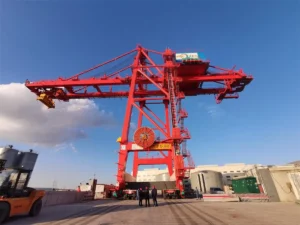
STS Crane (Ship-to-Shore Crane) is the main container handling equipment used at large container terminals. The crane lifting capacity determines the container weight and vessel size it can handle. Larger container ships and heavier cargo require higher-capacity STS cranes. The selected crane capacity affects terminal handling efficiency, equipment investment, and operating costs.
This article explains STS crane capacity ranges, common lifting capacity grades, and the main factors affecting crane capacity. I will also introduce how ports select suitable STS crane capacity based on vessel size, container weight, and actual operation requirements.
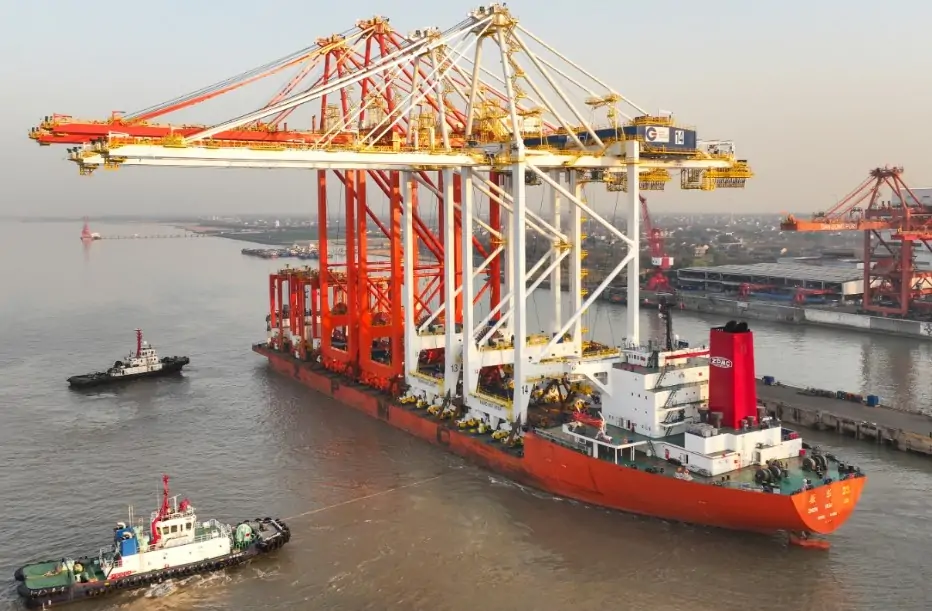
What Is STS Crane Capacity?
رافعة STS Capacity refers to the maximum weight an STS crane can safely lift under rated working conditions. It is also called Rated Load Capacity or Lifting Capacity, measured in tons. This parameter determines the crane’s ability to handle different container types, vessel sizes, and lifting operations.
The rated capacity is affected by container weight, spreader weight, lifting system design, working radius, and operating conditions. STS crane capacity is designed according to standards such as ISO و أنثى and follows the technical requirements of crane manufacturers.
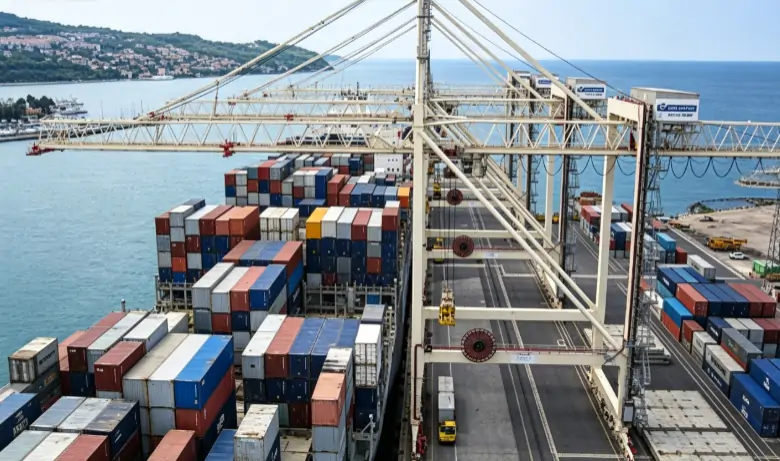
For ultra-large container vessels (ULCV), deck stacking can reach 7–8 tiers, and a fully loaded container can weigh around 30.5 tons. STS cranes for twin-lift operations usually require 65 tons or higher capacity. The crane capacity is selected based on outreach, lifting height, and structural design requirements.
Common STS Crane Rated Capacity Ranges
STS Crane rated capacity is one of the key parameters for port equipment selection. The required lifting capacity depends on vessel size, container weight, handling method, and terminal operation requirements. Common STS cranes are divided into four capacity levels.
| STS Crane Type | Rated Capacity | Vessel / Application | مواصفات |
|---|---|---|---|
| Panamax STS Crane | 30–50 tons | 4,000–5,000 TEU vessels, feeder ports | Outreach: 35–45 m |
| Post-Panamax STS Crane | 50–65 tons | 8,000–15,000 TEU vessels, regional terminals | Outreach: 50–65 m, Lifting height: 40–48 m |
| Super Post-Panamax STS Crane | 65–80 tons | 20,000+ TEU vessels, large hub ports | Outreach: 70 m+, Lifting height: 52 m+ |
| Heavy Duty STS Crane | 80–100+ tons | Heavy cargo and special lifting operations | Heavy-duty spreader or hook system |
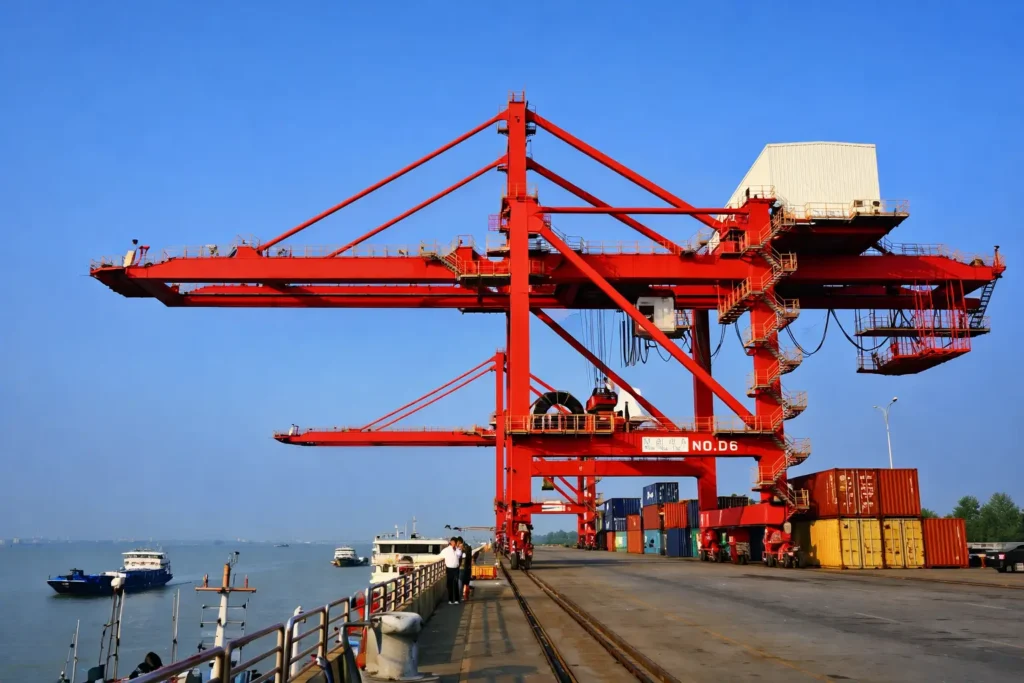
Panamax STS Crane (30–50 Tons)
Panamax STS cranes are designed for vessels with around 4,000–5,000 TEU capacity. They are mainly used in feeder ports and domestic container terminals where vessel size and throughput requirements are moderate.
المميزات:
- Rated capacity: 30–50 tons
- Outreach: 35–45 m
- Suitable for Panamax vessels
- Lower investment and maintenance requirements
Some Panamax STS cranes can be customized with different outreach and backreach ranges according to berth conditions and terminal layout.
احصل على عرض أسعار مخصص الآنPost-Panamax STS Crane (50–65 Tons)
Post-Panamax STS cranes are designed for larger container vessels with capacities from 8,000–15,000 TEU. They are widely used in regional transshipment ports and medium-sized container terminals.
المميزات:
- Rated capacity: 50–65 tons
- Outreach: 50–65 m
- Lifting height: 40–48 m
- Suitable for wider container ships
This capacity range is commonly used for terminals that handle both feeder vessels and mainline container ships.
احصل على عرض أسعار مخصص الآن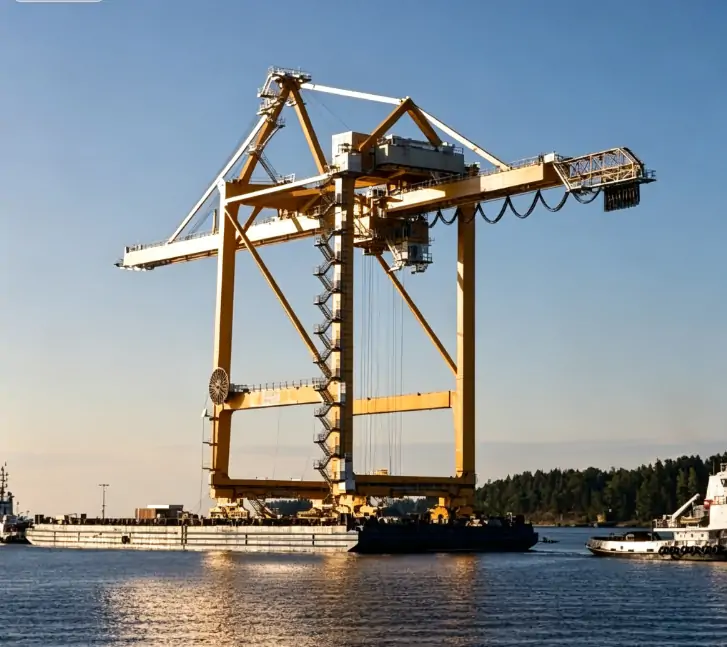
Super Post-Panamax STS Crane (65–80 Tons)
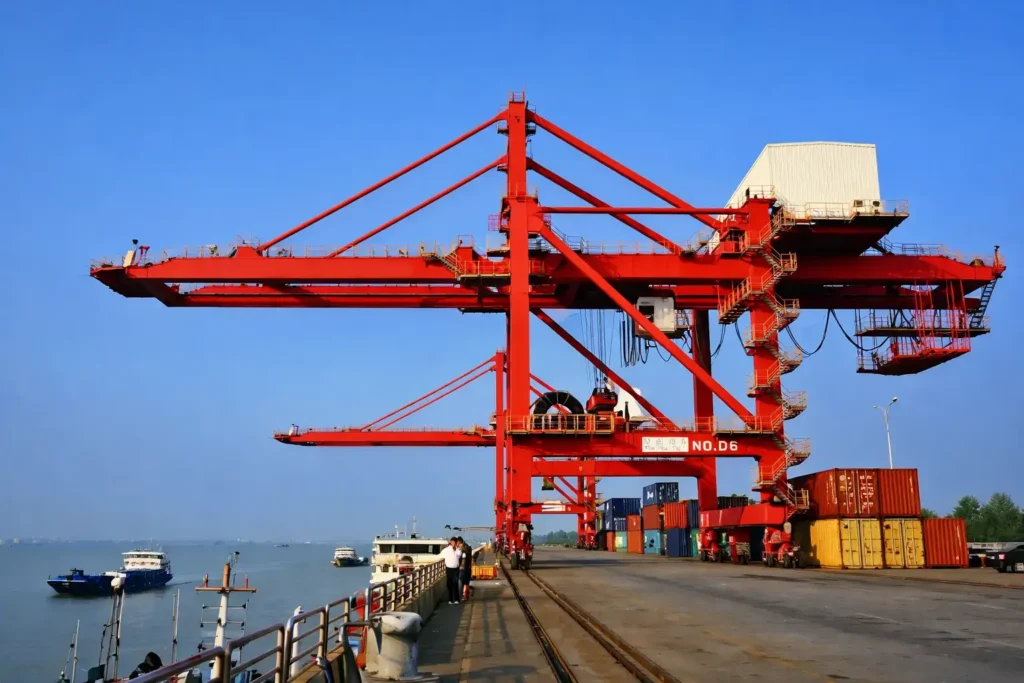
Super Post-Panamax STS cranes are built for ultra-large container vessels above 20,000 TEU. They are used in major hub ports that require large outreach, higher lifting height, and frequent container handling.
المميزات:
- Rated capacity: 65–80 tons
- Outreach: 70 m+
- Lifting height: 52 m+
- Supports twin-lift operation
- Handles vessels with 7–8 container tiers
A 65-ton STS crane can handle single container lifting to 65 tons and support twin-lift operations such as 2×20 tons or 2×40 tons depending on the spreader configuration. Large models can achieve high annual handling capacity for busy container terminals.
احصل على عرض أسعار مخصص الآنHeavy Duty / Special Application STS Crane (80–100+ Tons)
Heavy-duty STS cranes are designed for special lifting requirements, including oversized cargo, heavy containers, and industrial applications. These cranes usually use reinforced structures, heavy-duty hooks, or customized spreader systems.
المميزات:
- Rated capacity: 80–100+ tons
- Suitable for heavy cargo handling
- Customized lifting equipment
- Maximum under-hook capacity can exceed 80 tons
STS Crane Capacity Selection Guide
- 1. Panamax (4,000–5,000 TEU) — 30–50 Tons: Feeder ports, domestic terminals
- 2. Post-Panamax (8,000–15,000 TEU) — 50–65 Tons: Regional transshipment ports
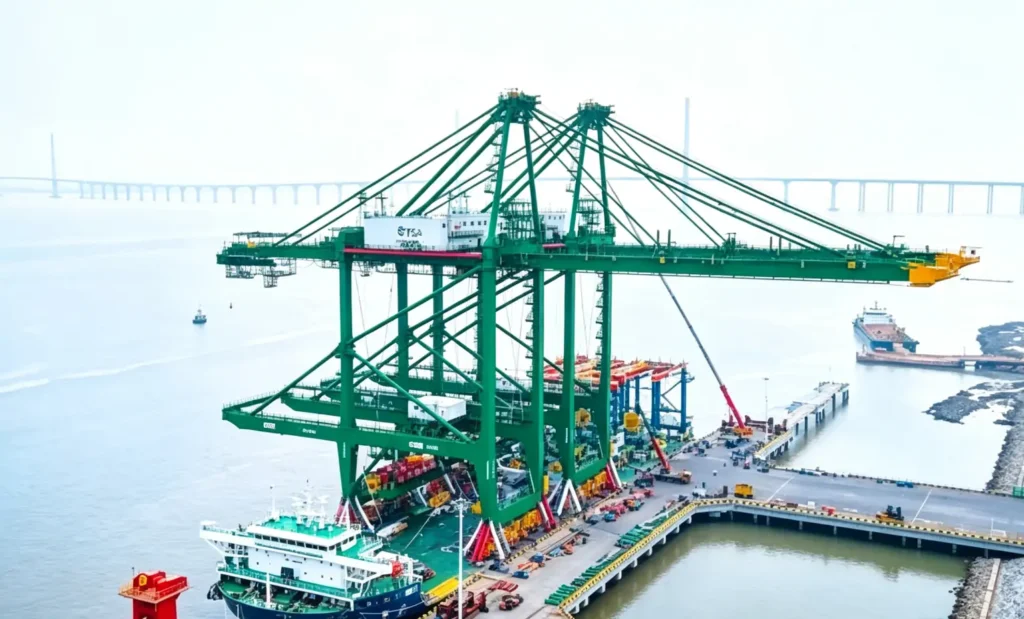
- 3. Super Post-Panamax (20,000+ TEU) — 65–80 Tons: Large container hub ports
- 4. Heavy Duty / Special Use — 80–100+ Tons: Multipurpose terminals, special cargo handling
STS Crane capacity is related to outreach, lifting height, and structural design. A larger outreach or higher lifting height increases structural loads and affects the final capacity rating. Ports should select crane capacity based on vessel size, container weight, throughput requirements, and future expansion plans. A suitable capacity avoids unnecessary investment and prevents operation limits caused by insufficient lifting capability.
The outreach radius of an STS crane directly determines whether the crane can fully cover the cargo being handled. For a detailed comparison of size specifications, see the article: STS Crane Outreach Explained: How to Match Crane Size to Container Ships?
Factors Affecting STS Crane Lifting Capacity
STS Crane lifting capacity is affected by structure design, working range, lifting system, spreader type, environment, and equipment condition. The rated capacity changes under different operating conditions.
- Structural Strength and Stability: The main beam, boom, legs, and counterweight system determine the crane load capacity. Larger outreach increases bending force and overturning moment, which reduces the allowable lifting load.
- Outreach and Working Radius: Outreach affects the lifting capacity directly. A 65-ton STS crane may lift 65 tons at shorter outreach, while the capacity can drop to around 40–50 tons at 70 m outreach.
- Lifting Height and Wire Rope System: Higher lifting height increases wire rope length and hoisting system load. Large STS cranes for ultra-large vessels usually require lifting heights above 52 m.
- Spreader Type and Load Distribution: Spreader weight reduces the available cargo lifting capacity. Twin-lift spreaders require higher-capacity cranes due to additional equipment weight and larger lifting loads.
- Environmental Conditions: Wind speed, temperature, and marine corrosion affect crane operation. Strong wind increases container swing and structural load during lifting.
- Equipment Condition and Maintenance: Steel structure condition, wire rope wear, brake performance, and mechanical components affect actual lifting ability. Regular inspection keeps the crane within its rated capacity.
STS Crane lifting capacity depends on structure design, outreach, lifting height, spreader configuration, working environment, and equipment condition. Ports should use the manufacturer’s load chart together with actual operating conditions when planning lifting operations.
65 Ton vs 80 Ton STS Crane: How To Choose?
The choice between a 65-ton and 80-ton STS Crane depends on vessel size, container weight, lifting method, and future terminal requirements. Both models are used for large container handling, but they serve different port operation needs.
| مُعامل | 65 Ton STS Crane | 80 Ton STS Crane |
|---|---|---|
| Rated lifting capacity under spreader | 65 tons | 80 tons |
| Hook lifting capacity | About 75 tons | 80 tons+ |
| Typical outreach | 60–65 m | 65–70 m+ |
| Suitable vessel size | 15,000–20,000 TEU | 20,000 TEU+ ULCV |
| الطبقة العاملة | A8 | A8 |
- 65 Ton STS Crane
A 65-ton STS Crane is widely used for Post-Panamax and large container terminals. It can handle vessels up to around 20,000 TEU with suitable outreach and lifting height. A typical 65-ton model features 65-ton spreader lifting capacity, around 75-ton hook capacity, 65 m outreach, and 45 m rail height plus 20 m below-rail lifting height. - 80 Ton STS Crane
An 80-ton STS Crane is designed for ultra-large container vessels and heavy-duty container handling. It provides higher lifting capacity and larger working range for ports handling 20,000 TEU+ vessels, twin-lift operations, or heavier cargo requirements.
The final selection should consider vessel development plans, berth conditions, and expected throughput. A higher capacity crane increases investment and maintenance requirements, so the specification should match the actual port operation.
How To Choose The Right STS Crane Capacity?
STS Crane capacity selection depends on vessel size, container weight, operation method, investment budget, and future port development plans. The rated capacity should meet current handling requirements without creating unnecessary equipment costs.
Check The Main Capacity Parameters
Rated Lifting Capacity: The rated lifting capacity is the basic selection parameter. The calculation should include container weight, spreader weight, and operating loads. Ports should consider dynamic loads caused by acceleration, braking, and container movement during operation.
Outreach and Lifting Height: Outreach and lifting height affect the crane capacity. Larger outreach and higher lifting height increase structural loads. For ultra-large container vessels, STS cranes usually require 70 m+ outreach and 52 m+ lifting height to cover outer container rows and high deck stacks.
Select Capacity Based On Vessel Type
| Vessel Type | Recommended Capacity | تطبيقات |
|---|---|---|
| Panamax (4,000–5,000 TEU) | 30–50 tons | Feeder ports, small terminals |
| Post-Panamax (8,000–15,000 TEU) | 50–65 tons | Regional transshipment ports |
| Super Post-Panamax (20,000+ TEU) | 65–80 tons | Large hub ports |
| Heavy Duty | 80–100+ tons | Special cargo handling |
For vessels above 20,000 TEU, 65–80-ton STS cranes are commonly used. A 65-ton crane can support twin-lift operations such as 2×20 tons depending on spreader configuration, while an 80-ton crane provides more capacity for heavier containers and future vessel upgrades.
Consider Container Weight And Operation Requirements
Container weight directly affects crane capacity selection. Ports handling heavy cargo or frequent twin-lift operations require higher-capacity cranes.
The selected capacity should consider:
- Maximum container gross weight
- Spreader weight
- Twin-lift operation requirements
- Daily handling volume
Balance Investment Cost And Operating Efficiency
Higher-capacity STS cranes require stronger structures, larger drive systems, and higher investment costs. An 80-ton crane usually costs more than a 65-ton model due to additional steel structure and equipment requirements.
Ports should compare equipment cost, maintenance requirements, energy consumption, and expected service life before selection.
For details on cost implications and how to make your selection, see: Ship-to-Shore Crane: Specs, Outreach & Procurement Checklist
Consider Future Port Development
STS Crane selection should include future vessel and throughput changes. Ports planning to handle larger vessels within the next 5–10 years should reserve enough capacity for future operation.
Oversized equipment increases investment costs, while insufficient capacity limits future vessel handling.
Evaluate Automation Requirements
Modern STS cranes can be equipped with remote control, anti-sway systems, automatic positioning, and monitoring systems.
For automated terminals or ports requiring continuous operation, crane capacity selection should consider compatibility with future automation systems.
STS crane capacity selection requires a balance between vessel requirements, operating conditions, and future development plans. The right capacity provides reliable handling performance without unnecessary investment.
For detailed information on how to choose the right STS crane, please refer to the article: “How to Choose the Right STS Crane for Your Port?”
WEIHUA STS Crane Capacity Solutions
وي هوا provides STS Crane solutions for feeder ports, regional terminals, and large container hubs. Crane specifications are designed according to vessel size, lifting requirements, berth conditions, and terminal operations.
Customized Capacity Options — Offers 65-ton and 80-ton class STS cranes with customized outreach, lifting height, and spreader configurations for different cargo handling needs.
Vessel Application Solutions — STS cranes cover feeder vessels, Post-Panamax ships, and ultra-large container vessels. Crane parameters are selected according to vessel width, container rows, and deck height.
Port Project Experience — We support STS crane projects from equipment planning and design to manufacturing, installation, and commissioning.
Engineering Support — WEIHUA provides technical support for crane selection, layout design, and operation requirements to meet different terminal conditions.
Service and After-Sales Support — WEIHUA provides installation support, operator training, spare parts supply, and maintenance services to support long-term crane operation.
WEIHUA delivers customized STS Crane solutions with suitable capacity, engineering support, and after-sales service for different container terminal applications.
خاتمة
STS Crane capacity selection directly affects container handling efficiency, equipment investment, and future port expansion. The suitable lifting capacity should be based on vessel size, container weight, throughput requirements, berth conditions, and future development plans. A 65-ton STS Crane meets the needs of many large terminals, while an 80-ton model is suitable for ultra-large container vessels and heavier lifting operations.
وي هوا provides STS Crane solutions based on actual port requirements. From crane specification selection and customized design to installation support and after-sales service, our team works with customers to develop suitable equipment solutions. اتصل بنا for STS Crane solutions designed for your terminal operation needs.
أسئلة شائعة
What is the lifting capacity of an STS crane?
The lifting capacity of an STS crane usually ranges from 30 tons to 80 tons. Common models include 50-ton, 65-ton, and 80-ton cranes, selected according to vessel size, container weight, and terminal requirements.
How much weight can a ship-to-shore crane lift?
A ship-to-shore crane can typically lift 40–80 tons depending on the crane design. Large STS cranes for ultra-large container vessels usually have 65–80 tons lifting capacity.
What is the difference between 65 ton and 80 ton STS cranes?
A 65-ton STS crane is commonly used for large container terminals handling vessels up to around 20,000 TEU. An 80-ton STS crane provides higher lifting capacity for ultra-large container vessels, heavy containers, and future expansion requirements.
Can an STS crane lift two containers at the same time?
Yes. STS cranes equipped with twin-lift spreaders can handle two containers at the same time. A 65-ton crane can support operations such as 2×20-ton twin lifts depending on spreader configuration.
What factors determine STS crane capacity?
STS crane capacity depends on vessel size, container weight, outreach, lifting height, spreader type, structural design, and operating conditions. The final capacity is determined according to the port’s actual handling requirements.
What capacity STS crane is suitable for a 20000 TEU vessel?
A 65–80 ton STS crane is commonly used for vessels above 20,000 TEU. These cranes usually require 70 m+ outreach and 52 m+ lifting height to handle wide vessels and high deck stacks.
Is a higher-capacity STS crane always better?
No. Higher capacity increases equipment cost, structural size, and maintenance requirements. The crane capacity should match vessel type, cargo weight, and terminal operation needs.
Can STS crane capacity be customized?
Yes. STS crane capacity, outreach, lifting height, spreader configuration, and control systems can be customized according to vessel size, berth conditions, and port operation requirements.