








جدول المحتويات
Marine cranes are special lifting equipment installed on ships. The marine travel lift capacity ranges from a few tons to several thousand tons, mainly used for tasks such as cargo transport and transfer between vessels, offshore replenishment, and the deployment and recovery of underwater operation equipment. The equipment must adapt to complex disturbances caused by the pitch, roll, and heave of the hull in the marine environment. It must also feature a compact structure, resistance to salt spray corrosion, and impact resistance.
Different lifting equipment is used for different operation scenarios. This article will teach you how to choose the right marine crane from the perspectives of types, characteristics, and application scenarios of marine cranes.
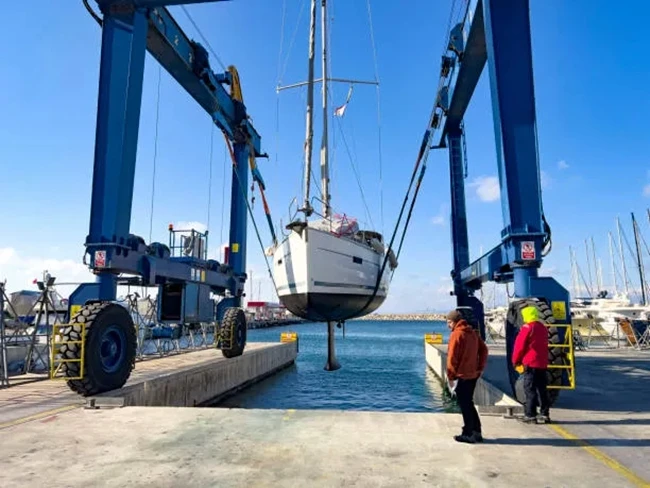
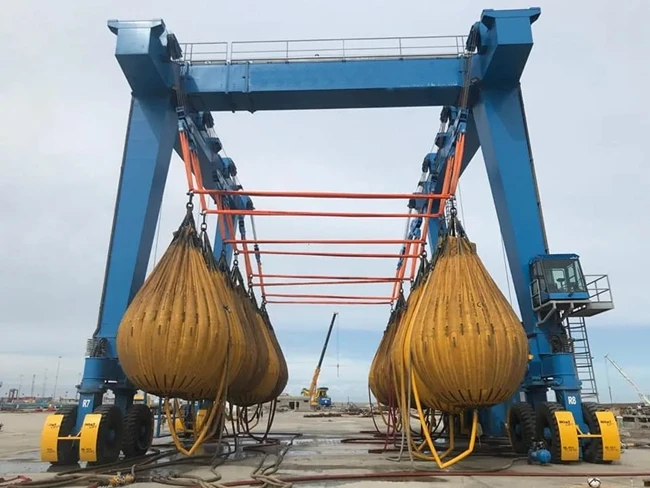
What Is a Marine Travel Lift?
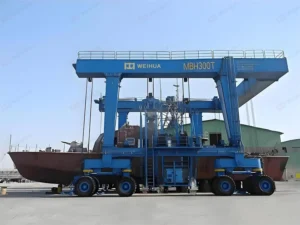
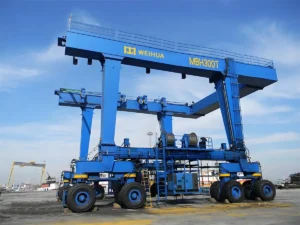
A Marine Travel Lift, also known as a boat hoist, is a gantry-type lifting device used for launching, retrieving, and land transport of boats. It uses multiple sets of high-strength slings to cradle the bottom of the boat, utilizing a hydraulic or electric-driven traveling structure to move freely on the flat ground of a dock, lifting the vessel from the water and transporting it to a designated location. Marine lifting equipment is flexible in operation and does not damage the hull, and is widely used in shipyards, yacht marinas, and ship repair yards.
Why Choose the Right Marine Travel Lift Capacity
Appropriate marine lifting equipment is crucial, as it relates to operational efficiency, operating costs, and operational safety. Selecting the correct marine travel lift capacity is essential for the following reasons:
| Core | Considerations | Value |
| Asset Safety | No-Damage Design: Specifically for sensitive materials like fiberglass or aluminum alloy. | By distributing stress points evenly, it prevents hull deformation, scratches, or structural damage during the lifting process. |
| Environmental Adaptability | Extreme Marine Resistance: Handling high salt spray, high humidity, and heavy corrosion. | Utilizing C5-M anti-corrosion standards and specialized electrical protection significantly extends equipment life and reduces failure rates. |
| Operational Efficiency | Space Optimization & Precision: Adapting to crowded shipyards or marina environments. | Achieves precise docking, increases storage volume per unit area, and significantly shortens the time for launching and retrieval. |
| Safety Assurance | Personnel & Environmental Protection: For heavy-load operations (dozens to hundreds of tons). | Configured with overload protection, emergency cut-off, and dynamic anti-sway systems to effectively prevent accidents like broken ropes or overturning. |
| Economic Value | Long-Term Maintenance Control: Avoiding the trap of “low price, low quality.” | The equipment runs more stably, reducing downtime and spare parts costs, providing a higher Return on Investment (ROI). |
Choosing the right marine lifting equipment is about finding the optimal balance between safety, durability, flexibility, and economy, ensuring that the vessel is foolproof during the launching, retrieval, and maintenance process.
Factors Affecting Marine Travel Lift Capacity
Determining the boat lift capacity (Marine Travel Lift) involves more than just the rated load; it is affected by structural mechanics, hydraulic power, and the operating environment.
- Structural Strength and Material: The crossbeam (Main Beam) and uprights (Uprights) of the gantry must have extremely high flexural and torsional stiffness. Using high-strength low-alloy steel, the cross-sectional size and wall thickness determine the maximum load-bearing limit. The welding quality of the stressed parts affects the structural service life and safety under full load.
- Hydraulic System Power and Precision: The power of the hydraulic system determines the power output for lifting and traveling. The higher the pump station pressure, the greater the lifting torque. Marine cranes have 4 or more lifting points. In the case of unbalanced loads, hydraulic system load sensing and flow control technology are used to let the lifting points output power smoothly.
- Number and Specification of Slings: Slings are the load-bearing components in direct contact with the hull. Slings use high-strength polyester fiber, and the single-point load-bearing capacity is affected by the rated tonnage and safety factor. The larger the lifting tonnage, the more slings are configured. Increasing the number of slings is used to expand the stress area and reduce the single-point load-bearing.
- Span (Span) and Effective Height: The larger the crane span, the more obvious the bending moment at the center of the crossbeam will be. If the span is too large and the structure is not strengthened, its rated lifting capacity will be adjusted downward accordingly. The center of gravity of the vessel must fall within the stable triangle of the crane’s wheel track. The center of gravity offset will affect the safety of the lifting capacity.
- Traveling Mechanism and Tire Load: All weight is eventually transmitted to the ground through the tires. Large tonnage equipment must be configured with a greater number of tires to disperse ground pressure. To complete lifting and transport under full load, the equipment must have sufficient climbing and braking ability.
- Safety Factor and Duty Class: Considering the shaking and impact during operation, a dynamic load coefficient of 1.1-1.4 times is introduced during design. Different standards (such as FEM or IACS classification society requirements) stipulate different safety margins. It is recommended to retain a 10%-20% safety margin.
Video
Lifting Capacity of Marine Cranes
Crane capacity directly affects the safety and economic benefits of marine engineering and ship maintenance. Proper travel lift sizing determines the upper limit of material handling. The typical applications corresponding to different tonnages in the figure can help shipyard and dock operators make more accurate decisions.
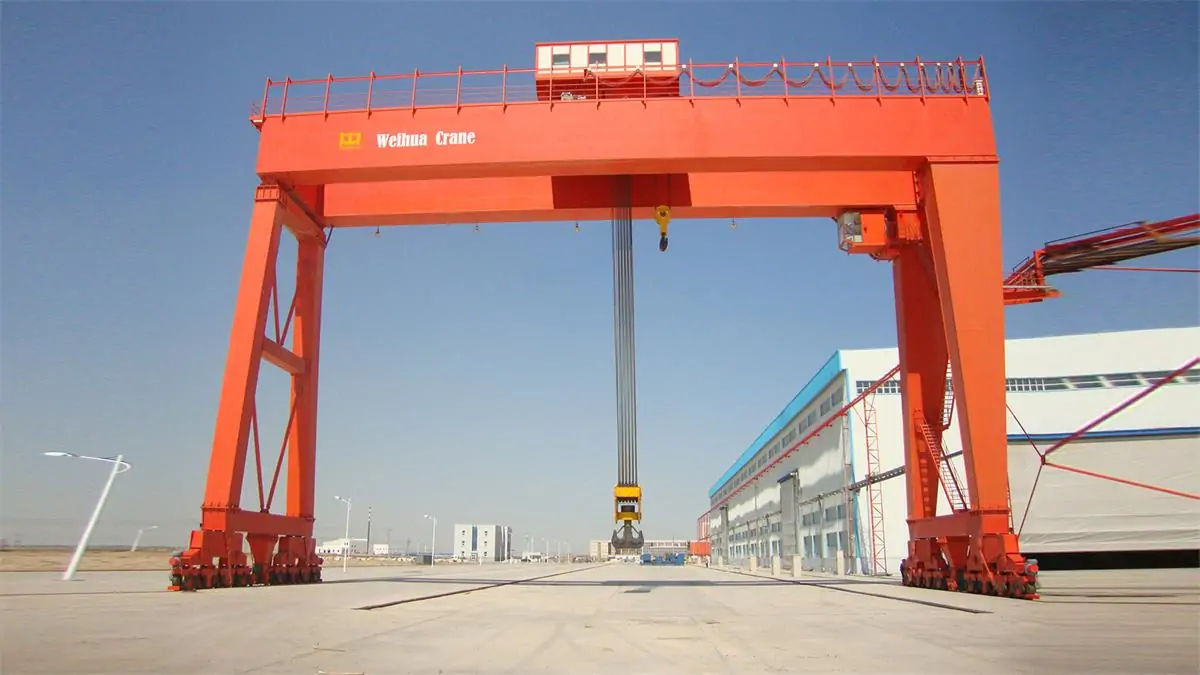
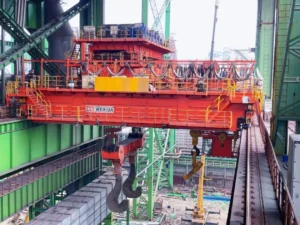
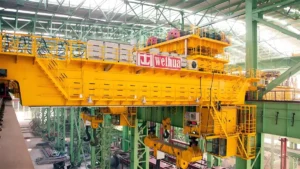
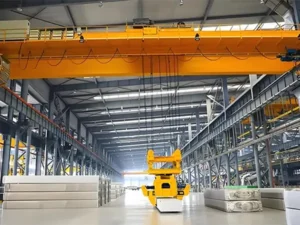
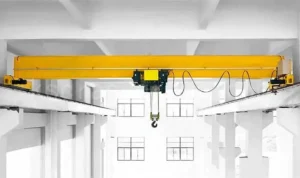
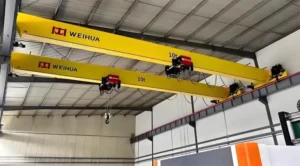
وي هوا offers shipboard hoists with various load capacities.
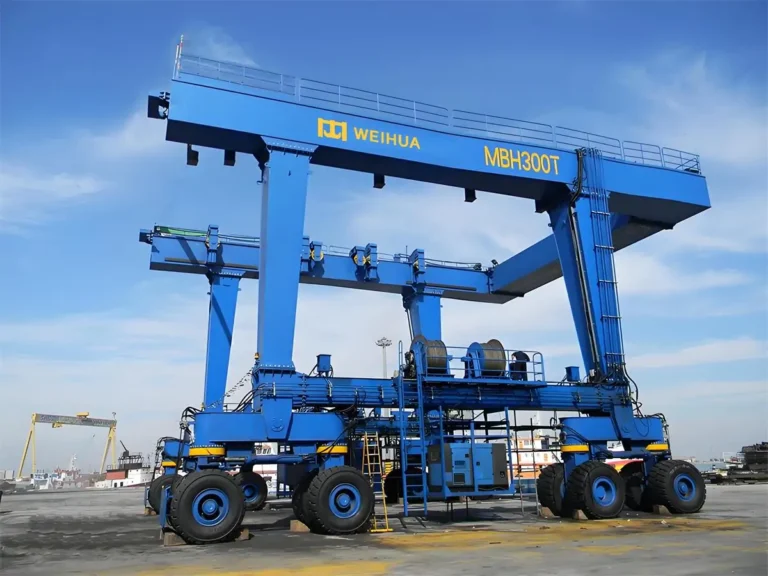
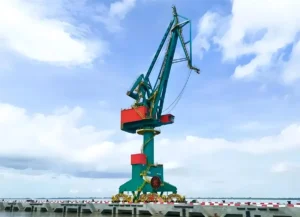
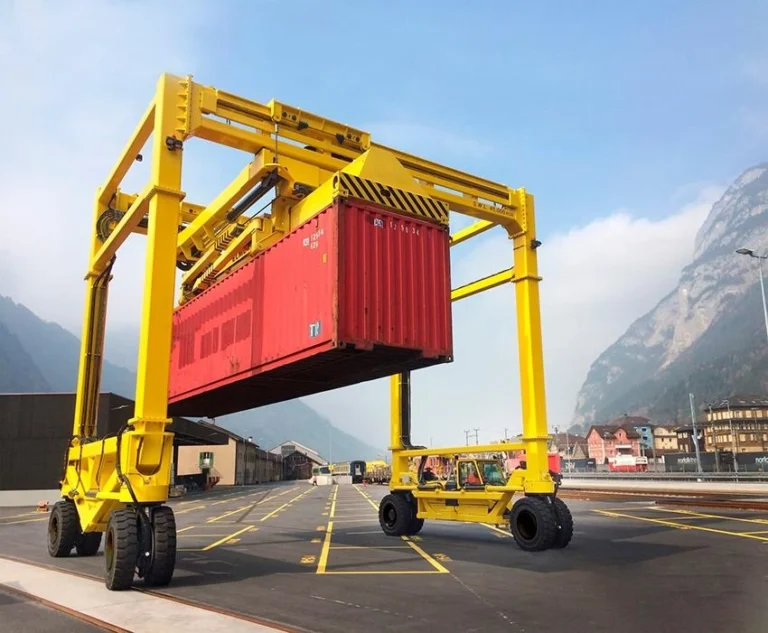
رافعة رفع القوارب للموانئ والمرافئ
- قدرة الرفع: 10-1200+ طن
- الامتداد/العرض الداخلي: 6–20 م
- ارتفاع الرفع: قابل للتخصيص 5-40 م
- سرعة الحركة: 0.1–0.5 م/ث
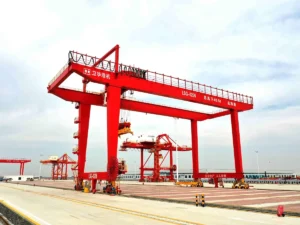
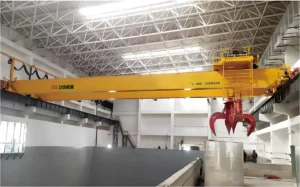
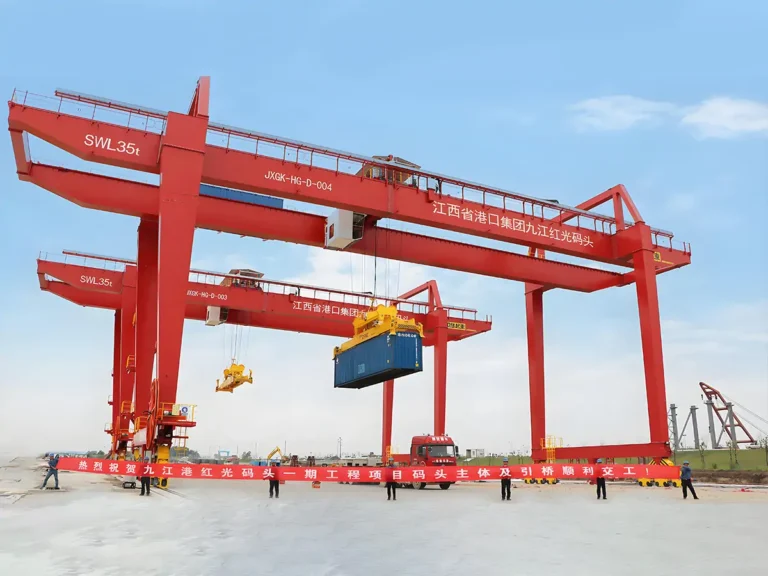
رافعات جسرية مطاطية الإطارات (RTG)
- قدرة الرفع: 35-70 طن
- عرض الجمالون: 23.5–26 م
- ارتفاع الرفع: 15.5–18.5 م
- سرعة السفر: 25/50 متر/دقيقة
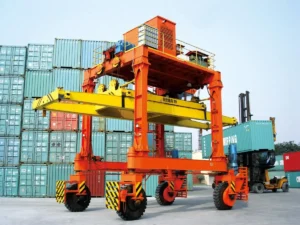
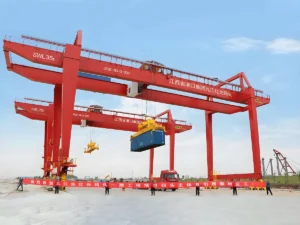
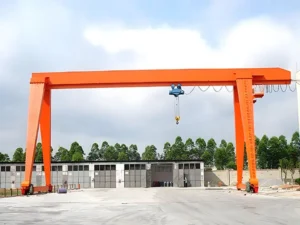
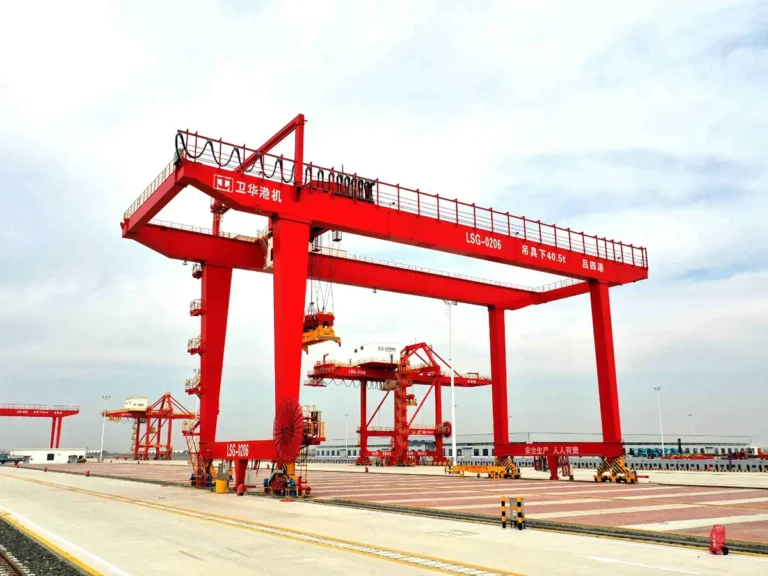
رافعات حاويات متحركة على سكك حديدية
- قدرة الرفع: 20-65 طن
- 18–40 مترًا
- ارتفاع التكديس: 3–6 طبقات
- ارتفاع الرفع: 8-20 مترًا
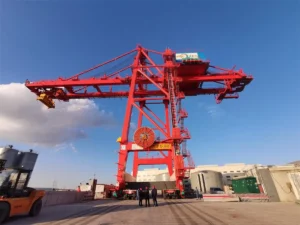
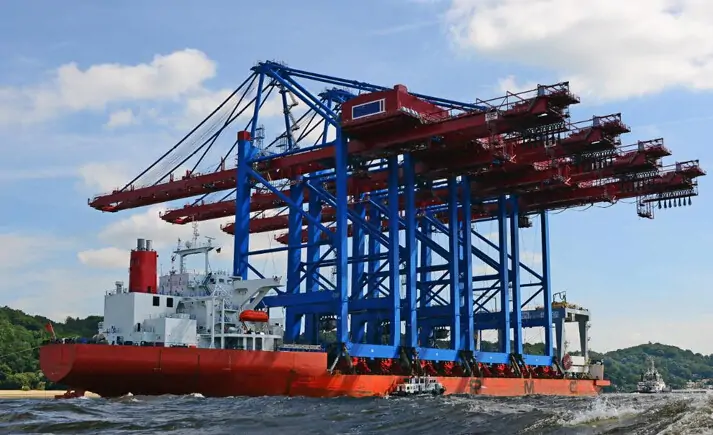
حلول رافعات الحاويات المتنقلة للموانئ والمحطات
- قدرة الرفع: 5–80 طن
- نصف قطر العمل: 15-45 مترًا
- ارتفاع الرفع: 10–45 مترًا
- الطبقة العاملة: A5–A7
- قدرة الرفع المقدرة: 40–80 طن
- الوصول: 45–70 م
- الوصول الخلفي: 15–25 م
- سرعة حركة الرافعة: 30-45 متر/دقيقة
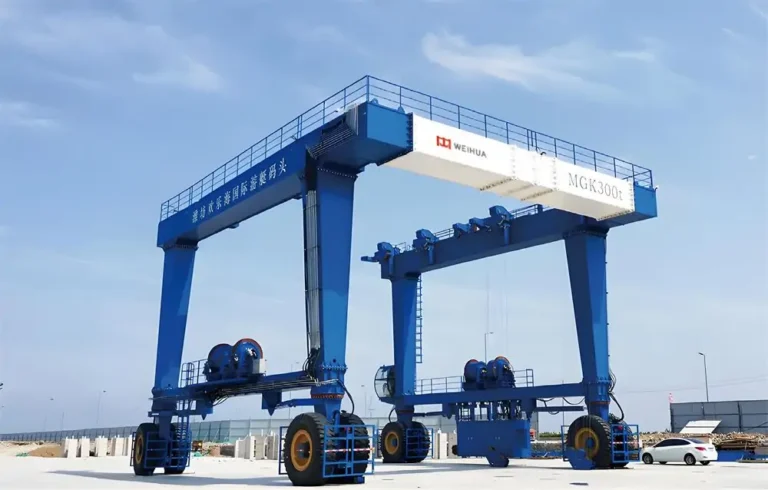
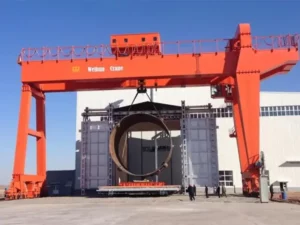
رافعة بوابة بحرية للأغراض السيارات
- قدرة الرفع: 50–500 طن
- 20–50 م
- الطبقة العاملة: A5–A7
- طريقة التحكم: تحكم الكابينة / التحكم عن بعد / التحكم الآلي
- Note: How to Calculate the Required Capacity (Simple Formula)?
- Required Capacity = Boat Weight × Safety Factor (1.1–1.25)
Most small and medium shipyards tend to choose 50-150 ton equipment. The compatibility of this range is relatively high, and it can handle high-frequency yacht maintenance and medium-sized fishing boat launching and retrieval needs. Accurately matching the marine travel lift capacity can reduce initial infrastructure investment and improve the turnover efficiency and operating revenue of the workshop.
How to Choose a Ship Lift Crane with the Right Lifting Capacity
Lifting capacity should be combined with actual operation needs, vessel conditions, and environmental adaptability to ensure that the equipment can operate safely in complex sea conditions under full load. First, determine the maximum weight and size of the cargo in the operation scenario, evaluate with technical parameters and environmental conditions, and determine the range of boat lift capacity.
Parameters:
- Lifting capacity: The first step is to determine the maximum cargo weight and operation radius in actual operations. The rated lifting capacity of a crane decreases as the operation radius increases; ensure that at the maximum operation radius, the equipment still meets the cargo weight requirement.
- The hull deck’s load-bearing capacity and installation space. For example, small fishing boats or yachts may only be able to install 1-10 ton light cranes, while large cargo ships or marine engineering vessels can carry 50-100 ton or even larger tonnage equipment.
- Different types of crane structures have a great impact on lifting capacity: Knuckle boom cranes are suitable for narrow spaces with smaller lifting capacities (≤50 tons); Stiff boom cranes are suitable for large-span operations with lifting capacities of hundreds of tons.
Environmental Adaptability:
- Salt spray corrosion in the marine environment will reduce the strength of metal structures. Equipment with an anti-corrosion design should be selected, and a 10%-20% lifting capacity margin should be reserved to prevent performance attenuation during long-term use.
- In sea areas with large wind and waves, ship swaying will generate additional loads. At this time, equipment with a higher work duty class should be selected, as its structural strength and stability are better able to handle dynamic loads.
Technical Specifications and Certification:
- Marine cranes must comply with national standards (such as جي بي/T 12932-2010 “Marine Jib Cranes”) and industry certifications (such as CCS, DNV). Standards clearly stipulate the measurement method for rated lifting capacity, which needs to be verified through static load tests in a standard environment (wind speed ≤3m/s, temperature -25℃ to 40℃).
- Focus on the equipment’s power system and safety devices. Hydraulic-driven cranes have stronger power and are suitable for heavy-load operations; electric-driven ones are more energy-efficient and environmentally friendly. Regarding safety devices, lifting capacity limiters (such as the WTZ-A series) can monitor the load in real-time to prevent overloading; torque limiters can avoid the risk of overturning caused by an excessive operation radius.
Cost and Maintenance:
- Lifting capacity choice should balance initial investment and long-term operating costs. Large tonnage equipment has higher acquisition costs but can reduce the number of operations and improve efficiency; small tonnage equipment is cheaper, but frequent operations will increase maintenance frequency.
- Post-maintenance of the equipment should also be taken into account. Brands with sufficient spare parts supply and perfect after-sales service should be selected so that the equipment can receive timely maintenance when there are problems, which can reduce failure downtime and maintenance costs.
In general, the chosen travel lift sizing should meet operational needs while reserving space for future business expansion, allowing the equipment to operate efficiently and safely throughout its life cycle.
خاتمة
When choosing a ship lift crane, one cannot blindly pursue large tonnage. Only by choosing equipment that accurately matches the lifting capacity can the return on investment be maximized.
وي هوا is deeply involved in the global marine engineering field, complies with strict international certification standards, has rich customized project experience, and can provide you with a one-stop solution from survey and selection to installation.
شركة ويهوا للرافعات – شريك موثوق لحلول رافعات STS

أسئلة شائعة
How to calculate the required lifting capacity?
Answer: The selection logic is: boat weight + full fuel/water weight + rigging weight, with an additional 10%-20% safety margin reserved to ensure sufficient marine travel lift capacity.
Why do most shipyards choose the 50-150 ton specification?
Answer: This range is the “golden capacity,” which can accommodate private yachts, commercial fishing boats, and service boats, providing the highest return on investment and business coverage.
Will sling operations damage expensive yacht hulls?
Answer: No. The equipment uses flexible high-strength slings to distribute the force evenly through multiple support points, effectively preventing hull structural extrusion or surface scratches.
The dock space is narrow. Is the equipment flexible in turning?
Answer: Very flexible. It supports multiple steering modes such as 90° transverse, diagonal, and pivot rotation, allowing for precise docking in crowded repair yards.
How does the equipment prevent corrosion in high salt spray marine environments?
Answer: It adopts C5-M level anti-corrosion coating, and the hydraulic lines and electrical systems undergo high-grade sealing treatment to ensure long-term durability in harsh marine environments.
Can the equipment be customized according to dock dimensions?
Answer: Yes. VOITTO can tailor structural dimensions for you based on your dock span, water level difference, and maximum ship width.
What are the requirements for the ground foundation for operation?
Answer: It needs to operate on flat concrete ground. We will provide professional ground bearing suggestions based on the equipment’s ground pressure data.
How to get the latest quote?
Answer: Prices vary with tonnage and configuration. Please contact VOITTO to obtain a customized solution and real-time quote for 2026.recommendation today.