








جدول المحتويات
مقدمة
In hazardous industrial environments, standard lifting equipment may create ignition risks when operating near flammable gases, vapors, or combustible dust. Explosion-proof cranes are designed with special protective components to reduce these risks and provide safe material handling in industries such as oil and gas, chemical processing, and mining.
In this guide, I will explain Explosion Proof Crane Standards from three major certification systems: ATEX, IECEx, and NEC. We will look at hazardous area classifications, certification requirements, key differences between standards, and how to select the right explosion proof crane for different industrial applications.
What Is an Explosion Proof Crane?
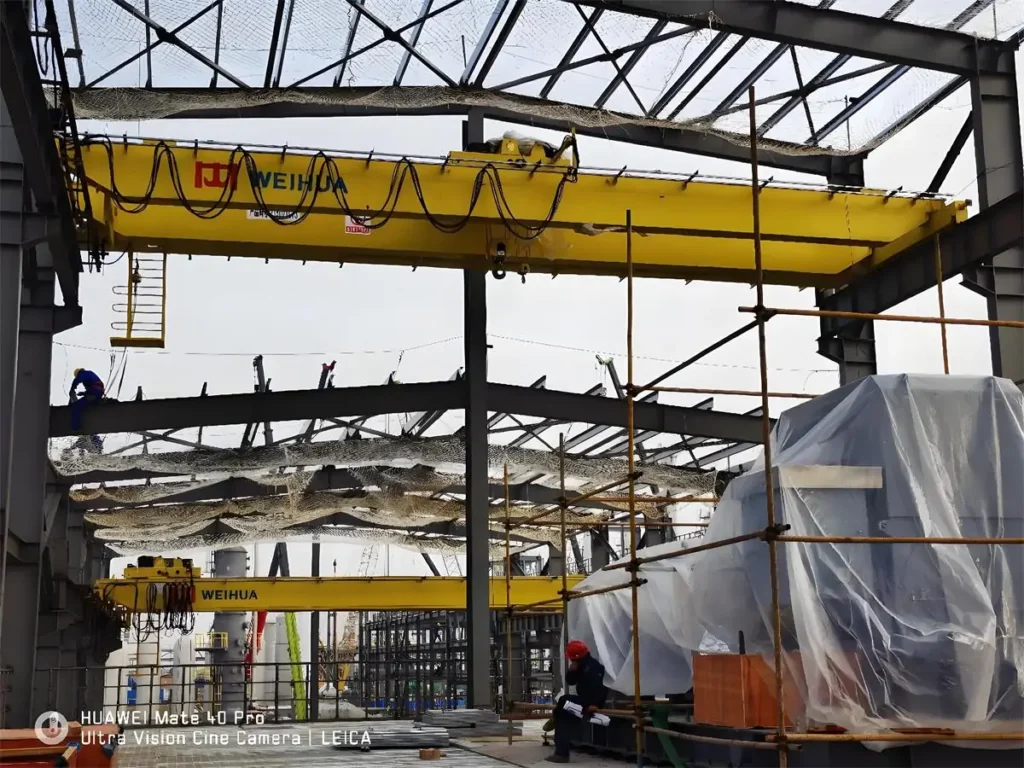
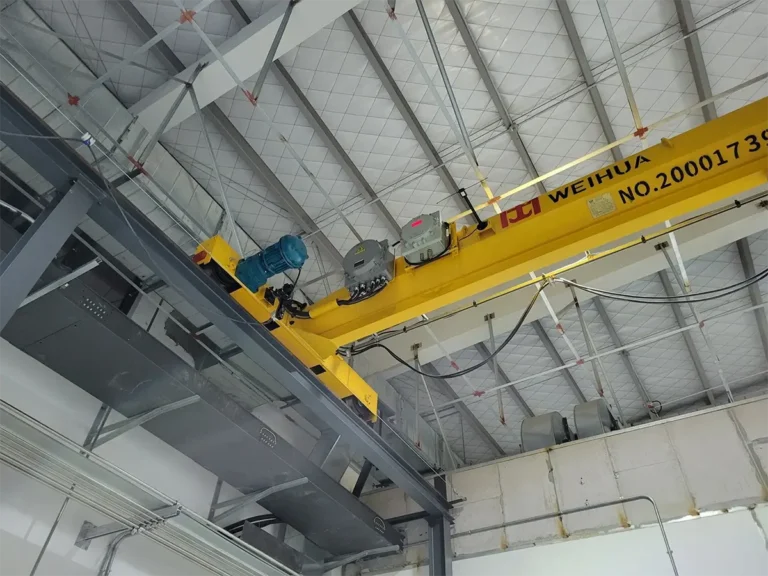
أن explosion proof crane is a lifting device designed for hazardous environments where flammable gases, vapors, dust, or combustible materials may be present. Compared with standard cranes, explosion-proof cranes use specially designed electrical and mechanical components to prevent ignition risks caused by sparks, friction, static electricity, or excessive heat.
| System | Components | مواصفات |
|---|---|---|
| Electrical Explosion-Proof Components | Explosion-proof motors and enclosures | Ex d (flameproof) or Ex i (intrinsically safe) design; housing in cast aluminum or stainless steel; joint gap ≤ 0.04mm, width ≥ 15mm |
| Explosion-proof control panels | Contains circuit breakers, contactors, relays, and PLCs in a sealed, certified enclosure | |
| Mechanical Non-Sparking Design | Non-sparking materials | Hooks, wheels, load-bearing parts made of stainless steel, aluminum-bronze, or copper alloys |
| Anti-static measures | Conductive grounding paths on all moving parts, belts, wheels, and structural components | |
| Temperature Control & Thermal Management | Temperature class limits | T4 (max surface temp 135°C) or T6 (85°C) |
| Thermal protection | Redundant protection and temperature verification on all electrical terminals and connections | |
| Sealed & Protected Electrical Systems | Ingress protection | IP65 or IP66 minimum for electrical enclosures |
| Wiring | Oversized cross-sections with anti-loosening terminal treatments | |
| Certification & Marking | Explosion-proof code | Example: Ex d IIB T4 or Ex d IIC T4, specifying gas group, temperature class, and applicable zone (Zone 1, 2, 21, or 22) |
An explosion-proof crane uses protected electrical systems, non-sparking components, temperature control devices, and certified safety designs to reduce ignition risks in hazardous areas. The protection level is selected based on the hazardous zone classification, gas or dust type, and operating conditions.
What Are Explosion Proof Cranes Standards?
Explosion proof crane standards define the safety requirements for lifting equipment used in hazardous environments containing flammable gases, vapors, or combustible dust. Different regions follow different certification systems based on local regulations and industrial practices.
The three major explosion-proof crane certification systems used worldwide are ATEX in the European Union, IECEx for international markets, and NEC/HazLoc in North America. These standards classify hazardous areas, define protection methods, and specify requirements for electrical and mechanical components used on explosion-proof cranes.
ATEX Certification (European Union)
ATEX (Atmosphères Explosibles) is the mandatory explosion protection regulation for equipment used in potentially explosive atmospheres within the European Union. The current directive is 2014/34/EU, which replaces the previous 94/9/EC (ATEX 100a) directive.
Explosion-proof cranes entering the EU market must comply with ATEX requirements, carry the CE marking, and include an Ex protection marking showing the equipment category and protection level.
ATEX Hazard Zone Classification
| Hazardous Area Type | Zone | وصف |
|---|---|---|
| Gas Atmosphere | Zone 0 | Explosive gas atmosphere exists continuously or for long periods |
| Zone 1 | Explosive gas atmosphere may occur during normal operation | |
| Zone 2 | An explosive gas atmosphere is unlikely or exists only briefly | |
| Dust Atmosphere | Zone 20 | A combustible dust atmosphere exists continuously or for long periods |
| Zone 21 | Combustible dust may occur during normal operation | |
| Zone 22 | Combustible dust is unlikely or exists only briefly |
ATEX Explosion-Proof Cranes Marking
- · CE: Indicates compliance with EU regulatory requirements.
- · Ex: Explosion protection marking.
- · II: Equipment group for non-mining applications.
- · 2G: Category 2 equipment for gas hazardous areas.
- · Ex d: Flameproof enclosure protection.
- · IIC: Gas group for highly explosive gases such as hydrogen.
- · T4: Maximum surface temperature limit of 135°C.
- · Gb: Equipment Protection Level for Zone 1 and Zone 2.
For explosion-proof cranes, ATEX requires that explosion-proof motors, hoists, control systems, electrical components, temperature classes, and protection ratings be selected based on the classification of hazardous areas.
IECEx Certification (International System)
IECEx (IEC System for Certification to Standards Relating to Equipment for Use in Explosive Atmospheres) is an international certification system developed by the International Electrotechnical Commission (IEC).
Unlike ATEX, IECEx is not a regional regulation but a globally recognized certification system based on the IEC 60079 series of standards. It is widely accepted in international industrial projects.
IECEx Protection Classification
| فئة | Classification | وصف |
|---|---|---|
| Gas Atmosphere | Zone 0 / Zone 1 / Zone 2 | Hazardous areas containing flammable gases or vapors |
| Dust Atmosphere | Zone 20 / Zone 21 / Zone 22 | Hazardous areas containing combustible dust |
| Ex d | Flameproof enclosure | Prevents internal explosions from spreading outside the enclosure |
| Ex e | Increased safety | Reduces ignition risks caused by abnormal operation |
| Ex i | Intrinsically safe | Limits electrical energy to prevent ignition |
| Ex t | Dust protection | Protects equipment in combustible dust environments |
IEC 60079 Standards
- IEC 60079-0: General requirements for explosion-proof equipment.
- IEC 60079-10-1: Classification of hazardous gas areas.
- IEC 60079-10-2: Classification of combustible dust areas.
- IEC 60079-11: Intrinsic safety protection (Ex i).
- IEC 60079-14: Electrical installation design and equipment selection.
For explosion-proof cranes, IECEx certification mainly covers electrical equipment protection, hazardous area classification, temperature limits, and installation requirements to ensure the crane meets the safety requirements for gas and dust explosion environments.
NEC / HazLoc Certification (North America)
NEC (National Electrical Code, NFPA 70) is the primary electrical safety standard used in North America for hazardous locations. The explosion-proof classification system, commonly known as HazLoc (Hazardous Location), defines requirements for equipment operating in areas where flammable gases, vapors, combustible dust, or ignitable fibers may exist.
Unlike ATEX and IECEx, which mainly use the Zone classification system, NEC provides two classification methods: the traditional Class/Division system (NEC 500) and the IEC-based Zone system (NEC 505).
NEC Hazardous Location Classification (North America)
| Classification System | فئة | وصف | تطبيقات |
|---|---|---|---|
| Class I | Flammable gases and vapors | Areas where explosive gases or vapors may exist | Oil refineries, chemical plants |
| Class II | Combustible dust | Areas containing combustible dust particles | Grain processing, powder industries |
| Class III | Fibers and flying particles | Areas containing ignitable fibers or particles | Textile, wood processing |
| Division 1 | Hazardous materials present during normal operation | High-risk hazardous locations | Continuous or frequent exposure areas |
| Division 2 | Hazardous materials present only under abnormal conditions | Lower-risk hazardous locations | Accidental leakage or abnormal conditions |
| Zone System (NEC 505) | Zone 0 / 1 / 2 | Gas hazardous areas based on exposure frequency | Similar to ATEX and IECEx |
| Zone System (NEC 505) | Zone 20 / 21 / 22 | Combustible dust areas based on exposure frequency | Similar to ATEX and IECEx |
NEC Standards
- NFPA 70 (NEC): Electrical installation requirements for hazardous locations.
- NEC 500: Traditional Class and Division classification system.
- NEC 505: Zone classification system based on IEC standards.
For explosion-proof cranes used in North America, NEC compliance mainly affects the selection of electrical components, protection methods, hazardous area classification, and equipment certification level. The required configuration depends on whether the project follows NEC 500 Division classification or NEC 505 Zone classification, as well as the type of hazardous material present.
ATEX vs IECEx vs NEC: Differences
ATEX, IECEx, and NEC/HazLoc are the main explosion-proof certification systems used in different regions. Each system has its own requirements for hazardous area classification, equipment protection, and certification methods.
| عنصر | ATEX | IECEx | NEC / HazLoc |
| Main Region | European Union | International Markets | أمريكا الشمالية |
| Certification Type | Mandatory EU equipment regulation | International certification system | Electrical safety code and hazardous location classification |
| Standard Basis | 2014/34/EU + EN Standards | IEC 60079 Series | NFPA 70 (NEC) |
| Classification System | Zone System | Zone System | Class/Division or Zone System |
| Gas Classification | Zone 0 / Zone 1 / Zone 2 | Zone 0 / Zone 1 / Zone 2 | Class I |
| Dust Classification | Zone 20 / Zone 21 / Zone 22 | Zone 20 / Zone 21 / Zone 22 | Class II |
| Protection Methods | Ex d, Ex e, Ex i, Ex t | Ex d, Ex e, Ex i, Ex t | Explosion-proof and hazardous location protection methods |
| Main Purpose | EU market compliance | Global project certification | US and Canada hazardous location requirements |
| تطبيقات نموذجية | Chemical plants, oil & gas, manufacturing facilities | International industrial projects | Refineries, petrochemical plants, industrial facilities |
ATEX, IECEx, and NEC/HazLoc are different certification systems for explosion-proof equipment, depending on regional requirements. ATEX is primarily used for projects in Europe, IECEx is widely used for international applications, and NEC/HazLoc is the standard system in North America. The explosion proof crane standards depend on the project location, hazardous area classification, type of gas or dust, and the required protection level; these factors will determine the crane’s design, electrical configuration, and protection requirements.
تطبيقات
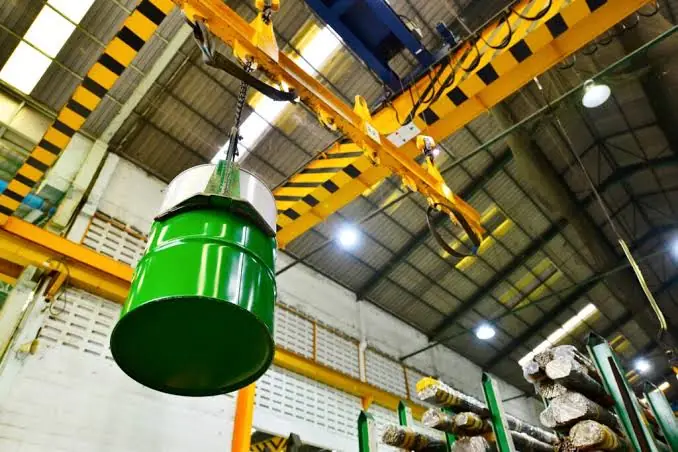
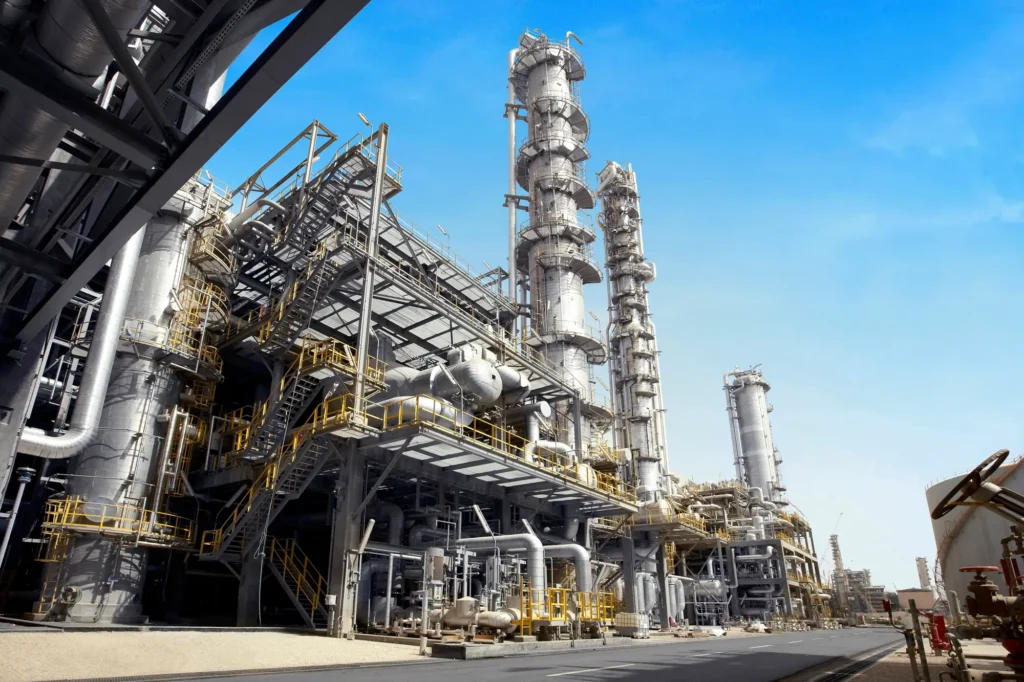
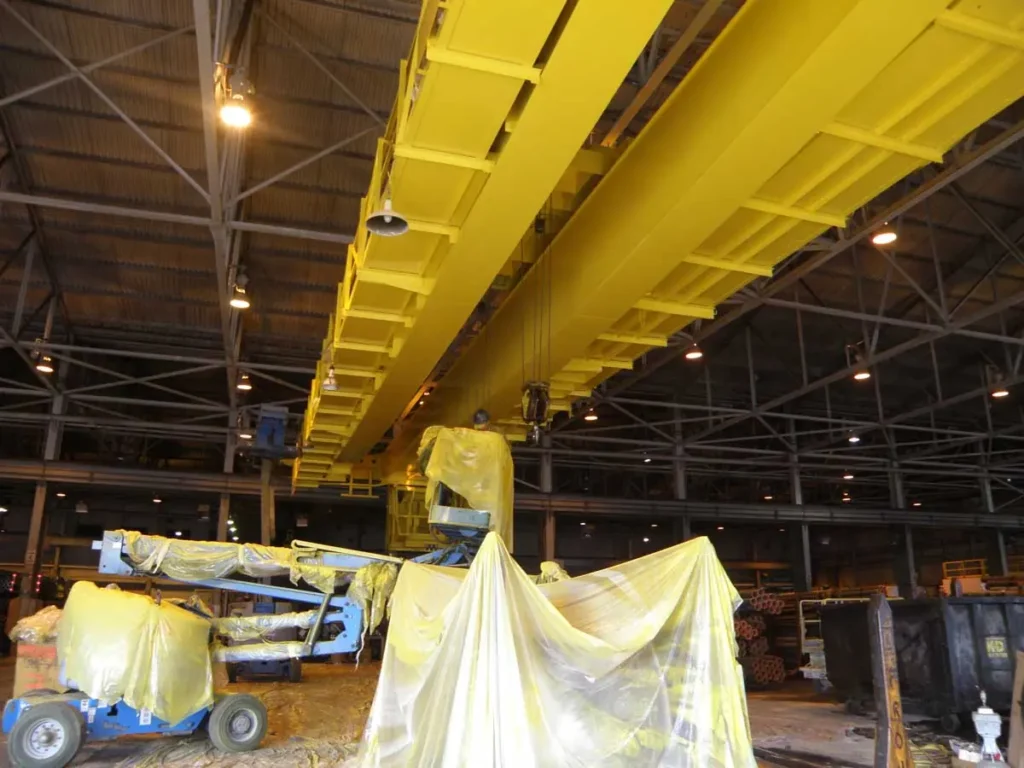
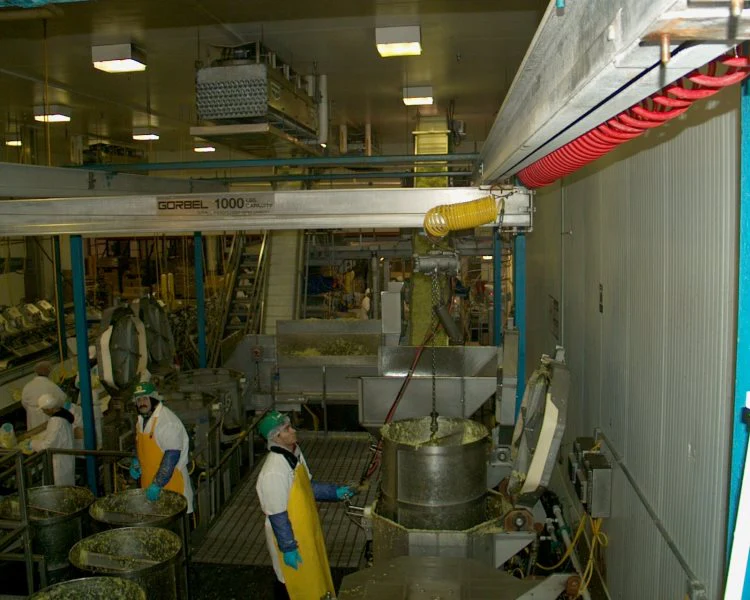
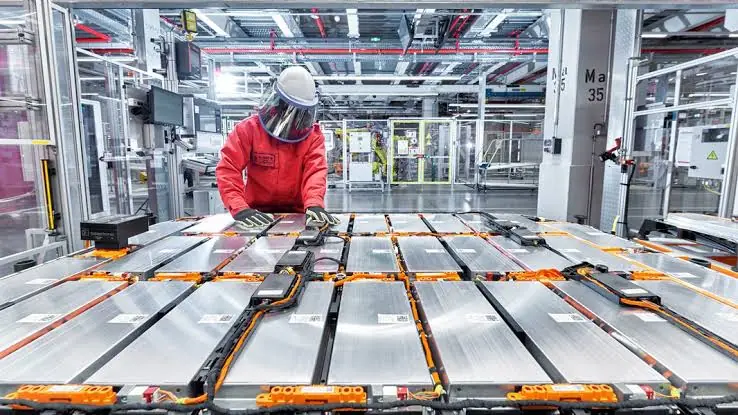
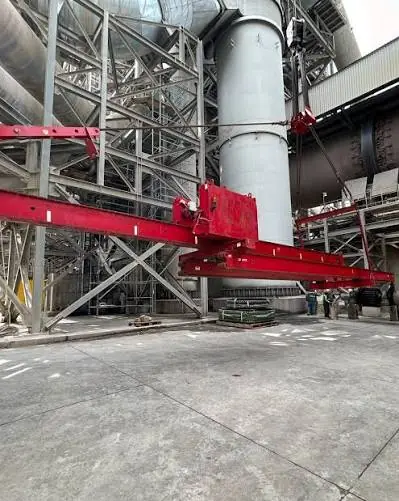
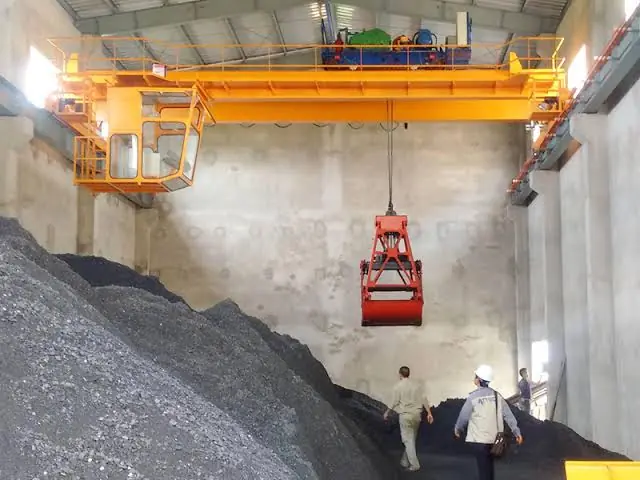
Explosion-proof cranes are widely used in industries where flammable gases, vapors, or combustible dust may create safety risks. The required certification and protection level vary depending on the working environment, hazardous materials, and regional standards.

| تطبيق | Recommended Certification | ملاحظات |
|---|---|---|
| Oil & Gas Refineries | ATEX / IECEx / NEC HazLoc | Requires explosion-proof protection for areas with flammable gases, vapors, and petroleum products |
| Petrochemical Plants | ATEX / IECEx / NEC HazLoc | Commonly used in hazardous zones with chemical gases and volatile materials |
| Chemical Manufacturing | ATEX / IECEx / NEC HazLoc | Certification depends on the type of chemicals, gas groups, and hazardous area classification |
| Pharmaceutical Production | ATEX / IECEx | Used in environments with combustible powders and strict safety requirements |
| Battery Manufacturing | ATEX / IECEx / NEC HazLoc | Requires protection against flammable gases and dust generated during production |
| Grain Processing & Food Industry | ATEX / IECEx / NEC HazLoc | Focuses on combustible dust protection in areas with fine particles |
| Mining Industry | ATEX / IECEx | Used for underground or surface areas with explosive gas or dust risks |
| Paint & Coating Facilities | ATEX / IECEx / NEC HazLoc | Suitable for areas containing flammable solvents, vapors, and coatings |
ملحوظة: The required explosion-proof certification and protection level depend on the application environment, hazardous area classification, gas or dust type, and local regulations. If your working environment is not listed above, contact WEIHUA for a suitable explosion-proof grade and crane configuration recommendation.
How to Select the Right Explosion Proof Crane?
Selecting an explosion-proof crane requires matching the crane configuration with the hazardous environment, certification requirements, and operating conditions.
- 1. Identify Hazardous Area Classification: Confirm whether the environment contains flammable gases, vapors, or combustible dust.
- 2. Determine Zone or Class Rating: Identify the hazardous area classification, such as Zone 0/1/2, Zone 20/21/22, or NEC Class and Division.
- 3. Check Explosion Group and Temperature Class: Select the required protection level based on gas group, dust type, and maximum surface temperature limits.
- 4. Select Required Certification: Choose the applicable certification standard according to the project location, including ATEX, IECEx, or NEC/HazLoc.
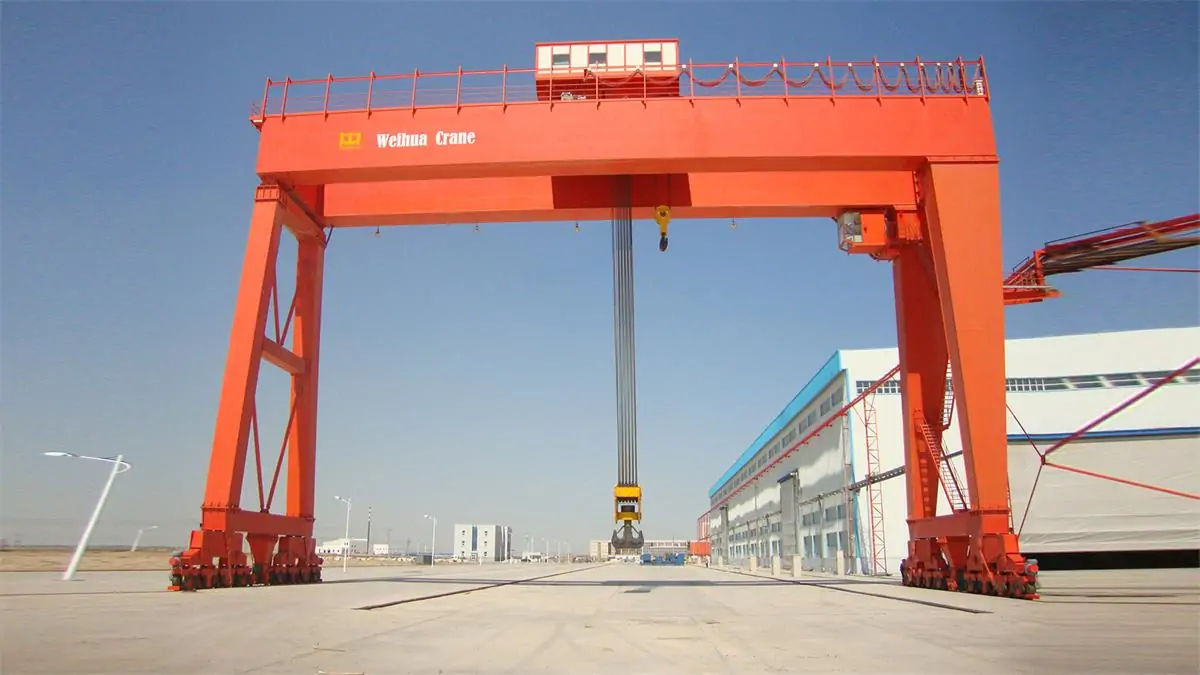
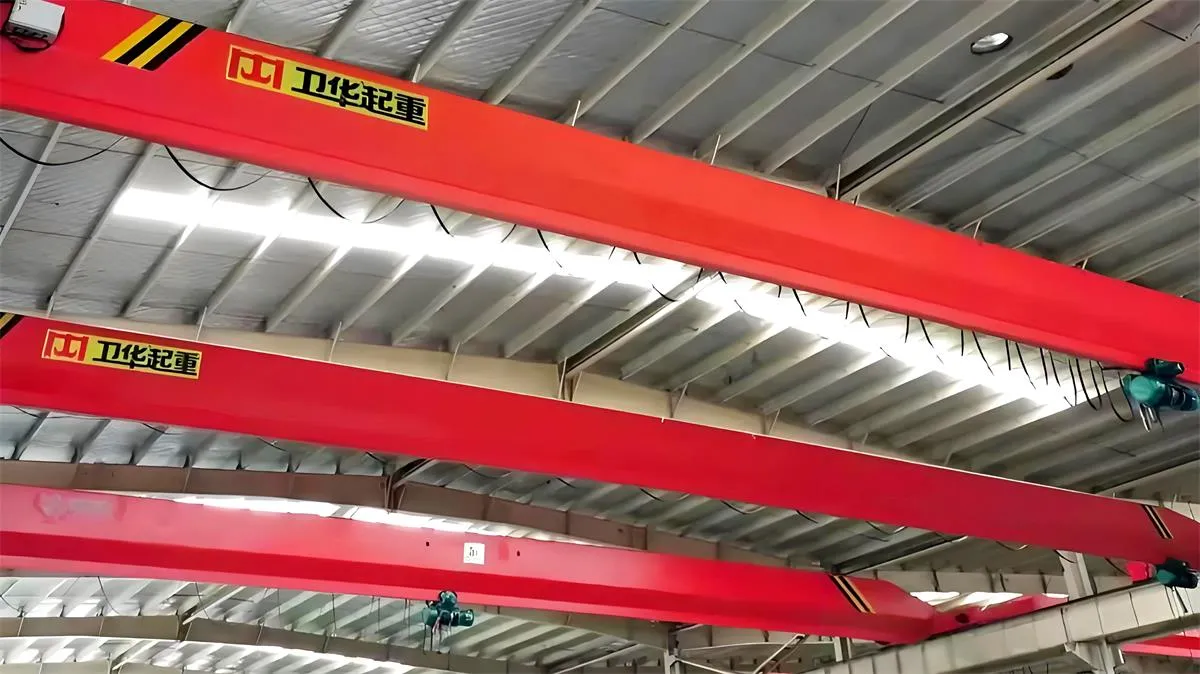
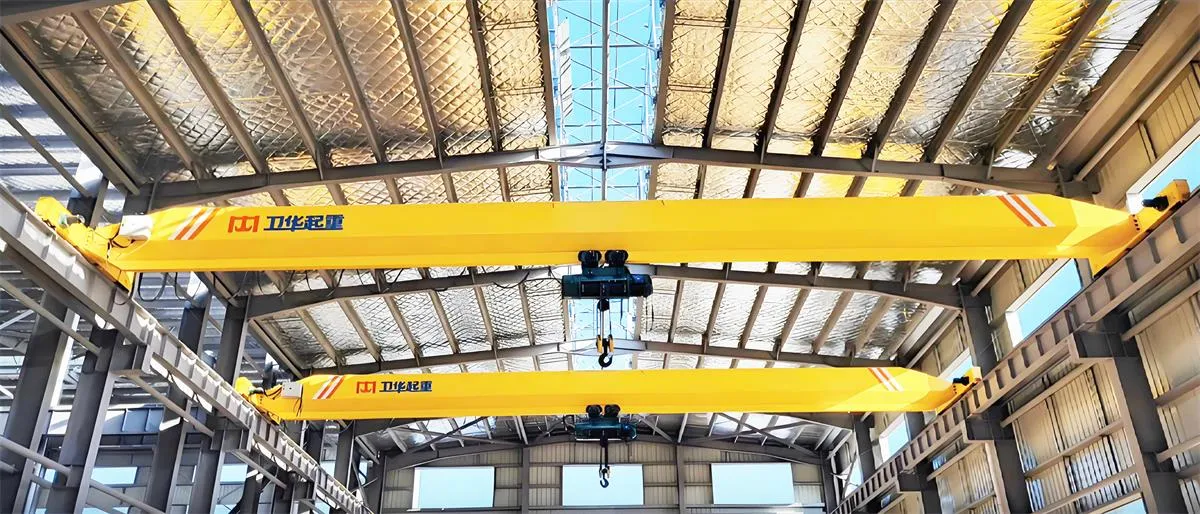
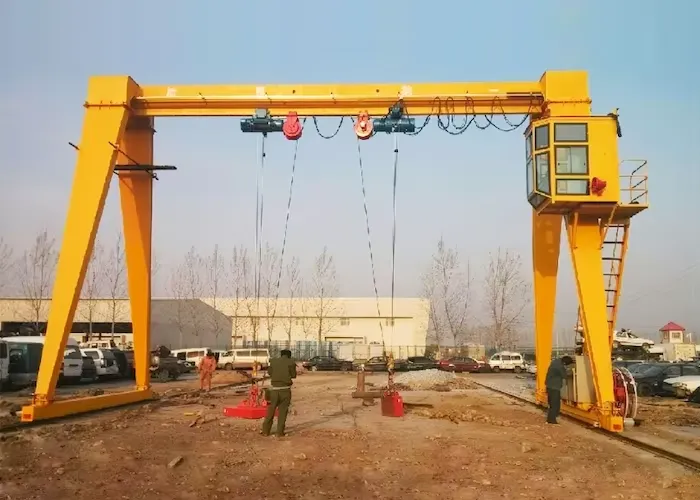
- 5. Choose the Crane Type: Select a suitable crane structure, such as an explosion-proof overhead crane, gantry crane, or hoist, based on the application.
- 6. Confirm Lifting Capacity: Determine the required lifting capacity according to the maximum load and handling requirements.
- 7. Check Span and Lifting Height: Match the crane dimensions with the installation space and working range.
- 8. Consider Working Duty: Evaluate operating frequency, working hours, and load cycles to select the proper duty class.
- 9. Evaluate Operating Environment: Consider ambient temperature, humidity, corrosion, dust, and other site conditions.
- 10. Define Control and Safety Requirements: Select suitable electrical systems, control methods, and additional safety devices according to the application.
- 11. Request Customized Solution: For special hazardous environments, provide project details to configure the appropriate explosion-proof grade and crane system.
Selecting an explosion-proof crane requires a clear understanding of the hazardous environment, certification requirements, and operating conditions. WEIHUA provides customized explosion-proof crane solutions based on different zone classifications, lifting requirements, and application conditions.
You can also read this article to learn more: Explosion-Proof Overhead Crane: Complete Buyer’s Guide
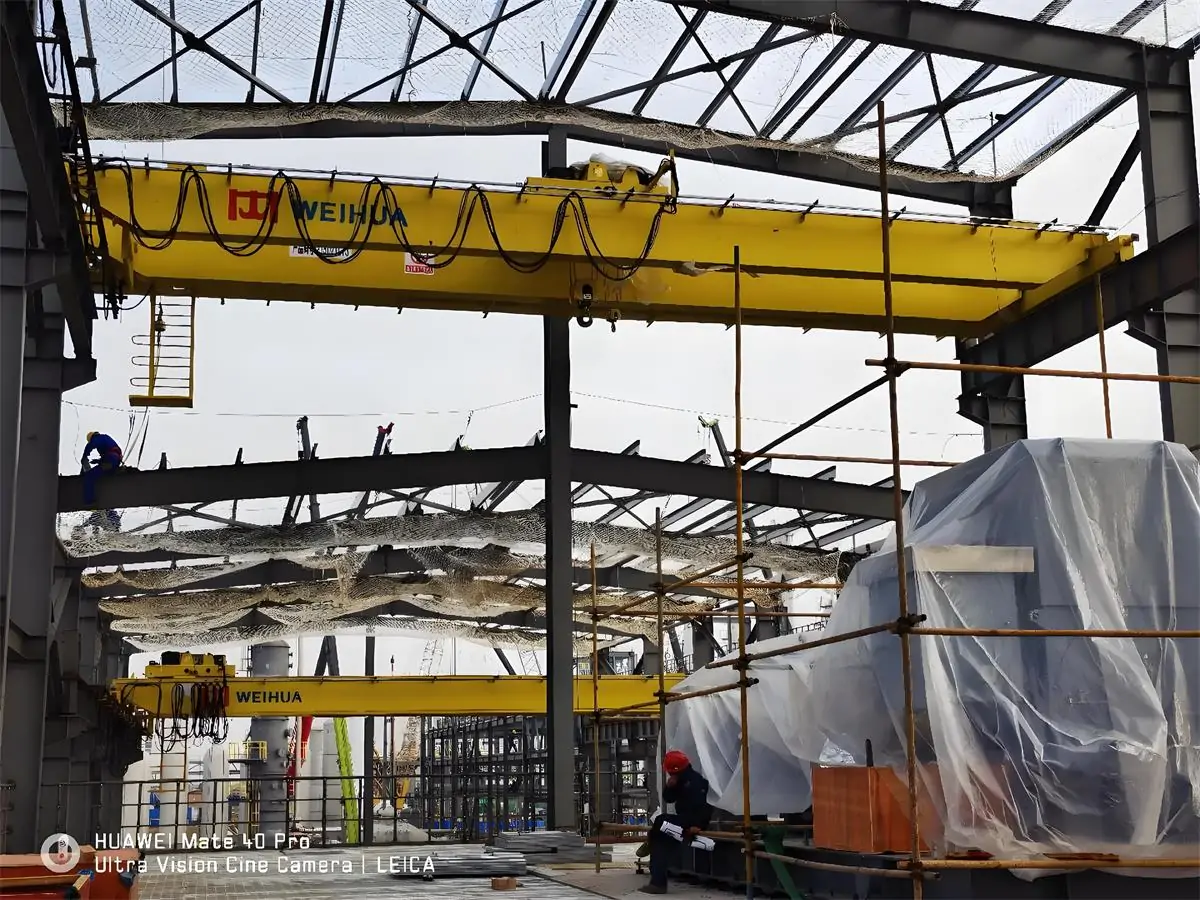
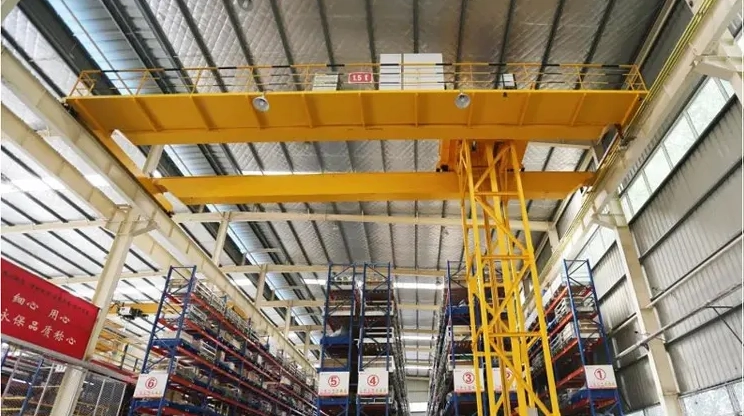
Project Showcase

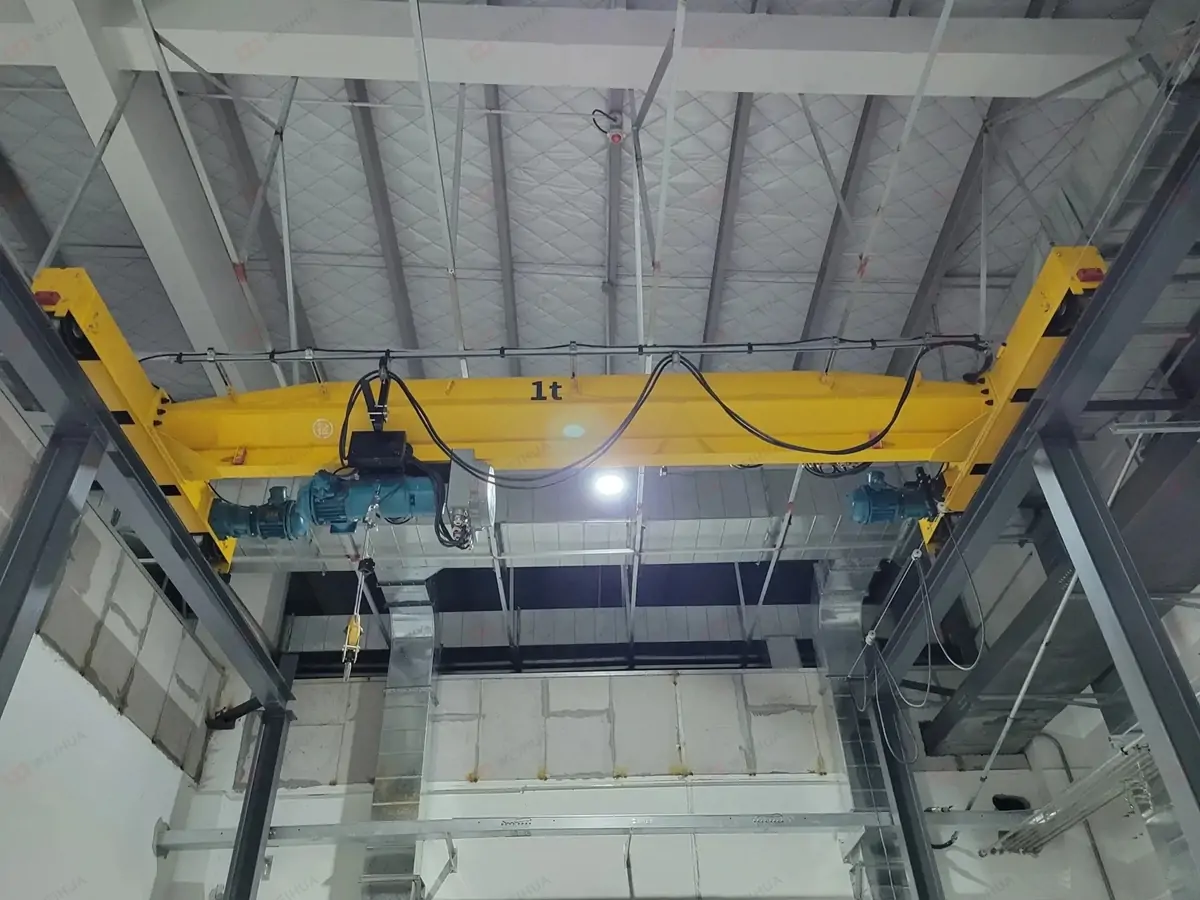
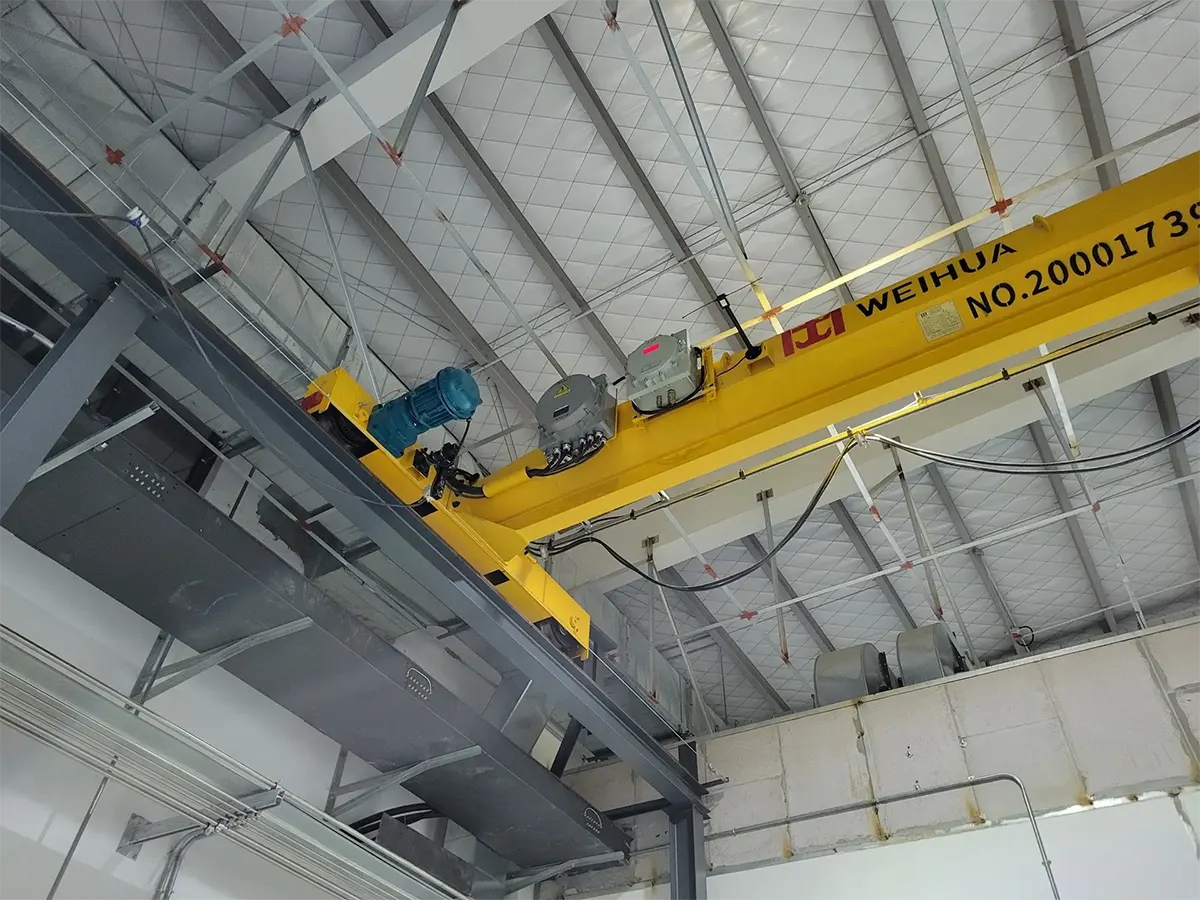
خاتمة
Explosion proof crane standards determine the required protection level, certification system, and equipment configuration for hazardous environments. ATEX, IECEx, and NEC/HazLoc define different requirements based on regional regulations and hazardous area classifications. Understanding these standards helps companies select suitable explosion-proof cranes for safe and reliable operation.
وي هوا provides customized explosion-proof crane solutions for different industries, hazardous zones, and operating conditions. Based on project requirements, WEIHUA can configure suitable crane structures, protection levels, and electrical systems. اتصل بنا for professional support and a suitable explosion-proof crane solution for your application.

أسئلة شائعة
What is an explosion proof crane?
An explosion-proof crane is a lifting device designed for hazardous environments where flammable gases, vapors, or combustible dust may be present. It uses explosion-proof electrical components and safety designs to reduce ignition risks during operation.
What standards apply to explosion proof cranes?
The main standards for explosion proof cranes include ATEX in the European Union, IECEx for international applications, and NEC/HazLoc in North America. These standards define hazardous area classification, protection methods, and equipment requirements.
What is the difference between ATEX and IECEx?
ATEX is a mandatory explosion protection regulation for equipment used in the European Union, while IECEx is an international certification system based on IEC 60079 standards. Both use similar Zone classification methods but apply to different certification systems and markets.
Is IECEx accepted worldwide?
IECEx is widely recognized in international industrial projects and is used in many countries, including Australia, New Zealand, Singapore, and India. However, local regulations may require additional approvals depending on the project location.
What does NEC Class I Division 1 mean?
NEC Class I Division 1 refers to hazardous locations where flammable gases or vapors may exist during normal operation. Equipment used in these areas requires appropriate explosion-proof protection per NEC/HazLoc requirements.
Are explosion proof cranes required in chemical plants?
Yes. Chemical plants often contain flammable gases, vapors, or combustible materials, making explosion proof cranes necessary for safe material handling in classified hazardous areas.
How do I choose an explosion proof crane certification?
The correct certification depends on the project location, hazardous area classification, gas or dust type, and local regulations. Common options include ATEX, IECEx, and NEC/HazLoc systems.
Can WEIHUA customize explosion proof cranes for hazardous areas?
Yes. WEIHUA provides customized explosion proof crane solutions based on hazardous zone classification, lifting requirements, working conditions, and required certification standards. Contact WEIHUA for a suitable crane configuration for your application.