






جدول المحتويات
مقدمة
Heavy lifting is widely used in steel plants, machinery factories, shipyards, and large workshops. These applications require cranes with higher load capacity, longer spans, and stable operation. A Double Girder EOT Crane uses two bridge girders to support the hoist and trolley, making it suitable for heavy-duty lifting tasks.
Double Girder EOT Cranes are designed in different configurations based on lifting capacity, span length, and working conditions. This article explains what is Double Girder EOT Crane is, its structure, working principle, advantages, applications, and how to choose the right crane for your project. Contact WEIHUA for more information about double girder EOT crane solutions.
What Is Double Girder EOT Crane?
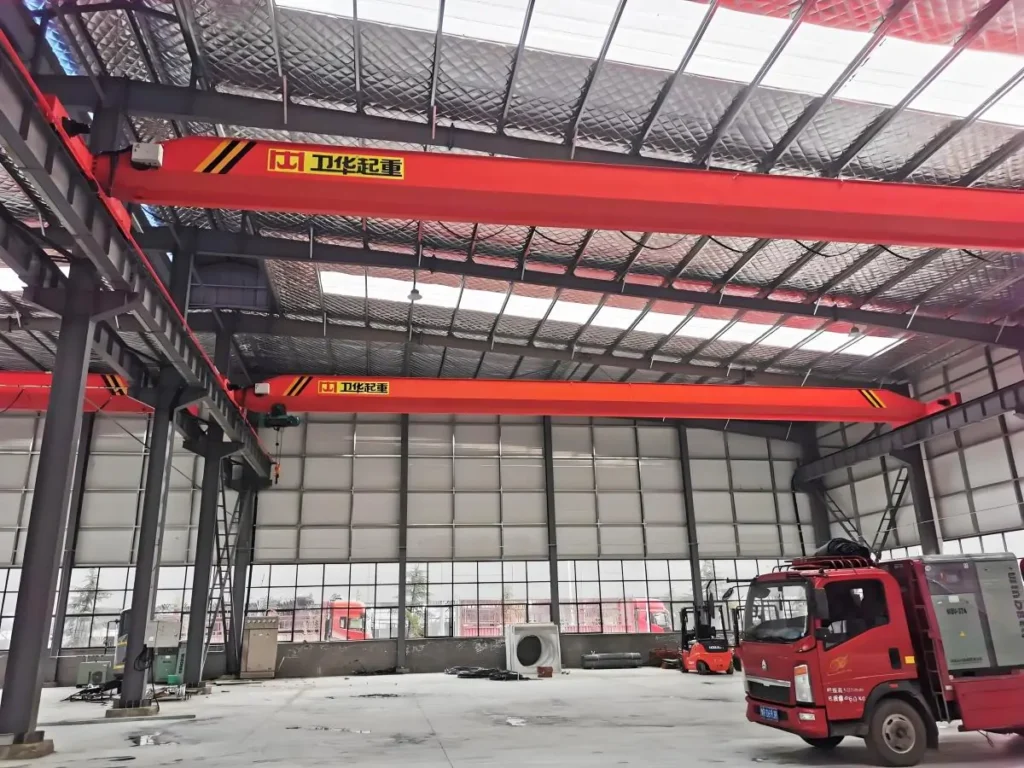
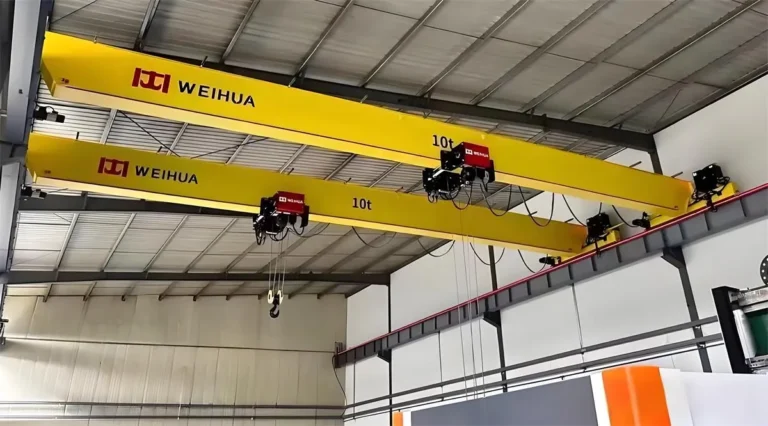
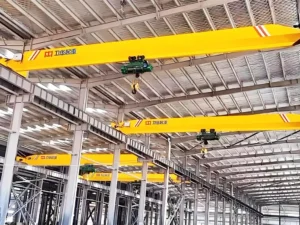
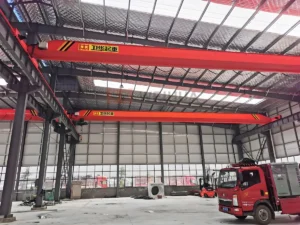
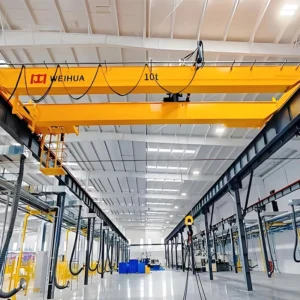
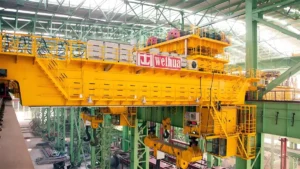
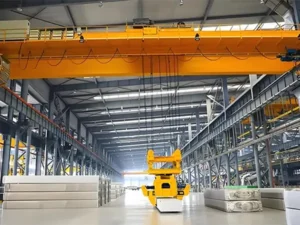
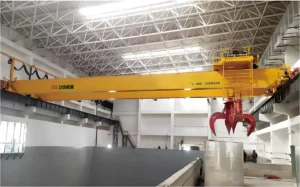
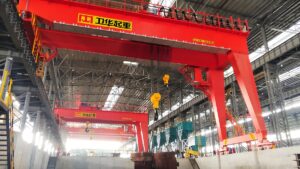
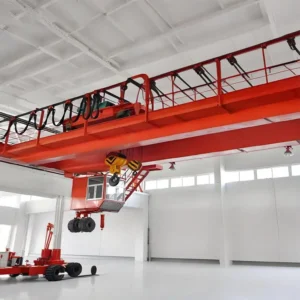
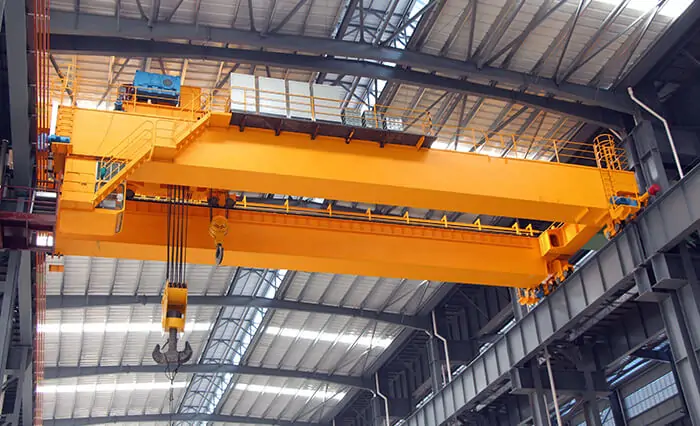
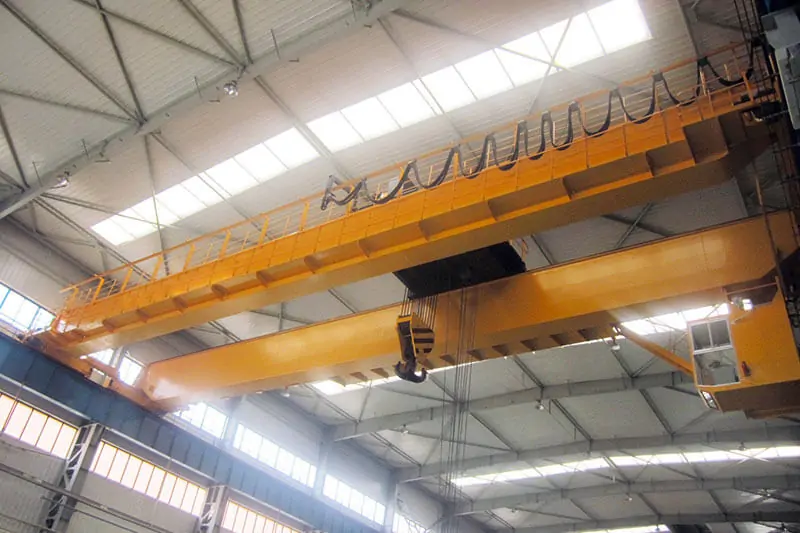
A Double Girder EOT Crane is an overhead lifting system with two parallel bridge girders supported by end carriages that travel along elevated runway rails. The hoist and trolley move on the two girders to lift and transport heavy loads across the working area.
The double girder structure provides higher lifting capacity, longer spans, greater hook height, and stronger stability than single girder cranes. It is suitable for heavy-duty and frequent lifting operations, with capacities commonly ranging from 1 to 450+ tons.
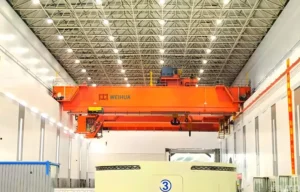
Double girder EOT cranes are widely used in factories, warehouses, steel plants, power stations, and outdoor storage yards for handling steel coils, machinery, raw materials, and finished products. Common designs include general-purpose cranes, high-temperature cranes, and electromagnetic cranes for different industrial applications.
How Does a Double Girder EOT Crane Work?
A Double Girder EOT Crane moves loads through three main operations: lifting, trolley movement, and crane travel. The two bridge girders support the trolley and hoisting system, making the crane suitable for heavy-duty material handling.
Hoisting Movement — The hoisting motor drives the drum to lift or lower the load through the wire rope and hook. The hoist capacity depends on the motor power and crane design.
Trolley Movement — The trolley runs on the two bridge girders and moves the load across the crane span. This allows the operator to place materials at the required position.
Bridge Travel — The crane travels along the runway rails through the end trucks and travel motors. This movement covers the full length of the workshop.
Control System — The crane can be operated by pendant control, remote control, or cabin control. The control system manages lifting, trolley travel, and crane movement during operation.
A Double Girder EOT Crane uses these movements to transport heavy materials in factories, steel plants, machinery workshops, and other industrial areas. For more detailed information on how EOT cranes work, read the article: كيف تعمل رافعة الجسر العلوية؟ مبدأ العمل، والمكونات، ودليل التشغيل
أجزاء
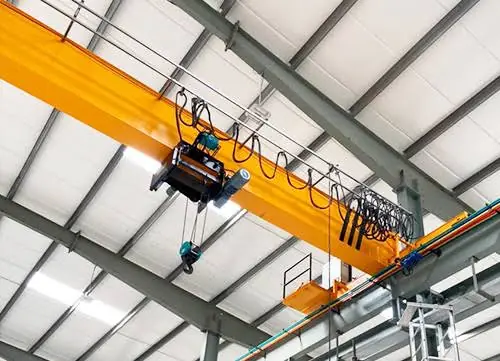
A Double Girder EOT Crane is made up of several key components. Each part works together to complete lifting, horizontal movement, and long-distance travel inside the workshop.
Bridge Girders: The bridge girders are the main structure of the crane. The two girders carry the trolley and support the lifting load during operation.
Hoist Trolley: The hoist trolley runs on the bridge girders. It carries the hoisting equipment and moves the load across the crane span.
Hoisting System: The hoisting system includes the motor, gearbox, drum, wire rope, and hook. It lifts and lowers materials according to the required working height.
End Carriages: The end carriages are located at both ends of the bridge. They connect the girders with the wheels and allow the crane to move along the runway rails.
Travel System: The travel system consists of travel motors, reducers, and wheels. It drives the crane to move forward and backward in the workshop.
Electrical System: The electrical system controls all crane movements, including lifting, trolley travel, and bridge travel. It usually includes the control panel, cables, and operating device.
Safety Devices: Safety devices such as overload protection, limit switches, and emergency stop systems help protect the crane and operators during use. (For information on safety configurations for cranes in different scenarios, see the article: “"أجهزة السلامة الخاصة بالرافعات العلوية: أنواعها ووظائفها ومبادئ عملها"”)
Why Choose a Double Girder EOT Crane?
A Double Girder EOT Crane is designed for heavy-duty lifting applications where higher capacity, larger spans, and frequent operation are required. Compared with single girder cranes, it has a stronger structure and better load handling capability.
1. Higher Load Capacity
The two bridge girders create a stronger support structure for heavy loads. Double girder EOT cranes are commonly used for handling steel coils, machinery, molds, and large equipment.
2. Higher Lifting Height
The hoist trolley is placed on the bridge girders, giving the hook more vertical space for lifting and lowering materials.
3. Stable Operation
The load is distributed between the two beams, reducing beam deflection and allowing the crane to operate smoothly while lifting heavy loads.
4. Suitable for Large Span Workshops
The double girder design is suitable for factories with wide workshop areas. It can cover longer runway distances and larger working ranges.
5. Built for Heavy-Duty Use
Double girder EOT cranes are widely used in steel plants, machinery factories, and other workplaces where cranes operate frequently.
6. Durable Structure
The heavy-duty bridge frame and industrial-grade components are designed for long-term use under demanding working conditions.
Double Girder EOT Crane vs Single Girder EOT Crane
The choice between a Double Girder EOT Crane and a Single Girder EOT Crane depends on lifting capacity, workshop size, and working conditions. The main difference is the bridge structure, which affects load capacity, span, stability, and application range.
| عنصر المقارنة | رافعة جسرية مزدوجة EOT | رافعة علوية أحادية العارضة |
| Structure Design | Two parallel bridge girders support the trolley and lifting system. The structure is designed for heavy loads. | One main girder forms the bridge structure. The crane has a lighter design. |
| قدرة الرفع | 5–550 tons, used for heavy-duty lifting. | 0.5–20 tons, used for light and medium lifting. |
| نطاق التغطية | Suitable for large-span workshops and wide working areas. | Suitable for standard workshop spans and smaller working areas. |
| فئة الواجب | A3–A8, used for medium to heavy working conditions. | A3–A5, used for light and medium working conditions. |
| استقرار | Two girders share the load and reduce beam deformation during operation. | Suitable for general lifting applications with lighter loads. |
| تطبيق | Steel plants, shipyards, machinery factories, foundries, and heavy industries. | Warehouses, workshops, maintenance areas, and general manufacturing. |
| يكلف | Higher investment due to larger structure and higher load capacity. | Lower cost with simple structure and lower lifting requirements. |
| Control Options | Pendant control, remote control, and cabin control. | Pendant control and remote control. |
The main difference between double girder and single girder EOT cranes is the load capacity and working range. Double girder cranes are used for heavy loads, large spans, and frequent operation. Single girder cranes are suitable for light and medium lifting tasks.
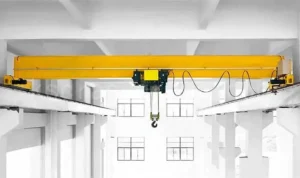
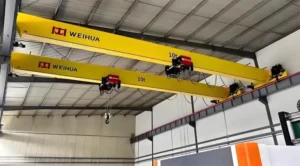
For detailed information on single-girder EOT cranes, see: What Is a Single-Girder EOT Crane? Structure, Working Principle, and Applications
For a detailed comparison of single-girder and double-girder cranes, see: Single vs. Double Girder Crane: Differences, Advantages, and How to Choose
تطبيقات
A Double Girder EOT Crane is used in industries that require heavy load handling, large lifting capacity, and frequent material movement. It is commonly installed in factories, workshops, and industrial facilities.
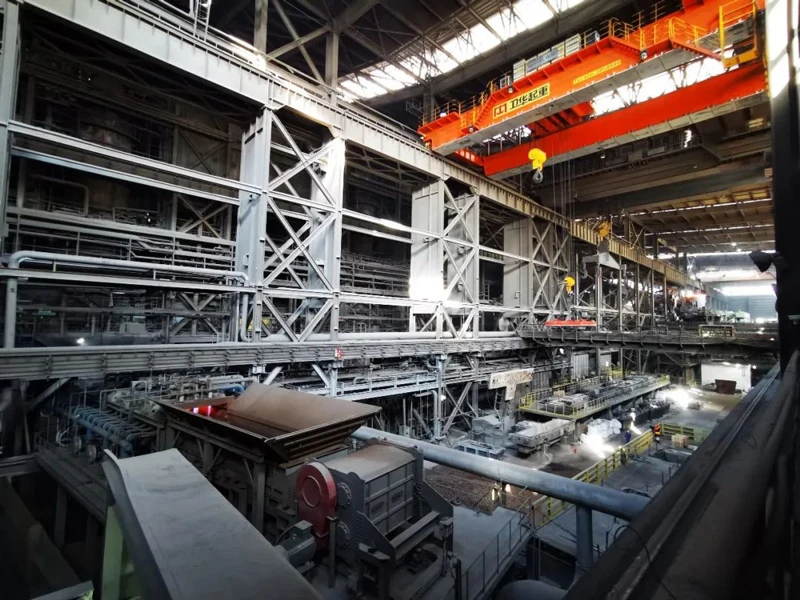
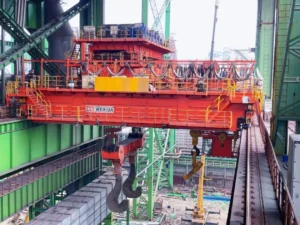
Steel Plants
Used for lifting steel coils, steel plates, billets, and other heavy steel materials during production and storage.
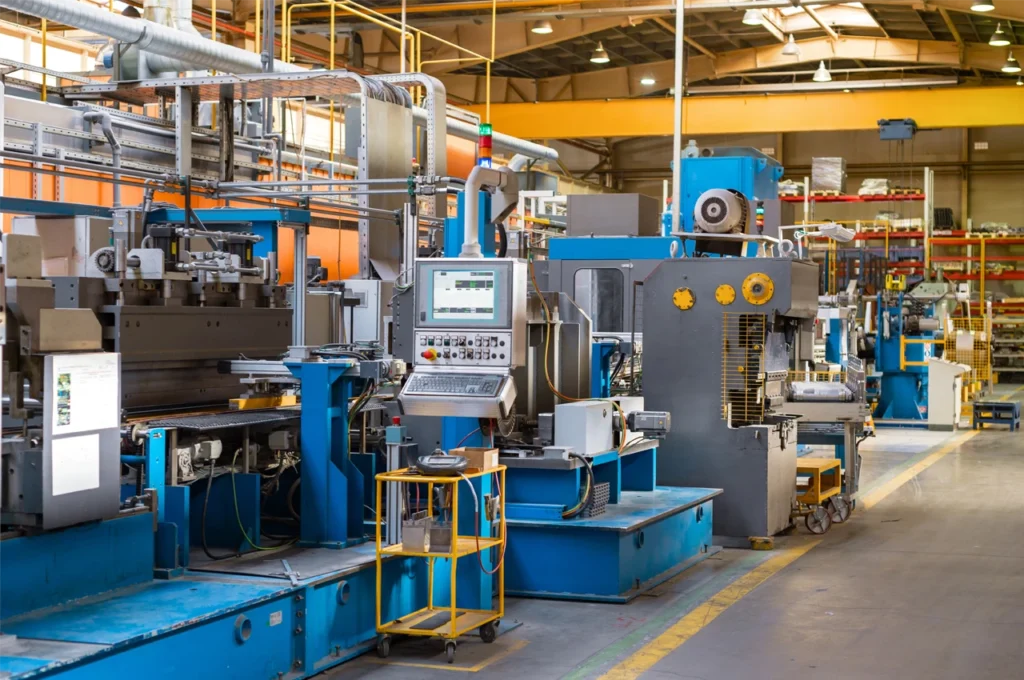
Machinery Manufacturing
Used for moving heavy machine parts, molds, and equipment during machining, assembly, and maintenance.
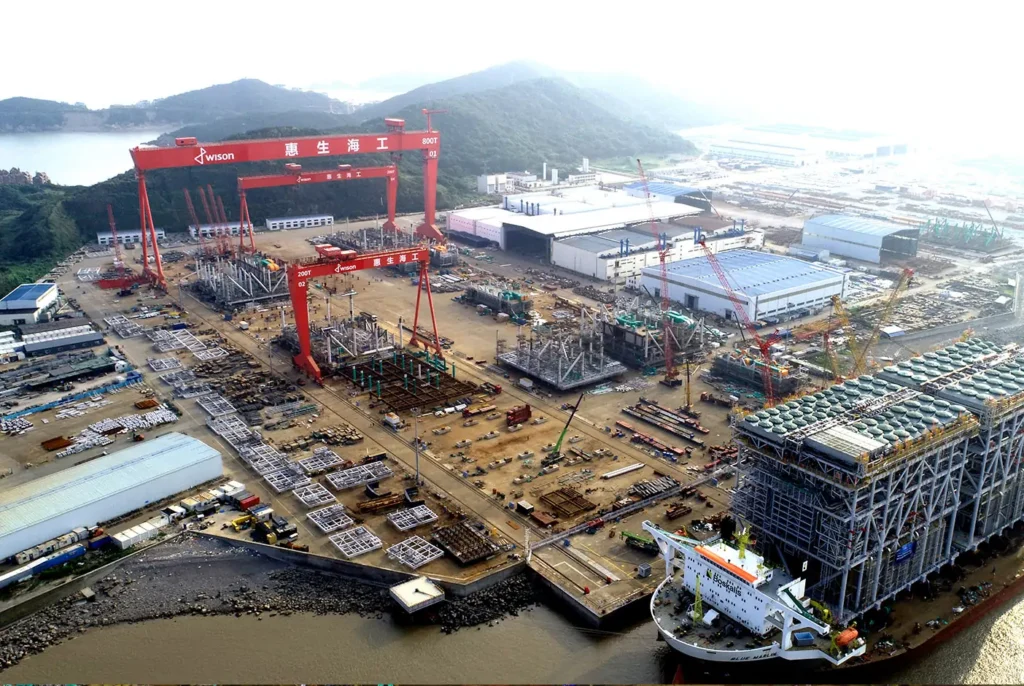
Shipbuilding Industry
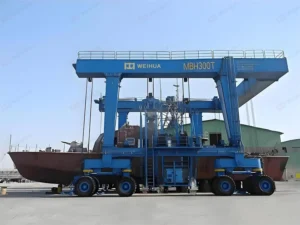
Used for handling large ship components, steel structures, and heavy equipment in shipyards.
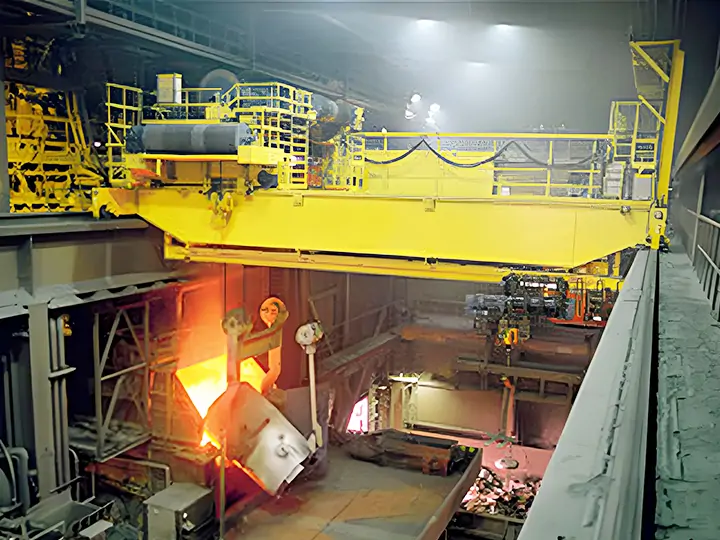
Foundries
Used for transporting molten metal containers, castings, and heavy materials in casting workshops.
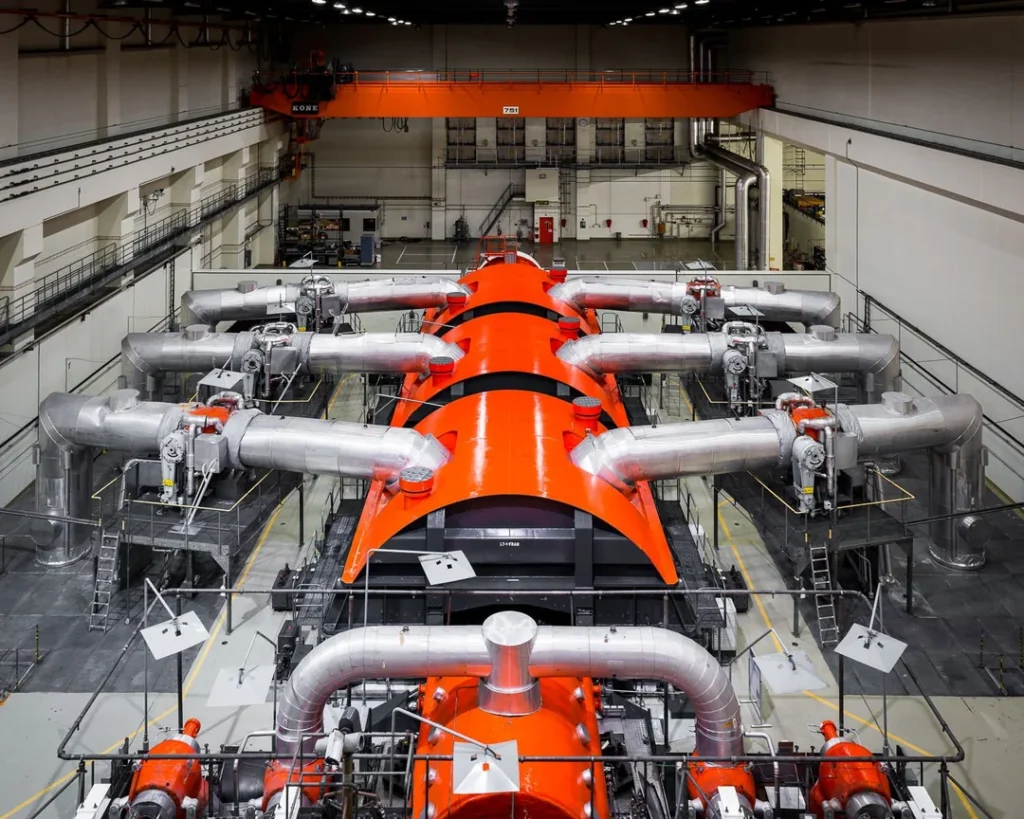
محطات توليد الطاقة
Used for equipment installation, maintenance work, and handling large components.
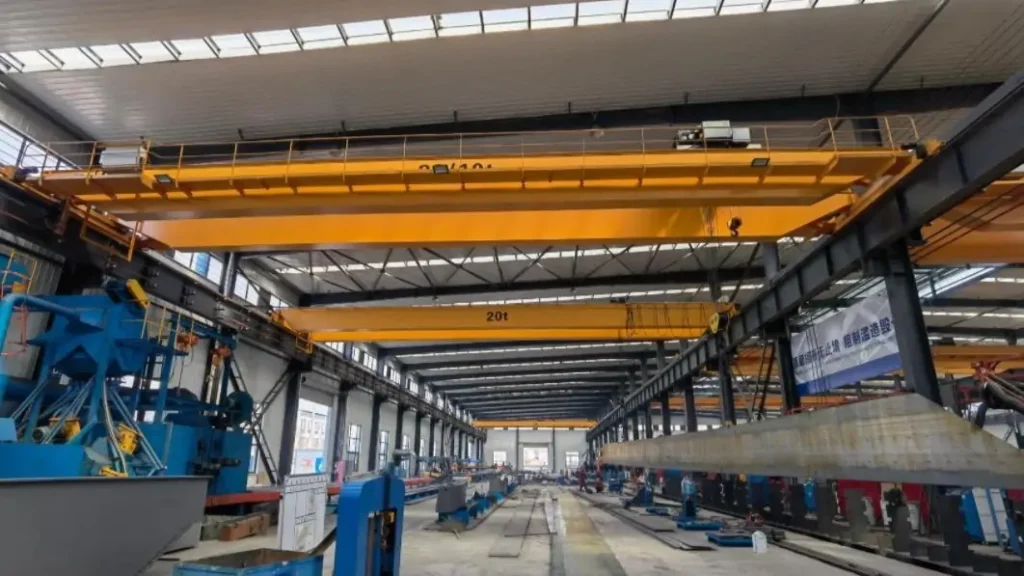
المستودعات ومراكز الخدمات اللوجستية
Used for loading, unloading, and transferring heavy materials inside large storage facilities.
How to choose Right Double Girder EOT Crane?
Choosing the right Double Girder EOT Crane requires checking the lifting load, workshop conditions, and operation requirements.
1. Lifting Capacity: Select the crane capacity based on the maximum load weight, including future lifting needs.
2. Span Length: Choose the span according to the workshop width and runway distance.
3. Lifting Height: Check the required hook height to match the production process and workspace.
4. Duty Class: Select the duty class based on lifting frequency and daily working hours.
5. Working Environment: Consider conditions such as dust, moisture, temperature, corrosion, and hazardous areas.
6. Safety Devices: Choose necessary safety features such as overload protection, limit switches, and emergency stop systems.
7. Control Method: Select pendant control, remote control, or cabin control based on operational requirements.
A suitable Double Girder EOT Crane should match the lifting load, factory layout, and working conditions.
Safety Maintenance
- 1. Daily Inspection: Check the hook, wire rope, brake, and control system before each operation.
- 2. Lubrication Maintenance: Lubricate gears, bearings, wheels, and other moving parts at scheduled intervals.
- 3. Electrical Inspection: Check cables, motors, control panels, and electrical connections for faults.
- 4. Safety Device Check: Inspect overload limiters, travel limit switches, and emergency stop devices regularly.
- 5. Structure Inspection: Check bridge girders, end carriages, and welded joints for cracks, wear, or deformation.
- 6. Load Test: Perform load tests according to inspection requirements to check lifting performance.
For inspection and maintenance details, see: كيفية فحص رافعة علوية متحركة: قائمة فحص كاملة ودليل الصيانة
خاتمة
A Double Girder EOT Crane is designed for heavy lifting tasks that require high load capacity, large spans, and frequent operation. Understanding its structure, working principle, advantages, applications, and selection factors helps you choose the right crane for your factory.
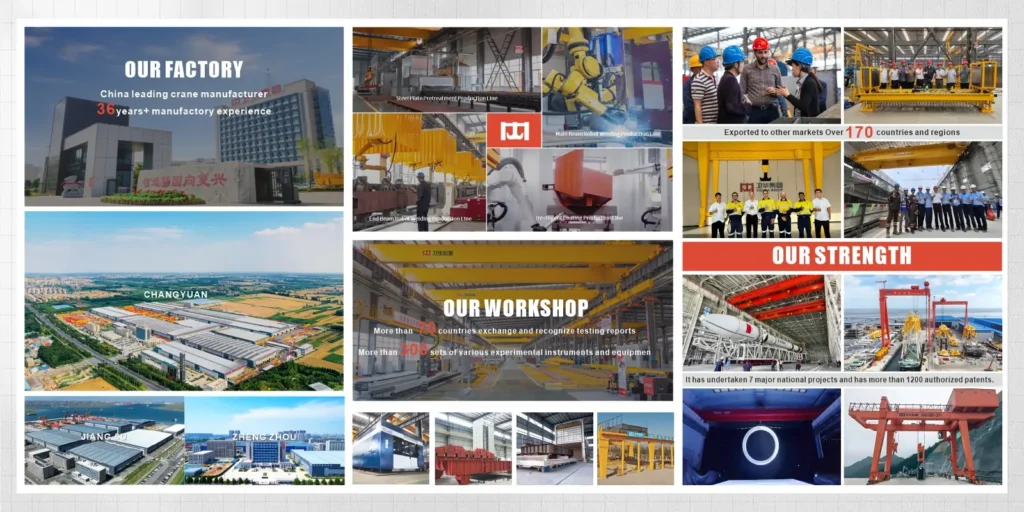
وي هوا provides Double Girder EOT Cranes for steel plants, machinery factories, warehouses, and other industrial applications. We offer crane design, manufacturing, installation support, and after-sales service based on different lifting requirements. اتصل بنا to discuss your project and find a suitable overhead crane solution.
أسئلة شائعة
What is a Double Girder EOT Crane?
A Double Girder EOT Crane is an overhead crane with two bridge girders, designed for heavy lifting and large-span operations.
What is the lifting capacity of a Double Girder EOT Crane?
Double Girder EOT Cranes usually handle loads from 5 tons to 550+ tons, depending on the crane design.
What is the difference between a Double Girder and Single Girder EOT Crane?
A double girder crane has two bridge girders for higher capacity and larger spans, while a single girder crane is designed for lighter loads.
Where are Double Girder EOT Cranes used?
They are widely used in steel plants, machinery factories, shipyards, foundries, power plants, and large workshops.
How does a Double Girder EOT Crane work?
It lifts loads through the hoisting system and moves them by trolley travel and bridge travel along the runway rails.
What factors affect the selection of a Double Girder EOT Crane?
Key factors include lifting capacity, span length, lifting height, duty class, working environment, and control method.
Can WEIHUA customize Double Girder EOT Cranes?
Yes. WEIHUA provides customized crane design and manufacturing based on lifting requirements, workshop layout, and application conditions.