









Оглавление
Введение
RTG crane cost depends on more than the equipment purchase price. Lifting capacity, container stacking height, power supply, automation, and operating conditions all affect the final investment. For container terminals planning new equipment, understanding these cost factors helps with budget planning and supplier comparisons.
This article examines the main factors affecting RTG crane cost, compares diesel, hybrid, and electric power systems, and explains the costs of transportation, installation, energy consumption, tire replacement, and maintenance. It also compares RTG and RMG cranes by total cost and operating requirements, helping buyers prepare a more accurate project budget.
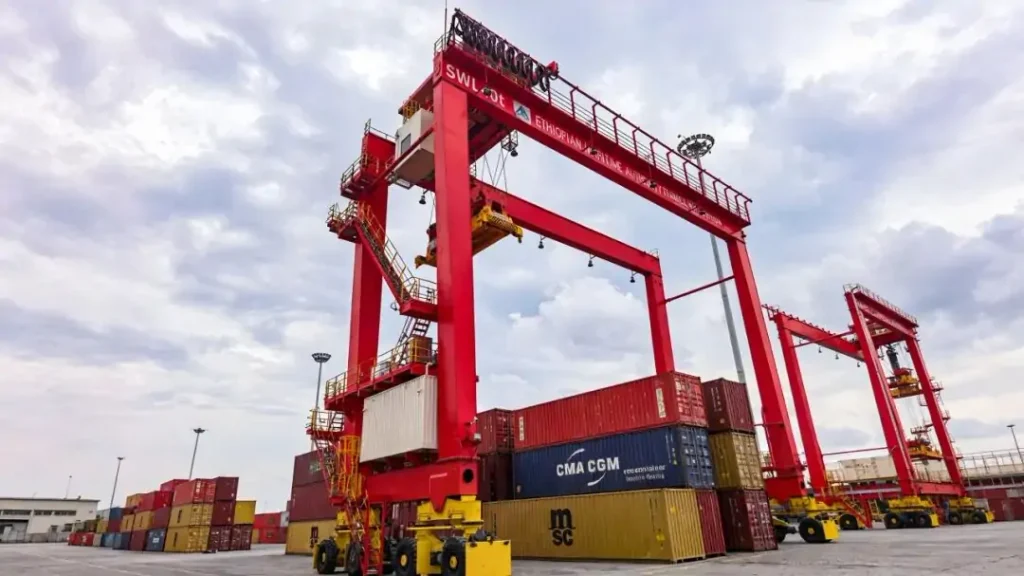
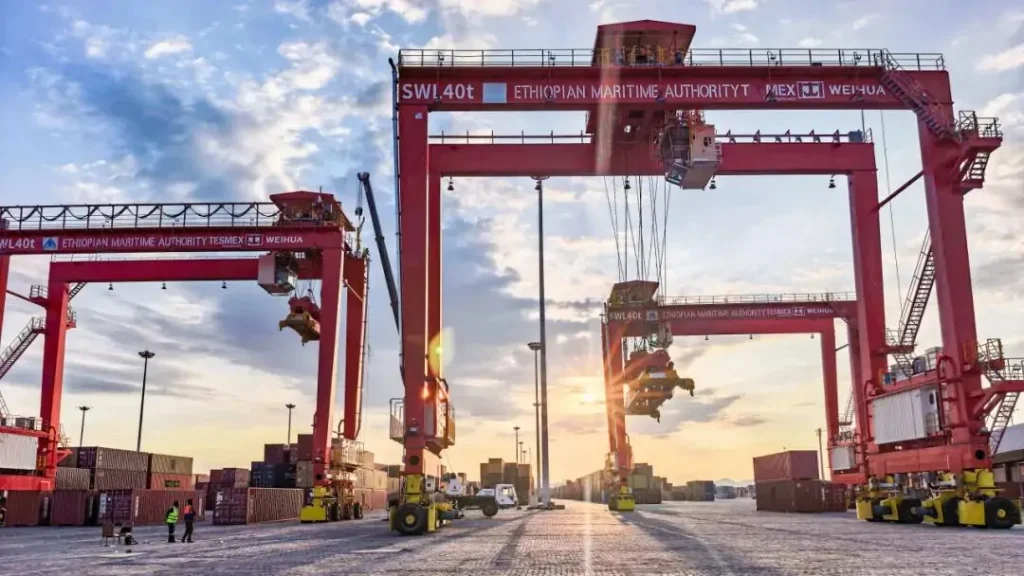
How Much Does an RTG Crane Cost?
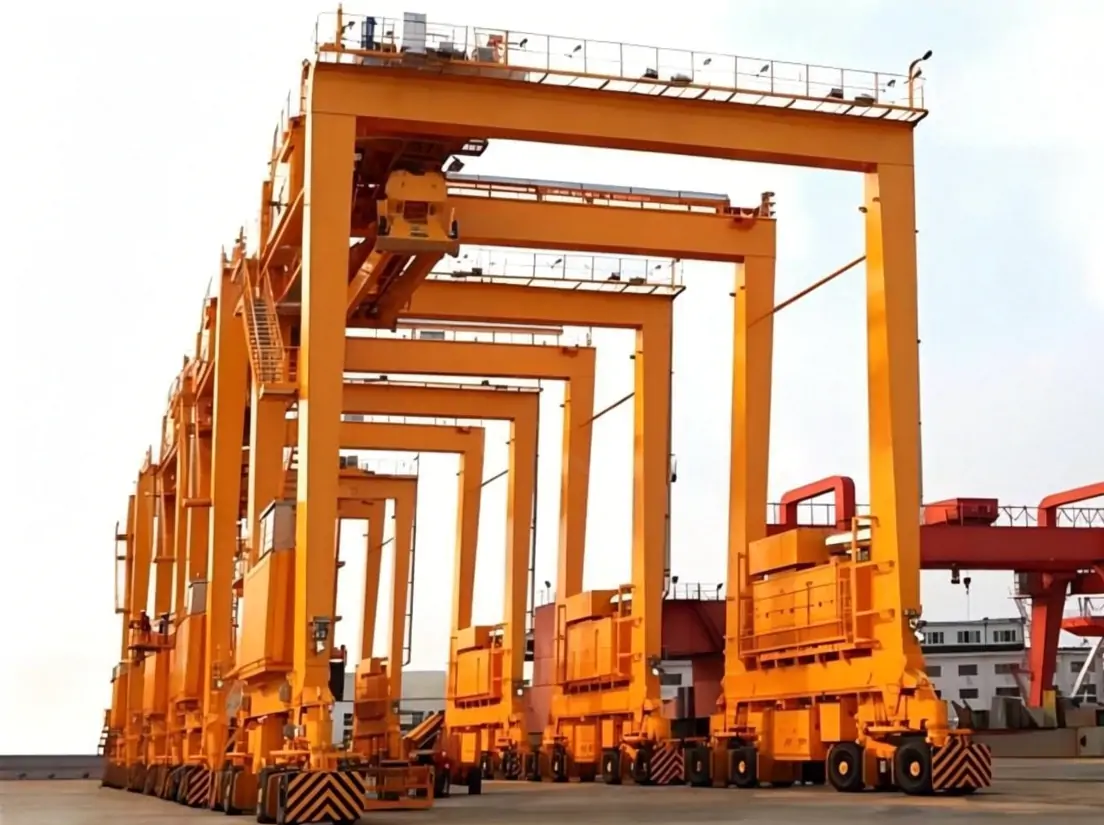
RTG crane cost depends on lifting capacity, span, container stacking height, power system, automation level, and supply scope. Diesel, hybrid, and electric Кран-рефрижераторные козловые краны can have different equipment and infrastructure costs, even when designed for similar handling tasks.
The equipment quotation covers the agreed crane configuration and supply items. The total project budget may also include transportation, import duties, site preparation, power supply infrastructure, installation, commissioning, and operating costs. For an accurate estimate, buyers should compare quotations based on the same technical specifications and delivery terms. Any published price should include the crane configuration, power type, quotation date, and applicable trade terms.
What Factors Affect RTG Crane Cost?
RTG crane cost depends on lifting capacity, structural dimensions, power supply, operating frequency, and control configuration. Each factor affects equipment specifications, component selection, and manufacturing costs.
1. Lifting Capacity and Rated Load
Higher lifting capacity requires stronger girders, larger hoisting components, and higher-rated brakes. Steel weight and component costs increase with the load rating.
2. Span and Container Stacking Height
A wider span requires a longer main girder and stronger supporting legs. Greater stacking height increases structural height, hoisting travel, and wire rope length.
3. Diesel, Hybrid, and Electric Power Systems
Power configuration affects purchase price, infrastructure costs, and energy expenses.
- Diesel RTG: Diesel generator, fuel system, fuel consumption, and engine maintenance.
- Hybrid RTG: Battery or energy storage system, generator, and associated controls.
- Electric RTG: External power supply equipment, cable reel or conductor system, and yard electrical infrastructure where required.
4. Tire, Travel, and Steering Systems
Tire specifications depend on wheel loads, crane weight, and yard conditions. Steering modes affect drive and control requirements. Tire replacement and servicing add to long-term maintenance costs.
5. Automation and Control Systems
Cabin-operated RTGs require fewer automation components than remote-controlled or fully automated models. Anti-sway systems, positioning sensors, laser scanners, and terminal system integration increase equipment and commissioning costs.
6. Working Class and Operating Frequency
High-frequency container handling requires components rated for intensive duty cycles. Motors, gearboxes, bearings, brakes, and structural members must meet the specified operating class, affecting equipment cost.
7. Safety Devices and Environmental Requirements
Overload protection, anti-collision systems, wind alarms, and redundant controls add to the safety-system cost. Coastal sites may require marine-grade corrosion protection; cold environments may need low-temperature steel, heated electrical cabinets, and specialized lubricants.
RTG crane cost reflects the combined impact of structural dimensions, power configuration, operating duty, automation, and site requirements. Buyers should compare cranes with the same technical specifications and assess equipment price alongside infrastructure, energy, and maintenance costs.
Diesel vs. Electric vs. Hybrid RTG Crane Cost
RTG power selection affects equipment price, yard infrastructure, energy consumption, maintenance, and emissions.
| Cost Factor | Diesel RTG | Electric RTG | Hybrid RTG |
|---|---|---|---|
| Initial Cost | Diesel generator, fuel tank, and exhaust system | Electric drive and external power supply equipment | Diesel generator plus battery or supercapacitor system |
| Energy Cost | Depends on fuel consumption and diesel prices | Depends on electricity rates and operating efficiency | Lower fuel consumption through energy recovery and optimized engine operation |
| Инфраструктура | Fuel storage and refueling facilities | Cable reel, conductor system, or charging facilities, depending on design | Fuel facilities and any required electrical charging infrastructure |
| Обслуживание | Engine, generator, oil, and filter servicing | Electric drives and power supply system inspections | Engine servicing and battery system monitoring |
| Emissions | Diesel exhaust at the terminal | No on-site diesel exhaust during operation | Lower diesel consumption and exhaust emissions, depending on operating conditions |
| Service Life | Engine and generator overhaul requirements | Drive system condition and structural fatigue life | Separate service-life assessments for the engine, battery, and structure |
- Diesel RTGs suit yards with limited electrical infrastructure or frequent repositioning.
- Electric RTGs eliminate on-site diesel exhaust but require suitable power infrastructure.
- Hybrid RTGs reduce fuel consumption without removing the need for engine maintenance.
The cost comparison should include infrastructure, local energy prices, annual handling volume, tire maintenance, and component replacement over the same service period. The lowest purchase price does not necessarily mean the lowest total cost.
When considering the cost of an RTG crane, it’s important to look not only at the initial purchase price but also at ongoing maintenance costs. For details, see: Annual Maintenance Cost for RTG Cranes: Cost Breakdown & Budget Guide
What Is Included in an RTG Crane Quotation?
An RTG crane quotation lists the equipment and services supplied by the manufacturer. The quoted price may exclude items such as the spreader, site installation, power infrastructure, or commissioning. Check the supply scope and extra charges before comparing prices.
- Steel Structure and Mechanical Systems: Main girder, legs, trolley frame, and mechanical components.
- Hoisting, Trolley, Travel, and Steering Systems: Hoist mechanisms, drive units, wheels, tires, and steering equipment.
- Power Supply and Electrical Controls: Diesel generator or electric power interface, motors, control cabinets, and operating controls.
- Container Spreader and Safety Devices: Spreader type, overload protection, anti-collision devices, and other specified safety systems.
- Factory Inspection and Testing: Inspection, functional tests, and load testing according to the agreed requirements.
- Packing, Shipping, and Delivery: Export packing, inland transport, ocean freight, and insurance where included.
- Installation, Commissioning, and Training: On-site assembly, testing, operator training, and technical support.
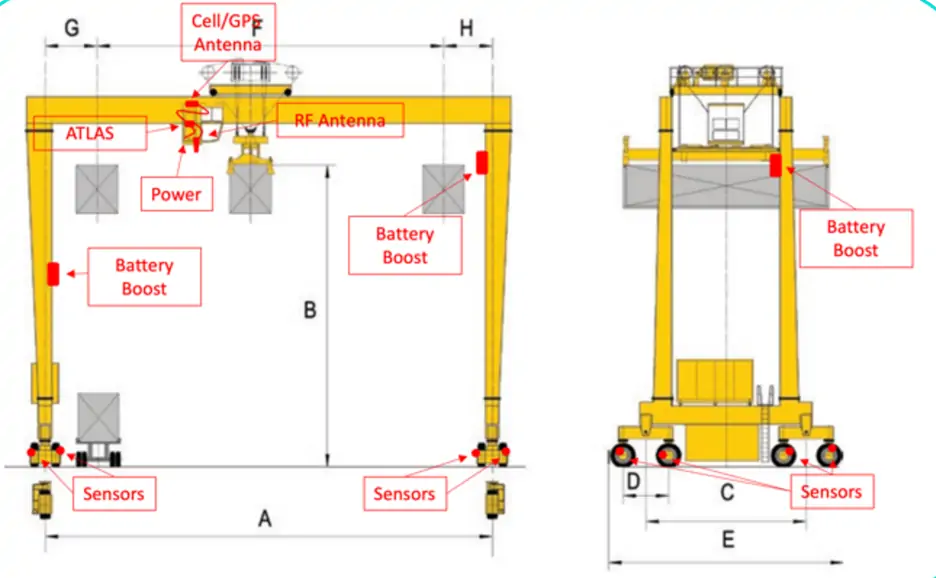
Quotation scope varies by supplier and project. Confirm whether the spreader, power supply infrastructure, spare parts, installation, commissioning, and travel expenses are included, optional, or billed separately. Compare quotations against the same technical specifications, delivery terms, and service scope rather than equipment price alone.
How to Calculate the Total Cost of an RTG Crane?
RTG crane project costs include the purchase price, delivery, site preparation, and operating expenses. A project budget should cover the following items.
Total Project Cost = Equipment Cost + Transportation and Import Costs + Infrastructure + Installation and Commissioning + Operating Costs + Maintenance
Equipment Purchase Cost — Include the crane, spreader, power system, control equipment, and selected optional features.
Transportation and Import Costs — Account for export packing, inland transport, ocean freight, insurance, import duties, and customs clearance where applicable.
Power Supply Infrastructure — Budget for fuel storage and refueling facilities for diesel models, or cable reels, conductor systems, and electrical installations for electric models.
Installation and Commissioning — Include on-site assembly, electrical connections, testing, commissioning, and operator training if these services are not covered by the equipment quotation.
Fuel or Electricity Costs — Estimate energy consumption using annual operating hours, handling workload, and local fuel or electricity prices.
Tire Replacement and Maintenance — Include tire replacement, scheduled servicing, spare parts, engine maintenance, and electrical or battery system maintenance according to the selected configuration.
For lifecycle cost comparisons, use the same evaluation period for each RTG option. Include energy, maintenance, tire replacement, and required infrastructure to compare diesel, electric, and hybrid systems consistently.
RTG Crane vs. RMG Crane: Which Has a Lower Total Cost?
RTG and RMG cranes differ in mobility, yard infrastructure, and operating costs. The right choice depends on terminal layout, handling volume, power supply, and long-term operating requirements.
| Сравнительный элемент | Кран RTG | Кран RMG |
|---|---|---|
| Система путешествий | Rubber tires | Fixed rails |
| Yard Flexibility | Can move between yard blocks | Restricted to the installed rail layout |
| Инфраструктура | Requires suitable load-bearing pavement | Requires rails and supporting foundations |
| Power Options | Diesel, hybrid, or electric | Usually electric |
| Cost Factors | Power system, tires, fuel or electricity, maintenance | Rail foundations, power supply, installation, maintenance |
| Приложение | Flexible yard layouts and changing handling routes | Fixed routes and high-density container yards |
- Кран-рефрижераторные козловые краны suit yards that need flexible equipment movement without fixed rail infrastructure.
- RMG cranes suit planned layouts with repetitive handling routes and high stacking density.
Compare equipment price, civil works, energy, maintenance, and expected throughput over the same service period to determine which option has the lower total cost.
View detailed cost and pricing information for RMG cranes: RMG Crane Price List: Costs, Specifications, and Buying Guide
Заключение
RTG crane cost depends on lifting capacity, yard layout, power system, automation, and operating requirements. A reliable cost comparison should cover equipment price, infrastructure, installation, energy consumption, and maintenance over the expected service life.
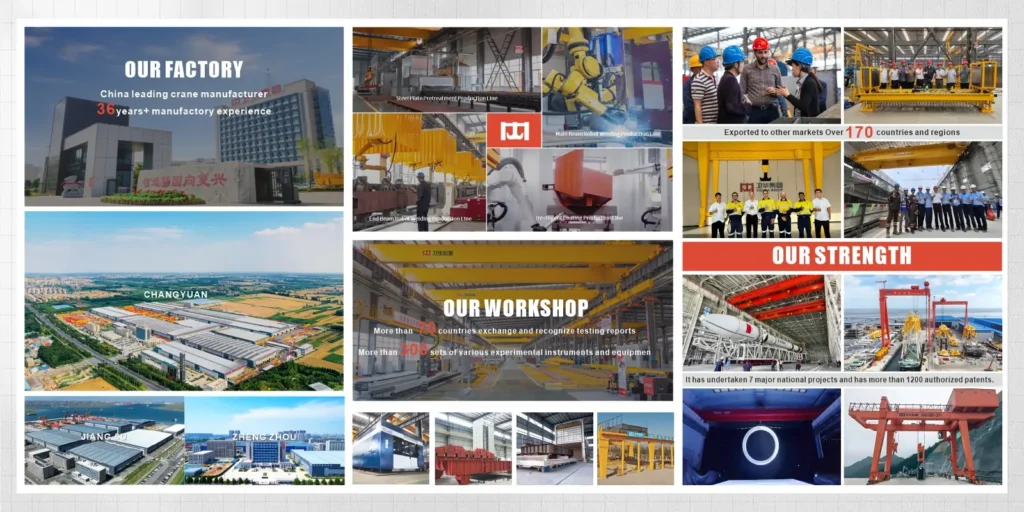
Вейхуа supplies RTG cranes configured to match container handling capacity, stacking height, yard layout, and operating conditions. Our team can discuss diesel, hybrid, and electric power options, crane specifications, control systems, and project service requirements based on your terminal’s needs. Свяжитесь с нами with your required lifting capacity, container stacking layout, power preference, and project location to obtain a suitable configuration and detailed price quotation.
Часто задаваемые вопросы
How much does an RTG crane cost?
RTG crane prices vary with lifting capacity, span, stacking height, power system, automation, and supply scope. The total project cost may also include transportation, site preparation, installation, and commissioning. Request a quotation based on the required specifications rather than relying on a general price range.
What factors affect RTG crane cost?
The main factors are rated lifting capacity, span, stacking height, working class, power supply, steering system, and automation level. Environmental conditions, safety requirements, and delivery scope also affect the final price. Higher-duty components and specialized configurations increase manufacturing costs.
Is an electric RTG crane more expensive than a diesel RTG crane?
An electric RTG may require additional investment in cable reels, conductor systems, or yard electrical infrastructure. A diesel RTG requires a generator set and fuel system. The cost difference depends on the crane configuration and existing site facilities. Compare purchase price, energy, and maintenance costs over the same operating period.
What is included in an RTG crane quotation?
A quotation may cover the steel structure, hoisting and travel systems, steering equipment, power supply, electrical controls, spreader, and safety devices. Factory testing, shipping, installation, commissioning, and training may be included or charged separately. Confirm the supply scope and optional items before comparing supplier prices.
How much does RTG crane installation cost?
Installation costs depend on crane dimensions, delivery condition, site access, assembly requirements, and local labor rates. Expenses may include unloading, lifting equipment, mechanical assembly, electrical connections, testing, and commissioning. Ask the supplier to specify which installation services are included in the quotation and which require separate payment.
What is the operating cost of an RTG crane?
Operating costs include fuel or electricity, labor, tire replacement, scheduled maintenance, spare parts, and component repairs. Diesel models incur engine and generator servicing costs, while electric models require maintenance of their drive and power supply systems. Annual costs depend on handling volume, operating hours, energy prices, and site conditions.
How much does it cost to convert a diesel RTG crane to electric power?
Conversion costs depend on the existing crane design, selected power supply method, electrical infrastructure, and required control modifications. Work may include generator removal, drive system modifications, cable reel or conductor installation, and control integration. A site assessment and technical review are needed to determine the conversion scope and price.
How can I get an accurate RTG crane price quotation?
Provide the required lifting capacity, spreader weight, span, stacking height, power system, working class, and automation requirements. Include the project location, site conditions, delivery schedule, and installation needs. WEIHUA can review these specifications and prepare a quotation based on the required crane configuration and project scope.