- ПродуктОборудованиеТочное управление, Индивидуальное решение для кранаЭлектронная почта:WhatsApp / WeChat:+8613781917315Адрес:Китай, провинция Хэнань, город Чанъюань, шанхайская дорога, дом 18


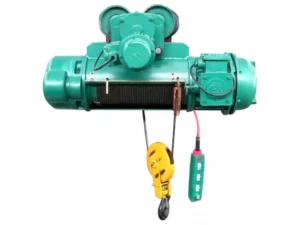
Ан explosion proof wire rope hoist is a motorized lifting device that uses a steel wire rope wound around a sealed drum to raise and lower heavy loads in hazardous environments. Unlike a standard electric wire rope hoist, every electrical and mechanical component is enclosed within flameproof housings, constructed from spark-resistant alloys, and tested to international explosion-proof standards before leaving the factory.
The core principle is containment and spark elimination: if an internal fault generates heat or a spark, the sealed enclosure prevents that energy from reaching the surrounding explosive atmosphere. At the same time, all external moving parts — wire rope, hook, drum, and trolley wheels — are manufactured from non-sparking materials to eliminate surface ignition risk.
This makes the explosion proof wire rope hoist the standard lifting solution wherever the atmosphere may contain flammable gases or vapors (IIA, IIB, or IIC gas groups) or combustible dust, and where a conventional hoist would represent an unacceptable safety risk.
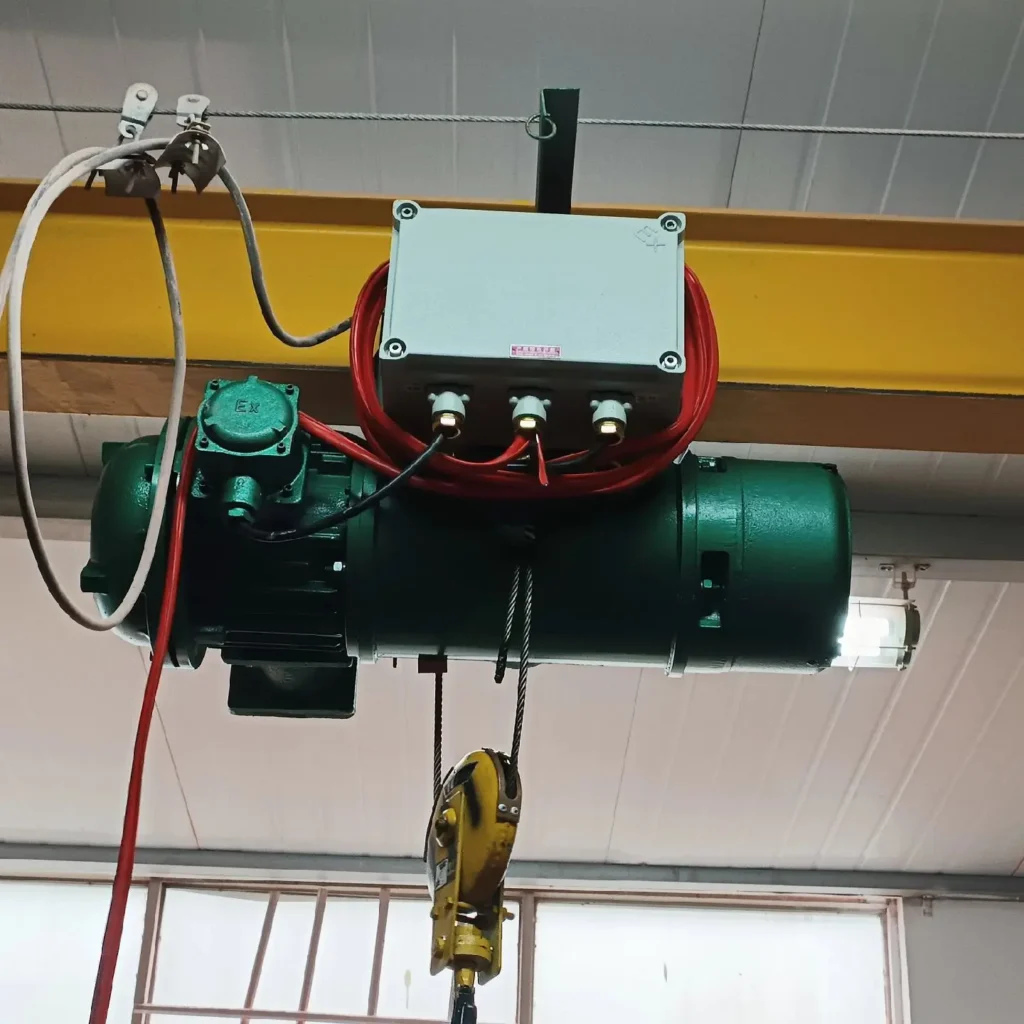
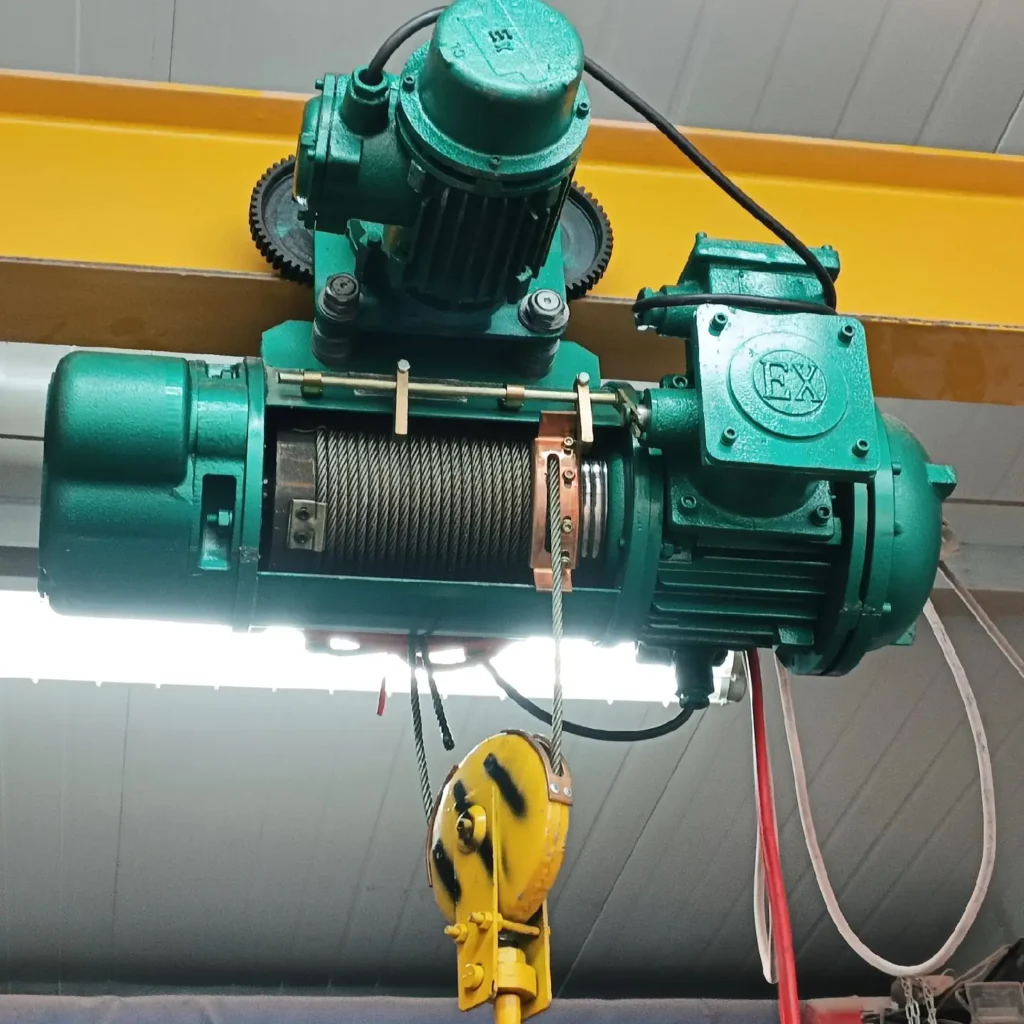
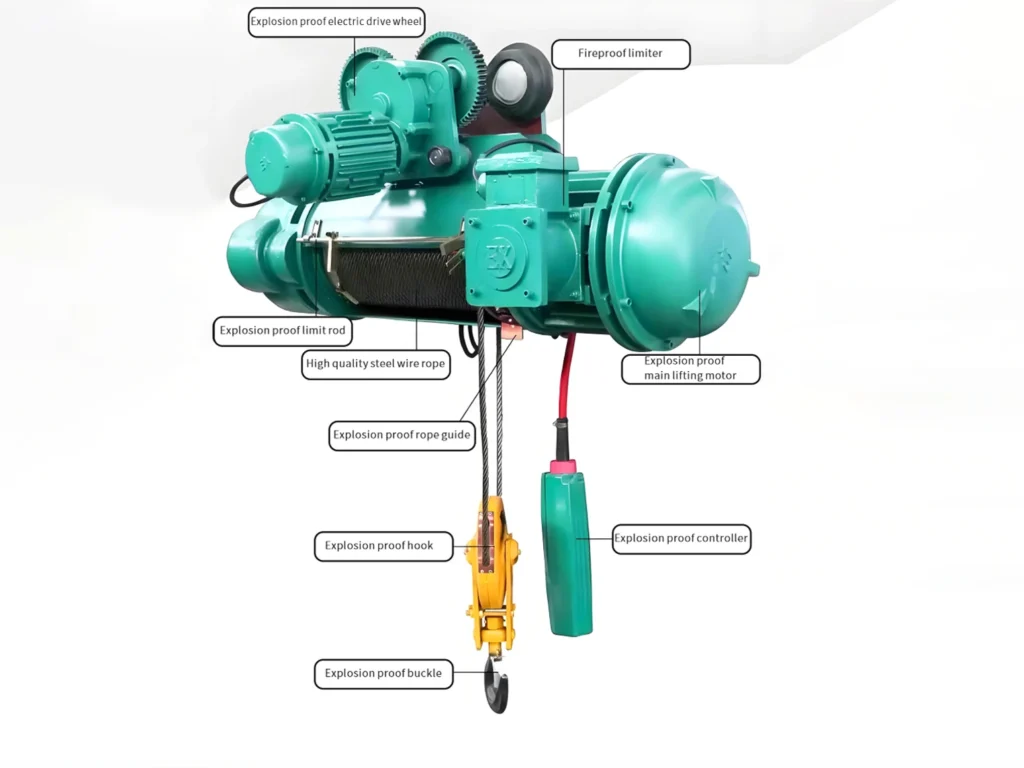
The explosion proof wire rope hoist combines certified flameproof electrical design with conventional wire rope mechanics to deliver safe, controlled lifting in hazardous atmospheres. The operating sequence below describes a standard lift cycle.
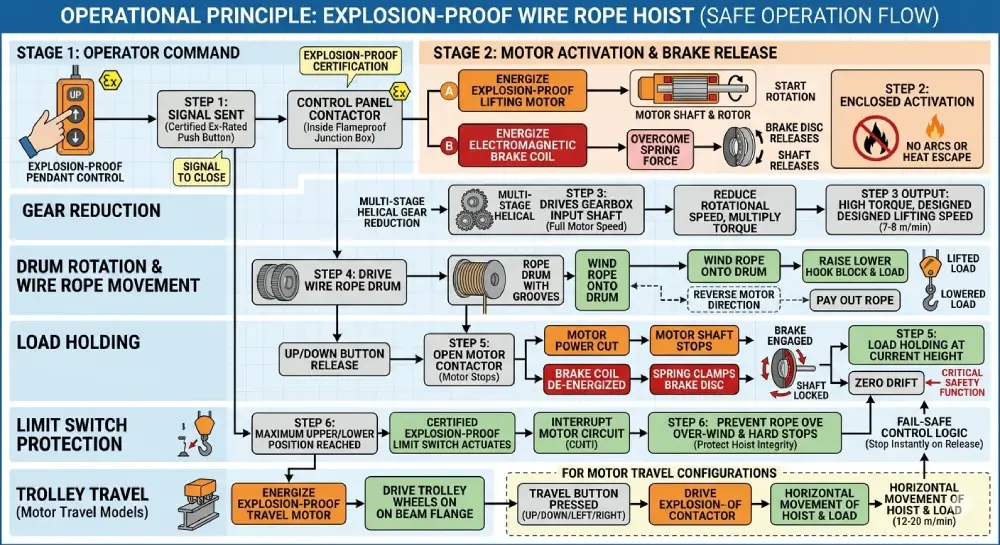
Step 1 — Operator Command The operator presses the Up button on the explosion-proof pendant control (or activates the explosion-proof wireless remote). The certified Ex-rated push button sends a signal to the control panel contactor inside the flameproof junction box.
Step 2 — Motor Activation & Brake Release The contactor energizes the explosion-proof lifting motor. Simultaneously, the electromagnetic brake coil is energized — overcoming the spring-applied clamping force — and the brake disc releases, allowing the motor shaft to rotate freely. The entire activation sequence occurs within sealed flameproof enclosures, with no electrical arc or thermal event capable of reaching the surrounding explosive atmosphere.
Step 3 — Gear Reduction & Torque Multiplication The motor drives the gearbox input shaft at full motor speed. The multi-stage helical gear reduction reduces rotational speed and multiplies torque at the output shaft, producing the force required to lift the rated load at the designed lifting speed of 7–8 m/min.
Step 4 — Drum Rotation & Wire Rope Movement The gearbox output shaft drives the wire rope drum. As the drum rotates, the steel wire rope is wound onto the drum in orderly helical grooves, shortening the effective rope length and raising the lower hook block and attached load. To lower the load, the motor reverses direction, and the drum pays out rope in a controlled manner.
Step 5 — Load Holding & Brake Engagement When the operator releases the Up or Down button, the motor contactor opens and the motor stops. At the same moment, the electromagnetic brake spring clamps the brake disc, locking the motor shaft and holding the drum — and therefore the load — at its current height with zero drift. This instantaneous, automatic braking action is the critical safety function that prevents uncontrolled load movement in the event of power interruption or operator error.
Step 6 — Limit Switch Protection If the hook reaches its maximum upper or lower travel position without operator input, the certified explosion-proof limit switch interrupts the motor circuit before the rope reaches the drum end stop. This prevents rope over-wind, drum damage, and the mechanical shock of a hard stop under load — all of which could compromise the explosion-proof integrity of the hoist structure.
Step 7 — Trolley Travel (Motor Travel Models) For motor travel configurations, a separate explosion-proof travel motor drives the trolley wheels along the beam flange, providing controlled horizontal movement of the hoist and suspended load. Travel speed is 12–20 m/min depending on capacity. The travel motor operates under the same fail-safe control logic as the lifting motor — stopping instantly on button release, with no coasting or uncontrolled movement.
| Параметр | Спецификация |
|---|---|
| Модель | HB(BCD) |
| Грузоподъемность | 0.5 t / 1 t / 2 t / 3 t / 5 t / 10 t |
| Высота подъема | 6, 9, 12, 18, 24, 30 m (0.5 t max 18 m; custom on request) |
| Скорость подъема | 8 m/min (0.5 t–5 t) / 7 m/min (10 t) |
| Running Speed (Trolley) | 20 m/min (0.5 t–5 t) / 12 m/min (10 t) |
| Explosion-Proof Type | Flameproof Type d |
| Explosion-Proof Grade | Ex dⅡBT4 / Ex dⅡCT4 |
| Temperature Class | T1 – T4 |
| Класс защиты | IP65 / IP66 |
| Insulation Class | F |
| Рабочая категория | М3 (customizable) |
| Working Temperature | -25°C to +40°C |
| Altitude | ≤ 1,000 m |
| Application Zones | Gas: Zone 1 / Zone 2 · Dust: Zone 21 / Zone 22 |
The explosion proof wire rope hoist is designed for any facility where the presence of flammable substances creates a classified hazardous area. Common industries and applications include:
Oil & Gas Refineries, wellheads, compressor stations, and offshore platforms regularly require lifting of heavy pumps, valves, and pressure vessels in Zone 1 or Zone 2 gas atmospheres. The explosion proof wire rope hoist is the standard solution for this environment, offering the load capacity and lift height to handle large equipment safely.
Petrochemical & Chemical Plants Process areas handling hydrocarbons, solvents, chlorine compounds, or other flammable chemicals require ATEX-rated lifting equipment throughout the facility. The Ex dⅡCT4 rating covers the most demanding chemical environments, including those with hydrogen-based atmospheres (IIC gas group).
Pharmaceutical Manufacturing Solvent-based processes and active pharmaceutical ingredient (API) synthesis areas frequently fall under Zone 1 or Zone 2 classification. An explosion proof wire rope hoist for pharmaceutical use is typically specified with IP66 protection and stainless steel options for hygienic compatibility.
Gas Stations & LPG/LNG Facilities Liquefied petroleum gas, liquefied natural gas, and compressed natural gas facilities require explosion-proof lifting equipment rated for IIB or IIC gas groups, particularly in storage and dispensing areas.
Mining Underground coal mines and surface mineral processing plants generate combustible methane and coal dust atmospheres. Mining-certified explosion-proof hoists carry additional Mine Safety Certificate documentation beyond standard ATEX/IECEx requirements.
Food Processing & Grain Handling Flour mills, grain storage facilities, and sugar processing plants generate fine combustible dust classified as Zone 21 or Zone 22. An explosion proof wire rope hoist for dust environments is specified for these applications, covering the dust explosion protection requirements of GB 12476.3-2007.
Shipbuilding & Offshore Shipyard paint shops, confined spaces, and offshore platform lifting points all require explosion-proof rated hoists due to the presence of coating solvents, fuel vapors, and gas supply lines.
Wastewater Treatment & Power Generation Biogas production areas in wastewater plants, and fuel handling areas in power stations, are classified hazardous zones requiring explosion-proof lifting equipment for maintenance and overhaul work.
| Zone | Среда | Стандарт |
|---|---|---|
| Zone 1 | Explosive gas atmosphere likely to occur in normal operation | GB 3836.14-2000 |
| Zone 2 | Explosive gas atmosphere unlikely; if present, only occasionally and briefly | GB 3836.14-2000 |
| Zone 21 | Combustible dust/air mixture may occur in normal operation | GB 12476.3-2007 |
| Zone 22 | Combustible dust appears occasionally, exists only for short duration | GB 12476.3-2007 |
Every explosion proof wire rope hoist in this product range carries full documentation for the following certification bodies:
| Сертификация | Coverage |
|---|---|
| Директива ATEX 2014/34/EU | European market — mandatory for EU hazardous area equipment |
| IECEx | Global mutual recognition standard — accepted in 50+ countries |
| Маркировка CE | European conformity — machinery directive compliance |
| CCC (China Compulsory Certification) | China domestic market requirement |
| Mining Safety Certificate | Underground mining and coal industry applications |
| Explosion-Proof Qualification Certificate | China explosion-proof product registration |
All certification documents are provided with delivery and are available for customer review during procurement. Traceability documentation supports facility compliance audits and regulatory inspections.
Understanding the difference between an explosion proof hoist and a standard hoist is essential for correct equipment selection in any facility risk assessment.
| Factor | Взрывозащищенный тросовый подъемник | Standard Wire Rope Hoist |
|---|---|---|
| Motor enclosure | Flameproof (Ex d), IP65/IP66 | Standard IP54/IP55 |
| Electrical components | Fully explosion-proof rated | Standard industrial grade |
| Mechanical parts material | Spark-resistant copper alloy / aluminum bronze | Standard carbon steel |
| Brake system | Fail-safe Ex-rated electromagnetic brake | Standard electromagnetic brake |
| Control pendant | Explosion-proof rated enclosure | Standard pendant |
| Zone suitability | Zone 1, 2, 21, 22 | Non-hazardous areas only |
| Certifications | ATEX, IECEx, CCC, Mining Cert | CE, ISO |
| Unit weight | Higher (due to Ex enclosures) | Стандарт |
| Цена | Выше | Стандарт |
| Обслуживание | Requires qualified Ex personnel | Standard technicians |
Selection rule: Any lifting operation in a classified hazardous area (Zone 1, 2, 21, or 22) requires an explosion-proof rated hoist. Using a standard hoist in a hazardous zone is a safety violation and regulatory non-compliance regardless of operational precautions taken.
For more information on standards for explosion-proof cranes, read the article: “Explosion Proof Crane Standards Explained: Atex, lecex & Nec”
About Weihua Explosion Proof Wire Rope Hoists
Weihua is a professional explosion proof wire rope hoist manufacturer and supplier based in China, with over 37 years of experience in lifting equipment design and manufacturing. All Weihua explosion proof wire rope hoists are produced under a rigorous quality management system certified to ISO 9001, and every unit carries full ATEX, IECEx, and CE certification for operation in Zone 1 and Zone 2 hazardous areas.
Weihua provides a global after-sales service network, a one-year product warranty, and long-term spare parts availability for all explosion proof hoist models. Our engineering team is available to support custom hoist specifications, hazardous area crane system integration, and on-site installation guidance.
We also offer a comprehensive range of explosion-proof and standard lifting equipment solutions, including explosion proof electric chain hoists, explosion proof overhead cranes, козловые краны, and jib cranes. Contact our engineering team today for a customized explosion proof wire rope hoist solution tailored to your site classification and load requirements.
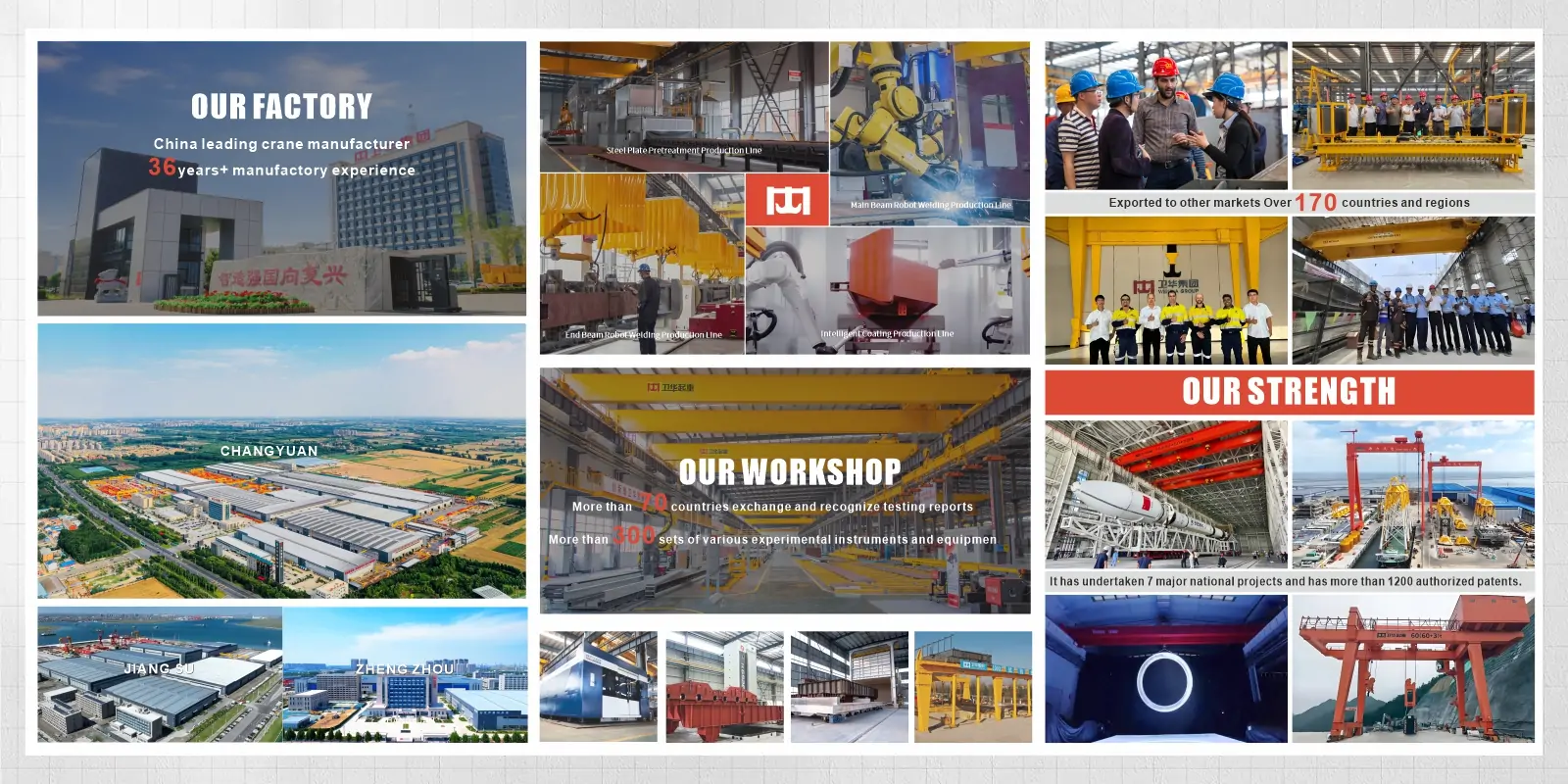
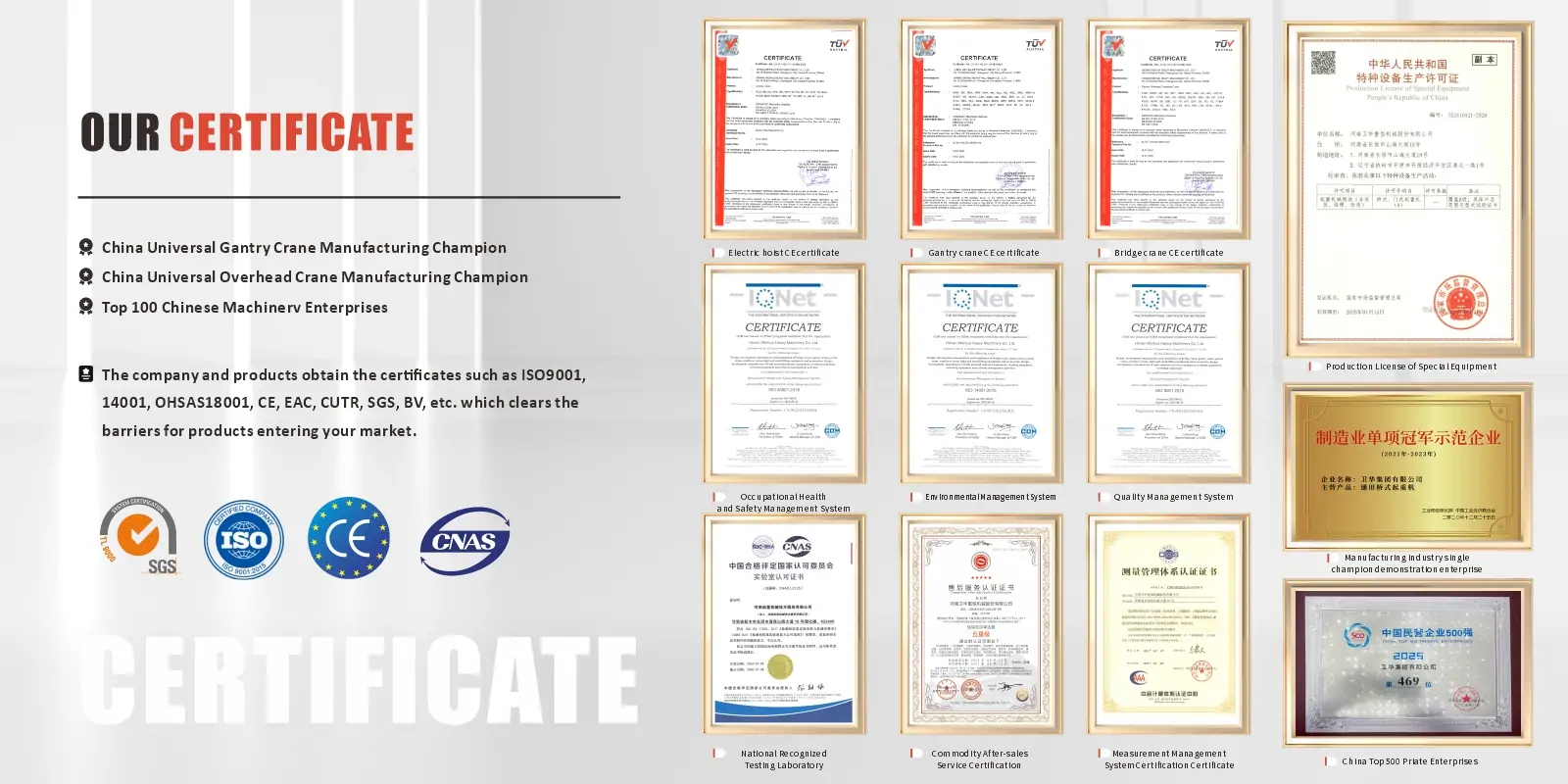
Weihua, основанная в 1988 году, превратилась в мирового лидера в области интеллектуального производства Китая. Мы специализируемся на исследованиях, разработках и производстве умных кранов, а также предлагаем решения для AGV. Наши профессиональные команды инженеров, по доставке и послепродажному обслуживанию предоставляют комплексную техническую поддержку, индивидуальные решения, руководство по установке на месте и оперативное глобальное обслуживание, чтобы обеспечить безопасную и эффективную работу каждого проекта.
An explosion proof wire rope hoist is a motorized lifting device built specifically for hazardous environments where flammable gases, vapors, or combustible dust are present. All electrical and mechanical components are enclosed in certified flameproof housings, and all parts that could generate sparks through contact are made from non-sparking materials. The result is a hoist that can operate safely in Zone 1, Zone 2, Zone 21, and Zone 22 classified areas.
Both ratings indicate a flameproof (Type d) enclosure for Group II industrial atmospheres. The difference is the gas subgroup: IIB covers most common industrial gases including ethylene, propane, and ammonia; IIC covers the most hazardous gases including hydrogen and acetylene. If your facility handles hydrogen or acetylene, specify the Ex dⅡCT4 rated model. When in doubt, the IIC rating provides the broader protection.
Zone 1 and Zone 2 apply to flammable gas or vapor atmospheres; Zone 21 and Zone 22 apply to combustible dust environments. Zone 1 and Zone 21 indicate the hazardous condition may be present during normal operation; Zone 2 and Zone 22 indicate it is only present occasionally or for short durations. Your facility’s hazardous area classification drawing (produced as part of your site risk assessment) defines which zones apply to each lifting point.
Yes. With IP65 or IP66 protection, the HB(BCD) series hoist is suitable for outdoor installation in classified hazardous areas, including offshore platforms, tank farms, and open-air petrochemical facilities. Ensure that the working temperature range (-25°C to +40°C) and altitude limitation (≤1,000 m) are compatible with your site conditions.
Requirements vary by region and industry. The European Union requires ATEX certification (Directive 2014/34/EU) for all equipment in classified zones. IECEx is the international standard accepted in most non-EU markets. China requires CCC certification plus the Explosion-Proof Qualification Certificate for domestic use. Mining applications require additional Mine Safety Certification. All these certificates are provided with every unit in this product range.
Свяжитесь с нами сейчас по электронной почте: [email protected], или заполните форму ниже.


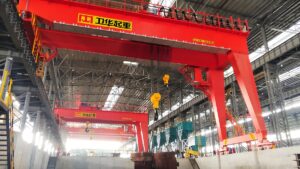
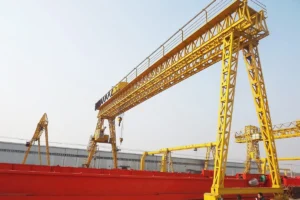
Козловой кран — это подъемное оборудование, широко используемое в различных отраслях промышленности, на строительных площадках, в портах, на складах и в других областях. Его уникальная конструкция и мощная грузоподъемность делают его идеальным для современной погрузочно-разгрузочной техники для тяжелых условий. Конструкция типа “козлы” позволяет крану свободно перемещаться в пределах пространства, охватывая большую рабочую зону. Так что же делает козловые краны особенными? Каковы их типы, параметры, методы управления, области применения и принципы работы? Чем они отличаются от мостовых кранов? Давайте разберемся вместе. Типы козловых кранов По конструкции, применению и условиям эксплуатации козловые краны обычно подразделяются на следующие типы: Однобалочный козловой кран Однобалочные козловые краны широко используются в промышленных секторах, на складах, в портах и цехах. Имея подъемный механизм на одной балке, они перемещаются с помощью боковых стоек и рельсов, расположенных снизу. Благодаря своей простой конструкции, удобству эксплуатации и умеренной грузоподъемности они идеально подходят для работы с легкими и средними грузами. Способные свободно перекрывать большие расстояния, однобалочные козловые краны подходят для погрузочно-разгрузочных работ и подъема тяжелых грузов. Двухбалочный козловой кран По сравнению с однобалочными козловыми кранами, двухбалочные козловые краны обладают большей...
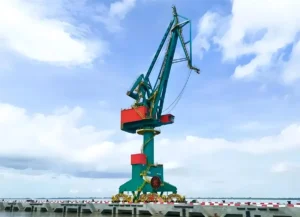
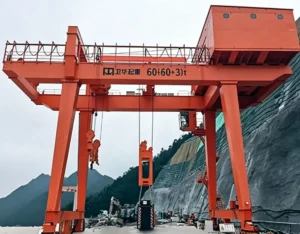
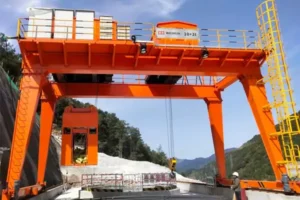
В портах, логистических парках и на промышленных объектах, где ведется погрузка и разгрузка материалов, портальные краны и козловые краны являются двумя распространенными и основными типами погрузочно-разгрузочного оборудования. Они различаются по конструкции, эксплуатационным характеристикам, методам работы, сценариям применения и стоимости. Данная статья представляет собой всесторонний анализ портальных кранов в сравнении с козловыми кранами и поможет вам сделать правильный выбор. Сравнение конструкций Структурные различия между портальными кранами и козловыми кранами в основном проявляются в методах несущей способности, траекториях движения и диапазонах охвата. Первые сосредоточены на фиксированной башне и вращающейся стреле, делая упор на “точечное покрытие” и гибкое горизонтальное вращение. Вторые оснащены портальной рамой и движутся по продольным рельсам, отдавая приоритет “широкому горизонтальному перемещению” и эффективной обработке материалов на месте. Следовательно, их различные конструктивные решения напрямую определяют их различные сценарии применения. Конструктивные особенности портального крана Портальные краны с поворотной стрелой имеют одно/двухконсольные стреловые конструкции, где башня закреплена на фундаменте или рельсах, что обеспечивает вращение на 360° или частичное вращение. Такая конфигурация обеспечивает гибкую работу в узких, удлиненных пространствах, таких как береговые линии, доки и причалы, что делает их особенно подходящими для погрузки/разгрузки материалов между судном и берегом. Их основная функция сочетает в себе вертикальное…
В современных промышленных операциях эффективная обработка материалов имеет решающее значение для максимизации производительности и оптимизации рабочего процесса. Козловые мостовые краны, также известные как мостовые краны или электромостовые краны (EOT), представляют собой стационарные системы обработки материалов, широко используемые в производстве, металлообработке, складском хозяйстве, а также при погрузочно-разгрузочных работах. В этой статье мы рассмотрим принцип работы, основные компоненты, области применения и эксплуатационные преимущества козловых мостовых кранов, предоставив исчерпывающее руководство для промышленных планировщиков и специалистов по логистике. Принцип работы козлового мостового крана Козловой мостовой кран работает на мостовой конструкции, перекрывающей рабочую зону, с тележкой и подъемным механизмом, которые перемещаются горизонтально вдоль моста и вертикально поднимают или опускают грузы. Перемещение крана по крановому пути в сочетании с точным управлением подъемом обеспечивает эффективную и безопасную обработку тяжелых материалов на заводах, складах и промышленных предприятиях. Информацию о том, как работают мостовые краны, см. в этой статье: Принцип работы мостового крана: компоненты, движение и процесс эксплуатации Терминология, связанная с козловыми мостовыми кранами Ниже приведено введение в терминологию, относящуюся к частям козловых мостовых кранов. Грузоподъемность крана: Грузоподъемность крана относится к максимальному весу, который козловой мостовой кран может безопасно поднять. Обычно измеряется в тоннах…
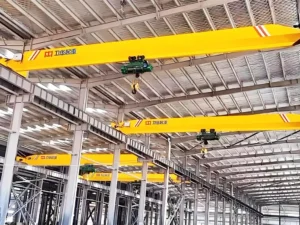
Козловой кран (Electric Overhead Traveling Crane) — это эффективная и надежная система верхнего подъема, используемая для перемещения тяжелых материалов на фабриках, складах, мастерских и промышленных предприятиях. Перемещаясь по верхним рельсам, козловые краны обеспечивают безопасное и точное трехмерное перемещение грузов за счет скоординированных движений подъема, поперечного и продольного перемещения. Эта статья проведет вас через определения, типы, конструкцию, принципы работы, области применения и факторы стоимости козловых кранов, чтобы помочь вам выбрать наиболее подходящее решение для ваших потребностей в подъеме. Как работает козловой кран? Принцип работы козлового крана включает комбинацию вертикального подъема, горизонтального перемещения тележки и продольного перемещения моста, что обеспечивает эффективную работу с тяжелыми грузами на промышленных объектах. Кран работает на приподнятых рельсовых путях, установленных вдоль конструкции здания, а мостовая балка перекрывает рабочее пространство. Подъемный механизм поднимает или опускает груз с помощью стальных тросов или цепей, а тележка перемещает груз горизонтально вдоль моста. Весь кран перемещается продольно по рельсовым путям, обеспечивая трехмерное позиционирование материалов. Современные козловые краны оснащены электродвигателями с точным контролем скорости…
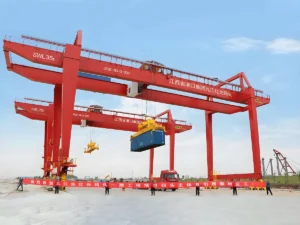
Козловые краны широко используются на открытых складах, верфях, заводах и строительных площадках, что делает их одним из самых универсальных и широко применяемых решений для перемещения материалов. Козловые краны бывают различных типов, каждый из которых может быть настроен в соответствии с различными грузоподъемностями, условиями площадки и эксплуатационными требованиями. Однако выбор неправильной конфигурации может привести к ненужным расходам, ограниченной грузоподъемности или ограничениям при будущих расширениях. Итак, какие основные типы козловых кранов существуют? Как выбрать правильный тип для вашего применения? В этом руководстве мы предоставим подробный обзор различных типов козловых кранов на основе их конструкции, мобильности и сценариев применения, что поможет вам принять правильное решение перед инвестированием в подъемное решение. Статья довольно объемная. Ниже приведено наше содержание. Пожалуйста, перейдите к соответствующему разделу по мере необходимости: Что такое козловой кран? Козловые краны — это подъемное оборудование, предназначенное для эффективного перемещения тяжелых грузов на больших открытых площадках. Их отличительная конструкция включает одну или несколько основных балок, поддерживаемых жесткими (или гибкими) опорами с обеих сторон, образуя монументальную раму в виде “ворот”. Эти краны перемещаются...
 English English
  Русский
 العربية
 Français
 Português
 Español