








Оглавление
Введение
With the growth of global logistics and container transportation, efficient yard handling equipment has become essential for ports, terminals, and storage facilities. RTG cranes are widely used for container stacking and transfer operations due to their flexible movement, high stacking capability, and suitability for different working environments. The advantages of RTG cranes make them an important choice for container handling projects where space utilization and operational efficiency are key considerations.
In this article, I will introduce the main applications and advantages of RTG cranes, including container terminals, logistics yards, rail terminals, and industrial storage areas. I will also discuss their working features, power options, automation capability, and selection factors to help you understand how an RTG crane fits different operation requirements.
Что такое кран RTG?
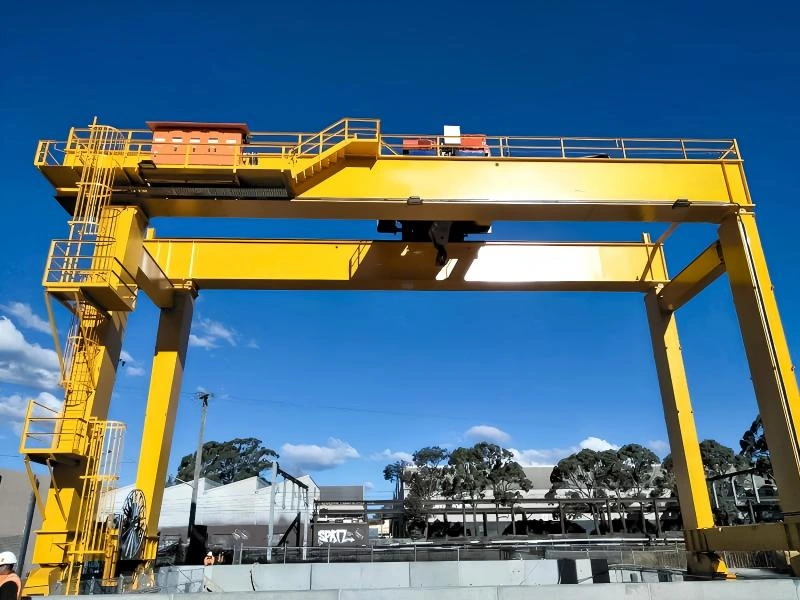
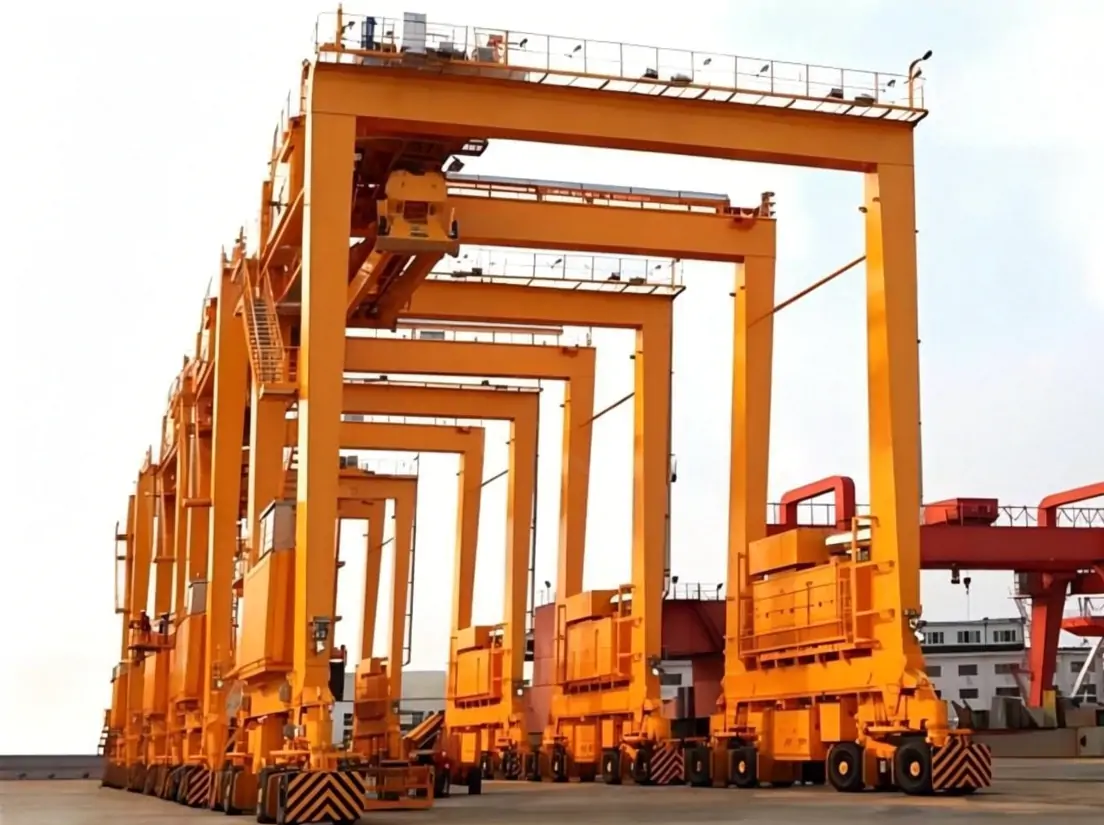
Ан Козловой кран РТГ, also known as a Rubber-Tyred Gantry crane or RTG gantry crane, is a mobile gantry crane mounted on rubber tires. It is mainly used in container terminals, inland container yards, and intermodal yards for stacking and moving ISO standard containers. Compared with rail-mounted gantry cranes, RTG cranes can move freely on paved surfaces and switch between yard blocks without fixed rails.
An RTG crane uses a steel gantry structure to span multiple container rows and supports stacking operations such as 1-over-5 or 1-over-6 containers. The lifting capacity is commonly 35t to 40.5t, with full-load hoisting speeds typically ranging from 20–50 m/min. Power options include diesel generator sets, electric cable reels, and hybrid systems.
RTG cranes are widely used for container yard operations due to their mobility, high stacking density, and flexible layout adaptability. Their rubber tire design reduces infrastructure requirements and allows terminals to adjust yard layouts according to cargo volume changes. A well-maintained RTG crane can provide more than 20 years of service for continuous container handling operations.
Вы также можете прочитать эту статью, чтобы узнать больше о кранах RTG: “Что такое козловой кран на резиновых колесах? Полное руководство по козловым кранам на резиновых колесах”
Подробные инструкции по эксплуатации и меры предосторожности см. в статье: Как управлять краном RTG: пошаговое руководство
Where Are RTG Cranes Used?
RTG cranes are mainly used in container handling areas where flexible movement, high stacking capacity, and efficient yard operations are required. Common applications include container terminals, inland container depots, rail freight terminals, and industrial storage yards.
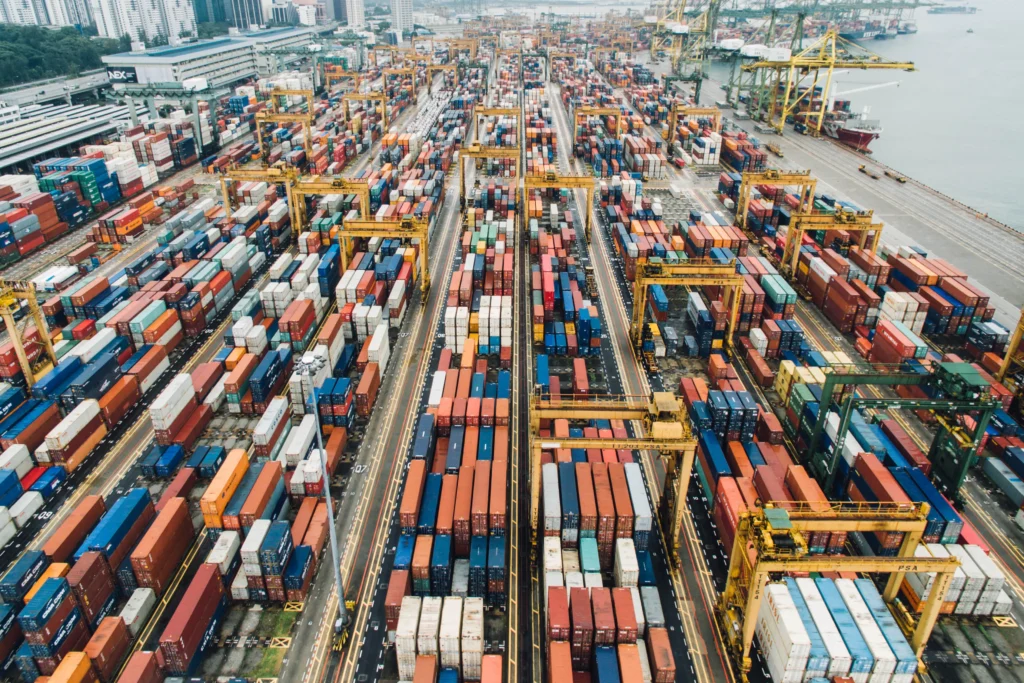
Контейнерные терминалы
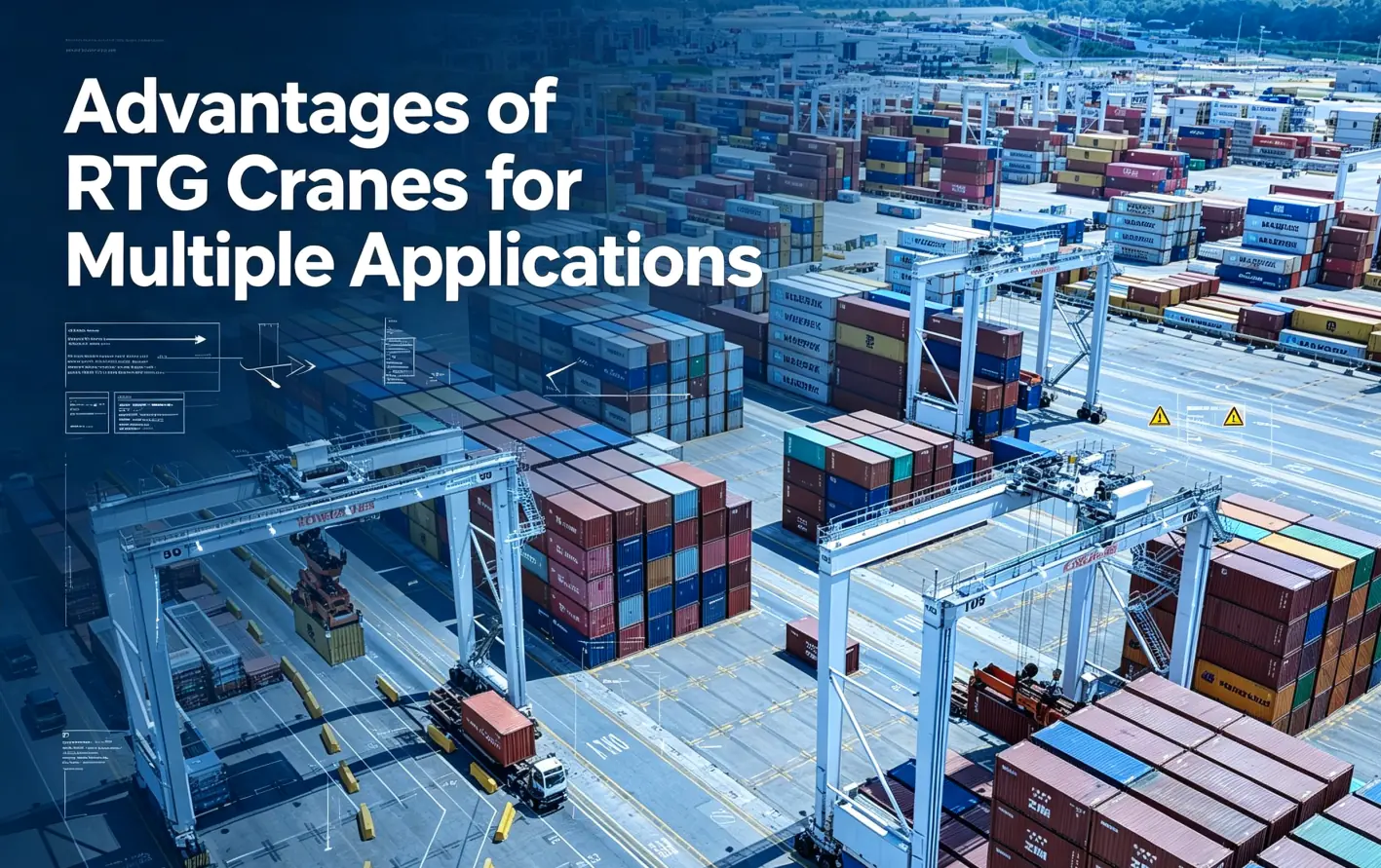
RTG cranes are widely used in seaports for container stacking, transfer, and yard management. They move containers between storage blocks, trucks, and handling areas, supporting high-volume container operations.
Application:
- Seaport container yards
- Container stacking blocks
- Ship-to-yard container transfer operations
Внутренние контейнерные депо
RTG cranes are used in inland logistics hubs for container storage and transfer. Their flexible movement allows yards to adjust layouts according to container flow and storage requirements.
Application:
- Dry ports
- Logistics parks
- Regional container storage facilities
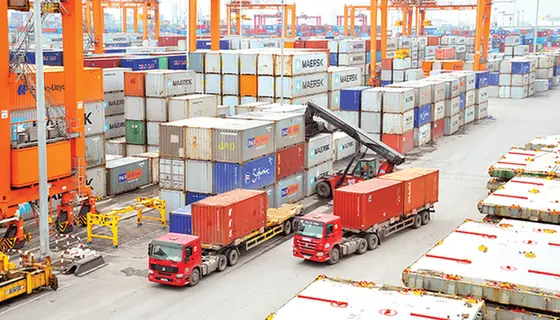
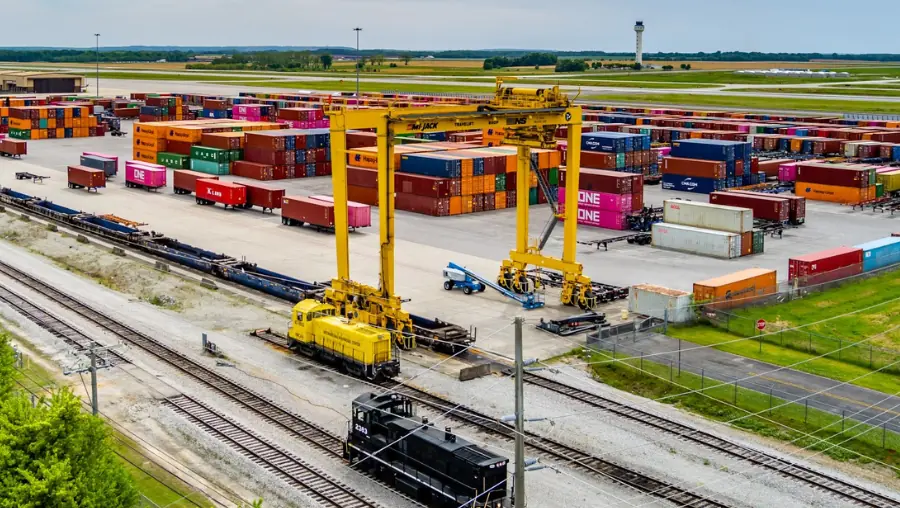
Железнодорожные грузовые терминалы
RTG cranes support intermodal transportation by handling containers between rail wagons, trucks, and storage areas. Their mobility fits terminals with changing operation layouts.
Application:
- Railway container terminals
- Intermodal transfer yards
- Freight distribution centers
Промышленные складские площадки
RTG cranes can be used for handling heavy and large cargo in industrial yards. Customized spreaders and lifting systems allow adaptation to different material handling requirements.
Application:
- Steel storage yards
- Manufacturing plants
- Large outdoor storage areas
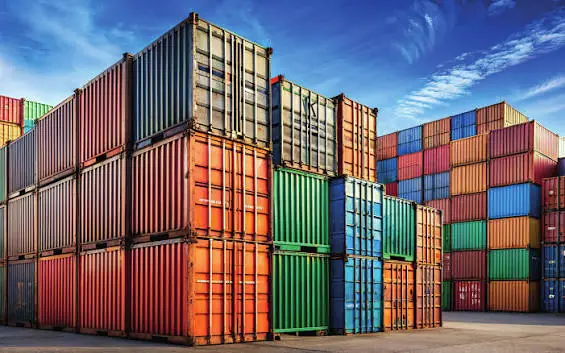
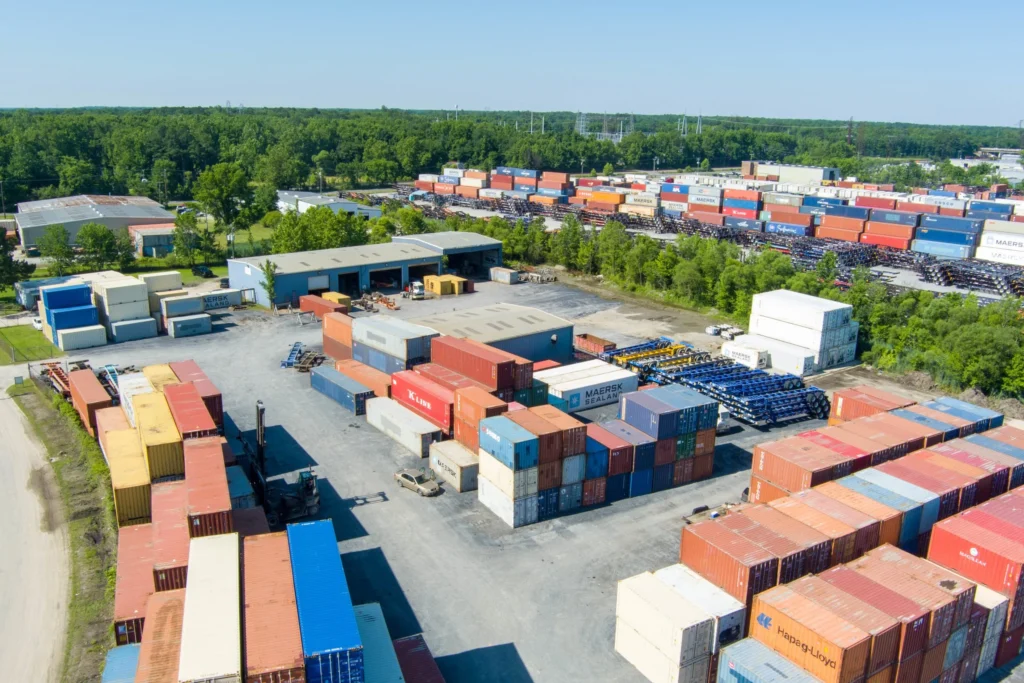
Временные и расширяющиеся контейнерные площадки
RTG cranes do not require fixed rails, making them suitable for temporary yards or terminals that need layout changes. The rubber-tire design allows quick relocation between working areas.
Application:
- Temporary container storage areas
- Port expansion projects
- Yards with changing capacity requirements
RTG cranes are selected for applications that require flexible container handling, efficient space utilization, and the ability to adjust operations according to changing cargo volumes.
Преимущества
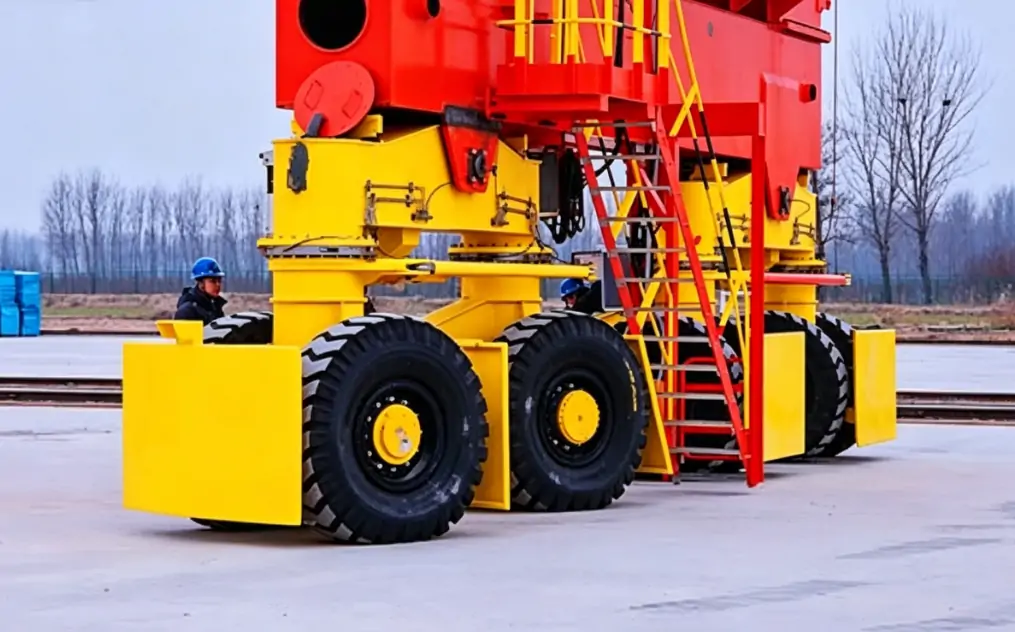
- High Mobility and Site Adaptability: RTG cranes use rubber tires instead of fixed rails, allowing free movement on paved surfaces. They support straight driving, 90° steering, crab steering, and in-place rotation, making them suitable for narrow yards and changing operation areas.
- Wide Working Range and High Stacking Capacity: RTG cranes typically cover 6–8 container rows plus one truck lane, with a span of around 20–30m. The stacking height can reach 4–7 containers high, supporting high-density container storage.
- Flexible Steering and High Space Utilization: RTG cranes can be equipped with four-wheel steering, diagonal steering, and crab steering systems. Some models support 360° in-place rotation, improving operation flexibility in limited spaces.
- Lower Energy Consumption and Environmental Performance: Modern RTG cranes use diesel-electric, cable power supply, hybrid power, or fully electric systems. Compared with traditional diesel models, electric and hybrid solutions reduce fuel consumption and operating emissions.
- Reliable Structure for Heavy-Duty Operations: RTG cranes use double-girder box structures or truss structures with rigid legs to maintain stability. Some models use flexible legs to handle uneven ground conditions. Rated lifting capacity commonly reaches 35t–40.5t for ISO container handling.
- Strong Automation Upgrade Capability: Modern RTG cranes can integrate laser radar, encoders, and vision positioning systems. With positioning accuracy up to ±5mm and support for CANopen or Profinet communication, they can connect with terminal management systems for semi-automatic or fully automatic operation.
- Controlled Maintenance Cost and Lifecycle Value: Modular designs allow easier replacement of twistlocks, hydraulic cylinders, sensors, and other components. Annual maintenance costs are generally around 3%–5% of the equipment purchase price. Electric spreaders also reduce maintenance points compared with hydraulic systems.
- Mature Technology and Stable Market Demand: RTG crane technology has been widely applied in global container terminals for decades. The continuous development of electric drive, automation, and intelligent control systems keeps RTG cranes as a solution for modern container yard operations.
RTG Crane vs Other Container Handling Equipment
Choosing the right container handling equipment depends on yard layout, handling volume, automation requirements, and investment plans. RTG cranes, RMG cranes, straddle carriers, and reach stackers each have different advantages in mobility, stacking capacity, operating cost, and application range.
| Сравнение | Кран RTG | Кран RMG | Перевозчик козлов | Ричстакер |
|---|---|---|---|---|
| Мобильность | Rubber tire drive, flexible movement, supports 90° steering and yard transfer without rails. | Runs on fixed rails with limited movement range. | Rubber tire drive with high mobility between operation areas. | Rubber tire drive, flexible for different handling tasks. |
| Stacking Capacity | Stacks 4–7 containers high, covering 6–8 container rows plus truck lane. | Stacks 5–6 containers high with high positioning accuracy. | Usually stacks 2–3 containers with lower storage density. | Usually stacks 3–4 containers for small and medium yards. |
| Системы электроснабжения | Diesel-electric, electric, or hybrid power options. Hybrid models reduce fuel consumption and emissions. | Fully electric drive with low energy consumption. | Mainly diesel powered with higher fuel use. | Mainly diesel powered with moderate energy consumption. |
| Автоматизация | Supports GPS, positioning systems, anti-sway systems, and remote operation upgrades. | High automation capability with precise positioning. | Mainly manual operation. | Mainly manual operation with limited automation. |
| Первоначальные инвестиции | Lower cost, no rail construction required. | Higher cost due to rail and infrastructure requirements. | Medium investment. | Medium investment. |
| Обслуживание | Requires tire, engine, and hydraulic system maintenance. Annual maintenance cost is about 3%–5% of purchase price. | Lower maintenance due to electric drive structure. | Higher maintenance due to complex mechanical systems. | Medium maintenance cost. |
| Efficiency | About 30–40 containers/hour, suitable for medium and large yards. | High efficiency for fixed high-volume terminals. | Flexible but lower efficiency than RTG and RMG. | Suitable for short-distance handling. |
| Приложения | Container terminals, inland depots, and yards requiring layout flexibility. | Large ports, rail terminals, and automated yards. | Quay-to-yard container transport. | Small yards and logistics centers. |
Руководство по выбору
- RTG Crane: Suitable for container yards requiring flexible operation and layout changes. It reduces infrastructure investment and provides a balance between cost and handling efficiency.
- RMG Crane: Suitable for large fixed terminals with high throughput requirements. It offers higher automation capability and lower long-term maintenance costs.
- Straddle Carrier and Reach Stacker: Suitable for small and medium yards or short-distance container transfer. They provide mobility but have lower stacking density than RTG and RMG cranes.
The selection should be based on yard layout, container volume, investment budget, and automation requirements. RTG cranes are a practical choice for terminals needing flexibility, while RMG cranes fit fixed sites focused on automation and high efficiency.
Factors to Consider Before Choosing an RTG Crane
Choosing an RTG crane requires consideration of handling requirements, yard conditions, operating costs, and future development plans.
- Operation Capacity and Throughput Requirements — Evaluate annual container volume, peak operation periods, and required handling efficiency. A typical RTG crane handles around 30–40 containers per hour. The number of cranes should match yard workload and operating schedules.
- Yard Layout and Ground Conditions — RTG cranes use rubber tires and do not require rails. They can move, turn 90°, and rotate within the yard. The site should have a flat concrete or asphalt surface with sufficient load-bearing capacity.
- Stacking Capacity and Span — Select the crane span and lifting height based on container storage requirements. Common RTG cranes have a span of about 23.47m, covering 6 container rows plus one truck lane, with stacking heights of 5–6 containers.
- Power System and Energy Cost — Power options include diesel-electric, cable power supply, battery hybrid, and fully electric systems. The selection should consider local energy costs, environmental requirements, and long-term operating expenses.
- Automation Capability — For future automation upgrades, the RTG should support positioning systems, sensors, and communication interfaces. Modern systems can integrate laser radar, encoders, and remote control functions with positioning accuracy up to ±5mm.
- Purchase and Maintenance Cost — RTG cranes generally require lower initial investment than RMG cranes, with shorter installation time. Total cost evaluation should include tire replacement, engine maintenance, spare parts, and daily service requirements. Annual maintenance cost is usually around 3%–5% of purchase price.
- Safety Standards and Protection — The RTG crane should meet relevant safety standards and include safety functions such as anti-sway systems, twistlock interlocks, and load monitoring devices. Certifications such as ЦЭ or BV may be required for specific markets.
- Environmental Adaptability — For port environments with salt spray and high humidity, RTG cranes require corrosion protection and electrical protection of IP55 or above. Extreme temperatures may require special hydraulic oil, seals, and temperature control systems.
The right RTG crane should match current handling requirements and allow future upgrades. Equipment selection should consider operation volume, yard conditions, energy costs, automation plans, and lifecycle maintenance.
There are many factors to consider when selecting an RTG crane. Please see the following for more detailed information:
- RTG Crane Tires: Selection, Performance, and Maintenance Guide for Container Handling Operations
- Прайс-лист на краны RTG: подробный анализ затрат и рекомендации по инвестициям.
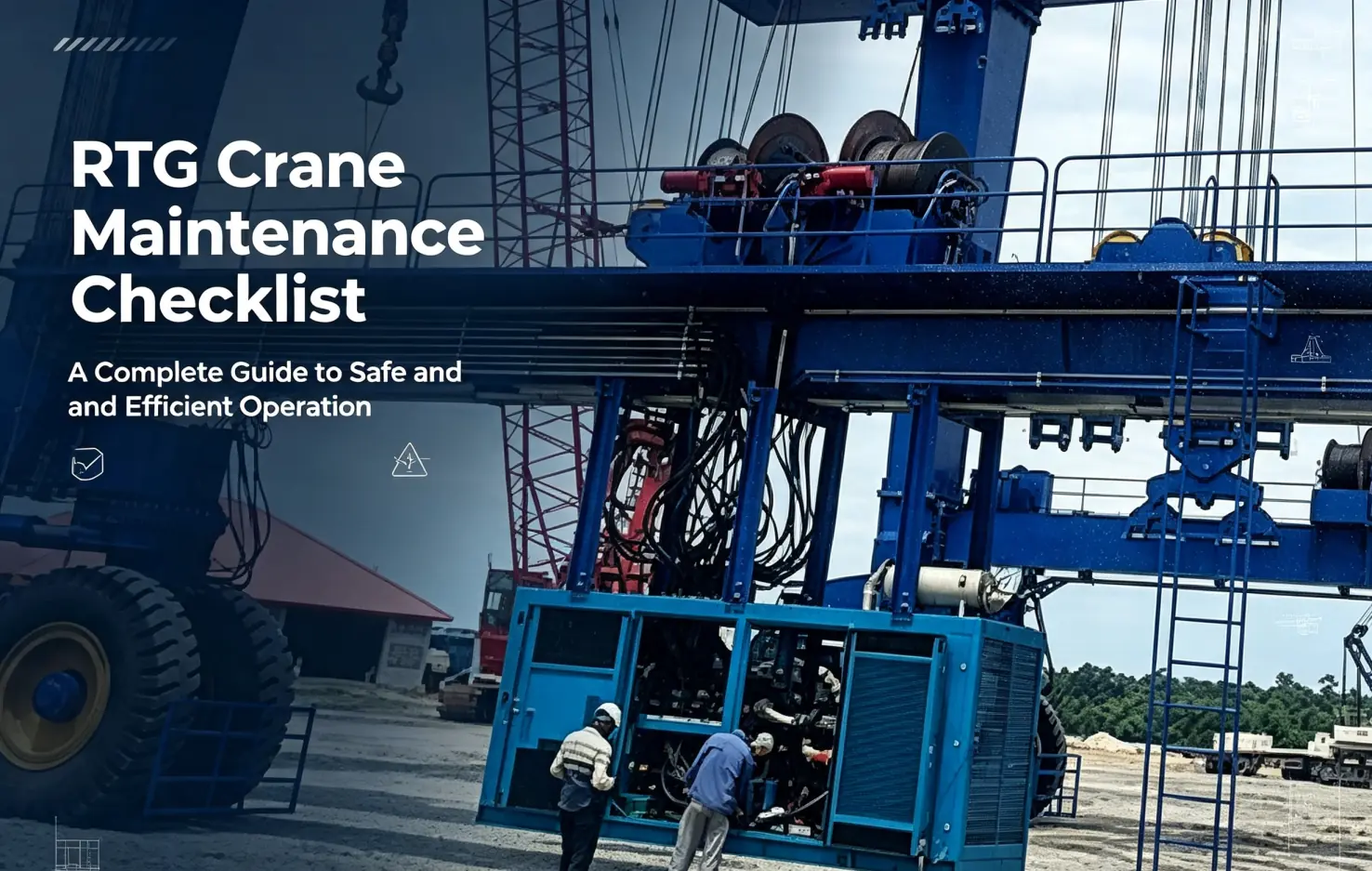
- Контрольный список технического обслуживания крана RTG: полное руководство по безопасной и эффективной эксплуатации.
Заключение
RTG cranes are widely used in container terminals, logistics yards, and industrial storage areas due to their flexible movement, efficient stacking capability, and adaptable operation. Their advantages in mobility, space utilization, power options, and automation upgrades make them suitable for different container handling requirements.
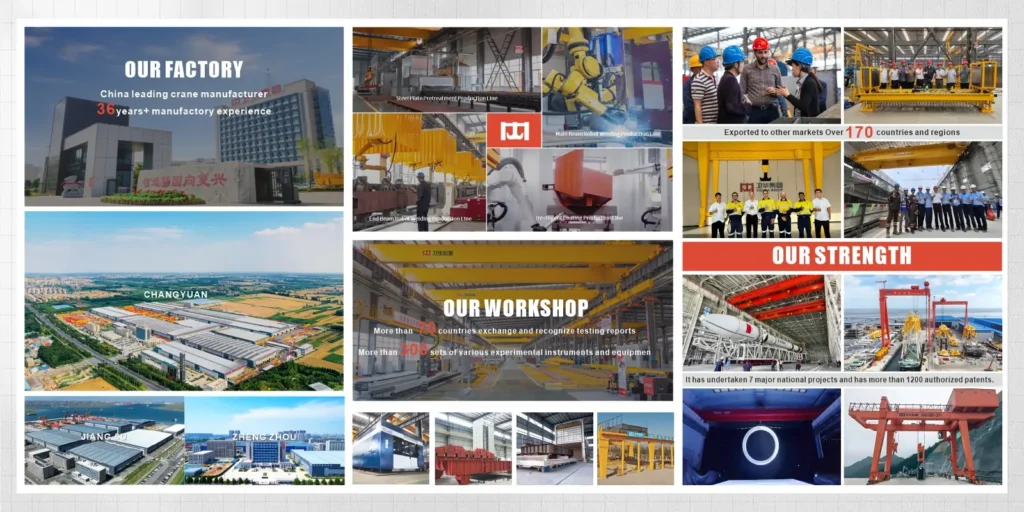
Choosing the right RTG crane requires careful evaluation of yard layout, handling capacity, energy system, maintenance needs, and future automation plans. Вейхуа provides RTG crane solutions with customized configurations for different applications. Свяжитесь с нами to discuss your project requirements and select a suitable RTG crane for your operation.
Часто задаваемые вопросы
What is an RTG crane used for?
An RTG crane is mainly used for container stacking, transferring, and yard handling operations. It is commonly installed in container terminals, inland container depots, rail terminals, and logistics yards.
What are the advantages of RTG cranes?
RTG cranes offer flexible movement, high stacking capacity, lower infrastructure requirements, and easy yard layout adjustment. They provide a practical solution for container yards that need both mobility and handling efficiency.
Where are RTG cranes commonly used?
RTG cranes are widely used in seaports, container yards, inland terminals, railway freight yards, and large outdoor storage areas where containers need frequent stacking and transfer.
What is the lifting capacity of an RTG crane?
Most RTG cranes have a lifting capacity of 30t to 50t. Common models are designed for 35t, 40t, or 40.5t ISO container handling operations.
Are RTG cranes suitable for automated terminals?
Yes. RTG cranes can be equipped with positioning systems, sensors, remote control functions, and automation interfaces. Modern RTG systems support semi-automatic and fully automated operation.
What is the difference between RTG and RMG cranes?
RTG cranes use rubber tires and can move freely between yard blocks without fixed rails. RMG cranes run on fixed rails and provide higher automation capability and positioning accuracy for large fixed terminals.
Can RTG cranes use electric power?
Yes. RTG cranes can use diesel-electric, cable power supply, battery hybrid, or fully electric systems. Electric and hybrid models reduce fuel consumption and emissions compared with traditional diesel-powered RTGs.
How to choose the right RTG crane?
The selection should consider container throughput, yard layout, lifting capacity, stacking height, power system, automation requirements, working environment, and maintenance costs. The RTG configuration should match the actual operation needs and future expansion plans.