








Оглавление
Введение
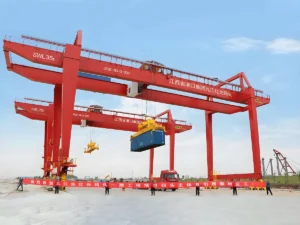
Кран-рефрижераторные козловые краны work continuously in container terminals, handling heavy loads and supporting daily yard operations. Regular inspection and maintenance are essential to keep the equipment running safely, reduce unexpected downtime, and maintain stable lifting performance. This RTG Crane Maintenance Checklist provides practical guidance for operators and maintenance teams to manage routine service work.
In this article, I will introduce the key points of RTG crane maintenance, including daily inspections, major component checks, preventive maintenance schedules, and common problems, as well as maintenance practices. The goal is to help terminal operators and equipment managers better understand how to maintain RTG cranes and extend their service life through proper maintenance procedures.
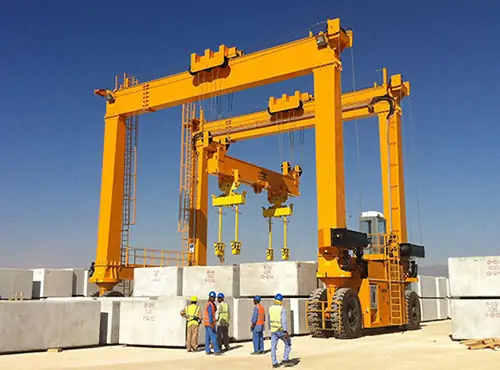
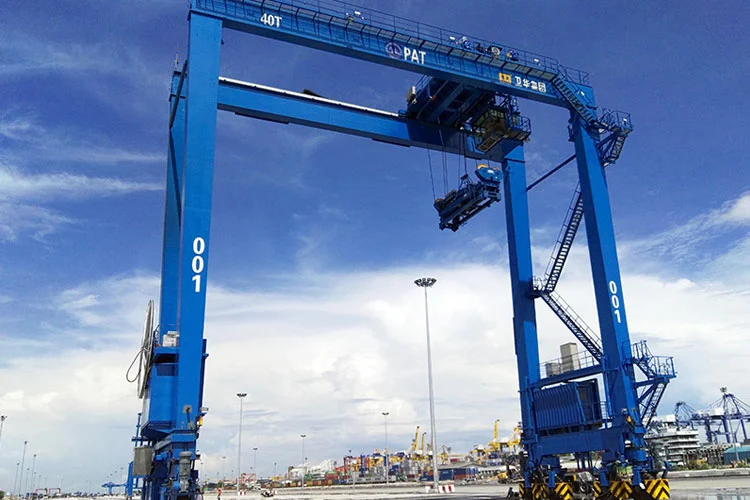
Why Is RTG Crane Maintenance Important?
RTG cranes operate continuously in ports and container yards, handling heavy loads under demanding working conditions. Daily operation causes wear on key parts such as mechanical systems, electrical components, and safety devices. Regular maintenance keeps the equipment in normal working condition and reduces sudden failures.
Maintain Operational Safety
Wire ropes, brakes, steel structures, and safety devices need regular inspection. Checking wear, cracks, and abnormal conditions helps prevent failures during lifting operations.
- Reduce Maintenance Costs: Small defects can lead to larger equipment problems. Routine checks of lubrication, hydraulic systems, electrical parts, and mechanical components reduce unnecessary repairs.
- Keep Stable Operations: RTG crane failures can interrupt container yard work. A scheduled maintenance plan helps operators find problems early and keep equipment available.
- Control Energy Consumption: Engine systems, tires, hydraulic units, and electrical components affect daily energy use. Proper maintenance keeps these parts working efficiently.
- Meet Safety Inspection Requirements: RTG cranes are special lifting equipment that require regular inspections and maintenance records. Proper records support equipment management and safety reviews.
- Improve Performance in Harsh Conditions: Port environments include salt spray, dust, rain, and temperature changes. Regular inspection and protection reduce corrosion and component aging.
RTG Crane Maintenance covers daily inspection, lubrication, adjustment, and component replacement. A practical maintenance program helps operators manage equipment condition, reduce downtime, and maintain long-term crane performance.
RTG Crane Maintenance Checklist
RTG crane maintenance is usually arranged by operating time and equipment condition. Daily checks focus on basic operation, while weekly, monthly, and annual maintenance covers deeper inspection of mechanical, electrical, and safety systems.
Daily Maintenance
Daily inspection is the basic maintenance work before and during operation.
Main inspection points:
- Check hydraulic oil level, oil leakage, and abnormal pressure.
- Inspect wire rope condition, including wear, deformation, and lubrication.
- Check brake response, limit switches, alarms, and emergency stop functions.
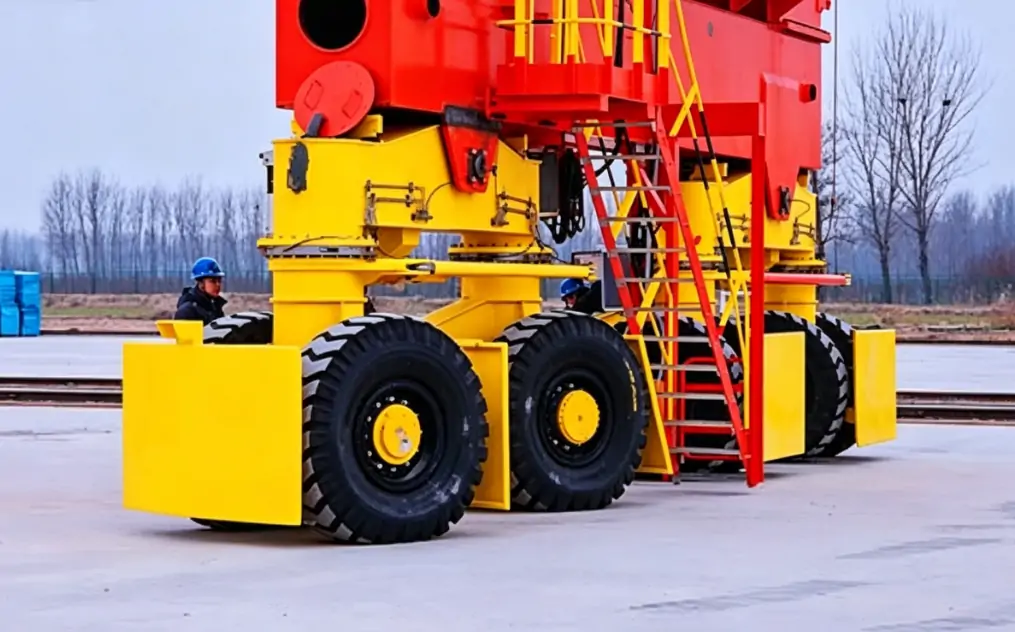
- Inspect tires for pressure loss, cracks, and uneven wear.
- Check electrical cabinets, cables, connectors, and control displays.
- Observe motors, reducers, and traveling systems for abnormal noise or vibration.
- Remove dust, water, or debris from working areas.
Weekly Maintenance
Weekly maintenance focuses on moving parts and frequently used components.
Maintenance tasks:
- Check lifting and traveling mechanisms for abnormal operation.
- Inspect brake components and test braking performance.
- Lubricate chains, bearings, shafts, and other moving parts according to the maintenance manual.
- Check bolts, fasteners, and mechanical connections for looseness.
- Clean electrical components and cooling areas.
- Inspect safety devices and confirm normal operation.
Monthly Maintenance
Monthly maintenance requires a more detailed inspection of major systems.
Maintenance tasks:
- Lubricate hoisting mechanisms, pulleys, and traveling components.
- Check gearbox oil level and inspect for leakage.
- Inspect wire rope clamps, rope sockets, and drum arrangement.
- Check wheel alignment, tire wear, and travel system condition.
- Inspect hydraulic pipes, valves, and seals.
- Check control system, sensors, and electrical connections.
- Record component wear and arrange replacement when necessary.
Quarterly / Semi-Annual Maintenance
Long-term operation requires regular inspection of critical components.
Maintenance tasks:
- Check hydraulic oil condition and replace or filter according to usage.
- Inspect motors, reducers, brakes, and drive systems.
- Check steel structures, welding joints, and corrosion areas.
- Inspect wire rope wear according to replacement standards.
- Test overload protection, limit switches, and safety control systems.
- Check electrical insulation and cable condition.
Annual Maintenance
Annual maintenance is a complete inspection of the RTG crane.
Main work includes:
- Inspect the entire crane structure, including beams, legs, and connection points.
- Check all mechanical systems for wear and damage.
- Inspect electrical cabinets, control systems, and protection devices.
- Replace worn parts and repair damaged components.
- Review maintenance records and evaluate equipment condition.
- Perform load testing and safety inspection according to applicable requirements.
Maintenance Interval Adjustment
The maintenance cycle may change depending on:
- Working hours and lifting frequency
- Container yard environment
- Climate conditions such as salt spray, dust, and temperature changes
- Crane age and operating condition
For heavy-duty terminal operations, maintenance intervals should be adjusted based on the manufacturer’s manual and actual working conditions.
Components That Require RTG Crane Maintenance
RTG cranes operate in outdoor container yards where dust, salt spray, and heavy workloads can affect equipment performance. Regular inspection of key components helps maintain safe and stable operation.
| System | Components | Maintenance Points |
|---|---|---|
| Система путешествий | Tires, wheels, axles, drive motors, reducers | Check tire wear, wheel condition, bearing lubrication, and reducer oil level. |
| Hoisting System | Wire rope, sheaves, drum, brake | Inspect wire rope for broken wires, wear, and deformation. Test brake performance regularly. |
| Система разбрасывания | Twist locks, telescopic mechanism, hydraulic cylinders | Check twist lock wear, cylinder leakage, and hydraulic pressure condition. |
| Lubrication System | Gearbox, chains, bearings, grease points | Lubricate moving parts regularly. Check oil level and replace lubricants according to service requirements. |
| Electrical System | Motors, inverter, cables, control system | Inspect cables, electrical connections, motor condition, and cooling performance. Check sensors on automated RTG cranes. |
| Система рулевого управления | Steering frame, bearings, steering cylinders | Check steering movement, bearing wear, and hydraulic cylinder condition. |
| Safety System | Limit switches, anti-sway system, overload limiter, emergency stop | Test safety devices before operation and check response condition. |
| Steel Structure | Main beam, legs, welding joints | Inspect cracks, deformation, and corrosion. Repair damaged coating in time. |
| Системы электроснабжения | Diesel generator, radiator, exhaust system | Check engine oil, coolant, filters, and cooling system. Hybrid RTG cranes require battery inspection. |
Daily checks should focus on frequently used parts such as wire ropes, spreaders, brakes, and safety devices. Maintenance plans should be based on operating hours, working conditions, and manufacturer recommendations. Regular inspection and timely replacement of worn parts help reduce downtime and extend RTG crane service life.
RTG Crane Preventive Maintenance Schedule
RTG crane maintenance plans depend on operating hours, workload, and site conditions. Regular inspection and servicing keep key components in good condition and reduce unexpected failures.
| Maintenance Interval | Main Maintenance Work |
|---|---|
| Daily / Each Shift | Check wire rope, spreader, brake system, tires, safety devices, and warning systems. Inspect oil leakage, abnormal noise, loose bolts, and visible damage before operation. |
| Weekly | Check lifting and travel mechanisms, test brake function, inspect chains, bearings, and fasteners. Clean dust from mechanical and electrical areas. |
| Monthly | Lubricate moving parts, check gearbox oil, inspect wire rope connections, pulleys, hydraulic pipes, and electrical components. Record worn parts and operating conditions. |
| Quarterly / Semi-Annual | Inspect hydraulic oil, motors, reducers, cables, control systems, and steel structures. Check safety protection devices and replace damaged parts when needed. |
| Annual | Carry out a full inspection of the crane structure, lifting system, travel system, electrical system, and safety equipment. Repair defects found during inspection. |
Maintenance Notes
- Maintenance intervals should match the crane’s working frequency and operating environment.
- RTG cranes working in ports with salt spray, dust, or heavy loads may require more frequent inspections.
- Keep maintenance records for parts replacement, fault analysis, and service planning.
- Always follow the crane manufacturer’s maintenance requirements.
Common RTG Crane Maintenance Problems and Solutions
RTG cranes often work under heavy loads in ports and container yards. Common maintenance issues mainly involve travel systems, lifting components, electrical systems, lubrication, and safety devices.
Travel System Deviation
- Problem: Uneven wheel wear, incorrect alignment, tire pressure differences, or ground conditions can cause RTG cranes to run off track or move unstably.
- Solution: Check wheel condition, tire pressure, and alignment regularly. Adjust or replace worn parts when necessary.
Wire Rope Wear and Broken Wires
- Problem: Repeated lifting operations can cause wire rope wear, broken wires, deformation, or corrosion, affecting lifting safety.
- Solution: Inspect wire rope condition regularly. Replace ropes when wear or damage reaches the required limit. Check sheaves to reduce abnormal friction.
Motor and Electrical Faults
- Problem: Motor vibration, unstable operation, or abnormal current may result from motor damage, inverter faults, loose connections, or cable aging.
- Solution: Check electrical connections, motor condition, and control parameters. Replace damaged components and inspect related mechanical parts if needed.
Poor Lubrication and Bearing Wear
- Problem: Dust, salt spray, and long-term operation can cause corrosion and faster wear of bearings and moving parts.
- Solution: Maintain proper lubrication and check grease points regularly. Use suitable wear-resistant components in harsh environments to reduce maintenance frequency.
Brake System Failure
- Problem: Worn brake pads, incorrect brake clearance, or hydraulic leakage can affect braking performance and lifting safety.
- Solution: Check brake operation regularly, test before lifting, and replace worn brake parts in time.
Lack of Condition Monitoring
- Problem: Traditional maintenance may not detect hidden faults before equipment stops.
- Solution: Monitor key conditions such as motor current, vibration, and wire rope status. Use inspection data to plan maintenance work.
New Maintenance Requirements After Automation Upgrade
- Problem: Automated RTG cranes include additional components such as sensors, cameras, communication systems, and remote control equipment.
- Solution: Regularly check sensors, communication systems, and software status. Keep control systems updated and maintain remote operation reliability.
RTG crane maintenance requires regular inspection, scheduled servicing, and condition monitoring. Focus on travel systems, lifting components, electrical equipment, and lubrication points to reduce failures and maintain stable operation.
Best Practices for RTG Crane Maintenance
Follow a Regular Maintenance Plan — Set inspection and service schedules based on crane usage, working hours, and site conditions.
Keep Maintenance Records — Record inspections, repairs, and replaced parts to track equipment condition.
Check Key Components Regularly — Focus on wire ropes, brakes, tires, electrical systems, hydraulic parts, and safety devices.
Train Operators and Technicians — Help operators identify abnormal noise, vibration, alarms, and operating issues.
Use Suitable Spare Parts — Replace worn components with parts that meet the crane manufacturer’s requirements.
Keep the Crane Clean — Remove dust, oil, water, and debris from mechanical and electrical areas.
Repair Problems Early — Handle small defects before they cause equipment downtime or major repairs.
How to Improve RTG Crane Service Life?
- Follow Regular Maintenance: Carry out inspections, lubrication, and part checks based on operating hours and maintenance requirements.
- Avoid Overloading Operation: Operate the crane within the rated lifting capacity to reduce stress on the structure, motors, and lifting system.
- Maintain Key Components: Check wire ropes, brakes, tires, electrical systems, and hydraulic parts regularly. Replace worn parts in time.
- Keep Lubrication Proper: Apply the correct lubricant to bearings, gears, chains, and moving parts to reduce wear.
- Protect Against Harsh Environments: Clean dust and salt deposits regularly, and repair damaged paint or corrosion areas on steel structures.
- Train Operators Properly: Correct operation methods reduce impact loads, misuse, and unnecessary component wear.
- Use Condition Monitoring: Monitor important parts such as motors, bearings, and electrical systems to find abnormal conditions early.
- Keep Maintenance Records: Track inspections, repairs, and replacement history for better service planning.
Заключение
Regular RTG Crane Maintenance plays an important role in keeping container handling equipment safe, stable, and efficient. From daily inspections and preventive maintenance to key component checks and fault management, a proper maintenance program helps reduce downtime and extend crane service life.
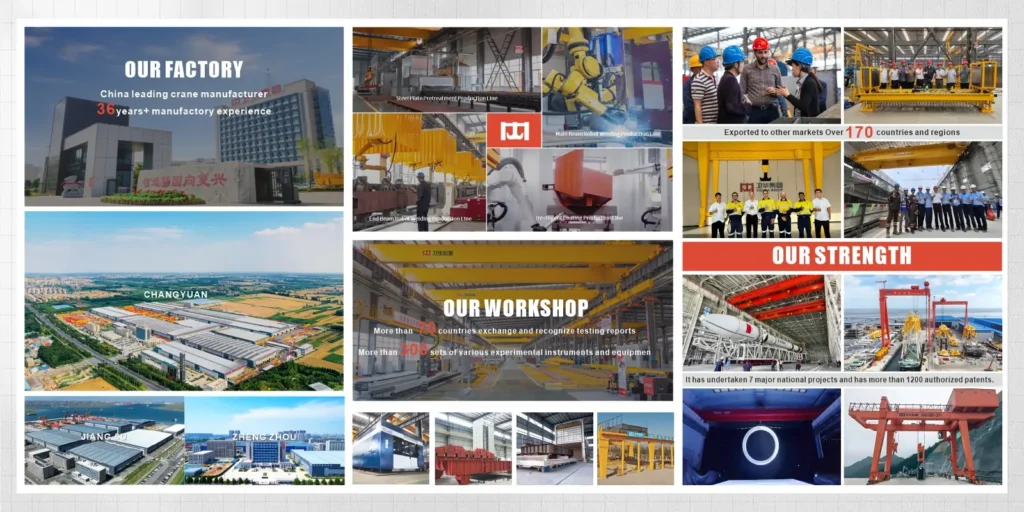
With years of experience in crane manufacturing and port handling equipment, Вейхуа provides reliable RTG crane solutions with professional technical support and customized services. If you are looking for RTG cranes or maintenance solutions for your terminal operations, связаться с нами for more details and equipment support.
Часто задаваемые вопросы
What is RTG Crane Maintenance?
RTG Crane Maintenance includes regular inspection, lubrication, adjustment, repair, and replacement of crane components. It covers mechanical systems, electrical systems, safety devices, and structural parts.
How often should an RTG crane be maintained?
RTG cranes should be checked before each shift, with weekly, monthly, and annual maintenance carried out based on operating hours, workload, and working conditions.
What parts of an RTG crane need regular maintenance?
Main maintenance parts include wire ropes, brakes, tires, motors, reducers, hydraulic systems, electrical components, spreaders, and safety devices.
What are common RTG crane maintenance problems?
Common issues include wire rope wear, brake problems, tire damage, electrical faults, hydraulic leakage, lubrication problems, and travel system deviation.
How can RTG crane downtime be reduced?
Regular inspections, preventive maintenance, operator training, and timely replacement of worn parts can reduce unexpected failures and operation interruptions.
Как долго служит кран RTG?
The service life of an RTG crane depends on workload, operating environment, maintenance quality, and usage frequency. Proper maintenance can extend its working life significantly.
What maintenance is required for automated RTG cranes?
Automated RTG cranes require additional checks on sensors, cameras, communication systems, control software, and remote operation equipment.
Can WEIHUA provide RTG crane maintenance support?
Yes. WEIHUA provides RTG crane solutions, technical support, and customized services based on different terminal operation requirements. Contact WEIHUA for more information about RTG crane products and services.