








Оглавление
Введение
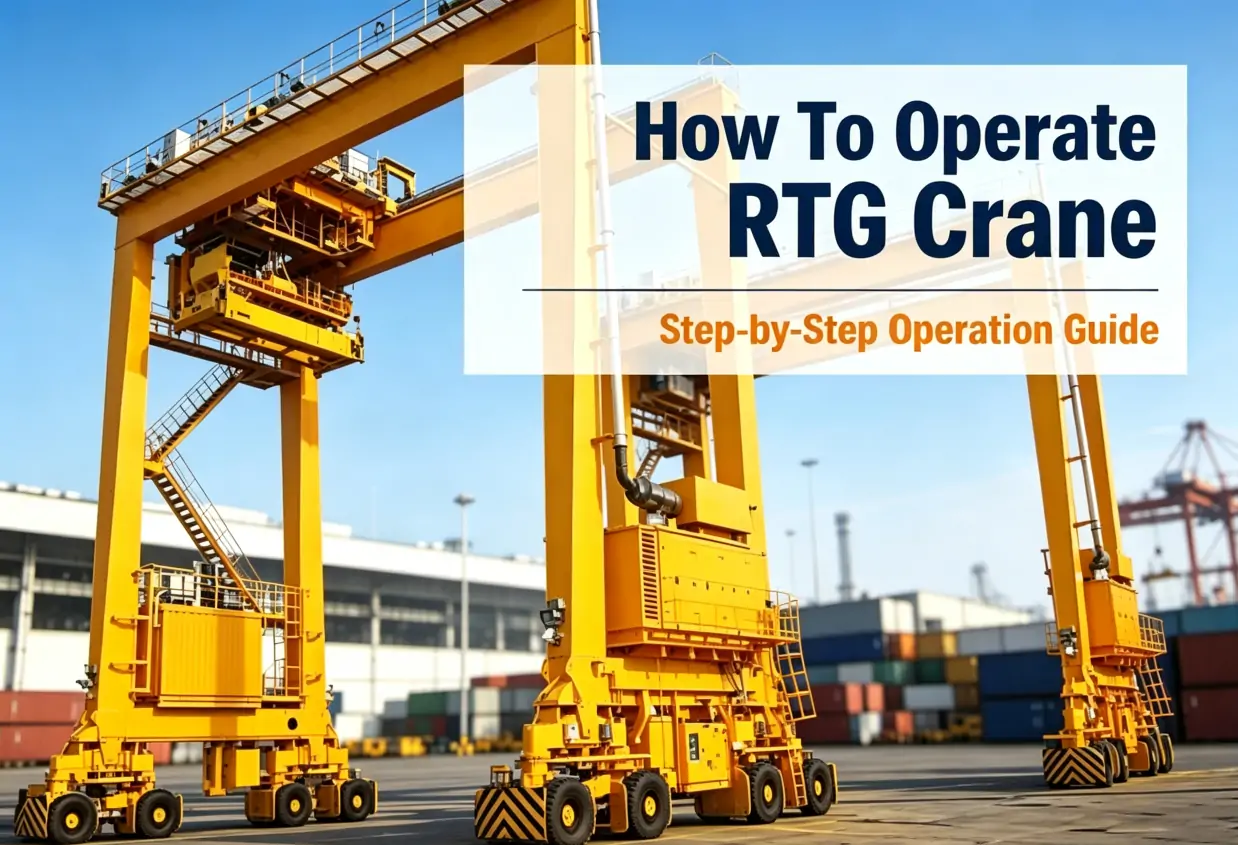
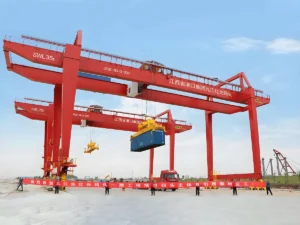
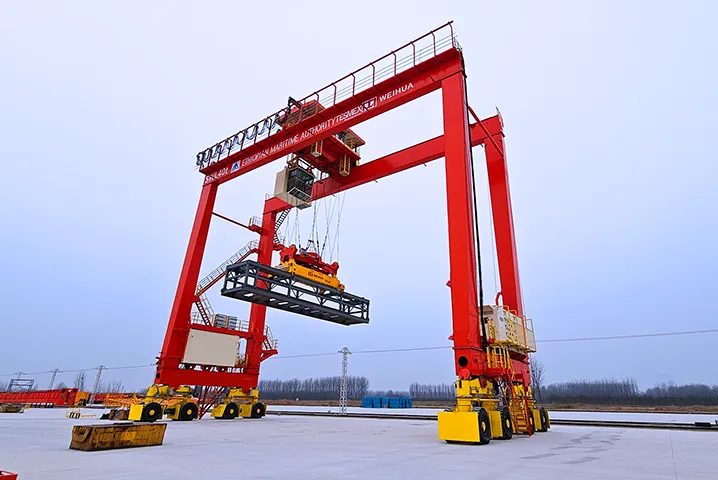
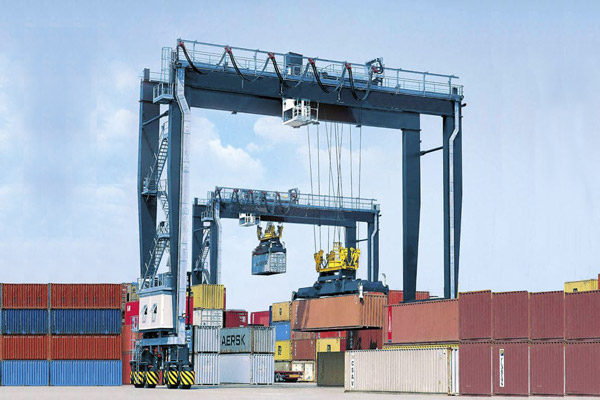
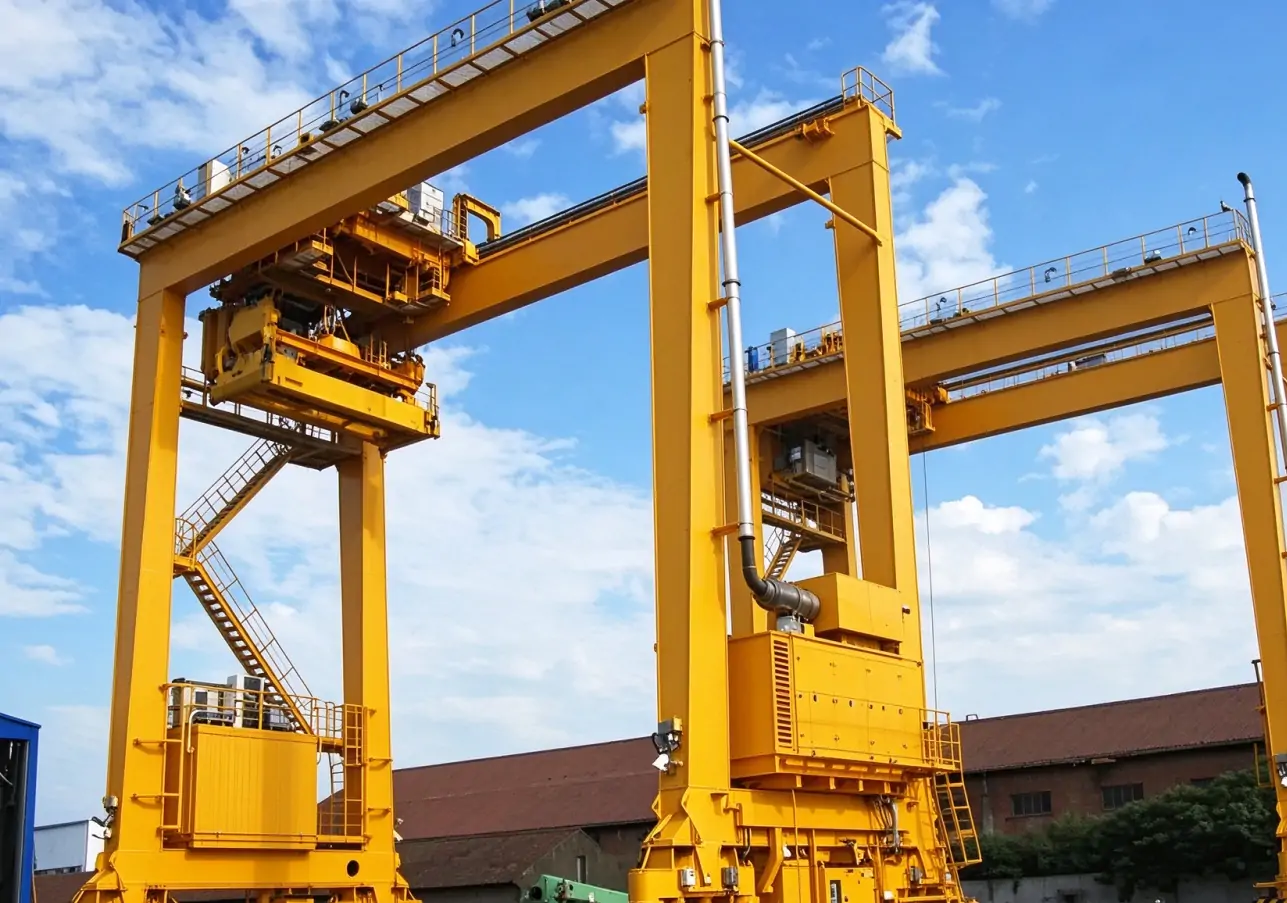
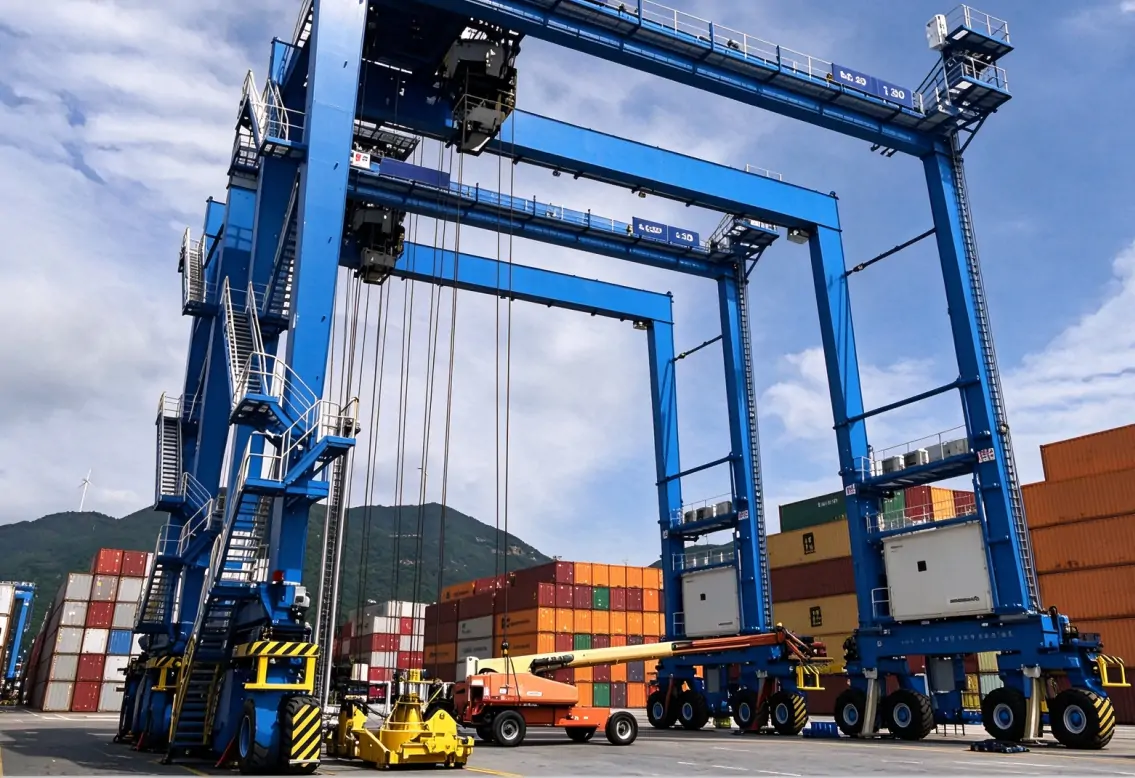
How Does Rubber Tyred Gantry Crane Work? A rubber-tyred gantry crane (RTG) uses a coordinated system of hoisting, trolley movement, and rubber-tire travel to lift, stack, and transport containers in ports and container yards. The hoisting system raises and lowers containers, the trolley moves loads across the gantry span, and the rubber tires allow the crane to travel between container rows. These three movements work together to position containers for stacking, loading, and yard transfers.
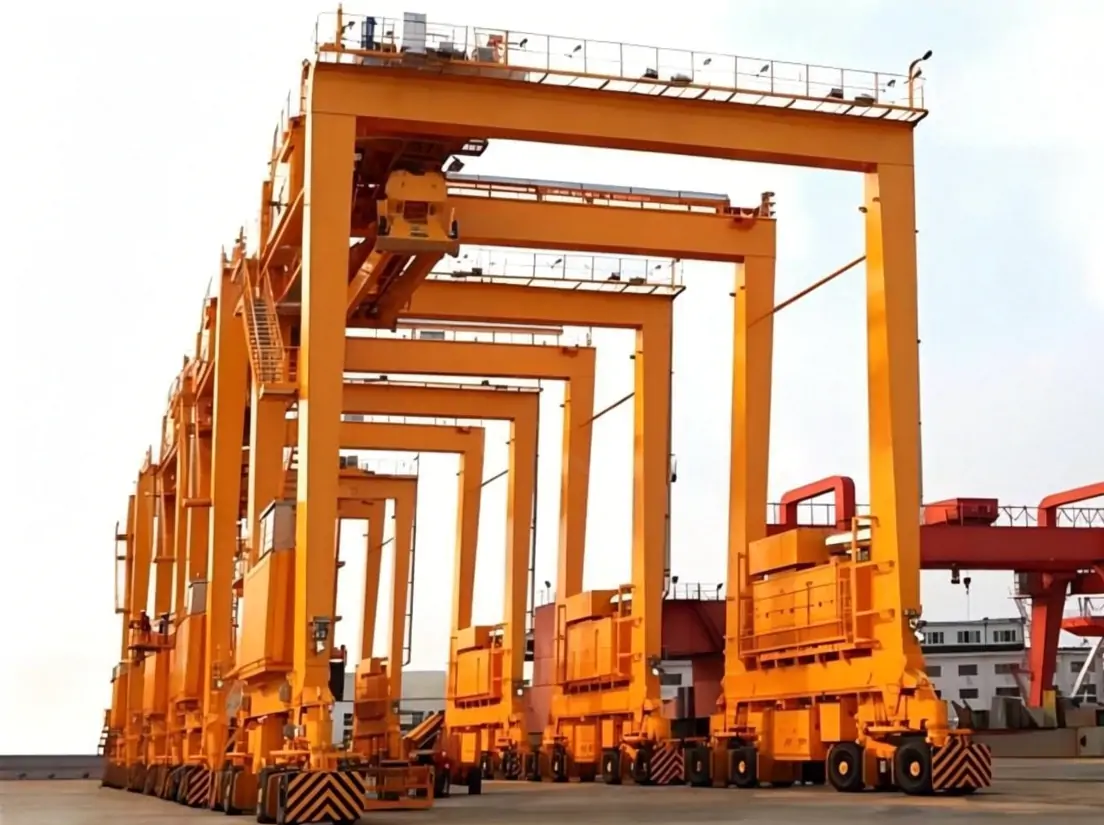
RTG cranes operate without fixed rails, providing flexible movement between different yard locations and adapting to container terminals with changing operational layouts.
How Does Rubber Tyred Gantry Crane Work?
A rubber-tyred gantry crane (RTG) operates through three main movements: container lifting, trolley travel, and gantry travel. Together, these movements position and stack containers in a yard.
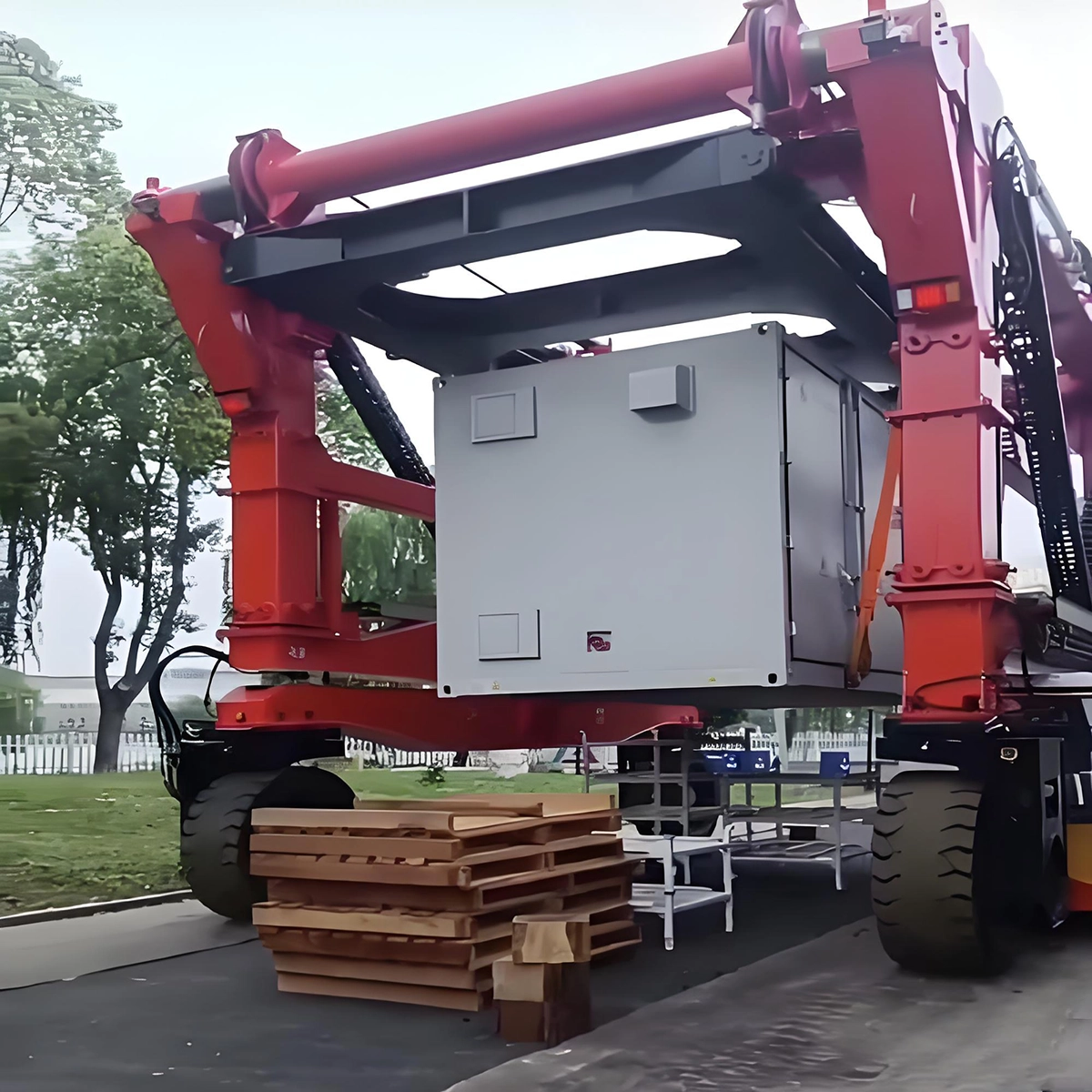
- Container Lifting: The hoisting system raises or lowers the container through a spreader connected to the container’s corner fittings by twistlocks.
- Trolley Travel: The trolley moves along the main girder, carrying the spreader and suspended container to the required position across the gantry span.
- Gantry Travel: The rubber-tired wheels drive the entire crane along the yard. The steering system controls the travel direction and supports repositioning between container rows.
The electrical control system coordinates these movements, allowing the RTG crane to lift, transport, and stack containers within the designated working area.
How Does an RTG Crane Lift and Move Containers?
An RTG crane uses separate mechanical systems for hoisting, trolley travel, gantry travel, and steering. Each system performs a specific movement during container handling. Their coordination allows the crane to lift containers from trucks, position them over storage slots, and stack them at the required height.
How Does the Hoisting System Work?
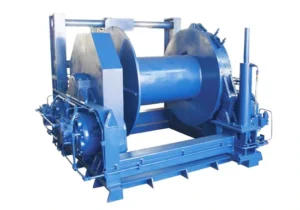
The hoisting system raises and lowers the container through a motor-driven rope mechanism. Its main components include the hoisting motor, gearbox, rope drum, wire ropes, and sheaves.
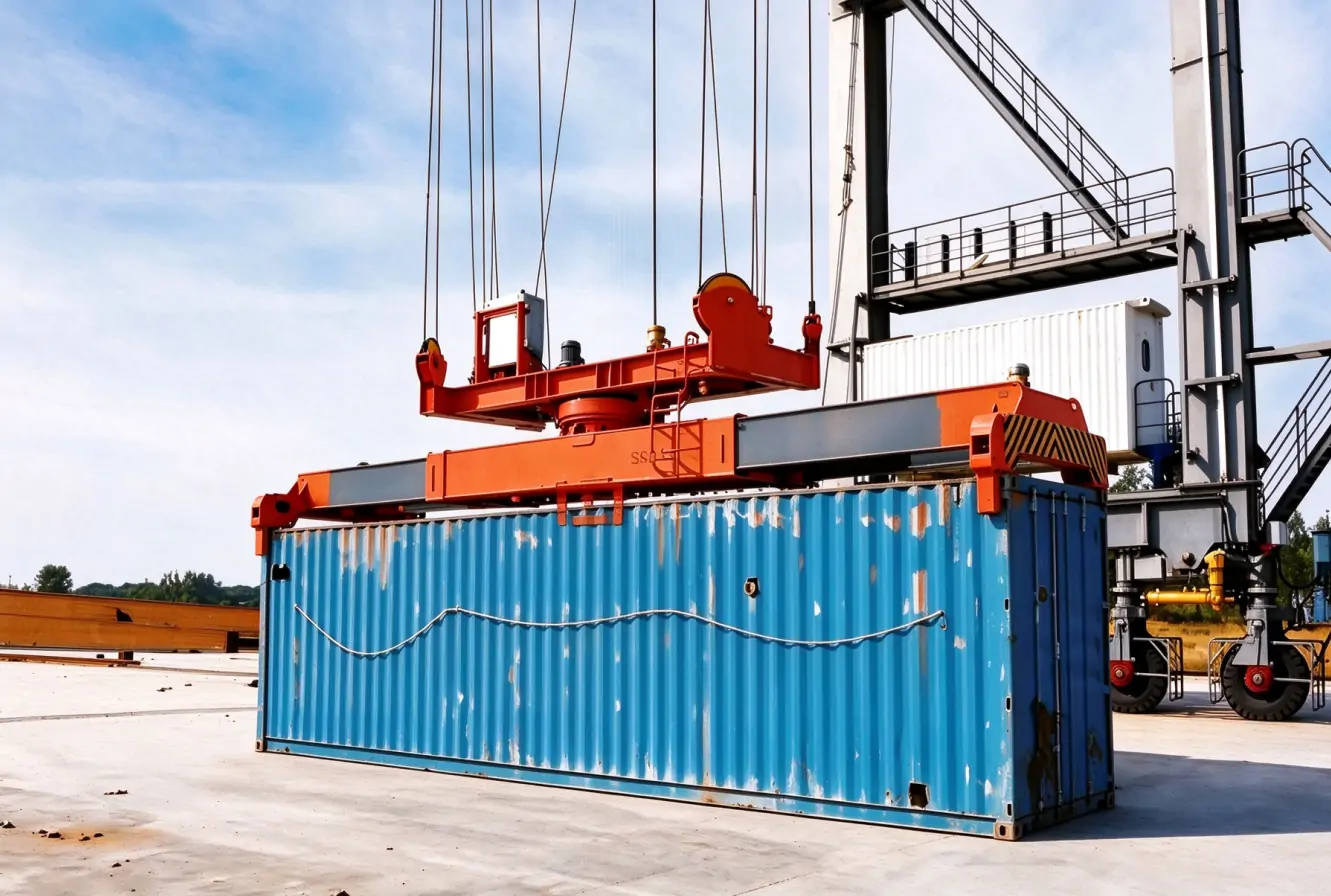
When the hoisting motor rotates the drum, the wire ropes wind onto or unwind from the drum. The sheaves guide the ropes and distribute the lifting force through the reeving system, raising or lowering the spreader. A container spreader connects to the container’s corner castings through twistlocks. The locking mechanism secures the connection before lifting.
The hoisting drive controls lifting speed and braking. Load monitoring and upper and lower travel limits provide additional operational protection, depending on the crane configuration.
Lifting attachments are matched to different types depending on the specific application. View types: Разбрасыватель для крана RTG
How Does the Trolley Move Across the Gantry?
The trolley travels along rails mounted on the main girder, carrying the hoisting equipment and suspended container across the gantry span. Trolley drive motors transmit torque to the travel wheels or drive mechanism, moving the load between truck lanes and container stack positions.
Trolley travel provides horizontal positioning across the crane’s span. It does not move the entire RTG along the yard. Precise trolley positioning helps place containers in the intended stack slot and reduces unnecessary repositioning during handling.
How Does a Rubber Tyred Gantry Crane Travel?
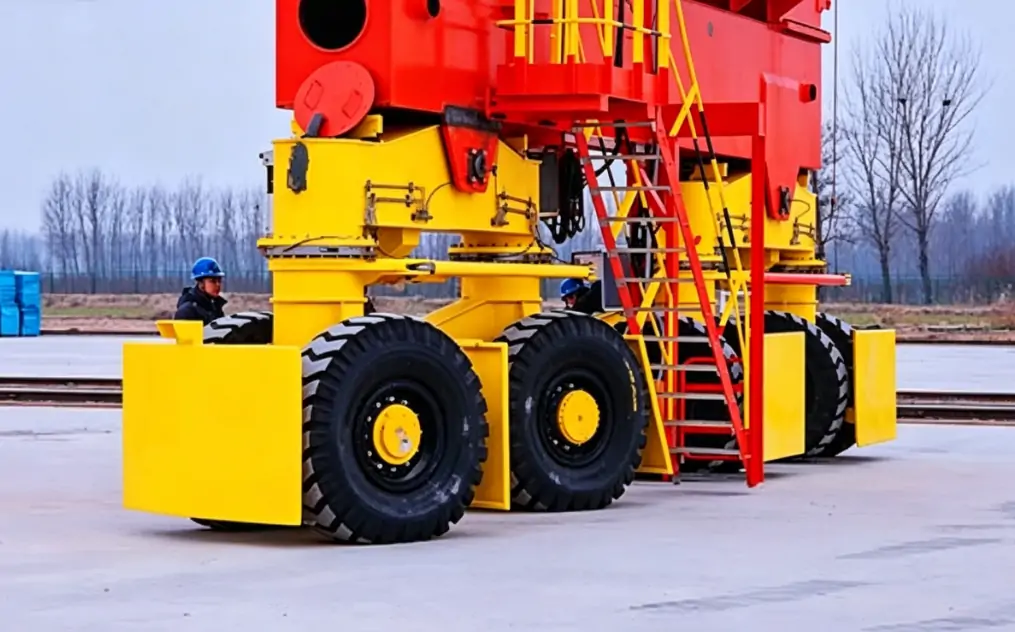
The gantry travel system moves the entire crane on rubber tires. Drive motors transmit power through the wheel drive assemblies, allowing the RTG to travel forward or backward along the designated yard route.
Unlike a rail-mounted RMG crane, an RTG does not require permanent rails for its normal travel path. The yard surface must still support the crane’s wheel loads and provide suitable traction, levelness, and clearance. Ground bearing capacity, drainage, pavement condition, and route layout all affect travel performance.
The travel drive controls acceleration, speed, and braking. The control system coordinates gantry movement with the operating procedure to reduce the risk of unintended movement during container handling.
How Does an RTG Crane Steer?
The steering system changes the orientation of the wheel assemblies according to the selected travel mode and the crane’s mechanical configuration. Straight-line travel keeps the wheels aligned with the yard route. Other configurations may support diagonal travel, lateral movement, or turning to reposition the crane between container blocks.
Not every RTG supports every steering mode. Available movements depend on the wheel arrangement, steering mechanism, drive configuration, and control system. Operators must follow the specified steering sequence and confirm adequate clearance before changing direction.
Steering capability affects how efficiently an RTG can move between working areas. When selecting a crane, terminal operators should assess the container block layout, travel lanes, turning space, and required repositioning frequency.
RTG Crane Tyres come in different types depending on the operating environment. To view the types and selection guidelines, see: Шины для кранов RTG: руководство по выбору, характеристикам и техническому обслуживанию для операций по обработке контейнеров.
Вейхуа provides RTG crane solutions based on container handling capacity, stacking height, yard layout, travel requirements, and power supply. Share your operating conditions with our engineering team to discuss the appropriate crane configuration.
What Are the Main Systems of an RTG Crane?
A rubber-tyred gantry crane (RTG) consists of structural, mechanical, electrical, and lifting systems. Each system performs a defined function in container handling, from supporting the lifting load to controlling crane movement and positioning. Their specifications depend on the crane’s rated capacity, stacking height, yard layout, and operating requirements.
| System | Основные компоненты | Function |
|---|---|---|
| Gantry Structure | Main girder, legs, cross beams | Supports the trolley, hoisting equipment, and lifting loads |
| Hoisting System | Motor, gearbox, rope drum, wire ropes, sheaves | Raises and lowers the spreader and container |
| Trolley System | Trolley frame, wheels, drive motors | Moves the suspended container across the gantry span |
| Tire Travel and Steering System | Rubber tires, drive assemblies, steering mechanism | Moves and positions the entire crane within the yard |
| Система электропитания | Generator set, cable reel, or external power connection | Supplies electrical power to the crane’s operating systems |
| Electrical Control System | PLC, drives, sensors, operator controls | Coordinates crane movements, speed control, and operating interlocks |
| Разбрасыватель | Telescopic frame, twistlocks, locking mechanism | Connects to the container’s corner castings for lifting |
RTG cranes can use diesel generator sets, external electrical power through a cable reel, or other electrical supply configurations. Some models use hybrid or battery-assisted systems. The selected power solution affects fuel consumption, emissions, energy infrastructure, and operating costs. The appropriate configuration depends on terminal operating patterns, available power infrastructure, and project requirements.
How Does an RTG Crane Operate in a Container Yard?
An RTG crane handles containers through a sequence of positioning, locking, lifting, travel, and placement operations. The trolley moves the container across the gantry span, while the rubber-tired wheels reposition the entire crane along the yard.
- Crane Positioning: The RTG travels to the designated container row and aligns with the target working area.
- Spreader Alignment: The trolley moves along the main girder until the spreader is positioned directly above the container.
- Container Locking: The spreader lowers onto the container. The twistlocks engage with the corner castings, and the locking status is checked before lifting.
- Container Hoisting: The hoisting system raises the container to the required clearance height for transfer.
- Load Positioning: The trolley carries the suspended container across the gantry span to the designated truck lane or stack position. If the next operation requires a different yard location, the RTG travels on its rubber tires after the load is placed or secured according to the operating procedure.
- Lowering and Release: The hoisting system lowers the container into the assigned position. After the container is properly supported, the twistlocks are released, and the spreader is raised for the next cycle.
The RTG repeats this sequence for truck loading, unloading, and container stacking. Trolley travel handles cross-span positioning, while gantry travel moves the crane between working locations.
What Controls the Safe Operation of an RTG Crane?
The safe operation of an RTG crane depends on the coordination of the electrical control system, drive system, monitoring devices, and safety protection components. The control system manages crane movements, including hoisting, trolley travel, and gantry travel, while variable frequency drives regulate motor speed and improve movement control.
Load monitoring and overload protection: Monitors lifting loads and prevents operation beyond the rated capacity.
Hoisting and travel limit switches: Detect position limits during lifting and traveling to reduce the risk of mechanical overtravel.
Anti-sway control: Reduces container swing during movement and improves positioning accuracy.
Steering and travel coordination: Controls wheel alignment and travel direction for stable yard operation.
Operator alarms and emergency stop: Provides warnings and allows operators to stop crane movement in abnormal conditions.
Collision warning and wind speed monitoring: Available on RTG models equipped with these systems to support safer operation in complex environments.
The actual safety functions vary by RTG crane model, working conditions, and project requirements. WEIHUA can configure suitable control and protection systems based on terminal operation needs, automation level, and environmental conditions.
What Factors Affect RTG Crane Working Performance?
RTG crane safety relies on electrical controls, drive systems, load protection, and proper operating procedures. These systems control crane movement, limit operating risks, and support accurate container handling. Safety features vary by model and configuration.
- Load Monitoring and Overload Protection: Measures the lifting load and triggers an alarm or restricts lifting when the configured load limit is exceeded.
- Hoisting and Travel Limit Switches: Restrict movement at designated travel limits to reduce the risk of over-travel.
- Anti-Sway Control: Reduces container swing during hoisting and trolley movement, supporting more controlled load positioning.
- Variable Frequency Drives (VFDs): Regulate motor speed and acceleration, supporting smoother starts, stops, and load handling.
- Steering and Travel Coordination: Coordinates wheel steering and gantry travel according to the selected operating mode.
- Collision Warning and Wind Monitoring: Optional sensors can alert operators to nearby obstacles or excessive wind conditions.
- Operator Alarms and Emergency Stop: Alert operators to abnormal conditions and provide a means to stop crane movements during an emergency.
RTG safety performance also depends on regular inspection, correct operation, and maintenance of brakes, tires, ropes, and electrical components. The final safety configuration should match the crane design, terminal conditions, and applicable standards.
Заключение
Understanding how an RTG crane works helps terminal operators assess lifting performance, travel modes, safety systems, and yard handling requirements. The right configuration depends on container specifications, stacking height, yard layout, ground conditions, and power supply.
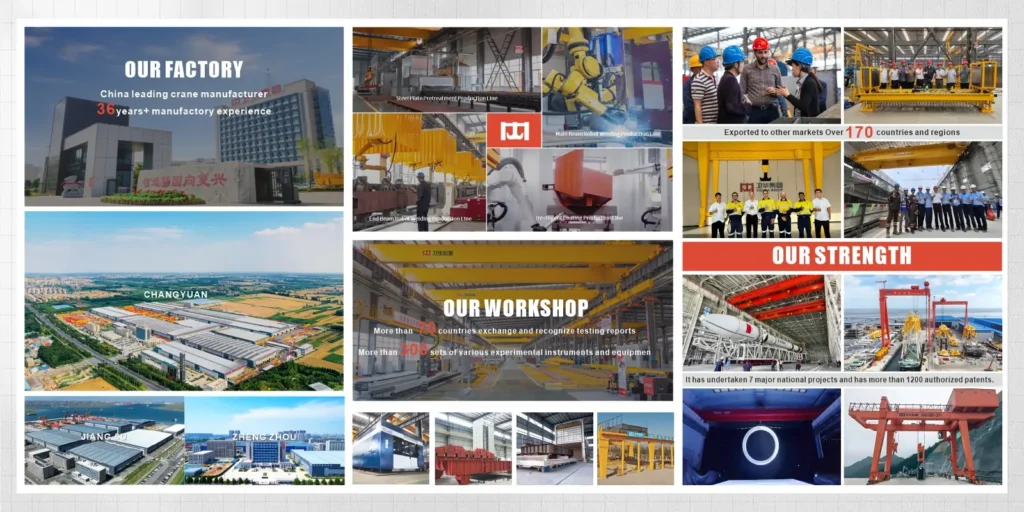
Вейхуа provides customized RTG crane solutions for container terminals with different operating requirements. Свяжитесь с нами to discuss your project requirements and get expert advice on RTG crane design, configuration, and equipment selection.
Часто задаваемые вопросы
How does a rubber-tyred gantry crane work?
A rubber-tyred gantry crane uses a hoisting system to raise and lower containers, a trolley to move loads across the gantry span, and rubber tires to move the entire crane around the yard. The control system coordinates these movements during container handling.
How does an RTG crane lift a container?
An RTG crane lowers its spreader onto the container and engages the twistlocks with the container’s corner castings. The hoisting motor drives a rope drum, winding the wire ropes to raise the spreader and container to the required height.
How does an RTG crane move from one container row to another?
An RTG crane uses powered rubber tires to travel between container rows. Its steering system adjusts wheel direction according to the selected travel mode. Available modes depend on the wheel arrangement and steering configuration of the specific crane.
Does a rubber-tyred gantry crane need rails?
No. An RTG crane travels on rubber tires rather than fixed rails, allowing it to move along designated yard routes. The ground must support the crane’s wheel loads and provide suitable surface conditions, traction, and travel clearance.
What powers a rubber-tyred gantry crane?
An RTG crane can use a diesel generator set, an external electrical supply through a cable reel, or other available power configurations. Hybrid and battery-assisted options may also be available. The choice depends on terminal infrastructure, operating patterns, and energy requirements.
What is the difference between RTG and RMG cranes?
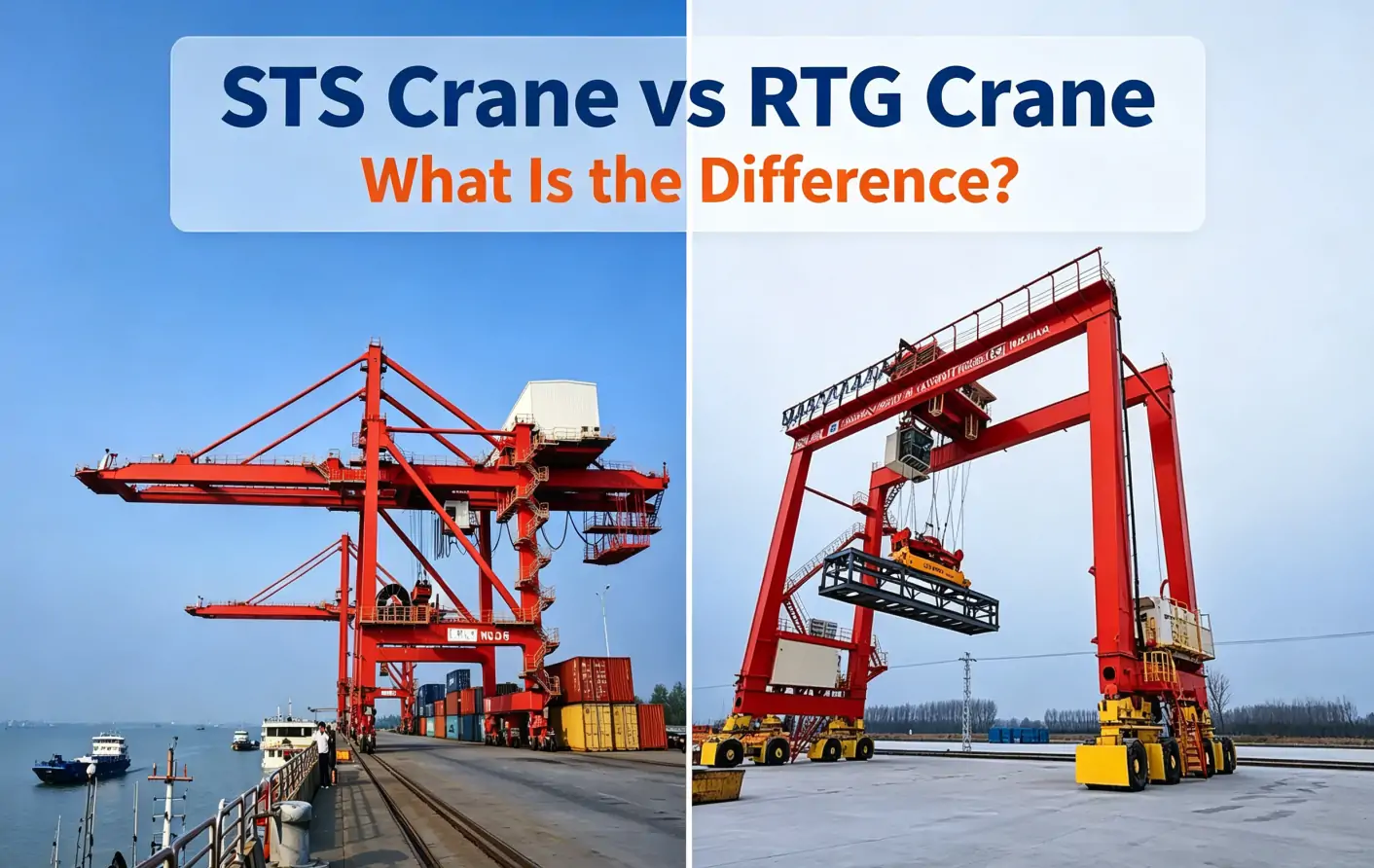
An RTG crane travels on rubber tires, offering flexibility to move between container rows without fixed rails. An RMG crane runs on rails along a defined route. The choice depends on yard layout, mobility requirements, infrastructure, and container handling operations.
How many containers can an RTG crane stack?
The stacking capacity of an RTG crane depends on its gantry span, lifting height, spreader configuration, and structural design. The number of container rows across the span and the number of vertical tiers must be specified for the project rather than assumed to be the same for every RTG.
What safety systems does an RTG crane use?
RTG crane safety systems may include overload protection, hoisting and travel limit switches, anti-sway control, operator alarms, and emergency stops. Collision warning and wind monitoring may also be available. The installed features depend on the crane model, project specifications, and applicable safety requirements.