


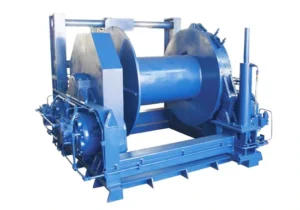






Когда сотрудник терминала спрашивает: “Что лучше?» — Перевозчик козлов или ан Кран RTG”Что?», честный ответ заключается в том, что сам вопрос сформулирован некорректно. Ни одна из систем не является универсально превосходящей другую. Каждая из них разработана с учетом определенного набора оперативных приоритетов, и внедрение неправильной системы создает структурное несоответствие, которое усугубляется в течение 15-20-летнего срока службы оборудования.
На самом деле вопрос более точный: нужно ли вашему терминалу быстро перемещать контейнеры по гибкой площадке или же ему необходимо хранить максимальное количество контейнеров на ограниченной площади? Ответ на этот вопрос — определяемый годовым объемом перевозок, доступной площадью земли, стратегией автоматизации и бюджетом на инфраструктуру — определяет, какая система подходит для вашей площадки.
В этом руководстве сравниваются козловые краны и краны RTG по параметрам, наиболее важным для групп закупок и планировщиков терминалов: механика эксплуатации, плотность размещения оборудования на площадке, общая стоимость владения, готовность к автоматизации и требования к сертификации.
Краткий обзор: Ковшовый кран и RTG-кран.
| Фактор принятия решения | Перевозчик козлов | Кран RTG |
|---|---|---|
| Основная функция | Подъем + транспортировка + штабелирование (единичный блок) | Только штабелирование (требуется отдельная горизонтальная транспортная система). |
| Высота штабелирования | Обычно от 1 к 2 до 1 к 3 | Обычно от 1 до 4, а не до 1,6 |
| Плотность двора | Ниже | Более высокая производительность (примерно на 30–501 тонну TEU больше на м²) |
| Необходимая инфраструктура | Усиленное дорожное покрытие, гибкая организация полос движения. | Структурированная блочная компоновка, источник питания для электрических моделей. |
| Горизонтальный транспорт | Автономный | Требуется отдельное оборудование для горизонтальной транспортировки. |
| Гибкость | Высокий уровень — нет фиксированных полос или распределения по кварталам. | Умеренный — функционирует в рамках обозначенной блочной структуры. |
| Оптимальный годовой объем пропускной способности | Как правило, до ~500 000 TEU в год. | Как правило, производительность превышает ~300 000 TEU в год на складах с ограниченными земельными ресурсами. |
| Типичный диапазон цен за единицу | ~$140,000–$700,000 | ~$250,000–$1,000,000+ |
| Готовность к автоматизации | Высокая интенсивность движения (GPS, данные о дорожном движении с помощью ИИ) | Высокий уровень (доступны дистанционное управление, система предотвращения раскачивания, система ARTG) |
→ Запросите коммерческое предложение по конфигурации у инженерной команды Weihua.
Получить индивидуальное предложение сейчасFor more solutions for port gantry cranes, visit the page: Port Gantry Crane Manufacturer for Container Handling and Port Operations
Как работает каждая система

Передвижная платформа: интегрированная мобильность
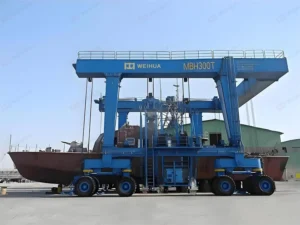
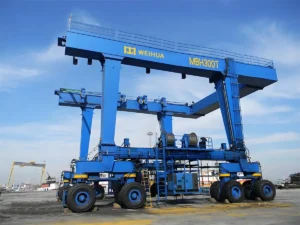
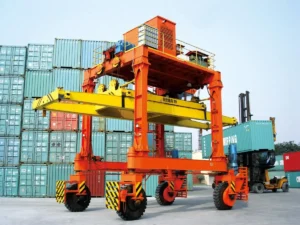
Контейнеровоз — это самоходное транспортное средство на резиновых колесах, которое поднимается над контейнером сверху с помощью встроенного механизма захвата и подъема. Машина выполняет полный цикл перемещения контейнера — подъем с причала или склада, транспортировку по территории и штабелирование в пункте назначения — без использования какого-либо вспомогательного оборудования. Стандартные конфигурации предназначены для работы с 20-футовыми и 40-футовыми контейнерами ISO с грузоподъемностью, как правило, от 30 до 60 тонн, и штабелируют контейнеры в два-четыре ряда в зависимости от высоты рамы.
Поскольку козловой кран работает на резиновых шинах по открытому асфальту без сплошных полос движения или железнодорожной инфраструктуры, планировка территории терминала остается изменяемой. Терминалы могут перераспределять зоны хранения, изменять ширину проходов или расширяться поэтапно без структурных изменений поверхности территории.
Кран RTG: структурированная плотность
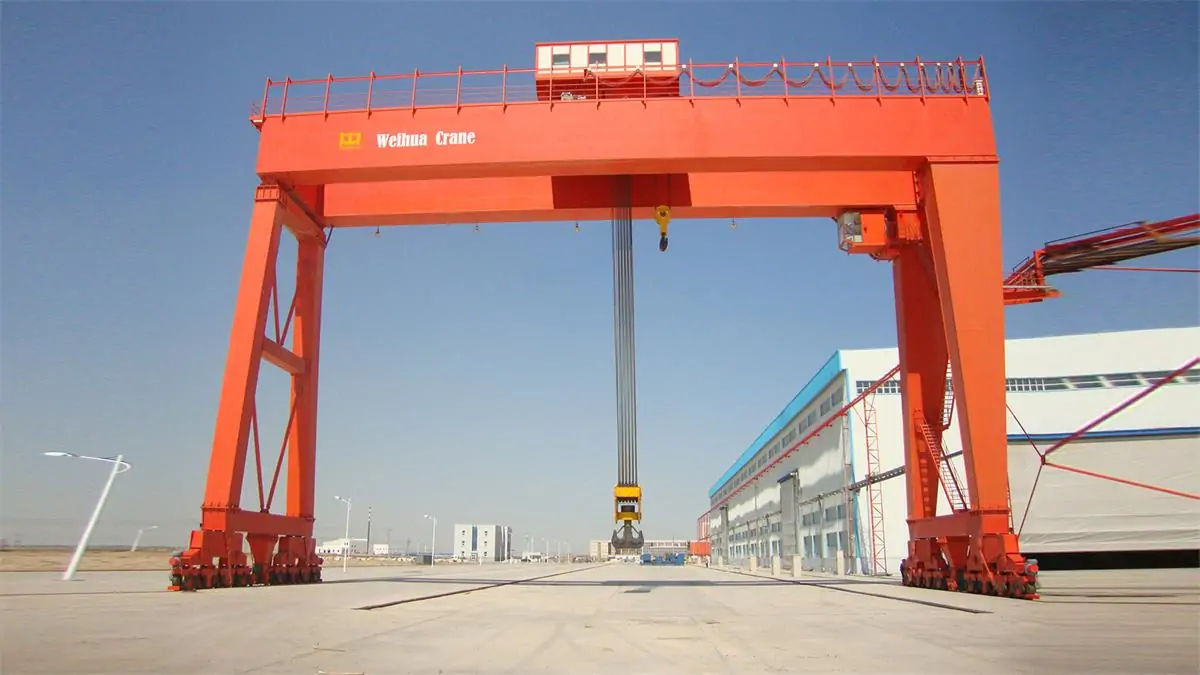
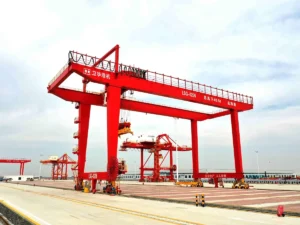
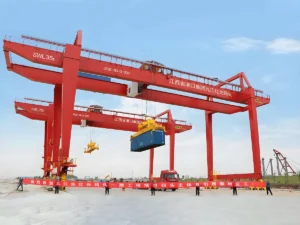
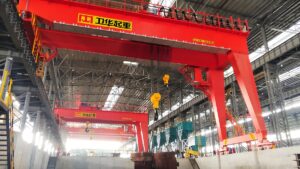
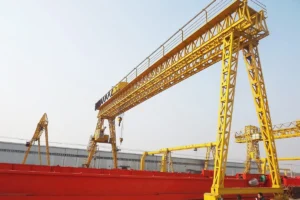
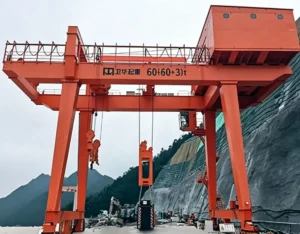
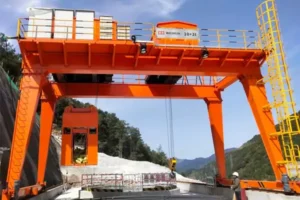
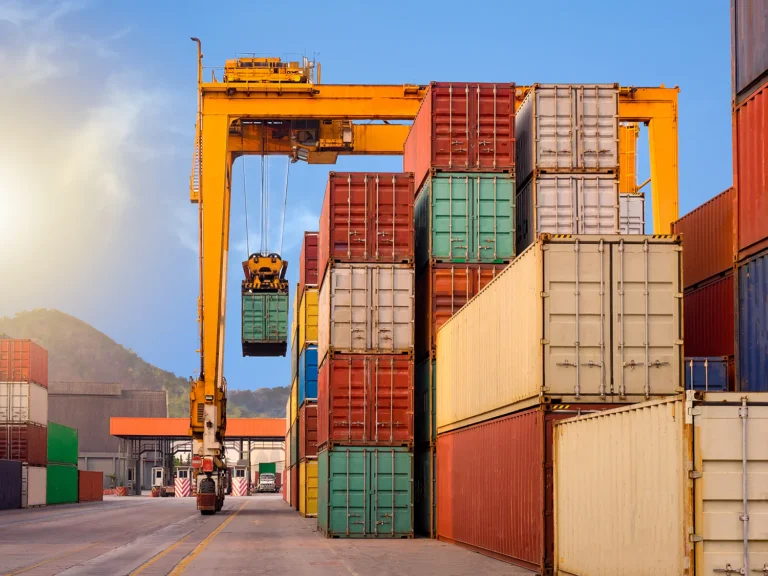
Козловой кран на резиновых колесах (RTG) представляет собой козловую конструкцию, установленную на тележках на резиновых колесах, предназначенную для перекрытия нескольких рядов контейнеров и их вертикального штабелирования в пределах заданного блока. В отличие от козлового крана, кран RTG не перемещает контейнеры по территории склада: он работает в пределах своего блока, поднимая и опуская контейнеры с помощью подъемной тележки, которая перемещается горизонтально по балке козлового крана. Контейнеры, прибывающие в блок или покидающие его, обрабатываются отдельным оборудованием для горизонтальной транспортировки.
Крановые установки RTG обычно охватывают от шести до десяти рядов контейнеров и обеспечивают высоту штабелирования от четырех до шести контейнеров. Такое сочетание бокового пролета и вертикальной грузоподъемности обеспечивает значительно более высокую плотность размещения контейнеров на площадке, чем у крановых установок с аналогичной площадью основания. Широко доступны электрические и гибридные силовые установки, при этом рекуперация энергии во время циклов опускания снижает расход топлива или электроэнергии по сравнению с работой только на дизельном топливе.
Подробные инструкции по эксплуатации и меры предосторожности см. в статье: Как управлять краном RTG: пошаговое руководство
Плотность застройки двора и эффективность использования пространства
Почему высота постройки влияет на экономику землепользования
Основное различие в плотности между двумя системами сводится к высоте штабелирования. Краны RTG обычно обеспечивают конфигурацию 1-на-5 или 1-на-6 в терминалах с высокой пропускной способностью, в то время как козловые краны в стандартной эксплуатации обычно достигают максимум 1-на-3. На практике это различие в высоте приводит к увеличению количества TEU, хранящихся на квадратный метр складской площади при использовании кранов RTG, примерно на 30–501 тонн 3 тонны, согласно данным терминалов, эксплуатировавших обе системы.
Для терминалов, где земельный участок является ограничивающим фактором — например, городские порты, внутренние депо с фиксированными границами территории или площадки, где расширение нецелесообразно, — это преимущество в плотности застройки часто является решающим аргументом в пользу выбора системы RTG, даже если система RTG имеет более высокую капитальную стоимость на единицу.
Там, где погрузчики с перегрузкой заполняют пробел
Сравнение плотности размещения оборудования меняется, когда учитывается полная операционная картина. Терминалы с козловыми кранами требуют выделенного пространства в проходах для отдельного оборудования для горизонтальной транспортировки между штабелирующими блоками и причалом или воротами. Терминалы с козловыми кранами исключают необходимость выделения проходов, поскольку каждая машина выполняет как транспортировку, так и штабелирование. Для терминалов со средними целевыми показателями пропускной способности и достаточной территорией разница в чистой эффективности использования площадки между двумя системами меньше, чем предполагает только высота штабелирования, — и система с козловыми кранами достигает этого при меньших инвестициях в инфраструктуру и большей гибкости компоновки.
Совокупная стоимость владения
Разбивка капитальных и операционных затрат
Сравнение совокупной стоимости владения (TCO) между козловыми кранами и кранами RTG часто вводит в заблуждение закупочные группы, поскольку они фокусируются на цене за единицу продукции, а не на стоимости всей системы. Полный анализ TCO на 15-летний период должен включать капитальные затраты, строительные работы на территории склада, энергетическую инфраструктуру, топливо или электроэнергию, замену шин и компонентов, оплату труда по техническому обслуживанию, а также скорректированную с учетом пропускной способности стоимость перемещения одного контейнера.
| Компонент затрат | Перевозчик козлов | Кран RTG |
|---|---|---|
| Цена покупки единицы | ~$140,000–$700,000 | ~$250,000–$1,000,000+ |
| Строительные работы на площадке | Нижний уровень (армированное покрытие, гибкая планировка) | Более высокий уровень (структурированный блок + электропитание для e-RTG) |
| Потребление энергии | Более высокая стоимость перевозки (дизельный или гибридный двигатель) | Более низкая стоимость за перемещение (особенно у электрических РТГ с рекуперацией тепла). |
| Замена шин | Высокочастотное — непрерывное движение ускоряет износ. | Более низкая частота — перепозиционирование периодическое. |
| Сложность обслуживания | Тяжелая механическая начинка (гидравлика, рулевое управление, шины) | Тяжелое электрическое оборудование (подъемные системы, электрические компоненты) |
| Стоимость перевозки одного контейнера при высокой плотности | Более высокая (более низкая эффективность штабелирования) | Более низкая плотность застройки (преимущество в плотности снижает стоимость земли с учетом налогов) |
Точка перегиба, в которой общая стоимость перемещения контейнера с помощью крана RTG становится ниже, чем общая стоимость перемещения контейнера с козловым краном, зависит, прежде всего, от объема перевозок и стоимости земли. Терминалы, обрабатывающие менее 300 000–400 000 TEU в год на площадках с достаточными земельными участками, часто обнаруживают, что общая стоимость владения контейнером с козловым краном конкурентоспособна или выгодна в течение 15 лет. Терминалы, обрабатывающие большее количество контейнеров в условиях ограниченности земельных участков, как правило, обнаруживают, что экономическая целесообразность использования крана RTG более высока, если учесть экономию на стоимости земли за счет большей плотности застройки.
Автоматизация и интеграция технологий
Автоматизация погрузчиков
Перегрузочные краны обеспечивают полную автоматизацию благодаря позиционированию на основе GPS, обнаружению препятствий с помощью LiDAR и интеграции с терминальной операционной системой (TOS). Автоматизированные конфигурации перегрузочных кранов (ASC) позволяют машинам перемещаться по территории склада, определять местоположение контейнеров и выполнять подъем грузов без постоянного участия оператора. Гибкость перемещения перегрузочных кранов — отсутствие фиксированных полос, отсутствие блоковых назначений — делает автоматизированные алгоритмы маршрутизации более сложными в реализации, чем в системах RTG, но также более адаптируемыми к динамическим схемам грузопотока.
Автоматизация кранов RTG
Автоматизация кранов RTG ориентирована на точность внутри блока: автоматическое позиционирование спредера, системы противодействия раскачиванию, распознавание контейнеров с помощью оптических или RFID-датчиков и удаленные интерфейсы оператора, позволяющие одному оператору одновременно контролировать несколько кранов. Конфигурации автоматизированных кранов RTG (ARTG) расширяют это до полностью беспилотных операций с блоками, работающих совместно с автоматизированным горизонтальным транспортным оборудованием для сквозной автоматизации складской площадки. Структурированная, фиксированная среда работы крана RTG упрощает внедрение автоматизации с точки зрения управления положением, хотя полная стоимость системы — включая программное обеспечение для управления складской площадкой и интеграцию с автоматизированным горизонтальным транспортным оборудованием — значительна.
Обе системы способны к автоматизации. Выбор между ними должен зависеть не только от готовности к автоматизации, но и от того, какая архитектура автоматизации лучше всего соответствует модели грузопотока терминала.
Сертификация и соответствие требованиям закупок
Какие сертификаты следует проверить перед покупкой?
Закупка козловых кранов и кранов RTG предполагает приобретение критически важного с точки зрения безопасности подъемного оборудования, и требования к сертификации являются обязательными для таможенного оформления, действительности страхового полиса и соответствия эксплуатационным требованиям в большинстве юрисдикций. Перед заключением договора с поставщиком группам по закупкам следует проверить следующее.
Для оборудования, предназначенного для европейских рынков или терминалов, работающих под юрисдикцией ЕС, Маркировка CE Требуется соответствие требованиям Директивы ЕС о машиностроении (2006/42/EC). Конструкция и расчеты нагрузок должны соответствовать стандартам проектирования кранов методом конечных элементов, а класс грузоподъемности должен соответствовать стандарту ISO 4301 для определения рабочего цикла. Система управления качеством поставщика должна соответствовать Сертификация ISO 9001, подтверждая документированные процессы проектирования, производства и контроля качества.
Для терминалов в Евразийском таможенном союзе (Россия, Казахстан, Беларусь и ассоциированные государства) применяется маркировка соответствия EAC (Евразийское соответствие). Для операций в североамериканских портах или терминалах, подлежащих надзору со стороны регулирующих органов США, безопасные методы работы и требования к сертификации операторов регулируются стандартами OSHA по соблюдению нормативных требований.
Как проверить сертификаты поставщиков
Устных заверений недостаточно. Перед размещением заказа группам по закупкам следует потребовать следующие документы: декларацию соответствия ЕС (для оборудования с маркировкой CE), сертификаты испытаний на перегрузку, подтверждающие, что машина была протестирована при номинальной нагрузке 110%, сертификат системы управления качеством ISO 9001 с действующим сроком действия, а также документацию по системам безопасности — защите от перегрузки, предотвращению столкновений и отображению нагрузки — установленным в конкретной конфигурации заказа.
Продукция компании Weihua, включающая козловые краны и краны RTG, производится в соответствии с системой управления качеством, сертифицированной по стандарту ISO 9001. Специальная сертификационная документация для каждого заказа предоставляется по запросу у инженерной группы.
Какая система подходит для вашего терминала?
Двухосевая модель принятия решений
Наиболее понятный способ сформулировать решение о выборе — это сосредоточиться на двух переменных, которые закупочные группы могут напрямую количественно оценить: годовой объем контейнерных перевозок и доступная площадь площадки на один обработанный TEU.
Выбирайте систему козлового захвата, когда: Годовой грузооборот, как правило, не превышает 500 000 TEU, наличие земельных участков не является ограничивающим фактором, приоритетами являются операционная гибкость и поэтапное расширение, грузовой состав включает нестандартные типы контейнеров или смешанные грузы, требующие динамического доступа к складской площадке, или капиталовложения в стационарную блочную инфраструктуру ограничены.
Выбирайте крановую систему RTG, когда: Терминал работает в условиях ограниченности земельных ресурсов, где крайне важно максимизировать количество TEU на квадратный метр, годовой объем грузооборота высок и имеет предсказуемый, стабильный режим, подходящий для структурированной блочной работы, электрификация операций по складированию является требованием устойчивого развития или нормативным требованием, или долгосрочный план включает автоматизированные или полуавтоматизированные операции на складской площадке в рамках определенных блочных структур.
Для новых терминалов, где обе системы являются жизнеспособными, рекомендуется использовать детальную имитационную модель площадки, сравнивающую сценарии пропускной способности, предположения о стоимости земли и прогнозы совокупной стоимости владения на 15 лет для каждой системы, в качестве основы для окончательного выбора оборудования. Инженерная команда Weihua оказывает поддержку в планировании терминалов, включая моделирование компоновки и анализ совокупной стоимости владения, в рамках процесса предпродажных консультаций.
→ Свяжитесь с инженерной командой Weihua, чтобы обсудить конфигурацию вашего терминала.
Заключение
Выбор между козловыми кранами и кранами RTG — это не сравнение продуктов, а решение на системном уровне, определяющее работу терминалов на следующие 15–20 лет. Козловые краны обеспечивают гибкость, меньшие затраты на инфраструктуру и автономное перемещение контейнеров, хорошо подходящее для динамичных терминалов со средней пропускной способностью. Краны RTG обеспечивают более высокую плотность размещения контейнеров на площадке, меньшие затраты энергии на перемещение в электрических конфигурациях и структурированную операционную модель, подходящую для терминалов с высокой пропускной способностью и ограниченной территорией.
Сначала определите целевую пропускную способность и доступную площадь земельного участка. Затем смоделируйте полную 15-летнюю общую стоимость владения (TCO) для каждой системы, учитывая строительные работы, энергопотребление, техническое обслуживание и пропускную способность. Именно этот анализ, а не цена покупки единицы продукции, должен определять решение о закупке.
Для терминалов, оценивающих возможность использования козловых кранов или кранов RTG от компании Weihua, обратитесь в инженерный отдел для получения информации о ценах, специфичных для конкретной конфигурации, консультаций по планировке территории и сертификационной документации.

Часто задаваемые вопросы
В1: Можно ли использовать одновременно козловой кран и кран-манипулятор RTG на одном терминале?
Да, гибридные конфигурации существуют. Распространенный подход использует козловые краны для перевалки грузов к причалу и краткосрочного буферного хранения, в то время как краны RTG используются для высокоплотного складирования грузов на длительный срок в основном складском блоке. Управление двумя системами усложняет эксплуатацию и техническое обслуживание, поэтому гибридные конфигурации, как правило, оправданы только в крупных терминалах с четко выраженными различными зонами эксплуатации.
В2: Какую реальную разницу высот при штабелировании мне следует учитывать при планировании?
Стандартные козловые краны обычно имеют компоновку 1-на-2 или 1-на-3 (общая высота трех-четырех контейнеров). Крановые краны RTG обычно имеют компоновку 1-на-4 или 1-на-5, а в конфигурациях с высокой плотностью — 1-на-6. Это напрямую влияет на планирование плотности размещения контейнеров на площадке: площадка, оборудованная кранами RTG, может хранить примерно на 30–501 тонн 3 тонны больше TEU на квадратный метр площади по сравнению с площадкой, оборудованной козловыми кранами аналогичной площади.
В3: Действительно ли разница в цене между козловыми кранами и кранами RTG настолько велика, как кажется?
Сравнение удельных цен не отражает реальной разницы в стоимости. Передвижные козловые краны имеют более низкую себестоимость единицы продукции, но более высокие текущие затраты — замена шин, в частности, является значительной статьей операционных расходов из-за непрерывных перемещений по территории склада. Краны RTG имеют более высокие удельные и инфраструктурные затраты, но более низкие затраты на электроэнергию за одно перемещение (особенно электрические конфигурации) и более низкие операционные расходы, связанные с шинами, благодаря нечастому перемещению. Полезным является сравнение совокупной стоимости владения системой за 15 лет, а не цены покупки.
В4: Как мне убедиться, что козловой кран или кран-манипулятор RTG от Weihua соответствуют требованиям CE для моего рынка?
На этапе запроса коммерческого предложения (RFQ) запросите у команды Weihua Декларацию соответствия ЕС, сертификат испытаний на перегрузку и сертификат системы управления качеством ISO 9001. Для оборудования с маркировкой CE декларация подтверждает соответствие Директиве ЕС о машиностроении 2006/42/EC и соответствующим гармонизированным стандартам. Не принимайте устное подтверждение — пакет сертификатов следует проверить до подписания контракта.
В5: Какую систему проще автоматизировать, если я планирую обновить терминал позже?
Обе системы поддерживают полную автоматизацию, но подходят для разных архитектур автоматизации. Ковшовые краны хорошо подходят для динамичной автоматизированной транспортировки с использованием ИИ по открытым площадкам. Краны RTG хорошо подходят для точной автоматизированной блочной штабелировки с заданной структурой полос. Если план автоматизации терминала предусматривает гибкую многозональную маршрутизацию, автоматизация с помощью ковшовых кранов, как правило, проще масштабируется. Если же требуется беспилотная штабелировка фиксированных блоков, то автоматизированные краны RTG (ARTG) являются более распространенным решением.