








Table of Contents
RTG crane tyres are used on Rubber Tyred Gantry (RTG) cranes and continuously operate under heavy loads in container terminals and port yards, where surface conditions, turning stress, and long working hours place constant pressure on performance. Tyre selection and condition directly affect crane stability, operating safety, and overall terminal efficiency. Poor tyre performance often leads to uneven wear, downtime, and higher maintenance costs.
In this article, we cover RTG crane tyre types and structure, key selection factors in real port conditions, core performance metrics like load capacity and wear resistance, common failure issues, and practical maintenance methods to extend service life and reduce cost.
The Function and Operating Environment of RTG Crane Tires
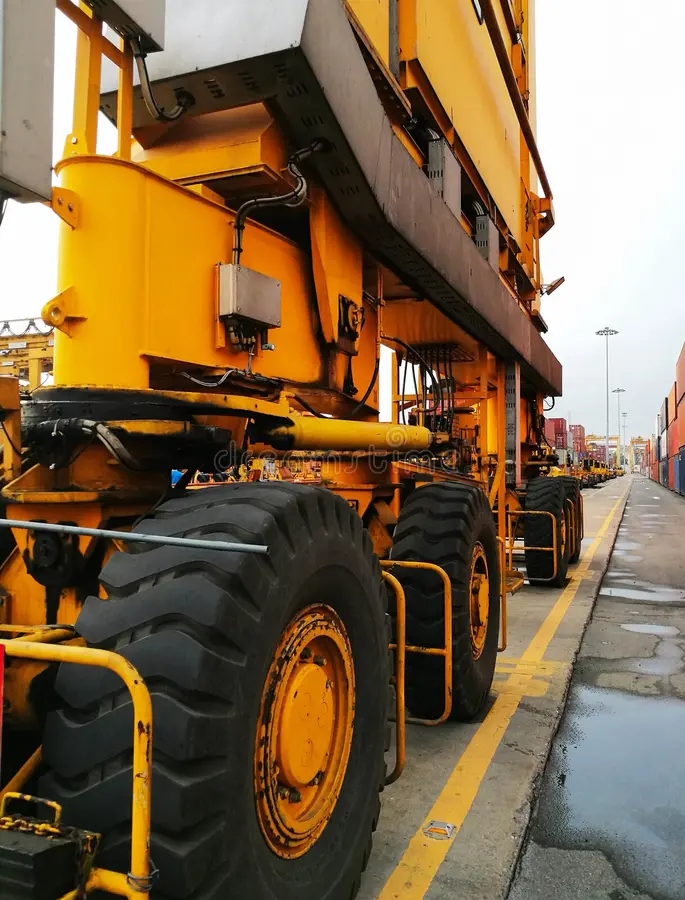
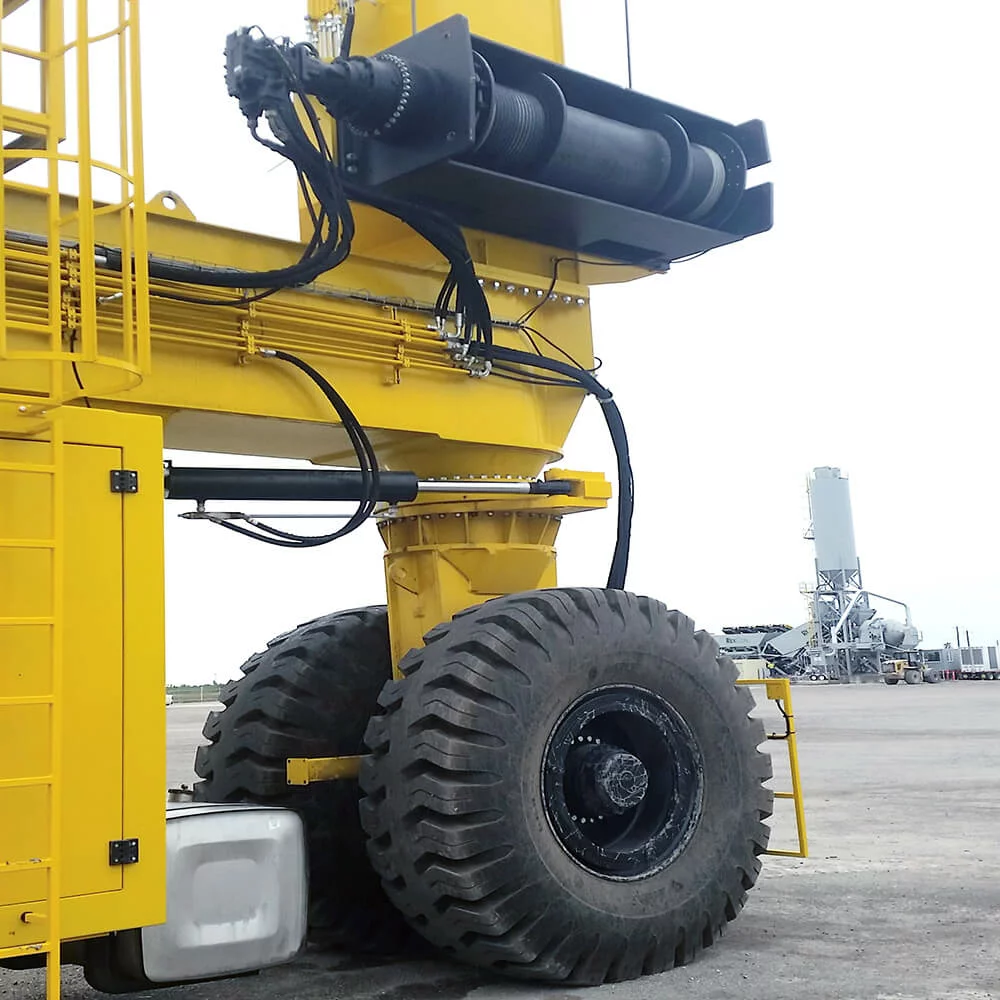
RTG crane tyres sit at the centre of port handling operations, where movement, load, and ground conditions all place constant pressure on performance.
RTG Crane Tyres – Functions
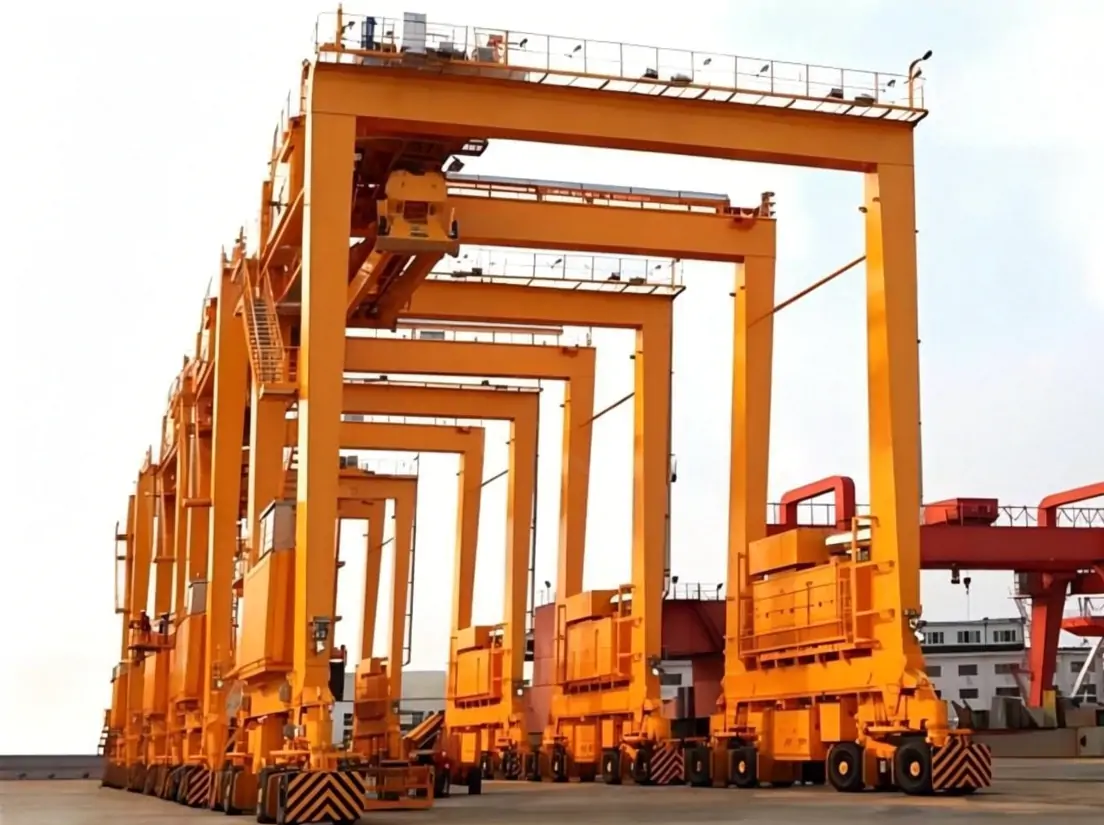
RTG crane tyres are the main running and load-bearing component of a rubber-tyred gantry crane, directly affecting mobility, stability, and operational control.
- Movement and steering: let the crane travel in the yard without rails, including forward, side shift, 90° turns, and spot turning.
- Load support and distribution: carry the crane and container weight, spreading pressure across the ground contact area and reducing impact from uneven surfaces.
- Traction and braking: transfer ground grip for start, travel, turning, and stopping.
RTG Crane Tyres – Working Environment
RTG tyres run in heavy-duty port conditions with constant load and repeated movement.
- Port and yard operations: used in ports, terminals, and rail yards for container handling and stacking.
- Concrete yard surfaces: work on reinforced ground with uneven spots and repeated impact stress.
- Weather exposure: exposed to dust, salt air, dirt, and temperature changes from heat to cold.
- Frequent turning work: repeated sharp turns, diagonal travel, and precise alignment during container handling.
RTG crane tyres carry load and keep the crane moving steadily in port operations with heavy-duty cycles and tough ground conditions.
RTG Crane Tyres Types & Structure
RTG crane tyres are generally available in pneumatic and solid constructions. Each type offers different characteristics in terms of load capacity, maintenance requirements, ride performance, and service life.
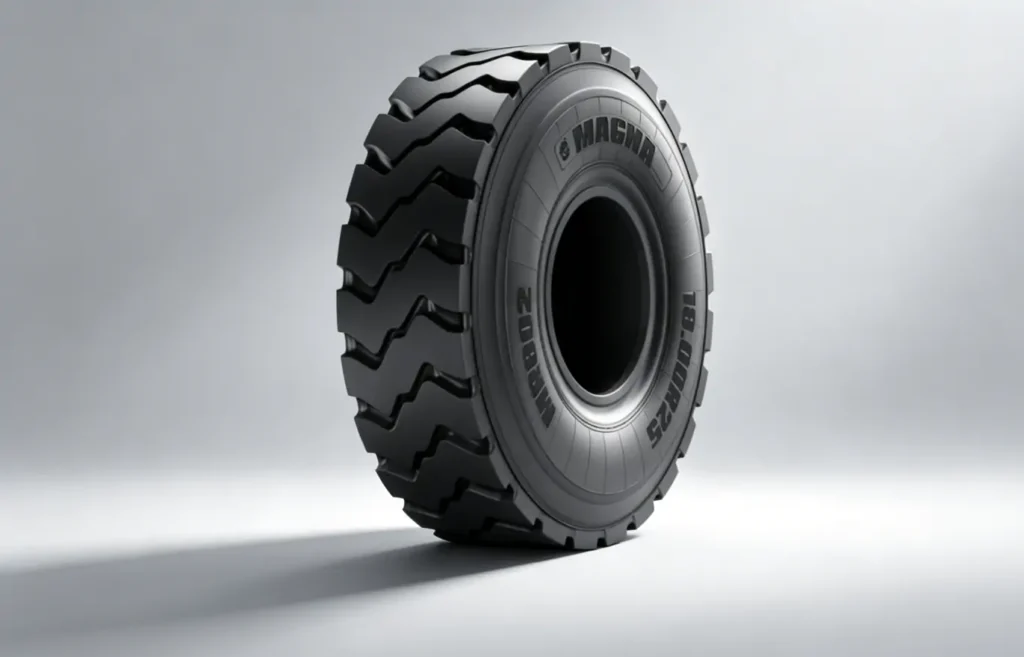
Pneumatic RTG Crane Tyres
Pneumatic tyres use internal air pressure to support loads and reduce impact from yard surfaces. The tyre consists of a rubber tread, reinforcement layers, and an inner sealing layer. They are typically used in applications where ground conditions are relatively smooth and vibration reduction is important.
- · Ply Rating (PR): 16PR – 40PR
- · Section Width: 445 mm – 750 mm
- · Maximum Load Capacity: 15 t – 45 t per tyre
- · Inflation Pressure: 8 bar – 12 bar
Advantage: Good cushioning performance, lower rolling resistance, and reduced vibration during travel.
Limitation: Air pressure must be monitored regularly, and punctures or pressure loss can affect operation.
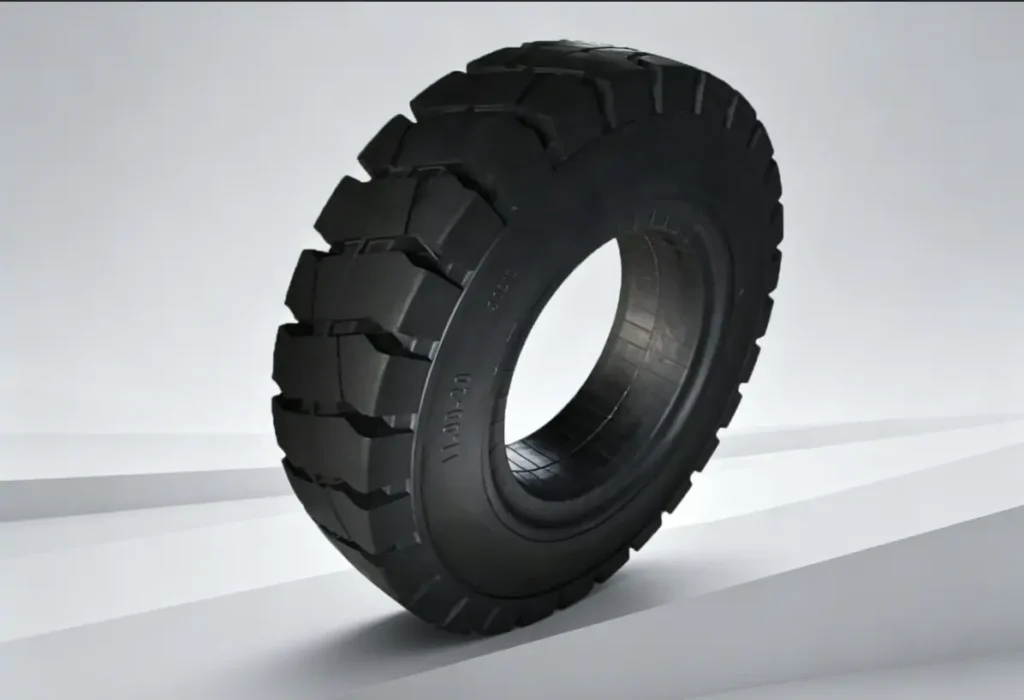
Solid RTG Crane Tyres
Solid tyres feature a fully rubber construction without air pressure. Bonded solid tyres are widely used on RTG cranes, with the tyre fixed directly to the wheel rim for heavy-duty port service.
- · Ply Rating (PR): Heavy-Duty Industrial Grade
- · Section Width: 400 mm – 700 mm
- · Maximum Load Capacity: 20 t – 50 t per tyre
- · Rubber Hardness: 65 – 80 Shore A
- · Wear Resistance Grade: High Wear Resistant Compound
Advantage: Resistant to punctures, requires little maintenance, and performs well under continuous heavy loads.
Limitation: Higher weight and rolling resistance, with less shock absorption than pneumatic tyres.
Both pneumatic and solid RTG crane tyres have their place in container handling operations. The right choice depends on load demands, yard conditions, maintenance requirements, and operating cost.
Specifications
| Parameter | Pneumatic RTG Crane Tyres | Solid RTG Crane Tyres |
|---|---|---|
| Ply Rating (PR) | 16PR – 40PR | Heavy-Duty Industrial Grade |
| Section Width | 445 mm – 750 mm | 400 mm – 700 mm |
| Maximum Load Capacity | 15 t – 45 t per tyre | 20 t – 50 t per tyre |
| Inflation Pressure | 8 – 12 bar | Not Required |
| Rubber Hardness | 60 – 70 Shore A | 65 – 80 Shore A |
| Wear Resistance | Medium to High | High |
| Heat Management Capability | Good | Medium |
| Crack Resistance | Good | Excellent |
| Stability Under Load | Good | Excellent |
| Service Life* | 8,000 – 15,000 h | 12,000 – 25,000 h |
| Maintenance Requirement | Regular pressure checks | Low maintenance |
| Typical Application | Light to medium-duty RTG operations | Heavy-duty container terminals |
RTG Crane Tyres Selection Criteria
Selecting the right RTG crane tyre involves more than choosing a size or load rating. Operating conditions, ground surfaces, environmental factors, and equipment specifications all influence tyre performance, service life, and maintenance requirements.
1. Load Capacity — The tyre must support the wheel load generated by the crane and containers during lifting and travel. A suitable load rating helps maintain stability and reduces excessive wear under heavy-duty operation.
2. Operating Conditions — Working hours, travel distance, and turning frequency all affect tyre life. RTGs operating in continuous container handling cycles typically require tyres with higher durability and wear resistance.
3. Surface Conditions — Ground conditions directly affect tyre wear and running performance. Rough concrete surfaces, uneven areas, and ground settlement can increase stress on the tyre structure.
4. Environmental Conditions — Port tyres are exposed to heat, salt air, dust, moisture, and changing weather. These conditions can affect rubber durability and overall tyre life.
5. Equipment Compatibility — Tyre size, wheel diameter, rim specifications, and wheel load requirements should match the RTG configuration. Proper matching supports stable operation and even tyre wear.
The right RTG tyre should match the crane’s load requirements, operating conditions, yard environment, and equipment specifications. Proper selection can help extend tyre life and reduce maintenance costs.
Frequently Asked Questions and Troubleshooting
RTG crane tyres operate under heavy loads, frequent turning, and continuous duty cycles. Understanding the common causes of tyre wear and failure can help reduce maintenance costs, improve equipment availability, and extend tyre service life.
Why Do RTG Crane Tyres Wear Out Quickly?
Rapid tyre wear is often linked to heavy loads, frequent turning, and continuous operation. Rough yard surfaces, improper tyre pressure, and excessive side friction during steering can further accelerate tread wear and shorten service life.
Why Do RTG Crane Tyres Experience Blowouts or Tread Separation?
For pneumatic tyres, incorrect inflation pressure, overloading, and excessive heat buildup are common causes of tyre failure. Tread separation may also occur when the tyre structure is damaged by long-term heavy-duty operation or impact loads.
Why Do RTG Crane Tyres Wear Unevenly?
Uneven wear is usually related to equipment alignment or load distribution issues. Wheel misalignment, uneven wheel loads, unsynchronised drive systems, and uneven ground conditions can cause one side of the tyre to wear faster than the other.
Why Is RTG Tyre-Related Downtime So Expensive?
Tyre replacement on RTG cranes requires specialised equipment, labour, and maintenance time. More importantly, unexpected downtime can disrupt container handling schedules, reduce yard productivity, and increase operating costs across the terminal.
Many tyre issues are linked to operating conditions, maintenance practices, and equipment alignment. Regular inspection and timely maintenance can reduce abnormal wear, lower downtime risk, and improve overall operating efficiency.
Maintenance
Regular tyre inspections help identify wear, damage, and operating issues before they lead to unplanned downtime or costly repairs.
- Visual Condition Check: Inspect the tyre surface for cuts, cracks, bulges, or other visible damage that may affect safe operation.
- Tread Inspection: Check the tread area for abnormal wear and remove stones, metal fragments, or other debris trapped in the grooves.
- Tyre Pressure Check: For pneumatic tyres, verify that tyre pressure remains within the manufacturer’s recommended range.
- Wear Monitoring: Inspect for uneven wear patterns, excessive tread loss, or signs of overloading and misalignment.
- Noise Observation: Listen for unusual noise during travel or steering, which may indicate tyre damage or wheel assembly issues.
- Wheel Bolt Inspection: Confirm that wheel and rim mounting bolts remain properly tightened and free from damage.
- Cleanliness Check: Remove oil, dirt, and other contaminants from the tyre surface to support inspection and reduce material deterioration.
- Operator Feedback Review: Record any reported issues such as vibration, unstable travel, or steering abnormalities during operation.
- Maintenance Record Update: Document inspection results, tyre condition, and any corrective actions for maintenance tracking.
A basic RTG tyre inspection routine focuses on tyre condition, wear pattern, pressure, mounting bolts, and running behaviour. Regular checks help catch issues early and keep equipment downtime under control while extending tyre service life.
To ensure the long-term safe operation of an RTG crane, regular maintenance is essential. For information on maintenance intervals and detailed procedures, please refer to the article: “RTG Crane Maintenance Checklist: A Complete Guide to Safe and Efficient Operation.”
How to Reduce the Total Cost of RTG Crane Tyres
The cost of RTG crane tyres is not only related to purchase price, but also depends on service life, maintenance frequency, and downtime. The key to controlling total cost is reducing abnormal wear and unplanned shutdowns throughout the full operating cycle.
Proper Selection
Select tyre specifications based on RTG load, operating intensity, and yard conditions to avoid premature wear caused by a mismatch.
Tyre Pressure Management
Maintain tyre pressure within the standard range to reduce abnormal tread wear and structural fatigue.
Operation Control
Reduce sharp turns, on-spot steering, and high-speed empty travel to lower side friction damage on tyres.
Yard Condition Maintenance
Keep the ground surface even and remove metal debris and foreign objects to reduce tread cuts and impact damage.
Alignment Inspection
Regularly check the alignment of the travelling mechanism and wheel set to avoid uneven wear caused by load imbalance.
Preventive Maintenance
Establish routine inspection procedures to detect abnormal pressure, wear, or structural issues in advance and reduce sudden failures.
Lifecycle Management
Prefer tyre solutions with higher wear resistance, longer service life, or retreadable design to reduce replacement frequency over time.
The core of RTG tyre cost control lies in extending service life and reducing unplanned downtime. With proper selection, controlled operation, and systematic maintenance, overall operating costs can be effectively reduced.
Conclusion
RTG crane tyres play a key role in supporting safe and efficient container handling operations. Proper selection, correct operation, and regular maintenance directly affect tyre life, equipment stability, and overall operating cost.
WEIHUA has experience in port and heavy-duty material handling equipment, with engineering capability in RTG-related solutions and a complete quality control system supported by industry certifications. For technical support, selection guidance, or project requirements, please contact us.

FAQS
What are RTG crane tyres used for?
RTG crane tyres support and move rubber-tyred gantry cranes in container yards, allowing lifting, travelling, and positioning without fixed rails.
What is the lifespan of RTG crane tyres?
Service life is typically 8,000–25,000 operating hours, depending on load, operating conditions, tyre type, and maintenance level.
Which type of RTG tyre is best for port operations?
Solid RTG tyres are commonly used in ports due to higher load capacity, puncture resistance, and lower maintenance requirements.
How often should RTG crane tyres be replaced?
Replacement depends on wear condition rather than fixed time, and is usually required when tread wear, cracking, or structural damage reaches safety limits.
What causes RTG tyres to wear unevenly?
Uneven wear is mainly caused by wheel misalignment, uneven load distribution, poor yard conditions, and frequent sharp turning operations.
Can RTG tyres be repaired or reused?
Pneumatic tyres can be repaired in limited cases, while solid tyres are generally not repaired but may support limited refurbishment depending on condition.
How to reduce RTG tyre operating cost?
Cost can be reduced through correct tyre selection, stable tyre pressure, controlled driving behaviour, proper yard maintenance, and regular inspections.
What load can RTG crane tyres support?
Each tyre typically supports around 15–50 tons depending on size, structure, and RTG configuration.