
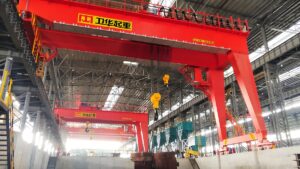
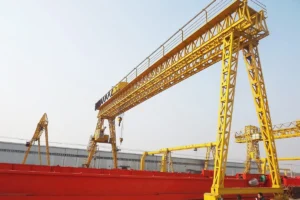

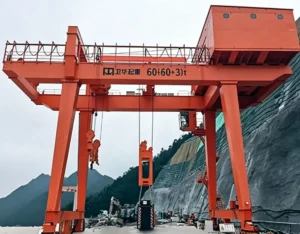
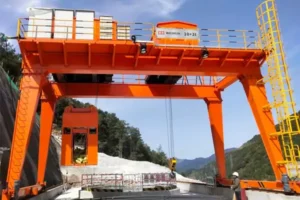







Overview of Port Cranes and Gantry Cranes in Harbor Operations
Port cranes and gantry cranes are widely used in modern ports and terminals to handle containerized cargo, bulk materials, and oversized project cargo. However, different terminals face distinct operational challenges depending on cargo types, throughput requirements, yard layouts, automation levels, and budgets. Consequently, ports require various types of port cranes and gantry crane systems to meet diverse operational demands.
This article provides a comprehensive overview of the various port crane types and gantry cranes used in ports and terminals, explaining their operating principles, application scenarios, and how to select the appropriate crane for your port project. Whether you are planning a new terminal construction, upgrading existing equipment, or comparing different crane solutions, this guide offers practical reference.
Оглавление
What Is the Difference Between Gantry Cranes and Port Cranes?
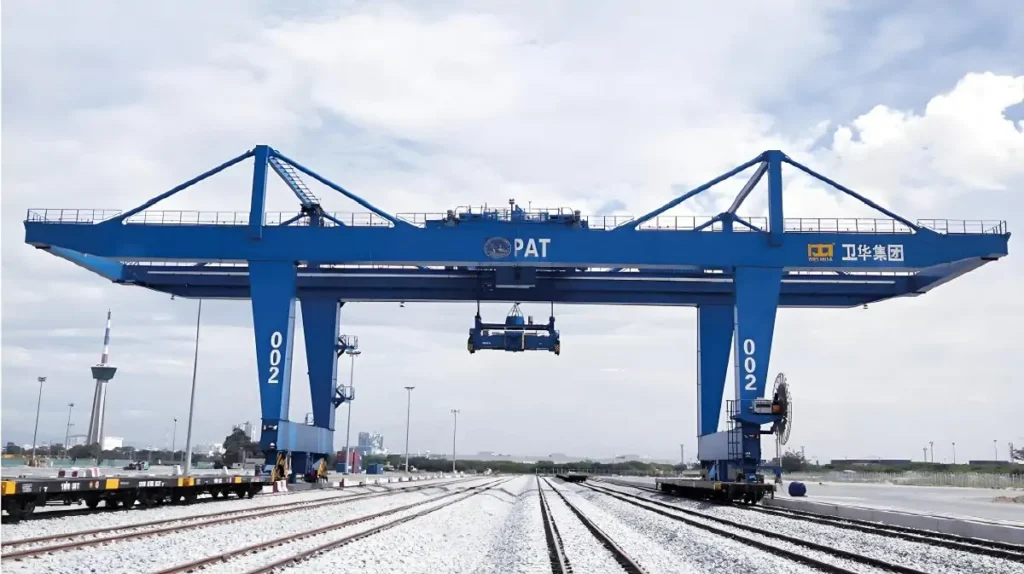
The difference between gantry cranes and port cranes primarily lies in their structure, operational location, and port functional positioning. Gantry cranes support yard operations, while port cranes connect ships to docks. Modern ports typically rely on both types of equipment to achieve smooth end-to-end cargo handling. The distinctions between them are as follows:
| Difference | Козловой кран | Port Crane |
|---|---|---|
| Definition | A crane with a hoist mounted on a gantry structure that moves on wheels or rails along a fixed path, primarily used for material handling over a defined area. | A general term for cranes used in port operations, designed specifically for loading and unloading ships, handling containers, and moving bulk cargo. |
| Структура | Typically consists of one or two fixed or adjustable legs supporting a horizontal beam (girder), with a hoist trolley that traverses the beam. | Encompasses diverse structural forms, commonly fixed to a berth (like quay cranes) or mounted on large mobile platforms (like ship-to-shore cranes). |
| Common Types | • Универсальный двухбалочный козловой кран • Semi-Gantry Crane • Adjustable/Portable Gantry Crane | • Ship-to-Shore (STS) Crane (Container) • Rubber-Tired Gantry (RTG) Crane • Rail-Mounted Gantry (RMG) Crane • Mobile Harbor Crane • Bulk Handling Crane |
| Key Parameters | • Lifting Capacity: Typically 1-500 tons • Span: Up to 50m+ • Mobility: Rail, wheel, or stationary | • Lifting Capacity: Up to 100+ tons (STS) • Outreach: Over 60m to reach across large vessels • Specialized Features: Spreader, high-speed hoisting/trolley travel |
| Primary Applications | • Workshops, warehouses, and construction sites for moving heavy items. • Rail yards for loading/unloading trains. • Smaller docks or shipyards for vessel maintenance. | • Container terminals for stacking and ship loading/unloading. • Bulk cargo terminals for handling materials like grain, ore, or coal. • General cargo wharves for diverse goods. |
Main Types of Port Cranes Used in Ports and Terminals
Ports and terminals serve as critical hubs for global trade, with cargo handling efficiency largely dependent on the cranes employed. Weihua offers a diverse range of port cranes to meet container handling and bulk material loading requirements. When selecting the appropriate crane, factors such as lifting capacity, operational reach, working environment, and cargo type must be considered. Below, we outline the primary types of port cranes commonly used in ports for your reference.
Ship-to-Shore Crane (STS Crane)
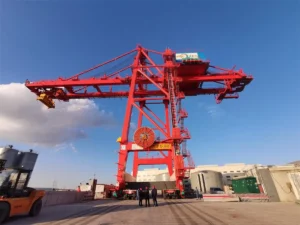
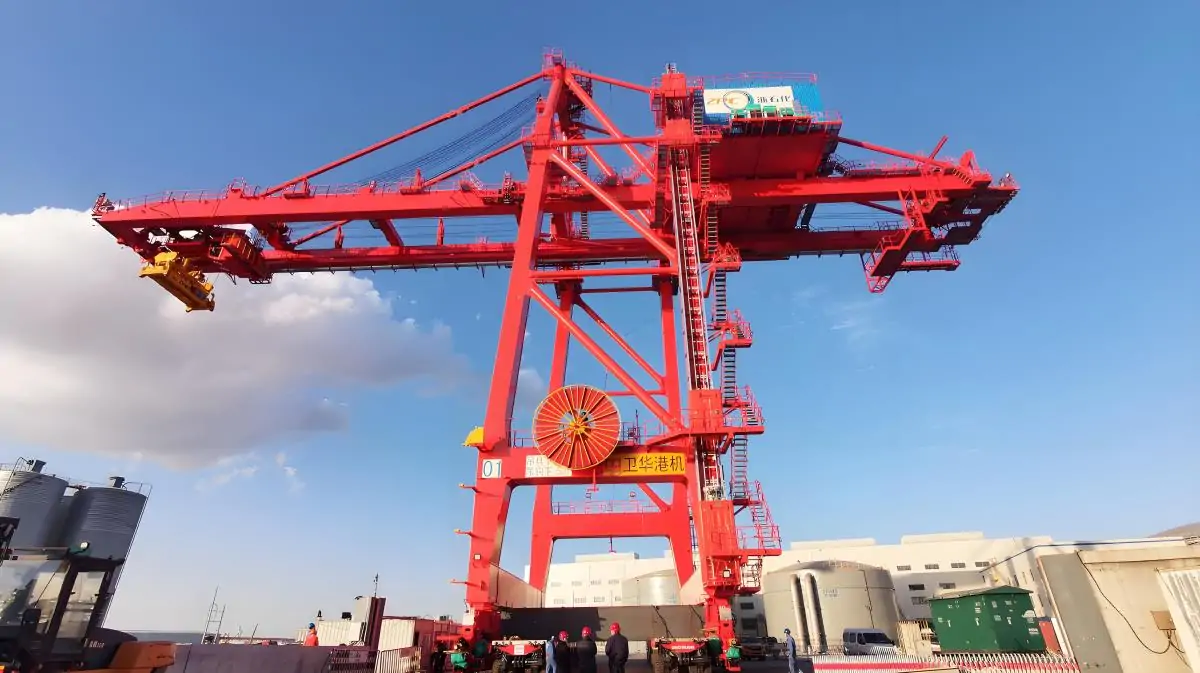
Ship-to-Shore Cranes (STS Cranes), also known as container port cranes, are common equipment at large container terminals. They feature a reach of 60 to 72 meters (capable of spanning vessels 24 container-wide) and lifting capacities ranging from 65 to over 100 tons. They typically operate along berth tracks using automated control systems, working in coordination with yard equipment (such as rubber-tired gantry cranes or rail-mounted gantry cranes) to directly load and unload containers from large ocean-going vessels onto the terminal.
Mobile Harbor Cranes
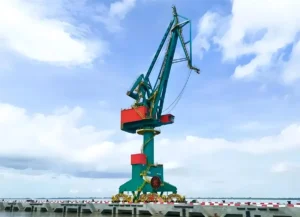
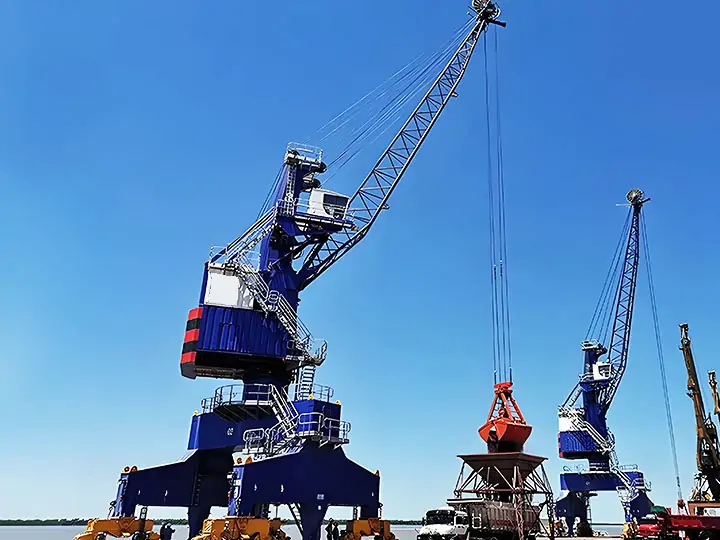
Mobile harbor cranes offer flexible mobility with lifting capacities ranging from 20 to 100 tons. Capable of rapid redeployment, they are ideal for versatile port operations handling diverse cargo types. Unlike fixed gantry cranes, these cranes can move freely within docks or yards, making them suitable for loading and unloading bulk cargo, general cargo, and containers.
Mobile harbor cranes can be equipped with container spreaders, grabs, or hooks depending on cargo type, making them particularly suitable for ports requiring flexible operations with limited infrastructure investment.
Quay Cranes
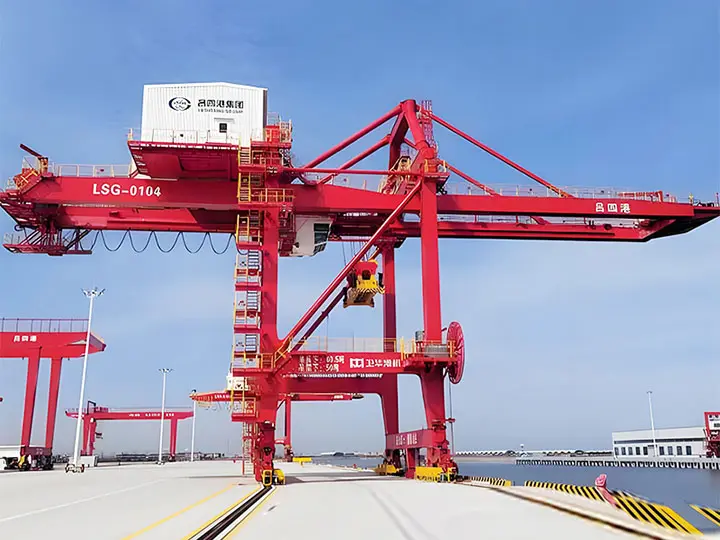
Quay Cranes are typically installed alongside dock berths and are specifically designed for ship loading and unloading operations. Lifting capacity: 40–80 tons. Featuring a tall fixed structure and equipped with a telescopic horizontal boom that extends over the ship’s hull for efficient container handling. Advanced quay cranes incorporate automation capabilities to enhance loading/unloading precision and reduce turnaround times. Capable of operating in adverse weather conditions and integrating with terminal operating systems for real-time cargo tracking.
Main Types of Gantry Cranes Used in Harbors and Terminals
At ports and terminals, the selection of crane types directly impacts operational efficiency, safety, and return on investment. Below are the primary gantry crane types used in modern ports and terminals, highlighting their key advantages and limitations.
Rail Mounted Gantry Crane (RMG Crane)
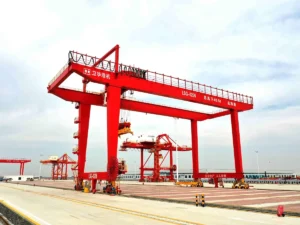
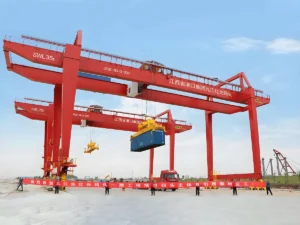
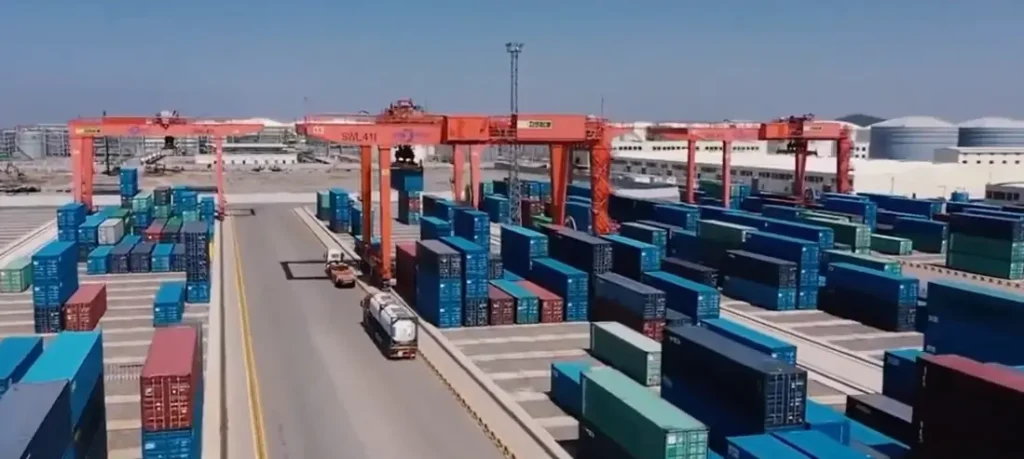
Rail-mounted gantry cranes (RMG cranes) are heavy-duty container handling gantry cranes designed to operate on fixed ground rails within port container yards or intermodal terminals. They are specifically engineered for high-density container stacking, typically spanning multiple rows of containers and multiple tracks. Featuring automated integration, it enables unmanned operation, high throughput, and stable performance. Primarily used in container yard operations, it facilitates the stacking, sorting, and transfer of containers between trucks, trains, and the yard.
Due to operation on fixed tracks, maneuverability is restricted, and substantial initial investment is required for foundation and track installation. Additionally, it is less suitable for terminals with limited space or layouts requiring frequent changes.
Rubber Tyred Gantry Crane (RTG Crane)
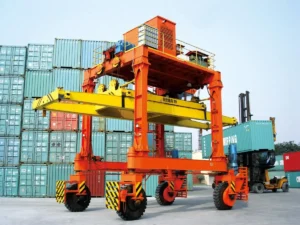
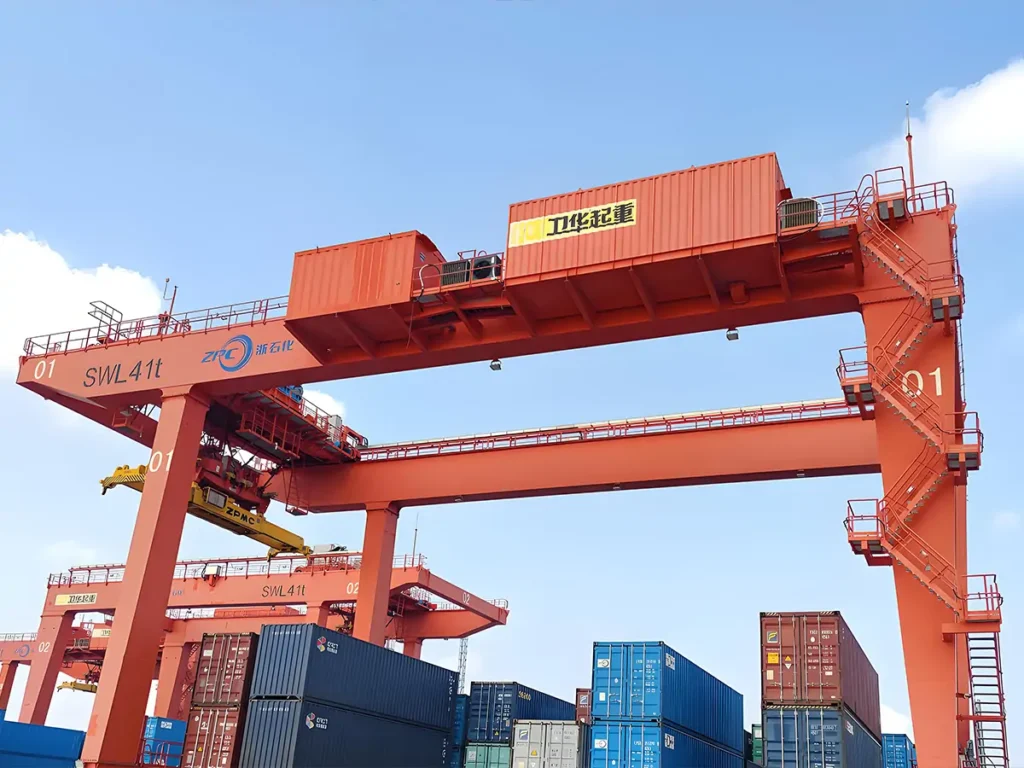
Rubber-Tyred Gantry Crane (RTG Crane) is a mobile gantry crane equipped with rubber tires, typically featuring 4 or 8 sets of wheels. It offers multiple steering modes, including 90° right-angle turns, free steering, and diagonal movement, enabling flexible maneuverability within container terminals for stacking and transporting containers.
Available in diesel-powered or electric RTG variants, these cranes primarily serve container yards for container sorting, storage, and transfer operations between trucks, yard tractors, and other handling equipment.
While their initial cost exceeds that of rail-based systems, RTGs require less fixed infrastructure and offer flexible, efficient service for phased expansions or terminals handling diverse cargo types.

Portal Gantry Crane
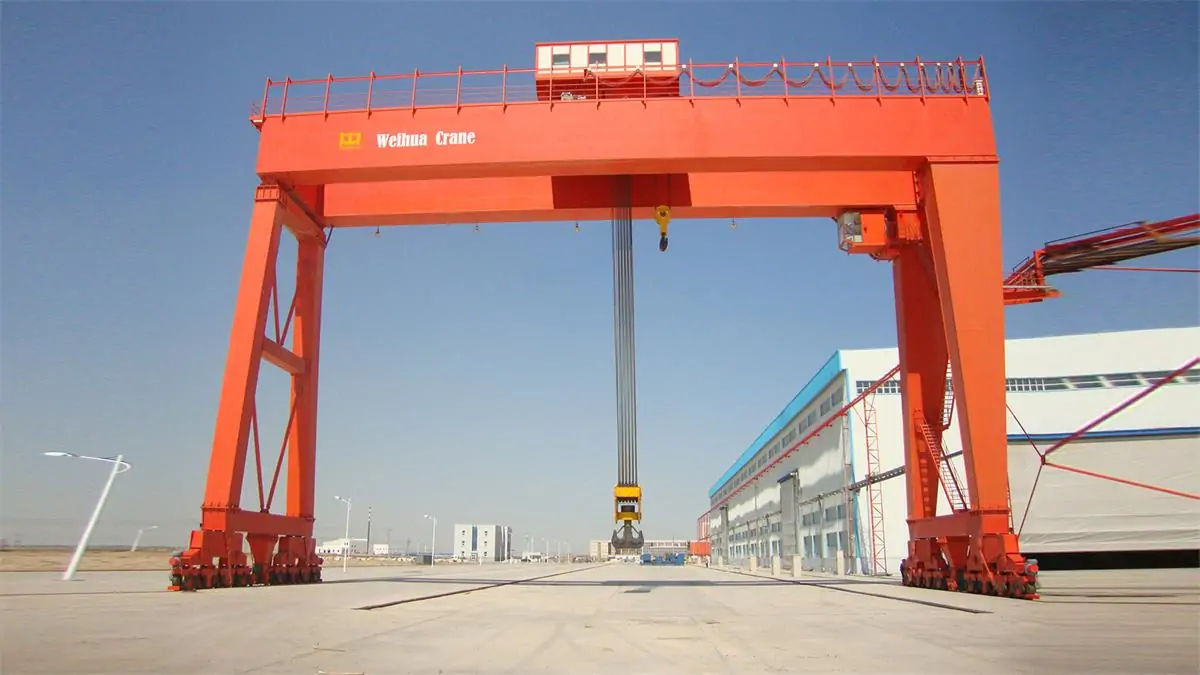
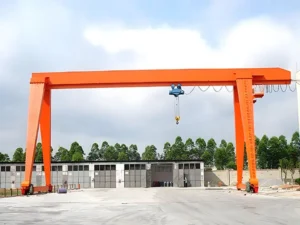
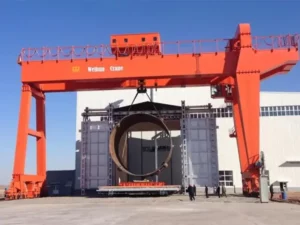
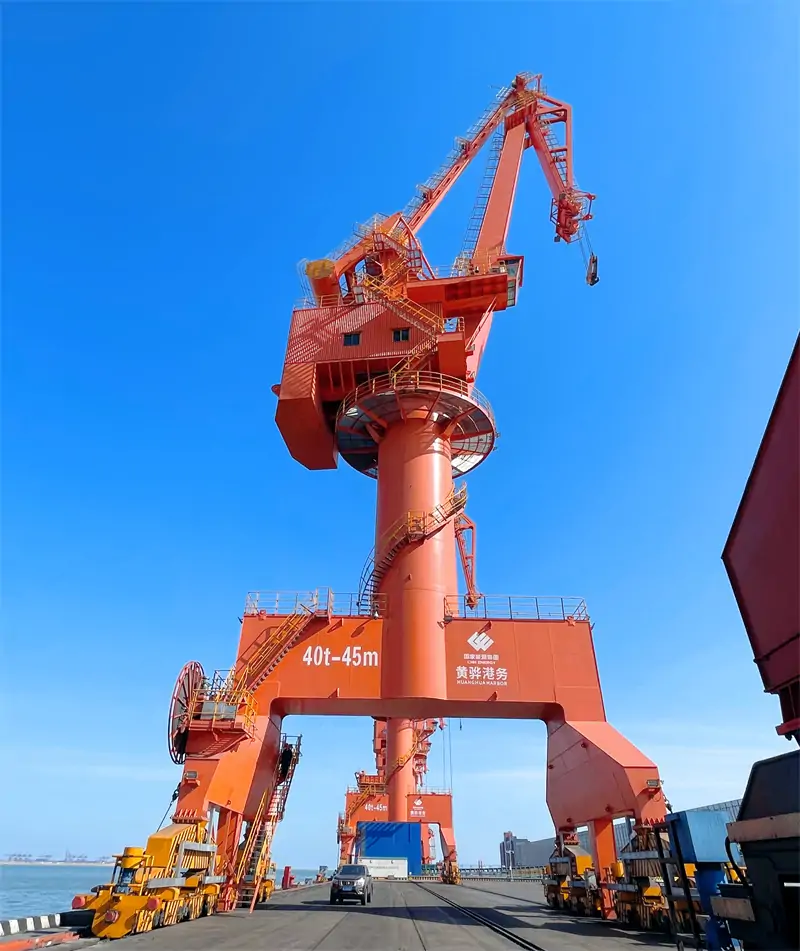
A Portal Gantry Crane is a heavy-duty fixed or semi-mobile crane featuring a portal structure and a large-span rigid frame. It can span multiple railway tracks, roads, or stockyards and is commonly used in ports, docks, and industrial terminals. Often referred to as a port gantry crane, it is characterized by a horizontal beam supported by two sturdy legs, typically traveling along fixed rails or within a dedicated work area.
Portal Gantry Cranes typically offer lifting capacities ranging from 10 to 100 tons, handling diverse cargo types including containers, heavy machinery, and bulk materials. Examples include loading/unloading coal, grain, ore, or fertilizer using grabs or buckets. Optional lifting attachments, hooks, or accessories are commonly available for versatile operations. With extensive coverage and adaptability, they provide a reliable solution for mixed cargo terminals and industrial logistics hubs.
For more solutions for port gantry cranes, visit the page: Port Gantry Crane Manufacturer for Container Handling and Port Operations
Gantry Crane vs Port Crane: Which One Do You Need?
Below is a detailed comparison table to help you select the right type based on application, lifting capacity, and key parameters.
Port Crane & Gantry Crane Selection Table
| Тип крана | Типичное применение | Грузоподъемность | Высота подъема | Outreach / Span | Mobility / Operation | Remarks / Customization Options |
|---|---|---|---|---|---|---|
| Container Gantry Crane | Container terminals, high-volume container handling | 40–120 tons | 30–50 m | 30–60 m (span) | Rail-mounted, shore-to-ship | Optional automation, energy-efficient drives, remote control |
| Mobile Harbor Crane | Multipurpose terminals, bulk cargo, general cargo | 20–100 tons | 20–35 m | 25–40 m (reach) | Wheeled or rail-mounted, flexible | Equipped with grabs, hooks, or spreaders for different cargo |
| Quay Crane | Ship-to-shore container handling | 40–80 tons | 30–50 m | Adjustable to vessel width | Fixed along berth | Can integrate with terminal operating system (TOS) |
| Floating Crane | Offshore lifting, temporary port operations | 100–1,000 tons | 50–80 m | 30–80 m (boom length) | Mounted on barge / vessel | Ideal for ports without permanent quay infrastructure |
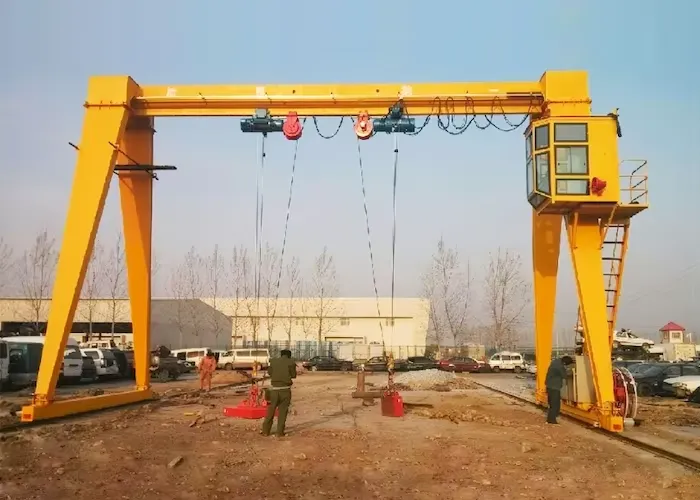
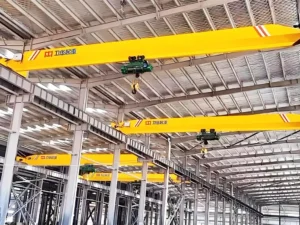
| Semi-Gantry Crane | Small container yards, workshops, warehouses | 5–50 tons | 10–20 m | 15–30 m | Rail-mounted or fixed foundation | Lower cost alternative for light-duty container handling |
How to Choose
- Determine your cargo type: containers, bulk materials, general cargo, or heavy equipment.
- Lifting requirements: maximum weight per lift, lifting frequency, and required height.
- Consider mobility needs: fixed dock operations or flexible deployment within the port area.
- Assess site and infrastructure: availability of rail, berth length, or temporary operation requirements.
- Seek custom options: automation, energy efficiency, remote control, or specialized attachments (grabs, spreaders, hooks).
Generally:
- For high-volume container handling, gantry cranes are optimal.
- For ports handling diverse cargo types or temporary projects, mobile harbor cranes or floating cranes offer greater flexibility.
After learning about the main types of port cranes and gantry cranes, you now have a clear understanding of the available solutions for container handling, bulk cargo operations, and multi-purpose terminal work. If you require port cranes but are unsure how to select the right model, contact our professional engineering team immediately. We will provide customized crane selection solutions and detailed quotations based on your cargo type and operational requirements.
Часто задаваемые вопросы
1. What is the most common gantry crane used in container terminals?
The most commonly used gantry crane in container terminals is the Rail-Mounted Quay (RMQ) Crane, also known as a Ship-to-Shore (STS) Gantry Crane. With lifting capacities ranging from 40 to 120 tons, a span of 30–60 meters, and hoisting heights up to 50 meters, STS gantry cranes can handle multiple container rows at once. They are widely adopted in major ports around the world, including terminals in Europe, North America, and Asia, for high-volume container operations.
2. What is the difference between RTG and RMG cranes?
Rubber-Tyred Gantry (RTG) Cranes and Rail-Mounted Gantry (RMG) Cranes are both used for container yard operations but differ in mobility and installation:
RTG Cranes: Mobile cranes that run on rubber tires, ideal for flexible container yard layouts. They are commonly used in outdoor container storage areas, allowing easy repositioning across the terminal. Lifting capacities typically range from 40–60 tons.
RMG Cranes: Fixed on rails, these cranes are more energy-efficient and provide higher lifting stability, suitable for high-density container stacks in rail-mounted container yards. They usually have spans of 20–40 meters and lifetimes exceeding 25 years with proper maintenance.
Choosing between RTG and RMG depends on yard layout, cargo volume, and operational flexibility.
3. Are mobile harbor cranes suitable for container handling?
Yes, mobile harbor cranes are suitable for container handling, especially in multipurpose ports or terminals with limited infrastructure. The lifting capacity from 20 to 100 tons, an outreach of 25–40 meters, and can handle containers, bulk cargo, or general goods. Mobile harbor cranes are ideal for temporary berths or smaller container operations, offering the advantage of flexible deployment without fixed rails. Many modern mobile harbor cranes can also be equipped with container spreaders for faster and safer container handling.
4. How long does a port crane last?
The lifespan of a port crane depends on its type, usage, and maintenance. On average:
- Gantry cranes (STS, RTG, RMG): 25–30 years
- Mobile harbor cranes: 20–25 years
- Floating cranes: 20–30 years
Regular preventive maintenance, proper operation, and environmental protection can extend the service life of cranes. Weihua provides a one-year warranty, long-term service contracts, and spare parts support to ensure the normal and stable operation of port facilities.
5. Can gantry cranes be customized for specific terminals?
Absolutely. Gantry cranes can be fully customized to meet the unique requirements of each terminal. Customization options include:
Lifting capacity (20–120 tons or more)
Span and hoisting height to fit berth dimensions
Automation features such as remote control or semi-automatic operation
Energy-efficient drives and hybrid power solutions
Specialized attachments like container spreaders, grabs, or hooks