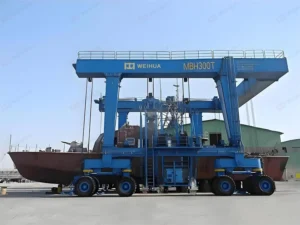
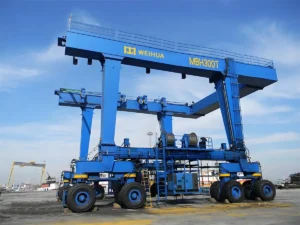

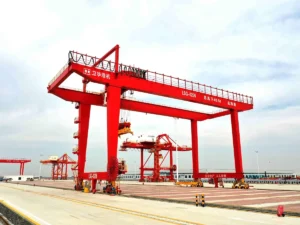
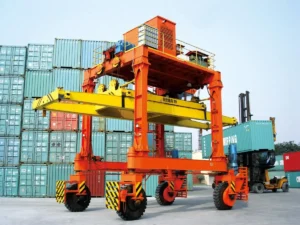
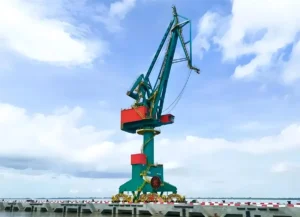
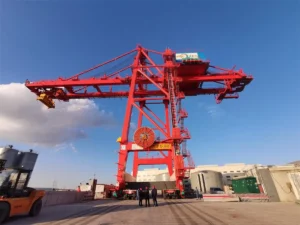
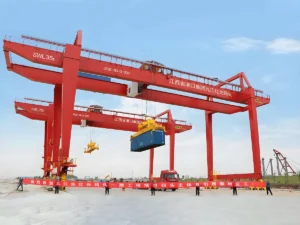
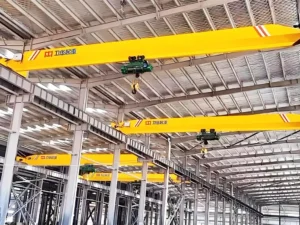
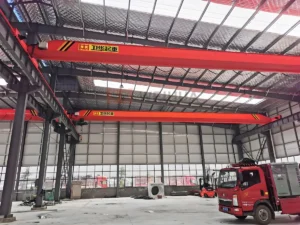
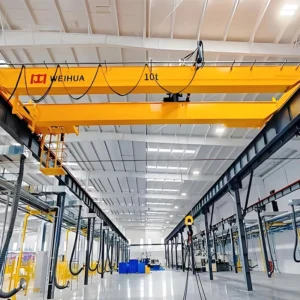
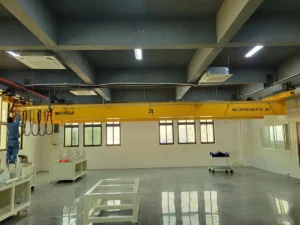
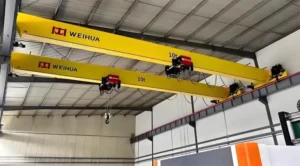
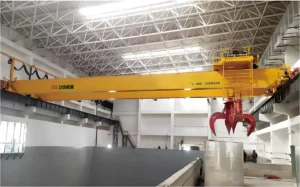
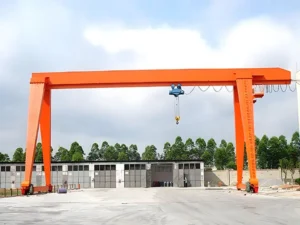
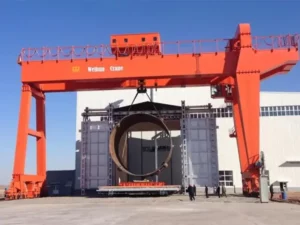
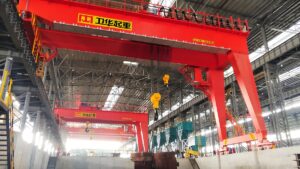
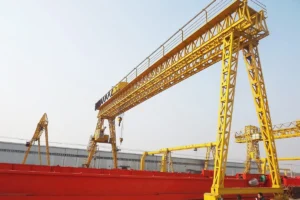

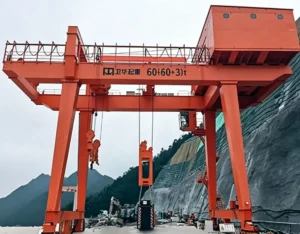
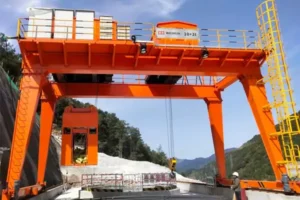








Gantry cranes are widely used in open-air stockyards, shipyards, factories, and construction sites, making them one of the most versatile and extensively applied material handling solutions. Gantry cranes come in various types, each customizable to suit different load capacities, site conditions, and operational requirements. However, selecting the wrong configuration can lead to unnecessary expenses, limited lifting capacity, or future expansion constraints.
So, what are the main types of gantry cranes? How do you choose the right type for your application? In this guide, we will provide a detailed overview of different types of gantry cranes based on structure, mobility, and application scenarios, helping you make the right decision before investing in a lifting solution.
The article is quite lengthy. Below is our table of contents. Please jump to the corresponding section as needed:
Оглавление
Что такое козловой кран?
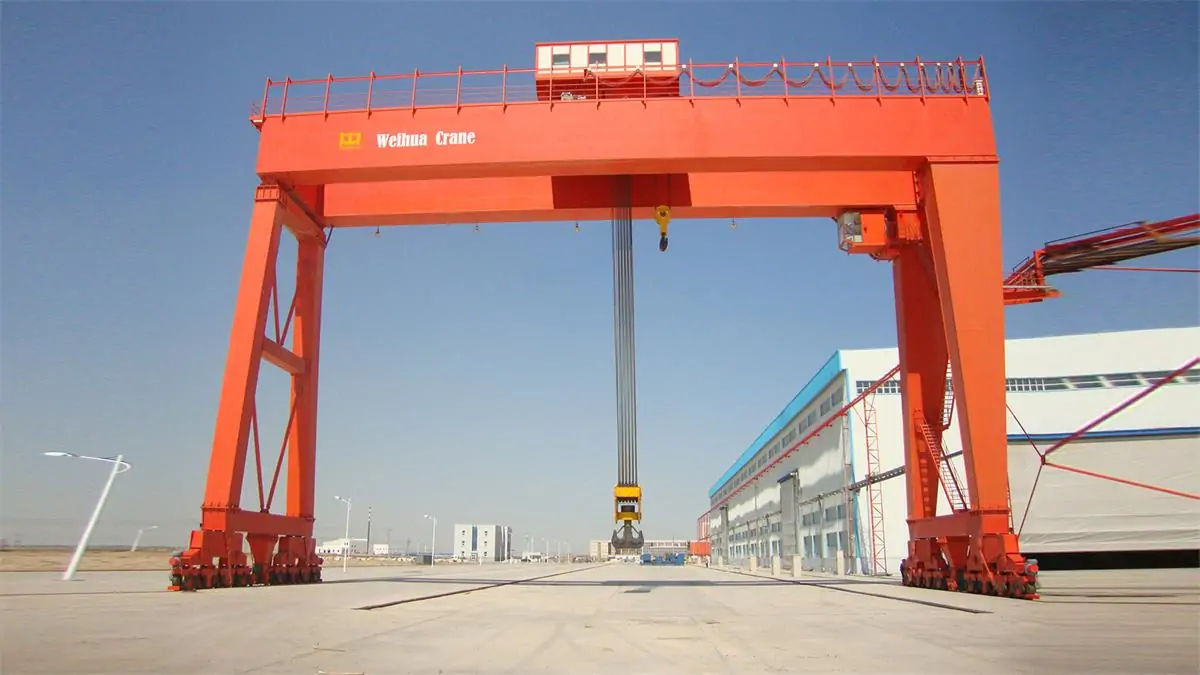
Gantry cranes are lifting equipment designed for efficient handling of heavy cargo in large open-air sites. Their signature structure features one or more main beams supported by rigid (or flexible) legs on either side, forming a monumental “gate”-shaped frame. These cranes traverse ground tracks in all directions, creating a massive, mobile lifting workstation that spans vast areas.
Gantry Crane Design Types
Gantry cranes come in various types. Below, we will introduce detailed classifications and comparisons based on structure, outriggers, mobility methods, application scenarios, tonnage, and respective parameters to assist you in making the right selection.
Main Types of Gantry Crane by Structure
The structural design of gantry cranes directly determines their load capacity, span, lifting height, and overall cost.
Single-girder Gantry Crane
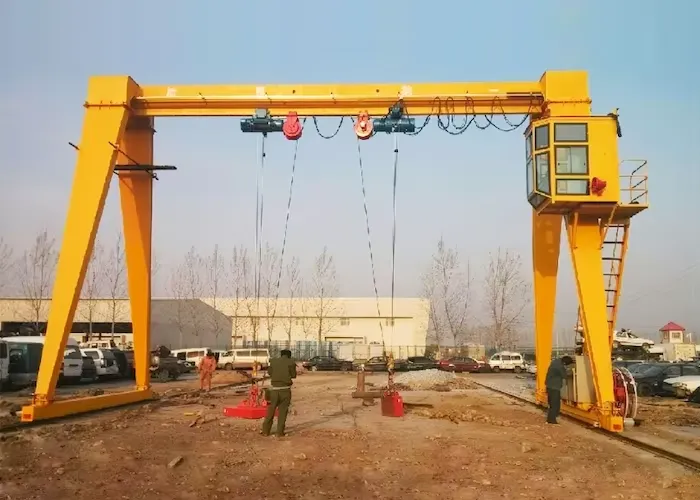
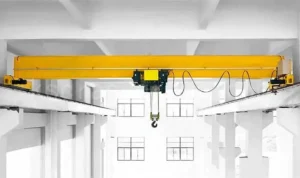
Вот single-girder gantry crane features a single main girder supported by two legs, offering a compact structure and an economical lifting solution. It is well-suited for light to medium lifting capacities, shorter spans, and installations with limited budgets. Commonly used in warehouses, workshops, and small manufacturing plants.
- Грузоподъемность: 1–20 тонн
- Пролет: 5–30 метров
- Высота подъема: 6–12 метров
- Класс долга: A3–A5

Double-girder Gantry Crane
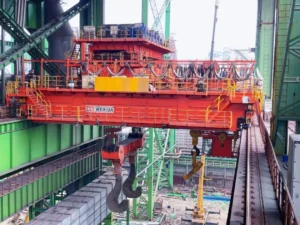
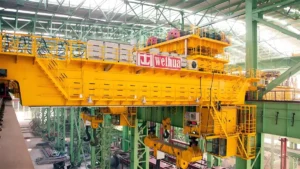
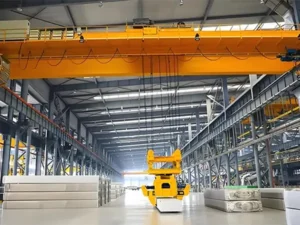
Вот double-girder gantry crane features a dual-beam design with parallel main girders, delivering higher load capacity, greater lifting height, and enhanced structural stability. Compared to single-girder designs, it excels in heavy-duty applications, large spans, and high-frequency operations—such as steel mills, shipyards, precast component plants, and power projects.
- Lifting Capacity: 10–500 tons
- Span: 10–50 meters
- Lifting Height: up to 20 meters or customized
- Класс должности: A5–A7
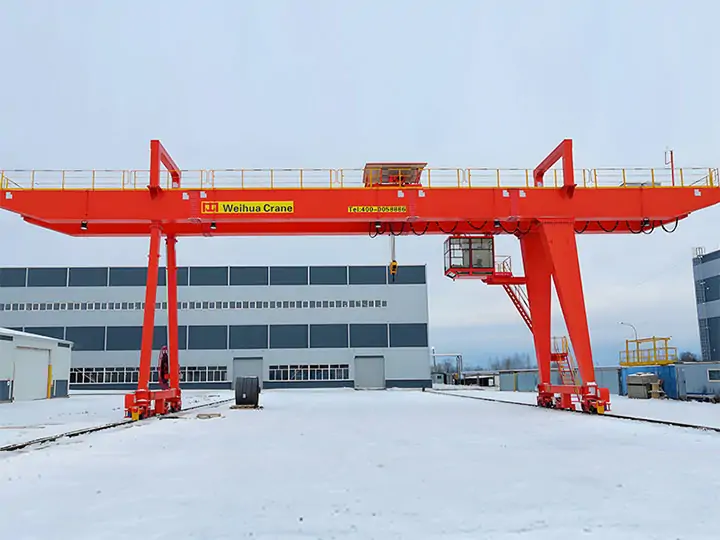
Box-Girder Gantry Crane
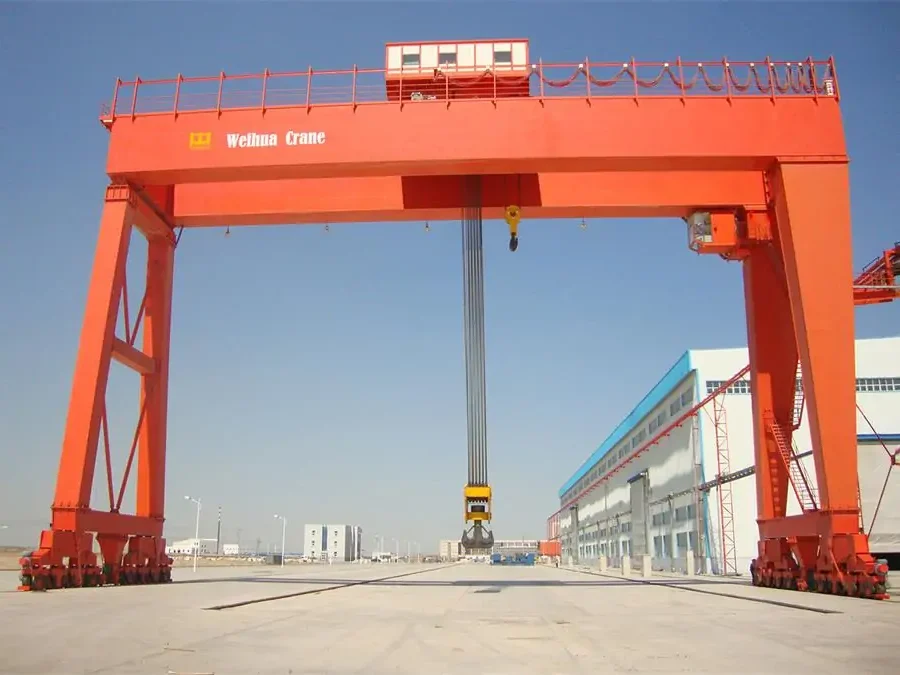
Box-type gantry cranes utilize an enclosed box-girder structure, delivering outstanding rigidity, torsional resistance, and load distribution performance. Suitable for heavy-duty, long-span, and high-precision lifting operations, their robust and stable structure makes them common in outdoor industrial sites and port facilities.
- Lifting Capacity: 20–300 tons
- Span: 15–50 meters
- Lifting Height: 10–20 meters
- Класс должности: A5–A7
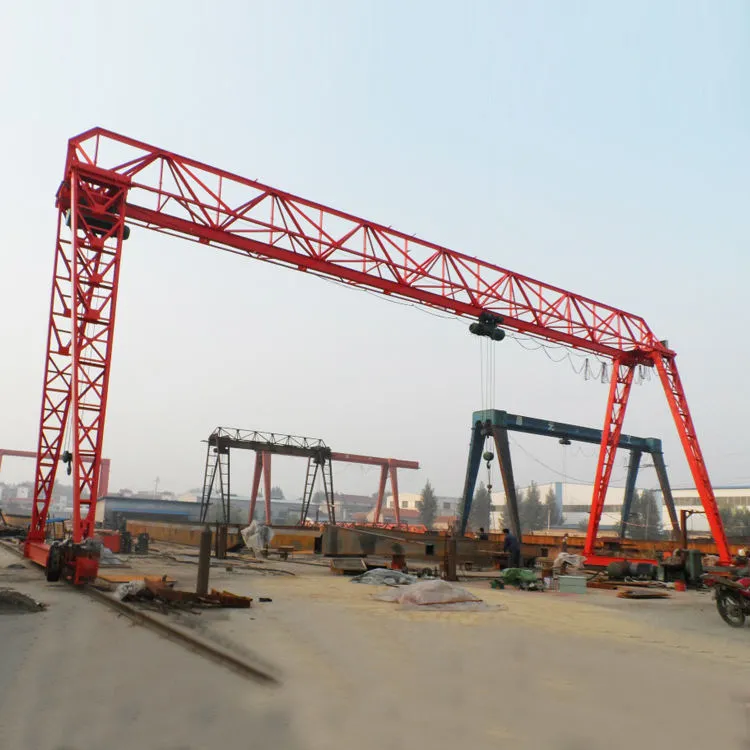
Truss-type Gantry Cranes
Truss gantry cranes utilize an open truss structure, offering lightweight construction and strong wind resistance. They are highly suitable for medium-capacity, long-span applications, particularly in shipyards, construction sites, bridge construction, and outdoor projects requiring reduced wind loads.
- Грузоподъемность: 5–50 тонн
- Span: up to 60 meters
- Высота подъема: 8–15 метров
- Duty Class: A4–A6
For more information on precast gantry cranes used in highway bridge construction, see: Precast Gantry Crane for Bridge Beam Handling and Precast Construction
Types of Gantry Crane by Support & Leg Design
A-Frame Gantry Crane
The A-Frame Gantry Crane features a unique “A”-shaped leg design for exceptional stability, making it a robust and highly mobile lifting solution for small to medium-sized applications. Its rapid deployment and adaptability to various sites make it an ideal lifting choice for factory workshops, warehouses, logistics centers, maintenance stations, construction sites, and temporary processing facilities.
- Lifting capacity: 0.5 tons to 20 tons
- Span: 3 meters to 20 meters
- Working class: A3-A5
- Power supply: 380V/50Hz
U-Type Gantry Crane
U-Type Gantry Crane is a rail-mounted lifting device featuring a unique “U-shaped” box-type leg structure. It provides ample lateral travel space for the hoist trolley and lifting gear, enabling full-span, dead-angle-free lifting operations. This crane is suitable for heavy-duty lifting tasks involving large spans (typically over 20 meters), high lifting capacities, and demanding duty cycles.
- Грузоподъемность: 5–500 тонн
- Span: 20–60+ meters
- Lifting Height: 10–30+ meters
- Класс должности: A5–A7
L-Type Gantry Crane
The L-Type Gantry Crane features a unique “L” shaped single cantilever support structure, offering a compact and cost-effective lightweight lifting solution. It allows trucks, vans, or other equipment to pass freely underneath, meeting standard factory height requirements and conventional truck loading/unloading needs.
- Грузоподъемность: 1–20 тонн
- Span: 10–25 meters
- Высота подъема: 6–12 метров
- Класс долга: A3–A5
Semi-Gantry Crane
Semi-gantry cranes can be classified into single-girder semi-gantry cranes and double-girder semi-gantry cranes. The Semi-Gantry Crane, also known as the Half Gantry Crane, features a “half-gantry” design with elevated rails on one side (mounted on corbels attached to the factory building’s columns or walls) and ground-level, movable legs on the other side for support. This structure seamlessly combines the advantages of bridge cranes and full gantry cranes, significantly reducing steel consumption and foundation construction costs. It serves as an ideal solution for lifting requirements adjacent to factory walls, columns, or fixed structures.
- Грузоподъемность: 1–50 тонн
- Пролет: 10–35 метров
- Lifting Height: 6–15 meters
- Класс долга: A3–A5

Types of Gantry Crane by Mobility
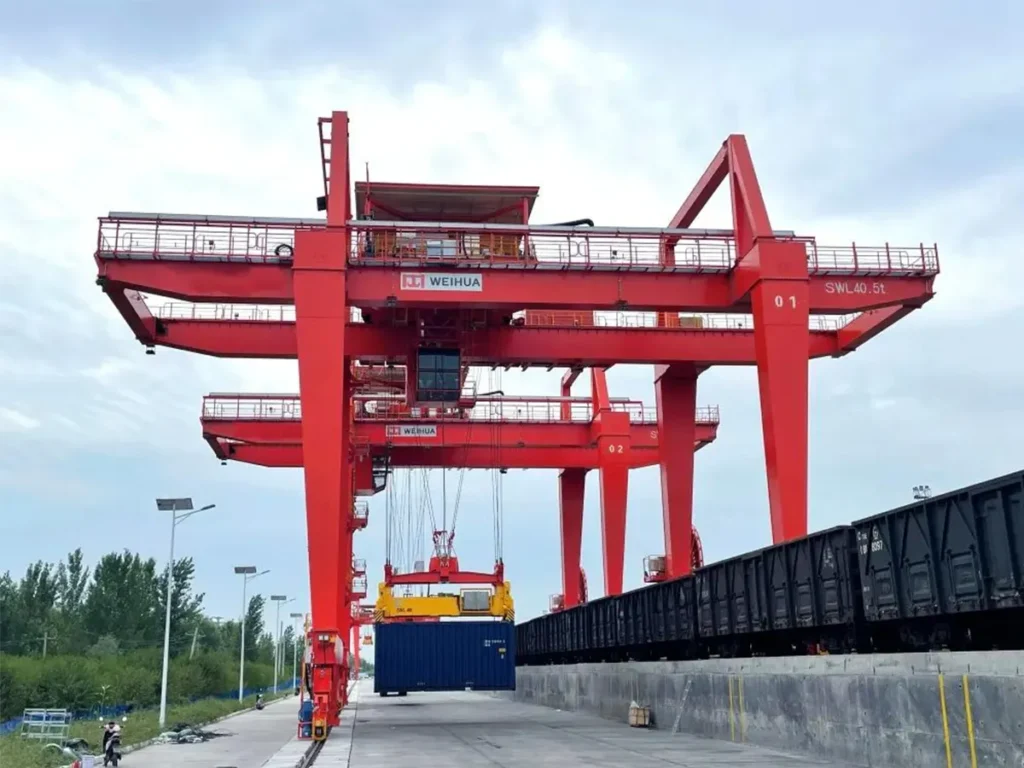
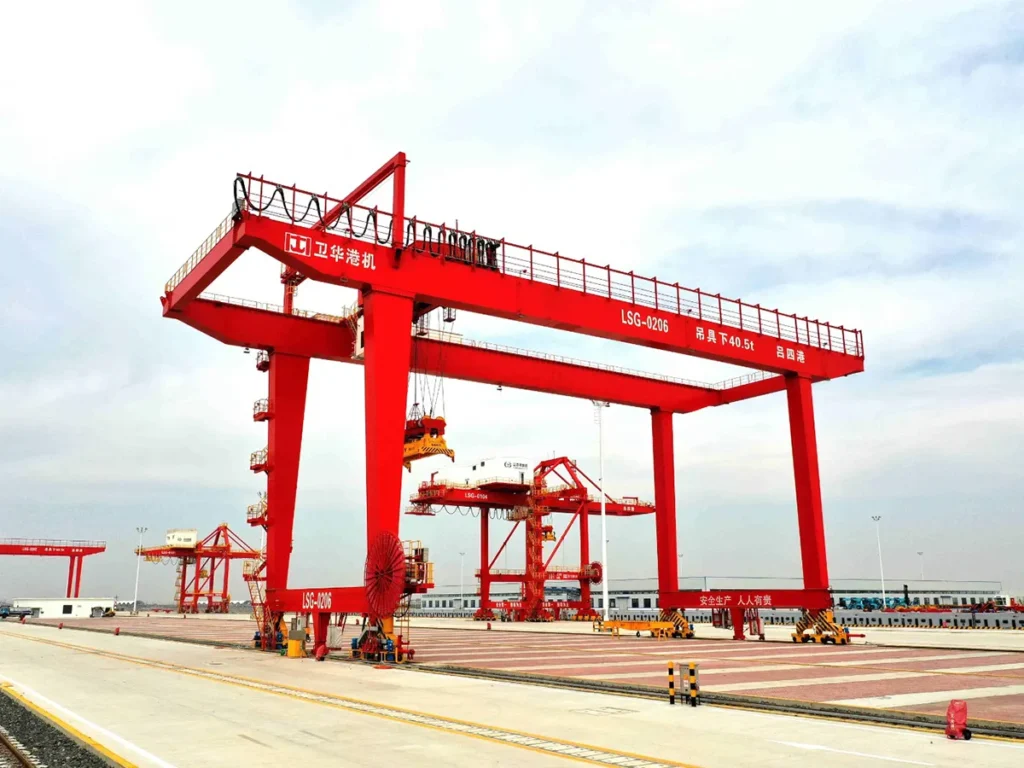
Rail Mounted Gantry Crane (RMG)
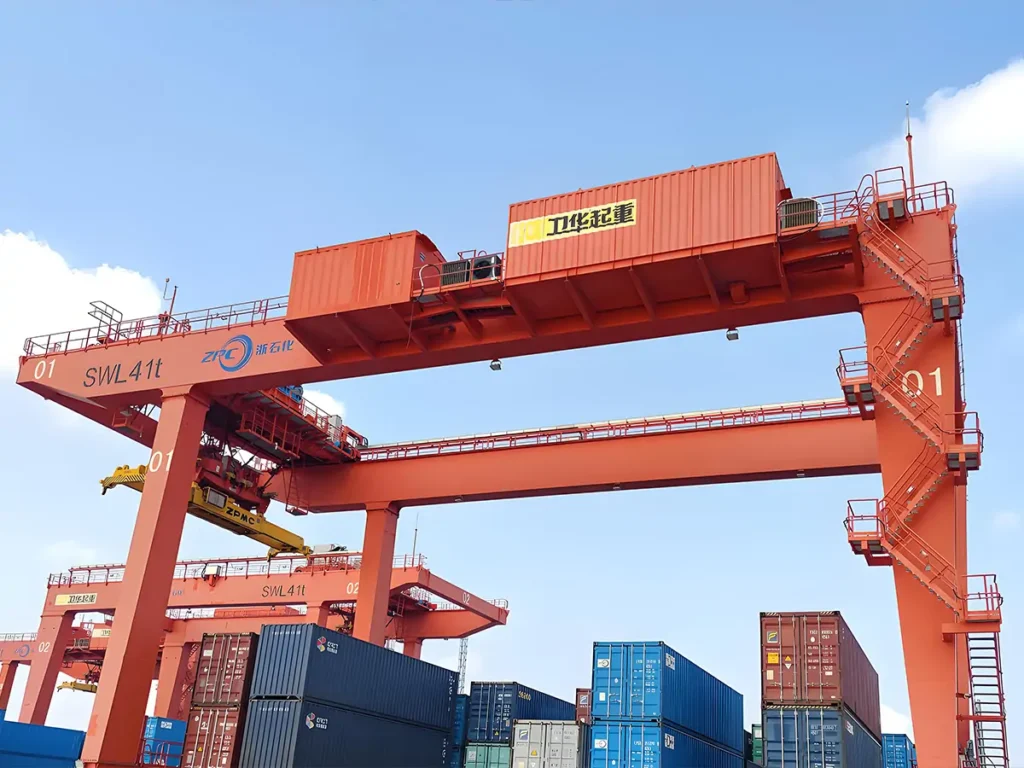
Rail-Mounted Gantry Crane (RMG), also known as a rail-mounted gantry crane, is a large, fully gantry-style lifting device that operates on fixed ground rails. Designed specifically for the frequent handling of heavy loads such as 20-40 foot containers and heavy steel, it can stack 5-6 containers and is primarily used in container yards, rail freight yards, and heavy industrial logistics.
- Lifting Capacity: 30–100 tons
- Span: 25–50 meters
- Lifting Height: 15–25+ meters
- Duty Class: A6–A8
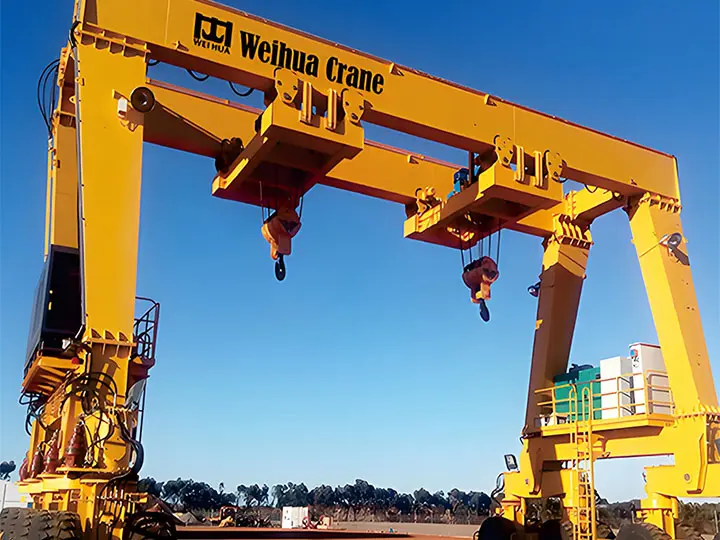
Rubber Tyred Gantry Crane (RTG)
A rubber tyred gantry crane (RTG), also known as a rubber-tired gantry hoist, is a full-gantry lifting device that uses rubber tires for movement, allowing it to move flexibly on hardened yard surfaces without the need for tracks. RTGs are designed for the frequent handling of 20–40 foot containers and heavy cargo, and are suitable for container yards and port logistics centers with multiple work lines and stacking areas.
- Lifting capacity: 30–65 tons
- Span: 20–35 meters
- Lifting height: 15–23 meters or more
- Рабочий класс: A6–A7
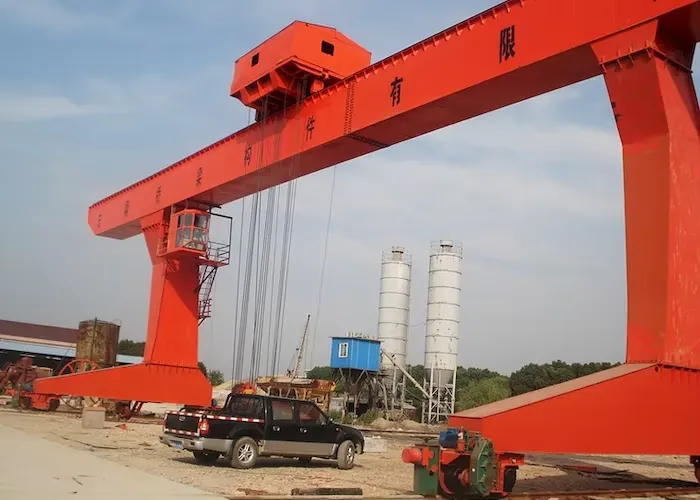
Козловой кран
A fixed gantry crane is a type of gantry crane with fixed columns and no traveling mechanism. It is typically installed on a concrete foundation for long-term use. Its characteristics include a stable structure and strong load-bearing capacity. It is designed specifically for fixed-point lifting, assembly, and handling of heavy materials, and is used for lifting large components, heavy steel structures, equipment modules, and other heavy objects.
- Lifting capacity: 20–200 tons
- Размах: 15–40 метров
- Lifting height: 10–30 meters or more
- Рабочий класс: A5–A7

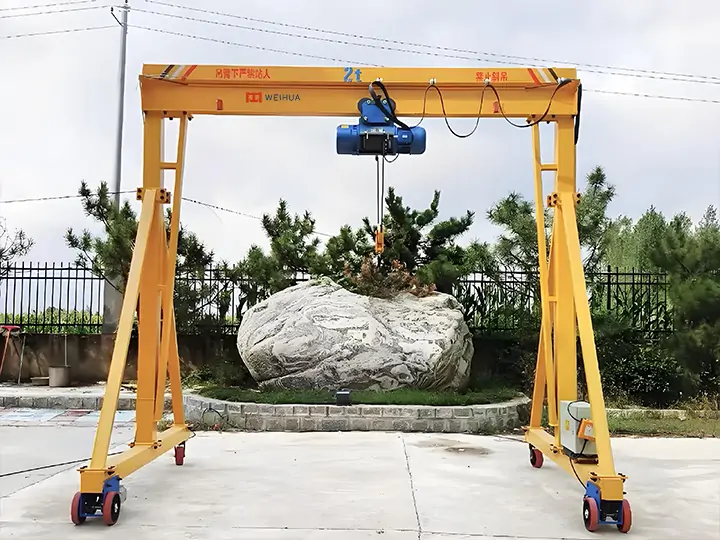
Переносной козловой кран
A portable gantry crane is a lightweight gantry-type lifting device that can be quickly assembled, disassembled, and moved. It is typically equipped with swivel casters or adjustable legs, allowing for flexible use on flat surfaces.
It is easy to install, requiring no fixed foundation or tracks, and can be quickly put into use in workshops, warehouses, equipment maintenance areas, and assembly sites.
- Грузоподъемность: 0,5–10 тонн
- Span: 3–10 meters
- Lifting height: 3–6 meters
- Рабочий класс: A3–A5
Gantry Crane Types by Application
Gantry Crane for Shipyard
The shipyard gantry crane is a large, heavy-duty gantry-type lifting equipment specifically designed for shipbuilding and sectional assembly operations. It features a double-beam or multi-beam structure, offering ultra-high lifting capacity and a wide working span. It is primarily used for lifting and joining ship hull sections, modular components, and large steel structures, making it a core piece of heavy lifting equipment in shipyards.
- Lifting capacity: 100–1,200 tons
- Span: 40–120 meters
- Lifting height: 30–80 meters or more
- Working class: A6–A8

Gantry Crane for Container Handling
The Gantry Crane for Container Handling is a gantry-type lifting equipment specifically designed for ports, container yards, and railway freight stations. It is used for the efficient loading, unloading, transfer, and stacking of 20-40 foot standard containers. This gantry crane features stable operation, high working efficiency, and excellent positioning accuracy, allowing for multi-layer container stacking, thus improving yard utilization and logistics turnover efficiency.
- Lifting capacity: 35–65 tons
- Span: 20–50 meters
- Lifting height: 15–25 meters or more
- Working class: A6–A8
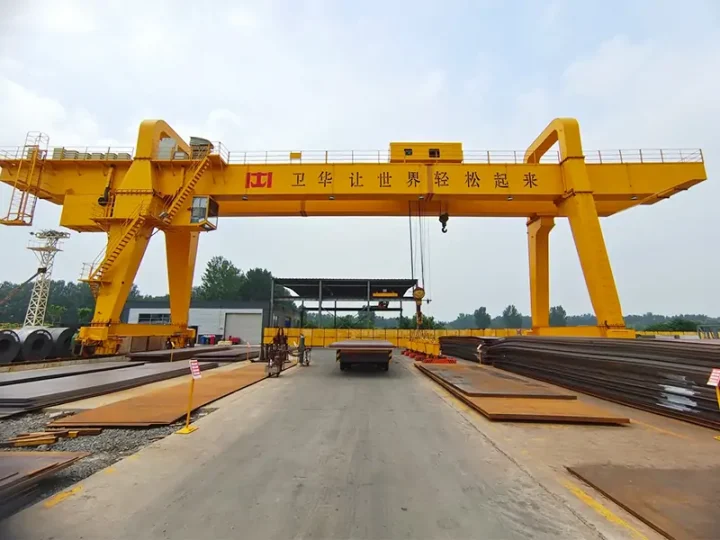
Gantry Crane for Steel Plant
The Gantry Crane for Steel Plants is a high-strength gantry crane specifically designed for steel production and heavy material handling applications. It is primarily used for lifting and transporting steel billets, steel plates, steel coils, and large metallurgical components. It typically features a heavy-duty structure and high-temperature resistant design to withstand the harsh environment of high dust, high temperature, and continuous operation.
- Lifting capacity: 50–300 tons
- Span: 20–45 meters
- Lifting height: 15–30 meters or more
- Working class: A6–A8
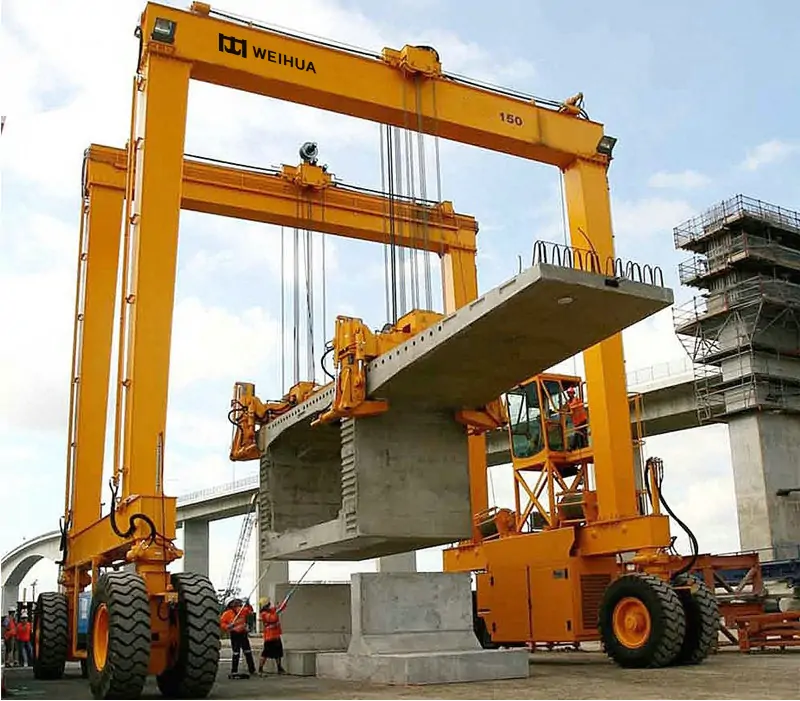
Gantry Crane for Precast Yard
The Gantry Crane for Precast Yard is a heavy-duty gantry crane specifically designed for the production, stacking, and transfer of precast concrete components. It is primarily used for lifting precast beams, columns, wall panels, and other large concrete components. It features a large span and stable operating performance to meet the demands of handling large and heavy components.
- Lifting capacity: 50–200 tons
- Пролет: 20–40 метров
- Lifting height: 12–30 meters and above
- Рабочий класс: A6–A7
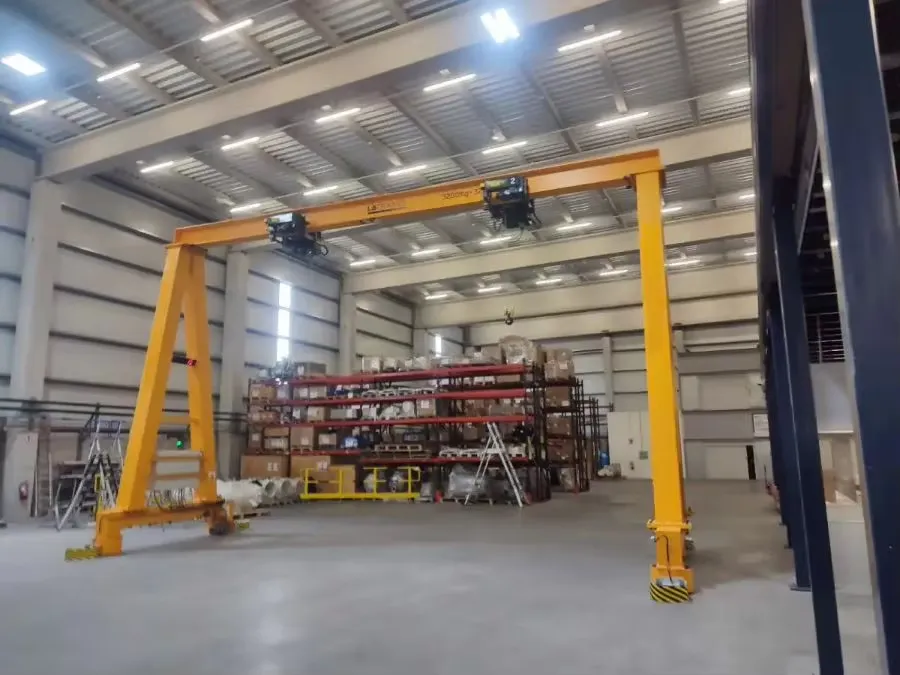
Gantry Crane for Warehouse
A gantry crane for warehouses is a type of gantry lifting equipment suitable for warehousing and logistics environments. It is primarily used for the loading, unloading, and handling of heavy goods, equipment, and palletized materials. Its features include a compact structure and stable operation, allowing for lifting operations in limited spaces, making it suitable for indoor or semi-indoor warehouse environments.
- Грузоподъемность: 5–50 тонн
- Span: 10–30 meters
- Высота подъема: 6–15 метров
- Working class: A4–A6
Gantry Crane for Construction Site
A gantry crane for construction sites is a light to medium-duty gantry crane specifically designed for construction sites. It is primarily used for loading, unloading, and lifting steel structures, concrete components, building materials, and construction equipment. Its features include a flexible structure, ease of installation and relocation, and adaptability to the constantly changing layout of construction sites.
- Lifting capacity: 2–20 tons
- Диапазон: 5–15 метров
- Lifting height: 4–12 meters
- Рабочий класс: A3–A5
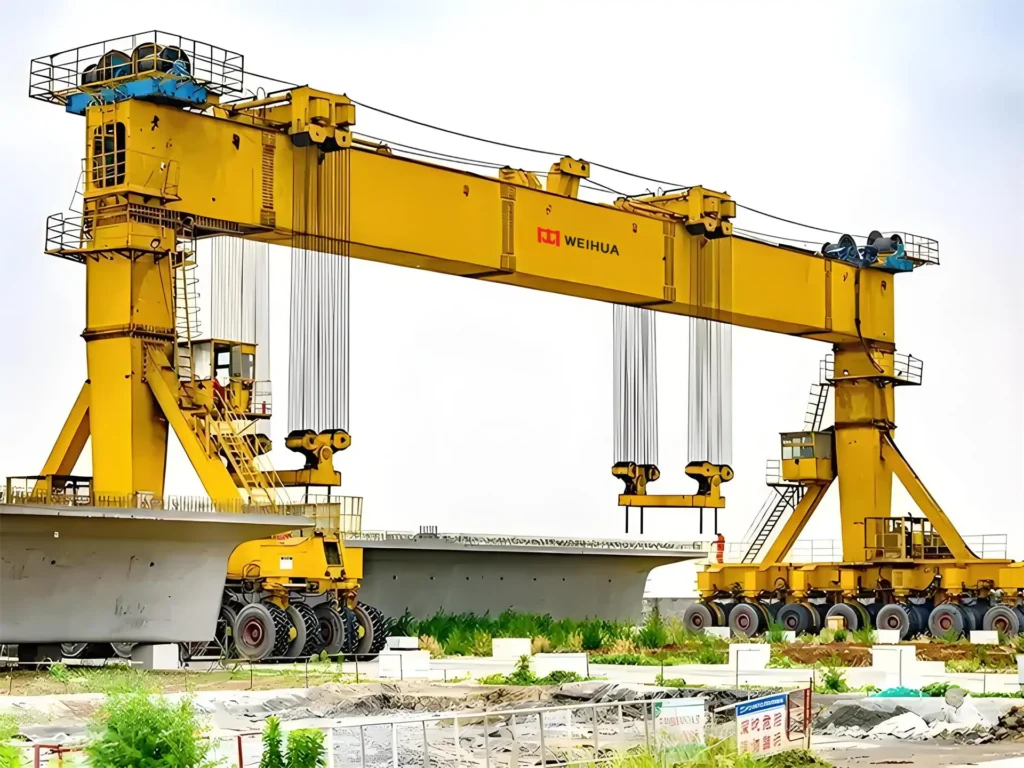
Browse our equipment by application: Warehouse Gantry Crane, Workshop Gantry Crane, Mobile Gantry Crane, Heavy-Duty Gantry Crane
Gantry Crane Structure
A gantry crane is a heavy-duty lifting equipment composed of a bridge, columns, and a travel mechanism. Its design prioritizes load-bearing capacity, stability, and operational flexibility. A gantry crane mainly consists of the following core components:
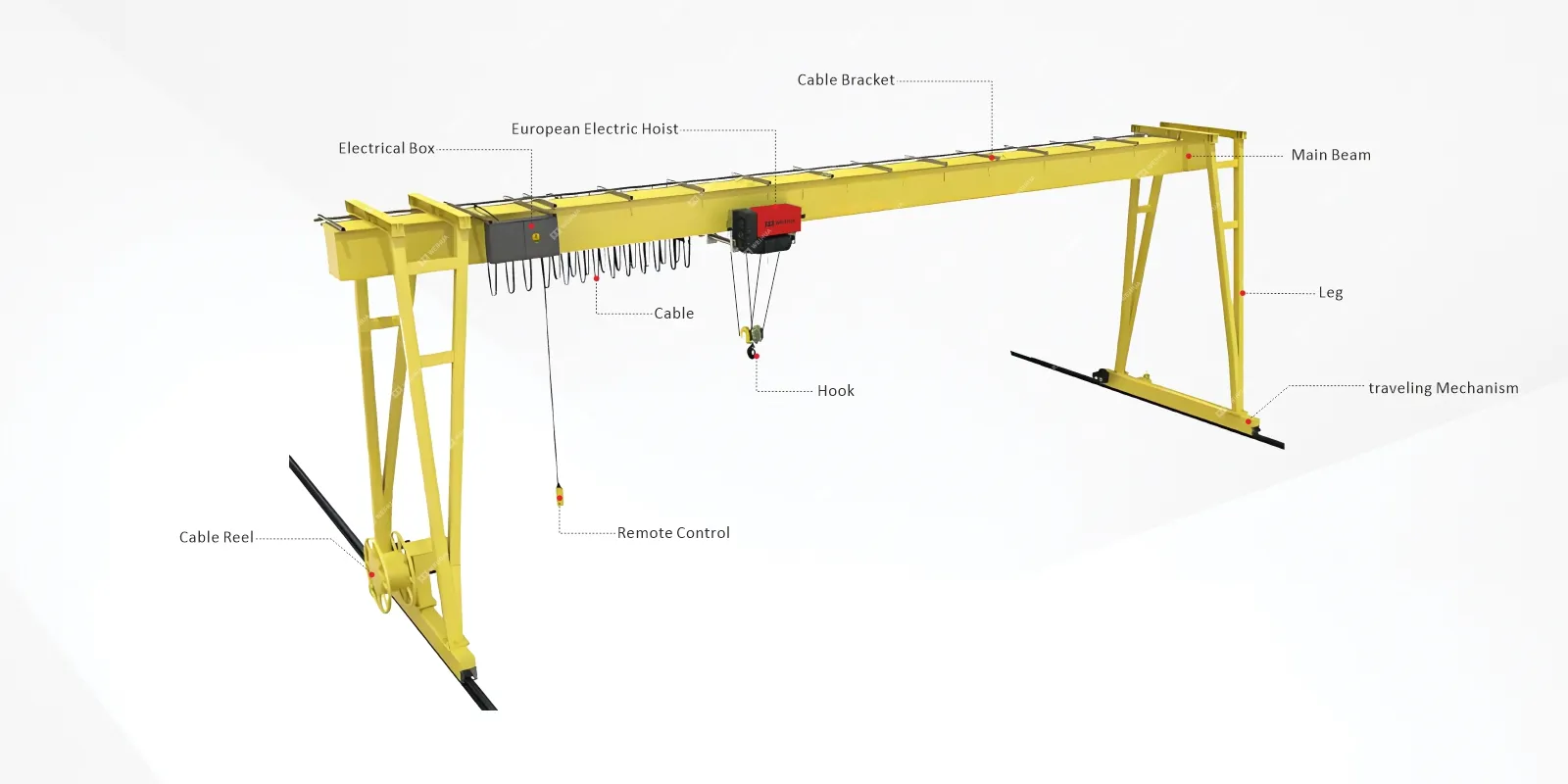
- Bridge/Girder: The main girder is the core load-bearing structure of the gantry crane, spanning the crane’s support columns or tracks, and is used to support the trolley and lifting equipment. Depending on the lifting capacity and span requirements, a single-girder or double-girder structure design can be used.
- Legs/Columns: The columns support the main girder and transfer the load to the ground foundation or tracks, ensuring the overall stability of the crane. The column structures of rail-mounted gantry cranes (RMG) and rubber-tired gantry cranes (RTG) differ slightly, but both must meet high strength and bending resistance requirements.
- Trolley & Gantry Travel Mechanism: The travel mechanism includes the trolley and drive system, which allows the lifting equipment to move horizontally along the main girder for precise positioning; the travel mechanism at the bottom of the columns allows the entire crane to move along the tracks or on tires on the ground, enabling mobile operations within the yard or construction site.
- Hoist/Spreader: The lifting equipment is the core component that directly performs the lifting task, including electric hoists, wire ropes, winches, and container spreaders, responsible for lifting, lowering, and precisely positioning heavy objects.
- Система управления: The electrical control system includes drive, braking, safety protection, and operating control devices, ensuring the smooth, safe, and efficient operation of the gantry crane.
Gantry Crane Specification
Choosing the right gantry crane can improve production efficiency and reduce logistics costs. The table below summarizes the specifications and parameters of different types of gantry cranes and their application areas, helping you quickly understand lifting capacity, span, lifting height, and working class for easier selection.
| Gantry Crane Type | Typical Capacity (t) | Span Range (m) | Высота подъема (м) | Duty Class / Work Level | Приложение |
|---|---|---|---|---|---|
| RMG (Rail Mounted Gantry) | 30–100 | 25–50 | 15–25+ | A6–A8 | Container yards, rail terminals, heavy logistics |
| RTG (Rubber Tyred Gantry) | 30–65 | 20–35 | 15–23+ | A6–A7 | container handling, port, warehouse |
| Козловой кран | 20–200 | 15–40 | 10–30+ | А5–А7 | Heavy-duty lifting, factory, industrial assembly |
| Переносной козловой кран | 0.5–10 | 3–10 | 3–6 | A3–A5 | Workshop, equipment maintenance, temporary lifting |
| Shipyard Gantry Crane | 100–1,200 | 40–120 | 30–80+ | A6–A8 | Steel mills, heavy steel handling, and industrial logistics |
| Container Handling Gantry | 35–65 | 20–50 | 15–25+ | A6–A8 | Ports, container terminals, intermodal logistics |
| Steel Plant Gantry | 50–300 | 20–45 | 15–30+ | A6–A8 | Warehouses, logistics centers, and indoor storage |
| Precast Yard Gantry | 50–200 | 20–40 | 12–30+ | A6–A7 | Precast concrete, bridge segments, construction components |
| Warehouse Gantry | 5–50 | 10–30 | 6–15 | A4–A6 | Building sites, construction materials, and temporary lifting |
| Construction Site Gantry | 2–20 | 5–15 | 4–12 | A3–A5 | Building sites, construction materials, temporary lifting |
Gantry Crane Working Principle
Gantry cranes consist of a bridge, legs, and crossbeams forming an integrated structure. The bridge moves along rails or the ground, and the hoisting trolley travels laterally along the bridge. A wire rope or electric hoist raises and lowers the hook. Operators coordinate the overall movement through a control system to lift and position heavy objects. The power source is typically an electric motor, and a reduction gear drives the various moving parts, allowing the gantry crane to safely perform lifting tasks in different working environments.
Gantry Crane Selection Guide
If two or more conditions are met simultaneously, the selection should be based on lifting capacity and work class. For complex working environments, please contact the Weihua professional team, and we will provide you with a customized gantry crane solution.
| Key Requirement | Best Gantry Crane Type |
|---|---|
| ≤20 tons lifting capacity | Однобалочный козловой кран |
| Heavy loads / high lifting height | Double Girder Gantry Crane |
| Very heavy or concentrated loads | Box Type Gantry Crane |
| Large span, outdoor use | Truss Type Gantry Crane |
| Indoor operation | Single or Double Girder |
| Outdoor yard / port | Box or Truss Type |
| Low duty (A3–A4) | Single Girder |
| High duty (A5–A7) | Double Girder or Box Type |
Часто задаваемые вопросы
1. Gantry Crane vs Overhead Crane
The primary difference between gantry cranes and overhead cranes lies in their structural design.
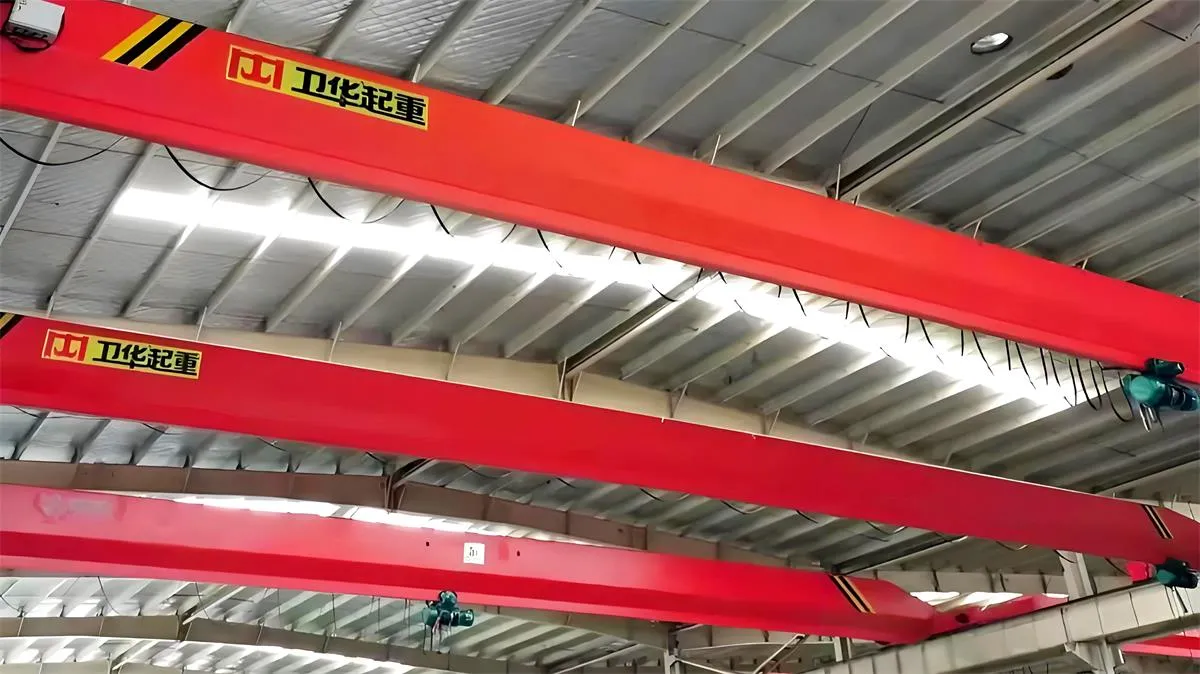
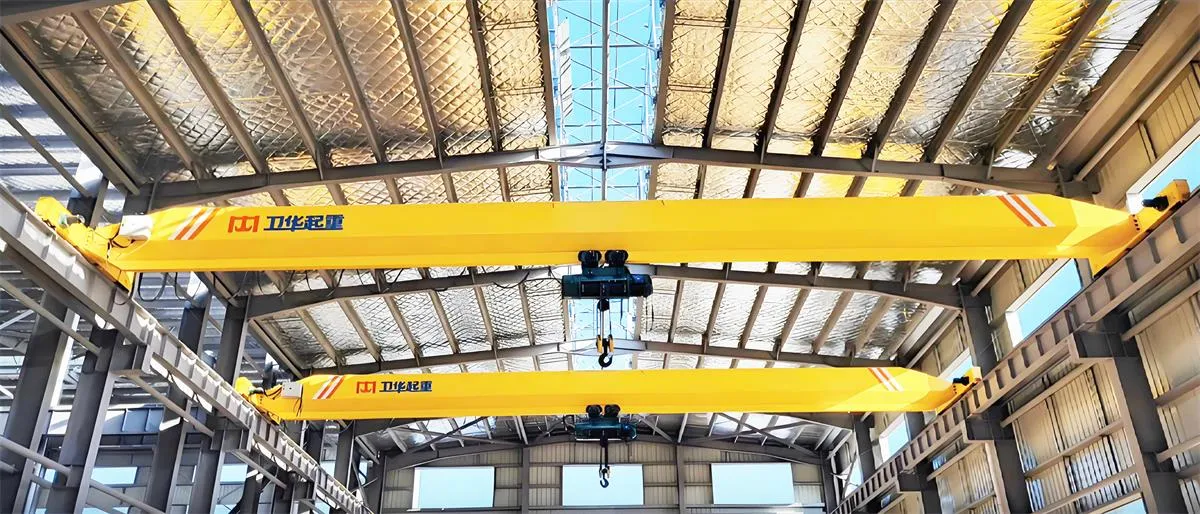
Gantry cranes are supported by rigid gantry legs that run on ground-level rails or tires, forming a “gantry frame” structure that does not rely on the building structure. This makes them ideal for outdoor yards, ports, and construction sites. Overhead cranes, however, are permanently mounted on load-bearing tracks within buildings or warehouses. These tracks are directly affixed to walls or columns on both sides, making crane movement entirely dependent on the building structure. They are primarily used for material handling within indoor workshops, warehouses, and above production lines.
For an overview of how gantry cranes are used alongside other crane types on construction sites, see Различные типы кранов, используемых в строительстве..
2. Single Girder vs Double Girder Gantry Crane
The distinction between single-girder and double-girder gantry cranes lies in their main girder structure.
Single-girder cranes feature a single main girder spanning between two gantry legs, with lifting equipment suspended beneath it via an electric hoist. Their lighter structure, lower cost, and reduced self-weight make them suitable for applications requiring smaller lifting capacities (typically ≤20 tons), medium spans, and minimal headroom.
Double girder cranes feature two parallel girders forming a robust box-type platform, with the trolley running on tracks at the top of the girders. They offer superior rigidity and stability, enabling greater lifting heights, larger capacities (up to hundreds of tons), and better load control. These cranes are suited for heavy-duty, frequent, and high-precision operations, though they come with higher costs and greater self-weight.
3. What type of gantry crane is best?
There is no “absolute best” gantry crane type; the optimal choice depends entirely on the specific application, technical parameters, and budget. The selection process and custom parameters include: maximum lifting capacity, span, operating frequency, and site conditions (indoor/outdoor, fixed/mobile).
For instance, rail-mounted gantry cranes are well-suited for heavy, high-frequency outdoor container handling. – Rubber-tired gantry cranes are ideal for yard operations requiring flexible cross-area deployment. – Fixed indoor heavy-duty processing uses double-girder fixed gantry cranes. – Portable single-girder gantry frames can adequately handle temporary, light maintenance tasks.
4. Which gantry crane is suitable for outdoor use?
All gantry cranes are inherently suitable for outdoor use, but optimized choices exist for different environmental conditions. Key considerations include ground adaptability, wind resistance, and power supply methods.
For long-term fixed, high-precision intensive operations (e.g., container yards), rail-mounted gantry cranes are recommended.
For terminal yards requiring frequent stacking area changes and high flexibility, tire-mounted gantry cranes are recommended.
For fixed outdoor loading/unloading points or material yards, double-girder fixed gantry cranes are recommended.