








Оглавление
Введение
Container vessels are becoming larger in size and capacity, with wider beams and more container rows requiring higher-performance handling equipment. For modern terminals, selecting the right STS crane size is critical because insufficient outreach or lifting capability may affect vessel operation efficiency. STS crane outreach is one of the key factors that determines whether a quay crane can fully cover a container ship.
In this article, I will explain how ports match STS crane dimensions with different container ship sizes, including the relationship between crane outreach and vessel beam, TEU capacity, container rows, and lifting requirements. The guide also covers Panamax, Post-Panamax, and ULCV container ships to help readers understand how to select a suitable STS crane for terminal operations.
What Is STS Crane Outreach?
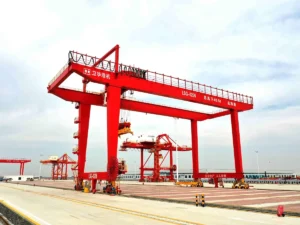
кран STS outreach is the maximum horizontal distance from the waterside rail centerline to the spreader center when the crane operates over the vessel. It defines the number of container rows the crane can reach on the ship deck. Larger outreach is required for wider vessels such as Post-Panamax and ULCV ships, allowing the crane to cover more containers during loading and unloading operations. Outreach selection is based on several crane parameters, including vessel size, container rows, and terminal operation requirements.
| Параметр | Function |
|---|---|
| Охват | Determines the ship width and container rows the crane can cover |
| Высота подъема | Determines container stacking height and working range |
| Спам | Matches quay rail distance and affects crane stability |
| Грузоподъемность | Defines the maximum container weight the crane can handle |
In STS crane outreach design, outreach is selected according to the target vessel’s beam, container arrangement, and terminal requirements. For example, large container terminals may use cranes with 60 m or more outreach to serve wide-body vessels, while smaller cranes with around 45–50 m outreach are suitable for medium-sized container ships. The outreach specification directly affects the crane’s service range and vessel handling capability.
For detailed information on STS cranes, read the article: Что такое портовый контейнерный кран STS? Полное руководство для портовых проектов
Why Does STS Crane Outreach Matter for Container Ships?
STS crane outreach determines the crane’s working coverage on different container ships. The outreach specification affects container row access, crane operation range, and vessel handling capability.
- Covers Wider Container Ships: Modern container vessels have larger beams and more container rows across the deck. A longer outreach allows the STS crane to reach containers across the full ship width without frequent repositioning.
- Improves Vessel Handling Efficiency: Proper outreach reduces unnecessary crane movement during loading and unloading operations. It helps maintain stable working cycles and improves vessel turnaround efficiency.
- Supports Future Vessel Expansion: Ports usually consider future vessel trends when selecting STS cranes. A suitable outreach range allows terminals to handle larger container ships as fleet sizes continue to increase.
The correct STS crane outreach matches vessel width and container layout. It is an important parameter for crane selection and terminal operation planning.
How to Match STS Crane Outreach with Container Ship Size?
STS crane outreach selection is based on the vessel dimensions, container layout, and terminal operating requirements. The crane outreach must cover the ship deck width and reach all required container rows during loading and unloading operations.
Match Outreach with Vessel Width and Container Rows
The primary rule is to select outreach according to the maximum beam and container rows of the target vessel. Larger ships require longer outreach to cover wider decks.
| Container Ship Type | Вместимость | Recommended Outreach |
|---|---|---|
| Feeder Vessel | 1,000–3,000 TEU | 25–35 m |
| Panamax | 4,000–5,000 TEU | 35–45 m |
| Post-Panamax | 6,000–10,000 TEU | 45–55 м |
| New Panamax | 12,000–15,000 TEU | 55–65 m |
| ULCV | 18,000–24,000+ TEU | 65–75 m |
The actual outreach requirement depends on the vessel beam and deck container arrangement.
For example, a Panamax vessel with a beam of around 43 m usually requires about 35 m outreach, while a ULCV with a beam close to 60 m may require 65 m or more outreach to cover over 20 container rows.
Consider Terminal Layout and Future Vessel Demand
STS crane outreach is also affected by quay layout, rail span, back reach, and future vessel plans. Ports often select cranes based on the largest vessel expected to be handled during the equipment service life.
Customizable parameters include:
- Охват
- Высота подъема
- Спам
- Rated lifting capacity
- Wheel load
These specifications must match both the crane structure and the terminal infrastructure.
Match Outreach with Other Crane Parameters
Outreach works together with lifting height, span, and lifting capacity to define the crane’s operating capability.
- Lifting height determines the number of container tiers the crane can handle.
- Span matches the quay rail distance and affects crane stability.
- Lifting capacity determines the maximum container weight handled per cycle.
A crane with sufficient outreach but insufficient lifting height or capacity may still limit vessel operations.
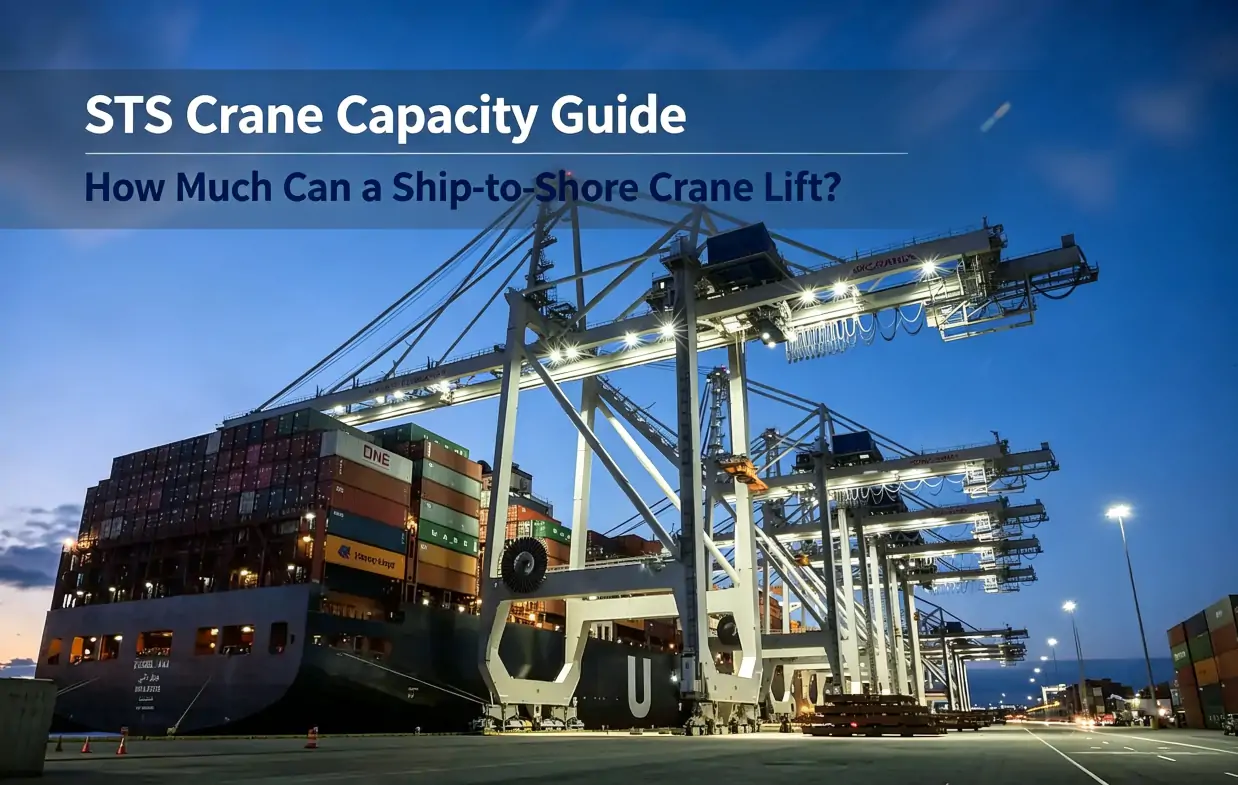
To learn about the lifting capacity and applications of STS cranes, read the article: “STS Crane Capacity Guide: How Much Can a Ship-to-Shore Crane Lift?”
STS crane selection follows a vessel-driven approach. The port first determines the largest vessel size, beam, and container row requirements, then selects outreach and other crane parameters accordingly. Proper matching avoids operational limitations caused by insufficient reach and prevents unnecessary investment in oversized equipment.
STS Crane Outreach Requirements for Different Container Ships
STS crane outreach is selected according to vessel beam, container rows, and terminal operation requirements. Larger container ships require longer outreach to cover wider decks and reach all container positions.
| Container Ship Type | Вместимость | Required Outreach | Deck Container Rows | Приложения |
|---|---|---|---|---|
| Feeder Vessel | 1,000–3,000 TEU | 25–35 m | 8–12 rows | Regional feeder routes and small to medium terminals with limited vessel width |
| Panamax | 4,000–5,000 TEU | 35–45 m | 13 rows | Traditional container routes with vessels designed to pass through the Panama Canal |
| Post-Panamax | 6,000–10,000 TEU | 45–55 м | 15–17 rows | Mainline routes such as Asia-Europe and trans-Pacific services |
| New Panamax | 12,000–15,000 TEU | 55–65 m | 18–20 rows | Large container terminals handling expanded Panama Canal vessels |
| ULCV | 18,000–24,000+ TEU | 65–75 m | 22+ rows | Deep-water ports serving the world’s largest container vessels |
A feeder vessel requires limited outreach due to its smaller beam, while ULCV vessels need 65 m or more outreach to cover over 22 container rows.
What Other Factors Determine STS Crane Size?
STS crane size is determined by multiple parameters, not only outreach. These specifications define the crane’s operating capability and must match vessel requirements, terminal layout, and operating conditions.
- Lifting Height: Lifting height determines the number of container tiers the crane can handle above and below deck. It must match the vessel depth and container stacking arrangement.
- Span: Span is the distance between the waterside and landside rail centerlines. It must match the quay rail layout and the terminal handling system, including truck lanes and yard equipment arrangement.
- Lifting Capacity: Lifting capacity defines the maximum container weight handled in one lifting cycle. The rating must cover heavy containers and twin-lift operations when required.
- Outreach and Back Reach Balance: Outreach determines vessel-side coverage, while back reach affects landside truck or AGV access. Both dimensions must be designed together to maintain efficient container flow.
- Wheel Load: Wheel load is the maximum force applied by the crane wheels to the quay surface. It affects foundation design and terminal infrastructure requirements.
- Hoisting and Trolley Travel Speed: Hoisting speed and trolley travel speed affect container handling cycle time and overall terminal productivity.
- Automation and Control System: Remote control, positioning systems, and anti-sway technology affect crane operation accuracy and safety, especially in automated terminals.
- Environmental Conditions: STS cranes must be designed according to local operating conditions, including wind resistance, seismic requirements, and corrosion protection for coastal environments.
- Power Supply: STS cranes usually use high-voltage shore power. The power system must match the terminal grid capacity and cable reel configuration.
- Future Vessel Development: Crane selection should consider future vessel growth. Sufficient outreach and lifting height capacity help avoid equipment limitations when larger ships enter service.
In practical projects, these parameters are selected based on terminal positioning, target vessels, throughput requirements, and investment plans.
Дело
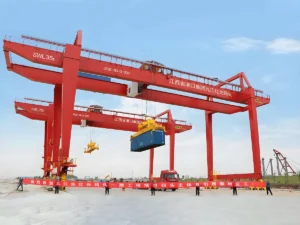
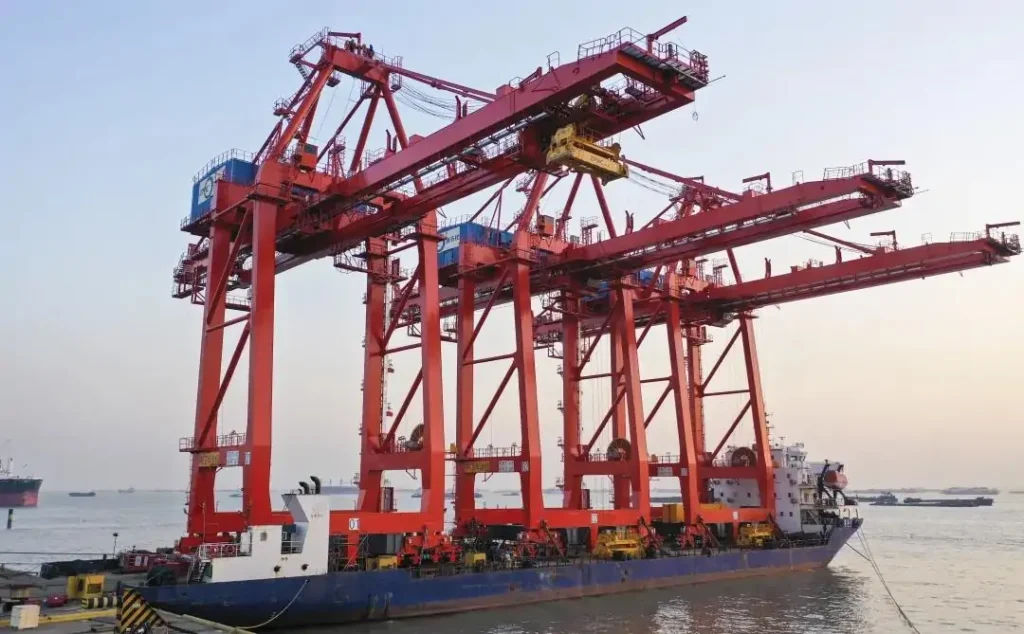
For Zhejiang Petrochemical’s smart terminal project at Yushan Island, WEIHUA developed a customized remote-control automated STS crane solution based on the terminal’s operating requirements. The project included 6 fully customized STS cranes, designed for a smart port environment with high automation demands, large lifting capacity, compact rail gauge, and extended vessel coverage.
The cranes were designed with a 41-ton lifting capacity under spreader, 38 m outreach, 46 m lifting height, 58 m working height, and 12 m rail gauge. WEIHUA integrated remote operation, fiber optic communication, laser scanning, container positioning, and anti-sway control technologies to match the terminal’s intelligent handling requirements.
This project shows WEIHUA’s ability to provide STS crane solutions based on specific working conditions. Instead of using standard equipment, WEIHUA customized the crane structure, automation system, and operating functions according to vessel handling requirements and terminal layout, providing reliable equipment support for smart port operations.
How to Choose the Right STS Crane Size for Your Port?
Selecting the right STS crane size starts with the target vessel requirements and terminal operating conditions. The crane outreach, lifting height, lifting capacity, and span should match the largest vessels handled by the port.
Vessel Size: Analyze ship beam, container rows, and TEU capacity to determine required outreach.
Lifting Requirements: Select lifting height and capacity based on container stack levels and cargo weight.
Terminal Layout: Match crane span, back reach, and wheel load with quay structure and yard operation.
Future Development: Reserve sufficient capacity for larger vessels and increasing throughput.
A properly matched STS crane provides suitable vessel coverage without unnecessary equipment investment. Ports should select crane specifications based on current operations, future vessel plans, and site conditions.
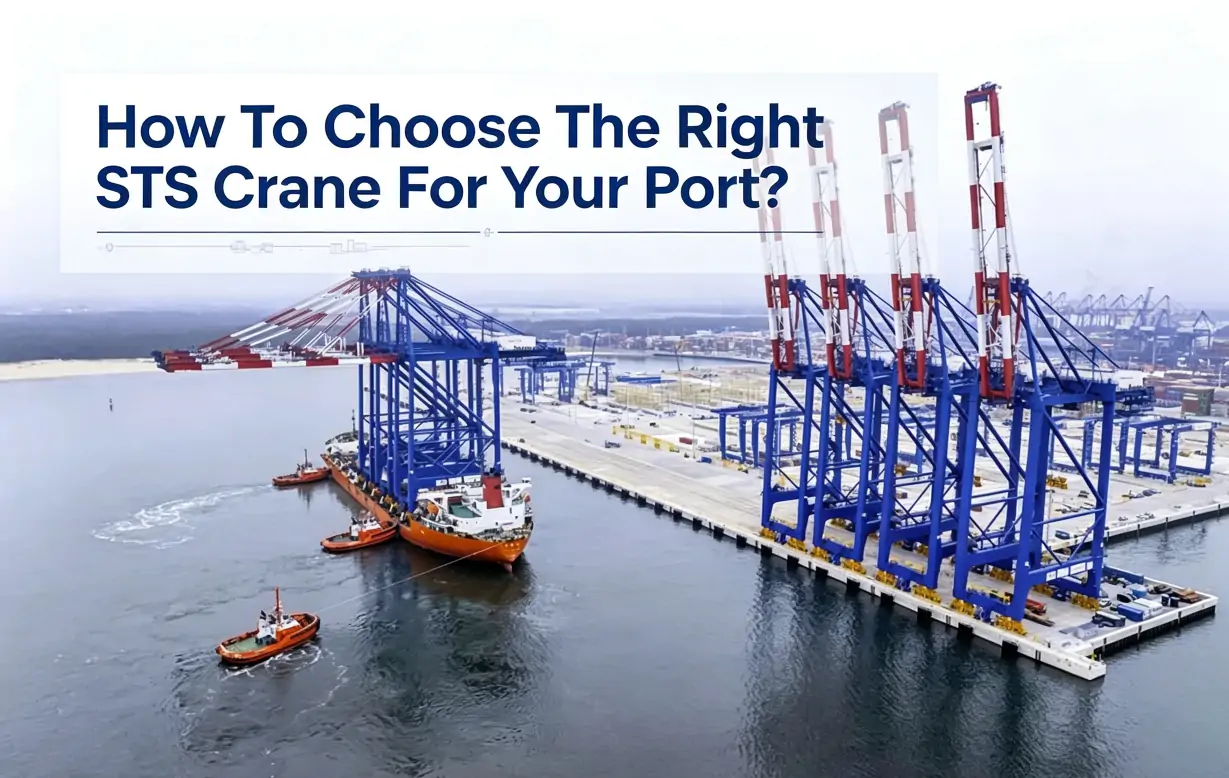
When selecting the right STS crane, you need to consider not only reach but also a variety of other factors. For more details, see: How To Choose The Right STS Crane For Your Port?
Заключение
STS crane outreach is closely related to container ship size and directly affects vessel coverage during terminal operations. Larger container vessels require longer outreach, higher lifting height, and stronger crane structures to handle wider decks and increased container capacity.
Choosing the right STS crane size helps terminals improve handling efficiency and meet future vessel requirements. The selection should be based on vessel dimensions, terminal layout, operating conditions, and long-term development plans.
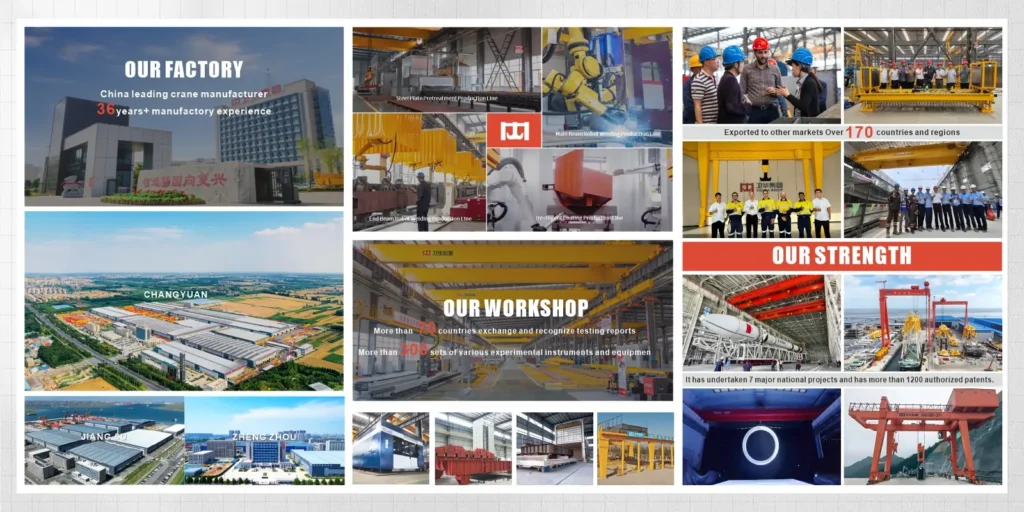
Вейхуа provides customized STS crane solutions designed around vessel specifications, terminal requirements, and working environments. Свяжитесь с нами for reliable container handling crane solutions.
Часто задаваемые вопросы
What is the outreach of an STS crane?
STS crane outreach is the maximum horizontal distance from the waterside rail centerline to the spreader center when the crane operates over the vessel. It determines how many container rows the crane can reach across the ship deck.
How much outreach does a container crane need?
The required outreach depends on vessel size and container row numbers. Feeder vessels usually require around 25–35 m outreach, while large container vessels such as ULCVs typically require 65 m or more outreach.
What size STS crane is suitable for a 20000 TEU vessel?
A 20,000 TEU vessel normally requires a super post-Panamax STS crane with around 65–75 m outreach, sufficient lifting height for high container stacks, and a lifting capacity of about 65 tons or higher depending on operation requirements.
What is the difference between Panamax and Post-Panamax cranes?
The main difference is the outreach range. Panamax cranes are designed for vessels with narrower beams and usually require 35–45 m outreach, while Post-Panamax cranes require around 45–55 m outreach to handle wider container ships.
Does a larger STS crane always improve efficiency?
Not always. Crane size should match vessel dimensions and terminal requirements. An oversized crane increases investment and maintenance costs without improving efficiency if the port does not handle larger vessels.
What factors affect STS crane outreach selection?
Key factors include vessel beam, container rows, TEU capacity, terminal layout, lifting height, lifting capacity, and future vessel development plans.
Can one STS crane handle different container ships?
Yes. A properly selected STS crane can handle different vessel sizes within its operating range. Many terminals use cranes designed for multiple ship classes to improve equipment flexibility.
What is the maximum outreach of an STS crane?
Large STS cranes designed for ULCV operations can reach 70 m or more. The final outreach depends on vessel size, terminal requirements, and crane design specifications.