




Оглавление
Введение
A gantry crane inspection checklist helps operators check whether the crane structure, lifting system, and safety devices are in proper condition before operation. Regular checks can help identify worn parts, loose connections, and potential safety issues during daily use.
In this guide, I will explain the main inspection items, inspection frequency, safety requirements, and maintenance recommendations for козловые краны. The checklist covers practical points that operators and maintenance teams can follow to improve equipment reliability and reduce unexpected failures.
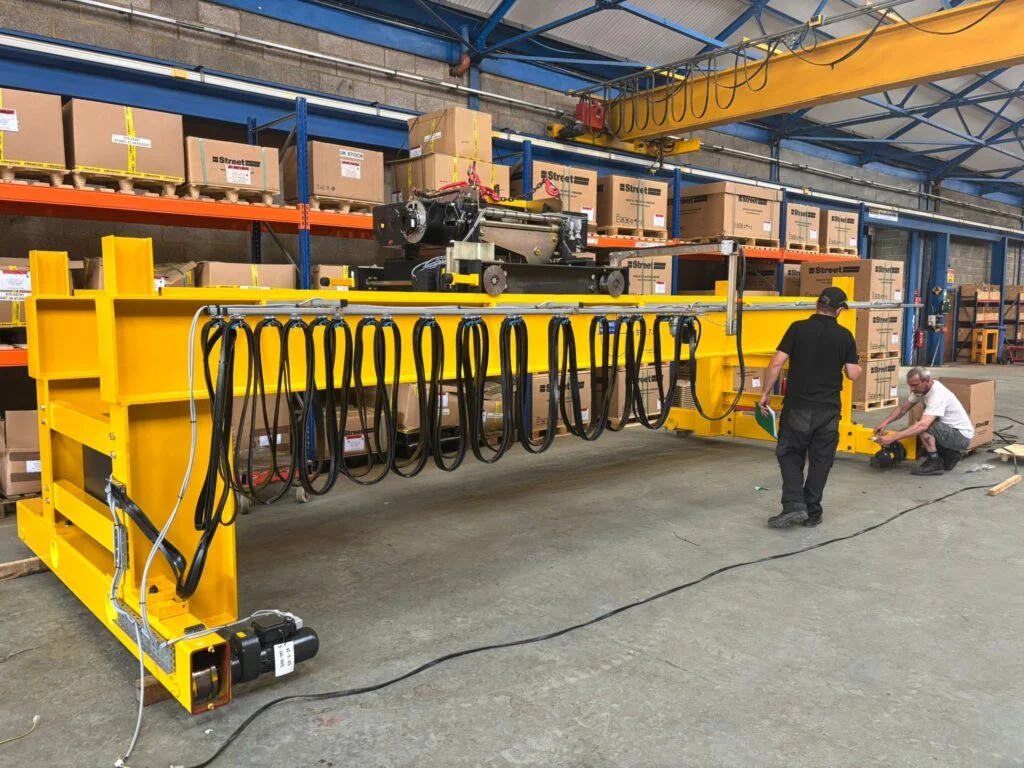
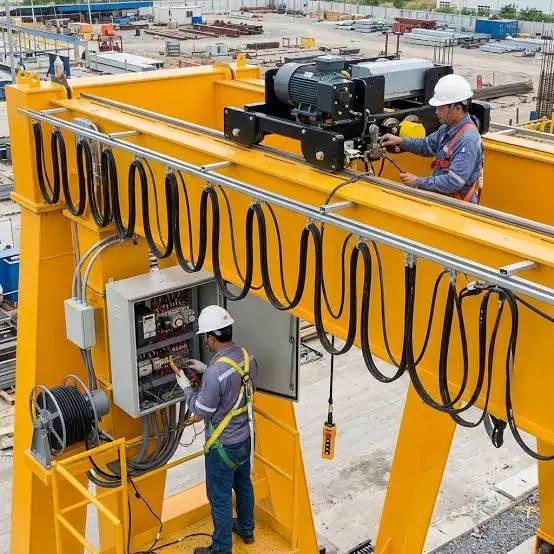
Why Is Gantry Crane Inspection Important?
The gantry crane inspection checklist is a critical safety and operational practice. Its primary purpose is to equipment remains reliable, safe, and compliant with regulatory standards. Regular inspection helps identify problems such as component wear, loose connections, electrical faults, and abnormal operation before they affect production.
- Prevent Accidents and Injuries: Detect structural fatigue, cracks, or deformation in the main beam, legs, and welds that could lead to catastrophic failure during lifting.
- Load-Handling Safety: Verify the integrity of the hoist, wire ropes, hooks, and brakes to prevent dropped loads or uncontrolled movements.
- Maintain Electrical System Integrity: Check for frayed cables, faulty limit switches, and control panel issues that could cause malfunctions or electrical hazards.
- Extend Equipment Lifespan: Identify premature wear in wheels, rails, and bearings, allowing for timely maintenance that reduces long-term replacement costs.
- Regulatory Compliance: Meet mandatory inspection schedules (daily, monthly, annual) required by occupational safety authorities to avoid legal penalties and operational shutdowns.
- Optimize Operational Efficiency: Detect misalignment or excessive friction that increases energy consumption and slows down material handling processes.
A gantry crane inspection checklist program is not just a legal obligation but a proactive strategy to safeguard personnel, protect assets, and maintain uninterrupted workflow.
Gantry Crane Inspection Checklist
A gantry crane inspection checklist helps keep gantry cranes in safe operating condition and allows operators to identify problems such as component wear, loose connections, and equipment damage. The inspection items can be divided into daily checks, routine inspections, periodic inspections, and special inspections.
Daily Inspection
| Inspection Item | Check Points |
|---|---|
| Система управления | Check control buttons, emergency stop, and operating functions |
| Upper Limit Switch | Test the hoist limit switch before operation |
| Hook | Check for cracks, deformation, and surface damage |
| Стальной канат | Check for wear, broken wires, kinks, and corrosion |
| Brake System | Check brake response, clearance, and abnormal heating |
| Electrical System | Check cables, insulation condition, and power connections |
| Fasteners | Check bolts and connection points for looseness |
| Lubrication | Check lubrication condition of moving parts |
| Steel Structure | Check main beam, legs, welds, and visible corrosion |
| Running Area | Confirm rails and travel paths are clear |
Routine Inspection
| Inspection Item | Check Points |
|---|---|
| Operating Mechanism | Check abnormal wear, noise, or improper adjustment |
| Hydraulic/Pneumatic System | Check valves, pipes, and connections for leakage |
| Hoist Chain | Check chain wear, stretching, and deformation |
| Rope Reeving | Check wire rope installation according to manufacturer requirements |
| Wheels and Rails | Check wheel wear and remove debris from rails |
| Motor and Reducer | Check overheating, abnormal noise, and oil leakage |
Periodic Inspection
| Inspection Item | Check Points |
|---|---|
| Steel Structure | Inspect main beam, end beams, legs, welds, and deformation |
| Стальной канат | Check broken wires, corrosion, and surface damage |
| Electrical System | Test insulation resistance and grounding condition |
| Rail System | Check rail alignment, wear, and fastening condition |
| Устройства безопасности | Test overload protection, limit switches, and emergency stop functions |
| Brake System | Check brake pads, brake wheels, and braking performance |
| Load Test | Perform lifting tests to verify crane performance |
Special Inspection
| Inspection Item | Check Points |
|---|---|
| Damage Assessment | Inspect affected components based on the incident condition |
| Structural Safety | Check load-bearing parts, welds, and possible deformation |
| Система управления | Confirm all safety and operating functions before reuse |
A complete gantry crane inspection checklist should cover structural parts, mechanical components, electrical systems, and safety devices. Keeping inspection records and following a regular maintenance schedule helps reduce equipment failures and improve crane service life.
Common Problems Found During Gantry Crane Inspection
During a gantry crane inspection checklist, problems are mainly found in the running system, mechanical components, safety devices, structural connections, and maintenance management. Identifying these issues early helps prevent equipment failures and unsafe operation.
- 1. Rail and Travel System Problems: Common issues include uneven rail joints, rail misalignment, loose connection bolts, and poor rail level accuracy. These problems can cause uneven wheel movement, increased wear, and unstable crane operation.
- 2. Mechanical and Power System Failures: Gearbox oil leakage is often caused by poor sealing, loose fasteners, or improper maintenance. Motor failures may result from long-term overload operation, overheating, or insulation aging, which can lead to winding damage.
- 3. Safety Device and Lifting Component Issues: Key inspection points include limit switches, hooks, wire ropes, chains, and pneumatic components. Common problems include hook deformation, wire rope wear, broken wires, corrosion, and safety device malfunction.
- 4. Structural Connection Problems: Loose bolts and damaged connections between the main girder, legs, and connecting plates can affect crane stability. Regular inspection of bolts, welds, and load-bearing components is required, especially for heavy-duty gantry cranes.
- 5. Maintenance and Management Issues: Poor maintenance practices, incomplete inspection records, and insufficient operator training can increase equipment risks. A proper maintenance schedule and safety management system help reduce failures and improve crane reliability.
Gantry crane inspection checklist and timely repair of these common problems are important for maintaining gantry crane safety and extending equipment service life.
How Often Should A Gantry Crane Be Inspected?
The gantry crane inspection checklist depends on the working condition, operating environment, and usage intensity. Regular inspections help identify equipment wear, loose connections, and safety issues before they affect operation.
| Inspection Type | Recommended Frequency | Main Inspection Items |
|---|---|---|
| Pre-operation Check | Before each use | Control system, emergency stop, limit switches, hooks, wire ropes, brakes, and working area |
| Routine Inspection | Daily or weekly | Safety devices, lifting components, structural connections, brake system, and travel mechanism |
| Maintenance Inspection | Monthly | Bolts and connections, hoisting components, lubrication points, welding areas, and mechanical parts |
| Comprehensive Inspection | Annually | Complete equipment condition, structural integrity, electrical system, safety devices, and inspection records |
- Pre-operation Check: Before each operation, operators should check the control system, emergency stop function, limit switches, hooks, wire ropes, and brakes. A no-load test should be performed to confirm that the crane moves and operates normally.
- Routine Inspection: Daily or weekly inspections focus on frequently used components, including brake performance, wire rope condition, overload protection, and structural connections. Any loose bolts, damaged parts, or abnormal movement should be addressed promptly.
- Maintenance Inspection: Monthly inspections require a more detailed check of the crane structure and mechanical components. Inspect main beam welds, connecting bolts, hoisting mechanisms, and lubrication points to maintain reliable operation.
- Comprehensive Inspection: Annual inspections should include a complete evaluation of the crane structure, electrical system, safety devices, and operating performance. Inspection records should be maintained for equipment management and future reference.
Factors Affecting Inspection Frequency
- Working Duty: Heavy-duty cranes used for continuous operation require more frequent inspections than light-duty models.
- Working Environment: Outdoor cranes exposed to rain, dust, or corrosive conditions need additional checks.
- Usage Frequency: Cranes with high operating cycles require stricter inspection schedules.
- Equipment Age: Older cranes or repaired equipment may require more frequent inspections.
If abnormal conditions are found during the gantry crane inspection checklist, the crane should be stopped and checked before further operation. A regular inspection schedule helps maintain safe operation and extend the service life of the gantry crane.
Gantry Crane Inspection Requirements and Safety Standards
A gantry crane inspection checklist checks the condition of structures, mechanical parts, electrical systems, and safety devices. Following proper inspection procedures and safety standards helps reduce risks and maintain reliable operation.
Inspection Requirements
- Daily Inspection
Operators check controls, emergency stop devices, visible damage, safety devices, and the working area before operation. - Periodic Inspection
Regular inspections cover the crane structure, lifting mechanism, travel system, electrical components, and safety protection devices. - Maintenance Inspection
Maintenance checks focus on wear parts, connections, lubrication points, and component condition according to crane maintenance standards. - Safety Assessment
Older cranes or equipment used in demanding conditions may require safety assessments to check structural condition and operating performance.
Safety Standards
- GB/T 6067.1 – General safety requirements for crane operation, inspection, and maintenance.
- GB/T 24809.5 – Technical requirements for crane mechanisms.
- GB/T 24818.5 – Safety requirements for crane access and protection facilities.
- GB/T 20863.5 – Crane duty classification requirements.
- JT/T 561 – Safety requirements for port gantry crane design, operation, inspection, and maintenance.
Following gantry crane inspection checklist procedures and safety standards helps maintain gantry crane reliability and provides safer conditions for operators and surrounding personnel.
Gantry Crane Maintenance Tips
Gantry crane inspection checklist: Regular maintenance keeps gantry cranes in good working condition and helps prevent failures caused by component wear, poor operation, or delayed repairs. The main maintenance work includes record management, parts replacement, and operator training.
1. Keep Maintenance Records: Maintain records of inspections, problems found, and repair work. Clear maintenance records help track equipment condition, identify repeated issues, and provide reference for future repairs.
2. Replace Worn Parts: Inspect and replace damaged components before they affect crane operation. Pay special attention to wire ropes, brake parts, electrical components, and other frequently used parts. Replace wire ropes, brake components, and electrical parts according to their condition and safety requirements.
3. Train Operators: Operators should understand correct operating procedures and daily inspection requirements. Before use, check the working area, lifting components, control system, and lubrication condition. Avoid overload operation and improper crane handling.
4. Lubricate Key Components: Regular lubrication reduces friction and wear on moving parts. Check and lubricate hoisting mechanisms, traveling mechanisms, pulleys, gears, and bearings according to the maintenance schedule.
5. Check Structural Connections: Inspect bolts, welding areas, main beams, and support legs regularly. Loose connections or structural damage should be repaired before the crane returns to service.
6. Maintain Electrical System: Check control panels, wiring connections, motors, and safety devices for loose connections or damage. Keep electrical components clean and protected from moisture and dust.
Proper maintenance relies on regular checks, timely repairs, and correct operation. A well-managed maintenance plan helps reduce downtime and keeps gantry cranes reliable throughout their service life.
Заключение
Gantry crane safety and service life depend on a regular gantry crane inspection checklist, proper maintenance, and correct operation. This article explains the main inspection points, inspection intervals, common problems, and maintenance methods to help users better manage gantry crane operation.
Вейхуа manufactures gantry cranes for factories, ports, shipyards, and other industrial applications. With experience in crane design, production, customization, and service support, we can provide suitable lifting solutions based on different working conditions. Свяжитесь с нами to discuss your project requirements and get a customized gantry crane solution.

Часто задаваемые вопросы
What is included in a gantry crane inspection checklist?
A gantry crane inspection checklist usually covers the crane structure, hoisting system, wire rope, hook, brake system, electrical components, travel mechanism, and safety devices.
How often should a gantry crane be inspected?
Inspection frequency depends on the working condition and usage. A pre-operation check should be completed before each use, routine inspections are usually performed daily or weekly, and detailed inspections are commonly carried out monthly or annually.
What should be checked before operating a gantry crane?
Before operation, check the control system, emergency stop, limit switches, hook, wire rope, brakes, lifting devices, and ensure the working area is clear.
What are common gantry crane problems?
Common issues include wire rope wear, brake failure, rail misalignment, loose structural connections, electrical faults, and damage to safety devices.
How do you inspect a gantry crane wire rope?
Check the wire rope for broken wires, corrosion, kinks, deformation, flattening, and abnormal wear. Replace the rope if it no longer meets safety requirements.
Does a gantry crane require annual inspection?
Yes. An annual inspection is recommended to thoroughly check the crane structure, mechanical components, electrical system, and safety devices. Specific requirements depend on local regulations and operating conditions.
Who can inspect a gantry crane?
Daily checks can be performed by trained operators or maintenance personnel. Detailed inspections should be performed by qualified technicians or authorized inspection personnel in accordance with applicable standards.
How can regular inspection extend crane service life?
Regular inspection helps identify worn parts, loose connections, and operating issues before they cause major failures. Timely maintenance reduces downtime and helps keep the crane in good working condition.






 English
  Русский
  العربية
  Français
  Português
  Español