- ProductEquipmentPrecision Power, Customization Crane SolutionE-mail:WhatsApp / Wechat:+8613781917315Address:No.18 Shanhai Road, Changyuan City, Henan Province, China


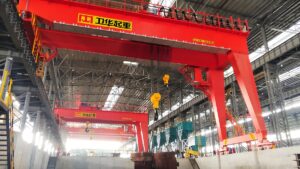
A Double Hoist Overhead Crane is an overhead crane equipped with two independent lifting mechanisms. Depending on the application, the two hoists can be mounted on the same trolley or on separate trolleys. They can operate independently for separate lifting tasks or work together to handle long, oversized, or irregular loads. This design provides greater flexibility than a standard single-hoist crane and is widely used for load turning, synchronised lifting, and material handling in industrial facilities.
Double Hoist Overhead Cranes are available in both single girder and double girder configurations to meet different lifting capacities and duty classes. They are commonly used in steel plants, machinery manufacturing, fabrication workshops, warehouses, power plants, and assembly lines. Standard configurations can be customised for lifting capacity, span, lifting height, control system, and working duty to match specific operating conditions.
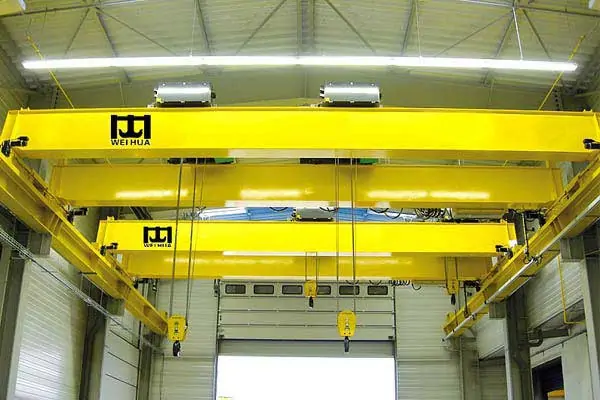
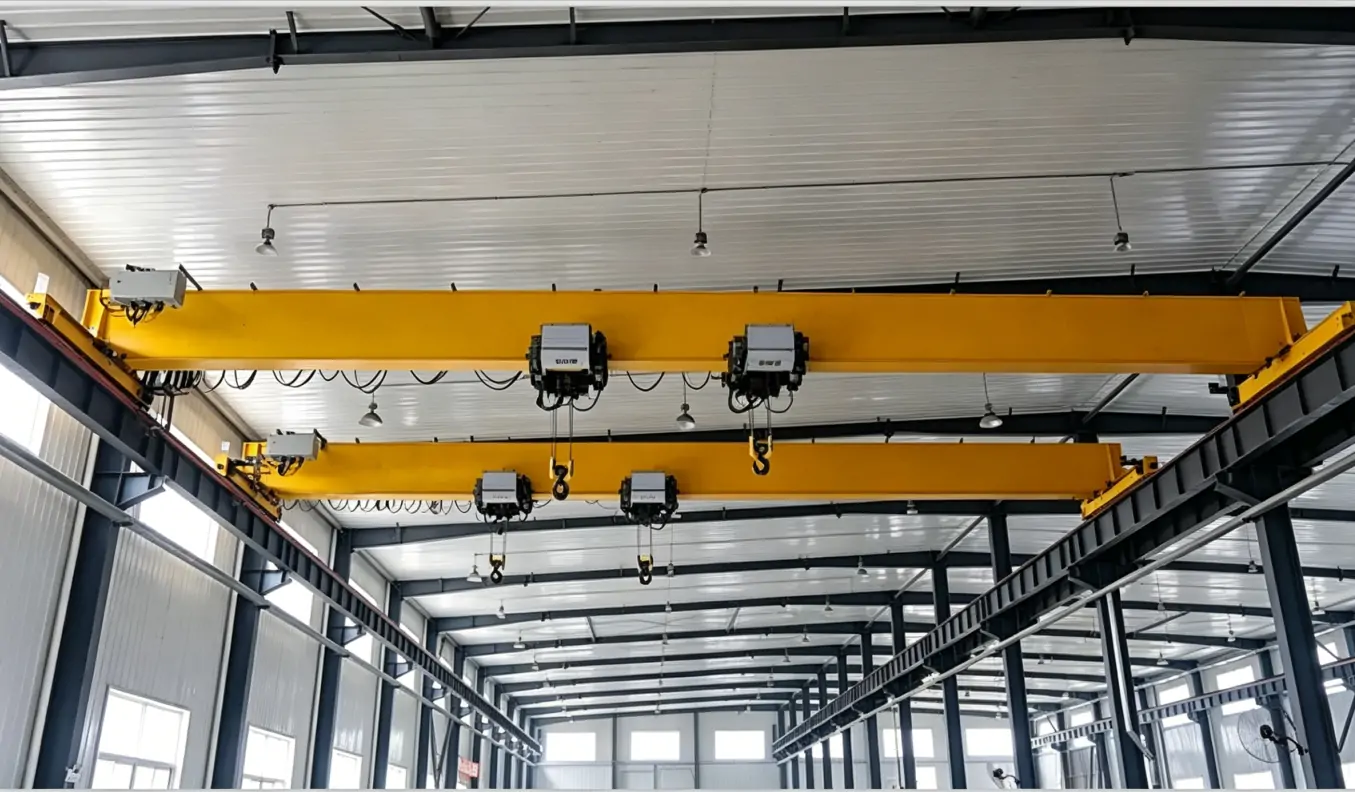
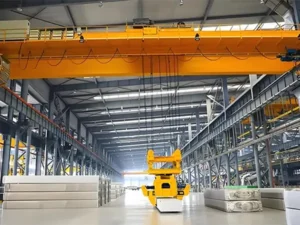
WEIHUA manufactures a complete range of Double Hoist Overhead Cranes for different lifting capacities, workshop layouts, and operating conditions. Single girder and double girder configurations are available, with custom options for span, lifting height, hoist arrangement, control system, and duty class.
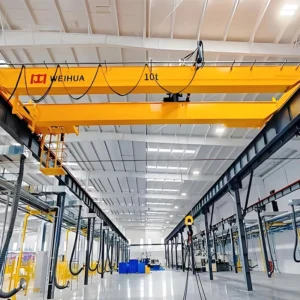
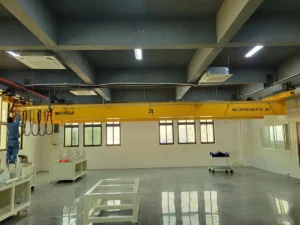
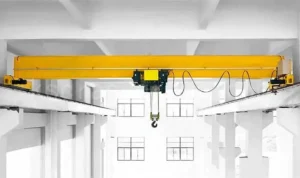
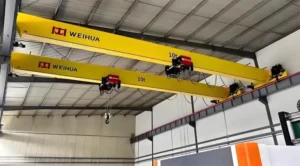
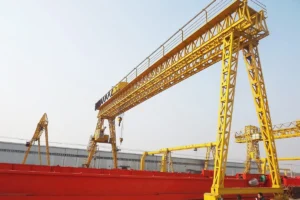
The Single Girder Double Hoist Overhead Crane uses one bridge girder with two electric hoists suspended underneath. The two hoists can lift separately or work together when handling long materials, large components, or workpieces that require turning. This design is commonly used in workshops, warehouses, production lines, and general manufacturing where moderate lifting capacity and efficient material handling are required.
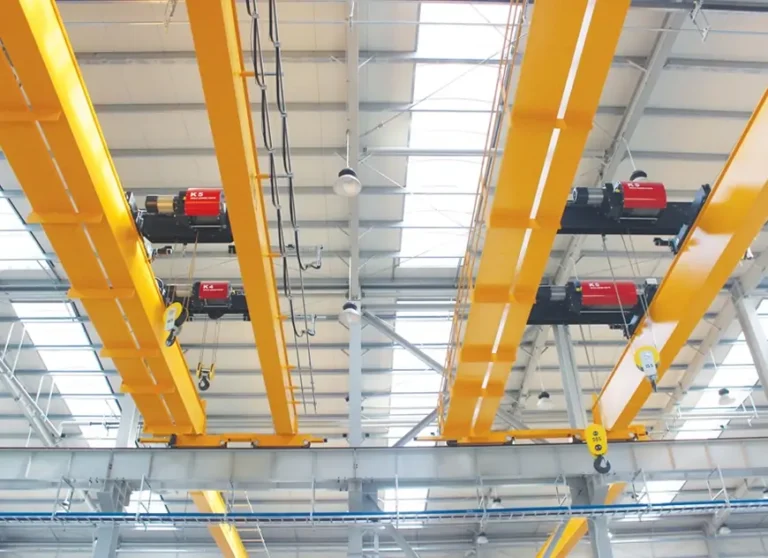
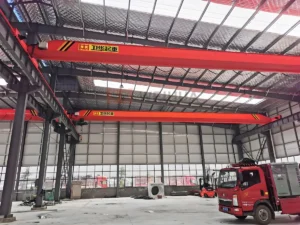
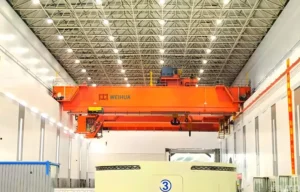
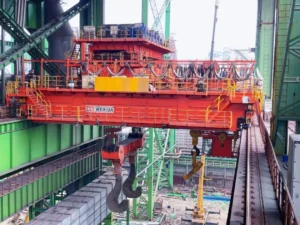
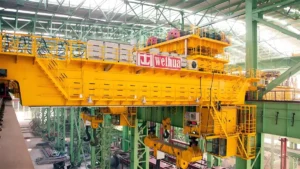
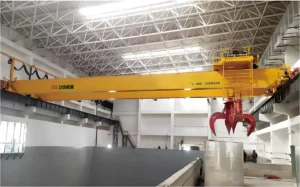
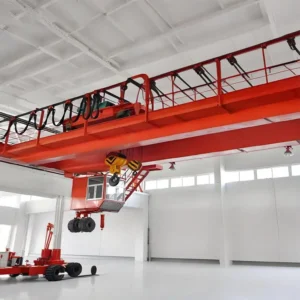
The Double Girder Double Hoist Overhead Crane has two bridge girders with two hoists running on the crane rails. The rigid structure supports larger loads, wider spans, and higher working duties than a single girder design. It is used in steel mills, heavy equipment manufacturing, power plants, shipyards, and other facilities where heavy loads are lifted on a regular basis.
A Double Hoist Overhead Crane consists of a bridge frame, trolley, dual hoisting mechanisms, crane travelling system, electrical system, and safety protection devices. Each component performs a specific function and works together to complete lifting, travelling, and load handling operations.
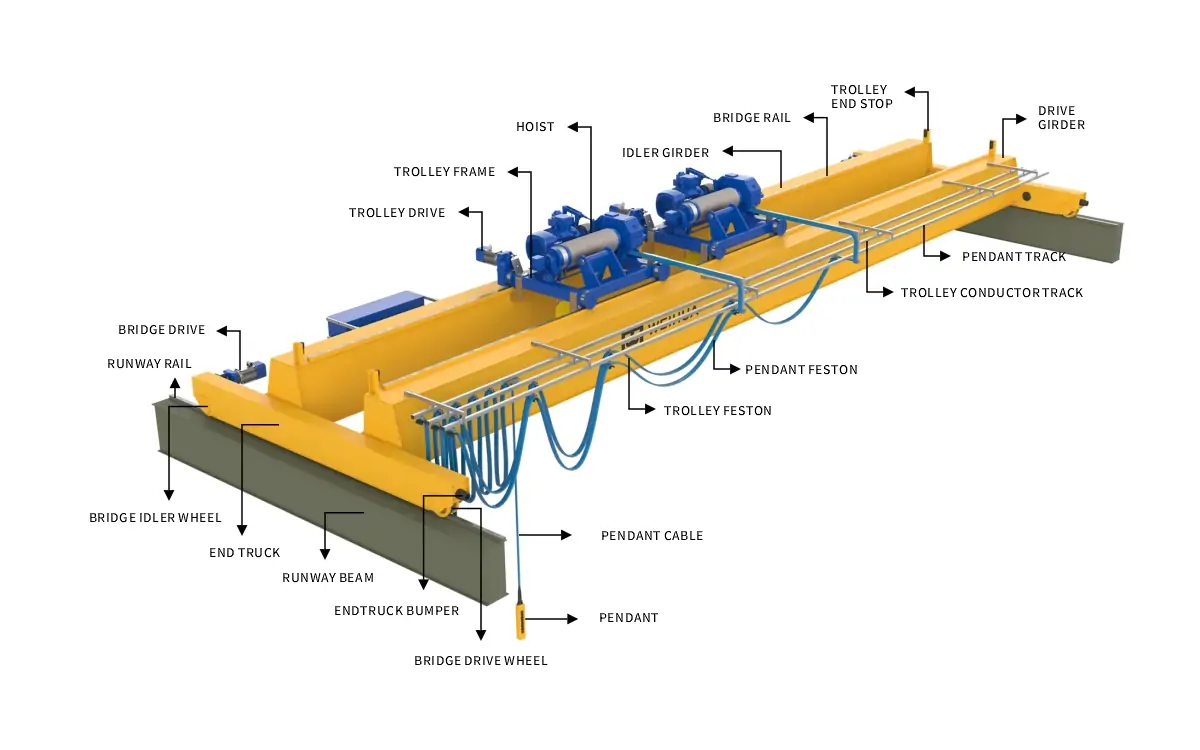
Main Girder – The primary load-bearing beam that supports the trolley and lifting load.
End Carriages – Connect the main girders and allow the crane to travel along the runway rails.
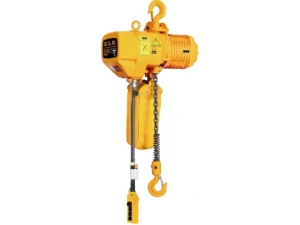
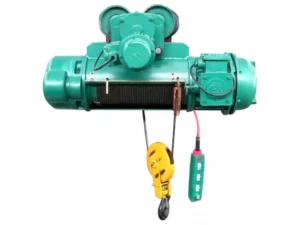
Dual Hoisting Mechanisms – Two independent electric hoists or winches for individual or synchronized lifting.
Trolley – Moves across the bridge girder and carries the two hoisting mechanisms.
Crane Travelling Mechanism – Drives the crane along the runway to cover the required working area.
Electrical Control System – Includes the control cabinet, motors, wiring, and operating controls for crane movement.
Safety Protection Devices – Equipped with overload limiter, limit switches, emergency stop, braking system, and other required safety devices.
Operator Cabin (Optional) – Used on medium and large-capacity cranes where cabin operation is required.
Customized Components – Optional explosion-proof, heat-resistant, insulated, anti-sway, and other special configurations according to the working environment.
Reference Articles on Electric Hoist Selection and Applications:
WEIHUA Double Hoist Overhead Cranes are available in single girder and double girder configurations. Specifications can be customized to match lifting capacity, span, lifting height, working duty, control method, and site conditions.
| Specification | Single Girder Double Hoist | Double Girder Double Hoist |
|---|---|---|
| Lifting Capacity | 1–32 t | 5–500 t |
| Typical Hoist Combination | 1+1T, 3+2T, 5+5T, 10+10T | 16/3.2T, 32/10T, 50/20T |
| Span | 7.5–40 m | 10.5–50 m |
| Lifting Height | 3–30 m | 3–60 m |
| Working Duty | A3–A5 | A3–A7 |
| Hoisting Mechanism | Electric Wire Rope Hoist | Electric Hoist or Winch |
| Control Method | Pendant / Wireless Remote | Pendant / Wireless Remote / Cabin |
| Power Supply | 380V, 50Hz (Customizable) | 380V, 50Hz (Customizable) |
| Working Temperature | -25°C to +45°C | -20°C to +60°C |
| Customization | Span, lifting height, control system, hoist arrangement | Capacity, span, hoisting system, cabin, explosion-proof, heat-resistant, anti-corrosion |
If your lifting requirements fall outside standard specifications, WEIHUA can provide a custom Double Hoist Overhead Crane tailored to your lifting capacity, span, lifting height, duty class, and working environment. Contact our engineering team for technical consultation and a tailored solution.
A Double Hoist Overhead Crane is built with two independent hoisting mechanisms for lifting, turning, and handling different types of loads. The crane can be configured with different girder structures, hoisting systems, control methods, and working duties according to project requirements.
WEIHUA offers Double Hoist Overhead Cranes with flexible configurations for different industries and lifting applications. Optional features and custom specifications are available based on your project requirements.
For more details on electric hoist structures, working principles, and application differences, you can visit the page: Electric Hoist
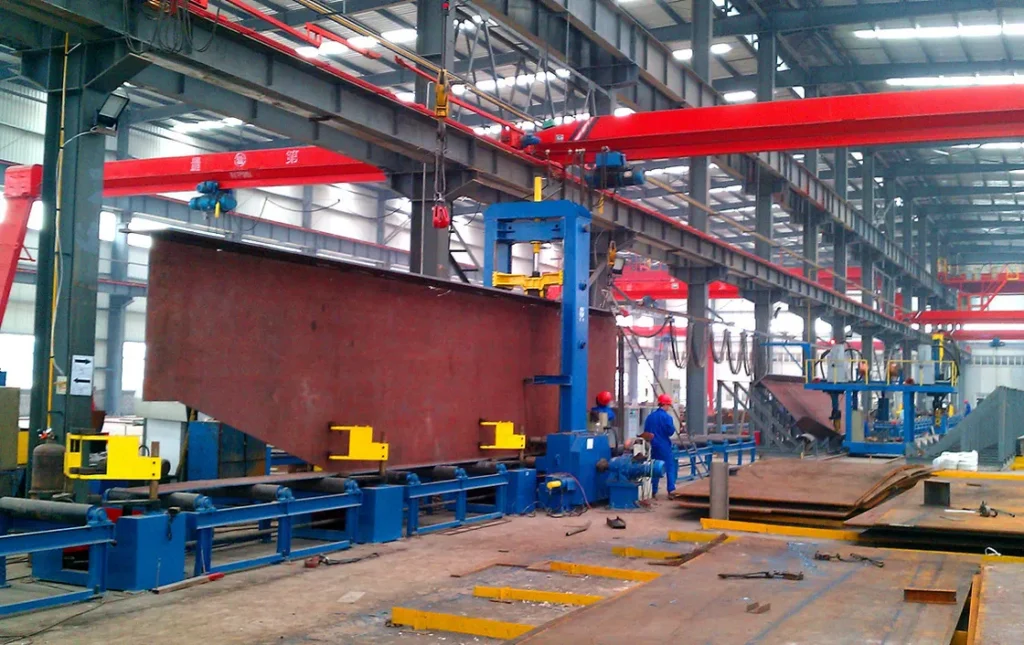
Steel plates, H-beams, steel structures, and welded assemblies.
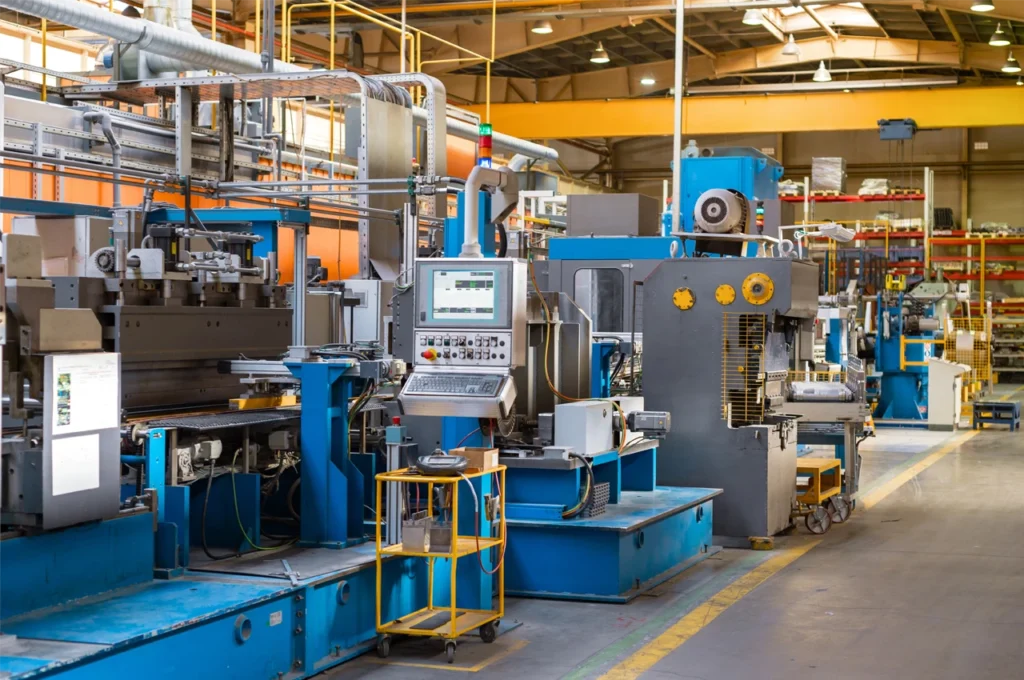
Machine frames, equipment bases, Mining Equipment, and large fabricated components.
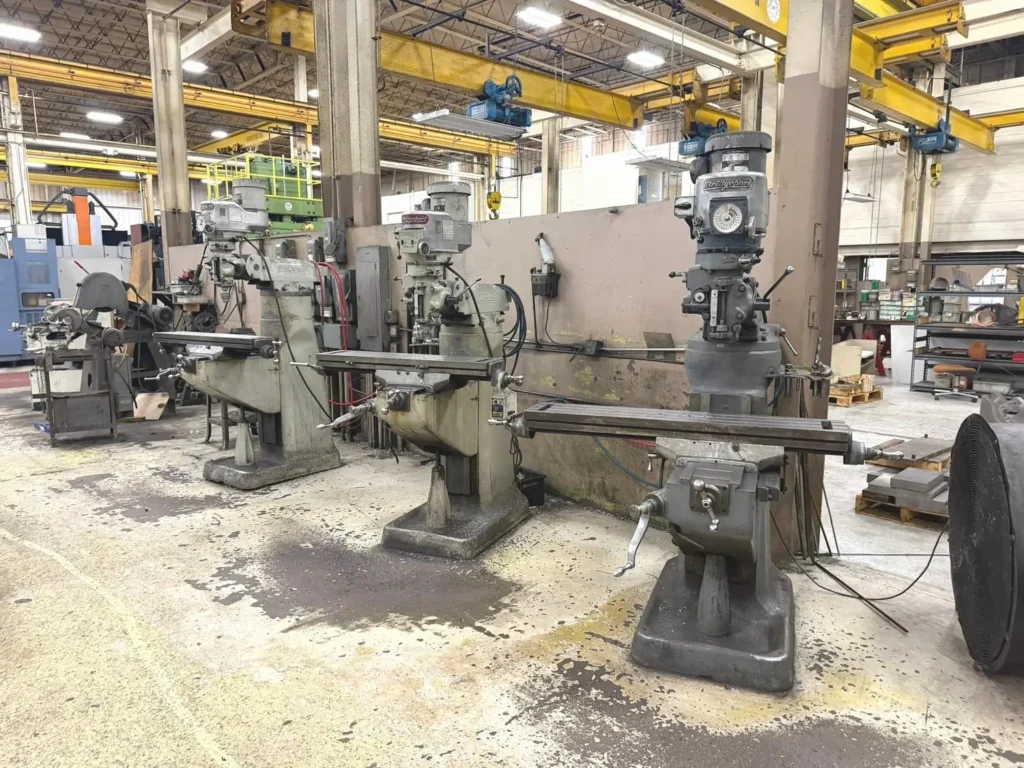
Injection molds, stamping dies, casting molds, and tooling.
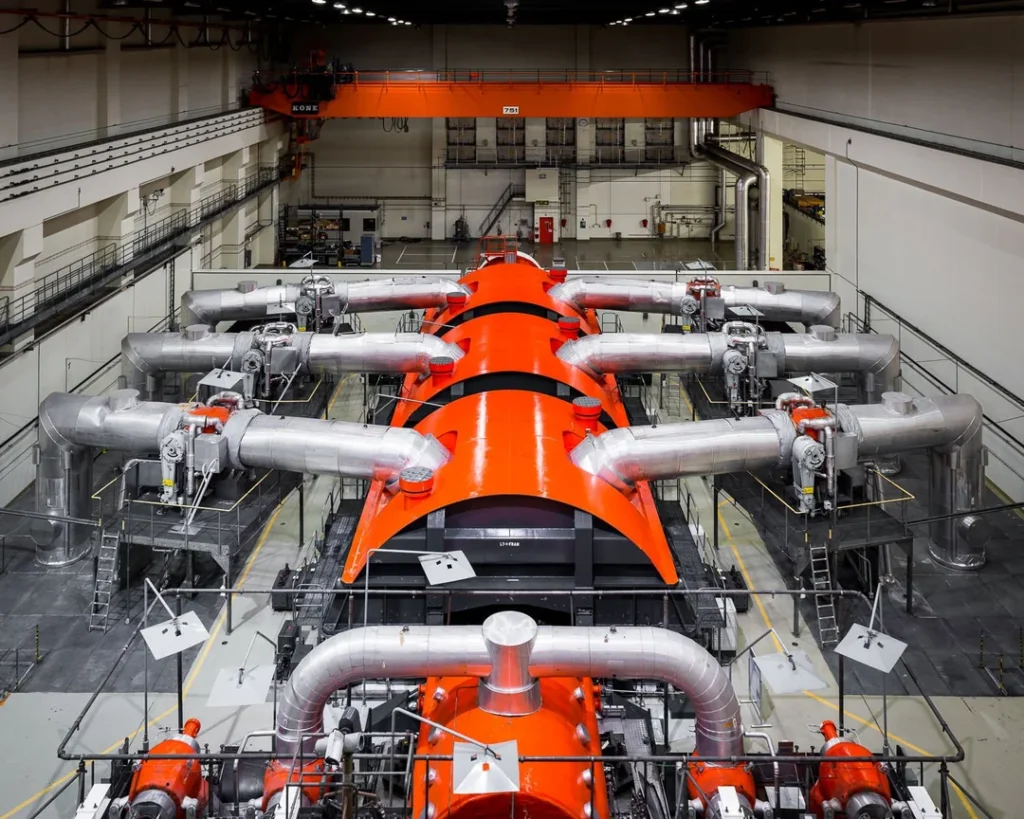
Generators, transformers, turbines, pressure vessels, and auxiliary equipment.
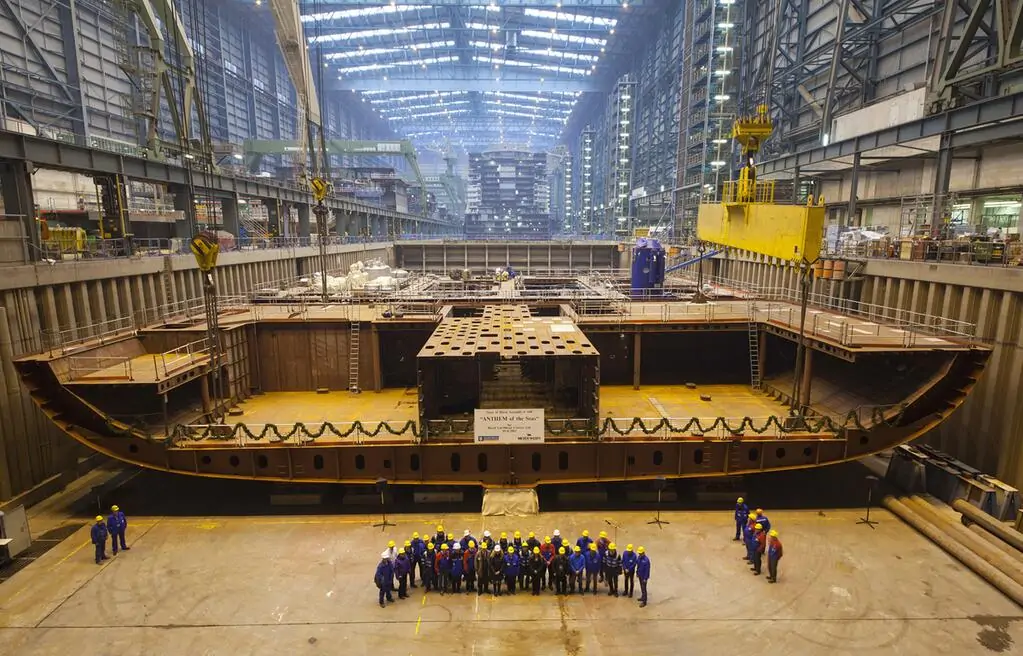
Hull sections, deck modules, marine machinery, and structural blocks.
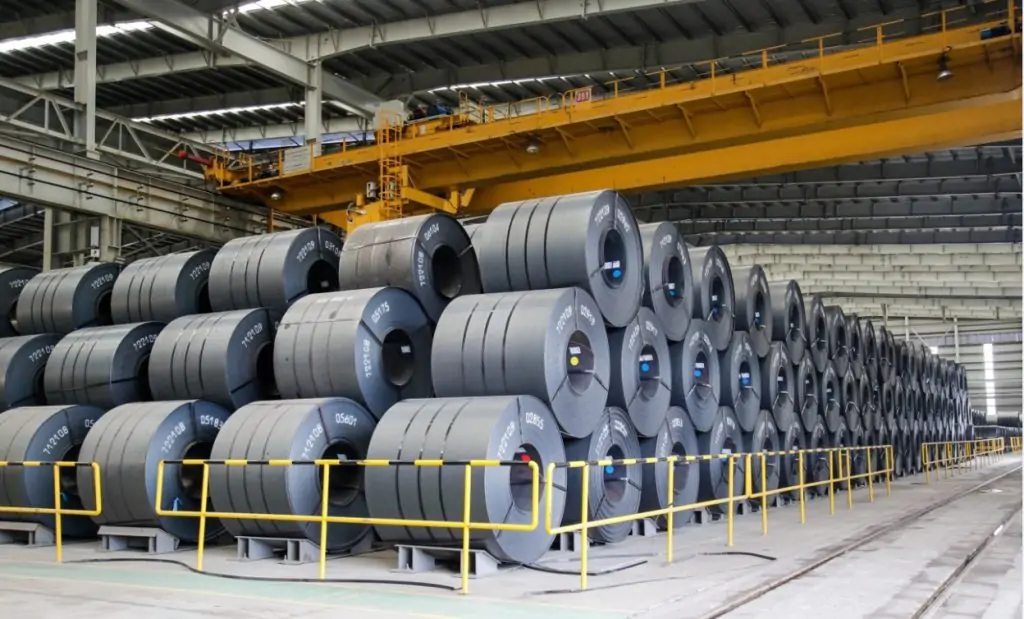
Steel coils, palletised cargo, long materials, and heavy industrial goods.
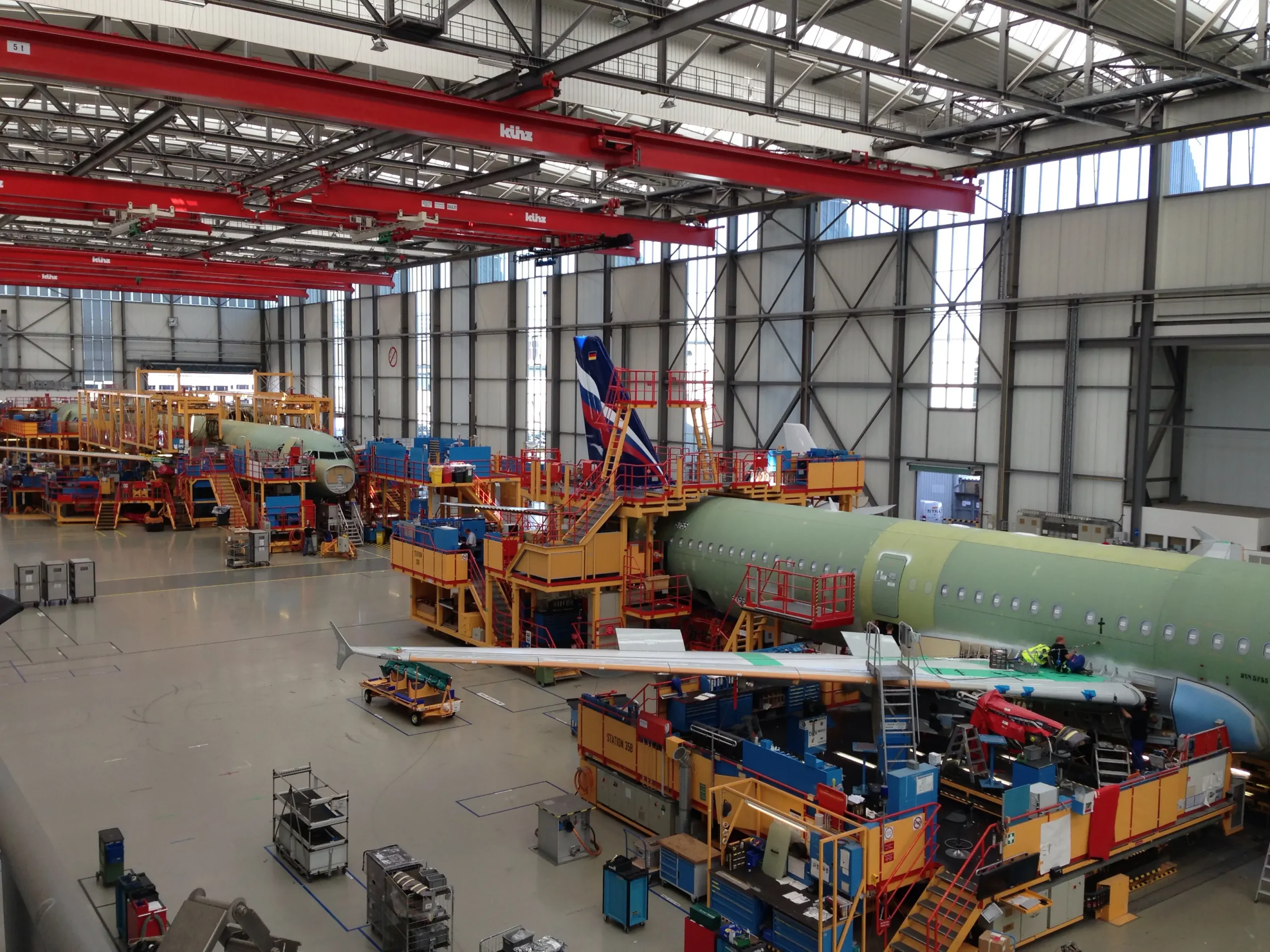
Large mechanical assemblies, production equipment, and fabricated workpieces.
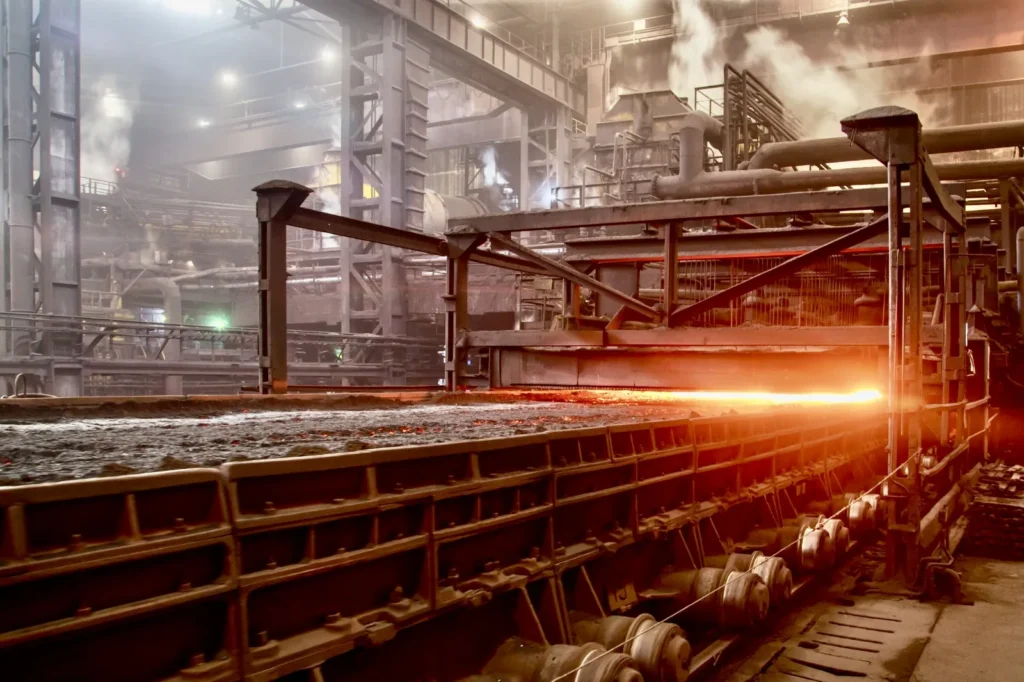
Steel billets, slabs, rolled steel products, ladle components, and heavy metal structures.
Double Hoist Overhead Crane is often used in production lines where lifting tasks involve long materials, large assemblies, or multiple handling points. Standard configurations may not fit all workshop layouts, load conditions, or operating cycles. WEIHUA provides custom engineering based on actual site requirements, from crane structure to control system and safety configuration.
Please contact us and send your lifting requirements and operating conditions to Weihua. We will configure a suitable double-hook overhead crane for your project.
Get Custom Quotation Now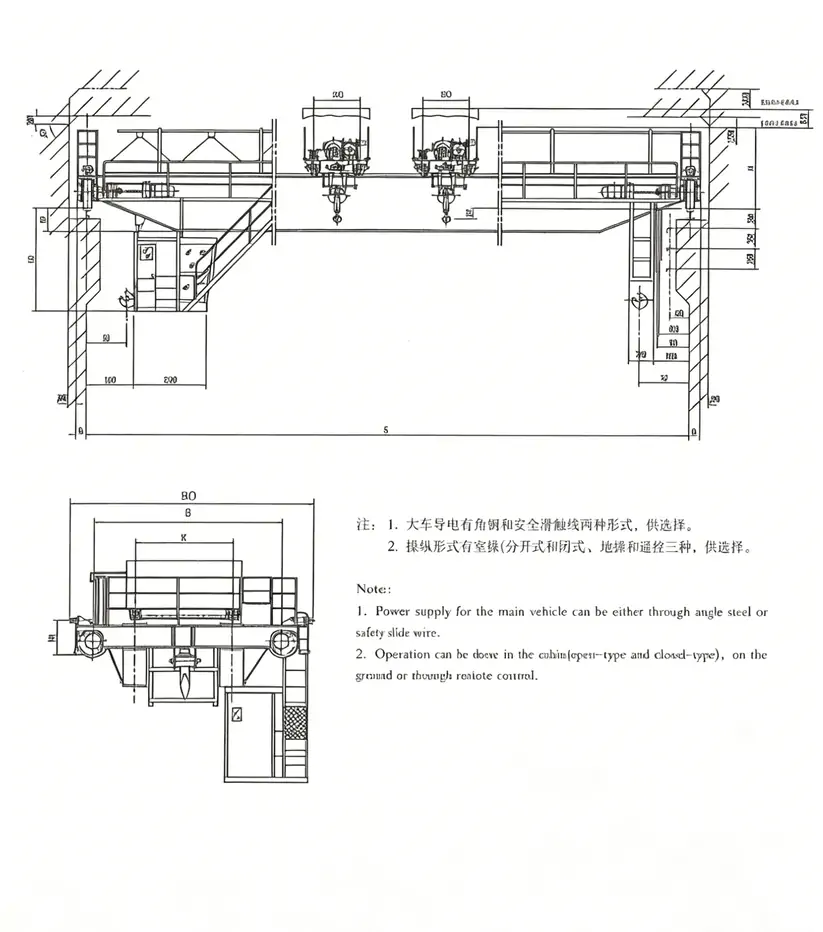
WEIHUA provides Double Hoist Overhead Cranes designed for industrial lifting conditions, with configurations tailored to different workshop layouts, load requirements, and operating environments. Each project is engineered based on actual application needs, from structure design to control system selection.
WEIHUA Double Hoist Overhead Cranes are built for industrial lifting tasks with different load, span, and duty requirements. Each unit is configured according to actual workshop conditions and application needs. For technical support or project inquiries, contact us for a tailored solution.

It allows lifting large or irregular loads with better balance and control.
Yes, they can operate independently or in synchronised mode.
Steel plants, machinery manufacturing, and heavy fabrication workshops.
Yes, span, capacity, and control systems can all be customised.
Overload protection, limit switches, emergency stop, and braking systems.
Single girder types use one main beam with a lighter structure, while double girder types use two main beams for higher load capacity and heavier-duty operation.
Standard control options include pendant control, wireless remote control, and operator cabin control, depending on crane size and working conditions.
Yes, it can be configured for explosion-proof, high-temperature, outdoor, or anti-corrosion applications based on site requirements.
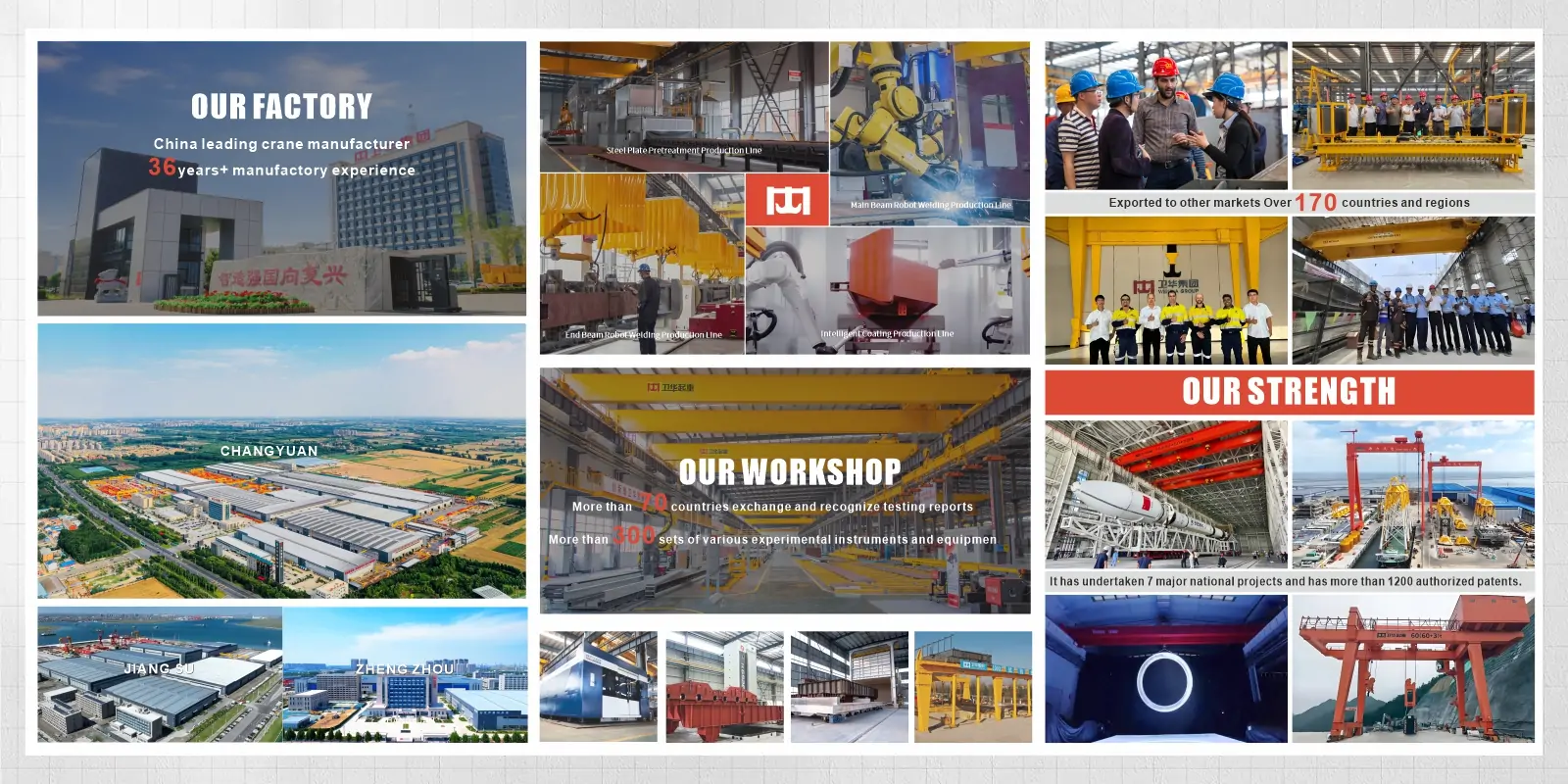
Weihua, founded in 1988, has evolved into a global leader in China's intelligent manufacturing field. We specialize in smart crane R&D and production while offering AGV solutions. Our professional engineering, delivery, and after-sales teams provide one-stop technical support, customized solutions, on-site installation guidance, and rapid-response global services to ensure every project operates safely and efficiently.
Contact us now via email: [email protected], or fill in the form below.


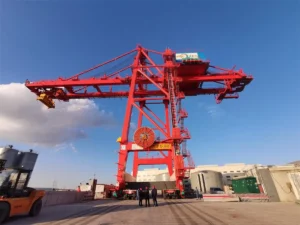
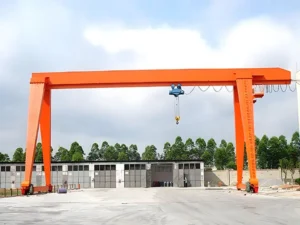
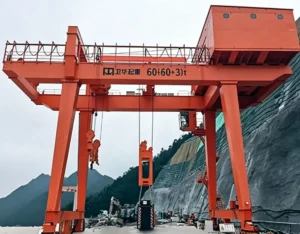
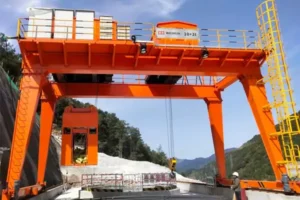
The gantry crane is a lifting equipment widely used across various industries, construction sites, ports, warehouses, and other fields. Its unique structure and powerful load-bearing capacity make it ideal for modern heavy-duty material handling. The “gantry” structure design allows the crane to move freely within a space, covering a large working area. So, what makes gantry cranes special? What are their types, parameters, control methods, applications, and working principles? How do they differ from bridge cranes? Let’s explore together. Types of Gantry Cranes Based on design, application, and operating environment, gantry cranes are typically categorized into the following types: Single-Girder Gantry Crane Single-girder gantry cranes are widely used across industrial sectors, warehouses, ports, and workshops. Featuring a single-girder support lifting mechanism, they traverse via side columns and bottom rails. With their simple structure, user-friendly operation, and moderate lifting capacity, they are ideal for handling light to medium loads. Capable of spanning large distances freely, single-girder gantry cranes are suitable for heavy material handling and lifting operations. Double Girder Gantry Crane Compared to single-girder gantry cranes, double-girder gantry cranes offer greater…
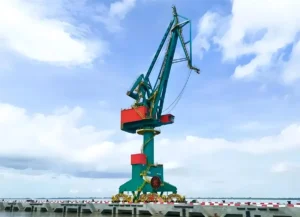
In ports, logistics parks, and industrial material handling, Portal Cranes and Gantry Cranes are two common and core loading/unloading equipment types. They differ in structural design, performance characteristics, operating methods, application scenarios, and investment costs. This article provides a comprehensive analysis of Portal Crane vs Gantry Crane and guides you in making the right selection. Structural Design Comparison The structural differences between Portal Cranes and Gantry Cranes primarily manifest in load-bearing methods, movement trajectories, and coverage ranges. The former centers on a fixed tower and rotating boom, emphasizing “point coverage” and flexible horizontal rotation. The latter features a portal frame structure and longitudinal rail travel, prioritizing “extensive horizontal movement” and efficient on-site logistics handling. Consequently, their distinct structural designs directly dictate their differing application scenarios. Portal Crane Structural Characteristics Portal slewing cranes employ single/double cantilever boom structures with the tower fixed to foundations or rails, enabling 360° or partial rotation. This configuration enables flexible operation in narrow, elongated spaces such as shorelines, dock fronts, and ship berths, making it particularly suitable for ship-to-shore material handling. Its core functionality combines vertical…
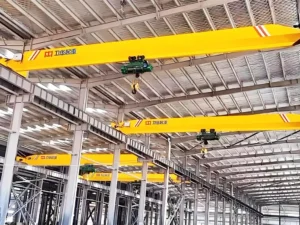
In modern industrial operations, efficient material handling is crucial for maximizing productivity and optimizing workflow. Bridge cranes, also known as overhead cranes or EOT cranes, are fixed material handling systems widely used in manufacturing, metal processing, warehousing, and loading/unloading operations. In this article, we will explore the working principle, main components, applications, and operational benefits of bridge cranes, providing a comprehensive guide for industrial planners and logistics professionals. Bridge Crane Working Principle A bridge crane operates on a bridge-like structure spanning the workspace, with a trolley and hoist system that moves horizontally along the bridge and vertically lifts or lowers loads. The crane’s movement across the runway, combined with precise hoist control, enables efficient and safe handling of heavy materials in factories, warehouses, and industrial facilities. For information on how overhead cranes work, please see this article: Overhead Crane Working Principle: Components, Motion & Operating Process Bridge Crane Terminology The following is an introduction to terminology related to bridge crane parts. Crane Capacity: Crane capacity refers to the maximum weight a bridge crane can safely lift. Typically measured in tons…
An EOT Crane (Electric Overhead Traveling Crane) is an efficient and reliable overhead lifting system used to handle heavy materials in factories, warehouses, workshops, and industrial plants. Running on overhead rails, EOT cranes enable safe and precise three-dimensional movement of loads through coordinated lifting, cross travel, and long travel motions. This article will guide you through EOT crane definitions, types, structure, working principles, applications, and cost factors to help you select the most suitable solution for your lifting needs. How EOT Crane Works? The working principle of an EOT crane involves a combination of vertical lifting, horizontal trolley movement, and longitudinal bridge travel, enabling efficient handling of heavy loads across industrial facilities. The crane operates on elevated runway rails installed along the building structure, with the bridge girder spanning the workspace. The hoist mechanism raises or lowers the load using steel wire ropes or chains, while the trolley moves the load horizontally along the bridge. The entire crane travels longitudinally along the runway rails, enabling three-dimensional positioning of materials. Modern EOT cranes are powered by electric motors with precise speed…
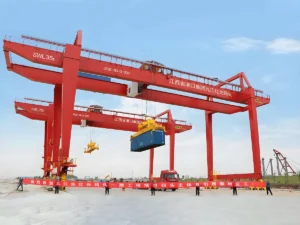
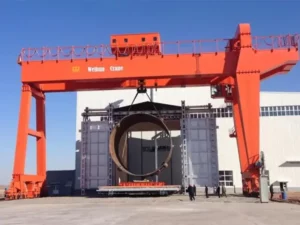
Gantry cranes are widely used in open-air stockyards, shipyards, factories, and construction sites, making them one of the most versatile and extensively applied material handling solutions. Gantry cranes come in various types, each customizable to suit different load capacities, site conditions, and operational requirements. However, selecting the wrong configuration can lead to unnecessary expenses, limited lifting capacity, or future expansion constraints. So, what are the main types of gantry cranes? How do you choose the right type for your application? In this guide, we will provide a detailed overview of different types of gantry cranes based on structure, mobility, and application scenarios, helping you make the right decision before investing in a lifting solution. The article is quite lengthy. Below is our table of contents. Please jump to the corresponding section as needed: What Is a Gantry Crane? Gantry cranes are lifting equipment designed for efficient handling of heavy cargo in large open-air sites. Their signature structure features one or more main beams supported by rigid (or flexible) legs on either side, forming a monumental “gate”-shaped frame. These cranes traverse…
 English English
  Русский
 العربية
 Français
 Português
 Español