








Tabla de contenidos
Introducción
When figuring out the Annual Maintenance Cost RTG Crane Per Year, you need to account for routine servicing, tire replacements, spare parts, mechanical and electrical repairs, and power system upkeep. Naturally, your actual yearly expenses depend heavily on the crane’s configuration, how many hours it runs, its daily workload, and its overall service life. This guide walks you through the main expenses and shows you how to put together a practical maintenance budget.
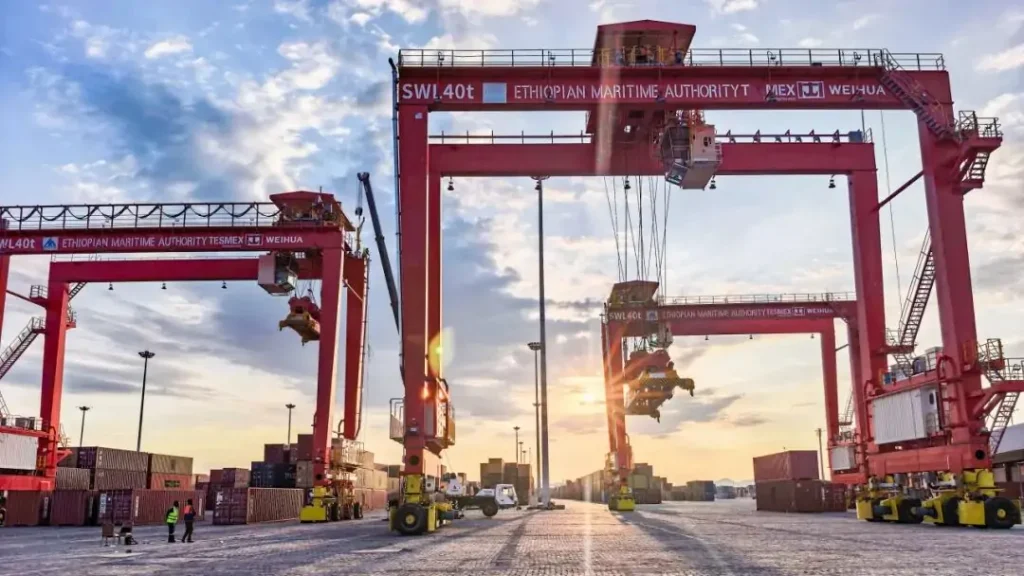
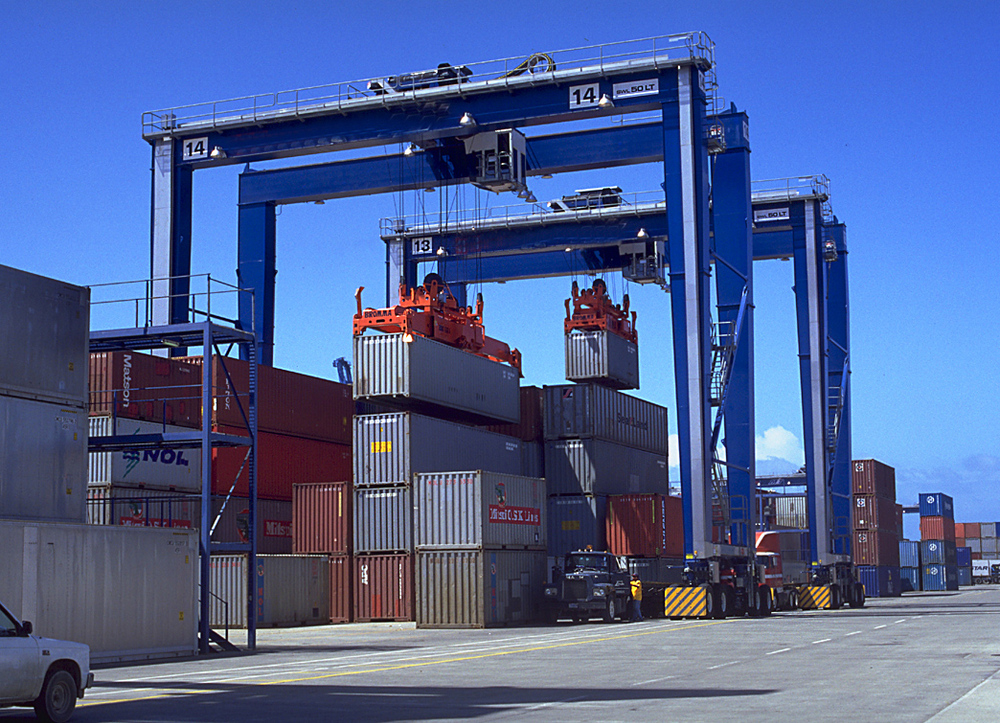
How Much Does It Cost to Maintain an RTG Crane Per Year?
The annual maintenance cost of an RTG crane consists of three main categories: planned maintenance, corrective repairs, and wear-part replacement. The total depends on crane configuration, operating hours, container handling volume, equipment age, and site conditions.
1. Planned maintenance
Scheduled inspections, lubrication, brake checks, wire rope inspection, and servicing of mechanical, electrical, and hydraulic systems.
2. Corrective repairs
Repair or replacement of failed motors, gearboxes, brakes, sensors, control components, and other damaged parts.
3. Wear-part replacement
Tires, wire ropes, brake linings, filters, seals, and other components replaced through wear or at specified service intervals.
Annual costs vary by equipment condition and operating profile. A crane working long shifts in a high-throughput container yard may require more frequent servicing and parts replacement than one with lower utilization. Diesel, electric, and hybrid RTG cranes also have different power-system maintenance requirements.
To learn about RTG crane prices, please refer to: Guía de precios de grúas RTG
What Is Included in Annual RTG Crane Maintenance Cost?
Annual RTG crane maintenance costs depend on crane capacity, operating hours, equipment age, and yard conditions. The main expenses cover six areas:
| Maintenance Category | Maintenance Tasks | Main Cost Factors |
|---|---|---|
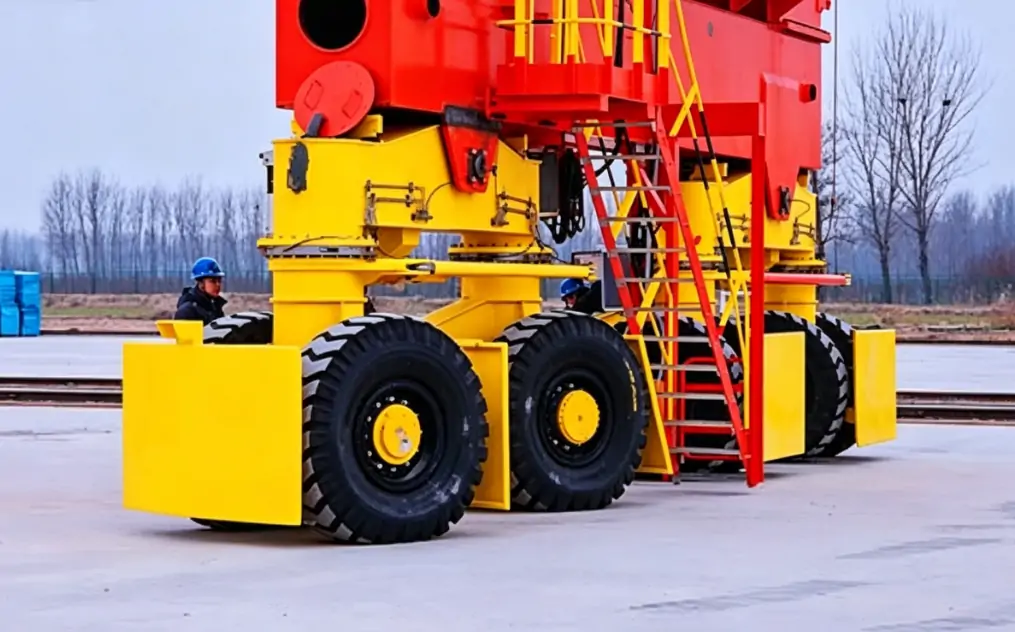
| Tire Inspection and Replacement | Check pressure, tread wear, cuts, bulges, and wheel alignment. Replace worn tires. | Wheel load, pavement condition, annual travel distance |
| Hoisting and Trolley System | Inspect wire ropes, brakes, gearboxes, bearings, and drive components. | Duty cycle, lifting frequency, component wear |
| Travel, Steering, and Hydraulic Systems | Check travel drives, steering mechanisms, hydraulic lines, cylinders, pumps, and valves. Replace oil and filters at scheduled intervals. | Travel frequency, leakage, hydraulic component condition |
| Electrical and Control Systems | Inspect motors, VFDs, sensors, control cabinets, cables, limit switches, and safety devices. | Electrical faults, component condition, repair or replacement needs |
| Sistema de Potencia | Diesel: service the engine and generator. Electric: inspect the power supply and cable reel or conductor system. Hybrid: maintain the engine and energy storage system. | Power configuration, service intervals, component condition |
| Labor, Spare Parts, and Repairs | Cover maintenance labor, spare parts, technical support, and unplanned repairs. | Local labor rates, parts availability, failure frequency, service arrangements |
The largest cost items vary by crane configuration and operating conditions. Use maintenance logs, operating hours, tire replacement records, spare-part prices, and labor rates to calculate the annual budget for each RTG crane.
What Factors Affect RTG Crane Annual Maintenance Cost?
Annual RTG crane maintenance costs vary with operating conditions, equipment condition, and maintenance practices. Five factors account for most of the difference.
- 1. Operating Hours and Handling Volume — Longer operating hours, more hoisting cycles, and frequent travel between container blocks increase wear on tires, wire ropes, brakes, and travel drives.
- 2. Crane Age and Condition — Older cranes may need more component replacements and repairs. Repeated failures, worn mechanisms, and limited spare parts availability can raise annual costs.
- 3. Load and Duty Class — Heavy loads, high operating frequency, and uneven load distribution increase stress on motors, gearboxes, bearings, and structural components. Operation beyond the crane’s rated capacity or intended duty class can accelerate wear.
- 4. Yard and Climate Conditions — Uneven pavement increases tire wear and travel system loads. Salt spray accelerates corrosion, while high humidity and extreme temperatures affect electrical components, motors, and lubricants.
- 5. Maintenance Strategy — Scheduled preventive maintenance and condition monitoring require planned labor and parts. Reactive maintenance may reduce routine spending but can lead to higher repair costs and longer downtime when major components fail.
Annual RTG crane maintenance costs depend on operating hours, load conditions, equipment age, yard environment, and maintenance practices. Reviewing operating records, component wear, and repair history helps estimate yearly expenses and plan maintenance budgets.
Diesel vs. Electric vs. Hybrid RTG Crane Maintenance Cost
RTG maintenance costs vary by power configuration. The table compares maintenance requirements only; fuel and electricity costs are excluded.
| Maintenance Item | Teledetección diésel | Generadores termoeléctricos RTG | Hybrid RTG |
|---|---|---|---|
| Engine and Generator | Engine and generator servicing, oil and filter changes | Not required for externally powered models | Engine and generator servicing; engine run hours may be lower |
| Fuente de alimentación | Fuel system, injection components, generator parts | Cable reel, conductor system, electrical interface | Fuel system and charging components, where fitted |
| Energy Storage | Not required in standard configurations | Depends on configuration | Battery or supercapacitor inspection and monitoring |
| Tires and Mechanical Parts | Tire, hoisting, steering, and drivetrain maintenance | Tire, hoisting, steering, and drivetrain maintenance | Tire, hoisting, steering, and drivetrain maintenance |
- Electric RTGs eliminate engine and fuel system servicing but require maintenance of the external power supply.
- Hybrid RTGs retain engine maintenance and add energy storage inspections.
- Diesel RTGs require regular engine, generator, and fuel system servicing.
Tire replacement, wire rope renewal, and mechanical maintenance apply to all three types. Actual annual costs depend on equipment configuration, operating hours, site conditions, and local service rates.
How to Calculate Annual RTG Crane Maintenance Cost
Calculate annual RTG crane maintenance costs by category rather than applying a flat percentage of equipment value.
Annual Maintenance Cost = Scheduled Servicing + Labor + Spare Parts + Tire Replacement + Power System Maintenance + Unplanned Repairs
Scheduled Servicing: Include inspections, lubrication, oil and filter changes, brake adjustment, and wire rope checks based on OEM service intervals.
Labor: Calculate internal technician hours and external service fees using the applicable hourly rates.
Spare Parts: Estimate annual spending on filters, lubricants, brake linings, wire ropes, and replacement components from service records or OEM replacement schedules.
Tire Replacement: Divide the expected tire set cost by its service life in years. Adjust the estimate for wheel loads, pavement condition, and annual travel distance.
Power System Maintenance: Include engine and generator servicing for diesel RTGs, power supply equipment inspections for electric RTGs, and engine plus energy storage maintenance for hybrid RTGs.
Unplanned Repairs: Use historical breakdown costs where available. If records are unavailable, establish a provisional contingency based on crane age, operating intensity, and equipment condition.
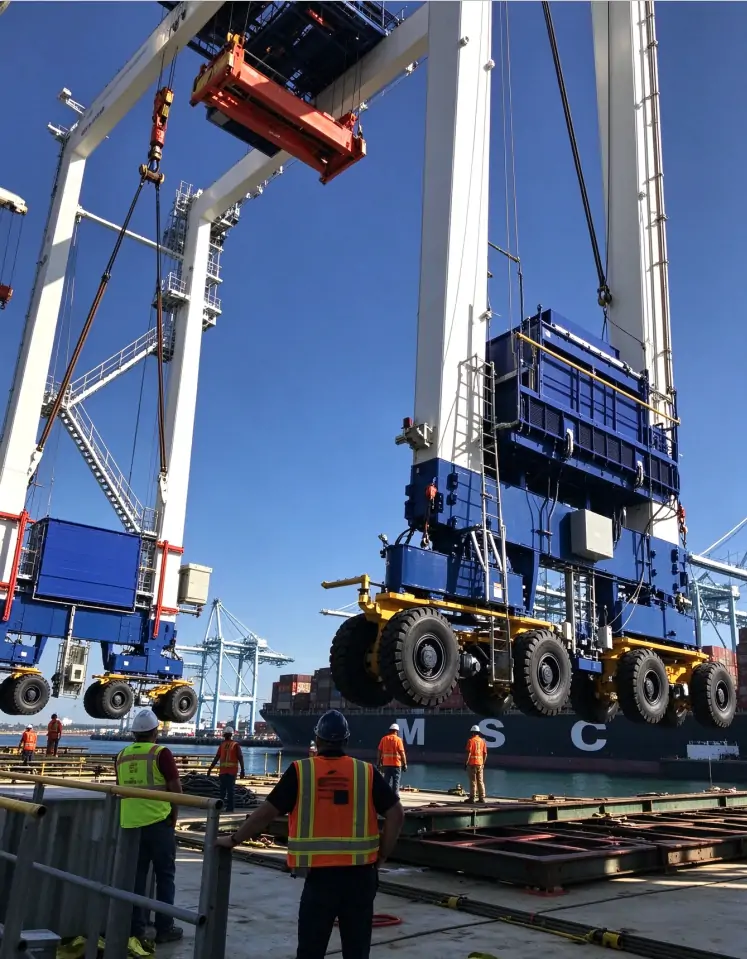
For components replaced over several years, allocate the expected replacement cost across the service cycle. Record unit prices, expected service life, and calculation assumptions for annual budget reviews.
How to Reduce RTG Crane Maintenance Costs
RTG maintenance costs depend on component wear, repair frequency, and maintenance planning. The following practices address the main sources of unnecessary spending.
1. Follow Manufacturer Service Intervals
Inspect hoisting systems, brakes, travel drives, and steering mechanisms according to the OEM maintenance schedule. Check wire ropes, brake linings, gearboxes, and bearings for wear.
2. Record Equipment Wear and Failures
Log tire condition, component failures, repair hours, and spare parts consumption. Use the records to identify recurring faults and high-maintenance components.
3. Match Maintenance to Operating Conditions
Set inspection intervals according to operating hours, lifting cycles, travel distance, and load intensity. Apply shorter intervals to cranes running frequent shifts or handling heavy loads.
4. Find the Cause of Repeated Failures
Check alignment, lubrication, load conditions, electrical faults, and installation quality when the same component fails repeatedly. Replacing parts without addressing the cause adds repair costs.
5. Budget Spare Parts from Service Records
Forecast demand for tires, wire ropes, brake linings, filters, and electrical components using actual consumption and replacement intervals. Keep critical parts available according to lead time and failure risk.
Maintenance records and fault analysis provide a practical basis for controlling repair costs and planning annual expenditure.
How to Budget Annual RTG Crane Maintenance
An annual RTG maintenance budget should reflect the crane’s configuration, operating history, and site conditions. Prepare the following information before estimating costs:
- Crane model and years in service
- Annual operating hours and handling intensity
- Power configuration: diesel, electric, or hybrid
- Maintenance and breakdown records
- Tire condition and replacement history
- Spare parts prices and delivery lead times
- Service contract scope and labor rates
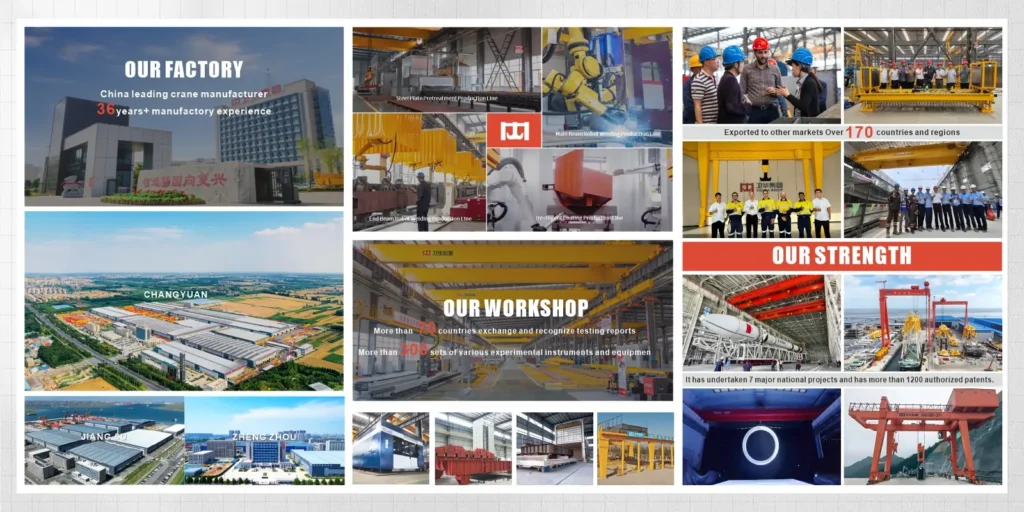
WEIHUA can discuss maintenance planning and spare parts requirements based on your RTG crane model, operating conditions, and project needs. Contact our team to review your equipment configuration and prepare a maintenance plan for your terminal.
Preguntas frecuentes
How much does it cost to maintain an RTG crane per year?
Annual maintenance costs depend on crane configuration, operating hours, equipment age, and site conditions. Calculate the budget from scheduled servicing, labor, spare parts, tire replacement, power system maintenance, and unplanned repairs. Use actual maintenance records and supplier quotations rather than an unverified industry-wide figure.
What is included in RTG crane annual maintenance?
Annual maintenance covers tire inspection and replacement, hoisting and trolley systems, travel and steering mechanisms, hydraulic systems, electrical controls, and power system servicing. Labor, spare parts, inspections, and corrective repairs should also be included in the budget.
How often should an RTG crane be serviced?
Service intervals depend on the manufacturer’s maintenance schedule, operating hours, duty class, and working conditions. Daily checks, periodic inspections, and scheduled component servicing should follow the OEM manual. Heavy-use cranes may require more frequent inspections.
How much does RTG crane tire replacement cost?
Tire replacement costs depend on tire size, load rating, unit price, number of tires replaced, and labor charges. Tire life varies with wheel load, pavement condition, steering practices, and travel distance. Calculate annual tire costs using local quotations and the expected replacement cycle.
Does an electric RTG crane cost less to maintain than a diesel RTG crane?
An electric RTG eliminates engine and fuel system servicing but requires maintenance of its external power supply, cable reel, or conductor system. A diesel RTG requires engine, generator, and fuel system maintenance. Total costs depend on equipment configuration, operating conditions, and local service rates.
What are the most expensive RTG crane maintenance items?
Major expenses can include tire replacement, wire rope renewal, gearbox or motor repairs, drive system components, and power system maintenance. The highest cost varies with crane age, operating intensity, component condition, and power configuration.
How does operating frequency affect annual RTG crane maintenance cost?
Longer operating hours and more lifting and travel cycles increase wear on tires, wire ropes, brakes, bearings, and drive components. High-utilization cranes may require more frequent inspections, part replacements, and repairs than cranes used intermittently.
How can I estimate an RTG crane maintenance budget?
Collect the crane model, years in service, annual operating hours, power configuration, maintenance records, tire condition, spare parts prices, and service contract details. Calculate scheduled servicing, labor, parts, tire replacement, power system maintenance, and unplanned repairs as separate budget items.