
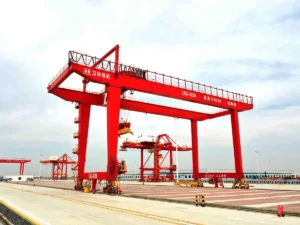
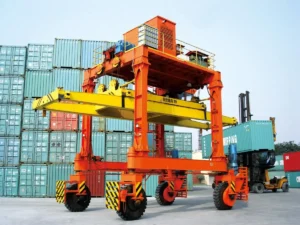
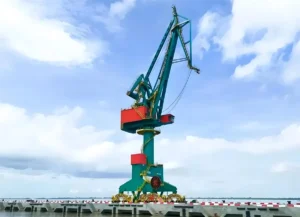
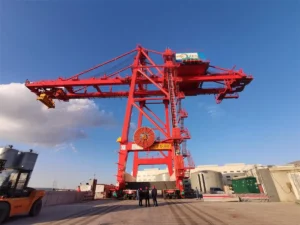
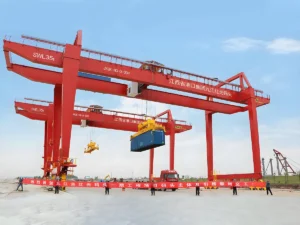
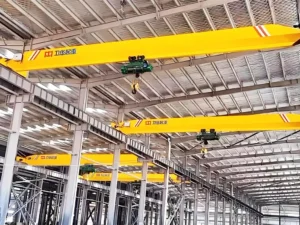
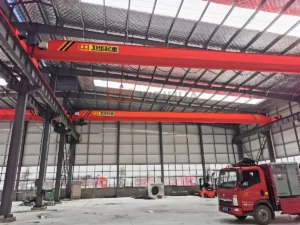
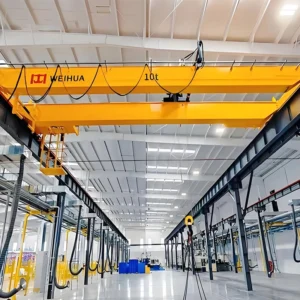
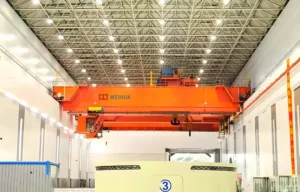
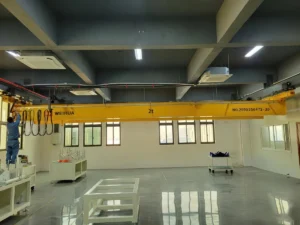
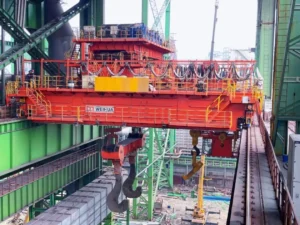
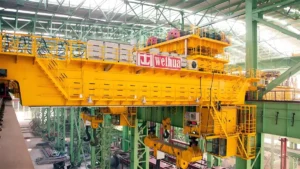
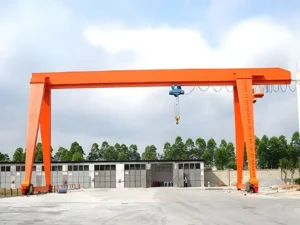
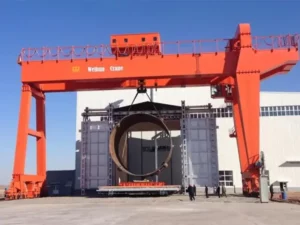
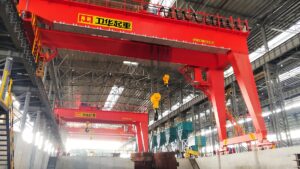
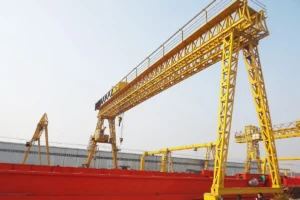


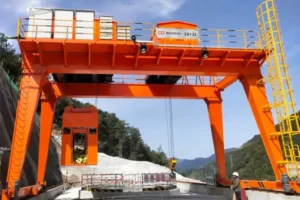

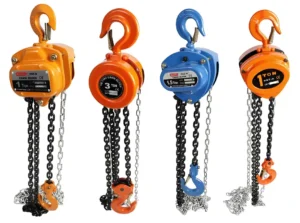
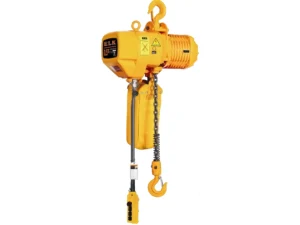
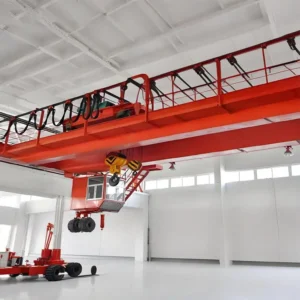


How Much Can a Gantry Crane Lift? The lifting capacity of a gantry crane ranges from small workshop loads to hundreds of metric tonnes, depending on the crane type and its approved configuration. For a specific lift, the governing limit is the manufacturer’s rated capacity, not the largest figure advertised for the crane family. The workpiece and any below-hook lifting equipment must remain within the applicable load rating.
The crane’s rated capacity is only one part of the selection process. Load weight, lifting attachments, span, lifting height, duty class, and site conditions all affect the required configuration. Selecting a crane based on tonnage alone can lead to an unsuitable design or operating limitations. This guide explains how much a gantry crane can lift, what determines its load limits, and how to select the right capacity for your lifting requirements.
Gantry Crane Capacity Ranges
The gantry crane capacity chart below compares selected configurations published on our product pages. A range describes a product family; it does not mean every capacity, span and lifting height can be combined. This comparison is not an operating load chart.
| Published configuration | Listed capacity | Application and selection notes |
|---|---|---|
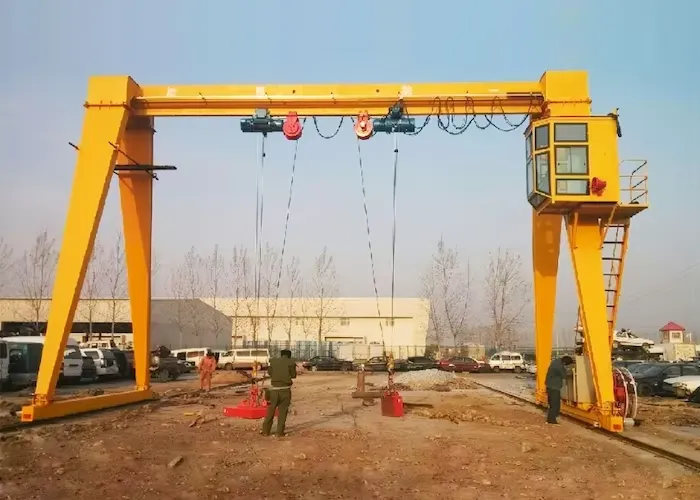
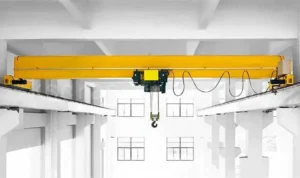
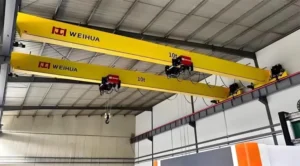
| Single box-girder gantry crane | 3–16 t | Workshop and yard handling; match the specified hoist and span. |
| MH single-girder truss gantry crane | 3–20 t | Outdoor material handling; assess wind exposure and rail foundations. |
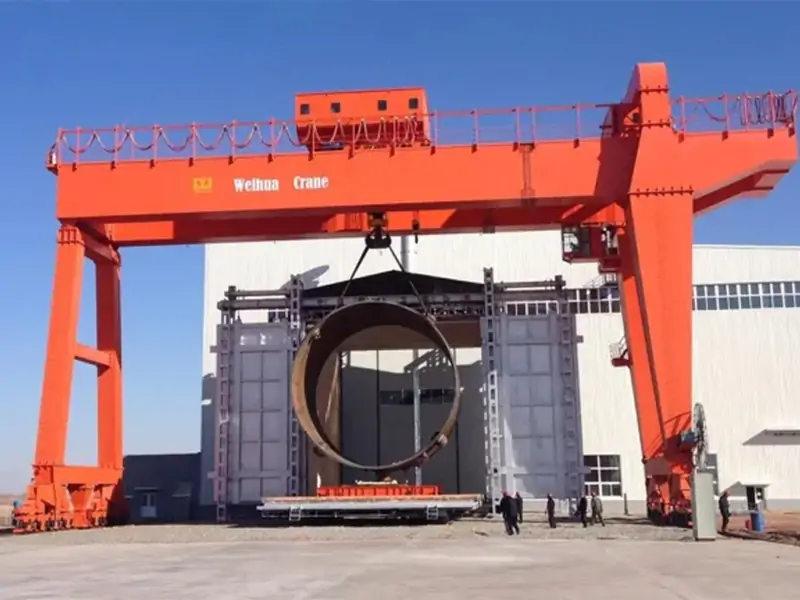
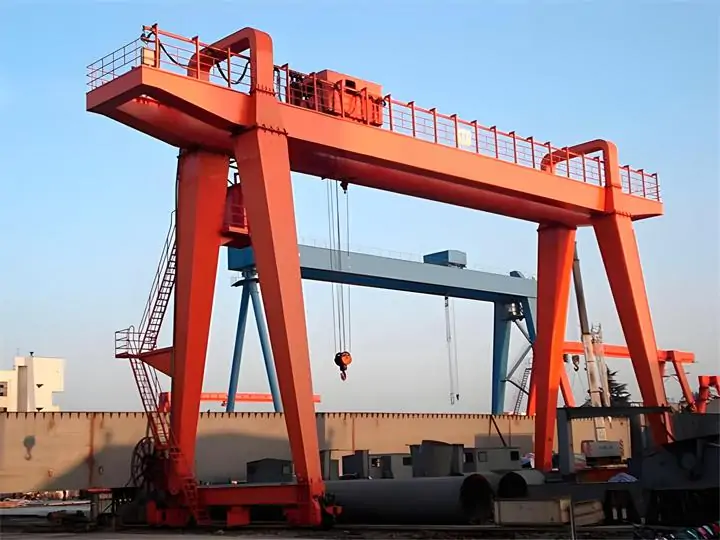
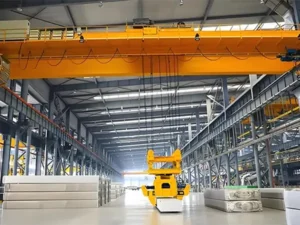
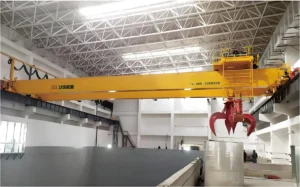
| Universal double-girder gantry crane | 10–200 t | Heavy fabrication, precast components and equipment assembly. |
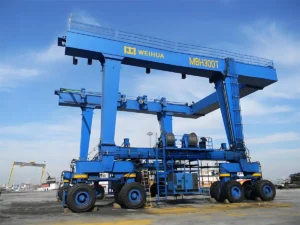
| Rubber-tyred double-girder gantry crane | 30–200 t | Sites requiring wheeled travel; ground conditions and the approved travel mode need assessment. |
The configuration sections on the single-girder gantry crane product page and double-girder gantry crane product page. Confirm the model-specific specifications and drawings before selection. The figures above do not establish the maximum capacity WEIHUA can supply for a custom project.
Single-Girder Configurations
One main girder supports the hoist and trolley. The published examples above cover different structural arrangements, so the capacity of a box-girder model should not be assumed to apply to a truss or semi-gantry model. Check the actual configuration rather than choosing by girder count alone.
Compare the single-girder models and specifications for the required lifting path and available headroom.
Get Custom Quotation Now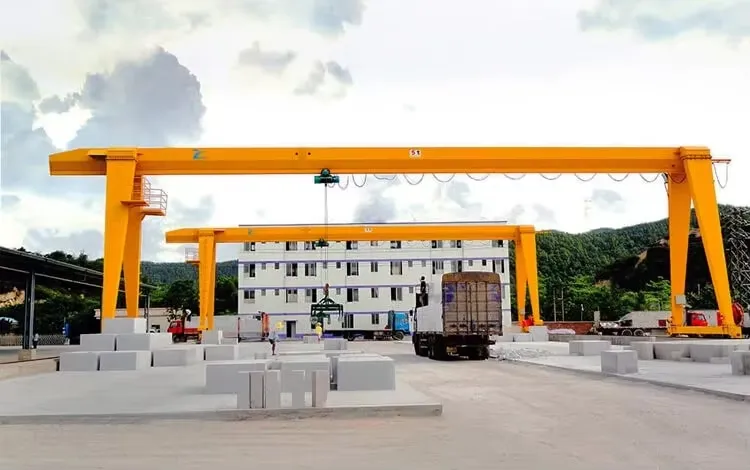
Double-Girder and Custom Systems
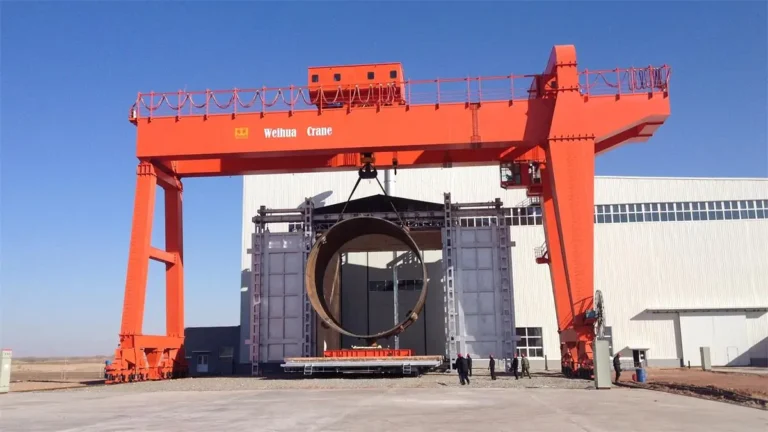
Two main girders accommodate a trolley and lifting arrangement suited to larger loads or demanding operating cycles. The selected hoist, structure, span and duty requirements determine the final rating. A double-girder design is not automatically suitable for every heavy lift.
Custom shipyard, infrastructure and other large lifting systems need a project-specific specification. There is no single maximum capacity that applies to all gantry cranes. For a custom system, request the model-specific rating, approved lifting arrangement, and supporting technical documentation.
Get Custom Quotation NowPortable workshop gantries form a separate selection category. Their permitted load and movement restrictions depend on the model, height, and span settings. Do not infer their rating from industrial rail-mounted examples, and do not move a suspended load unless the manufacturer expressly permits that operating mode.
Rated Capacity and the Actual Suspended Load
Rated capacity is the maximum load specified by the manufacturer for an approved crane configuration and operating conditions. Check the nameplate, load markings, operating manual, and any configuration-dependent rating instructions. A product-family brochure does not replace these documents.
The workpiece weight alone may understate the load on the crane. Include the applicable lifting equipment below the hook, using the manufacturer’s rated-capacity definition. Check how the hook block and any permanently fitted attachment are treated so that equipment is neither omitted nor counted twice.
| Load component | What to check |
|---|---|
| Workpiece | Use a verified weight, including contents or other items lifted with it. |
| Lifting or spreader beam | Include its own weight where applicable to the rating definition. |
| Attachments | Account for grabs, magnets, clamps or other tools in the lifting arrangement. |
| Rigging | Include applicable slings, shackles and other below-hook accessories. |
Normal lifting operations must not exceed the approved rated capacity. The design safety factor is not spare lifting capacity. An overload limiter, where fitted, does not make an overload permissible. If the planned lift exceeds the available rating, stop and obtain a suitable crane or an engineered alternative lifting arrangement.
How to Calculate the Required Capacity
Start with the total suspended load, then compare it with the crane rating for the intended configuration. This calculation identifies the load requirement; it is not a structural design calculation.
Total suspended load = workpiece + lifting beam + attachments + applicable rigging
Illustrative Calculation
This example shows how lifting equipment contributes to the total suspended load.
| Component | Example weight |
|---|---|
| Workpiece | 18.0 t |
| Lifting beam and attachments | 1.5 t |
| Applicable rigging | 0.5 t |
| Total suspended load | 20.0 t |
A crane rated below 20 t would not meet this example’s load requirement. A 20 t rating is only a candidate if its capacity definition includes the applicable equipment and the complete configuration is approved for the intended lift. Weight uncertainty, off-centre loading, operating restrictions and future loads must be resolved during selection. Do not apply a universal extra percentage as a substitute for engineering assessment.
For two-hoist arrangements, do not simply add the individual hoist ratings. The permitted combined load, load sharing, hook positions, and simultaneous operating mode must be established by the crane manufacturer or the responsible engineer.
What Affects Capacity and Crane Selection?
These factors guide design and selection. For an installed crane, continue to use the manufacturer-approved rating for its current configuration; do not calculate a higher allowable load from general design principles.
| Factor | Why it matters | Information to provide |
|---|---|---|
| Span and hook coverage | Span changes girder bending and deflection; hook coverage determines whether the lifting points can be reached. | Rail centres, required working width, cantilever reach and clearance. |
| Lifting height and headroom | The hoist, reeving and upper clearances must accommodate the lift and lifting gear. | Required hook height, load height, attachment depth and overhead obstructions. |
| Load distribution | An offset centre of gravity or uneven hook loading changes the forces in the lifting system. | Centre of gravity, lifting points, orientation and any two-hoist arrangement. |
| Duty and operating cycles | Repeated heavy lifts and long operating hours affect fatigue and component selection. | Lifts per hour, hours per shift and a realistic load spectrum. |
| Wind and site support | Wind acting on the load affects control; rails, foundations or ground must support the equipment and wheel loads. | Indoor or outdoor use, exposed load area, site layout and supporting-structure data. |
For adjustable portable gantries, check whether capacity changes with span or height settings. For outdoor cranes, follow the specified wind operating limits and parking instructions. A stronger girder does not remove limitations in the hoist, trolley, travel system, or supporting structure.
Matching Capacity to the Application
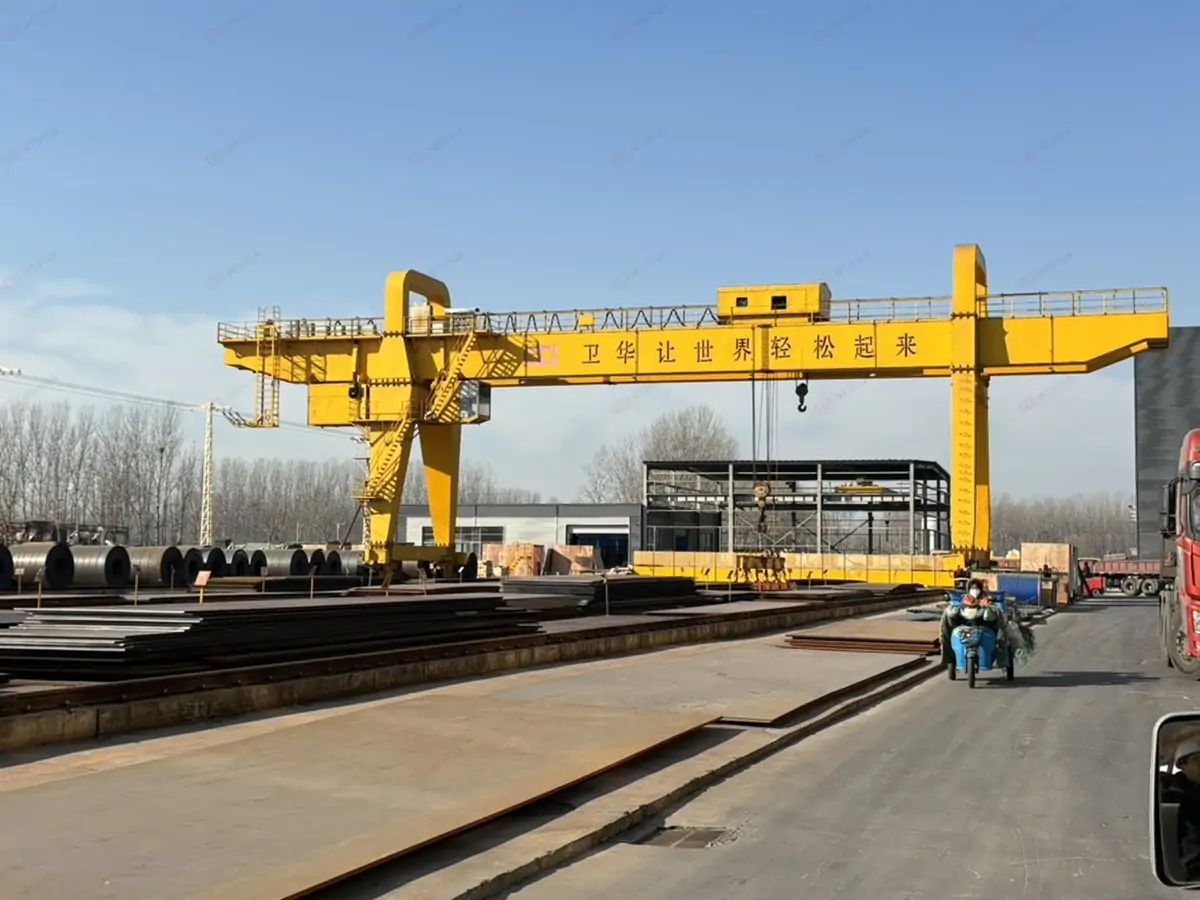
Fabrication and Steel Yards
Record the heaviest plate, coil, or fabricated assembly together with its grab, magnet, or lifting beam. Large dimensions and an offset centre of gravity can matter as much as nominal tonnage.
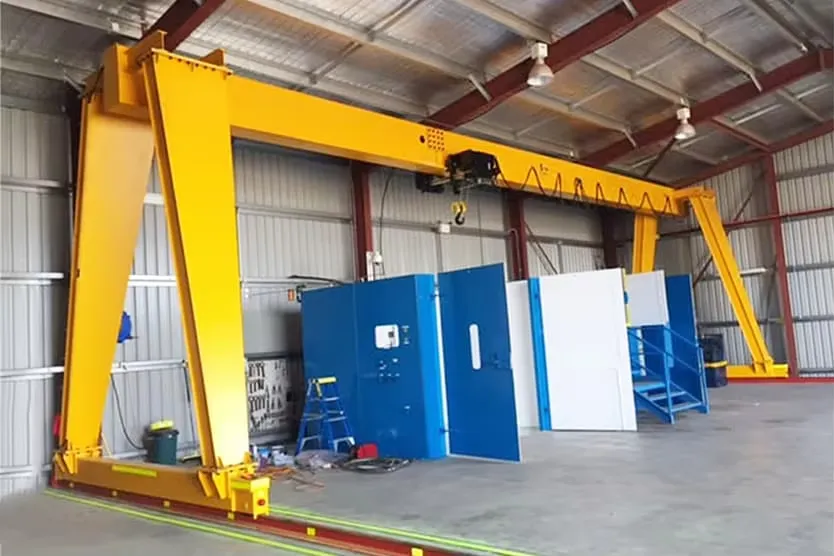
Precast and Equipment Assembly
Check the component weight at the lifting stage, lifting-point positions, and beam geometry. Verify how the load will be turned, positioned, and moved through the yard.

Maintenance and Workshops
Check available floor space, headroom, lifting height, and the route to the maintenance position. For portable frames, verify caster restrictions and whether loaded travel is permitted.
What to Send for a Crane Proposal
A useful inquiry describes the lift and the site rather than giving only a target tonnage. Prepare the following information so that proposals can be compared on the same basis.
| Requirement | Details to include |
|---|---|
| Load and lifting equipment | Maximum verified workpiece weight, dimensions, centre of gravity, lifting points, and attachment and rigging weights. |
| Working envelope | Span, lifting height, headroom, cantilever requirements, hook coverage and travel distance. |
| Operating pattern | Typical and maximum loads, cycles per hour, working hours and required lifting or travel speeds. |
| Site and utilities | Layout, indoor or outdoor use, rail or wheel arrangement, ground or foundation information, power supply and environmental exposure. |
| Technical and service scope | Applicable standards, controls, safety functions, drawings, documentation, installation guidance, training and maintenance requirements. |
Compare quotations against the same technical scope. Check the approved capacity definition, supplied lifting attachments, installation requirements and exclusions before placing an order.
Conclusion
The capacity examples in this guide refer to the configuration sections and specification table on the WEIHUA single-girder gantry crane page and the Universal Double Girder and Rubber-Tyred sections on the WEIHUA double-girder gantry crane page. These published descriptions support preliminary comparison; the confirmed project specification, drawings, and operating documentation govern the supplied equipment.
For related background, see how a gantry crane works and the gantry crane product range.

FAQ
How much can a gantry crane lift?
There is no single capacity for all gantry cranes. WEIHUA’s published single-girder specification table includes 3–20 t configurations, while its universal double-girder configuration is listed at 10–200 t. The permissible load for an individual crane is its approved rated capacity, including applicable lifting equipment.
Does a lifting beam count toward the crane load?
Its weight must be accounted for according to the crane’s rated-capacity definition. Include applicable attachments and rigging as well, and check how permanently fitted equipment is treated to avoid double-counting.
Does a longer span reduce the rated capacity?
A longer span increases structural demands. A crane designed for that span may retain its specified rating through a different structural design. For an adjustable model, use the manufacturer’s capacity for the selected span setting; do not assume the original rating remains valid.
Can a portable gantry crane move with a suspended load?
Only when the manufacturer explicitly permits it for the selected model and configuration. Follow its restrictions on load, floor conditions, travel direction, and movement method. Wheels alone do not establish permission for loaded travel.
Is a capacity chart the same as an operating load chart?
No. A comparison chart summarises equipment families or published examples. An operating load chart or model-specific rating instruction defines permissible loads for the actual equipment and configuration. Use the latter when planning a lift.
Can two hoists lift their combined rated capacities?
Do not assume so. The structure, hoist positions, load distribution, and approved simultaneous lifting mode may impose a different combined limit. Obtain the permitted arrangement and rating before planning the lift.