- ProductEquipmentPrecision Power, Customization Crane SolutionE-mail:WhatsApp / Wechat:+8613781917315Address:No.18 Shanhai Road, Changyuan City, Henan Province, China


When heavy loads need to move and fixed overhead cranes aren’t an option, a portable gantry crane delivers the lifting capacity, flexibility, and safety professionals depend on. Designed for automotive repair shops, warehouses, construction sites, and fabrication facilities, our adjustable gantry cranes combine industrial-grade strength with genuine portability.
Each crane features stepless height and span adjustment, heavy-duty locking caster wheels for smooth repositioning, and structural A36 steel construction rated to a 4:1 safety factor. Assembly requires no special tools and takes under 30 minutes — one person, one wrench, ready to work.
Our mobile gantry crane range covers capacities from 0.5 ton to 10 tons, with height adjustments reaching up to 16 feet, making them suitable for everything from a single-bay garage to a full industrial floor. Every model ships CE certified and ASME B30.2 compliant, with a factory load test certificate included.
Whether you’re pulling an engine, repositioning machinery, or handling freight without a forklift, a portable gantry crane gives you a safe, proven solution that moves with your work — not against it.
Not all portable gantry cranes are built the same. Structural design, adjustability, and portability vary significantly across types — and choosing the wrong configuration means a crane that doesn’t fit your space, your workflow, or your load. Browse by structure type below to find the model that works the way you do.
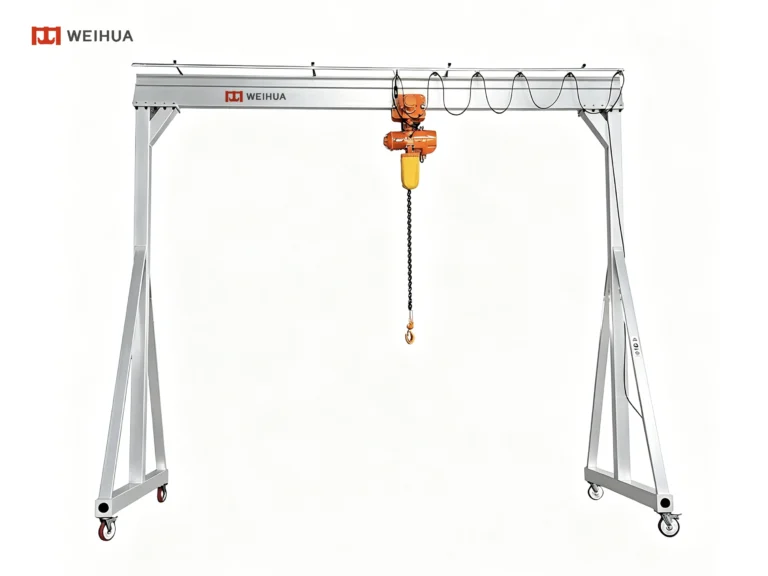
A fixed-height gantry crane offers maximum structural rigidity at a set working height. With no telescoping columns or adjustment hardware, the frame is lighter, simpler, and exceptionally stable under continuous or high-cycle lifting operations. Ideal for dedicated workstations where the lifting height never changes.
Best for: Production lines, dedicated assembly stations, permanent shop setups
Capacity range: 0.5T – 10T
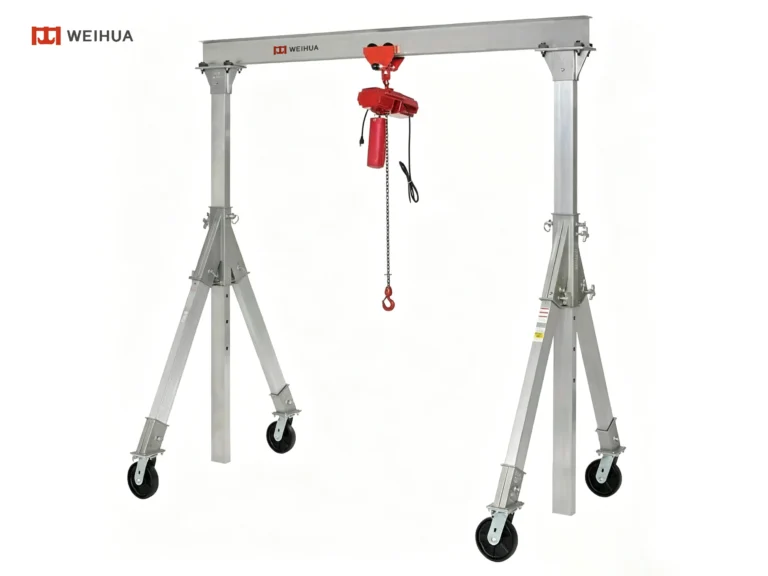
The most versatile option in the range. Telescoping leg columns allow continuous height adjustment, and slotted base rails let you widen or narrow the leg span to fit different workspaces or load sizes. One crane adapts to multiple jobs across a single facility — or moves between job sites entirely.
Best for: Multi-purpose shops, automotive repair, warehouses, rental fleets
Capacity range: 0.5T – 10T
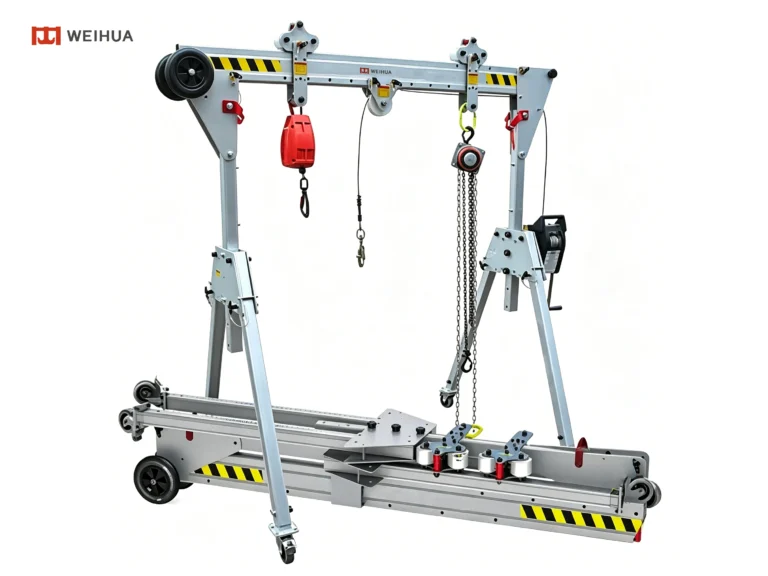
A folding gantry crane breaks down to a compact flat profile without disassembling individual components. Hinged leg joints and a collapsible beam allow the entire crane to fold in minutes and stand upright against a wall or slide into a vehicle. No loose bolts, no lost hardware between uses.
Best for: Mobile service technicians, contractors, space-constrained garages, shared-tool environments
Capacity range: 0.5T – 3T
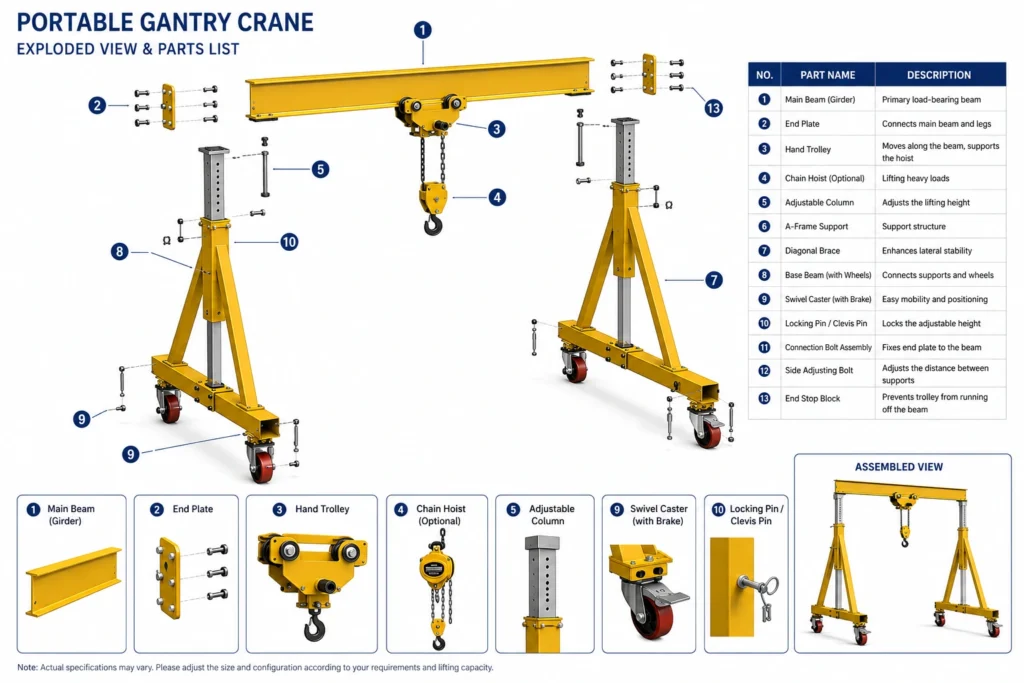
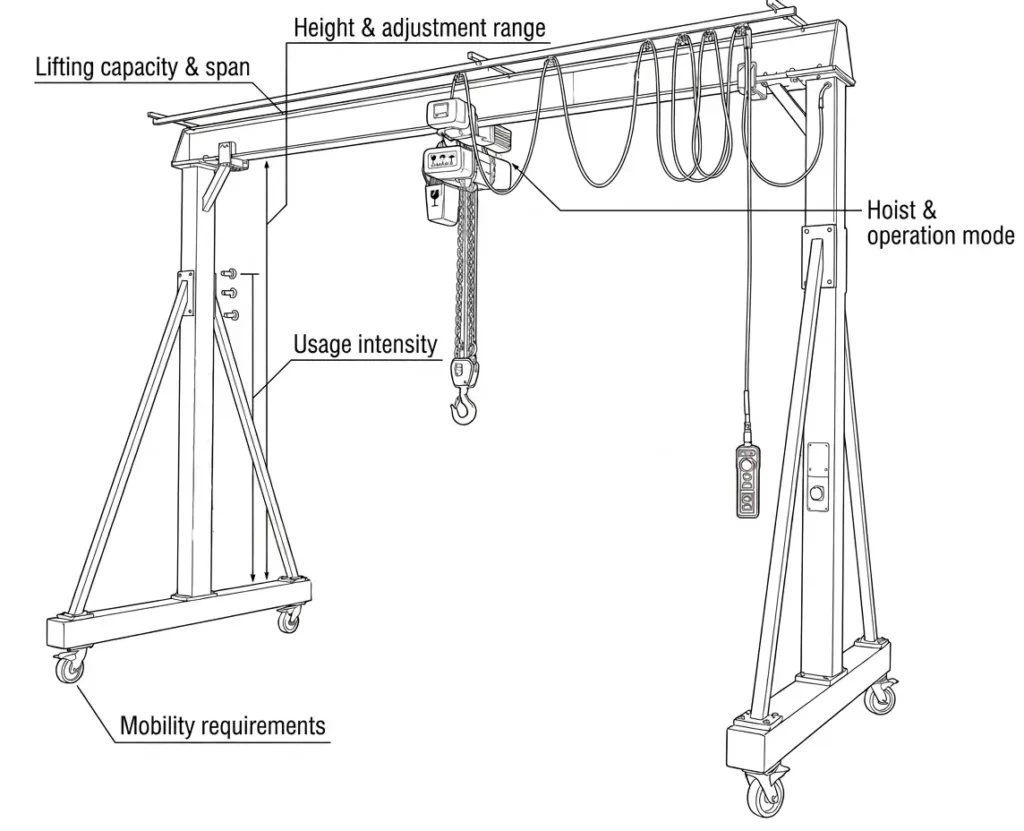
The main beam runs the full working width of the crane and carries 100% of the lifted load. Built from structural A36 steel — I-beam profile on 0.5T–3T models, wide-flange H-beam on 5T–10T models — it is engineered to minimize deflection at maximum rated capacity. The precision-machined bottom flange provides a flat, consistent running surface for any compatible trolley or hoist, ensuring smooth lateral load positioning across the full beam length.
Two A-frame leg assemblies support the main beam at each end. Each leg uses a telescoping inner-and-outer column design, allowing continuous height adjustment from 6 ft (PGC-0.5T) up to 18 ft (PGC-10T). Column wall thickness scales with capacity — 4 mm on light models, 6 mm on 5T and 10T — keeping the structure rigid under full load. The wide A-frame stance distributes weight evenly to the casters and resists lateral tipping during dynamic lifts.
A single integrated system controls both working height and leg-to-leg span. Height is set via hardened steel locking pins and Grade-8 bolts at clearly marked 6-inch increments on each leg column. Span is adjusted along slotted base rails before rigging. Together, these two adjustments let the crane fit a low-ceiling garage bay or a wide industrial bay without any cutting, welding, or permanent modification.
Four swivel casters provide full floor mobility between lifts. Wheel size and load rating scale with crane capacity: 6-inch polyurethane on 0.5T–2T models, 8-inch rubber on 3T–5T, and 10-inch industrial cast iron on the 10T. Every set includes two dual-action locking brakes that independently stop both wheel rotation and swivel movement — lock all four before any lift to convert the mobile frame into a fixed, stable platform.
Diagonal cross braces connect the inner and outer leg tubes on each A-frame, triangulating the structure and eliminating racking under off-center or dynamic loads. On 3T and above, a horizontal tie rod spans the upper leg pair for additional rigidity. The 10T model adds a second lower cross brace per leg pair, providing full-height triangulation rated for the highest shear forces in the range. All connections use clevis-pin hardware for tool-free assembly and disassembly.
A portable gantry crane operates on a straightforward mechanical principle: two vertical leg assemblies support a horizontal beam overhead, and a hoist mounted to that beam generates the lifting force. When the hoist is activated — by hand chain or electric motor — it winds a load chain or wire rope around a drum, converting rotational force into vertical lift. The load travels straight up, suspended from a hook beneath the hoist.
What makes a portable gantry crane distinct is the mobility built into every part of the system. The beam sits at an adjustable height above the floor, the legs stand on locking caster wheels, and the hoist or trolley slides laterally along the beam. This gives you three axes of load control: raise and lower with the hoist, move side to side along the beam with the trolley, and reposition the entire crane across the floor by rolling it on its casters. Together, these three movements allow a single operator to pick up a load, position it precisely, and set it down exactly where it needs to go — without a second person, without a forklift, and without a fixed crane installation.
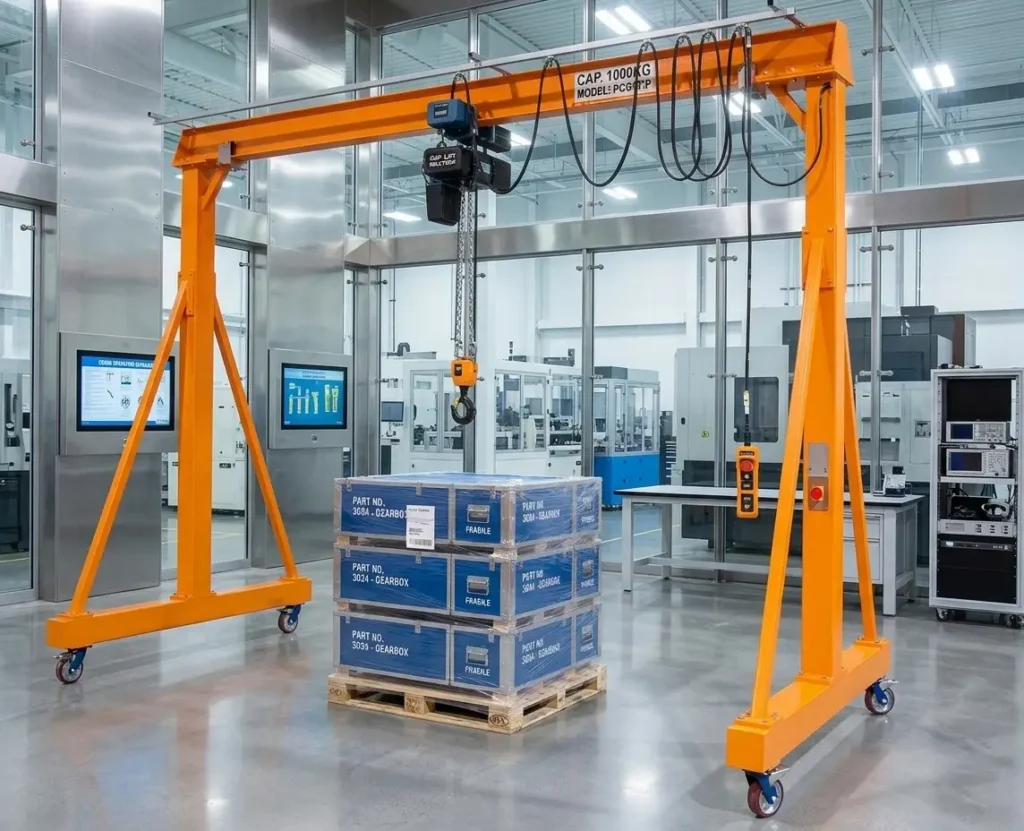
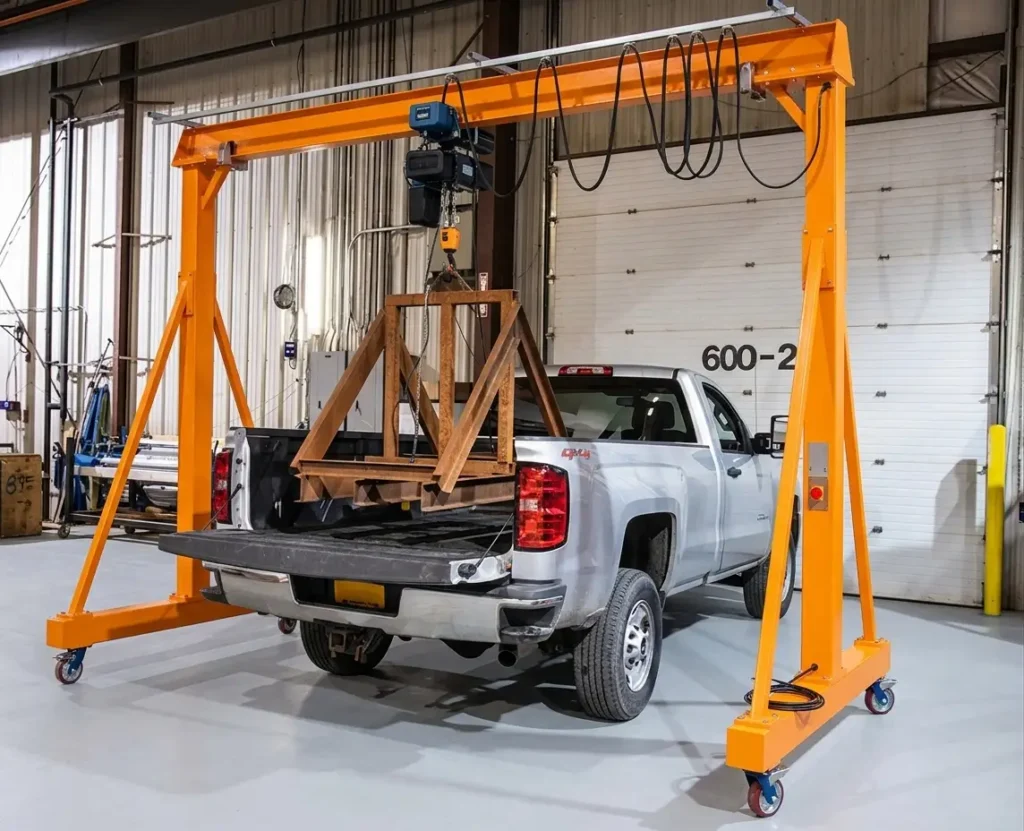
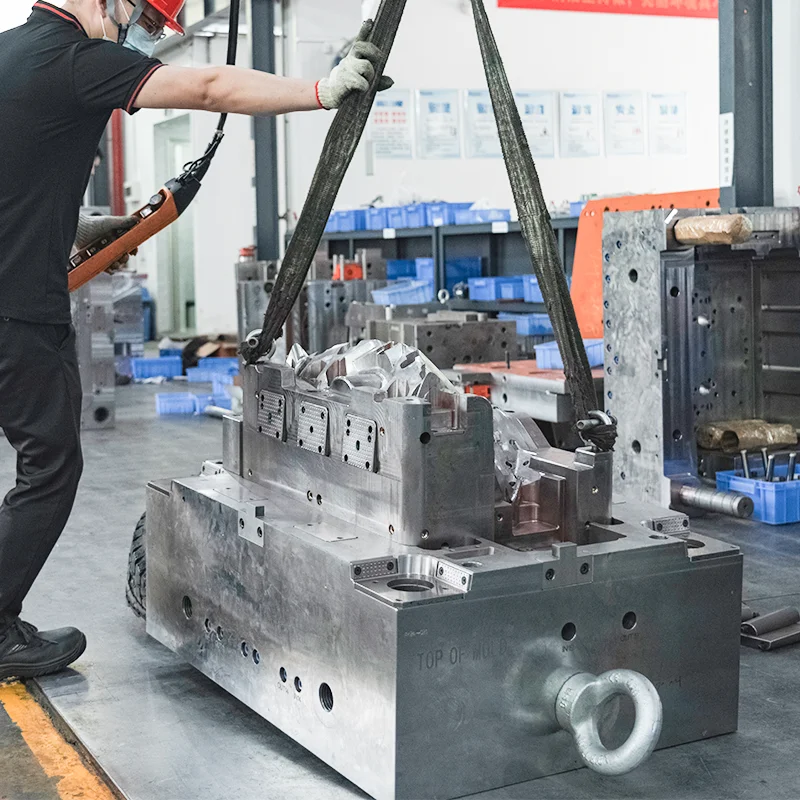
A medium-to-large mold manufacturing company specializing in injection molds and precision metal molds faced a common challenge: as individual mold weights grew to between 200 kg and 1 ton, their existing forklift and manual handling methods could no longer meet the precision, safety, or efficiency demands of modern assembly work.
The solution was a customized mobile portable gantry crane — 0.5T to 1T capacity, 3.5-meter span, with a 1–3 meter lifting height range. Fitted with PU caster wheels for rail-free floor mobility and driven by an electric chain hoist with variable frequency speed control, the crane moved freely between workstations, eliminated manual lifting risks, and delivered the positioning accuracy precision mold assembly requires.
The result: measurably improved production efficiency, a safer working environment, and a lifting system flexible enough to adapt to different mold sizes and changing workshop layouts — all without permanent installation or structural modification to the facility.
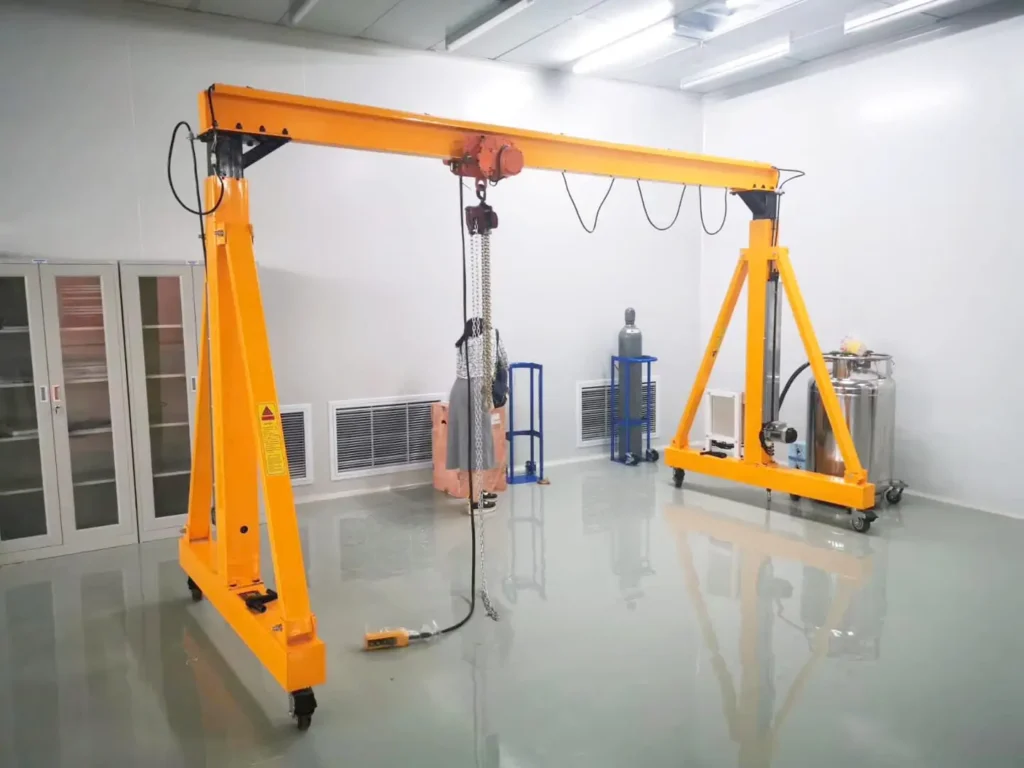
Model Naming: PGC stands for Portable Gantry Crane. Each model is designated by its rated lifting capacity — for example, PGC-2T denotes a Portable Gantry Crane with a 2-ton rated capacity.
| Parameter | PGC-0.5T | PGC-1T | PGC-2T | PGC-3T | PGC-5T | PGC-10T |
|---|---|---|---|---|---|---|
| Lifting Capacity | 0.5 t (1,100 lbs) | 1 t (2,200 lbs) | 2 t (4,400 lbs) | 3 t (6,600 lbs) | 5 t (11,000 lbs) | 10 t (22,000 lbs) |
| Min. Height | 6 ft (1.8 m) | 7 ft (2.1 m) | 8 ft (2.4 m) | 8 ft (2.4 m) | 10 ft (3.0 m) | 12 ft (3.6 m) |
| Max. Height | 10 ft (3.0 m) | 12 ft (3.7 m) | 14 ft (4.3 m) | 15 ft (4.6 m) | 16 ft (4.9 m) | 18 ft (5.5 m) |
| Min. Span | 6 ft (1.8 m) | 8 ft (2.4 m) | 9 ft (2.7 m) | 10 ft (3.0 m) | 12 ft (3.7 m) | 14 ft (4.3 m) |
| Max. Span | 10 ft (3.0 m) | 12 ft (3.7 m) | 13 ft (4.0 m) | 14 ft (4.3 m) | 16 ft (4.9 m) | 18 ft (5.5 m) |
| Beam Length | 10 ft (3.0 m) | 12 ft (3.7 m) | 13 ft (4.0 m) | 14 ft (4.3 m) | 16 ft (4.9 m) | 18 ft (5.5 m) |
| Net Weight | 132 lbs (60 kg) | 198 lbs (90 kg) | 286 lbs (130 kg) | 374 lbs (170 kg) | 528 lbs (240 kg) | 880 lbs (400 kg) |
| Caster Size | 6 in | 6 in | 6 in | 8 in | 8 in | 10 in |
| Safety Factor | 4:1 | 4:1 | 4:1 | 4:1 | 4:1 | 4:1 |
| Certification | CE / ASME B30.2 | CE / ASME B30.2 | CE / ASME B30.2 | CE / ASME B30.2 | CE / ASME B30.2 | CE / ASME B30.2 |
All height and span values indicate the adjustment range. Dimensions shown are for standard configurations; custom sizes are available on request.
Gantry cranes must be inspected regularly during operation to ensure safe use. For a detailed inspection checklist, see the article: “Gantry Crane Inspection Checklist: Daily, Monthly, and Annual Inspection Guide.”
Getting the right portable gantry crane starts with the right questions. Share your application details and our engineering team will recommend the ideal configuration or prepare a custom quote within 24 hours.
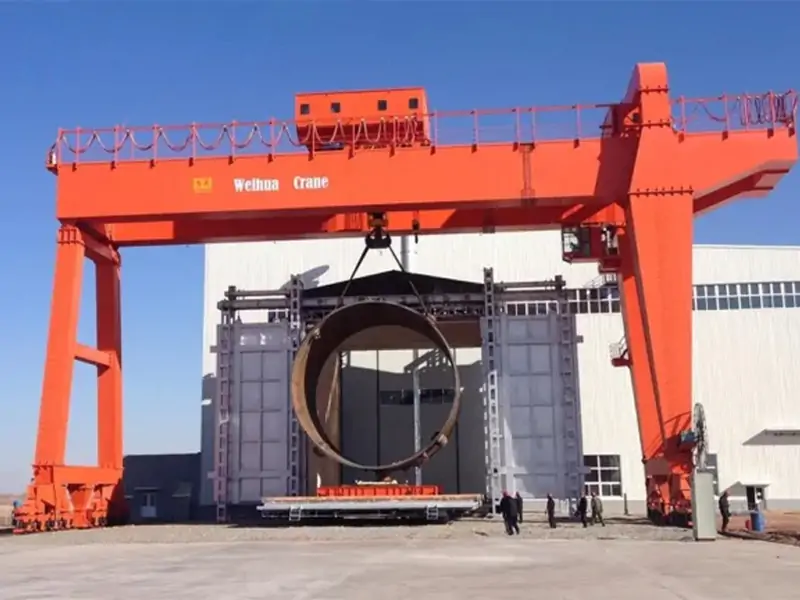
WEIHUA is a leading global portable gantry crane manufacturer and supplier, with excellent engineering technology driving efficient lifting operations across diverse industries worldwide. We can tailor an exclusive custom portable gantry crane solution for you, covering selection consultation, installation, commissioning, and lifelong maintenance. If you are looking for the most reliable portable gantry crane for sale, please contact our expert team immediately to obtain a customized quotation and technical plan.
Weihua, founded in 1988, has evolved into a global leader in China's intelligent manufacturing field. We specialize in smart crane R&D and production while offering AGV solutions. Our professional engineering, delivery, and after-sales teams provide one-stop technical support, customized solutions, on-site installation guidance, and rapid-response global services to ensure every project operates safely and efficiently.
Yes. We offer custom fabrication from a minimum order of 1 unit. Customizable parameters include lifting capacity, height and span dimensions, leg configuration, caster type, hoist integration, surface treatment, and certification requirements. Submit your specifications and our engineering team will respond within 24 hours.
A portable gantry crane is used to lift, move, and position heavy loads in environments where a fixed overhead crane is not practical. Common applications include automotive engine removal, warehouse material handling, mold assembly, machinery installation, and construction site lifting.
A fixed-height gantry crane is set to one working height and offers maximum rigidity for dedicated workstations. An adjustable gantry crane features telescoping legs that allow continuous height adjustment and a variable span, making it suitable for multiple applications across different spaces.
Yes. All models are rated for outdoor use on firm, level surfaces. Outdoor operation requires regular inspection of fasteners and casters for corrosion. Hot-dip galvanized surface treatment is recommended for permanent or frequent outdoor use.
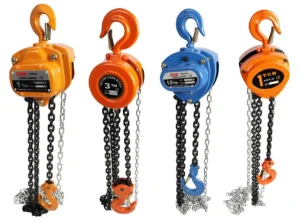
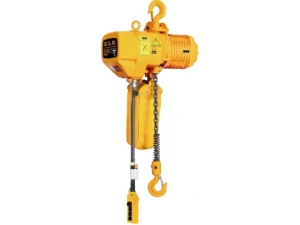
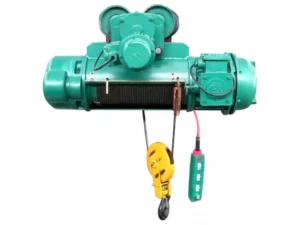
Our cranes are compatible with manual chain hoists, electric chain hoists, lever hoists, and push or geared trolleys rated to the crane’s capacity. Hoists can be purchased separately or as part of a bundled package.
Contact us now via email: [email protected], or fill in the form below.


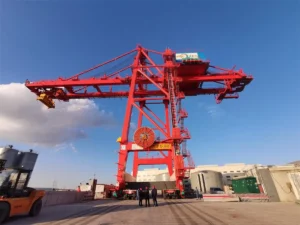
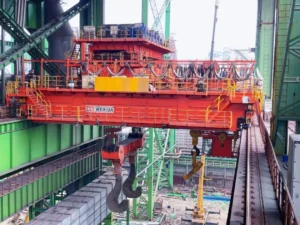
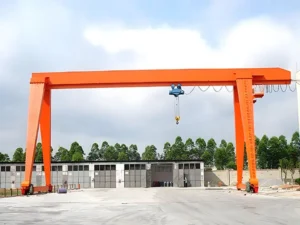
The gantry crane is a lifting equipment widely used across various industries, construction sites, ports, warehouses, and other fields. Its unique structure and powerful load-bearing capacity make it ideal for modern heavy-duty material handling. The “gantry” structure design allows the crane to move freely within a space, covering a large working area. So, what makes gantry cranes special? What are their types, parameters, control methods, applications, and working principles? How do they differ from bridge cranes? Let’s explore together. Types of Gantry Cranes Based on design, application, and operating environment, gantry cranes are typically categorized into the following types: Single-Girder Gantry Crane Single-girder gantry cranes are widely used across industrial sectors, warehouses, ports, and workshops. Featuring a single-girder support lifting mechanism, they traverse via side columns and bottom rails. With their simple structure, user-friendly operation, and moderate lifting capacity, they are ideal for handling light to medium loads. Capable of spanning large distances freely, single-girder gantry cranes are suitable for heavy material handling and lifting operations. Double Girder Gantry Crane Compared to single-girder gantry cranes, double-girder gantry cranes offer greater…
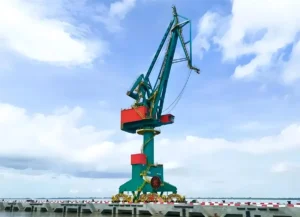
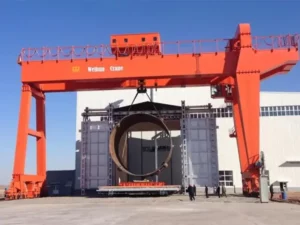
In ports, logistics parks, and industrial material handling, Portal Cranes and Gantry Cranes are two common and core loading/unloading equipment types. They differ in structural design, performance characteristics, operating methods, application scenarios, and investment costs. This article provides a comprehensive analysis of Portal Crane vs Gantry Crane and guides you in making the right selection. Structural Design Comparison The structural differences between Portal Cranes and Gantry Cranes primarily manifest in load-bearing methods, movement trajectories, and coverage ranges. The former centers on a fixed tower and rotating boom, emphasizing “point coverage” and flexible horizontal rotation. The latter features a portal frame structure and longitudinal rail travel, prioritizing “extensive horizontal movement” and efficient on-site logistics handling. Consequently, their distinct structural designs directly dictate their differing application scenarios. Portal Crane Structural Characteristics Portal slewing cranes employ single/double cantilever boom structures with the tower fixed to foundations or rails, enabling 360° or partial rotation. This configuration enables flexible operation in narrow, elongated spaces such as shorelines, dock fronts, and ship berths, making it particularly suitable for ship-to-shore material handling. Its core functionality combines vertical…
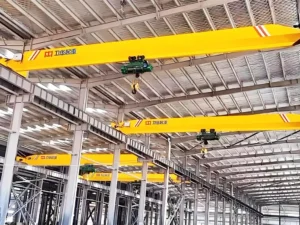
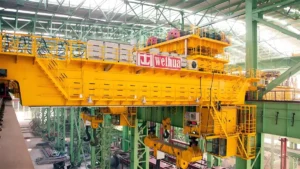
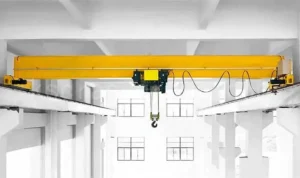
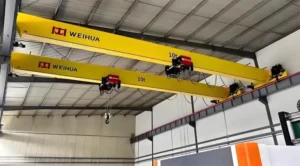
In modern industrial operations, efficient material handling is crucial for maximizing productivity and optimizing workflow. Bridge cranes, also known as overhead cranes or EOT cranes, are fixed material handling systems widely used in manufacturing, metal processing, warehousing, and loading/unloading operations. In this article, we will explore the working principle, main components, applications, and operational benefits of bridge cranes, providing a comprehensive guide for industrial planners and logistics professionals. Bridge Crane Working Principle A bridge crane operates on a bridge-like structure spanning the workspace, with a trolley and hoist system that moves horizontally along the bridge and vertically lifts or lowers loads. The crane’s movement across the runway, combined with precise hoist control, enables efficient and safe handling of heavy materials in factories, warehouses, and industrial facilities. For information on how overhead cranes work, please see this article: Overhead Crane Working Principle: Components, Motion & Operating Process Bridge Crane Terminology The following is an introduction to terminology related to bridge crane parts. Crane Capacity: Crane capacity refers to the maximum weight a bridge crane can safely lift. Typically measured in tons…
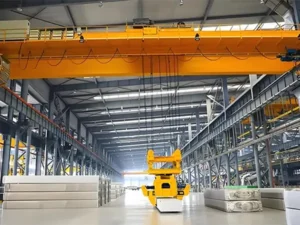
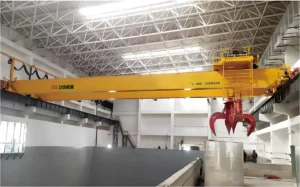
An EOT Crane (Electric Overhead Traveling Crane) is an efficient and reliable overhead lifting system used to handle heavy materials in factories, warehouses, workshops, and industrial plants. Running on overhead rails, EOT cranes enable safe and precise three-dimensional movement of loads through coordinated lifting, cross travel, and long travel motions. This article will guide you through EOT crane definitions, types, structure, working principles, applications, and cost factors to help you select the most suitable solution for your lifting needs. How EOT Crane Works? The working principle of an EOT crane involves a combination of vertical lifting, horizontal trolley movement, and longitudinal bridge travel, enabling efficient handling of heavy loads across industrial facilities. The crane operates on elevated runway rails installed along the building structure, with the bridge girder spanning the workspace. The hoist mechanism raises or lowers the load using steel wire ropes or chains, while the trolley moves the load horizontally along the bridge. The entire crane travels longitudinally along the runway rails, enabling three-dimensional positioning of materials. Modern EOT cranes are powered by electric motors with precise speed…
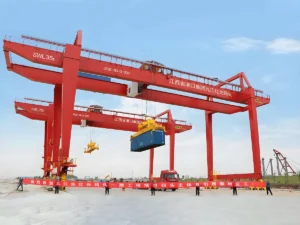
Gantry cranes are widely used in open-air stockyards, shipyards, factories, and construction sites, making them one of the most versatile and extensively applied material handling solutions. Gantry cranes come in various types, each customizable to suit different load capacities, site conditions, and operational requirements. However, selecting the wrong configuration can lead to unnecessary expenses, limited lifting capacity, or future expansion constraints. So, what are the main types of gantry cranes? How do you choose the right type for your application? In this guide, we will provide a detailed overview of different types of gantry cranes based on structure, mobility, and application scenarios, helping you make the right decision before investing in a lifting solution. The article is quite lengthy. Below is our table of contents. Please jump to the corresponding section as needed: What Is a Gantry Crane? Gantry cranes are lifting equipment designed for efficient handling of heavy cargo in large open-air sites. Their signature structure features one or more main beams supported by rigid (or flexible) legs on either side, forming a monumental “gate”-shaped frame. These cranes traverse…
 English English
  Русский
 العربية
 Français
 Português
 Español