- ProductEquipmentPrecision Power, Customization Crane SolutionE-mail:WhatsApp / Wechat:+8613781917315Address:No.18 Shanhai Road, Changyuan City, Henan Province, China

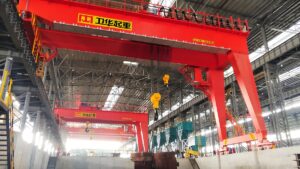
The heavy-duty steel mill crane features robust and durable key components, ensuring smooth operation and minimal maintenance. It is suitable for the high-temperature and dusty environments of steel mills. Equipped with reliable braking, limit switches, and overload protection devices, it guarantees safe operation. It is primarily used in steelmaking, continuous casting, and rolling mill workshops for lifting and transferring molten steel, steel billets, and steel plates.
In the steel production process, different stages have different requirements for lifting equipment. Due to variations in the type of materials being lifted, the intensity of operation, and the working environment, steel plants typically utilize different types of overhead cranes. The following introduces several common types of Steel Mill Cranes found in steel plants to help you better understand the characteristics of each type of equipment.
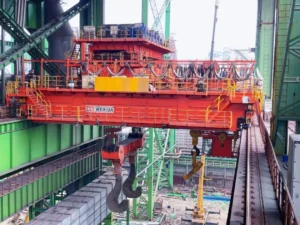
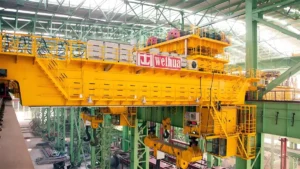
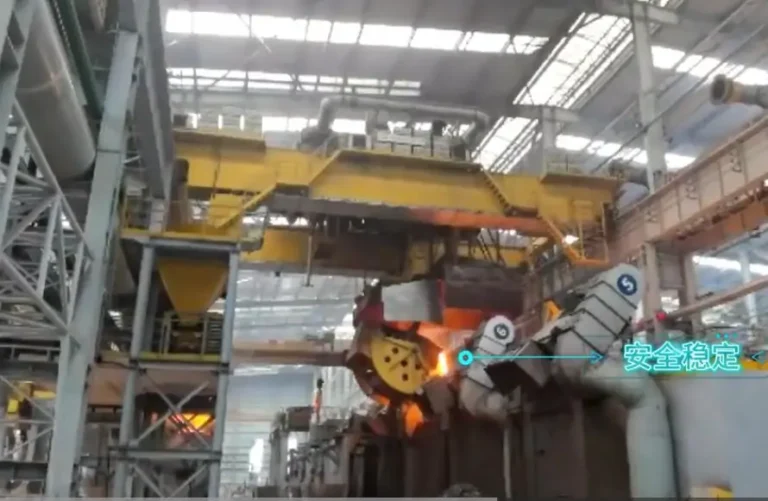
Steel Mill ladle cranes for steel mills are primarily used for lifting and transferring ladles of molten steel in steelmaking workshops, facilitating the safe movement of molten steel between the furnace, refining, and continuous casting stations. They feature a robust structure and stable operation, capable of withstanding high temperatures, heavy loads, and continuous operation over extended periods. The crane can be customized according to the weight of the ladle, span, lifting height, and workshop conditions.
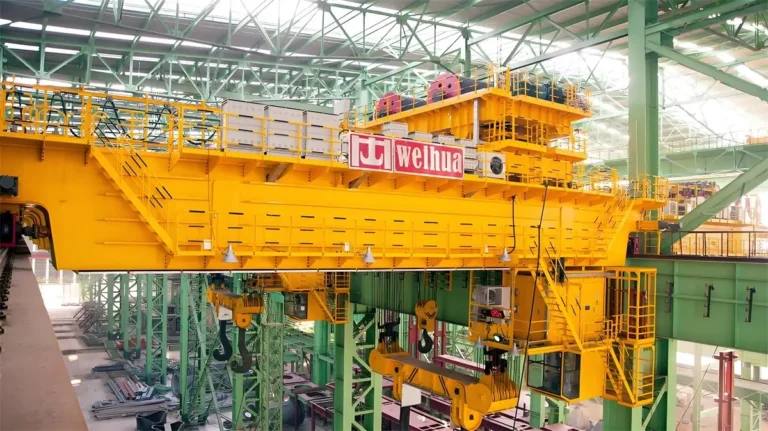
The main beam structure of the Casting Crane is robust, extending along the bridge, and equipped with a high-performance lifting mechanism. Its design is stable and durable, ensuring smooth operation and suitability for prolonged high-temperature and heavy-load operations. It is used for lifting and positioning molten steel, tundishes, and other materials in continuous casting workshops, facilitating the transfer of molten steel from the refining workshop to the continuous casting machine.
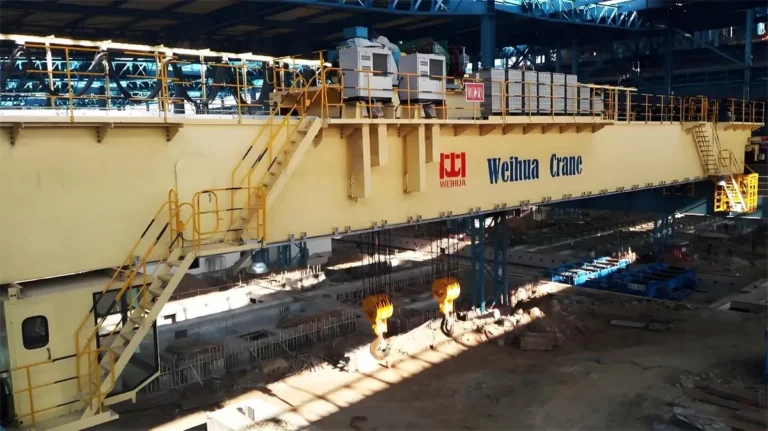
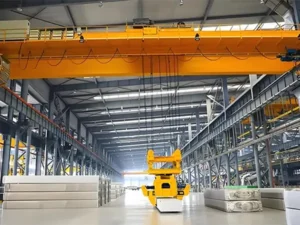
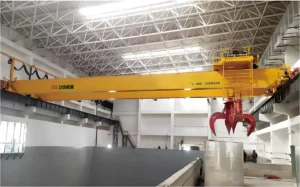
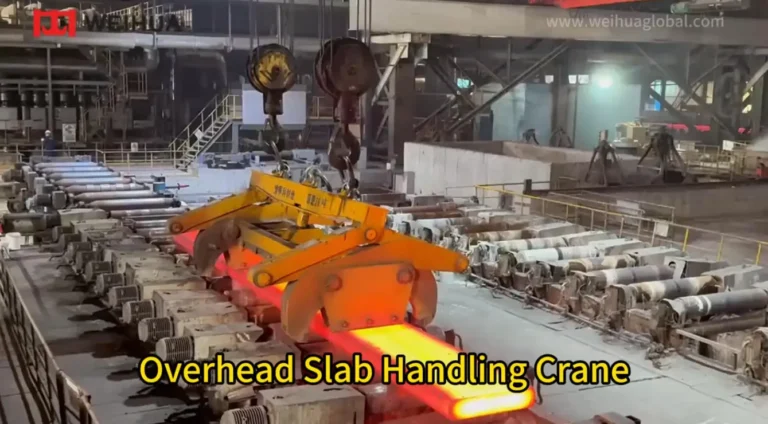
Slab Handling Cranes are primarily used in continuous casting and rolling mill workshops for lifting, handling, and stacking heavy materials such as steel plates and slabs. They are characterized by their robust structure and smooth operation, capable of withstanding frequent lifting and heavy-duty operations. They can be customized according to slab weight, span, lifting height, and workshop layout.
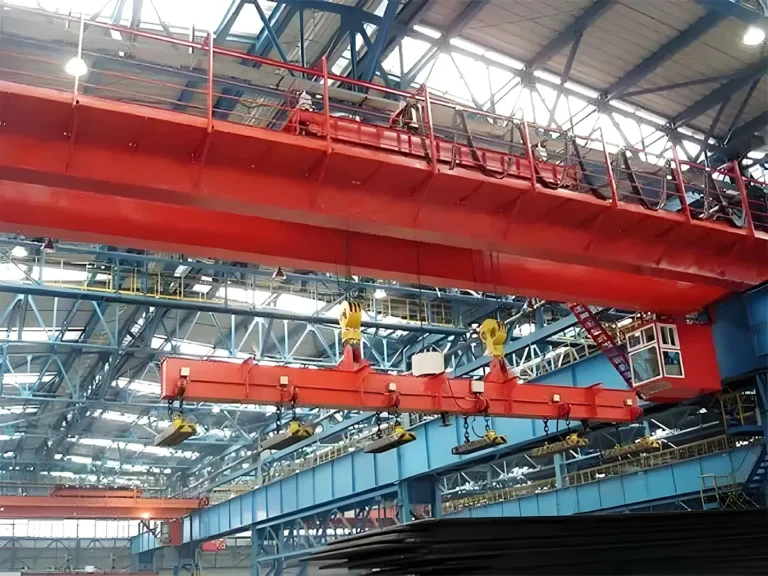
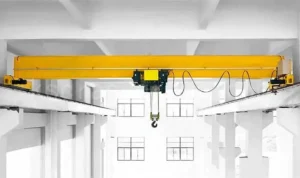
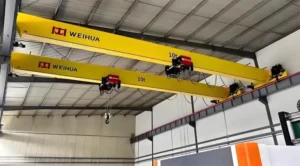
The Billet Handling Overhead Crane features a single-girder structure with the main beam extending along the bridge and equipped with a high-performance lifting mechanism. The overall design is reliable and durable, ensuring smooth operation and easy maintenance, making it suitable for high-frequency, heavy-duty applications. It is primarily used for lifting and handling steel billets and bars in steel mills and can be used with clamps or C-hooks to improve production efficiency.
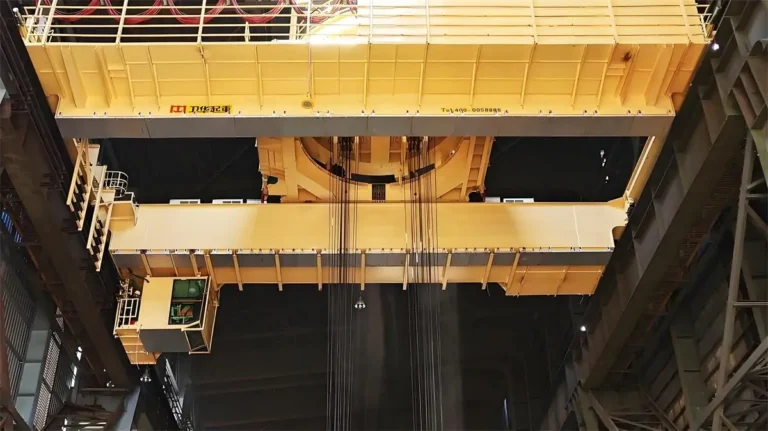
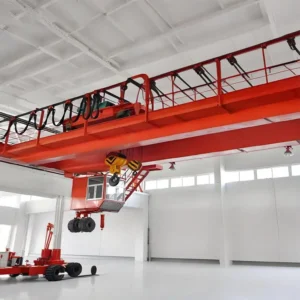
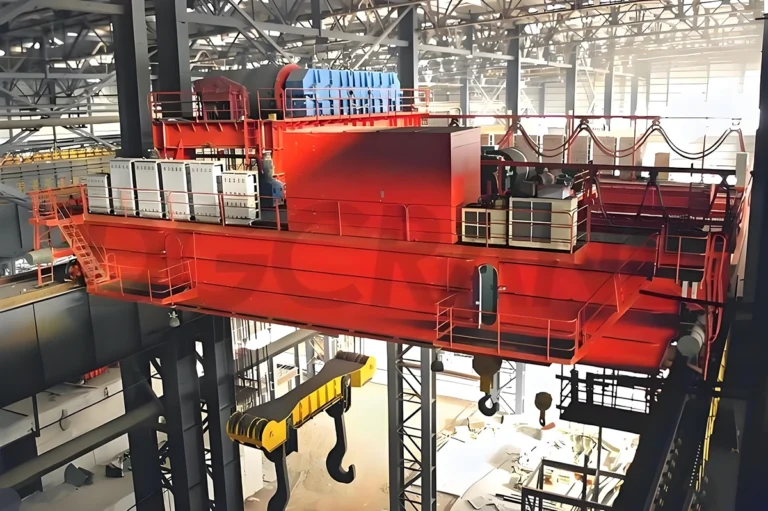
Heavy-duty EOT cranes for steel plants are suitable for long-term, high-intensity operations in steel mills. They are used for lifting various heavy materials in steel plants, such as steel billets, steel plates, and molten steel ladles, meeting the production needs of steelmaking, continuous casting, and rolling workshops. They can be customized according to lifting capacity, span, lifting height, and workshop conditions. For a detailed definition, structural characteristics, and types of EOT cranes, please refer to this article: What is an EOT Crane?
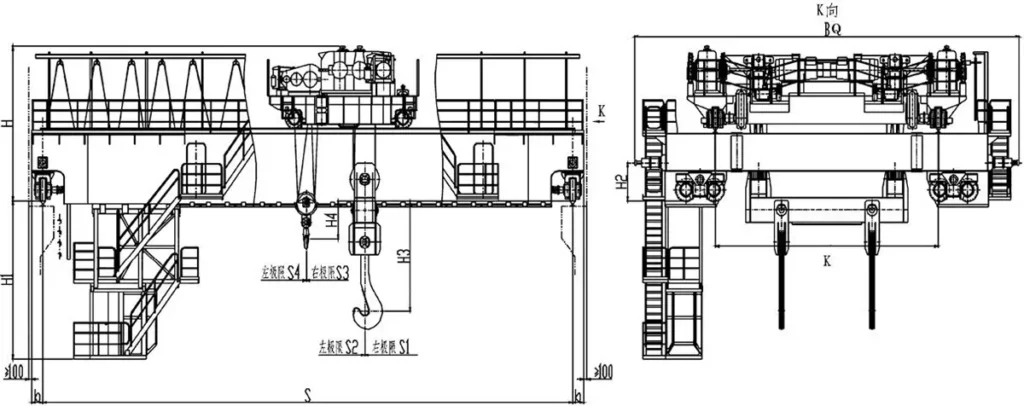
Steel mill overhead cranes are robust and reliable, designed for high-temperature and heavy-duty applications. Understanding their main components helps in better assessing equipment performance and whether the configuration meets the actual needs of a steel plant. The following are the core components of a heavy-duty overhead crane for steel mills:
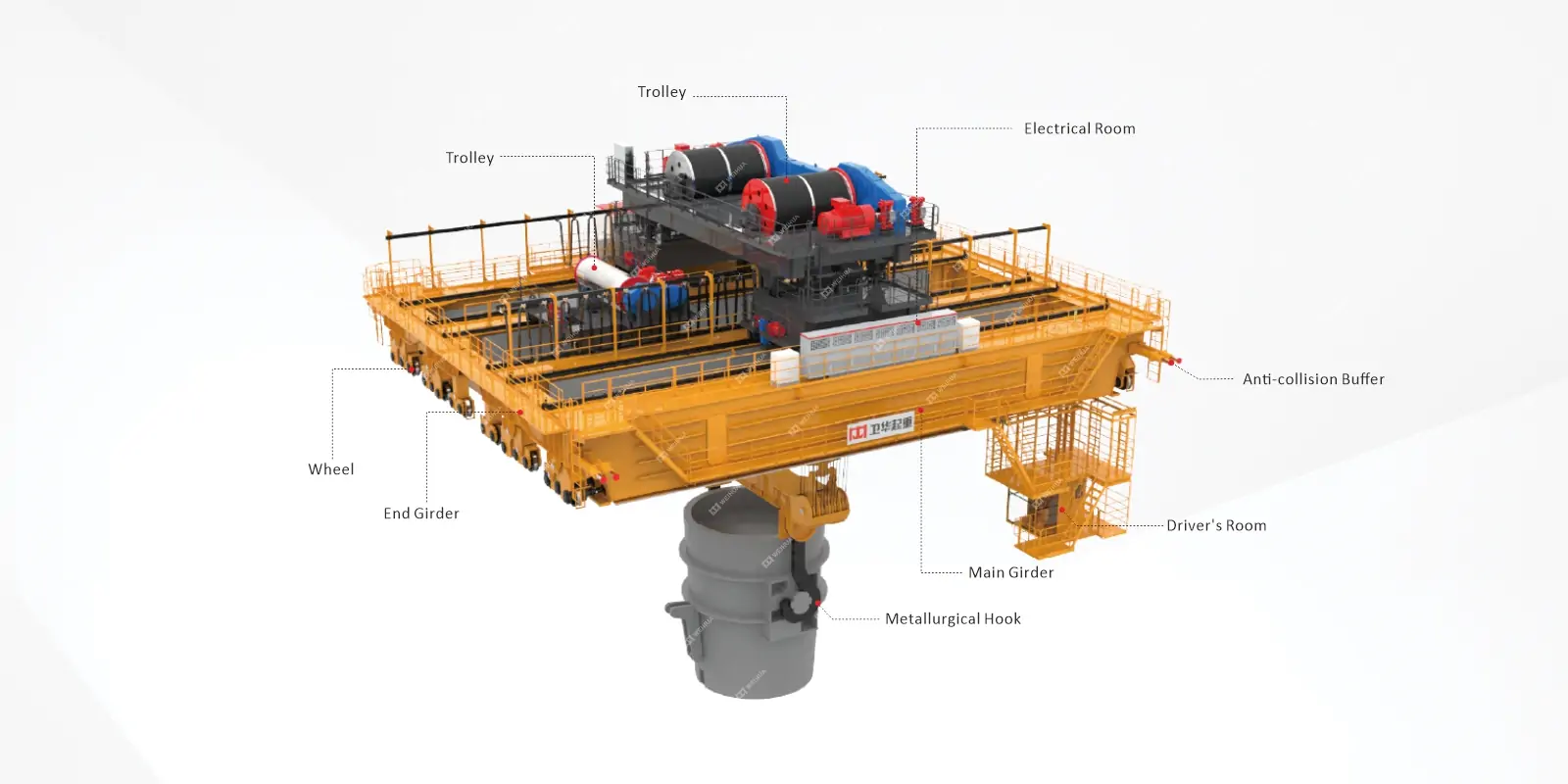
Main Girder: The main load-bearing structure of the crane, responsible for carrying heavy materials such as molten steel ladles and steel billets.
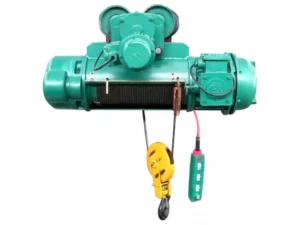
Hoisting Mechanism: Composed of a motor, reducer, drum, and wire rope, it is a key component for lifting and lowering operations. Its high reliability and good braking performance make it suitable for heavy-duty use in steel plants.
Trolley: Mounted on the main girder, it moves smoothly along the girder, allowing for precise adjustment of material position.
End Girders and Traveling Mechanism: These support the main girder and run on rails via wheels, enabling the crane to move longitudinally within the workshop, covering the entire working area.
Electrical and Control System: Responsible for the crane’s operation control and safety management. It can be configured with a driver’s cab, remote control, or ground control as needed, ensuring safe and reliable operation.
The steel mill crane performs material handling operations through the coordinated movements of lifting, traversing, and traveling. The lifting mechanism is mounted on the trolley, and a motor drives the drum to rotate, using steel ropes to lift and lower ladles of molten steel, steel billets, or steel plates.
The trolley moves laterally along the main beam to precisely adjust the material position; the entire crane moves longitudinally on the rails via the end beams and traveling mechanism, allowing the crane to cover the entire workshop area. Operators can control the crane from the cab, via remote control, or from the ground.
In steel mill environments, the bridge crane is equipped with reliable braking and safety protection devices to ensure smooth operation under high temperature, heavy load, and continuous operation conditions.
Weihua can provide you with customized heavy-duty steel mill crane solutions tailored to the specific needs of your steel mill, based on its workshop structure, production process, and workload intensity. Key parameters such as lifting capacity, span, lifting height, and working class can all be configured according to actual working conditions. The following are the main technical specifications for steel mill bridge cranes in steel mills, for your reference during selection.
| Parameter | Specification |
|---|---|
| Lifting Capacity | 20–500 tons (customizable) |
| Span | 15–40 m |
| Lifting Height | 10–30 m (customizable) |
| Duty Class | A7 / A8 (Heavy-duty steel mill standard) |
| Lifting Speed | Customized according to load |
| Crane Traveling Speed | Customized |
| Trolley Traveling Speed | Customized |
| Control Method | Cabin control / Remote control / Pendant control |
| Power Supply | 380V / 50Hz / 3Ph (customizable) |
| Working Environment | High temperature, heavy load, continuous operation |
| Application | Steel plant, smelting shop, casting shop, rolling mill |
Metallurgical cranes differ significantly from standard overhead cranes. For details, see: Metallurgical Crane vs. Standard Overhead Crane: Key Differences Explained
Steel plant cranes are primarily used in steel mills and heavy industrial workshops, performing material lifting and transfer under high temperature, heavy load, and continuous operation conditions. They are widely used in the following scenarios:
If you’re unsure how to select the right crane for a steel mill, you can refer to the article: “Steel Mill Crane Selection Guide: Types, Applications, and How to Choose”
For details on how to select the most suitable crane type for steel mills, see:
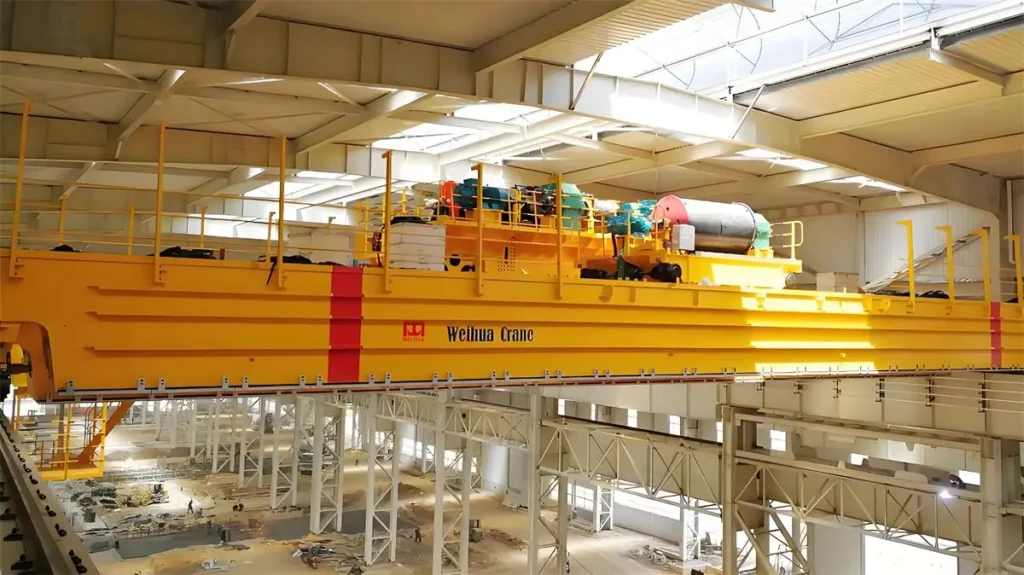
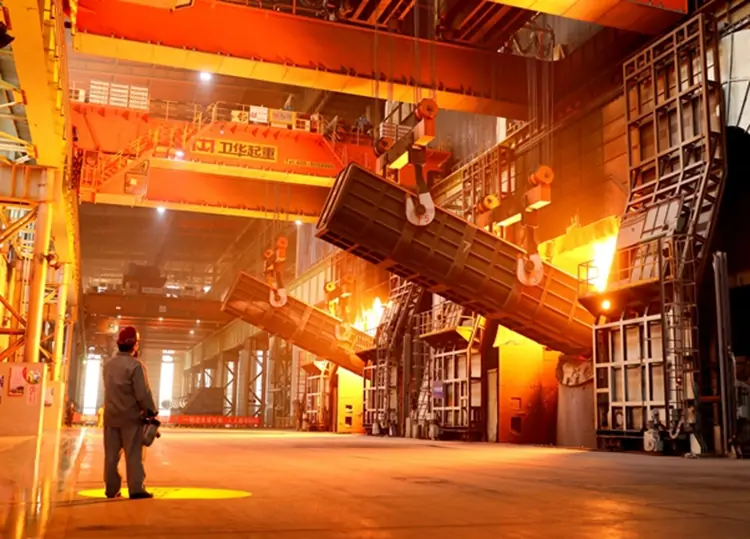
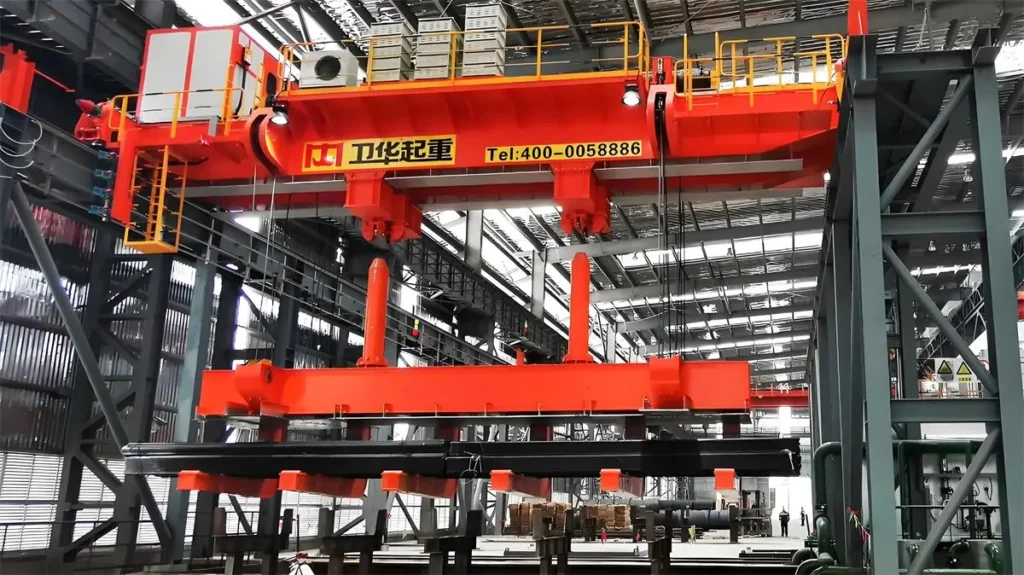
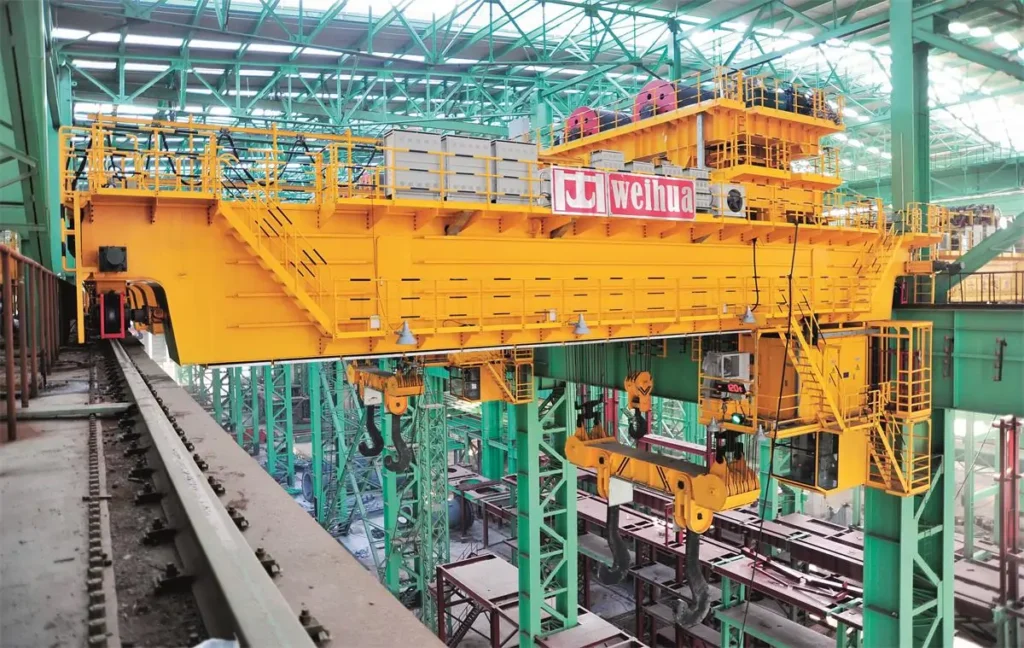
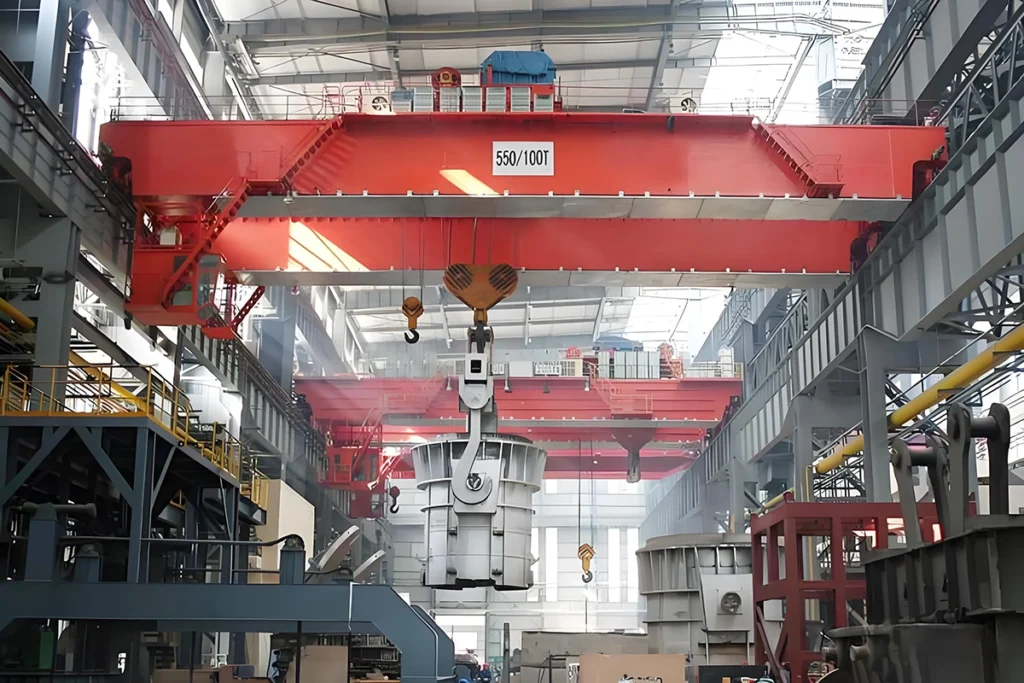
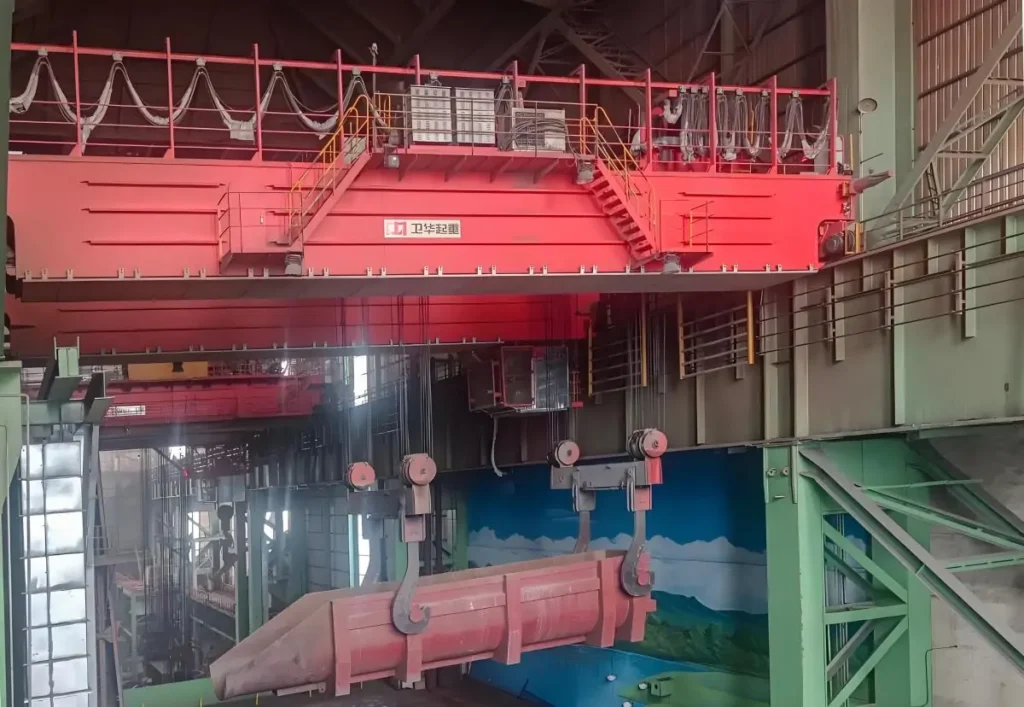
For details on the applications of metallurgical overhead cranes, see the article: Metallurgical Overhead Cranes | Specialized Cranes for Steel & Aluminum Plants
Heavy Load Steel Mill Cranes can be customized according to the steel plant’s production process, workload, and site environment. Proper parameter configuration helps improve operational efficiency while ensuring safe operation and equipment lifespan. Common customization options include:
Weihua is a professional manufacturer and supplier of steel mill cranes in China, with over 37 years of experience in the design and manufacturing of lifting equipment. Over the years, Weihua has provided reliable lifting solutions for numerous steel mills and heavy industry projects, accumulating extensive project experience in steelmaking, continuous casting, and rolling mill operations.
All heavy-duty overhead cranes for steel mills are designed and manufactured according to international standards and have obtained relevant certifications such as CE and ISO. The products have been exported to and used in many countries and regions, demonstrating stable operation and reliable performance.
Weihua has a professional engineering team that can provide selection advice and design support during the initial stages of a project. After equipment delivery, we provide installation guidance, technical support, and comprehensive after-sales service, along with a one-year warranty. Please contact the Weihua engineering team; we will customize a suitable solution based on your specific operating conditions.
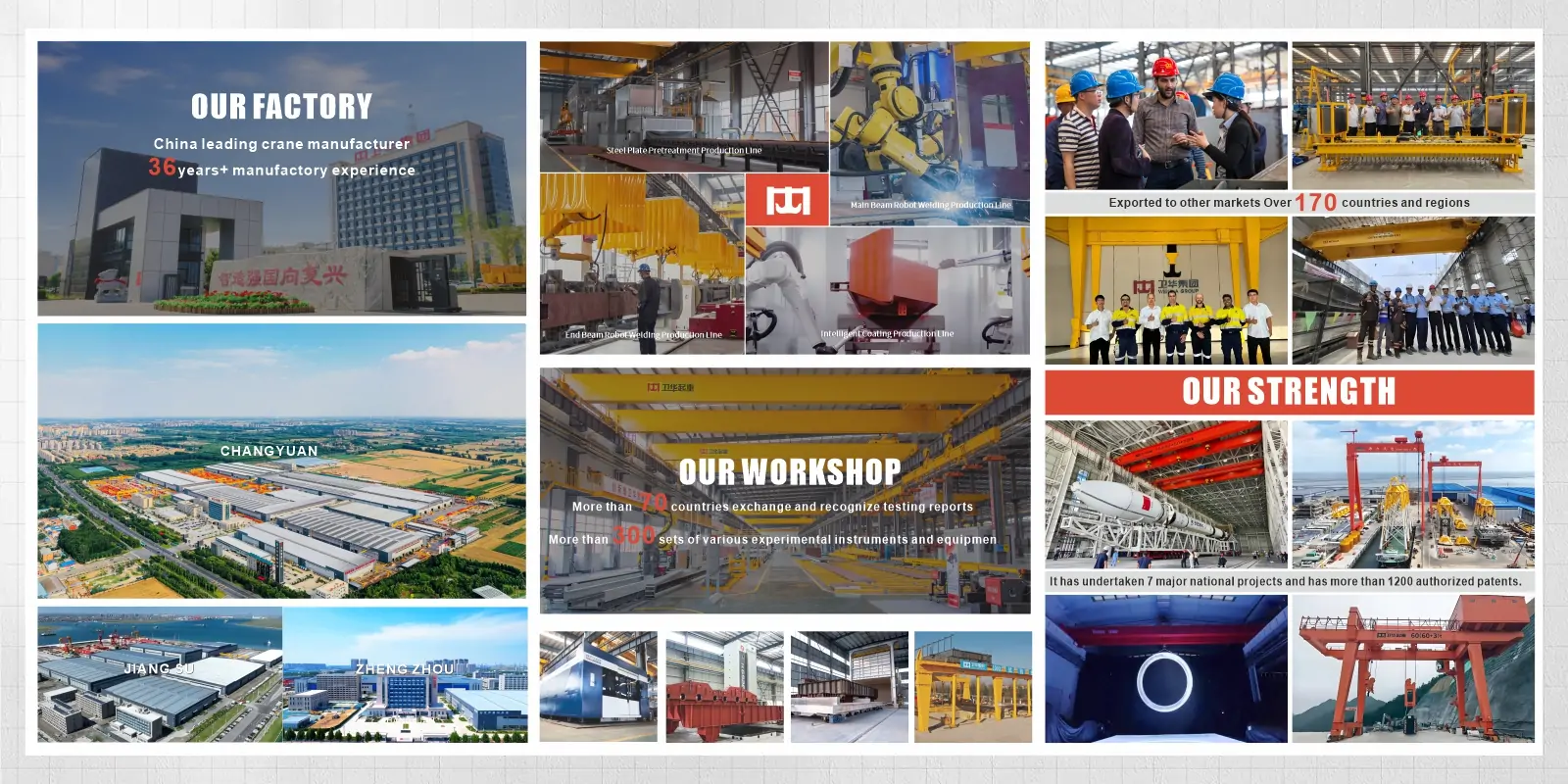
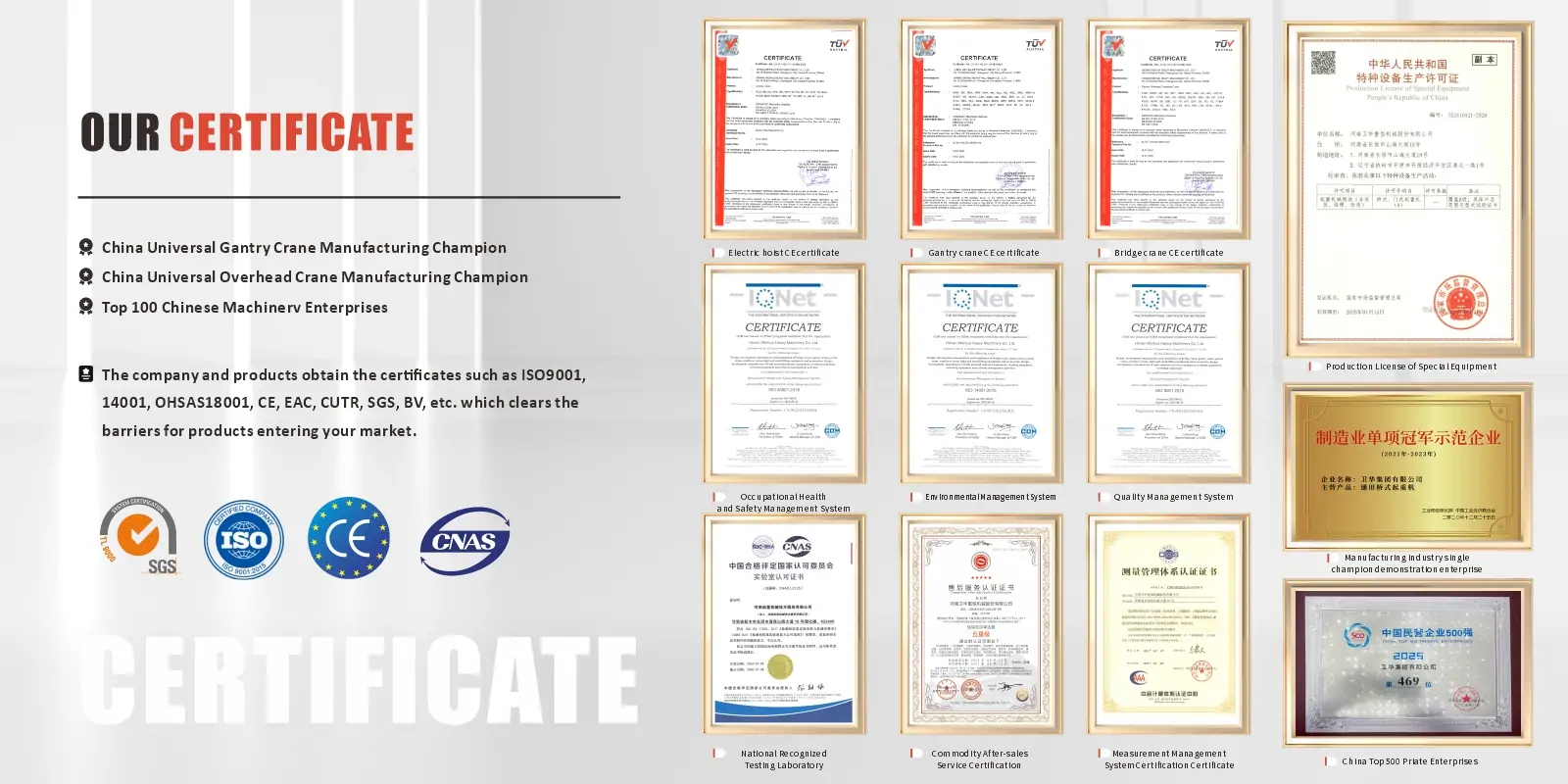
Weihua, founded in 1988, has evolved into a global leader in China's intelligent manufacturing field. We specialize in smart crane R&D and production while offering AGV solutions. Our professional engineering, delivery, and after-sales teams provide one-stop technical support, customized solutions, on-site installation guidance, and rapid-response global services to ensure every project operates safely and efficiently.
Steel mills mainly use heavy duty overhead cranes, including ladle cranes, casting cranes, slab handling cranes, and billet handling cranes for different production processes.
A ladle crane is used to lift and transfer molten steel in ladles, while a casting crane is mainly used in continuous casting lines to handle molten steel and tundishes.
Yes. Steel mill cranes can be customized based on lifting capacity, span, lifting height, duty class, and workshop conditions.
Steel plant cranes require reliable braking systems, overload protection, limit switches, and heat-resistant components to ensure safe operation.
Steel mill cranes are usually designed with heavy duty classes such as A7 or A8 for continuous and high-load operation.
Contact us now via email: [email protected], or fill in the form below.


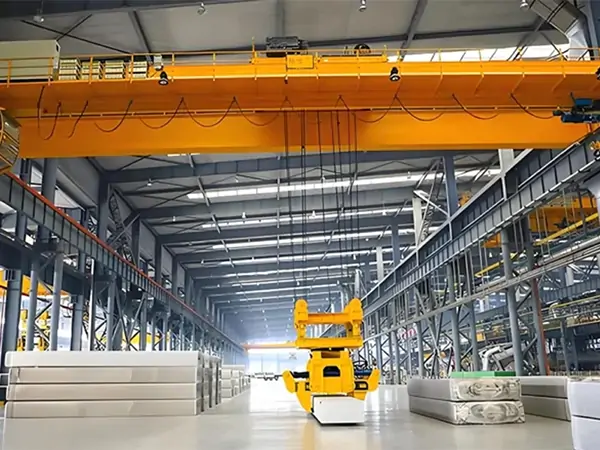
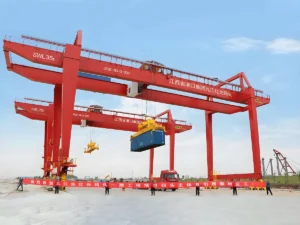
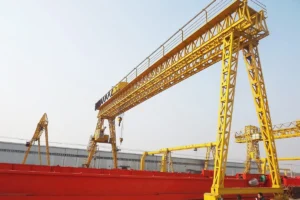
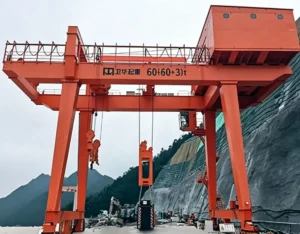
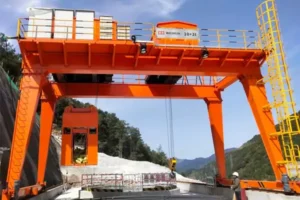
The gantry crane is a lifting equipment widely used across various industries, construction sites, ports, warehouses, and other fields. Its unique structure and powerful load-bearing capacity make it ideal for modern heavy-duty material handling. The “gantry” structure design allows the crane to move freely within a space, covering a large working area. So, what makes gantry cranes special? What are their types, parameters, control methods, applications, and working principles? How do they differ from bridge cranes? Let’s explore together. Types of Gantry Cranes Based on design, application, and operating environment, gantry cranes are typically categorized into the following types: Single-Girder Gantry Crane Single-girder gantry cranes are widely used across industrial sectors, warehouses, ports, and workshops. Featuring a single-girder support lifting mechanism, they traverse via side columns and bottom rails. With their simple structure, user-friendly operation, and moderate lifting capacity, they are ideal for handling light to medium loads. Capable of spanning large distances freely, single-girder gantry cranes are suitable for heavy material handling and lifting operations. Double Girder Gantry Crane Compared to single-girder gantry cranes, double-girder gantry cranes offer greater…
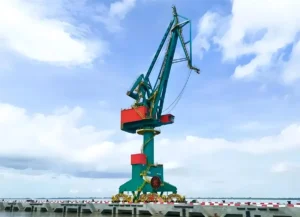
In ports, logistics parks, and industrial material handling, Portal Cranes and Gantry Cranes are two common and core loading/unloading equipment types. They differ in structural design, performance characteristics, operating methods, application scenarios, and investment costs. This article provides a comprehensive analysis of Portal Crane vs Gantry Crane and guides you in making the right selection. Structural Design Comparison The structural differences between Portal Cranes and Gantry Cranes primarily manifest in load-bearing methods, movement trajectories, and coverage ranges. The former centers on a fixed tower and rotating boom, emphasizing “point coverage” and flexible horizontal rotation. The latter features a portal frame structure and longitudinal rail travel, prioritizing “extensive horizontal movement” and efficient on-site logistics handling. Consequently, their distinct structural designs directly dictate their differing application scenarios. Portal Crane Structural Characteristics Portal slewing cranes employ single/double cantilever boom structures with the tower fixed to foundations or rails, enabling 360° or partial rotation. This configuration enables flexible operation in narrow, elongated spaces such as shorelines, dock fronts, and ship berths, making it particularly suitable for ship-to-shore material handling. Its core functionality combines vertical…
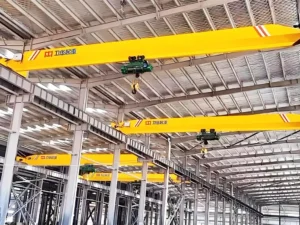
In modern industrial operations, efficient material handling is crucial for maximizing productivity and optimizing workflow. Bridge cranes, also known as overhead cranes or EOT cranes, are fixed material handling systems widely used in manufacturing, metal processing, warehousing, and loading/unloading operations. In this article, we will explore the working principle, main components, applications, and operational benefits of bridge cranes, providing a comprehensive guide for industrial planners and logistics professionals. Bridge Crane Working Principle A bridge crane operates on a bridge-like structure spanning the workspace, with a trolley and hoist system that moves horizontally along the bridge and vertically lifts or lowers loads. The crane’s movement across the runway, combined with precise hoist control, enables efficient and safe handling of heavy materials in factories, warehouses, and industrial facilities. For information on how overhead cranes work, please see this article: Overhead Crane Working Principle: Components, Motion & Operating Process Bridge Crane Terminology The following is an introduction to terminology related to bridge crane parts. Crane Capacity: Crane capacity refers to the maximum weight a bridge crane can safely lift. Typically measured in tons…
An EOT Crane (Electric Overhead Traveling Crane) is an efficient and reliable overhead lifting system used to handle heavy materials in factories, warehouses, workshops, and industrial plants. Running on overhead rails, EOT cranes enable safe and precise three-dimensional movement of loads through coordinated lifting, cross travel, and long travel motions. This article will guide you through EOT crane definitions, types, structure, working principles, applications, and cost factors to help you select the most suitable solution for your lifting needs. How EOT Crane Works? The working principle of an EOT crane involves a combination of vertical lifting, horizontal trolley movement, and longitudinal bridge travel, enabling efficient handling of heavy loads across industrial facilities. The crane operates on elevated runway rails installed along the building structure, with the bridge girder spanning the workspace. The hoist mechanism raises or lowers the load using steel wire ropes or chains, while the trolley moves the load horizontally along the bridge. The entire crane travels longitudinally along the runway rails, enabling three-dimensional positioning of materials. Modern EOT cranes are powered by electric motors with precise speed…
Gantry cranes are widely used in open-air stockyards, shipyards, factories, and construction sites, making them one of the most versatile and extensively applied material handling solutions. Gantry cranes come in various types, each customizable to suit different load capacities, site conditions, and operational requirements. However, selecting the wrong configuration can lead to unnecessary expenses, limited lifting capacity, or future expansion constraints. So, what are the main types of gantry cranes? How do you choose the right type for your application? In this guide, we will provide a detailed overview of different types of gantry cranes based on structure, mobility, and application scenarios, helping you make the right decision before investing in a lifting solution. The article is quite lengthy. Below is our table of contents. Please jump to the corresponding section as needed: What Is a Gantry Crane? Gantry cranes are lifting equipment designed for efficient handling of heavy cargo in large open-air sites. Their signature structure features one or more main beams supported by rigid (or flexible) legs on either side, forming a monumental “gate”-shaped frame. These cranes traverse…
 English English
  Русский
 العربية
 Français
 Português
 Español