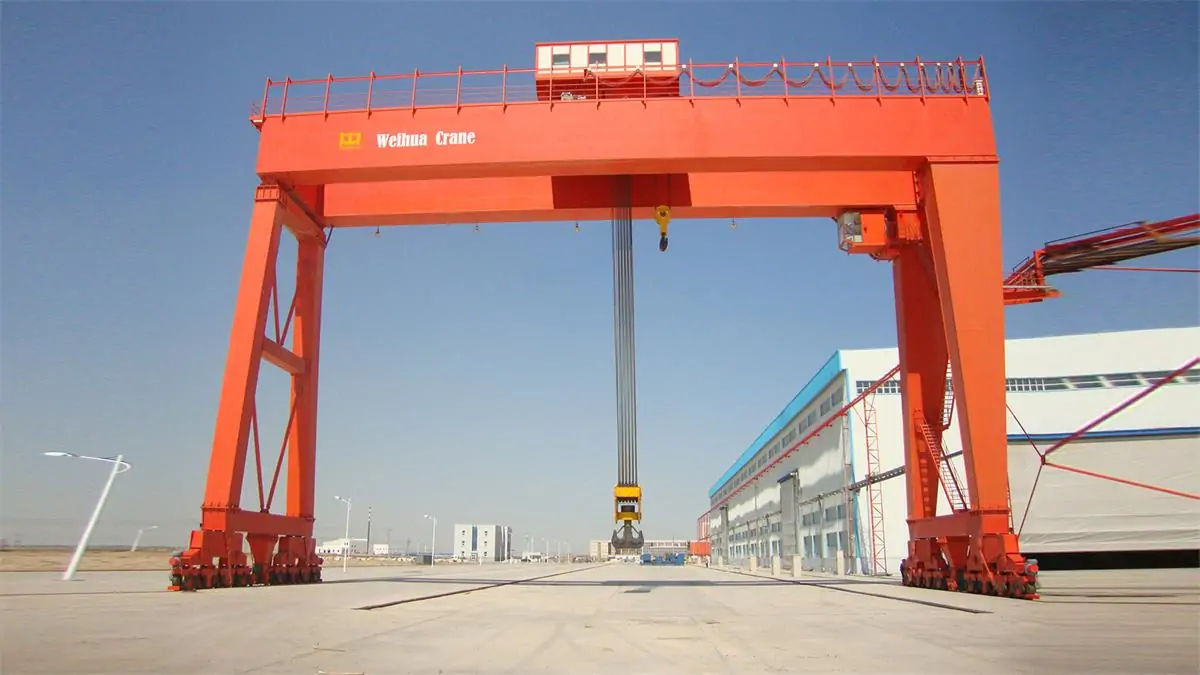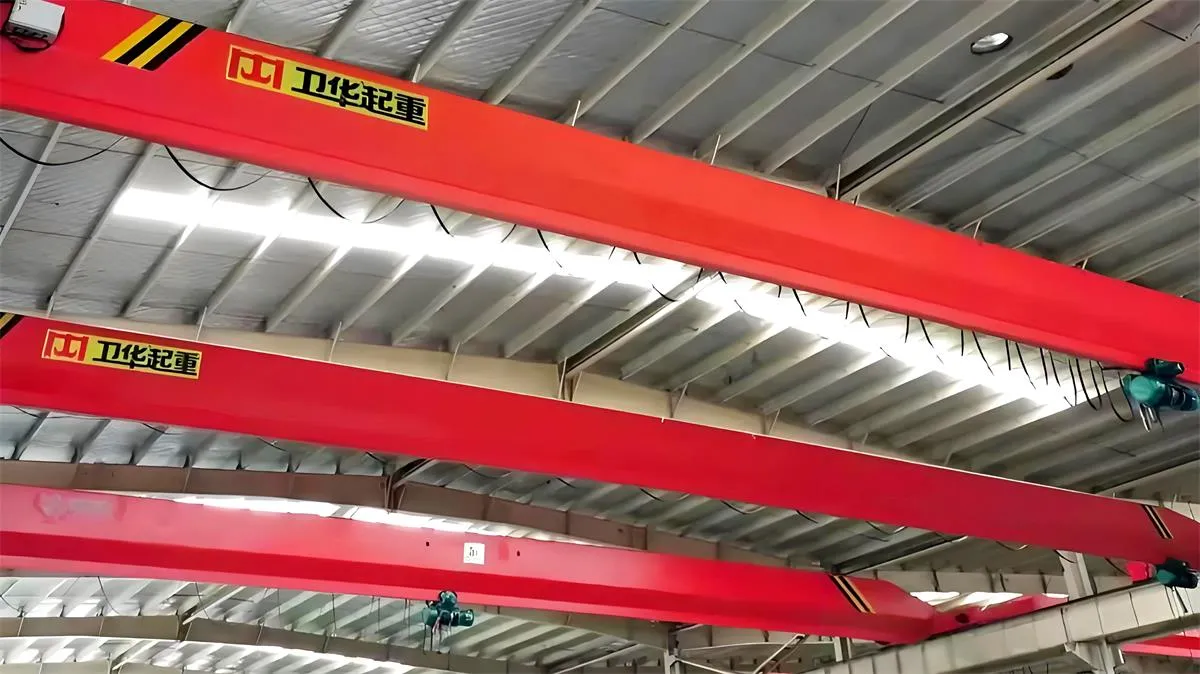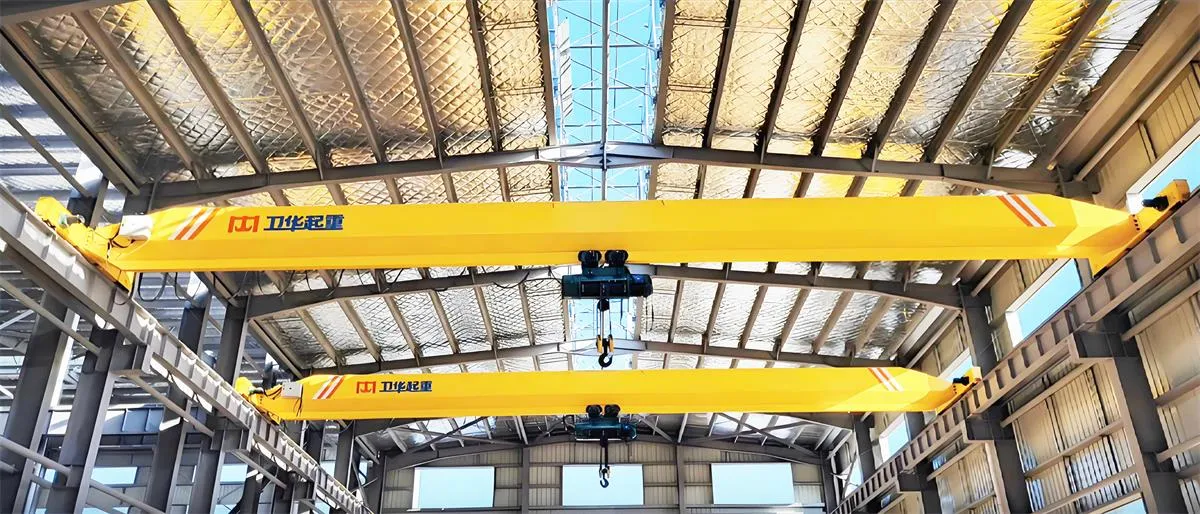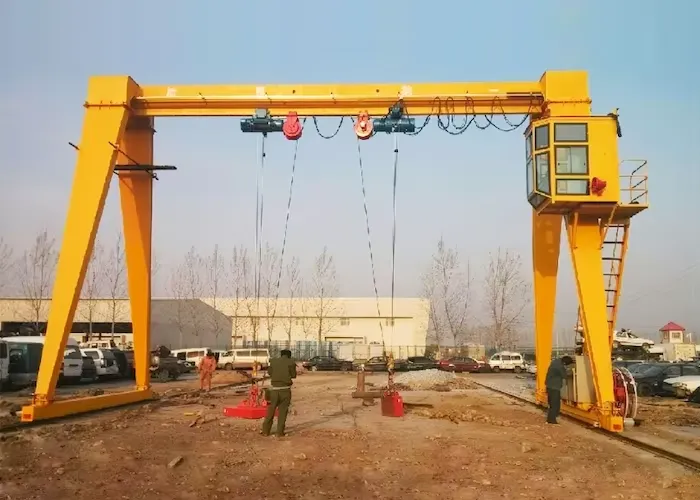

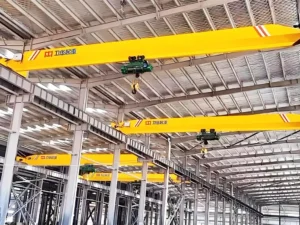
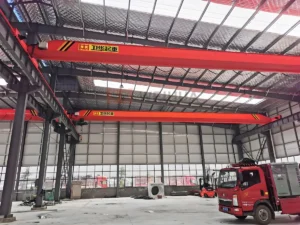
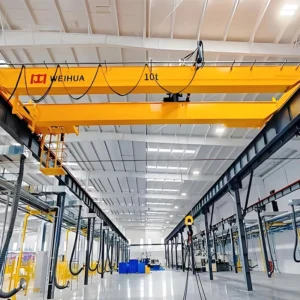
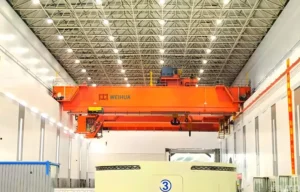
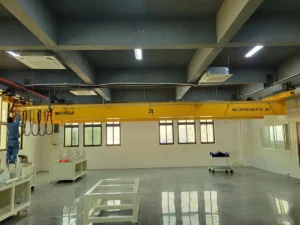
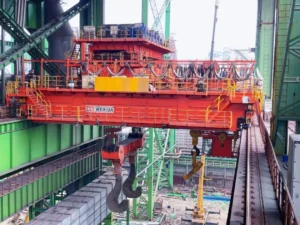
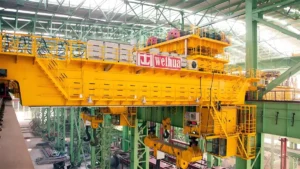
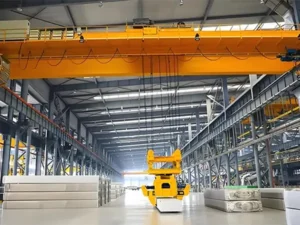
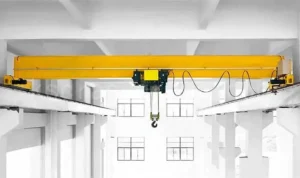
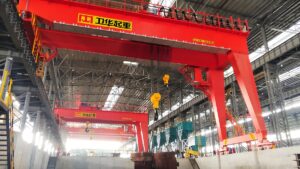
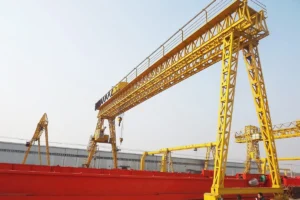

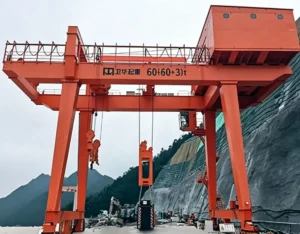
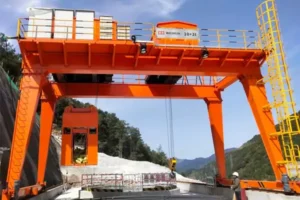

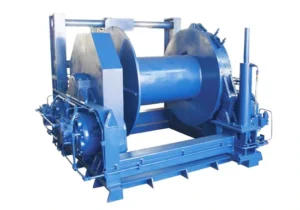






Overhead cranes are used in factory workshops, warehouses, steel mills, power plants, and assembly lines for the horizontal lifting and movement of heavy loads within fixed areas. Based on their operating principle, they coordinate hoisting, trolley travel, and bridge travel motions to enable precise material handling. Lifting capacity, span, lifting height, control methods, and duty cycle ratings are all customizable to meet diverse operational requirements.
To understand the working principle of a bridge crane in detail, it is necessary to understand its overall structure and operating process. This article will introduce the definition, working principle, main components and functions, common terminology, basic operating procedures, and the differences in working principles among different types of bridge cranes.
Below is our table of contents. Please jump to the corresponding section as needed:
Table of Contents
What Is an Overhead Crane?
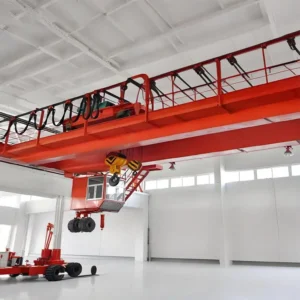
An overhead crane is a lifting device suspended above workshops, warehouses, and material yards for transporting goods. Typically mounted on tracks along both sides of a factory building, it traverses the rails via a bridge structure and works in conjunction with a hoisting mechanism to lift, lower, and move heavy loads horizontally. Compared to forklifts or other material handling equipment, overhead cranes are better suited for frequent, heavy-load, long-distance material transport, enhancing operational efficiency while reducing manual labor.
Overhead Crane Working Principle
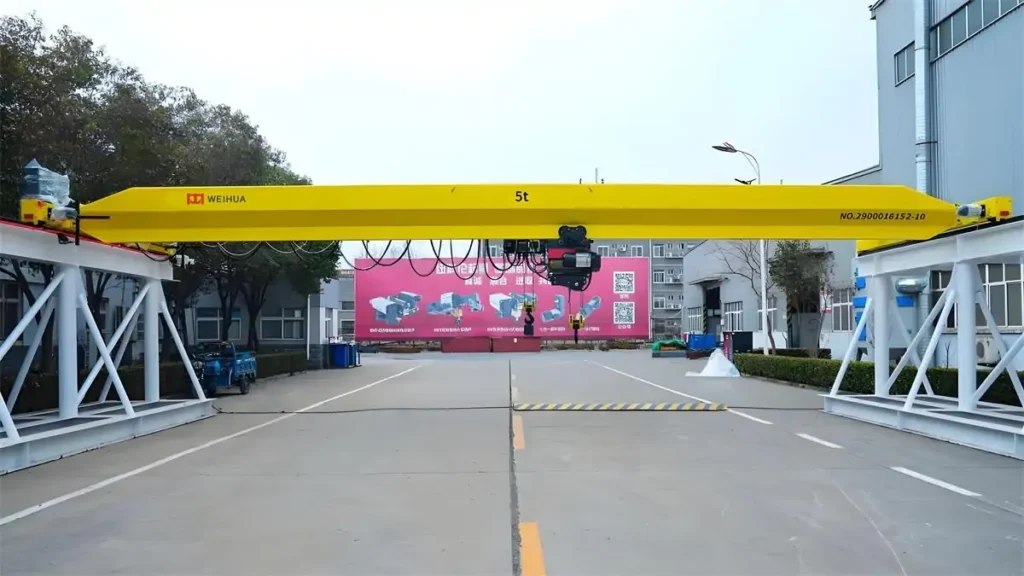
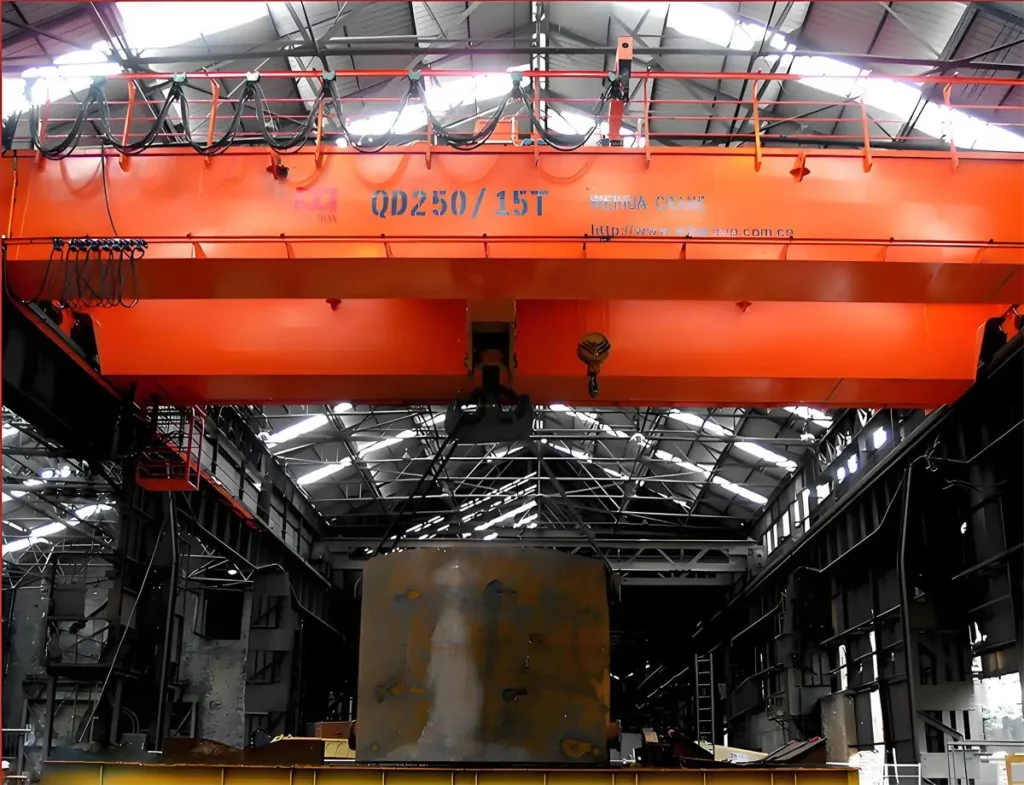
Overhead cranes primarily perform lifting operations through the coordinated work of electric hoists and trolleys. During operation, the electric hoist can traverse horizontally along the main beam, while the entire crane moves longitudinally along the track. This creates a three-dimensional working space capable of covering the entire operational area of a factory or warehouse. Operators can precisely control all crane movements via the control room or remote control.
overhead crane parts and functions
The coordinated interaction among the core components of a bridge crane enables it to safely and stably perform lifting and handling tasks. Understanding the structure and function of these primary components facilitates informed decisions during selection, operation, and maintenance. Below are the five most critical core components of a bridge crane and their respective functions.
- Bridge Girder: The bridge girder serves as the main structural framework of the bridge crane, spanning the tracks on both sides of the factory building. It bears the weight of the hoisting mechanism and the lifted load while providing a passageway for trolley movement.
- Crab / Trolley: Mounted on the bridge girder, the trolley drives the hoisting mechanism to move laterally along the girder, enabling precise positioning of the load across the width of the factory.
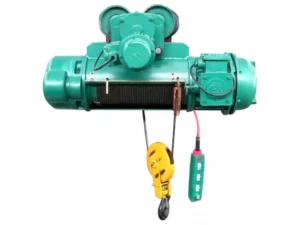
- Hoisting Mechanism: Responsible for lifting and lowering loads, this critical load-bearing component typically consists of a motor, reducer, drum, wire rope, and hook.
- Traveling Mechanism: The travel system includes both the main and trolley travel mechanisms, enabling smooth movement of the bridge girder and trolley along the rails for longitudinal and lateral load positioning.
- Electrical Control System: The electrical control system manages all crane operations and monitors running status, ensuring safe and reliable lifting, traveling, and braking processes.
overhead crane terminology
The following is an introduction to terminology related to bridge crane parts.
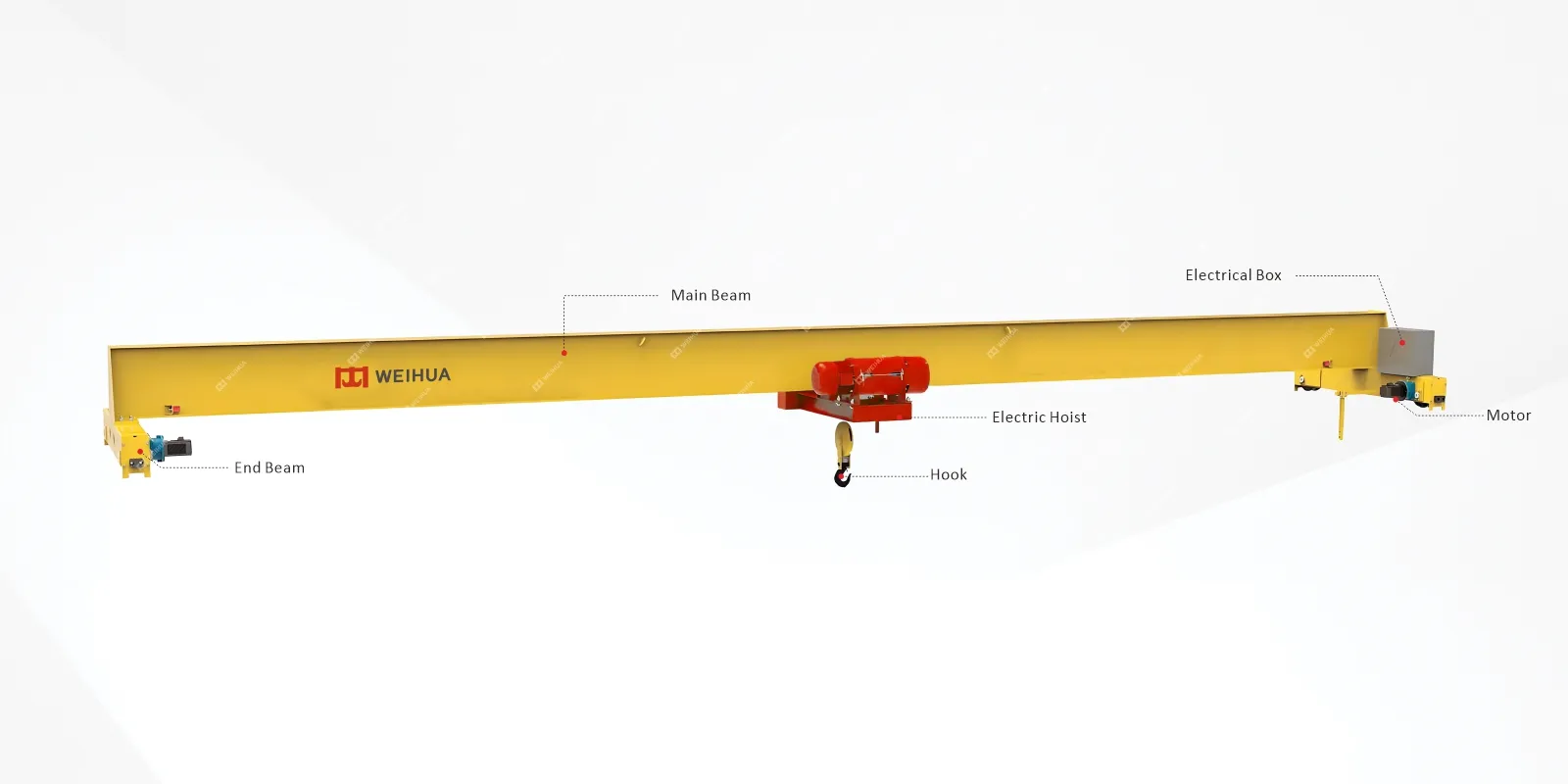
- Lifting Capacity: Refers to the maximum weight a bridge crane can safely lift, typically measured in tons (T). It is one of the most critical parameters during selection. Industries such as steel and heavy manufacturing require higher lifting capacities.
- Span: Denotes the horizontal distance between the two ends of the bridge crane’s main girder, representing the equipment’s operational coverage range. A larger span allows servicing a broader range of workstations.
- Lifting Height (Hook Height): The vertical distance from the hook’s lowest position to its highest working position. This determines the maximum height at which the crane can lift objects, essential for operations with height restrictions.
- Crane Speed (Hoisting / Trolley / Bridge Travel Speed): Includes hoisting speed, trolley travel speed, and bridge travel speed. Different speed combinations are used to match varying operational rhythms.
- Bridge Girder: The primary load-bearing structure of a bridge crane, spanning the factory tracks to support the trolley and hoisting mechanism. Typically constructed from high-strength steel.
- End Carriage (End Truck): Mounted at both ends of the bridge girder, it supports the entire crane’s weight and enables smooth travel along the tracks. Integrates wheels and drive mechanisms internally.
- Trolley: Mounted on the bridge girder, the trolley carries the hoisting mechanism and moves horizontally along the main girder for precise positioning of the load.
- Hoist / Hoisting Mechanism: Installed on the trolley, the hoisting mechanism uses an electric motor, drum, and wire rope to raise and lower the load via the hook. It is the critical component directly bearing the load.
Different lifting applications require different overhead crane configurations and lifting attachments. WEIHUA supplies a full range of overhead cranes with corresponding lifting devices. Featured pages include:
QC Electromagnetic Overhead Crane: equipped with an electromagnetic chuck for steel plates, billets, coils, and scrap steel
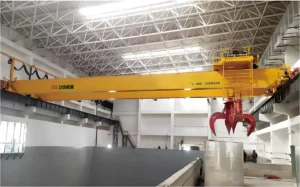
QZ Grab Overhead Crane: equipped with a grab bucket for coal, ore, sand, slag, and bulk materials
Double Hoist Overhead Crane: equipped with dual hoists for heavy or irregular loads
overhead crane operating procedures
The operating procedures for bridge cranes primarily revolve around safety and standardization.
- Before operation, the operator must inspect the equipment’s condition, confirming that the wire rope, hook, brakes, and control devices are functioning properly.
- During lifting, a test lift should be performed first to ensure the load is balanced and securely fastened.
- Subsequently, lifting, traveling, and positioning operations should be completed as required. Throughout the operation, avoid overloading, diagonal pulling, and emergency stops, maintaining smooth operation.
- After completing the task, park the hook in the designated position and disconnect the power supply. This practice helps extend the equipment’s service life and minimizes safety hazards.
Working Principle of Different Types of Overhead Cranes?
Different types of overhead cranes share similarities in basic lifting and travel mechanisms, but due to structural variations, they exhibit distinct differences in load distribution, operational trajectories, and suitable working conditions. Understanding the operating principles of various overhead cranes helps you select the most appropriate equipment based on facility conditions and usage requirements. Below are the working principles of three common overhead crane types.
Single girder overhead crane
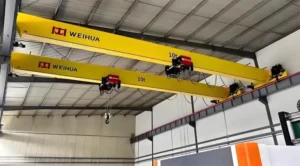
Comprising a single main girder, the hoisting mechanism is typically suspended beneath it. During operation, an electric hoist drives the hook for vertical movement, while the trolley traverses the girder horizontally. The entire crane then moves along the longitudinal track. Its lightweight structure facilitates installation and maintenance, making it suitable for medium-to-small lifting capacities and general applications.
Get Custom Quotation Now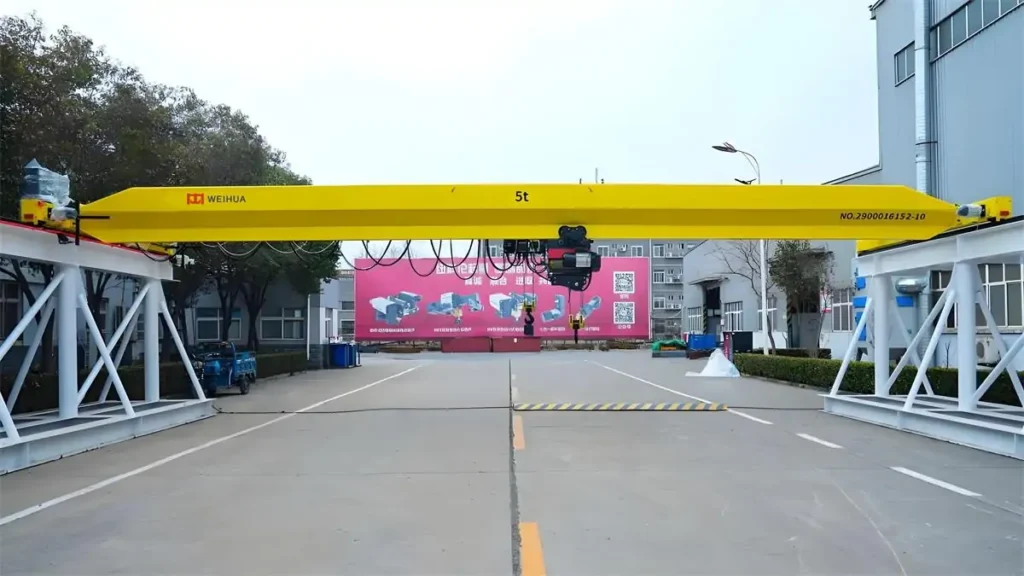
Double girder overhead crane
This crane features two main girders, with the hoisting mechanism mounted on a trolley suspended between them. During operation, the trolley travels above the girders while the hook operates between them, offering greater lifting height and more balanced load distribution. It is suitable for high-capacity, high-frequency, and heavy-duty applications, commonly used in steel mills and heavy manufacturing workshops.
Get Custom Quotation Now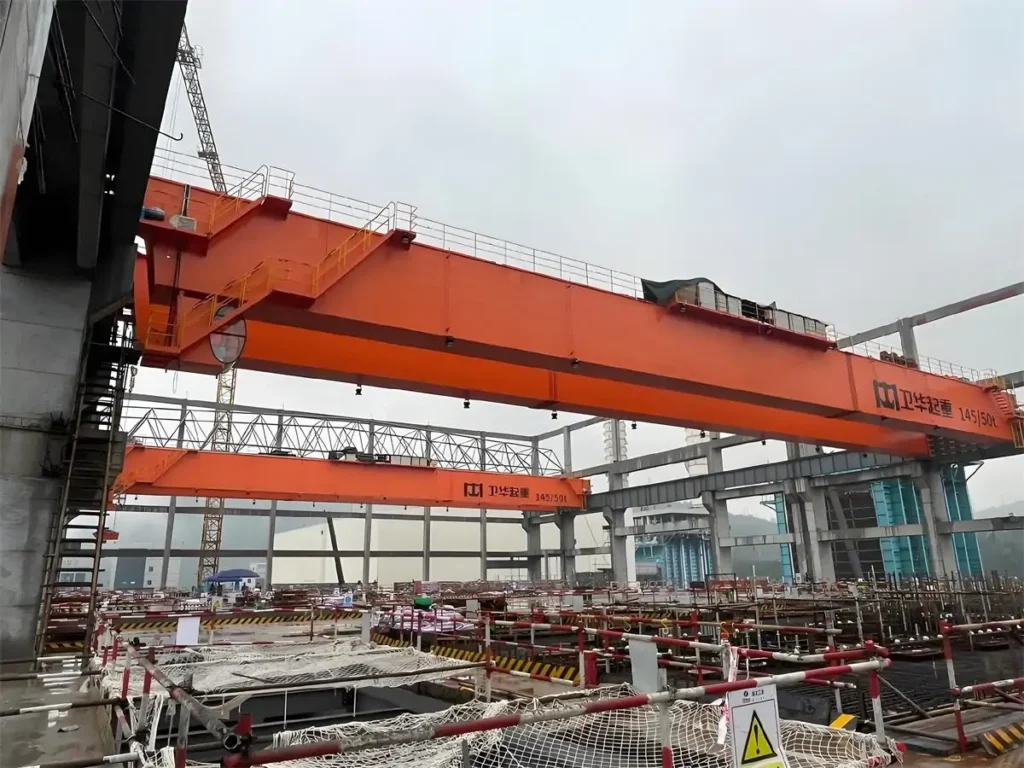
Underslung overhead crane
The track for an underslung overhead crane is mounted beneath the factory roof or beams, with the entire crane suspended for operation. The hoisting mechanism and trolley run below, while the bridge travels along the suspended track. This design occupies no floor space, making it suitable for facilities with limited headroom or where ground tracks cannot be installed. However, its lifting capacity is generally relatively small.
Get Custom Quotation Now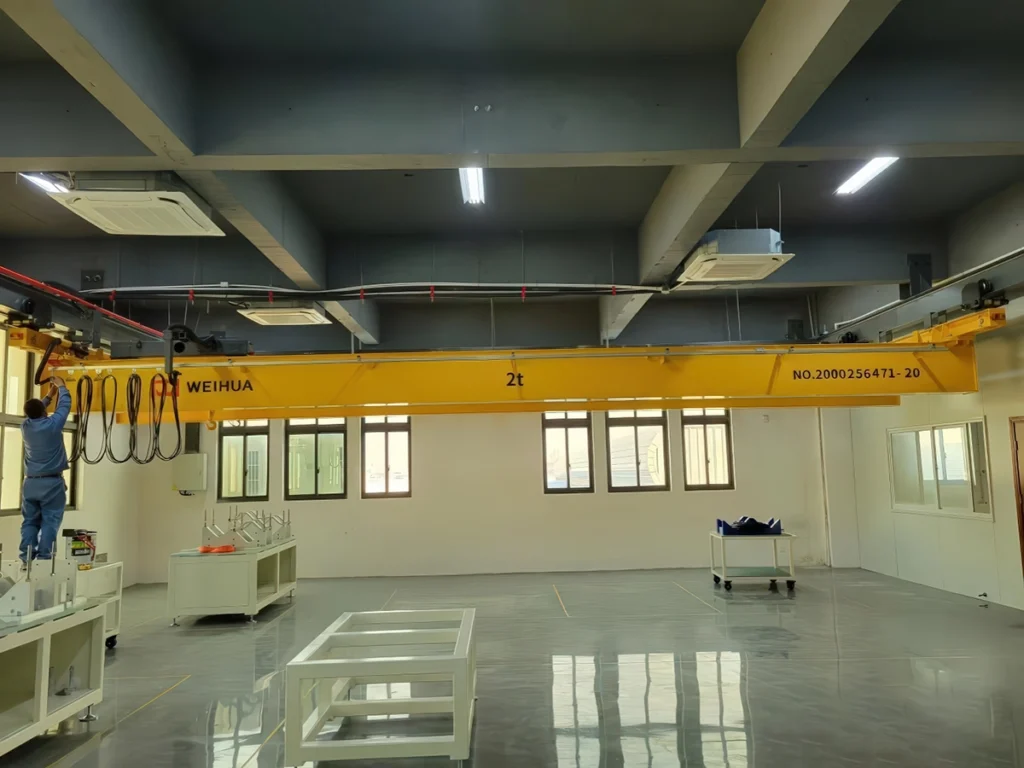
Conclusion
As demonstrated above, bridge cranes play a pivotal role in industrial material handling. Understanding these aspects facilitates proper equipment selection and safe operation. Different working conditions impose varying requirements on lifting capacity, span, lifting height, and control methods. Only by matching actual needs can a crane achieve optimal efficiency.
Weihua is a professional manufacturer of lifting equipment, offering customized solutions tailored to your specific operational requirements. This includes configurations for lifting capacity, structural design, control methods, and duty classes. If you are planning or upgrading your lifting equipment, we welcome you to consult with Weihua’s engineering team.
FAQS
How does an EOT crane work?
An EOT crane lifts loads with a hoist and moves them using trolley and bridge travel along rails.
What is the working principle of a single girder overhead crane?
A single girder overhead crane lifts loads with a hoist suspended under one main beam and positions them by trolley and bridge movement.
What powers an overhead crane?
Overhead cranes are mainly powered by electric motors that drive lifting and traveling motions.
How is an overhead crane controlled?
Overhead cranes are controlled by pendant controls, wireless remotes, or operator cabins for safe and accurate operation.